Technology
Painful Ukrainian concessions for security guarantees in Trump's plan
Discover how modern technology is transforming our daily lives, from smartphones to smart devices, and its profound impact on quality of life.


Modern technology and its impact on our daily lives
In recent years, the world has witnessed tremendous technological advancements, with technology becoming an integral part of our daily lives. From smartphones to smart home devices, technology plays a pivotal role in making life easier and improving our quality of life.
Smartphones: More than just a means of communication
Smartphones are more than just a means of communication today. They offer a wide range of applications that help with time management, social networking, and even online shopping. Easy access to information has made them an indispensable tool for many.
Smart home appliances: convenience and efficiency
Smart home appliances like internet-connected refrigerators and washing machines offer a new level of convenience and efficiency. Users can control these appliances remotely, saving time and effort and increasing energy efficiency.
Digital education: A paradigm shift in education
With the spread of the internet and the development of digital education technologies, distance learning has become a viable and effective option for many students worldwide. Online learning platforms offer diverse educational content accessible to everyone, regardless of their geographical location.
Challenges associated with modern technology
Despite the numerous benefits of modern technology, it comes with challenges that must be addressed carefully. Digital security and privacy are major concerns for users as reliance on digital services increases.
Digital security: Protecting personal data
With the rise of cyberattacks and online fraud, digital security has become essential for protecting personal data and sensitive information. Users must take preventative measures to ensure the safety of their information.
Technology addiction: potential negative effects
Excessive technology use can lead to technology addiction, which negatively impacts individuals' mental and physical health. Therefore, it is advisable to set specific times for using electronic devices to maintain a healthy balance between digital and real life.
Note: The article reflects a general view of the impact of modern technology, and the impact may vary based on individual use.




Technology
AI and deepfakes warfare in the Iranian conflict
A report reveals the role of artificial intelligence and deepfakes in the Iranian-Israeli conflict, and how social media platforms have turned into a misleading digital warfare arena that threatens stability.

In a qualitative shift in the concepts of traditional warfare, artificial intelligence has established itself as a key player and a new arena in the complex conflict between Iran, the United States, and Israel, extending its influence directly to the Gulf region and the Middle East. The confrontation is no longer limited to military operations on the ground or the usual diplomatic pronouncements; rather, the battle has moved to the digital realm, where narratives are fabricated and facts distorted at a speed that surpasses the ability of media and official institutions to verify them.
Deepfakes: The Weapon of the New Age
In the current phase, deepfake technologies and digitally generated images have become effective weapons of war, forming what resemble digital swarms aimed at inciting anxiety and psychological instability in both adversaries and the general public. The danger of this material lies in its ability to spread virally before undergoing any verification or scrutiny, making its psychological and political impact a tangible reality before it can be refuted.
In this context, WIRED, specializing in technical analysis, documented a widespread and systematic disinformation campaign on the X platform (formerly Twitter) following the announcement of military operations and recent tensions between Israel and Iran. The report identified hundreds of widely shared posts containing old videos recycled and attributed to current events, as well as AI-generated images depicting fabricated destruction or attacks.
From traditional propaganda to cognitive warfare
Historically, propaganda and psychological warfare have been integral parts of military conflicts, but the advent of generative artificial intelligence has changed the game. While disinformation previously required significant human effort and time, it can now be produced with the click of a button and with such precision that it is difficult for the naked eye to detect. This development elevates conflict to the level of "cognitive warfare," where the objective is not only to destroy the enemy's infrastructure but also to penetrate public consciousness and manipulate public opinion based on false information.
Regional and international impact
The repercussions of this "digital war" extend far beyond the borders of the warring nations, impacting regional and international security. For example, the dissemination of a fake video depicting a chemical or nuclear attack could trigger hasty political and military responses, or cause panic in global financial and energy markets, particularly in a sensitive region like the Arabian Gulf. This reality presents immense challenges for governments and technology companies to develop sophisticated detection tools that match the speed of the fakery, ensuring that the region does not descend into real conflicts sparked by a virtual threat.
Technology
America airlifts its first miniaturized nuclear reactor: details of the historic achievement
In a historic first, the United States successfully transported a miniature nuclear reactor by air using a military aircraft. Learn more about the operation and its impact on the future of energy and national security.
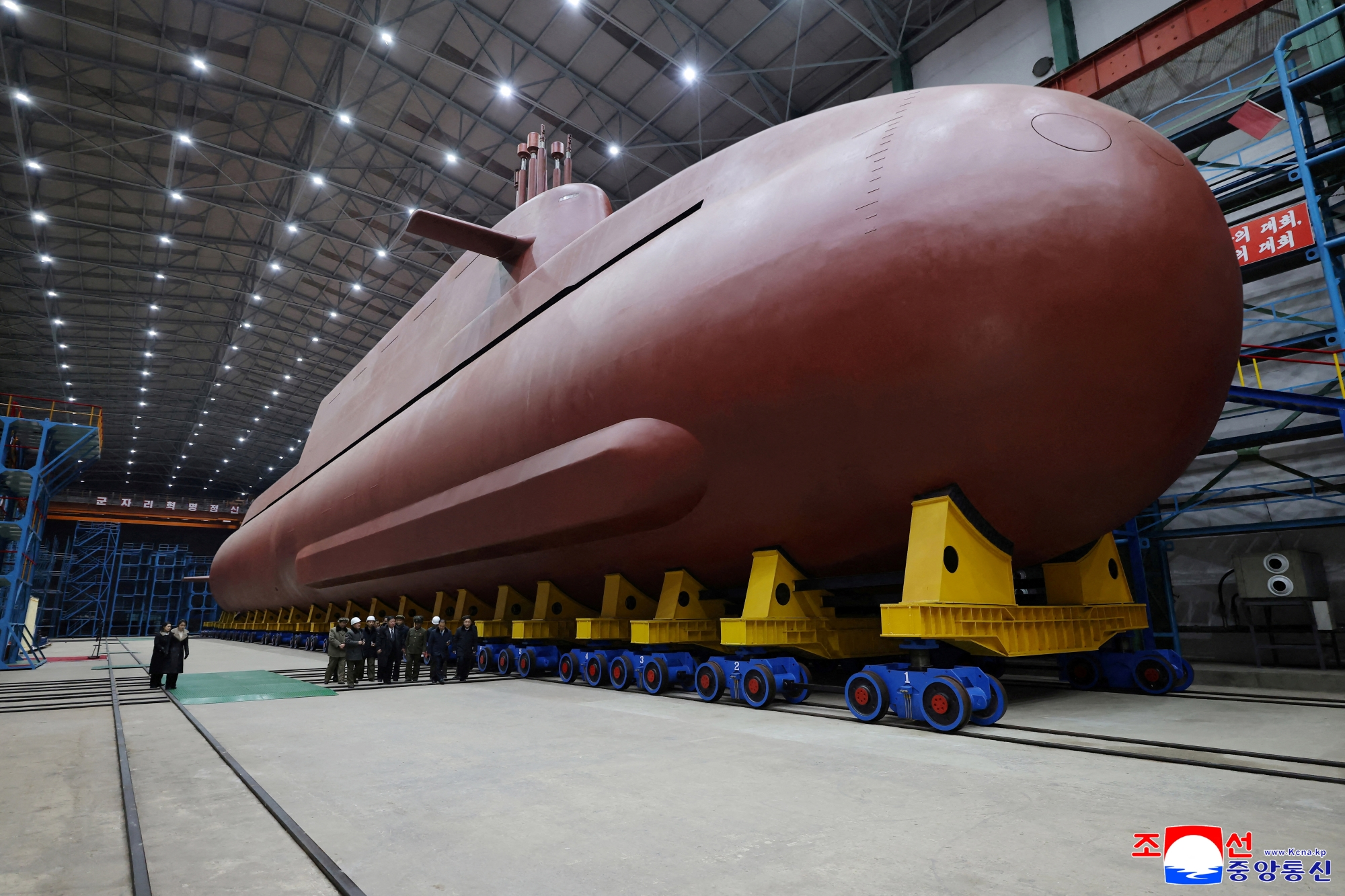
In a first of its kind globally, the United States Departments of Energy and Defense announced the successful execution of the first airlift of a miniature nuclear reactor, in a strategic step aimed at demonstrating readiness to deploy advanced nuclear energy solutions quickly and effectively to serve both military and civilian purposes.
Details of the complex logistical process
The successful operation involved transporting the reactor from California to Hill Air Force Base in Utah aboard a C-17 Globemaster strategic military transport aircraft. To ensure maximum safety during air transport, the reactor was shipped without nuclear fuel, demonstrating the ease with which reactor infrastructure can be moved before fueling at the operating site.
This achievement was accomplished through close collaboration between government agencies and California-based Valar Atomics, which selected one of the company’s Ward miniature reactors to carry out this pioneering experiment.
A strategic shift in the concepts of energy and national security
This move is of paramount importance, extending far beyond mere logistical transport; it represents a shift in American military and industrial doctrine toward the adoption of "mobile nuclear power." Historically, nuclear reactors have been massive, fixed civilian facilities requiring years to construct, but the move toward micro-reactors offers flexible energy solutions.
Energy Secretary Chris Wright and Under Secretary of Defense for Acquisition and Sustainment Michael Duffy were aboard the aircraft to closely monitor the operation, hailing it as a pivotal achievement in military logistics. Duffy emphasized that this operation "brings the United States closer to deploying nuclear power at the right time and place," which means enhancing the U.S. military's ability to support forces in combat missions and at remote bases without relying entirely on vulnerable conventional fuel supply chains.
Political support and a future-oriented approach
This experiment aligns with the policies of US President Donald Trump's administration, which has adopted a strategy of expanding small nuclear reactors as a key pathway to increasing energy production. This approach is driven by growing national security demands, as well as the immense needs of data centers and artificial intelligence applications, which require sustainable and reliable energy sources. Last May, Trump issued four executive orders aimed at promoting and expanding the deployment of nuclear power, and in December, the Department of Energy awarded grants to accelerate the development of these technologies.
Technical specifications and promising business plans
Technically speaking, Isaiah Taylor, CEO of Valar, explained that the mobile reactor is compact, slightly larger than a small bus, yet has a tremendous capacity to generate up to 5 megawatts of electricity, enough to supply about 5,000 homes with continuous power.
Taylor revealed the operational timeline, stating that work will begin next July with an initial capacity of 100 kilowatts, gradually increasing to 250 kilowatts later this year, and eventually reaching full capacity. The company aims to begin trial power sales by 2027, with plans to transition to full commercial operation in 2028. The company emphasized the need for enabling federal regulations to allow fuel manufacturing and uranium enrichment within the United States to ensure the independence of this vital sector.
Technology
Conclusion of the CISO500 program to enhance cyber leadership in Saudi Arabia
Sirar by stc and PwC concluded the fifth edition of the CISO500 program, with the aim of empowering cybersecurity leaders in Saudi Arabia and discussing the challenges of artificial intelligence.
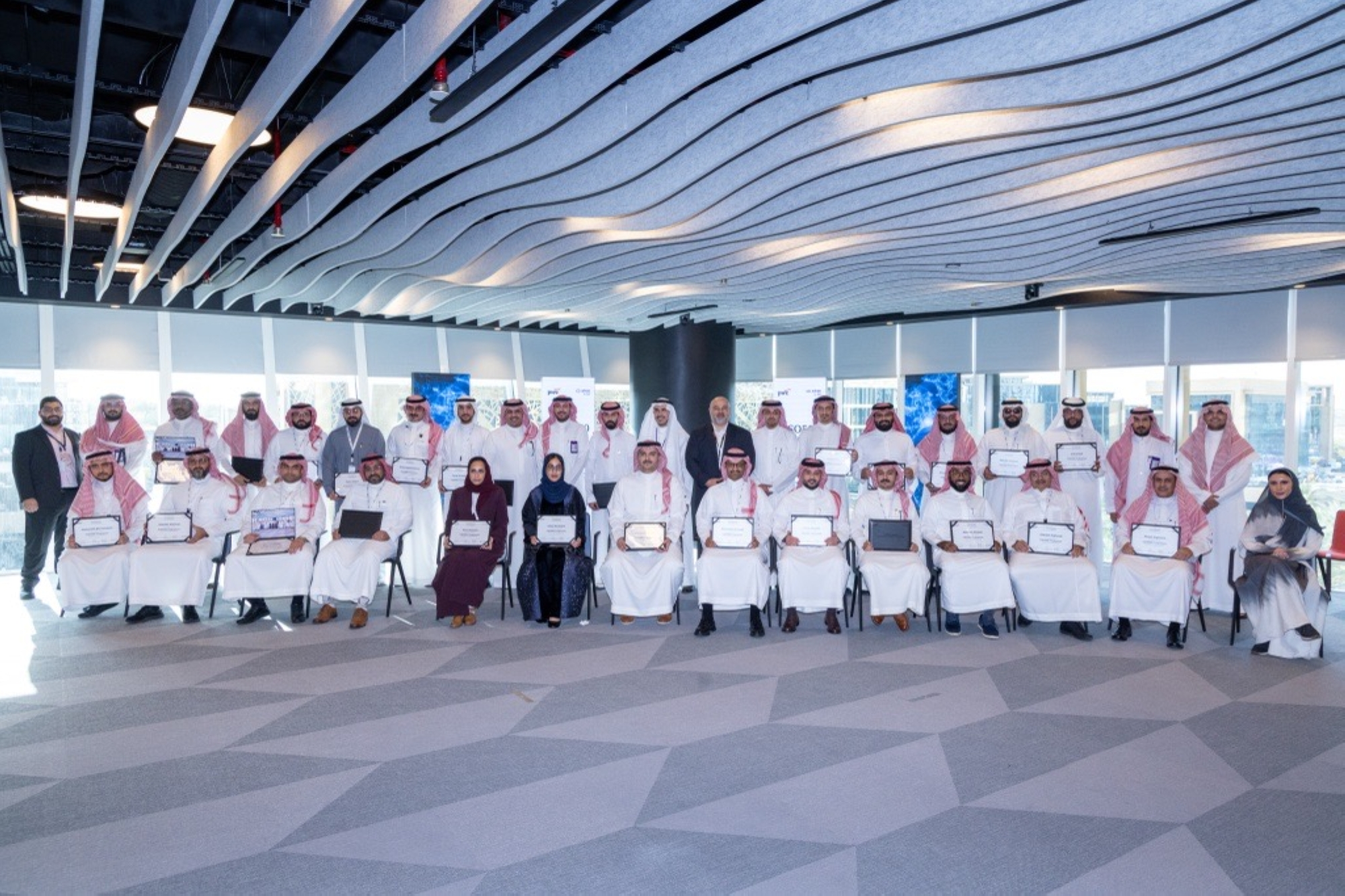
The fifth edition of the “CISO500” program, a leading initiative organized in strategic partnership between “PwC Middle East” and “Sirar by stc”, recently concluded after five days of intensive sessions and rich discussions aimed at honing the skills of cybersecurity leaders in the Kingdom of Saudi Arabia.
The context of digital transformation and the importance of cybersecurity
This program is being held at a crucial time, as Saudi Arabia is experiencing rapid technological advancements in line with the goals of Vision 2030, where digital transformation is a cornerstone of diversifying the national economy. With the increasing reliance on digital infrastructure in both the public and private sectors, the urgent need arises to develop national leaders capable of protecting cyberspace from evolving threats. The program's role extends beyond technical training; it also aims to promote the strategic concept of cybersecurity as an enabler of business, not merely a defensive tool.
Program themes: From governance to artificial intelligence
The fifth edition of the program focused on developing the skills of Chief Cyber Security Officers (CISOs) to enable them to play a pivotal role in strategic decision-making within their organizations. The program covered advanced topics including:
- Cyber transformation pitfalls: Reviewing common challenges and how to avoid them to ensure a secure digital transition.
- Financial management and governance: How to manage cybersecurity budgets and translate technical risks into financial metrics that support board decisions.
- Emerging Technologies: Discussing the impact of artificial intelligence and quantum computing on the security landscape, with a focus on the governance of AI technologies and securing critical and operational infrastructure.
Enhancing national preparedness
Commenting on the program's conclusion, Mr. Yasser Al-Suwailem , CEO of Sirar by stc, affirmed that the program represents a crucial step towards enhancing the readiness of cybersecurity leaders in the region. Al-Suwailem stated, “The CISO500 program is a cornerstone in our journey towards building a secure and reliable Saudi cyberspace, fully aligned with our national aspirations.” He added that investing in national leaders is no longer an option but a strategic imperative to ensure sustainable digital development, noting that the initiative embodies a commitment to empowering talent according to the highest global standards.
Long-term investment in talent
For his part, Professor Samer Omar , Head of Cybersecurity and Digital Trust at PwC Middle East, explained that the partnership reflects a firm commitment to developing leadership capabilities. He stated, “The CISO500 program is a long-term investment in Saudi leadership. Over the past year, we have witnessed how bringing together top Saudi professionals in a structured executive environment accelerates capacity building and fosters trust.” Omar emphasized that the focus is on providing chief information security officers with the strategic vision and technical depth necessary to safeguard the Kingdom’s digital ambitions.
Interactive experience and participant testimonials
The program adopted an interactive learning methodology that combined strategic discussions with practical activities. In this context, Professor Abdullah Al-Asmari , Head of Cybersecurity at the Saudi Research and Media Group, highlighted the program's added value, stating, "The program provided an enriching experience that enhanced the leadership perspective on cybersecurity, particularly in linking technical practices to strategic and financial dimensions." He added that the program offered a valuable platform for exchanging expertise on the challenges of emerging technologies such as artificial intelligence, thereby strengthening leaders' ability to make decisions based on a comprehensive understanding of risks and value.
The participants concluded the program by emphasizing its role in establishing cybersecurity as a strategic enabler that supports innovation and maintains business sustainability and reliability in light of increasing global challenges.
-

 Local News 3 days ago
Jeddah Airport alerts for travelers due to airspace closure and flight disruptions
-
Local News 5 days ago
Saudi Arabia approves regulations for the continued presence of Gulf vehicles: duration and penalties
-
Local news one week ago
The Ministry of Interior begins procedures for a royal pardon for common law prisoners
-
Local news one week ago
The deadline for property registration in Hail and Riyadh is Thursday
-
Sports one week ago
Tickets for the Al-Ahli vs. Al-Hilal King's Cup match postponed: New date
-
Local news one week ago
Under the patronage of the Minister of Information, an agreement was signed between the Ministry of Information and Waves Marketing Company
-
Culture and Art 6 days ago
The Devil's Prisons series was halted: The full story of "The Emperor's" being moved to YouTube
-
Local News 5 days ago
Saudi Energy: A new identity for electricity that aligns with Vision 2030