
Technology
Saudi Arabia is leading the transformation in artificial intelligence to achieve Vision 2030
The Minister of Education affirms the Kingdom’s endeavor to transform from a consumer of artificial intelligence to a developer, within the framework of the Vision 2030 strategy to build a knowledge economy and bridge the digital divide.

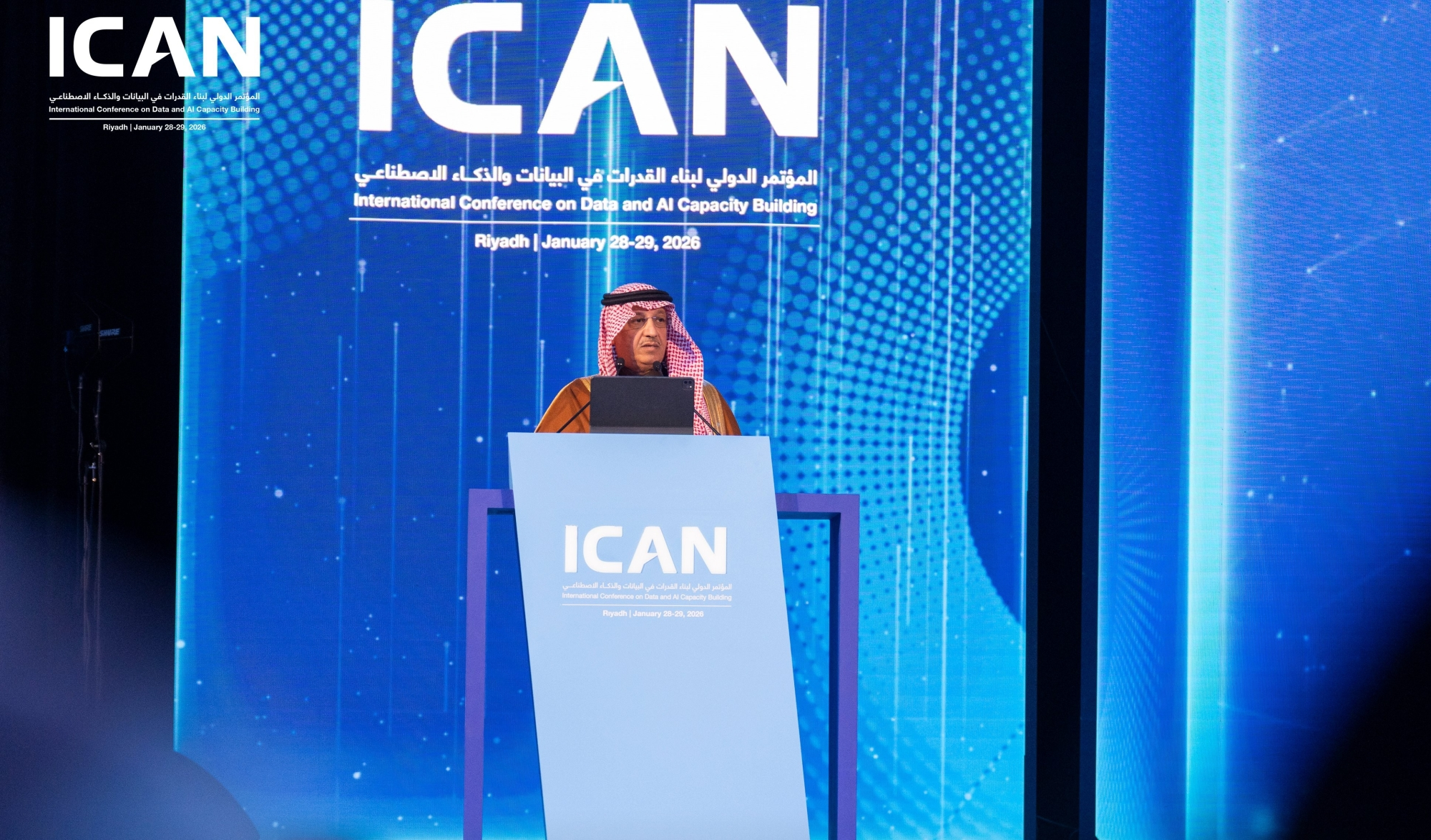
Saudi Arabia’s Minister of Education, Yousef Al-Bunyan, affirmed that the Kingdom is steadily progressing towards a strategic transformation in its relationship with advanced technologies, striving to move from being a consumer of artificial intelligence to becoming a major contributor and innovator in its development and applications. This statement was made during his opening address at the International Conference on Building Capabilities in Data and Artificial Intelligence (ICAN 2026), hosted by King Saud University. He emphasized that this approach aims to bridge the growing global digital divide and achieve tangible economic and societal benefits.
General context: Artificial intelligence at the heart of Vision 2030
This ambitious approach is an integral part of Saudi Vision 2030, which places digital transformation and the building of a knowledge-based economy at the heart of its objectives. The Kingdom recognized early on that the future depends on data and smart technologies, and established specialized bodies such as the Saudi Data & Artificial Intelligence Authority (SDAIA) to lead national efforts in this field. The shift from consumption to production means not only adopting technology, but also localizing it and developing a national workforce capable of innovation and global competitiveness, thereby reducing reliance on imported solutions and enhancing national technological security.
Conference pillars and the importance of the human element
Al-Bunyan explained that the conference focuses on three key pillars: artificial intelligence infrastructure, digital readiness for different age groups, and future preparedness. He noted that the event goes beyond theoretical discussions to focus on practical steps, including signing agreements and launching initiatives that link education, the labor market, and national aspirations. The minister emphasized that global challenges are no longer limited to the availability of technology, but extend to the ability of individuals to utilize it efficiently and effectively, stressing that “the future of artificial intelligence is shaped by people as much as by technology.”.
Artificial intelligence as a support for education, not a replacement
Regarding the education sector, the Minister of Education affirmed that artificial intelligence is a supportive and enabling element, not a replacement for teachers or human resources. He explained that the goal is to use it to enhance productivity, improve the quality of educational outcomes, and provide personalized learning experiences for students. He emphasized the paramount responsibility of designing AI systems where humans remain in control and are the primary beneficiaries, considering this a fundamental requirement for achieving sustainable development and the desired growth.
Expected impact: National leadership and regional influence
The Kingdom's success in this transformation will have far-reaching effects across various sectors. Domestically, it will create high-quality, skilled jobs for Saudi youth and accelerate the diversification of the economy away from oil. Regionally, it will solidify Saudi Arabia's position as a leading technology hub in the Middle East, attracting investment and talent. Internationally, this transformation will position the Kingdom as a producer and exporter of AI innovations, enhancing its economic and technological influence on the global stage.
Al-Bunyan concluded his speech by praising the role played by King Saud University, its faculty members and students in driving research and innovation, stressing that the educational environment in the Kingdom is witnessing rapid development that supports the success of such international events and contributes to building effective partnerships and career paths that extend from learning to leadership, in order to serve the goals of Vision 2030.


Technology
KACST is converting waste into hydrogen fuel to support Vision 2030
King Abdulaziz City for Science and Technology (KACST) unveils an innovative technology to convert plastic waste into clean hydrogen in seconds, as part of the Kingdom’s efforts to achieve the goals of Vision 2030.
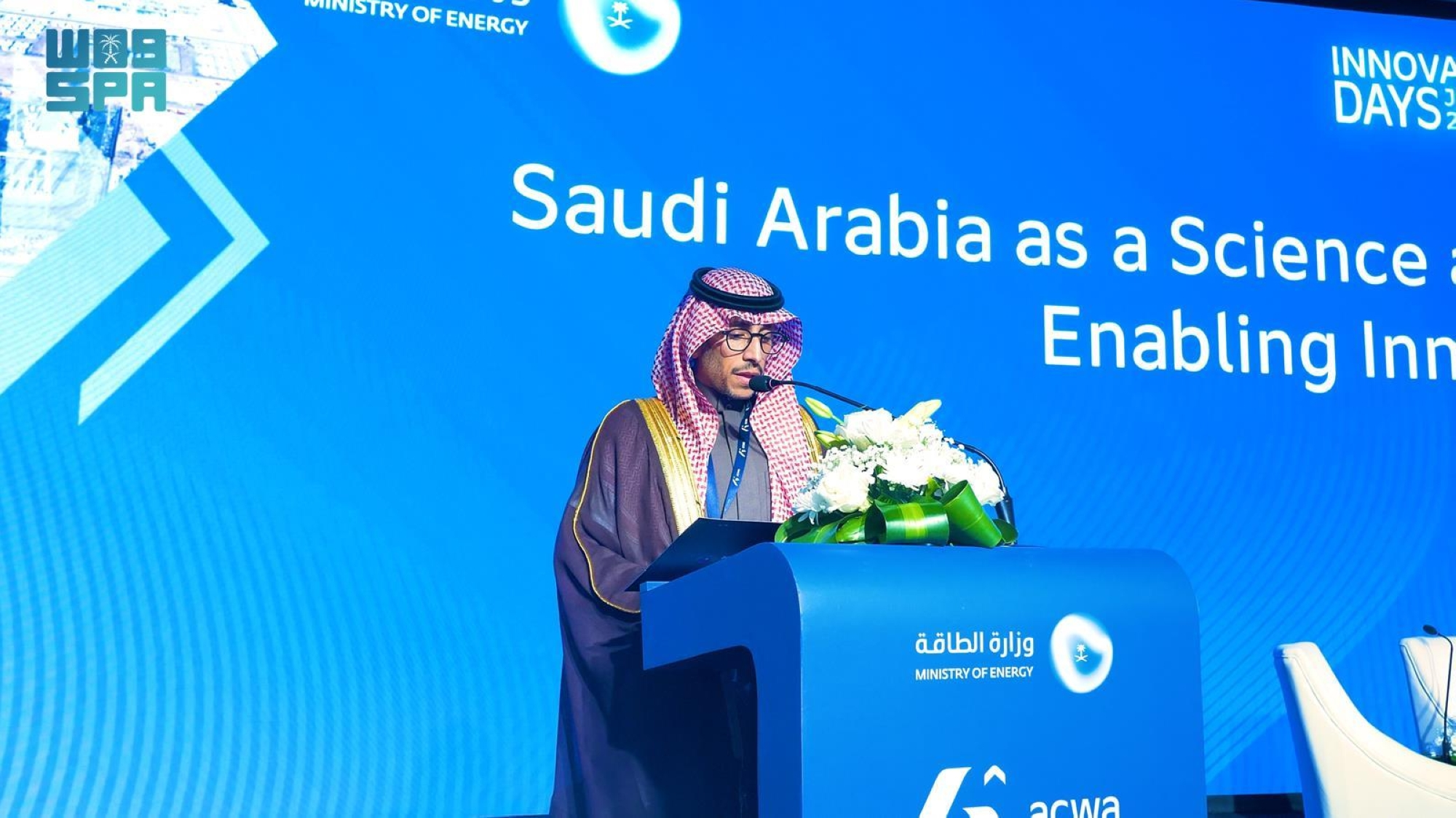
King Abdulaziz City for Science and Technology (KACST) announced a significant scientific breakthrough: converting plastic waste into clean hydrogen fuel in just a few seconds. This announcement was made by Dr. Talal Al-Sudairy, Vice President of KACST for Research and Development, during his address at the “Innovation Days 2024” forum, emphasizing KACST’s leading role in driving innovation in line with the goals of Saudi Vision 2030.
General context and importance of green hydrogen
This achievement comes at a time when the entire world is moving towards clean energy sources to address the challenges of climate change. Green hydrogen, produced from renewable sources, is a cornerstone of the global energy future. The significance of the new Kakst technology lies in its dual approach: it not only contributes to the production of clean fuel but also tackles one of the world's biggest environmental problems: the accumulation of plastic waste. This step is part of the Kingdom's ambitious strategy to become the world's largest producer and exporter of clean hydrogen, leveraging its natural resources and advanced research capabilities.
Multiple achievements that support sustainability
Dr. Al-Sudairy's announcement wasn't limited to hydrogen technology; it encompassed a range of groundbreaking innovations reflecting KACST's comprehensive vision for achieving sustainability. Among the most notable achievements was the extraction of water from the air in harsh desert conditions using metal-organic frameworks (MOFs), a promising solution to water scarcity in arid regions. KACST also succeeded in converting petroleum coke, a byproduct of oil refining, into high-value graphene, opening new avenues for developing safer and more efficient batteries. In the solar energy sector, researchers developed a technology that reduces dust accumulation on solar panels by over 30%, enhancing their efficiency and lowering maintenance costs in desert environments.
Strategic partnerships to accelerate transformation
Al-Sudairi emphasized that these successes would not have been possible without the strategic partnerships that KACST has forged with leading national and international companies. He highlighted the fruitful collaboration with ACWA Power as a prime example, focusing on addressing key challenges in the clean energy and water sectors. This partnership aims to reduce desalination costs, enhance the efficiency of solar power plants, leverage artificial intelligence in managing electrical grids, and develop power electronics to seamlessly integrate renewable energy sources into the national grid. These integrated efforts aim to accelerate the Kingdom's transition from research and development to large-scale manufacturing, thereby solidifying its position as a global hub for technology and innovation.
Technology
Hexagon: Saudi Arabia strengthens its data sovereignty with the world's largest government center
The Saudi Cabinet praised the launch of the global 'Hexagon' data center, stressing its role in achieving data sovereignty and supporting the digital economy within the objectives of Vision 2030.
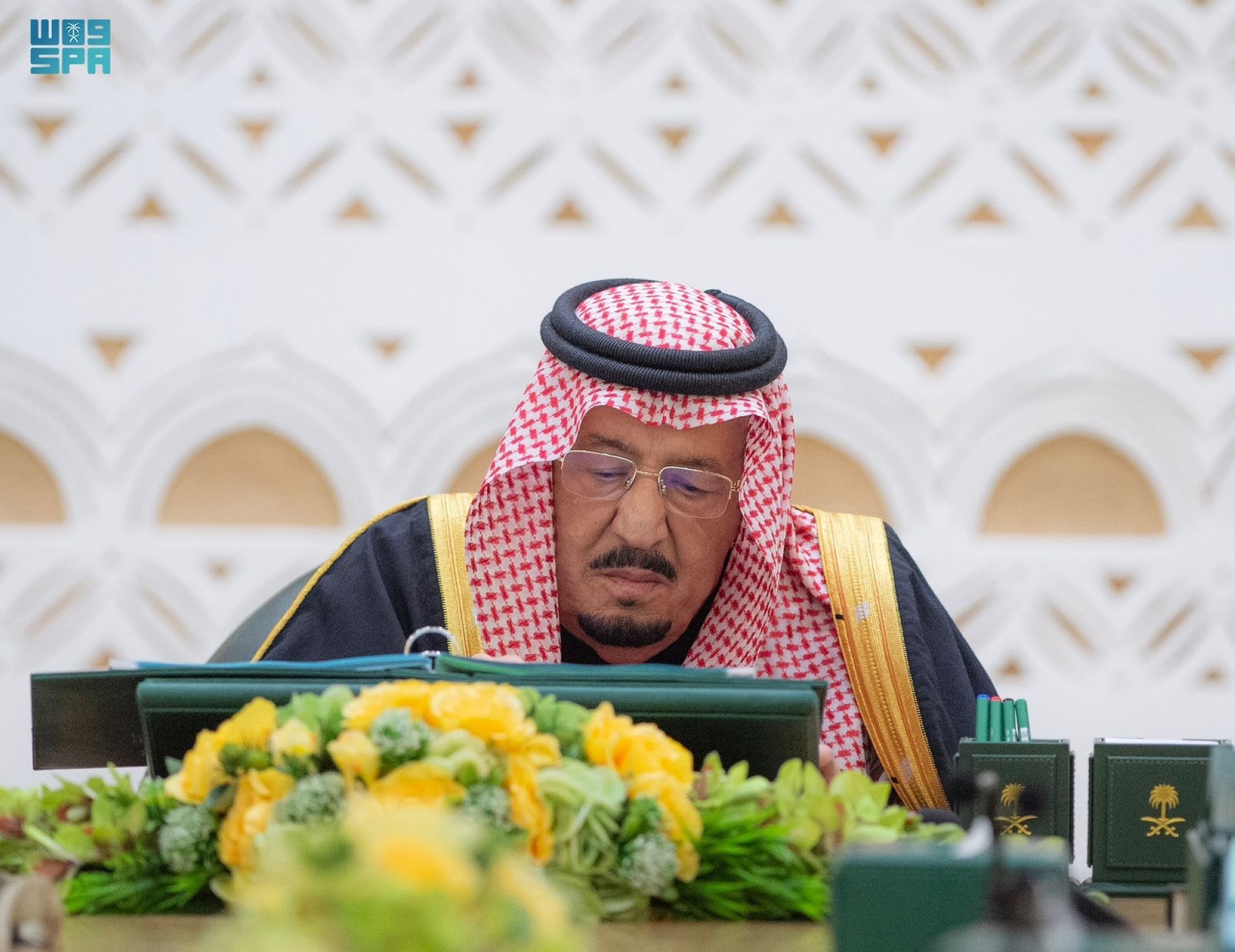
The Saudi Cabinet, in its session chaired by the Custodian of the Two Holy Mosques, King Salman bin Abdulaziz, commended the launch of the world's largest government data center in Riyadh, named "Hexagon." The Cabinet affirmed that this landmark project represents a major strategic leap towards strengthening the Kingdom's sovereignty over its data, supporting its digital economy, and solidifying its position as a leading global hub for technology and data, in line with the objectives of the Kingdom's Vision 2030.
General context: Digital transformation and Vision 2030
The launch of the Hexagon Center comes within the framework of Saudi Arabia’s ongoing efforts to accelerate digital transformation across all public and private sectors. Since the launch of Vision 2030, the Kingdom has prioritized building a sustainable, data-driven, and AI-powered economy. Robust digital infrastructure, such as large data centers, is the cornerstone of achieving these goals, providing the computing and storage capacity necessary to support digital initiatives, AI applications, the Internet of Things, and smart cities.
The importance of Hexagon for data sovereignty and security
The Hexagon Center represents a significant leap forward in the concept of “data sovereignty,” the principle that a country’s data should be governed by its own laws and regulations. By hosting sensitive government data within the Kingdom’s borders, the project ensures its protection from external interference and strengthens national cybersecurity. It also empowers the government with complete control over how data is collected, stored, and processed, supporting strategic decision-making based on accurate and reliable analysis and enhancing public and investor confidence in the Kingdom’s digital ecosystem.
Expected economic and technological impact
Domestically, Hexagon is expected to contribute to creating an integrated digital ecosystem that supports the competitiveness of the national economy. The project will encourage significant investments from global technology companies seeking to offer their services in the Saudi market, while adhering to data localization requirements. It will also serve as a platform to empower innovation among local startups and entrepreneurs in advanced technology fields. Regionally and internationally, this mega-project reinforces Riyadh's position as a digital capital in the Middle East and establishes the Kingdom as a key player in the global data center market, opening new avenues for international cooperation in the fields of digital economy and artificial intelligence.
Other decisions in the Cabinet meeting
In addition to commending the “Hexagon” project, the Cabinet discussed a number of important local and regional issues. The Cabinet was briefed on the latest developments in the region, reiterating the Kingdom’s support for efforts to achieve security and stability in Yemen. The Cabinet also affirmed the Kingdom’s continued humanitarian role in providing relief to the Palestinian people in the Gaza Strip, emphasizing that the Palestinian cause will remain firmly rooted in the conscience of the Saudi leadership and people. On the domestic front, the Cabinet approved several new regulations and agreements, including the rules of procedure for the National Minerals Program, the regulations for the National Commission for Education, Culture and Science, and the extension of the National Information Technology Sector Development Program until 2030.
Technology
European banks and artificial intelligence: A plan to lay off 200,000 employees
European banks are preparing to cut 200,000 jobs as they accelerate the adoption of artificial intelligence and automation. Learn about the future impacts and challenges facing the banking sector.

European banks are preparing to launch a large-scale plan that could lead to the elimination of nearly 200,000 jobs in the coming years, a move reflecting the rapid adoption of artificial intelligence and automation technologies within the banking sector. This strategy aims to drastically reduce operating costs and boost efficiency in the face of economic challenges and increasing competition from financial technology (FinTech) companies.
General context and digital transformation
This transformation is not a sudden occurrence, but rather the culmination of decades of digital development in the banking sector. From the introduction of ATMs in the 1970s, through online banking in the 1990s, to mobile banking apps, the sector has been steadily moving towards reducing its reliance on traditional branches and manual processes. However, the current wave, driven by artificial intelligence, is the most impactful and profound, now targeting cognitive functions that were previously considered immune to automation.
The importance of the event and its expected impact
According to estimates by Morgan Stanley, these potential job cuts could represent around 10% of the total workforce at approximately 35 major European banks by 2030. The firm anticipates that the use of artificial intelligence will boost productivity by up to 30% in critical areas such as data processing, regulatory compliance, risk management, and customer service via advanced chatbots. The layoffs are expected to primarily affect administrative, clerical, and back-office roles whose tasks can be easily automated.
Economic and social repercussions
Regionally, this plan raises significant economic and social concerns in Europe. The loss of such a large number of jobs will put pressure on labor markets and require proactive government responses and policies to retrain and reskill the affected workforce. Internationally, this European move reflects a global trend, as banks in North America and Asia face similar pressures to adopt technology and reduce costs, making this transformation a global phenomenon that will reshape the entire banking industry.
The challenge of balancing technology and the human element
Conversely, industry experts and analysts have warned of the risks of over-reliance on artificial intelligence. While the technology contributes to increased efficiency, there is growing concern about the long-term loss of accumulated human expertise and essential banking skills. The biggest challenge for bank leaders lies not only in reducing costs but also in striking a delicate balance between leveraging technological capabilities and retaining skilled human resources capable of handling complex tasks and making critical decisions that still require human judgment.
-

 Local News 3 days ago
Landslide in Riyadh: Details of the incident in Al-Sahafa neighborhood and containment efforts
-
 Local News 4 days ago
The death penalty was carried out against a citizen who stabbed another to death in Tabuk
-

 Culture and Art, 1 week ago
Ramez Galal in Ramadan 2026: Details of the bloody prank show
-

 Local News 5 days ago
First birth on the Riyadh train: A heartwarming story at Andalus station
-
 Local News 3 days ago
Riyadh collapse: Emergency plans to secure water after a main pipeline burst
-

 Culture and Art 3 days ago
Haifa Wehbe's absence in Riyadh: A photo crisis or a strained relationship with the media?
-

 Culture and Art 3 days ago
City Kitchen series: A drama of conflict and the middle class during Ramadan
-

 Culture and Art 3 days ago
The series "Kasra": Dawood Hussein in a moving social drama this Ramadan