Technology
5 "new" features in iOS 26 that Android users already know about
Apple has introduced some exciting new features in the upcoming iOS 26, but Android users will recognize them immediately. Here's the comparison


Apple has introduced some striking new features in the upcoming iOS 26, but Android users will recognize them immediately. Here's the comparison. Apple's annual Worldwide Developers Conference (WWDC) saw the first major iOS redesign since 2013, with impressive demos showcasing iOS 26's Liquid Glass design and AI-powered features. Apple sometimes takes its time adding new features to its devices, but when it does, it's often a carefully considered redesign of a familiar theme. Let's take a look at some of the ways Apple excels and how it outperforms its Android counterpart.
1- Call screening and waiting assistance
Apple's new Call Screening feature automatically answers unknown numbers in the background and converts callers' responses into instant text. The Hold Assistant detects and mutes hold music during calls and alerts you when an employee returns.
It's a neat feature, but Android has perfected it since 2018. Google Assistant's calling suite features Call Screen, which debuted on the Pixel 3. This filteres out unwanted calls before they ring and provides instant texts. Wait for Me, on the other hand, came in 2020, using Duplex AI to silently wait while you're on hold. Apple's version adds more precise voice detection, but the core idea of taking back time from telemarketers is a well-known feature of Pixel phones.
2- Detecting spam
iOS 26 directs suspicious messages to a dedicated "Unknown Senders" folder, removing them from the main News Feed. These messages remain muted and will only appear as notifications after explicit approval.
But Google Messages introduced a feature to filter spam messages on the device by 2018. Google went a step further by automatically warning against and filtering spam calls within the Phone app. And we haven't even touched on Google's latest addition: real-time fraud detection during phone calls using on-device AI, which seems like pure magic. Apple's version of this feature is a great start, but it's not quite as effective as the tool Android has been developing for nearly a decade.
3- Direct translation
iOS 26's Live Translate feature instantly translates speech and text across messages, FaceTime, and calls. Even AirPods translate aloud during conversations. It's seamless and incredibly useful in the right situations. Android has offered this feature since 2021, when Google's Live Translate service launched on the Pixel 6, with offline translation capabilities for over 20 languages. This was followed by the integration of Pixel Buds, allowing users to hear translations directly through their earbuds. Going back to 2017, Google introduced this feature with the first generation of Pixel Buds, leveraging Google Assistant for real-time translation. Apple's Live Translate feature is elegant and impressive, but the underlying technology reflects where Android has excelled for years.
4- Visual intelligence
Apple's visual intelligence now extends to screen content, enabling users to identify or draw objects in screenshots for searching across apps. With it, users can do things like identify a jacket in a social media post or a unique vase in a photo.
If this sounds familiar, you've probably heard of Android's fantastic circular search feature. First released in January 2024, this feature allows users to simply select, tap, or click on an item on the screen to initiate a visual search. It works across all apps, and unlike Apple's app, it doesn't overload your photo album with screenshots.
5- Genmoji and the image playground
The Genmoji app lets users combine two emojis into a dynamically generated image, along with text prompts to create custom stickers. But since 2020, Android devices have offered emoji combinations, with Gboard's Emoji Kitchen providing pre-designed sets for messaging apps. The Android version lacks instant generation but still boasts over 100,000 combinations. Gboard has also offered AI-powered sticker creation in Pixel Studio since 2024. While Apple's AI-powered customization is more flexible, the basic idea of remixing emojis for messaging isn't new.
One more thing: liquid glass
Perhaps Apple's most notable offering was the unveiling of Liquid Glass, a design language that blends futuristic and familiar elements. While the transparent icons and glass-like layers of iOS 26 are impressively polished, this hasn't stopped Android enthusiasts from drawing parallels with icon packs from the early 2000s. Third-party launchers like GO Launcher and ADW have already released icon packs and themes that closely resemble Apple's aesthetic, even if Apple's approach is far more advanced in execution and refinement.
In general, Liquid Glass's philosophy is very similar to Google's Material Design, which seeks to unify its digital interfaces by mimicking real-world elements. Apple strives to make anything "purely digital" look natural and vibrant by leveraging the physical properties of VisionOS, with icons that change contextually on all surfaces.
Google has focused on touch surfaces and adaptive designs since first launching Material Design in 2014. A major update called Material 3 Expressive, launching with Android 16 later this year, reinforces this spirit by integrating bold, personalized interfaces with physics-inspired motion and realistic materials. Both updates aim to humanize interfaces, but they take different paths to achieve this.
Many of Apple's innovations at this year's WWDC are essentially Android cores, albeit with subtle redesigns, but the competition is heating up. With Liquid Glass launching in iOS 26 and Material 3 Expressive in Android 16 just months apart, both platforms are striving for similar goals: vibrant user interfaces.
Related News


Technology
America airlifts its first miniaturized nuclear reactor: details of the historic achievement
In a historic first, the United States successfully transported a miniature nuclear reactor by air using a military aircraft. Learn more about the operation and its impact on the future of energy and national security.

In a first of its kind globally, the United States Departments of Energy and Defense announced the successful execution of the first airlift of a miniature nuclear reactor, in a strategic step aimed at demonstrating readiness to deploy advanced nuclear energy solutions quickly and effectively to serve both military and civilian purposes.
Details of the complex logistical process
The successful operation involved transporting the reactor from California to Hill Air Force Base in Utah aboard a C-17 Globemaster strategic military transport aircraft. To ensure maximum safety during air transport, the reactor was shipped without nuclear fuel, demonstrating the ease with which reactor infrastructure can be moved before fueling at the operating site.
This achievement was accomplished through close collaboration between government agencies and California-based Valar Atomics, which selected one of the company’s Ward miniature reactors to carry out this pioneering experiment.
A strategic shift in the concepts of energy and national security
This move is of paramount importance, extending far beyond mere logistical transport; it represents a shift in American military and industrial doctrine toward the adoption of "mobile nuclear power." Historically, nuclear reactors have been massive, fixed civilian facilities requiring years to construct, but the move toward micro-reactors offers flexible energy solutions.
Energy Secretary Chris Wright and Under Secretary of Defense for Acquisition and Sustainment Michael Duffy were aboard the aircraft to closely monitor the operation, hailing it as a pivotal achievement in military logistics. Duffy emphasized that this operation "brings the United States closer to deploying nuclear power at the right time and place," which means enhancing the U.S. military's ability to support forces in combat missions and at remote bases without relying entirely on vulnerable conventional fuel supply chains.
Political support and a future-oriented approach
This experiment aligns with the policies of US President Donald Trump's administration, which has adopted a strategy of expanding small nuclear reactors as a key pathway to increasing energy production. This approach is driven by growing national security demands, as well as the immense needs of data centers and artificial intelligence applications, which require sustainable and reliable energy sources. Last May, Trump issued four executive orders aimed at promoting and expanding the deployment of nuclear power, and in December, the Department of Energy awarded grants to accelerate the development of these technologies.
Technical specifications and promising business plans
Technically speaking, Isaiah Taylor, CEO of Valar, explained that the mobile reactor is compact, slightly larger than a small bus, yet has a tremendous capacity to generate up to 5 megawatts of electricity, enough to supply about 5,000 homes with continuous power.
Taylor revealed the operational timeline, stating that work will begin next July with an initial capacity of 100 kilowatts, gradually increasing to 250 kilowatts later this year, and eventually reaching full capacity. The company aims to begin trial power sales by 2027, with plans to transition to full commercial operation in 2028. The company emphasized the need for enabling federal regulations to allow fuel manufacturing and uranium enrichment within the United States to ensure the independence of this vital sector.
Technology
Conclusion of the CISO500 program to enhance cyber leadership in Saudi Arabia
Sirar by stc and PwC concluded the fifth edition of the CISO500 program, with the aim of empowering cybersecurity leaders in Saudi Arabia and discussing the challenges of artificial intelligence.
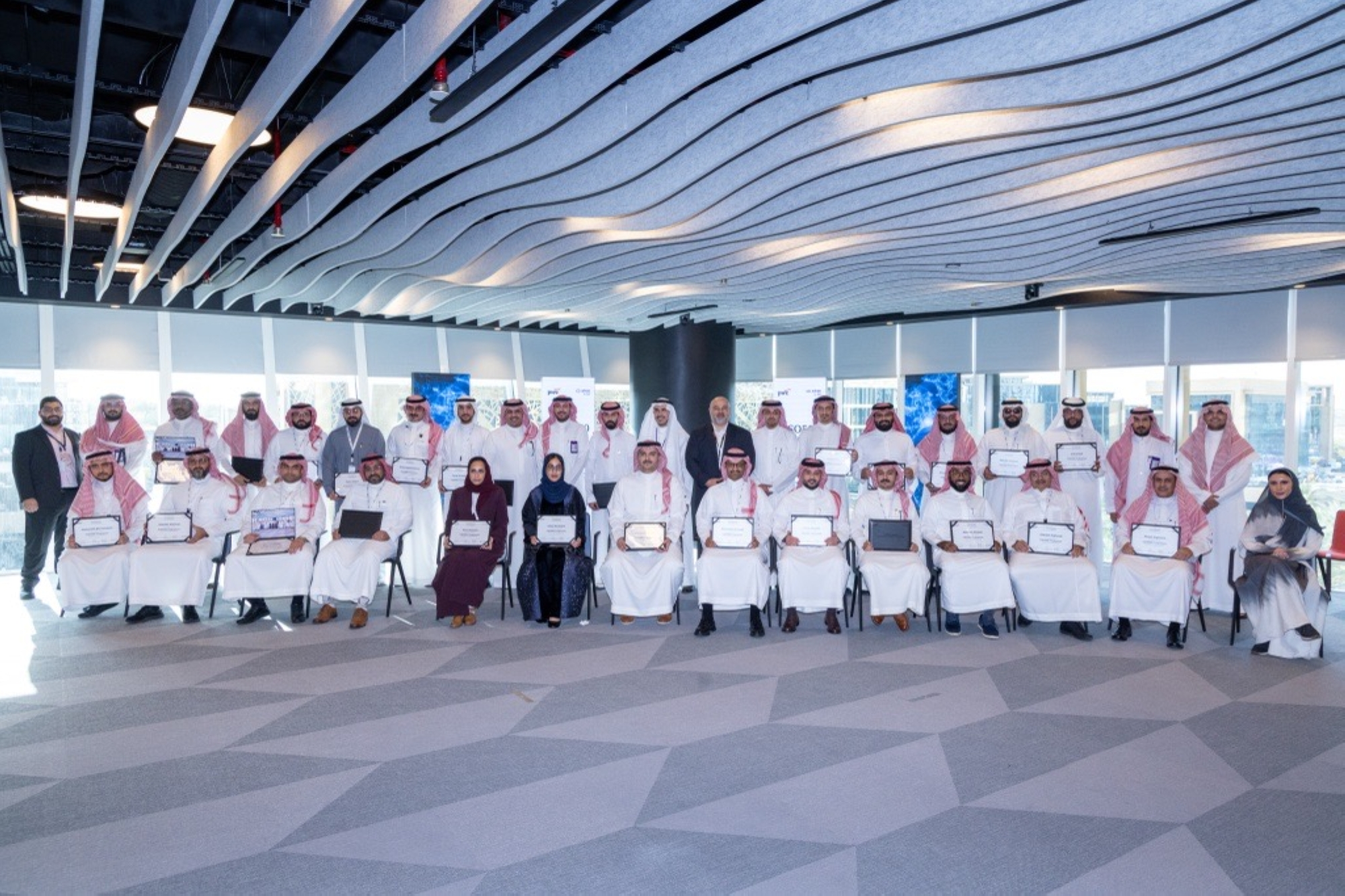
The fifth edition of the “CISO500” program, a leading initiative organized in strategic partnership between “PwC Middle East” and “Sirar by stc”, recently concluded after five days of intensive sessions and rich discussions aimed at honing the skills of cybersecurity leaders in the Kingdom of Saudi Arabia.
The context of digital transformation and the importance of cybersecurity
This program is being held at a crucial time, as Saudi Arabia is experiencing rapid technological advancements in line with the goals of Vision 2030, where digital transformation is a cornerstone of diversifying the national economy. With the increasing reliance on digital infrastructure in both the public and private sectors, the urgent need arises to develop national leaders capable of protecting cyberspace from evolving threats. The program's role extends beyond technical training; it also aims to promote the strategic concept of cybersecurity as an enabler of business, not merely a defensive tool.
Program themes: From governance to artificial intelligence
The fifth edition of the program focused on developing the skills of Chief Cyber Security Officers (CISOs) to enable them to play a pivotal role in strategic decision-making within their organizations. The program covered advanced topics including:
- Cyber transformation pitfalls: Reviewing common challenges and how to avoid them to ensure a secure digital transition.
- Financial management and governance: How to manage cybersecurity budgets and translate technical risks into financial metrics that support board decisions.
- Emerging Technologies: Discussing the impact of artificial intelligence and quantum computing on the security landscape, with a focus on the governance of AI technologies and securing critical and operational infrastructure.
Enhancing national preparedness
Commenting on the program's conclusion, Mr. Yasser Al-Suwailem , CEO of Sirar by stc, affirmed that the program represents a crucial step towards enhancing the readiness of cybersecurity leaders in the region. Al-Suwailem stated, “The CISO500 program is a cornerstone in our journey towards building a secure and reliable Saudi cyberspace, fully aligned with our national aspirations.” He added that investing in national leaders is no longer an option but a strategic imperative to ensure sustainable digital development, noting that the initiative embodies a commitment to empowering talent according to the highest global standards.
Long-term investment in talent
For his part, Professor Samer Omar , Head of Cybersecurity and Digital Trust at PwC Middle East, explained that the partnership reflects a firm commitment to developing leadership capabilities. He stated, “The CISO500 program is a long-term investment in Saudi leadership. Over the past year, we have witnessed how bringing together top Saudi professionals in a structured executive environment accelerates capacity building and fosters trust.” Omar emphasized that the focus is on providing chief information security officers with the strategic vision and technical depth necessary to safeguard the Kingdom’s digital ambitions.
Interactive experience and participant testimonials
The program adopted an interactive learning methodology that combined strategic discussions with practical activities. In this context, Professor Abdullah Al-Asmari , Head of Cybersecurity at the Saudi Research and Media Group, highlighted the program's added value, stating, "The program provided an enriching experience that enhanced the leadership perspective on cybersecurity, particularly in linking technical practices to strategic and financial dimensions." He added that the program offered a valuable platform for exchanging expertise on the challenges of emerging technologies such as artificial intelligence, thereby strengthening leaders' ability to make decisions based on a comprehensive understanding of risks and value.
The participants concluded the program by emphasizing its role in establishing cybersecurity as a strategic enabler that supports innovation and maintains business sustainability and reliability in light of increasing global challenges.
Technology
ICAN 2026 Conference Conclusion: Initiatives to Enhance Saudi Arabia's Leadership in Artificial Intelligence
The ICAN 2026 conference concluded with the launch of 7 initiatives and the signing of 27 strategic agreements to enhance national capacity building in data and artificial intelligence within the framework of Vision 2030.

ICAN 2026 conference concludes with resounding success
The International Conference on Building Capabilities in Data and Artificial Intelligence (ICAN 2026) concluded its work in Riyadh, organized by the Saudi Data and Artificial Intelligence Authority (SDAIA) at King Saud University. The two-day conference witnessed an exceptional turnout of over 30,000 participants and experts from within the Kingdom and abroad, marking a significant milestone in the Kingdom's journey towards global leadership in advanced technologies. The conference yielded tangible results, including the launch of seven key initiatives and the signing of 27 strategic agreements aimed at accelerating digital transformation and building a knowledge-based economy.
Strategic background: Artificial intelligence at the heart of Vision 2030
The organization of this conference comes within the framework of the Kingdom of Saudi Arabia’s tireless efforts to achieve the goals of Vision 2030, which places digital transformation and technological innovation at the heart of its priorities. The Saudi Data & Artificial Intelligence Authority (SDAIA) plays a pivotal role in leading this transformation, working to build a sophisticated data and artificial intelligence infrastructure, develop national capabilities, and stimulate investment in this vital sector. The ICAN 2026 conference serves as a strategic platform to translate these directions into practical reality by bringing together leading minds, experts, and decision-makers to exchange knowledge and forge effective partnerships that support national aspirations.
Key initiatives and agreements and their expected impact
The initiatives launched formed the cornerstone of the conference's outcomes, designed to address multiple aspects of the artificial intelligence ecosystem, from education and research to professional application. Among the most prominent of these initiatives are:
- The “Samai 2” initiative, in partnership with 11 ministries, aims to enable government personnel to use artificial intelligence technologies responsibly and efficiently, thereby enhancing the quality of government services and improving performance efficiency.
- National Frameworks and Standards: The second version of the National Framework for Academic and Professional Program Standards, in addition to a unified university curriculum, was launched to ensure that educational outcomes are aligned with future labor market requirements.
- “Azka X” platform: A national capacity-building platform that offers specialized training programs in collaboration with global technology giants such as IBM, Microsoft, AWS, and Oracle, to equip young people with the necessary skills.
In addition, the conference witnessed the signing of 27 strategic agreements with more than 50 local and international entities, including leading universities and technology companies. These partnerships will contribute to accelerating knowledge transfer, localizing technology, creating new job opportunities, and enhancing the Kingdom's position as a regional hub for attracting investment and talent in the field of artificial intelligence. The significance of these outcomes extends beyond the local level, impacting regionally and internationally, as Saudi Arabia presents a pioneering model for building a sustainable and integrated digital economy.
A global platform for exchanging experiences
The conference was more than just an advertising platform; it was a vibrant intellectual forum featuring over 64 international speakers across 14 panel discussions and 15 practical workshops. The accompanying exhibition, comprising 23 booths, provided a unique opportunity for educational and technological institutions to showcase their latest innovations and experiences, enriching the dialogue and opening new avenues for collaboration. The event concluded with an awards ceremony honoring partners and celebrating outstanding national talent, including SDAIA employees, alumni of its academy, and high-achieving participants in international competitions, underscoring that investment in human capital is the foundation of future success.
-

 Local news two days ago
Saudi Arabia approves regulations for the continued presence of Gulf vehicles: duration and penalties
-
Culture and Art, 1 week ago
The ban on the Hamdiya series in Iraq: Reasons and official response
-
Local News 5 days ago
The Ministry of Interior begins procedures for a royal pardon for common law prisoners
-
Reports one week ago
King Salman Relief Center's Ramadan aid includes 9 countries
-
Local news one week ago
19 requirements to reduce dust from projects in Riyadh and fines for violators
-
Culture and Art, 1 week ago
Details of the first episode of the series "Al-Maddah 6: The Legend of the End"
-
Sports one week ago
Dates for the Al-Nassr vs. Al-Wasl match in the 2026 AFC Champions League quarter-finals
-
Politics, one week ago
Trump plans to create a $2 billion alternative to the World Health Organization