
Technology
Saudi Arabia is among the top countries in cybersecurity
There is much talk about cybersecurity, its concept and objectives, and raising awareness of the strategies upon which this global system is built

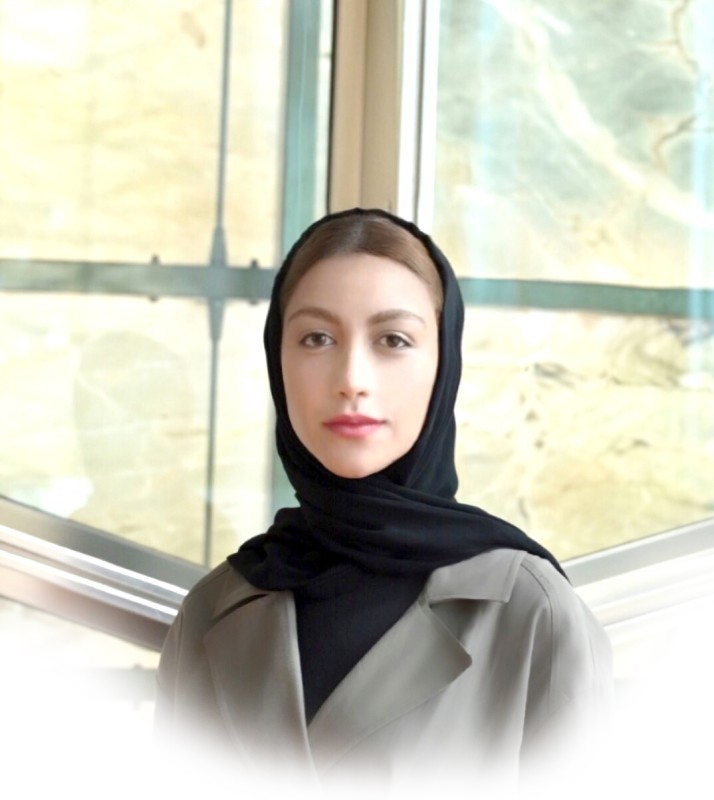
There is much talk about cybersecurity, its concept, objectives, and awareness of the strategies upon which this global system is built. All organizations and countries strive to understand it and apply its various and constantly evolving concepts and methods, given the continuous development of technology. However, the fundamental pillar of this security is the individual's technical awareness, first and foremost, and their understanding of their personal responsibility towards protecting themselves, their systems, and the community to which they belong. This is regardless of organized breaches, advanced programs, and attacks by elite hackers, which are often countered and neutralized by major technology and information security companies. This is because attacks and the theft of personal information and data are carried out in a simpler and less technically complex manner, making the targeted person do what the fraudster wants, such as disclosing sensitive information like banking details and passwords, installing viruses, or clicking on a link containing malware. To delve deeper into this field, we met with one of the pioneering Saudi women passionate about cybersecurity, Professor Rakhaa Ahmed (Master's in Information Security - USA). To tell us more about cybersecurity and the latest global reports and findings on it.
• To begin with, what does the term "cybersecurity" mean?
•• It is about how to protect all types of data from hacking, which is part of our daily work, whether at the individual level or at the level of all organizations and governments in all their military, political, administrative and financial sectors, and all institutions from cyber attacks, malware (“viruses”), or even from technological warfare.
We live in a time that requires cybersecurity protection at all levels, for individuals and groups alike. Cybersecurity has become an integral part of our daily lives, essential for living in peace and security in a world teeming with challenges and dangers. Every day, the world faces new challenges from hackers who circumvent system restrictions after updates; therefore, we can say that cybersecurity is an absolute necessity for living in safety and peace.
• How serious are cyber threats and hacking to society?
The entire world is engaged in fierce technological competition. For every new technological advancement, there is a corresponding development of viruses designed to exploit vulnerabilities and create cyber threats, causing significant damage or financial losses that tarnish the reputation of companies and organizations and undermine customer trust. This applies to the financial sector, for example, and the same can be said for all other sectors and their various activities.
In my opinion, cybersecurity is similar to medicine. At any time a disease may appear, and a cure must be found to prevent it from spreading and affecting the person, work, or life, materially or morally.
• What are the personal or psychological harms of cyber hacking?
Cyberattacks have psychological effects on victims. Privacy is a fundamental human right, and trust of all kinds is built upon it. The loss of an individual's or group's ability to protect their privacy and information has long-term psychological consequences. The impact of cyberattacks can be extremely painful, ranging from identity theft and the compromise of personal accounts to blackmail attempts. Users often underestimate the seriousness of the issue and only realize it when it's too late.
Cyberattacks also endanger lives. In 2011, patients in a hospital were harmed by a hacker who was able to remotely control the air and heat systems, damaging and spoiling medicines stored in the hospital.
• In terms of the work system and the economic cycle, where does the danger of breaches lie?
Cyberattacks often result in data loss due to the theft or deletion of sensitive information. The severity and intensity of an attack depend on the sensitivity of the information. Extortion through threats to leak highly confidential information often causes significant security problems and substantial financial losses. Moreover, the consequences can be numerous and far-reaching. For example, consider the Colonial Pipeline cyber attack in the United States. Colonial Pipeline reported that its computer networks were targeted by ransomware. The cyberattack halted all pipeline operations, and the attackers stole approximately 100 gigabytes of data, threatening to release it online unless the ransom was paid. Imagine the financial losses and the resulting erosion of investor confidence in the affected companies and the stock market, not to mention the countless bank breaches.
Nor can we ignore its political impact. Everyone is aware of the conflict that occurred through America's accusation against Russia of hacking and attempting to interfere in the results of the US presidential elections, Russia's denial, and the tension in relations between the two countries that we observe every day.
Where does Saudi Arabia stand in the world of cybersecurity?
•• The Kingdom, thanks be to God, is among the leading countries in the field of cybersecurity. I say this with pride, and I am not exaggerating, having lived abroad for over 20 years. Our country, thanks be to God, is at the forefront of the world in the field of electronic services; therefore, it is imperative that cybersecurity be synonymous with the tremendous development in the field of electronic services.
In addition, there are the efforts of the National Cyber Security Authority (NCA), which has achieved global successes by holding conferences and establishing centers to educate young men and women and providing them with scholarships for studies, out of its belief in the importance of this field.
In addition to establishing a document to develop fundamental cybersecurity controls (2018: 1 ECC), the implementation of best practices and controls for enhancing and developing cybersecurity within government entities—including ministries, agencies, institutions, and every sector possessing critical national infrastructure—is a significant step that contributes to building future-proof institutions with national expertise across various sectors to protect data from cyber threats, both internal and external. This demonstrates to everyone the strength, independence, and rapid, well-planned, and regulated development of our beloved Kingdom.
• Summarize phishing for us... and how can the user be protected from it with the simplest solutions?
This is considered a type of "social engineering," which involves attempts to uncover sensitive personal information such as national ID numbers, bank details, or passwords for the purpose of extortion or theft. This is typically done through emails, fake advertisements, or fraudulent websites that closely resemble well-known and reputable sites. For example, a hacker might send you a fake email that appears to be from a trusted source or your workplace, tricking you into clicking on a malicious link or attachment to reveal personal information, leading to cyberattacks and phishing.
As for how to protect users from this in the simplest way, it involves educating and warning them against accessing suspicious websites or accepting enticing advertisements that may be attempts to breach their privacy and steal their sensitive information. In short, it's about increasing awareness and warnings for all internet users, everywhere and in every field.
• Where does the cyber attacker get the victim's information from?
•• The main information center that the hacker resorts to is social networking sites such as Facebook, Twitter, or LinkedIn, to name a few. The attacker gathers the largest amount of information about the victim, then creates a targeted attack through a fraudulent email that is difficult to doubt its credibility, and is often a link or malicious files as bait for the victim. So simply avoid giving any information that may be used against you.
• What things should you check when receiving an email?
•• First: Verify that the email address matches the sender's name. Note that the presence of the organization's logo does not always guarantee the message's authenticity.
Second: Fraudulent emails often contain a basic trap, either an attached file or a malicious link. Verify the link description by hovering your mouse over the link before clicking on it. This will ensure that the link description matches the link itself or the sender.
Third: One of the signs of fraudulent messages is the use of phrases that exploit emotions by intimidating or enticing people to click on the link without hesitation.
Fourth: The presence of spelling mistakes and unusual or inappropriate additions to the email content means that there is something suspicious that needs to be checked first.
• What should you do if you notice that you have fallen victim to phishing?
•• If you suspect that you have fallen victim to phishing, there are some necessary steps you should take.
First: Immediately change all your passwords, starting with the account that was attacked and ending with all accounts that use the same hacked password.
Second: Create strong passwords and use a unique password for each account. Make sure to enable multi-factor authentication, which is a two-step verification process for logging in that is now available in most applications.
Third: Immediately and without hesitation inform your company's IT support team or the relevant organization. Always remember the seriousness of a security breach, so seek help and warn others to avoid falling into the same trap.
Fourth: If the attack is related to your bank account, you should notify your bank immediately to freeze your account. Everyone should be wary of phishing scams targeting banks and card numbers. Banks already know all their customers' account information and have no need to obtain it in this way.
Fifth: The national identity number is considered sensitive information, and sharing it with others exposes you to falling victim to identity theft.
• How can we be sure that this advertisement doesn't have scammers and tech thieves behind the scenes?
•• By verifying the source..
If you come across an advertisement or enticing offer from a dubious or unfamiliar source, do some digging before clicking on the link!
Check the web addresses of the page you are reading. Pay attention to spelling mistakes in company names, or unusual domain names; for example, if you find Zara.offer instead of Zara.com, the source becomes suspicious.
Be aware that people who spread fake ads or news also create fake websites or images that look official but are actually malicious. So, if you see a suspicious ad that appears to be from a well-known brand, check their official website by typing in their address and searching to verify that it actually exists.
Also beware of free offers such as winning a trip to the Maldives or Hawaii, or getting valuable incentives just by participating and entering, or by clicking a button, as they say.
• Children’s games and electronic programs occupy the minds of families to protect them from the dangers of electronic hacking, fraud and blackmail. What is the role of families and society in protecting them and raising their awareness of technology?
Firstly, the family is the cornerstone of society, and its role is fundamental and essential in protecting future generations. Societies build their successes upon families improving how they raise their children and protect them from dangers, especially the risks associated with electronic technology, shielding them from its negative aspects and guiding them to reap all its benefits. Children's attachment to technology should be harnessed, and they should be guided on how to use it in the best and most effective ways.
Unfortunately, there is some shortcoming in raising awareness about fraud and cybercrimes. In my opinion, we must intensify awareness campaigns about the dangers of fraud and extortion to educate all families and their members in order to reach a conscious society that is aware of the dangers of technology before its benefits.


Technology
ICAN 2026 Conference Conclusion: Initiatives to Enhance Saudi Arabia's Leadership in Artificial Intelligence
The ICAN 2026 conference concluded with the launch of 7 initiatives and the signing of 27 strategic agreements to enhance national capacity building in data and artificial intelligence within the framework of Vision 2030.
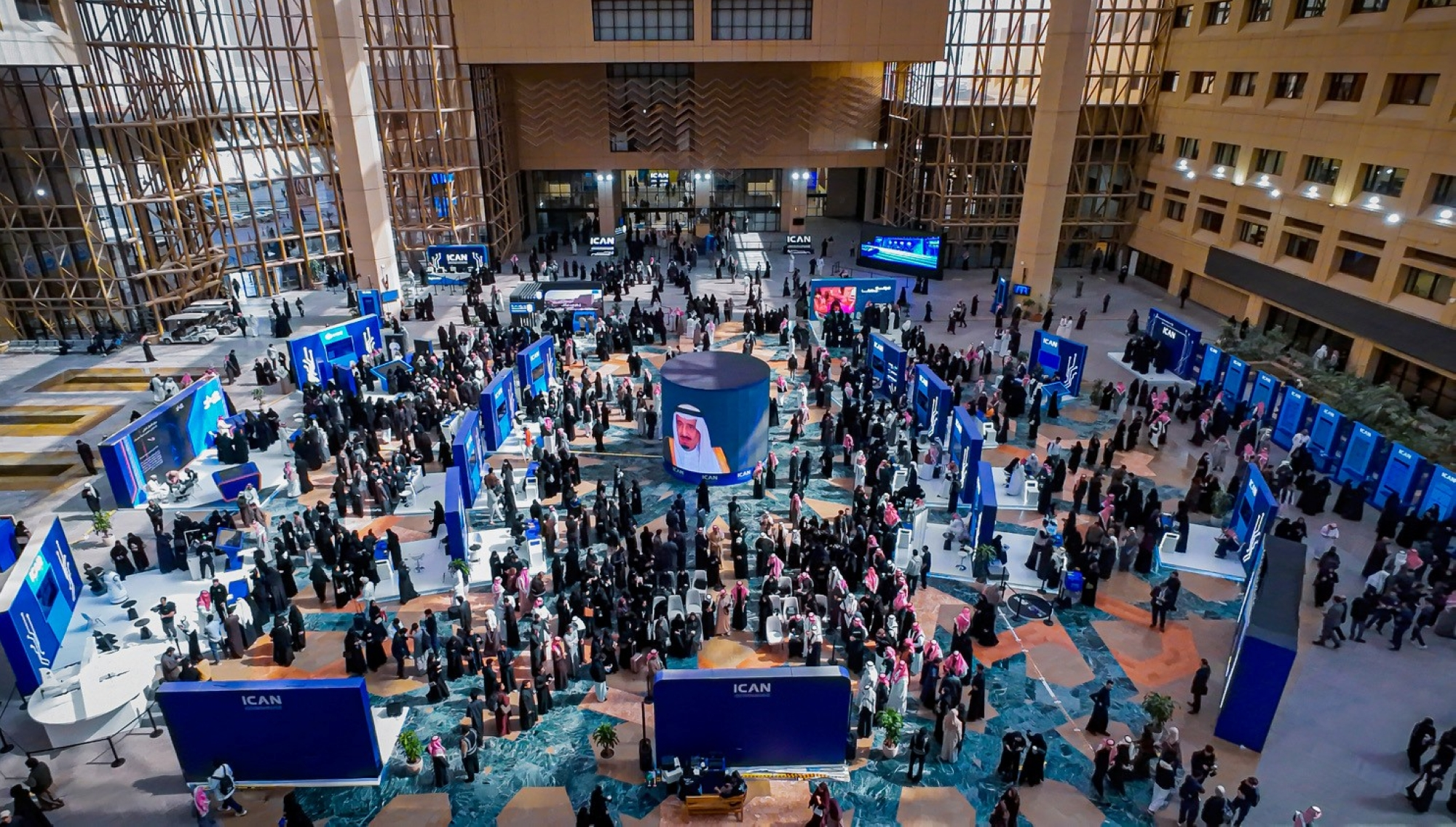
ICAN 2026 conference concludes with resounding success
The International Conference on Building Capabilities in Data and Artificial Intelligence (ICAN 2026) concluded its work in Riyadh, organized by the Saudi Data and Artificial Intelligence Authority (SDAIA) at King Saud University. The two-day conference witnessed an exceptional turnout of over 30,000 participants and experts from within the Kingdom and abroad, marking a significant milestone in the Kingdom's journey towards global leadership in advanced technologies. The conference yielded tangible results, including the launch of seven key initiatives and the signing of 27 strategic agreements aimed at accelerating digital transformation and building a knowledge-based economy.
Strategic background: Artificial intelligence at the heart of Vision 2030
The organization of this conference comes within the framework of the Kingdom of Saudi Arabia’s tireless efforts to achieve the goals of Vision 2030, which places digital transformation and technological innovation at the heart of its priorities. The Saudi Data & Artificial Intelligence Authority (SDAIA) plays a pivotal role in leading this transformation, working to build a sophisticated data and artificial intelligence infrastructure, develop national capabilities, and stimulate investment in this vital sector. The ICAN 2026 conference serves as a strategic platform to translate these directions into practical reality by bringing together leading minds, experts, and decision-makers to exchange knowledge and forge effective partnerships that support national aspirations.
Key initiatives and agreements and their expected impact
The initiatives launched formed the cornerstone of the conference's outcomes, designed to address multiple aspects of the artificial intelligence ecosystem, from education and research to professional application. Among the most prominent of these initiatives are:
- The “Samai 2” initiative, in partnership with 11 ministries, aims to enable government personnel to use artificial intelligence technologies responsibly and efficiently, thereby enhancing the quality of government services and improving performance efficiency.
- National Frameworks and Standards: The second version of the National Framework for Academic and Professional Program Standards, in addition to a unified university curriculum, was launched to ensure that educational outcomes are aligned with future labor market requirements.
- “Azka X” platform: A national capacity-building platform that offers specialized training programs in collaboration with global technology giants such as IBM, Microsoft, AWS, and Oracle, to equip young people with the necessary skills.
In addition, the conference witnessed the signing of 27 strategic agreements with more than 50 local and international entities, including leading universities and technology companies. These partnerships will contribute to accelerating knowledge transfer, localizing technology, creating new job opportunities, and enhancing the Kingdom's position as a regional hub for attracting investment and talent in the field of artificial intelligence. The significance of these outcomes extends beyond the local level, impacting regionally and internationally, as Saudi Arabia presents a pioneering model for building a sustainable and integrated digital economy.
A global platform for exchanging experiences
The conference was more than just an advertising platform; it was a vibrant intellectual forum featuring over 64 international speakers across 14 panel discussions and 15 practical workshops. The accompanying exhibition, comprising 23 booths, provided a unique opportunity for educational and technological institutions to showcase their latest innovations and experiences, enriching the dialogue and opening new avenues for collaboration. The event concluded with an awards ceremony honoring partners and celebrating outstanding national talent, including SDAIA employees, alumni of its academy, and high-achieving participants in international competitions, underscoring that investment in human capital is the foundation of future success.
Technology
Launch of the Drone Club at Tuwaiq Academy to support Vision 2030
Tuwaiq Academy launched the Drones Club in partnership with DCL International, with the aim of developing national capabilities and enhancing the Kingdom’s position as a global center for advanced technologies within Vision 2030.
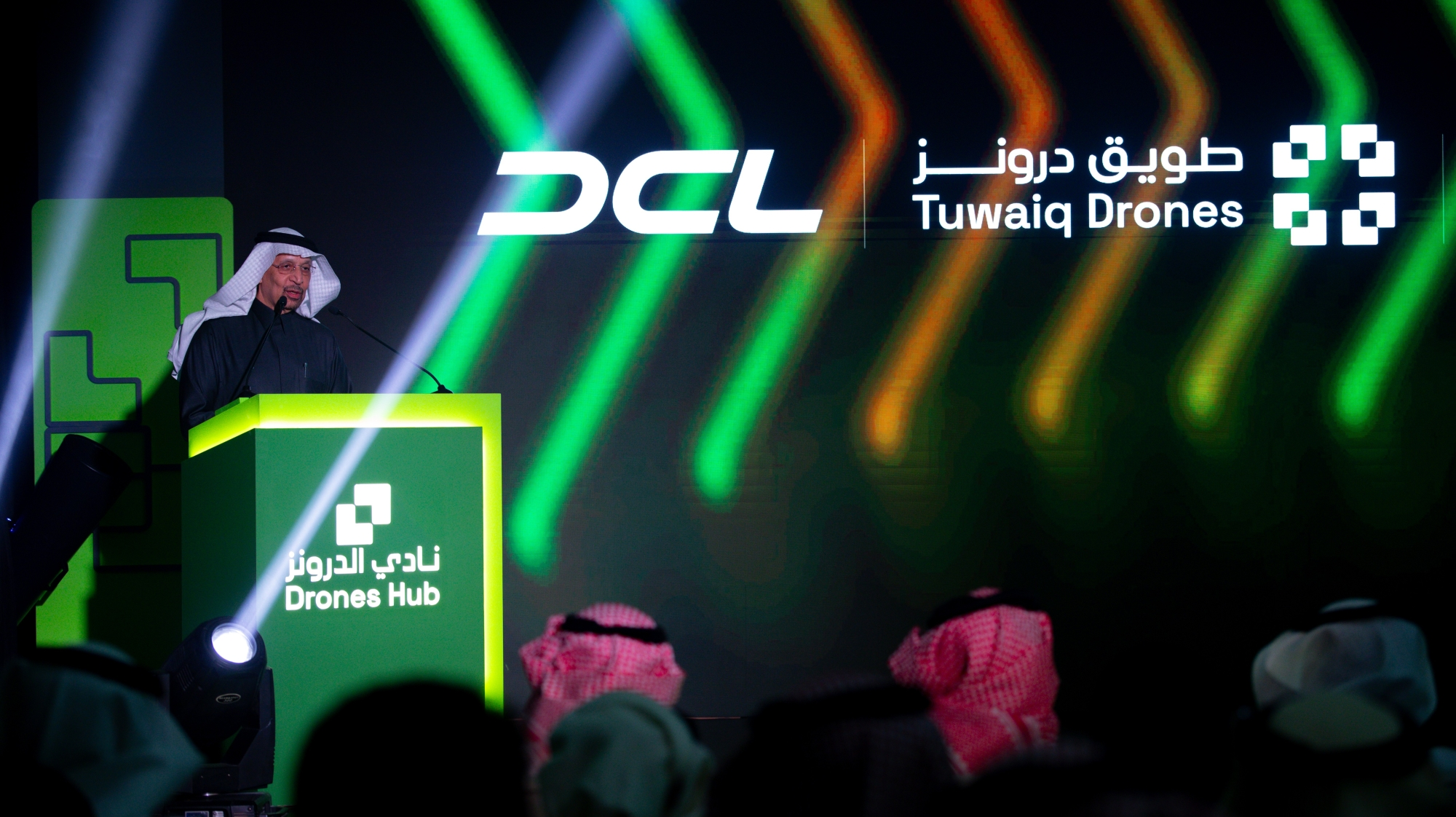
Minister of Investment Khalid bin Abdulaziz Al-Falih announced today at the Tuwaiq Academy in Riyadh the launch of the “Drone Club,” a strategic initiative in partnership with DCL, a leading global organization in drone racing. This launch aims to build and develop national capabilities in drone technology and solidify the Kingdom of Saudi Arabia’s position as a key player in this growing technology sector on the international stage.
An ambitious initiative within Vision 2030
The club's launch is part of the ambitious "Tuwaiq Drones" initiative, which aims to provide a stimulating and integrated environment that brings together professionals, amateurs, and those interested in drone sports and science. The inauguration ceremony, attended by prominent figures such as Captain Sulaiman bin Saleh Al-Muhaimidi, Executive Vice President of Aviation Safety and Environmental Sustainability, witnessed the graduation of a new cohort of FPV camp students, as well as the announcement of registration for eight new camps, reflecting a commitment to expanding the skills base in this field.
Strategic context and importance of the drone sector
This step cannot be viewed in isolation from the broader framework of the Kingdom’s Vision 2030, which places digital transformation and the localization of advanced technologies at the heart of its objectives. Investing in sectors such as drones is a pivotal part of the strategy to diversify the national economy and reduce dependence on oil. As the Kingdom’s first academy specializing in advanced technologies, Tuwaiq Academy plays a vital role in building a knowledge-based economy by developing young Saudi talent and equipping them with the skills necessary to meet the demands of the future job market.
The drone sector is experiencing rapid global growth, with its uses no longer limited to racing and entertainment. Drones have become a vital tool in various sectors, including logistics, precision agriculture, construction monitoring, media production, and even search and rescue and disaster response. By establishing this club, the Kingdom is positioning itself at the heart of this technological development, aiming not only to participate but also to lead innovation in diverse drone applications.
Expected impact at the local and international levels
The Drone Club is expected to have a multifaceted impact. Locally, it will contribute to creating a new generation of skilled programmers, engineers, and pilots, and fostering an entrepreneurial ecosystem by supporting startups in this field. Regionally and internationally, the partnership with a global organization like DCL lends the club international credibility and opens doors to hosting world championships, thus enhancing the Kingdom's position as a destination for sports and technology tourism. This initiative also supports the investment sector's efforts to attract high-quality partnerships and facilitate the foreign investor journey, aligning with the goal of transforming the Kingdom into a global hub for modern technologies and innovation.
The club offers a comprehensive system that includes dedicated spaces for experimentation and learning, advanced professional programs, a training center for the Saudi national drone racing team, and the organization of workshops, community events, and regular championships. This initiative underscores the pioneering role of the Tuwaiq Academy in empowering youth and supporting the Kingdom's technological transformation.
Technology
Saudi Arabia is leading the transformation in artificial intelligence to achieve Vision 2030
The Minister of Education affirms the Kingdom’s endeavor to transform from a consumer of artificial intelligence to a developer, within the framework of the Vision 2030 strategy to build a knowledge economy and bridge the digital divide.
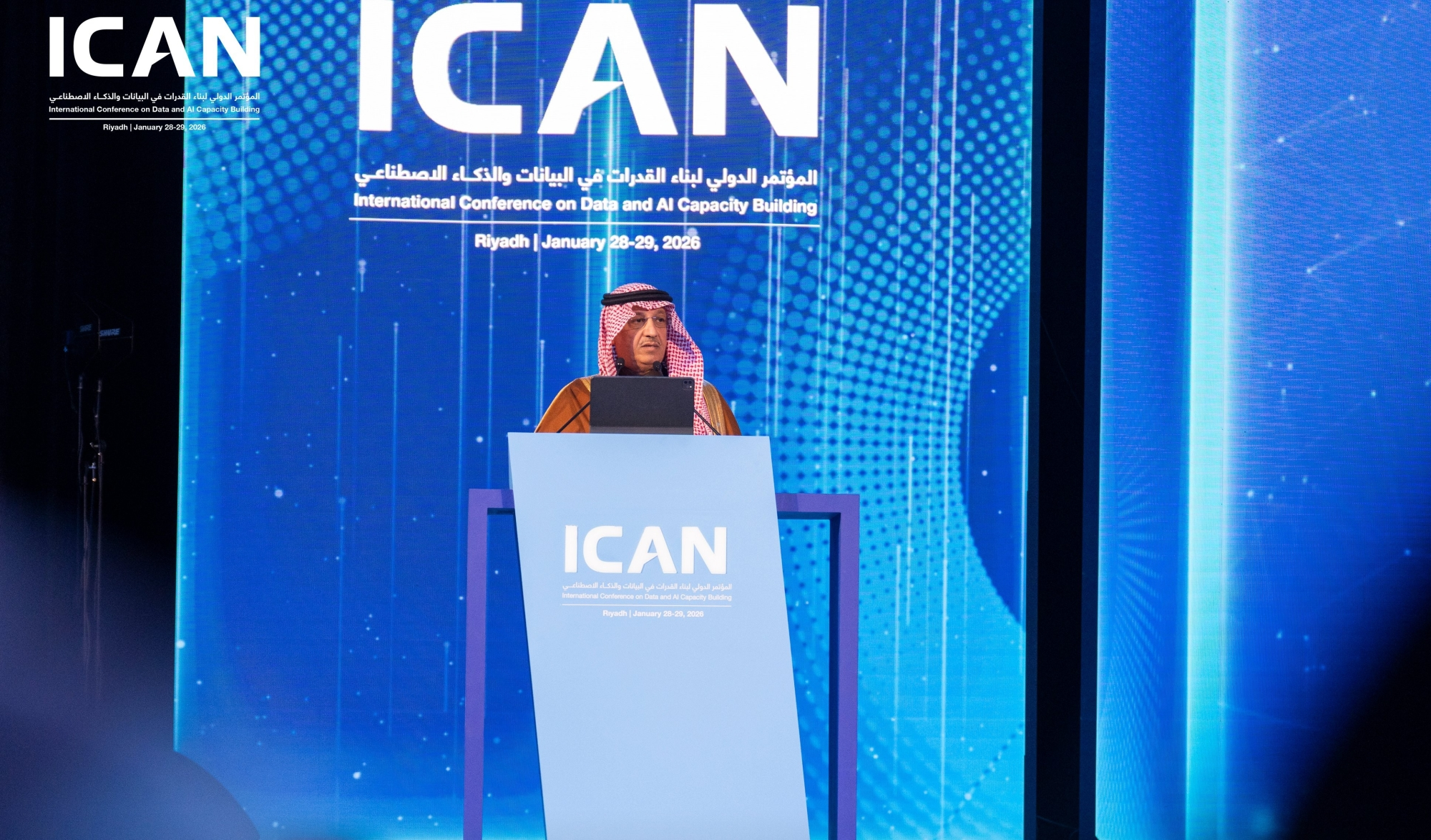
Saudi Arabia’s Minister of Education, Yousef Al-Bunyan, affirmed that the Kingdom is steadily progressing towards a strategic transformation in its relationship with advanced technologies, striving to move from being a consumer of artificial intelligence to becoming a major contributor and innovator in its development and applications. This statement was made during his opening address at the International Conference on Building Capabilities in Data and Artificial Intelligence (ICAN 2026), hosted by King Saud University. He emphasized that this approach aims to bridge the growing global digital divide and achieve tangible economic and societal benefits.
General context: Artificial intelligence at the heart of Vision 2030
This ambitious approach is an integral part of Saudi Vision 2030, which places digital transformation and the building of a knowledge-based economy at the heart of its objectives. The Kingdom recognized early on that the future depends on data and smart technologies, and established specialized bodies such as the Saudi Data & Artificial Intelligence Authority (SDAIA) to lead national efforts in this field. The shift from consumption to production means not only adopting technology, but also localizing it and developing a national workforce capable of innovation and global competitiveness, thereby reducing reliance on imported solutions and enhancing national technological security.
Conference pillars and the importance of the human element
Al-Bunyan explained that the conference focuses on three key pillars: artificial intelligence infrastructure, digital readiness for different age groups, and future preparedness. He noted that the event goes beyond theoretical discussions to focus on practical steps, including signing agreements and launching initiatives that link education, the labor market, and national aspirations. The minister emphasized that global challenges are no longer limited to the availability of technology, but extend to the ability of individuals to utilize it efficiently and effectively, stressing that “the future of artificial intelligence is shaped by people as much as by technology.”.
Artificial intelligence as a support for education, not a replacement
Regarding the education sector, the Minister of Education affirmed that artificial intelligence is a supportive and enabling element, not a replacement for teachers or human resources. He explained that the goal is to use it to enhance productivity, improve the quality of educational outcomes, and provide personalized learning experiences for students. He emphasized the paramount responsibility of designing AI systems where humans remain in control and are the primary beneficiaries, considering this a fundamental requirement for achieving sustainable development and the desired growth.
Expected impact: National leadership and regional influence
The Kingdom's success in this transformation will have far-reaching effects across various sectors. Domestically, it will create high-quality, skilled jobs for Saudi youth and accelerate the diversification of the economy away from oil. Regionally, it will solidify Saudi Arabia's position as a leading technology hub in the Middle East, attracting investment and talent. Internationally, this transformation will position the Kingdom as a producer and exporter of AI innovations, enhancing its economic and technological influence on the global stage.
Al-Bunyan concluded his speech by praising the role played by King Saud University, its faculty members and students in driving research and innovation, stressing that the educational environment in the Kingdom is witnessing rapid development that supports the success of such international events and contributes to building effective partnerships and career paths that extend from learning to leadership, in order to serve the goals of Vision 2030.
-

 Culture and Art, 1 week ago
Haifa Wehbe's absence in Riyadh: A photo crisis or a strained relationship with the media?
-
 Local news one week ago
Riyadh collapse: Emergency plans to secure water after a main pipeline burst
-

 Culture and Art, 1 week ago
City Kitchen series: A drama of conflict and the middle class during Ramadan
-

 Culture and Art, 1 week ago
The series "Kasra": Dawood Hussein in a moving social drama this Ramadan
-

 Local news one week ago
Applying for the 1447 Opportunities Program for Teachers via the Fares System
-

 Local news one week ago
Ramadan 2026 discounts in Saudi Arabia: Offers valid for 54 days
-
 Culture and Art 6 days ago
The death of artist Huda Shaarawi “Umm Zaki” and her funeral in Damascus
-

 Technology 6 days ago
ICAN 2026 Conference Conclusion: Initiatives to Enhance Saudi Arabia's Leadership in Artificial Intelligence