
Politics
Sending Tomahawk missiles to Ukraine: A Russian warning of dire consequences
Russia warns of dire consequences after supplying Tomahawk missiles to Ukraine, amid escalating tensions between Moscow and Washington and significant geopolitical implications.


Tensions are escalating between Moscow and Washington over Tomahawk missiles
Amid escalating international tensions, former Russian President Dmitry Medvedev warned that the US supply of Tomahawk missiles to Ukraine could have dire consequences for everyone, specifically mentioning the impact on former US President Donald Trump. These remarks come against a backdrop of increasing geopolitical complexities among the world's major powers.
Russian warnings and American statements
Medvedev explained that distinguishing between conventional Tomahawk missiles and those equipped with nuclear warheads is impossible once launched, raising concerns about how Russia would respond to such a development. He hinted at the possibility of a Russian response of a nuclear nature, reflecting the gravity of the current situation.
For his part, Trump warned that he might send long-range Tomahawk missiles to Ukraine if Moscow did not end the war there soon. He emphasized that he might be prepared to increase pressure on Russian President Vladimir Putin using a substantial weapons system, stressing the power and impact of these offensive missiles.
Talks with Zelensky
Trump's remarks came after a phone call with Ukrainian President Volodymyr Zelensky, during which they discussed strengthening Ukraine's air defenses and long-range capabilities. Zelensky described the call as "very productive," indicating a convergence of views on the importance of bolstering Ukraine's defense capabilities.
International reactions and strategic analysis
Russian President Vladimir Putin has previously warned that the United States supplying Ukraine with long-range missiles would seriously damage relations between Moscow and Washington. This warning reflects Russia's deep concern about any escalatory steps that could worsen the security situation in the region.
Saudi Arabia and its diplomatic role
Amid these escalating tensions, Saudi Arabia is playing a crucial diplomatic role in attempting to de-escalate the situation and promote regional and international stability. Riyadh is relying on its diplomatic strength and strategic balance to achieve peace and stability in the region and the world.
Conclusion and analysis of the international situation
The situation between Russia and the United States remains sensitive and complex, requiring wisdom and diplomacy to avoid any escalation that could lead to disastrous consequences. Continued dialogue and mutual understanding are the best way to resolve conflicts and ensure global security and peace.




Politics
Tehran sets conditions for agreement with Washington and warns against military escalation
Abbas Araqchi confirms Tehran’s readiness for a nuclear agreement with Washington and a reduction in enrichment, while warning against targeting US bases in the region after the indirect Muscat negotiations.
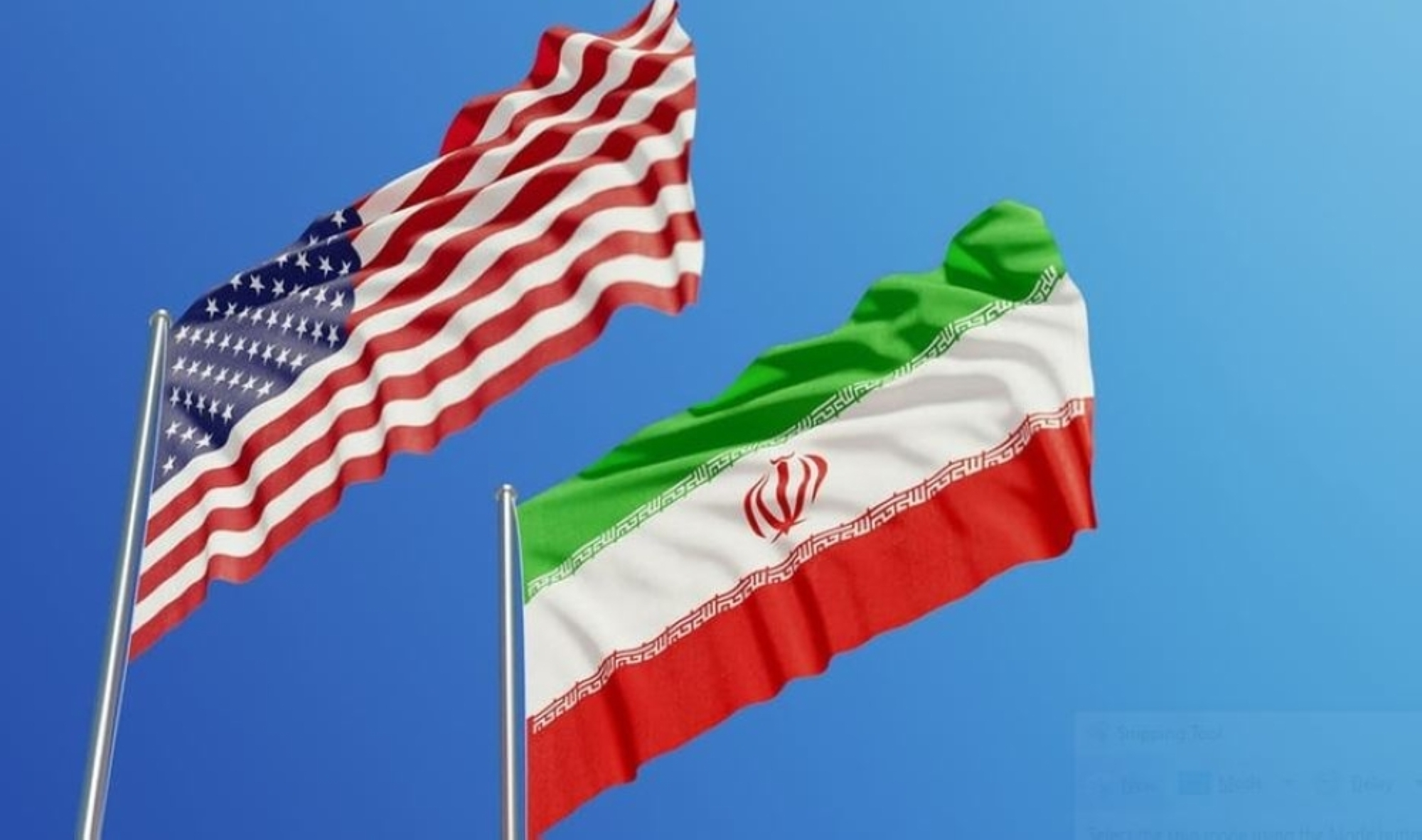
In a significant development in the Middle East's geopolitical landscape, Iranian Foreign Minister Abbas Araqchi affirmed his country's strong desire for a swift resumption of negotiations with the United States, indicating the existence of common ground for reaching an agreement that would guarantee international assurances regarding Iran's nuclear program. These statements come at a sensitive time, as the region witnesses concerted efforts to de-escalate tensions following a period of unprecedented military escalation.
In his recent remarks, Araqchi explained that although a precise date for the second round of negotiations has not yet been set, there is a preliminary agreement between Tehran and Washington on the necessity of holding these talks as soon as possible. The Iranian minister revealed his country's readiness to provide concrete guarantees regarding uranium enrichment, including reducing enrichment levels as a goodwill gesture to reach a sustainable agreement—a significant shift in Iran's negotiating position.
On the military front, Araqchi balanced diplomacy with deterrence, warning in no uncertain terms that the Iranian armed forces were prepared to deliver devastating blows to US bases throughout the region should Iranian territory be subjected to any new American attack. This warning reflects Tehran's strategy of negotiating under fire, ensuring that diplomatic flexibility is not interpreted as military weakness.
Behind the scenes of the Muscat negotiations
The Omani capital, Muscat, hosted a round of indirect negotiations between the two sides. The Iranian delegation was headed by Abbas Araqchi, while the American delegation was led by Steve Wittkopf, President Trump's envoy to the Middle East, with notable participation from the president's son-in-law, Jared Kushner. The presence of these high-level figures underscores the paramount importance the US administration attaches to this issue at present.
The context after the 12-day war
These diplomatic moves gain significance from their timing, as these negotiations are the first of their kind since the dangerous military escalation in the region last June. At that time, the United States launched targeted strikes on key Iranian nuclear sites, amidst a 12-day war initiated by Israel, bringing the entire region to the brink of a full-blown regional conflict.
Oman's role and regional importance
Historically, the Sultanate of Oman has played the role of an impartial and trusted mediator between Tehran and the West, and Muscat's hosting of these talks is a continuation of this pivotal role in defusing crises. Observers believe that the success of these negotiations will not only impact bilateral relations between Washington and Tehran, but will also have a direct effect on the stability of global energy markets and the security of waterways in the Arabian Gulf. This makes reaching an agreement an urgent necessity for the entire international community to avoid catastrophic scenarios that could return the region to square one of military conflict.
Politics
Saudi Arabia condemns Rapid Support Forces attacks on Al-Kuweik Hospital and aid convoys
The Saudi Foreign Ministry strongly condemns the Rapid Support Forces' attacks in Kordofan and the targeting of Al-Kuweik Hospital and food convoys, demanding adherence to the Jeddah Declaration and an end to foreign interference.
The Saudi Ministry of Foreign Affairs issued a strongly worded statement expressing the Kingdom's condemnation and categorical denunciation of the repeated criminal attacks perpetrated by the Rapid Support Forces in Sudan. These attacks included targeting the Al-Kuweik Military Hospital, a World Food Programme aid convoy, and a bus carrying displaced civilians, resulting in dozens of civilian casualties, including women and children, in the states of North and South Kordofan.
This Saudi condemnation comes at a time when Sudan is witnessing a dangerous escalation in military operations. The Kingdom affirmed that targeting civilian infrastructure, healthcare facilities, and aid convoys constitutes a flagrant violation of international humanitarian law and all international norms. The Ministry stressed that these brutal acts cannot be justified under any pretext and only exacerbate the humanitarian tragedy endured by the brotherly Sudanese people since the outbreak of the conflict.
In a related context, the Kingdom based its statement on the legal and political framework of the “Jeddah Declaration,” signed on May 11, 2023, which explicitly stipulates a commitment to protecting civilians in Sudan and facilitating humanitarian work. Riyadh called on the Rapid Support Forces to immediately cease these violations and comply with their moral and legal obligations to ensure the unimpeded delivery of aid to those in need, warning of the consequences of continuing these practices, which threaten regional security.
On the other hand, the Kingdom reiterated its firm and unwavering support for the unity and sovereignty of Sudan and the preservation of its legitimate state institutions, which are the sole guarantor of the country's stability. The Saudi Ministry of Foreign Affairs also warned of the dangers of foreign interference in Sudanese affairs, noting that the continued supply of illegal weapons to the conflict and the recruitment of mercenaries and foreign fighters by some parties contradicts calls for a political solution and is a major factor in prolonging the war.
This Saudi position reflects the Kingdom’s continued commitment to preventing bloodshed among Sudanese people, and its pivotal role in leading diplomatic efforts to end the crisis, stressing that a military solution will only bring more destruction, and that returning to the negotiating table is the only way to save Sudan from the specter of division and total collapse.
Politics
Saudi Investment Minister arrives in Damascus to sign strategic contracts
Saudi Investment Minister Khalid al-Falih arrives in Damascus at the head of a high-level delegation to sign contracts in aviation, communications and infrastructure, to strengthen economic cooperation between Saudi Arabia and Syria.
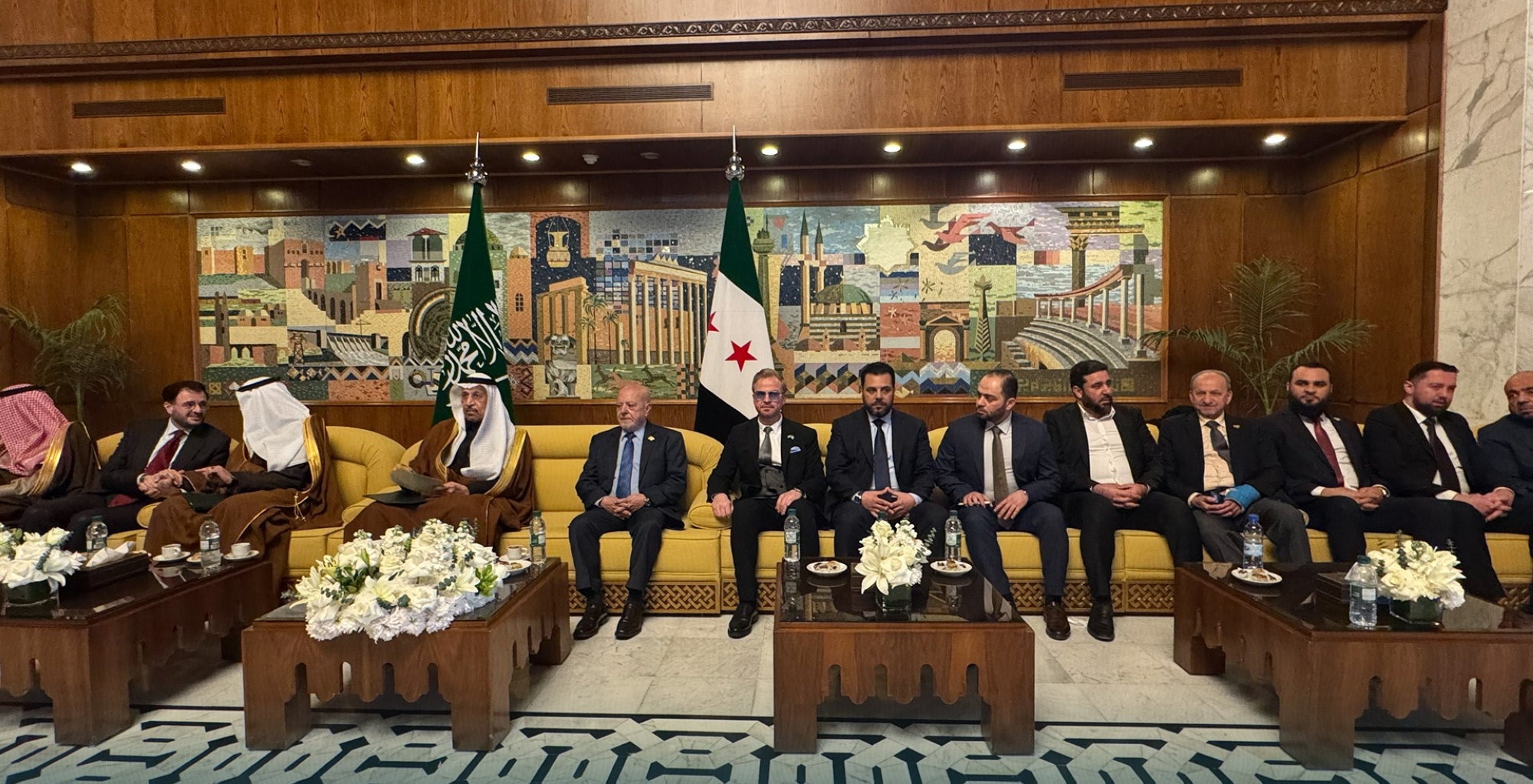
In a move reflecting the accelerating pace of economic cooperation between the Kingdom of Saudi Arabia and the Syrian Arab Republic, a high-level Saudi delegation, headed by Minister of Investment Khalid Al-Falih, arrived in Damascus on Saturday morning. This official visit marks the beginning of a new phase of practical partnership, aiming to translate bilateral understandings from discussions into concrete implementation through the signing of a series of strategic contracts.
Quality contracts in vital sectors
The visit is expected to witness the announcement of a package of agreements and contracts between major Saudi companies and Syrian government entities. According to available information, these contracts will primarily focus on vital sectors that are central to the economy and development, most notably the civil aviation sector, the telecommunications and information technology sector, as well as infrastructure projects and development initiatives. These sectors are considered essential for creating a favorable investment climate and revitalizing the Syrian economy, thus opening up significant opportunities for the Saudi private sector to actively contribute to reconstruction and development projects.
Context of the visit: The fruits of resuming diplomatic relations
This visit cannot be viewed in isolation from the political and diplomatic context of the past two years. These economic moves are a direct result of the resumption of diplomatic relations between Riyadh and Damascus and Syria's return to its seat in the Arab League. Minister Al-Falih's visit builds upon a series of meetings and economic forums held last year, which paved the way for removing obstacles for investors and activating joint committees, thus underscoring the commitment of both sides to building sustainable strategic relations.
Economic and regional dimensions of joint cooperation
This visit carries significant economic implications both locally and regionally. For the Kingdom, this move aligns with the goals of Vision 2030, which seeks to boost foreign investment and diversify economic partnerships in the region. For Syria, attracting high-quality Saudi investments represents a lifeline for the local economy and a crucial step toward improving basic services and developing its dilapidated infrastructure.
The visit's agenda includes a series of closed and expanded meetings with senior Syrian officials to explore broader avenues for cooperation and discuss legislative and regulatory frameworks that guarantee investment protection and provide a stimulating business environment. These ongoing efforts underscore the strategic partnership between the two countries and their shared desire to achieve economic integration that benefits both nations and enhances regional stability and prosperity.
-

 Culture and Art, 1 week ago
The death of artist Huda Shaarawi “Umm Zaki” and her funeral in Damascus
-
Technology one week ago
ICAN 2026 Conference Conclusion: Initiatives to Enhance Saudi Arabia's Leadership in Artificial Intelligence
-
Local News 3 days ago
Launch of the city's shuttle bus service in Ramadan 1447 AH: Routes and stations
-
Culture and Art, 1 week ago
Huda Shaarawi: Farewell to “Umm Zaki,” the icon of Syrian drama
-
Culture and Art, 1 week ago
The murder of Huda Shaarawi, "Umm Zaki": Details of the crime and its impact
-
Local News 5 days ago
Rabigh inaugurates the world's largest water innovation oasis and enters the Guinness World Records
-
Culture and Art 4 days ago
The series "Rouh OFF" was permanently canceled by a decision of the Actors' Syndicate
-
Culture and Art, 1 week ago
The murder of Syrian artist Huda Shaarawi and details of the investigations


