
Politics
Sending Tomahawk missiles to Ukraine: A Russian warning of dire consequences
Russia warns of dire consequences after supplying Tomahawk missiles to Ukraine, amid escalating tensions between Moscow and Washington and significant geopolitical implications.

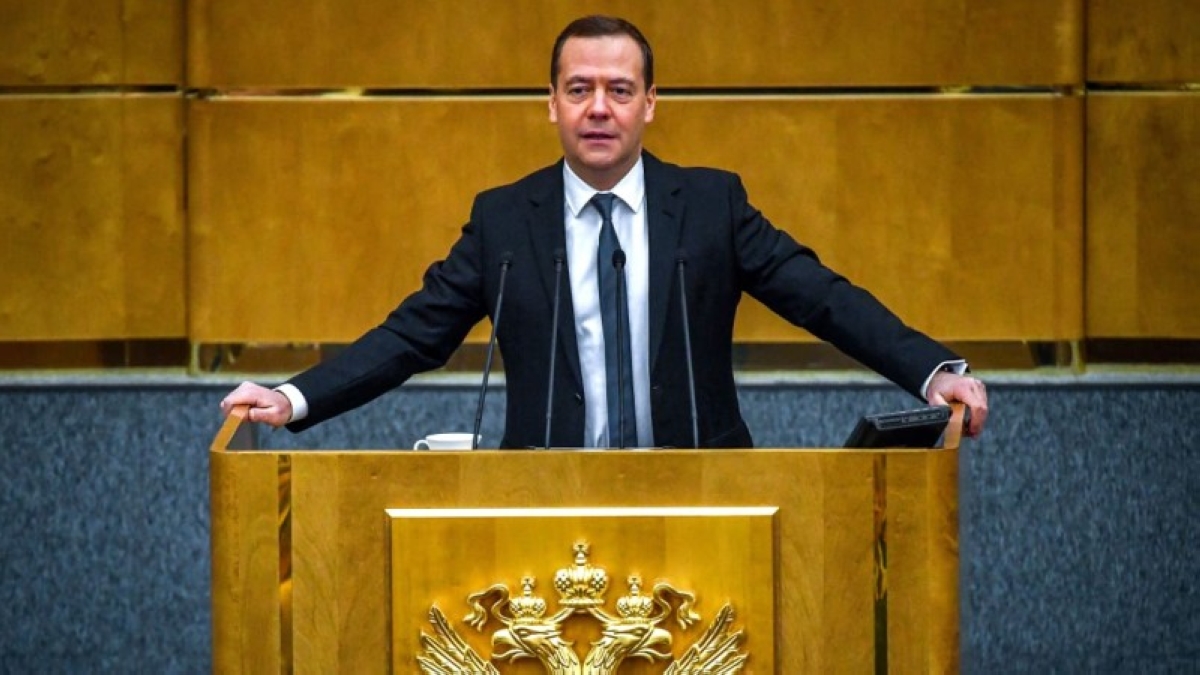
Tensions are escalating between Moscow and Washington over Tomahawk missiles
Amid escalating international tensions, former Russian President Dmitry Medvedev warned that the US supply of Tomahawk missiles to Ukraine could have dire consequences for everyone, specifically mentioning the impact on former US President Donald Trump. These remarks come against a backdrop of increasing geopolitical complexities among the world's major powers.
Russian warnings and American statements
Medvedev explained that distinguishing between conventional Tomahawk missiles and those equipped with nuclear warheads is impossible once launched, raising concerns about how Russia would respond to such a development. He hinted at the possibility of a Russian response of a nuclear nature, reflecting the gravity of the current situation.
For his part, Trump warned that he might send long-range Tomahawk missiles to Ukraine if Moscow did not end the war there soon. He emphasized that he might be prepared to increase pressure on Russian President Vladimir Putin using a substantial weapons system, stressing the power and impact of these offensive missiles.
Talks with Zelensky
Trump's remarks came after a phone call with Ukrainian President Volodymyr Zelensky, during which they discussed strengthening Ukraine's air defenses and long-range capabilities. Zelensky described the call as "very productive," indicating a convergence of views on the importance of bolstering Ukraine's defense capabilities.
International reactions and strategic analysis
Russian President Vladimir Putin has previously warned that the United States supplying Ukraine with long-range missiles would seriously damage relations between Moscow and Washington. This warning reflects Russia's deep concern about any escalatory steps that could worsen the security situation in the region.
Saudi Arabia and its diplomatic role
Amid these escalating tensions, Saudi Arabia is playing a crucial diplomatic role in attempting to de-escalate the situation and promote regional and international stability. Riyadh is relying on its diplomatic strength and strategic balance to achieve peace and stability in the region and the world.
Conclusion and analysis of the international situation
The situation between Russia and the United States remains sensitive and complex, requiring wisdom and diplomacy to avoid any escalation that could lead to disastrous consequences. Continued dialogue and mutual understanding are the best way to resolve conflicts and ensure global security and peace.




Politics
Three US soldiers killed and five wounded in operations against Iran – Details
The US Central Command announced that three soldiers were killed and five others wounded in military operations against Iran. Learn more about the statement and the implications of the escalation in the Middle East.

The U.S. Central Command (CENTCOM) announced Sunday evening in an official statement that three American soldiers were killed and five others seriously wounded in ongoing military operations against Iranian targets. This announcement marks a significant development in the course of events on the ground, casting a shadow over the security and political landscape in the region.
Details of the military statement and the withholding of information
In a brief statement posted on its social media platform X (formerly Twitter), U.S. Central Command explained that the casualties occurred during specific military operations. However, it did not provide any further details about the precise nature of these operations or the specific geographic locations where the clashes took place. In accordance with strict U.S. Department of Defense (Pentagon) protocols, the command declined to release the identities of the soldiers killed or wounded, pending formal notification of their families before releasing their names to the media and the public.
Regional context and escalating tensions
This incident comes at a time of escalating tensions and sharp polarization in the Middle East. The US military presence in the region, overseen by US Central Command (CENTCOM), is strategically aimed at protecting American interests and those of its allies, and ensuring the security of waterways and energy supplies. Relations between the United States and Iran have long been a source of significant security and political tension, with Washington repeatedly accusing Tehran of destabilizing the region, while Tehran views the US presence as a direct threat to its national security.
Strategic importance and potential repercussions
The killing of American soldiers in direct combat carries serious implications that could affect the balance of power and the rules of engagement in the region. Historically, casualties among American forces have been a red line for successive US administrations, and such incidents often lead to comprehensive reviews of military plans and may pave the way for more robust military or diplomatic responses. This event could increase domestic pressure in Washington to take decisive action and raise the level of alert among all regional actors, who fear a wider escalation.
Injury management protocols
Regarding the five injured soldiers, initial reports indicate that their injuries are serious, typically necessitating urgent medical evacuations to advanced military medical facilities, either in neighboring countries or to major US bases in Europe (such as Germany), for treatment. Political and military circles are closely monitoring updates expected from the Pentagon in the coming hours, which are anticipated to reveal further details about the incident once the necessary security and administrative procedures are completed.
Politics
Saudi Arabia supports Yemen's budget with 1.3 billion riyals
The Saudi Program for the Development and Reconstruction of Yemen signs an agreement worth 1.3 billion riyals with the Yemeni Ministry of Finance to address the budget deficit, support salaries, and enhance economic stability.

In a strategic move aimed at rescuing the Yemeni economy from its mounting challenges, the General Supervisor of the Saudi Development and Reconstruction Program for Yemen, Ambassador Mohammed Saeed Al Jaber, and Yemeni Finance Minister Marwan Faraj Saeed bin Ghanem signed a significant agreement to begin depositing new economic support amounting to 1.3 billion Saudi riyals. This agreement serves as a lifeline to address the existing deficit in the Yemeni government's general budget, in addition to supporting operational expenses and ensuring the continued payment of salaries to public sector employees.
This generous support comes in response to the urgent needs facing the Yemeni government amidst challenging economic conditions, and aims directly to establish the foundations for economic and financial stability in the country. This financial injection is expected to contribute to stabilizing citizens' incomes, thereby boosting purchasing power and curbing inflation, as well as enabling government service institutions to continue performing their duties efficiently. This, in turn, will positively impact macroeconomic stability and propel a sustainable recovery.
Contextually, this support is not an isolated event, but rather an extension of a long series of economic and development initiatives that Saudi Arabia has provided to Yemen over decades, which have intensified significantly in recent years through the Saudi Program for the Development and Reconstruction of Yemen. Previous Saudi deposits in the Central Bank of Yemen played a pivotal role in curbing the collapse of the local currency (the Yemeni rial) against foreign currencies, thus helping to secure essential food imports and prevent widespread famine.
At the regional and international levels, this support carries significant implications, underscoring the Kingdom of Saudi Arabia's continued commitment to supporting the legitimate Yemeni government not only militarily and politically, but also economically and developmentally. The stability of the Yemeni economy is considered a cornerstone of regional security, as the collapse of its financial institutions could lead to chaos affecting the entire region. This step reaffirms the Kingdom's keenness to achieve stability and prosperity for the brotherly Yemeni people and to help them overcome the current crises and reach a stage of comprehensive reconstruction.
In conclusion, the 1.3 billion riyal agreement represents a fundamental pillar in the wall of Yemeni economic resilience, as it will provide the necessary liquidity to cover inevitable expenses, giving the Yemeni government room to breathe and plan to improve its own resources, and reducing the budget deficit that threatened to stop basic services.
Politics
Iran's leadership council assumes power, and Pezeshkian threatens enemies
Iranian President Masoud Pezeshkian announced that the interim leadership council had taken power after the assassination of Khamenei, vowing to destroy American and Israeli bases in retaliation for the attack.

Iranian President Masoud Pezeshkian officially announced the commencement of the interim leadership council's work today (Sunday), following the seismic event that shook Tehran: the assassination of Iranian Supreme Leader Ali Khamenei. This announcement came amidst heightened tensions, with Pezeshkian emphasizing that the Islamic Republic would not stand idly by. He asserted that Tehran would continue to strike forcefully to "destroy the enemy's military bases and drive them to despair, as usual," a clear indication of the determination to carry out widespread retaliatory attacks.
The mechanism of power transfer and the constitutional role
The formation of the interim leadership council is an implementation of constitutional provisions in Iran. This council is a supreme body tasked with temporarily exercising the duties and powers of the Supreme Leader of the Revolution. It will continue to manage the country's sensitive affairs until the Assembly of Experts elects a new Supreme Leader. This period is considered one of the most critical political phases in modern Iranian history, as the situation demands a delicate balance of power within the country to prevent a power vacuum, especially since the position of Supreme Leader represents the apex of the political, religious, and military hierarchy.
Details of the attack and the threat of retaliation
In a brief address broadcast by the Fars News Agency, Pezeshkian added that the pain of the assassination of Supreme Leader Ali Khamenei, who was killed in US-Israeli attacks targeting sites in Iran on Saturday, will remain etched in the minds of the Iranian people for a long time. The Iranian president emphasized that this event will not break the regime's resolve, saying, "We are steadfast in following the path of pride, independence, and glory for our beloved Iran." These statements reflect the extent of official and popular anger and underscore the continuation of the political and military course laid out by the late Supreme Leader.
Potential regional and international repercussions
This event is expected to cast a long shadow over the regional and international landscape, as observers believe that Pezeshkian's threat to destroy enemy bases could translate into an unprecedented military escalation in the Middle East. While relations between Tehran and both Washington and Tel Aviv have long been characterized by deep-seated hostility, the assassination of the head of state in Iran elevates the conflict to an existential and direct level. World capitals are awaiting Tehran's response and whether it will involve mobilizing its allies in the region, raising the possibility of the conflict expanding to encompass other countries and regions, amidst Pezeshkian's calls for steadfastness and resistance.
-
 Local News 3 days ago
Saudi Arabia approves regulations for the continued presence of Gulf vehicles: duration and penalties
-

 Local News 6 days ago
The Ministry of Interior begins procedures for a royal pardon for common law prisoners
-
 Local news one day ago
Jeddah Airport alerts for travelers due to airspace closure and flight disruptions
-
 Politics, one week ago
Trump plans to create a $2 billion alternative to the World Health Organization
-

 Local news one week ago
Three billion riyals deposited as Ramadan aid for social security beneficiaries
-
 Local News 5 days ago
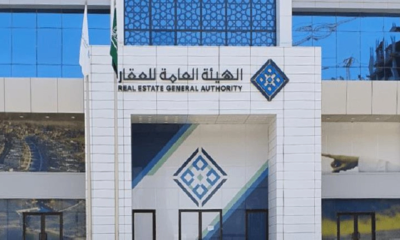
The deadline for property registration in Hail and Riyadh is Thursday
-
Local News 6 days ago
Under the patronage of the Minister of Information, an agreement was signed between the Ministry of Information and Waves Marketing Company
-
Sports one week ago
Tickets for the Al-Ahli vs. Al-Hilal King's Cup match postponed: New date