social responsibility
The 3 most important vitamins for women's health: Your guide to energy and immunity
Discover the three most important vitamins for women's health: vitamin D, B12, and folic acid. Explore their benefits for disease prevention and energy boosting at all ages.

Women's health is a top priority in public healthcare, as a woman's body undergoes complex physiological and hormonal changes throughout her life, from puberty through the reproductive years to menopause. Vitamins and minerals play a crucial and indispensable role in ensuring the efficient functioning of this biological system. In this context, we will discuss three of the most important vitamins that form the cornerstone of maintaining women's health and vitality.
General context and importance of nutritional awareness
Historically, women in many societies have suffered from severe malnutrition due to socioeconomic factors, leading to the prevalence of diseases such as osteoporosis and anemia. With the advancement of medical science in the 20th and 21st centuries, global awareness of the importance of "preventive nutrition" has increased. World Health Organization reports indicate that micronutrient deficiencies remain a global health challenge, particularly in regions with unbalanced diets. Therefore, focusing on essential vitamins is not merely a luxury, but a medical necessity to reduce long-term health burdens.
1. Vitamin D: Bone shield and immunity
Known as the "sunshine vitamin," it tops the list of essential vitamins for women. Its crucial role lies in calcium absorption, protecting women from osteoporosis, a silent disease that affects women at a much higher rate than men after the age of 50. Furthermore, recent studies have demonstrated a strong link between vitamin D levels and mental health, with deficiency contributing to an increased risk of depression and mood swings, in addition to its role in boosting the immune system against chronic diseases.
2. Vitamin B12: A source of energy and nerve health
Vitamin B12 is crucial for red blood cell production and maintaining a healthy nervous system. For women, this vitamin is essential for combating fatigue and chronic exhaustion, especially for working women or mothers who exert significant physical and mental effort. A deficiency in this vitamin can lead to pernicious anemia and problems with memory and concentration. Its importance is even greater for women following vegetarian or vegan diets, as this vitamin is primarily found in animal products.
3. Folic Acid (B9): More than just a pregnancy vitamin
Although folic acid is commonly associated with pregnancy for preventing birth defects, its importance extends far beyond that. A woman's body needs folic acid at all stages of life to produce new, healthy cells and maintain cardiovascular health. This vitamin helps lower homocysteine levels in the blood, an amino acid whose elevated levels are linked to an increased risk of heart disease and stroke, making it an important preventative measure for women in the long term.
The expected impact of paying attention to these vitamins
Ensuring adequate intake of these vitamins, whether through balanced natural sources or medically supervised supplements, has a wide-ranging positive impact. Locally and regionally, improving women's health contributes to increased societal productivity and reduces the cost of treating chronic diseases. Raising awareness about these nutrients is part of our social responsibility to ensure a better quality of life for women, which in turn positively impacts the health of families and society as a whole.


social responsibility
Saudi Arabia is the second largest donor of humanitarian aid globally (2025)
Saudi Arabia ranked second globally in providing humanitarian aid for 2025, leading support for Yemen and Syria, reflecting its pioneering role in international relief work.
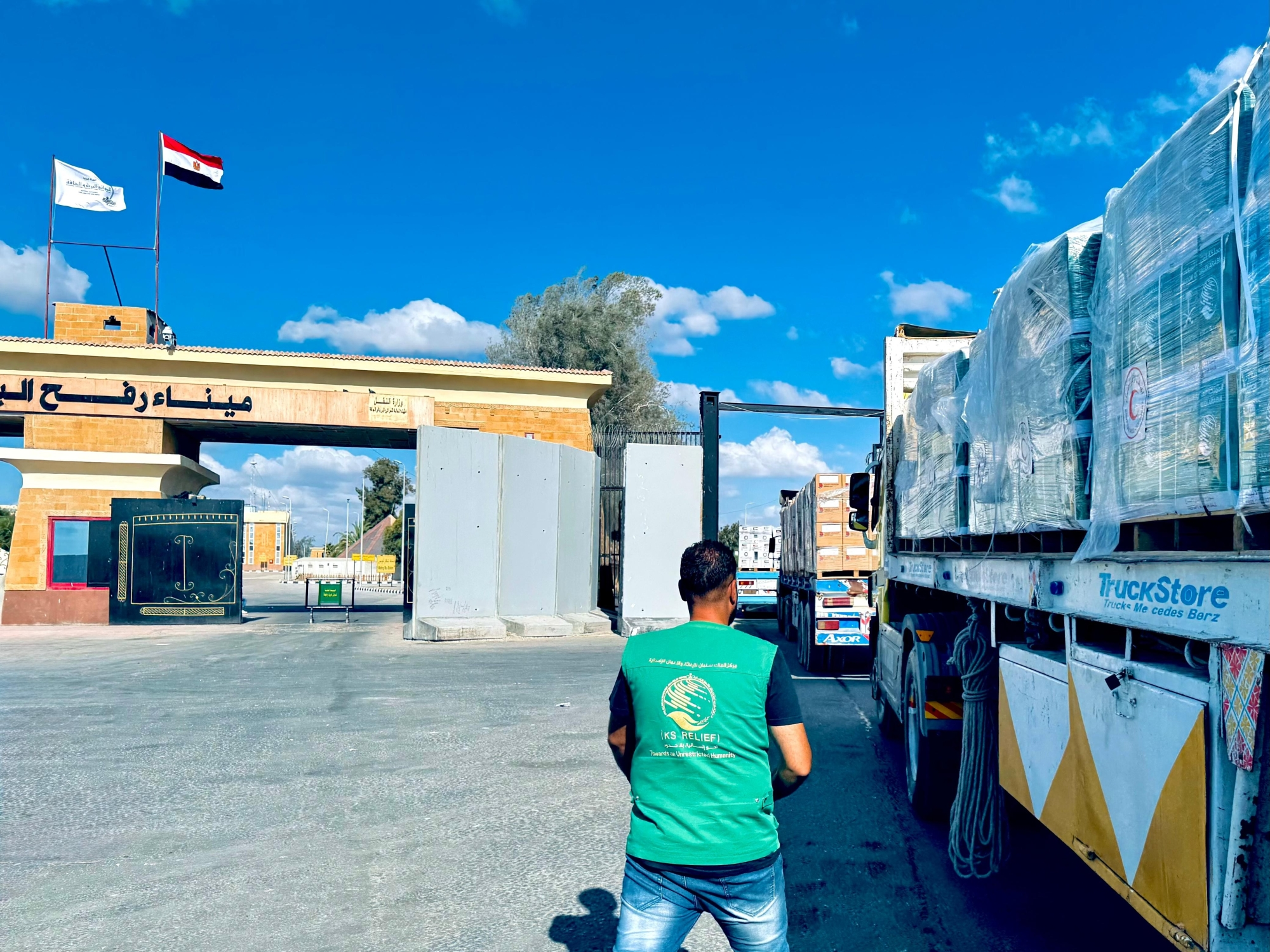
The Kingdom of Saudi Arabia has achieved a remarkable humanitarian milestone, ranking second globally and first in the Arab world in providing humanitarian aid for 2025, according to data released by the United Nations Financial Tracking Service (FTS). This advanced ranking underscores the Kingdom's pivotal role on the international stage as one of the largest supporters of relief and development efforts.
Specifically, the Kingdom topped the list of the largest donors to Yemen, with its aid constituting 49.3% of the total assistance provided, reflecting its deep commitment to alleviating the humanitarian suffering there. It also ranked second among donor countries to the Syrian Arab Republic. Its role was not limited to emergency humanitarian aid, but extended to development assistance, where it ranked second among 16 non-member donor countries of the Development Assistance Committee (DAC), and tenth among all 48 donor countries (members and non-members), according to the 2024 report.
Historical background and institutional role
This achievement is not a recent development, but rather the culmination of a long history of humanitarian aid that the Kingdom has consistently provided. This role witnessed a qualitative leap with the establishment of the King Salman Humanitarian Aid and Relief Center (KSRelief) in 2015, which has become the Kingdom's leading institutional arm for managing and coordinating international relief efforts efficiently, transparently, and in accordance with international standards. Through the Center, the Kingdom has implemented hundreds of projects in dozens of countries around the world, targeting vital sectors such as food security, health, education, water, and environmental sanitation.
Strategic importance and impact
The importance of this humanitarian role extends beyond simply providing material support, reaching strategic and political dimensions. Regionally, Saudi aid contributes to strengthening stability in conflict zones and mitigating the severity of humanitarian crises that could lead to widespread displacement and destabilize neighboring countries. Internationally, this role enhances the Kingdom's standing as an active and responsible force in the international community and reinforces its image as a nation committed to humanitarian principles and a reliable partner for international organizations such as the World Food Programme, the World Health Organization, and UNICEF.
In this context, His Excellency Dr. Abdullah bin Abdulaziz Al-Rabeeah, Supervisor General of the King Salman Humanitarian Aid and Relief Center, affirmed that the Kingdom's leading role in the global humanitarian arena is a direct result of the generous and unwavering support that humanitarian work receives from the Custodian of the Two Holy Mosques, King Salman bin Abdulaziz Al Saud, and His Royal Highness the Crown Prince and Prime Minister, Prince Mohammed bin Salman bin Abdulaziz. Dr. Al-Rabeeah noted that this achievement is a true reflection of the Kingdom's illustrious history of giving, embodying the values of generosity and benevolence inherent in the Saudi people, and their constant commitment to extending a helping hand to all peoples and nations in need, placing human dignity and life above all else.
social responsibility
A Saudi aid convoy arrives in Gaza to provide winter clothing for children
As part of the popular campaign to aid the Palestinian people, a new Saudi aid convoy from the King Salman Relief Center arrives in Gaza loaded with winter clothes and psychological support for children.

As part of the Kingdom of Saudi Arabia's ongoing humanitarian efforts, a new aid convoy has arrived in the Gaza Strip, provided by the King Salman Humanitarian Aid and Relief Center. This convoy is part of the Saudi public campaign to aid the Palestinian people in the Strip, and specifically targets children to help them cope with the harsh winter weather.
General context and humanitarian importance
This support comes at a critical time when the residents of the Gaza Strip, especially children, are facing escalating humanitarian and living challenges. The dire economic conditions and the ongoing blockade cast a shadow over all aspects of life, making access to even the most basic necessities, such as warm clothing, a struggle for many families. This need becomes even more urgent with the drop in temperatures, as children in displacement camps are at risk of contracting cold-related illnesses. Winter aid is therefore not merely financial support, but a vital necessity for protecting their health and well-being.
Details of the convoy and the integrated support program
The convoy carried a large quantity of winter clothing for children of all ages. The support extended beyond material aid to include a comprehensive recreational and psychological program. This program is being implemented in cooperation with the field teams of the Saudi Center for Culture and Heritage, the implementing partner of the King Salman Humanitarian Aid and Relief Center in Gaza. The program aims to alleviate the psychological effects of the crises on children through recreational and educational activities that help them recapture a part of their childhood and prepare them psychologically for returning to school after a long absence.
The role of the Kingdom and the King Salman Relief Center
This convoy is an extension of a long history of aid provided by the Kingdom of Saudi Arabia to the Palestinian people over the decades. Since its establishment in 2015, the King Salman Humanitarian Aid and Relief Center has been tasked with unifying and coordinating Saudi relief efforts internationally, positioning the Kingdom as a leading global humanitarian force. This ongoing support reflects the Kingdom's commitment to the values of brotherhood and human solidarity, and embodies its mission to stand by its brothers and friends in times of hardship and crisis, without religious or ethnic discrimination.
Expected impact of aid
At the local level, this aid directly contributes to providing warmth and protection for children and alleviating the financial burden on their families. The accompanying psychological support also plays a pivotal role in strengthening children's resilience and ability to cope. At the regional and international levels, these initiatives enhance the Kingdom's image as a key player in humanitarian work, underscore the importance of international solidarity in addressing humanitarian crises, and highlight the dire situation in the Gaza Strip, thus encouraging further donor support.
social responsibility
Saudi aid to Gaza: A new relief convoy crosses the Rafah border crossing
A new Saudi aid convoy from the King Salman Relief Center crosses the Rafah border crossing into Gaza, carrying food, clothing and shelter materials to address the worsening humanitarian crisis.
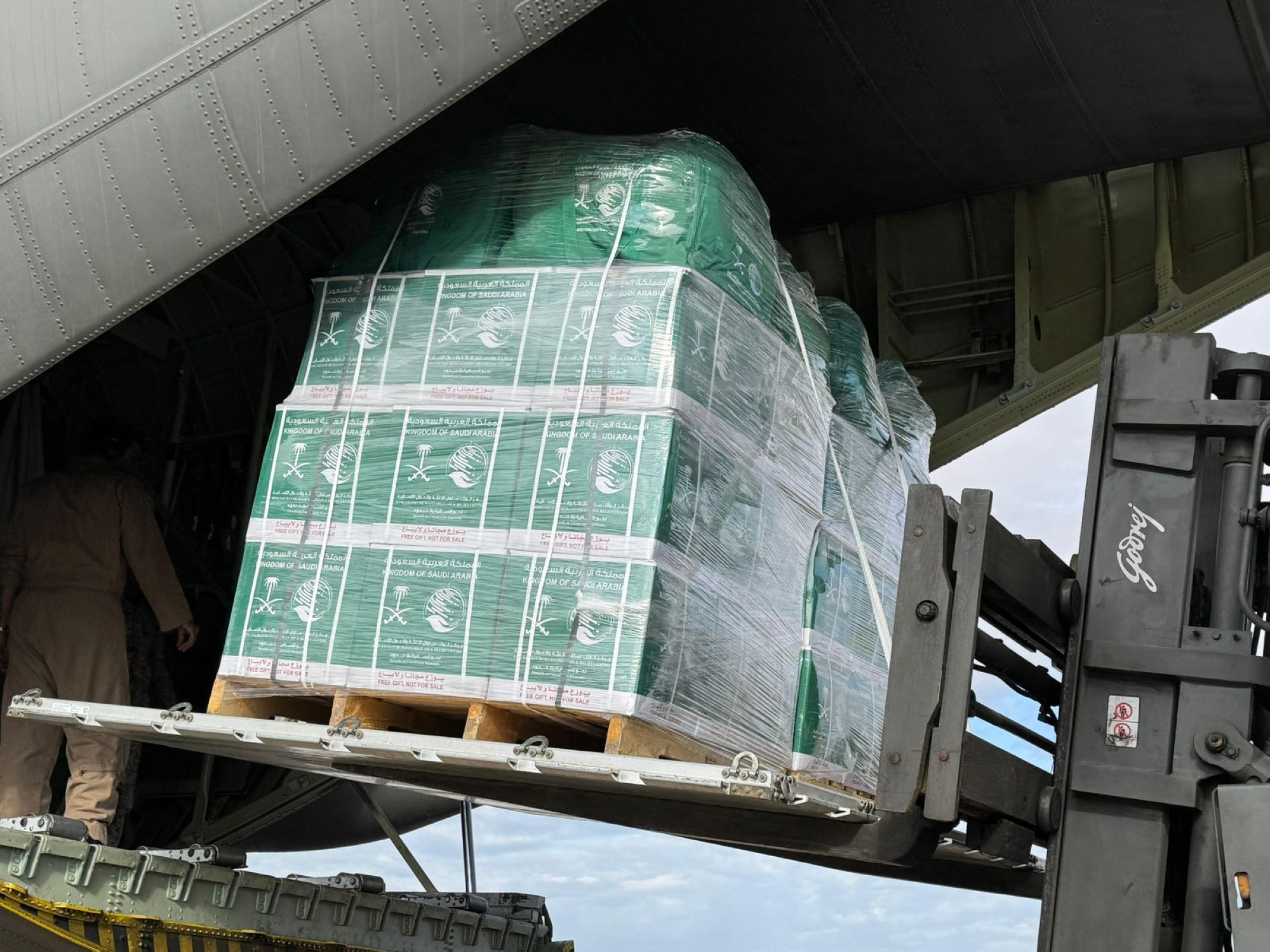
As part of the Kingdom of Saudi Arabia's ongoing humanitarian efforts, a new aid convoy from the King Salman Humanitarian Aid and Relief Center crossed the Rafah border crossing into the Gaza Strip to distribute aid to affected residents. This initiative is part of the Saudi public campaign to support the Palestinian people, reaffirming Saudi Arabia's unwavering support for the Palestinian cause on all fronts.
The convoy is carrying large quantities of much-needed essential aid, including complete food baskets, heavy winter clothing, and various shelter materials such as tents and blankets. This aid aims to meet the urgent needs of displaced Palestinians facing harsh living conditions, particularly given the destruction of infrastructure and the lack of basic resources.
Context of the crisis and historical background of Saudi support
This aid comes at a critical time, as the Gaza Strip suffers an unprecedented humanitarian crisis since the start of the latest events in October 2023. The crisis has led to the displacement of more than 1.9 million people, nearly 85% of the Strip's population, with the near-total collapse of the health system and severe shortages of food, water, and medicine. The Kingdom of Saudi Arabia has long been at the forefront of countries supporting the Palestinian people, with a history of aid spanning decades, providing political, economic, and humanitarian support throughout the various historical phases of the Palestinian cause.
The importance of aid and its expected impact
Locally in Gaza, this convoy represents a lifeline for the population, directly contributing to alleviating daily suffering and providing essential supplies to displaced families. The King Salman Humanitarian Aid and Relief Center's role extends beyond sending convoys; it also includes establishing fully equipped shelters in the Rafah and Khan Younis areas to provide safe housing for the displaced and deliver relief services to them in a structured manner.
Regionally, these efforts reinforce the Kingdom's leading role in humanitarian work and underscore its commitment to the principle of Arab and Islamic solidarity. They also send a clear message about the need for concerted international efforts to ensure the continuous and safe delivery of humanitarian aid to all areas of the Gaza Strip. Internationally, these initiatives highlight Saudi Arabia's active role as a key partner in responding to global humanitarian crises and support the ongoing calls to open humanitarian corridors and lift the blockade to facilitate the work of relief organizations.
-

 Reports 3 days ago
Achievements of Saudi government sectors in 2025
-
Local news two weeks ago
FDA warns of contaminated Nestle infant formula | Recall details
-
Technology 4 weeks ago
Artificial intelligence regulations in Saudi education and student data protection
-
Technology 4 weeks ago
US ban on drones: reasons and consequences
-
Technology 4 weeks ago
SRMG and Snapchat partnership: The future of digital media in the Middle East
-
Sports 4 weeks ago
Salah leads Egypt to a thrilling comeback against Zimbabwe in the Africa Cup of Nations
-
Technology 4 weeks ago
Saudi Arabia's Ministry of Islamic Affairs is employing artificial intelligence in public speaking
-
Sports 4 weeks ago
Napoli win the Italian Super Cup in Riyadh for the third time (2025)