social responsibility
Returns of 191 million riyals for charitable associations in the Eastern Province and development of the sector
The Eastern Province Non-Profit Sector Leaders Forum achieves an economic return of 191 million riyals, and launches initiatives to employ and train young people, enhancing its developmental role within Vision 2030.

The Eastern Province Non-Profit Sector Leaders Forum achieves an economic return of 191 million riyals
Under the patronage of His Royal Highness Prince Saud bin Nayef bin Abdulaziz, Governor of the Eastern Province, Al-Khobar hosted the “Non-Profit Sector Leaders Forum,” organized by the Council of Charitable Associations in the region. The forum, attended by more than 450 leaders in the charitable sector, yielded significant economic and developmental results, generating over 191 million Saudi Riyals in support of charitable associations. This reflects a qualitative leap forward for the sector, moving towards sustainability and effective community impact.
The role of the non-profit sector in Saudi Vision 2030
This forum comes within the context of the comprehensive national transformation underway in the Kingdom of Saudi Arabia, where Vision 2030 places great emphasis on developing the non-profit sector as a key partner in sustainable development. The Vision aims to increase the sector's contribution to the GDP from less than 1% to 5% by 2030 and to increase the number of volunteers. Government entities, such as the National Center for Non-Profit Sector Development, are working to provide a stimulating regulatory and legislative environment that enables associations to grow, flourish, and achieve their goals efficiently and transparently.
A platform for unifying efforts and exchanging experiences
The forum brought together more than 450 heads, leaders, and board members of non-profit organizations in the Eastern Province, serving as a vital platform for exchanging expertise and unifying efforts. In his address, the Governor of the Eastern Province emphasized the importance of these specialized gatherings in fostering integration among associations, stressing that effective coordination between the non-profit sector, government agencies, and the private sector is the key to enhancing performance and achieving a broader social impact. His Highness noted that the current phase requires teamwork and the development of institutional work models to respond to the evolving needs of society.
Economic returns and quality initiatives
Dr. Abdullah bin Rashid Al-Khaldi, Chairman of the Board of Directors of the Council of Charitable Associations in the region, explained that the economic return, exceeding 191 million riyals, is the result of strategic partnerships and initiatives implemented by the Council. This sum was allocated to support associations through innovative employment and social investment programs, in cooperation with multiple supporting entities, thereby enhancing the financial sustainability of the sector and increasing its developmental impact.
The forum's outcomes were not limited to the financial aspect; it also witnessed the launch of qualitative initiatives aimed at building human capacities, most notably:
- Youth employment empowerment: Launching an initiative to train and attract 100 young men and women to work in NGOs through specialized development programs.
- Development Business Diploma: Launching the first batch of the “Business Diploma Program in Development Organizations,” which targets 100 young men and women in Dammam, Al-Ahsa and Hafr Al-Batin, in partnership with the National Academy for the Non-Profit Sector and the Human Resources Development Fund “Hadaf”.
- Intensive training opportunities: Activating training partnerships to provide more than 3,000 specialized training opportunities for workers in the sector, with the aim of refining their skills and enhancing their professional readiness.
Towards a sustainable future for civil work
These initiatives demonstrate the profound transformation underway in the Eastern Province's non-profit sector, moving from simply providing care to creating a sustainable developmental impact. The focus on developing and equipping young Saudi talent with the necessary skills ensures the continuity of professional institutional work. Furthermore, the signing of strategic agreements between the Council and supporting entities, as well as among the associations themselves, establishes a more effective collaborative framework capable of addressing challenges and improving the quality of life for beneficiaries, in line with the ambitious goals of the Kingdom's Vision 2030.




social responsibility
King Salman Relief Center distributes winter clothes to students in Gaza
As part of the Saudi campaign to aid Palestine, the King Salman Relief Center distributed winter clothes and held recreational activities for school students in Khan Yunis to alleviate their suffering.

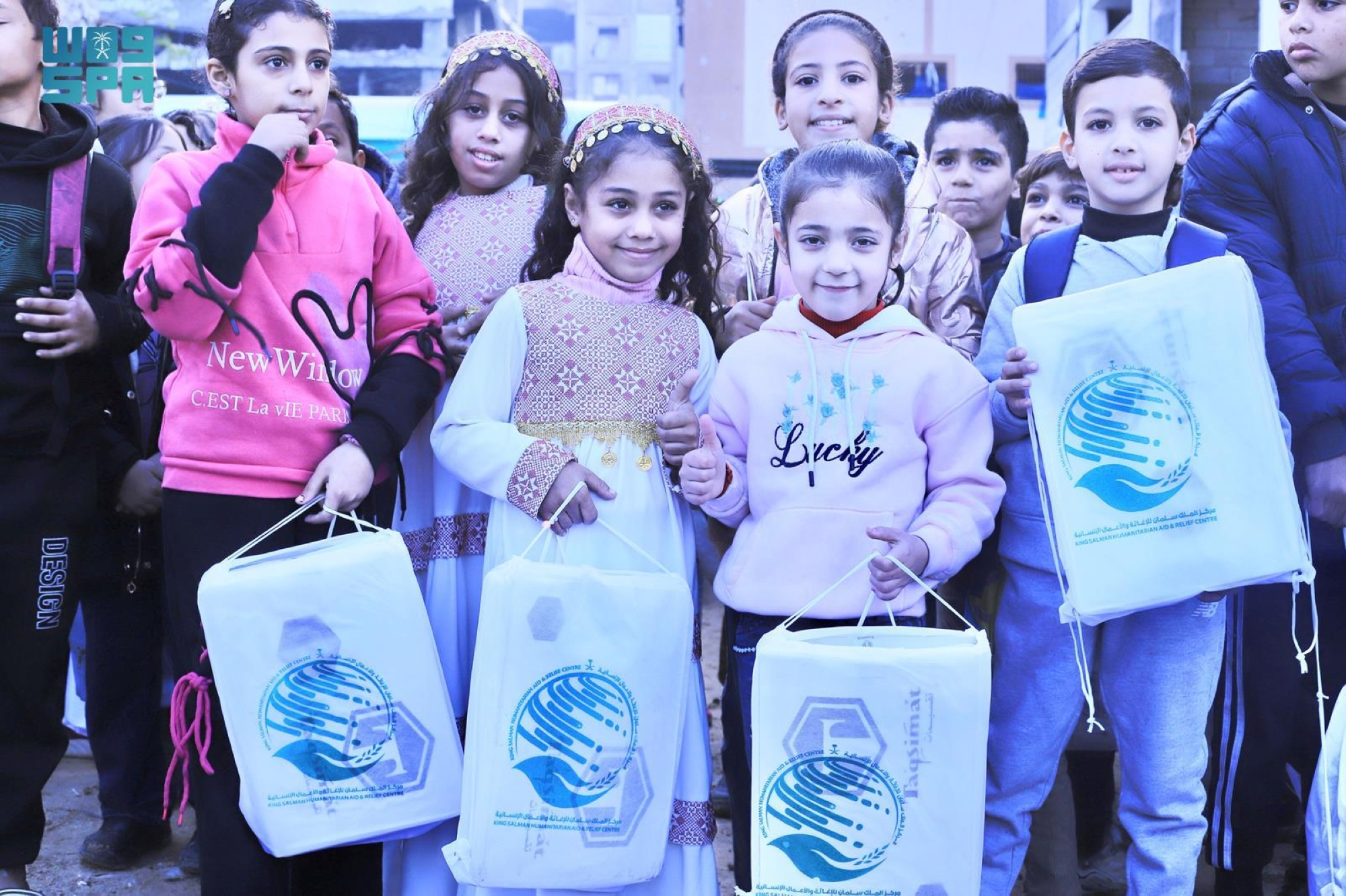
In a humanitarian initiative aimed at alleviating the suffering of the Palestinian people, the King Salman Humanitarian Aid and Relief Center distributed winter clothing to students in schools and educational facilities in the Mawasi Khan Younis area of southern Gaza. This aid is part of the Saudi popular campaign to support the Palestinian people in the Gaza Strip, providing warmth for children facing the harsh winter cold.
The field teams of the Saudi Center for Culture and Heritage, the implementing partner of the King Salman Humanitarian Aid and Relief Center in the Gaza Strip, carefully distributed the winter clothing to ensure it reached the children most in need. The initiative was not limited to material assistance; it also included recreational and interactive activities specifically designed for the students, aiming to bring joy and happiness to them and alleviate the severe psychological stress they are experiencing due to the difficult circumstances.
critical humanitarian context
This aid comes at a critical time as the Gaza Strip grapples with a worsening humanitarian crisis, with residents, particularly children, facing immense challenges during the winter. With thousands of families displaced and infrastructure destroyed, access to basic necessities like warm clothing and safe shelter has become extremely difficult. These initiatives directly contribute to protecting children from illnesses associated with the harsh cold and strengthening their resilience in the face of these dire living conditions.
An extension of historical Saudi support
This campaign is an extension of the Kingdom of Saudi Arabia’s longstanding and unwavering support for the Palestinian cause and the Palestinian people. The King Salman Humanitarian Aid and Relief Center, the Kingdom’s humanitarian arm, is implementing diverse relief and development projects in Palestine, encompassing food security, health, water, shelter, and education. These ongoing efforts reflect the Kingdom’s commitment to its global humanitarian mission and its deeply rooted values of providing relief to those in distress and assistance to those in need around the world, without discrimination.
The importance of psychological and material support
The importance of this initiative extends beyond providing winter clothing; it encompasses the psychological and emotional support that is an integral part of comprehensive relief efforts. Bringing smiles to children's faces and providing them with a safe space to play and interact enhances their mental well-being and instills in them a sense of hope and optimism. Internationally, such initiatives highlight the scale of the humanitarian crisis in Gaza and underscore the urgent need for concerted international efforts to provide immediate and sustained assistance to the affected population.
social responsibility
Saudi aid to Gaza and Sudan through the King Salman Relief Center
The King Salman Humanitarian Aid and Relief Center is providing urgent food assistance to families in Sudan and winter clothing to students in Gaza, reaffirming the Kingdom’s leading humanitarian role in supporting affected populations.
In a testament to its leading humanitarian role, the Kingdom of Saudi Arabia, through its humanitarian arm, the King Salman Humanitarian Aid and Relief Center, continues its tireless efforts to support affected populations around the world. As part of these endeavors, the Center launched two simultaneous relief initiatives targeting the most vulnerable groups in both the Republic of Sudan and the Gaza Strip, aiming to alleviate the suffering caused by the humanitarian crises afflicting these two brotherly nations.
Supporting food security in Sudan
Amid the escalating humanitarian crisis in Sudan, which has displaced millions and led to a severe decline in food security, the King Salman Humanitarian Aid and Relief Center distributed 1,000 complete food baskets in the Suakin locality of Red Sea State. This urgent assistance targeted the most vulnerable families and displaced persons, benefiting approximately 6,500 individuals. This initiative is part of the “Food Security Support Project in the Republic of Sudan,” a strategic program aimed at providing basic food needs, preventing widespread malnutrition, and contributing to the stability of conflict-affected communities.
Warmth and hope for the children of Gaza
In the Gaza Strip, where residents are suffering from dire humanitarian conditions exacerbated by the winter cold, the center continued its efforts to support the education sector and children. Its field teams, in cooperation with the Saudi Center for Culture and Heritage, distributed winter clothing to students in schools and educational centers in the northern Gaza Strip. The initiative was not limited to material support; it also included organizing recreational activities for students to provide them with psychological and social support and bring smiles to their faces amidst the harsh conditions they are enduring. This aid is particularly important in providing warmth and protection for children and encouraging them to continue their education.
Saudi Arabia plays a leading role in global humanitarian work
These projects are an extension of the Kingdom of Saudi Arabia’s long and distinguished record in relief and humanitarian work. Since its establishment in 2015, the King Salman Humanitarian Aid and Relief Centre has been coordinating and delivering Saudi international aid, based on firm humanitarian principles and without discrimination. The Centre has implemented thousands of projects in dozens of countries around the world, covering vital sectors such as food, health, water, sanitation, and education, reflecting the Kingdom’s unwavering commitment to alleviating human suffering and promoting peace and stability at both the regional and international levels.
social responsibility
Saudi Arabia is the second largest donor of humanitarian aid globally (2025)
Saudi Arabia ranked second globally in providing humanitarian aid for 2025, leading support for Yemen and Syria, reflecting its pioneering role in international relief work.
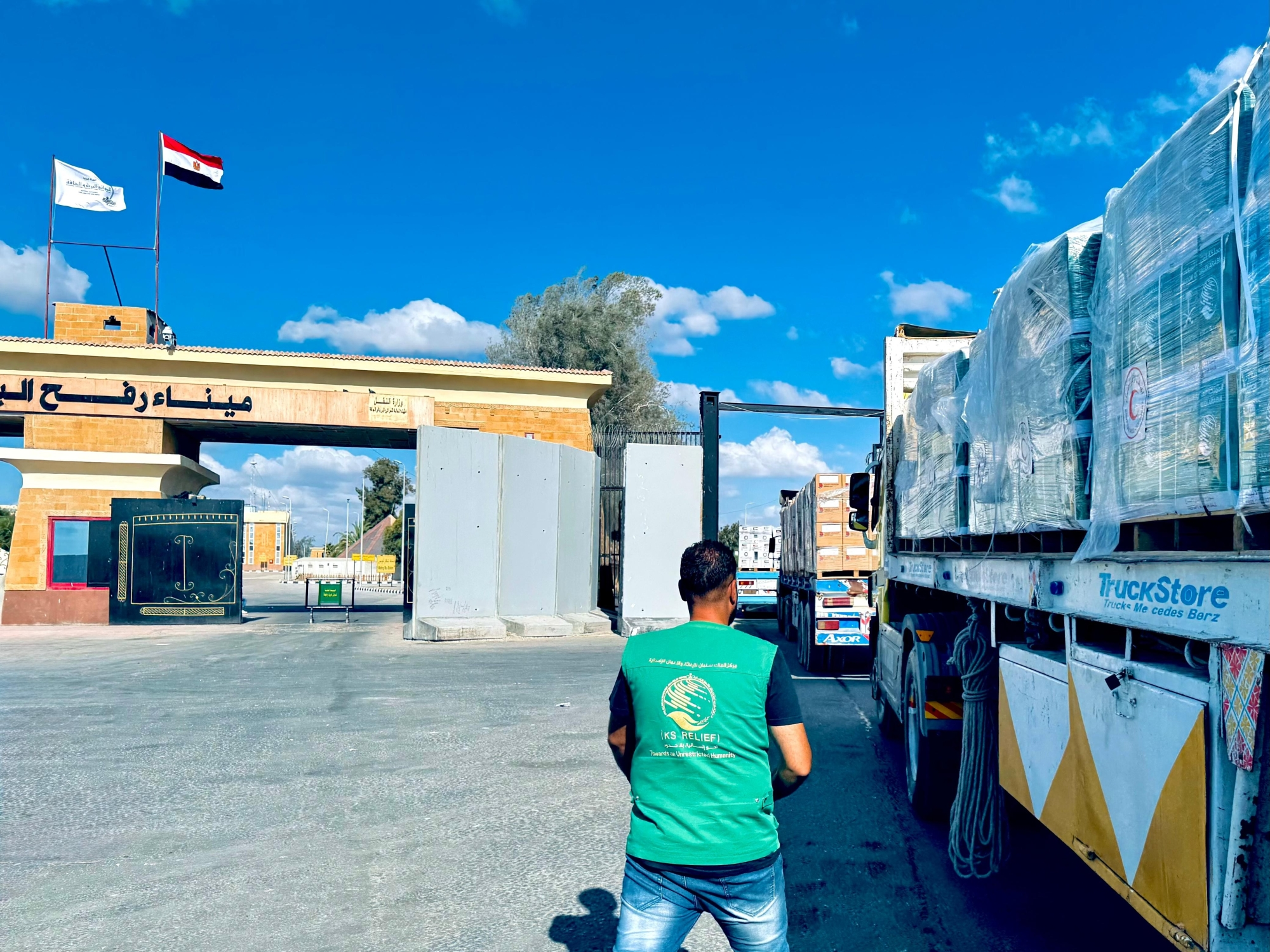
The Kingdom of Saudi Arabia has achieved a remarkable humanitarian milestone, ranking second globally and first in the Arab world in providing humanitarian aid for 2025, according to data released by the United Nations Financial Tracking Service (FTS). This advanced ranking underscores the Kingdom's pivotal role on the international stage as one of the largest supporters of relief and development efforts.
Specifically, the Kingdom topped the list of the largest donors to Yemen, with its aid constituting 49.3% of the total assistance provided, reflecting its deep commitment to alleviating the humanitarian suffering there. It also ranked second among donor countries to the Syrian Arab Republic. Its role was not limited to emergency humanitarian aid, but extended to development assistance, where it ranked second among 16 non-member donor countries of the Development Assistance Committee (DAC), and tenth among all 48 donor countries (members and non-members), according to the 2024 report.
Historical background and institutional role
This achievement is not a recent development, but rather the culmination of a long history of humanitarian aid that the Kingdom has consistently provided. This role witnessed a qualitative leap with the establishment of the King Salman Humanitarian Aid and Relief Center (KSRelief) in 2015, which has become the Kingdom's leading institutional arm for managing and coordinating international relief efforts efficiently, transparently, and in accordance with international standards. Through the Center, the Kingdom has implemented hundreds of projects in dozens of countries around the world, targeting vital sectors such as food security, health, education, water, and environmental sanitation.
Strategic importance and impact
The importance of this humanitarian role extends beyond simply providing material support, reaching strategic and political dimensions. Regionally, Saudi aid contributes to strengthening stability in conflict zones and mitigating the severity of humanitarian crises that could lead to widespread displacement and destabilize neighboring countries. Internationally, this role enhances the Kingdom's standing as an active and responsible force in the international community and reinforces its image as a nation committed to humanitarian principles and a reliable partner for international organizations such as the World Food Programme, the World Health Organization, and UNICEF.
In this context, His Excellency Dr. Abdullah bin Abdulaziz Al-Rabeeah, Supervisor General of the King Salman Humanitarian Aid and Relief Center, affirmed that the Kingdom's leading role in the global humanitarian arena is a direct result of the generous and unwavering support that humanitarian work receives from the Custodian of the Two Holy Mosques, King Salman bin Abdulaziz Al Saud, and His Royal Highness the Crown Prince and Prime Minister, Prince Mohammed bin Salman bin Abdulaziz. Dr. Al-Rabeeah noted that this achievement is a true reflection of the Kingdom's illustrious history of giving, embodying the values of generosity and benevolence inherent in the Saudi people, and their constant commitment to extending a helping hand to all peoples and nations in need, placing human dignity and life above all else.
-

 Reports 6 days ago
Achievements of Saudi government sectors in 2025
-
Local news two weeks ago
FDA warns of contaminated Nestle infant formula | Recall details
-
Technology 4 weeks ago
US ban on drones: reasons and consequences
-
Technology 4 weeks ago
SRMG and Snapchat partnership: The future of digital media in the Middle East
-
Technology 4 weeks ago
Saudi Arabia's Ministry of Islamic Affairs is employing artificial intelligence in public speaking
-
Sports 4 weeks ago
Salah leads Egypt to a thrilling comeback against Zimbabwe in the Africa Cup of Nations
-
Sports 4 weeks ago
Napoli win the Italian Super Cup in Riyadh for the third time (2025)
-
Sports 4 weeks ago
Alexander Isak's injury: A major blow to Newcastle United's ambitions