Reports
King Salman Relief Center's Ramadan aid includes 9 countries
The Kingdom continues its humanitarian efforts through the King Salman Relief Center by distributing thousands of food baskets and dates in 9 Arab, Islamic and friendly countries during the month of Ramadan in 2026.

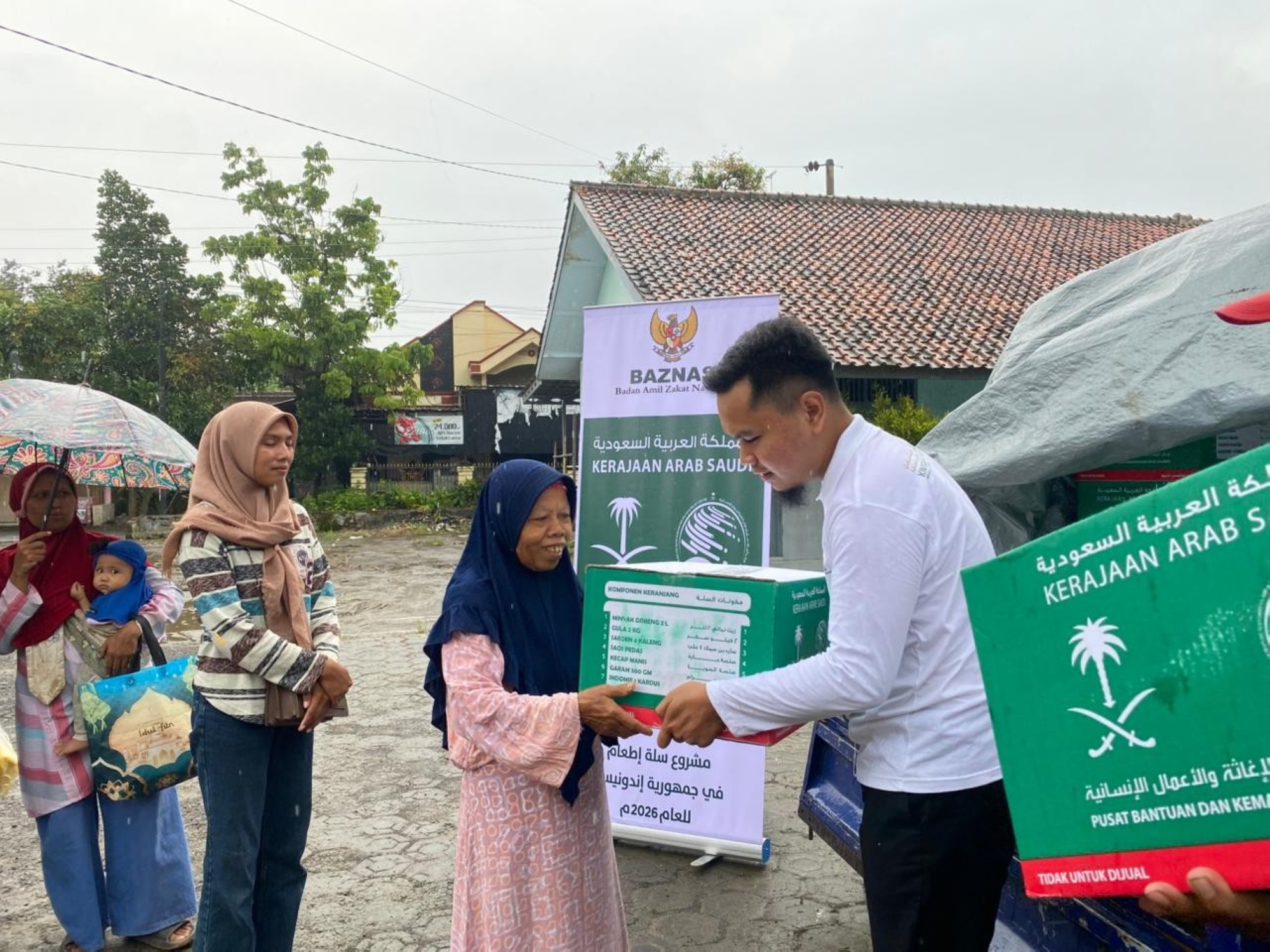
As part of its leading global role in humanitarian work, the Kingdom of Saudi Arabia continued to strengthen its relief efforts during the holy month of Ramadan 2026 through its humanitarian arm, the King Salman Humanitarian Aid and Relief Center. These efforts are an extension of the Kingdom's long history of generosity and giving towards Arab, Islamic, and friendly nations. The Center implemented a wide range of food initiatives targeting the most vulnerable groups in nine countries across Asia, Africa, Europe, and South America.
Saudi strategy to support global food security
This aid is not merely a seasonal initiative, but rather part of a comprehensive strategy through which the Kingdom aims to enhance food security and combat hunger in affected or high-risk areas. This move reflects the Kingdom's commitment to international conventions and Islamic values that promote solidarity, as the King Salman Humanitarian Aid and Relief Center operates according to precise mechanisms to ensure that aid reaches its intended beneficiaries, thus strengthening the bonds of friendship and brotherhood between the Kingdom and these countries.
Details of aid in Asia and Europe
The center has been very active in Asia and Europe. In Indonesia , it distributed 51 food baskets in Depok, West Java, benefiting 158 individuals as part of its "Food Basket" project. In Uzbekistan , 410 food baskets were distributed in the Sanat Gelar neighborhood of Urgench, benefiting 1,650 individuals, as part of a larger project aiming to distribute 6,060 baskets across 14 provinces.
In Europe, specifically in the Republic of Kosovo , 550 food baskets were distributed in the city of Mitrovica, benefiting 2,750 individuals, in addition to 200 baskets in the city of Klina in the province of Peja, benefiting 1,000 individuals, as part of the “Food Basket 5” project.
Bridges of goodwill extend to Africa
The African continent benefited greatly from this aid, with the center distributing 1,200 food baskets in Kumasi Province, Ghana Benin , 1,650 food baskets were distributed in the provinces of Koulen, Dangga, Borgo, Oyeme, and Mono, covering the needs of 9,900 people. The aid also extended to Niger, with the distribution of 898 baskets in the city of Maradi, benefiting 6,286 individuals.
Distributing dates: A symbol of Saudi generosity
Continuing its tradition of distributing dates, the Kingdom's generosity extended to Brazil , where the center distributed 1,504 cartons of dates in Mogí das Cruzes, São Paulo, benefiting 188 families from the host community and refugees, as part of a project to distribute 200 tons. In Chad , 345 cartons of dates were distributed in the N'Djamena region, benefiting 2,070 individuals.
In a related context, the Ministry of Islamic Affairs, Call and Guidance reinforced this movement by delivering the Custodian of the Two Holy Mosques’ gift of dates to Azerbaijan , amounting to 5 tons, benefiting about 500,000 people, which confirms the comprehensiveness and diversity of Saudi support channels.




Reports
MASAM removes 840 landmines in Yemen: Report for the second week of February 2026
Project Masam successfully removed 840 mines and munitions in Yemen during one week in February 2026. Learn about the details of the operations and the total number of mines removed, which exceeded 541,000.

The King Salman Humanitarian Aid and Relief Center’s “Masam” project for clearing Yemeni lands continued its tireless efforts to secure the lives of civilians, as its field engineering teams were able, during the second week of February 2026, to neutralize the danger of 840 mines, unexploded ordnance and improvised explosive devices that were planted in various areas of Yemen.
Details of field operations and their geographical distribution
The project's weekly report revealed the diversity of materials removed, including 149 anti-tank mines, 16 anti-personnel mines, 660 pieces of unexploded ordnance, and 15 improvised explosive devices. These efforts were spread across several Yemeni governorates, reflecting the wide geographical scope of the clearance operations.
In terms of geographical distribution, the MASAM team in Aden Governorate successfully secured the Khormaksar district by removing one piece of unexploded ordnance, and the Aden district by removing 256 pieces of unexploded ordnance. In Hajjah Governorate, specifically in the Midi district, the teams removed 50 anti-tank mines, 330 pieces of unexploded ordnance, and 9 improvised explosive devices. The operations also included the Al-Mudharabah district in Lahj Governorate and the Hays district in Al-Hudaydah Governorate.
In Marib Governorate, teams focused their efforts in the districts of Raghwan and Al Wadi, while in Shabwa Governorate, intensive activity took place in the districts of Ain, Arma, and Bayhan, where large quantities of anti-tank mines and improvised explosive devices were removed. In Taiz, teams continued clearing the districts of Al Mukha, Dhubab, and Saluh of mines and unexploded ordnance that threaten the population.
Record numbers and ongoing efforts
With this latest count, the total number of mines removed in February alone has risen to 4,000, bringing the total number of mines removed since the launch of Project Masam to 541,511. These figures reflect the scale of the disaster caused by the indiscriminate planting of these mines in Yemeni lands, targeting innocent women, children, and the elderly.
Project importance and humanitarian context
The operations of the MASAM project are of paramount strategic and humanitarian importance. The project's mission extends beyond the immediate removal of landmines to include securing roads, farms, and schools, thus facilitating the return of displaced persons to their homes and ensuring the delivery of humanitarian aid. Landmines in Yemen are among the most serious challenges facing civilians, as they are planted indiscriminately and camouflaged, making them difficult to detect without advanced technical expertise.
This project is an extension of the Kingdom of Saudi Arabia's leading role, through its humanitarian arm, the King Salman Humanitarian Aid and Relief Center, in alleviating the suffering of the brotherly Yemeni people. The project directly contributes to reducing the rates of injuries and deaths resulting from these explosives and enhances opportunities for development and stability in liberated areas, reaffirming the Kingdom's continued commitment to supporting Yemen in all humanitarian and development fields.
Reports
Top 5 tips for pregnant women in their ninth month for a safe delivery
A comprehensive guide offering 5 tips for pregnant women in their ninth month to ensure the safety of both mother and baby. Learn about the importance of nutrition, monitoring fetal movement, and preparing your hospital bag.
The final weeks of pregnancy, specifically the ninth month, are a pivotal stage in the motherhood journey. This period requires extra care for both body and mind in preparation for the crucial moment. Reaching the ninth month means the fetus is almost fully developed, and the mother's body begins its physiological preparation for childbirth, bringing about a range of hormonal and physical changes that must be managed with wisdom and composure.
General context and physiological changes
Historically and medically, the ninth month is considered a period of "anticipation and caution." During this stage, the fetus gains significant weight, placing additional pressure on the mother's spine, pelvis, and bladder. These natural changes are not merely passing symptoms, but rather vital indicators that the due date is approaching. Therefore, being aware of these changes and understanding how to manage them is the cornerstone of ensuring a safe delivery and a more reassuring experience for both mother and baby.
Top 5 tips for pregnant women in their ninth month
To ensure a safe passage through this stage, doctors and specialists recommend following a set of basic guidelines:
1. Intensive and regular medical follow-up
In the ninth month, prenatal visits often transition from monthly to weekly. These visits are not routine; they are essential for monitoring blood pressure, checking for protein in urine to prevent preeclampsia, confirming the baby's position (head down in the pelvis), and measuring its heart rate. Adhering to these appointments significantly reduces the risk of complications during childbirth.
2. Complete rest and reduction of physical exertion
With increased weight and a shift in the center of gravity, the body becomes more susceptible to stress. It is advisable to get plenty of sleep at night and take a nap during the day. Rest here does not mean complete inactivity, but rather avoiding strenuous activities and lifting heavy objects, which helps conserve the body's energy needed for labor and delivery.
3. Pay close attention to fetal movement
Fetal movement is the first indicator of the baby's health and vitality. Despite the limited space inside the uterus in the ninth month, kicks and movements should still be felt. Doctors advise monitoring the number of movements daily, and if movement decreases or stops, immediate medical attention is necessary, as this could indicate fetal distress requiring medical intervention.
4. Pre-packing the maternity bag
To reduce stress, the maternity bag should be prepared early this month. It should contain all necessary documents and medical records, comfortable clothes for the mother, and essentials for the newborn. This preparation gives the mother a sense of control and readiness for any eventuality that may occur at any time of day.
5. Balanced nutrition and hydration
During this period, pregnant women need energy of a specific quality, not a large quantity. It's recommended to eat small, frequent meals to avoid heartburn, which is common during this month, and to focus on fiber-rich foods to prevent constipation. Drinking plenty of water is also advised to stay hydrated and improve blood circulation, and eating dates, which some studies suggest may help facilitate labor.
Reports
Earthquake strikes Balochistan, Pakistan, with a magnitude of 5.5: Full details
Follow the details of the 5.5 magnitude earthquake that struck Balochistan province in Pakistan. A comprehensive report on the region's geological background, history of seismic activity, and its impact.
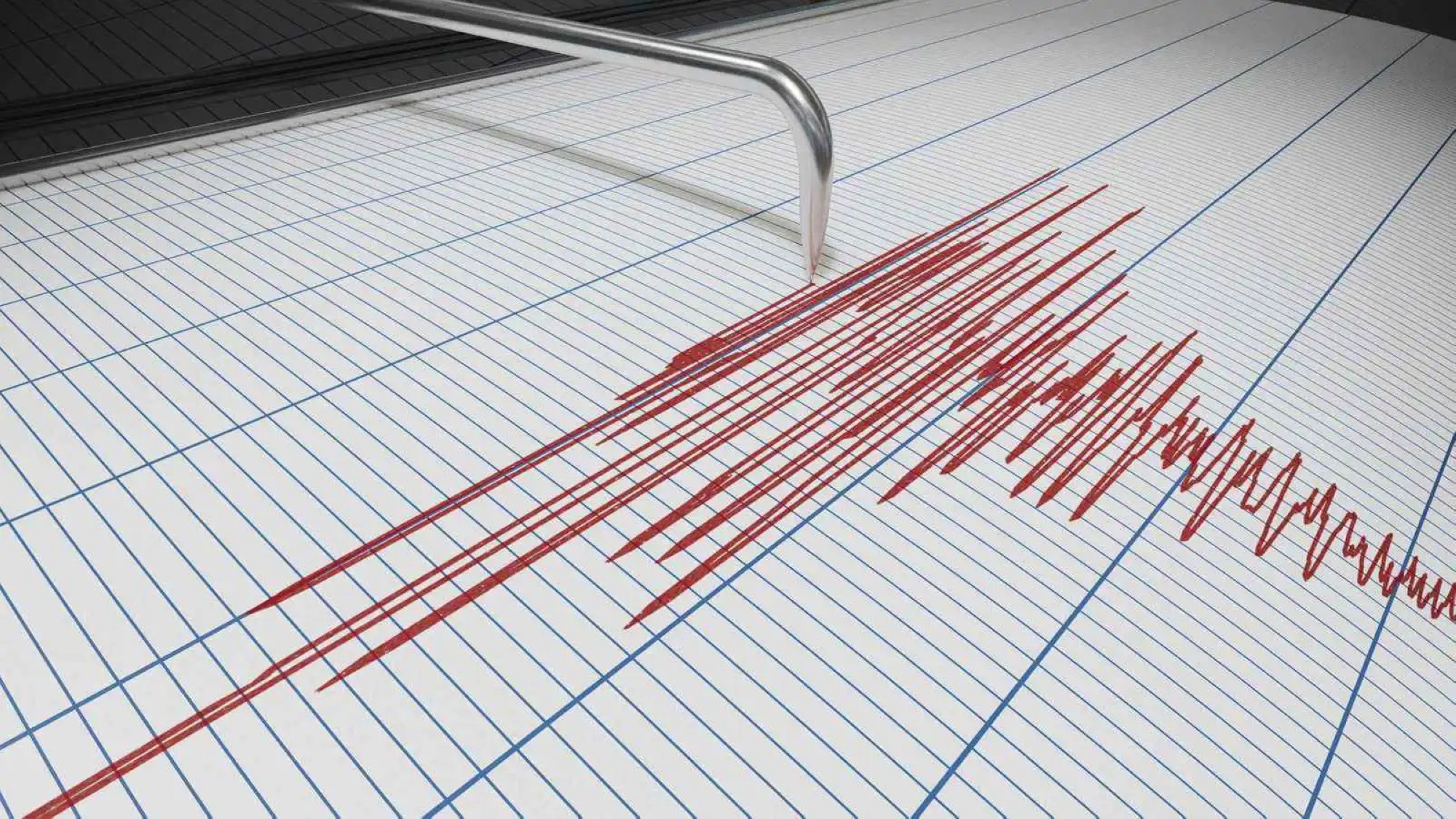
A moderate earthquake struck Balochistan province in southwestern Pakistan, with seismic monitoring centers recording a magnitude of 5.5 on the Richter scale. This event serves as a reminder of the complex and active geological nature of this region, which has historically been the scene of numerous seismic events.
Details of seismic activity in the region
According to preliminary data, the earthquake struck a region characterized by rugged terrain, a feature prevalent in Balochistan, Pakistan's largest and least densely populated province. While a magnitude of 5.5 is generally classified as a moderate earthquake, its impact depends significantly on the depth of the epicenter, its proximity to populated areas, and the nature of the infrastructure in the affected regions.
Geological background: Why do earthquakes occur so frequently in Pakistan?
Earthquakes are not uncommon in Pakistan, particularly in Balochistan. The country lies geographically at the intersection of major tectonic plates, where the Indian Plate is compressed against the Eurasian Plate. This constant collision and the resulting immense pressure cause energy to accumulate in the Earth's crust, which is then released suddenly in the form of earthquakes.
The notorious Chaman Fault, one of the most seismically active faults in the region, runs through Balochistan province, stretching for considerable distances across the Pakistani-Afghan border. The presence of this fault keeps the region constantly on alert for the possibility of aftershocks or major earthquakes.
The region's history with earthquakes and the impact on infrastructure
When discussing the impact of earthquakes in Balochistan, the nature of urban planning in villages and remote areas must be considered. Many communities in the region rely on mud houses or structurally unsupported buildings to withstand earthquakes, making even moderate tremors a potential threat to property and lives.
Historically, the region has experienced devastating earthquakes, most notably the 1935 Quetta earthquake, one of the deadliest in the history of the Indian subcontinent, and the 2013 Awaran earthquake. These historical precedents place a significant responsibility on local authorities and disaster management agencies to enhance preparedness and ensure a rapid response to any seismic activity.
The importance of follow-up and safety procedures
The Pakistan Meteorological Department and Geological Survey are closely monitoring these activities, analyzing data to determine the likelihood of aftershocks. Experts consistently advise residents of seismically active areas to follow general safety guidelines, such as staying away from dilapidated buildings, identifying safe assembly points, and securing heavy furniture inside homes to minimize risks during tremors.
-

 Culture and Art 7 days ago
The "Between and Between" exhibition in Jeddah: 5 artists reshape Saudi memory
-
Local News 5 days ago
Saudi Arabia's National Arabic Language Policy: 8 Principles to Promote Identity
-
Culture and Art, 1 week ago
Shakira's concert in Jeddah: Details of the international star's first concert in Saudi Arabia
-
Local News 4 days ago
Adopting the National Policy for the Arabic Language: Strengthening Identity and Vision 2030
-
Culture and Art, 1 week ago
The truth about Nancy Ajram's video and Epstein Island, and her legal response
-
Local News 5 days ago
The Riyadh-Rin-Bisha dual carriageway, spanning 559 km, has been completed
-
Local news one week ago
Launch of the new Dammam project with investments of 98 billion riyals
-
Culture and Art, 1 week ago
Ramez Level the Monster: Details of Ramez Galal's program in Ramadan 2026