Politics
"Yuna" crowns its media performance with digital transformation and the use of artificial intelligence
The Union of OIC News Agencies (UNA) has achieved a qualitative leap in its media performance, serving the objectives of the OIC

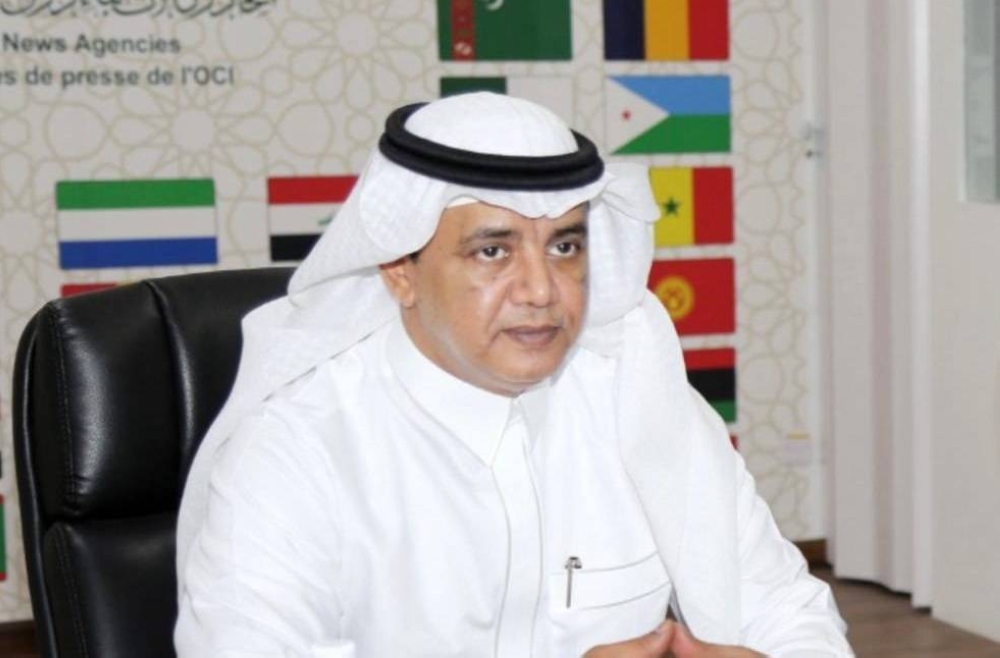
The Union of News Agencies of the Organization of Islamic Cooperation (UNA) has achieved a qualitative leap in its media performance, serving the orientations of the member states, represented by 57 official news agencies. It presents its media message in a diverse and progressive format, culminating in the digital transformation project and the use of artificial intelligence in administration and preparation of various media content, including news, reports, and analyses, in addition to live broadcasts and field coverage from the event site.
The Director General of the Union, Mohammed bin Abdul Rabbo Al-Yami, affirmed the role of the member states in reaching this advanced position in the Union, who are considered elements of success in the development it has achieved. He noted the support of the Kingdom of Saudi Arabia, the “host country,” for the Organization of Islamic Cooperation and all its bodies, stemming from the generous patronage of the Custodian of the Two Holy Mosques, King Salman bin Abdulaziz Al Saud, and his Crown Prince - may God protect them - to develop Islamic work in all its forms and aspects, which consolidates the Kingdom’s position in the Arab, Islamic and international organizations and its distinguished stances in various political circumstances and changes.
He pointed out that the website of “Yona” has gained a global ranking in the richness of its content, the programming methods it included, and the integration of all its aspects, in addition to its distinction in speed and the strength of the protection programs that it is characterized by. It achieved excellence in the live transmission to cover the Hajj season of 1445 AH, which was documented in the statistical report of all the work of “Yona” within the system of media devices participating in this season.
He said: International experts were recruited to implement UNA’s initiatives in the field of digital media, including holding workshops and training programs that enhance the professional performance of media professionals and their familiarity with the use of various modern applications to produce written, visual and audio content. This media entity is moving forward with confident steps towards the field of data transfer, storage and cloud archiving, to advance the media landscape and keep pace with various global events. Its embrace of training has played an important role in refining the capabilities of media professionals at the level of member states and their familiarity with various media arts and the production of solid and distinguished content.
He added that the Union was able to launch the first platform to combat media misinformation in February 2024, with the aim of raising awareness about this phenomenon and confronting deepfakes, and working to spread accurate news based on official and reliable sources. He pointed out that the Union was able to employ artificial intelligence in producing media content and improving performance, in light of the Union’s belief in technological transformations in the media space, and the need to set general guidelines for benefiting from artificial intelligence in media work.
It is worth mentioning that the Union of News Agencies of the Organization of Islamic Cooperation (UNA) completed a detailed media report on its coverage of the Hajj season last year, 1445 AH, which was praised by the member states for the Union’s efforts in reflecting the honorable image of media work amidst the presence of a large number of local, regional, Islamic and international media outlets participating in conveying this religious ritual. The Union was able to address more than 50 languages in its media message and various coverages.




Politics
Saudi Arabia joins the Peace Council for the Reconstruction of Gaza at the Davos Forum
In a significant diplomatic move, Saudi Arabia signed the “Peace Council” charter for the reconstruction of Gaza, which was launched by US President Donald Trump during the Davos Economic Forum.

In a significant diplomatic move on the sidelines of the World Economic Forum in Davos, His Highness Prince Faisal bin Farhan, the Saudi Foreign Minister, signed the charter establishing the “Peace Council,” an initiative launched by former US President Donald Trump to oversee reconstruction efforts in the Gaza Strip. This signing confirms the Kingdom’s acceptance, announced the previous day, of the US invitation to join this international coalition.
Historical background and context of the initiative
This initiative comes within the context of repeated international efforts to address the humanitarian and economic situation in the Gaza Strip, which has suffered the consequences of successive conflicts and a blockade that has severely impacted its infrastructure and the living standards of its residents. The reconstruction of Gaza has long been a key item on the international community's agenda, with numerous international donor conferences held. However, political and security challenges on the ground have consistently hindered the delivery of aid and the sustainable implementation of projects. The Peace Council aims to provide a new and coordinated framework to overcome these obstacles.
The importance of the step and its expected impact
The Kingdom of Saudi Arabia’s participation in this council is of particular importance, given its pivotal role in the Arab and Islamic worlds and its long-standing position as a leading provider of humanitarian and development assistance to the Palestinian people. The Kingdom’s membership reflects its unwavering commitment to supporting stability in the region and finding practical solutions to improve the lives of Palestinians. This membership is expected to provide significant political and financial momentum to the council, potentially encouraging other countries to increase their contributions.
Statements and declared objectives
According to US President Donald Trump, speaking at the signing ceremony, the council comprises “the best leaders in the world.” He noted that 59 countries had agreed to join, reflecting a broad international consensus on the need for action. Trump emphasized a clear commitment to ensuring the demilitarization of the Gaza Strip, alongside efforts to “rebuild it beautifully,” a condition aimed at preventing a recurrence of cycles of violence and directing resources toward sustainable development rather than military spending. This council represents an opportunity to become one of the most important entities established to achieve lasting peace in the region, if it can realize its stated objectives on the ground.
Politics
Greenland deal: Trump backs down on tariffs and strengthens NATO's influence
Trump announced a framework agreement on Greenland that ends tariff threats. The agreement aims to enhance security in the Arctic and counter the growing influence of Russia and China.
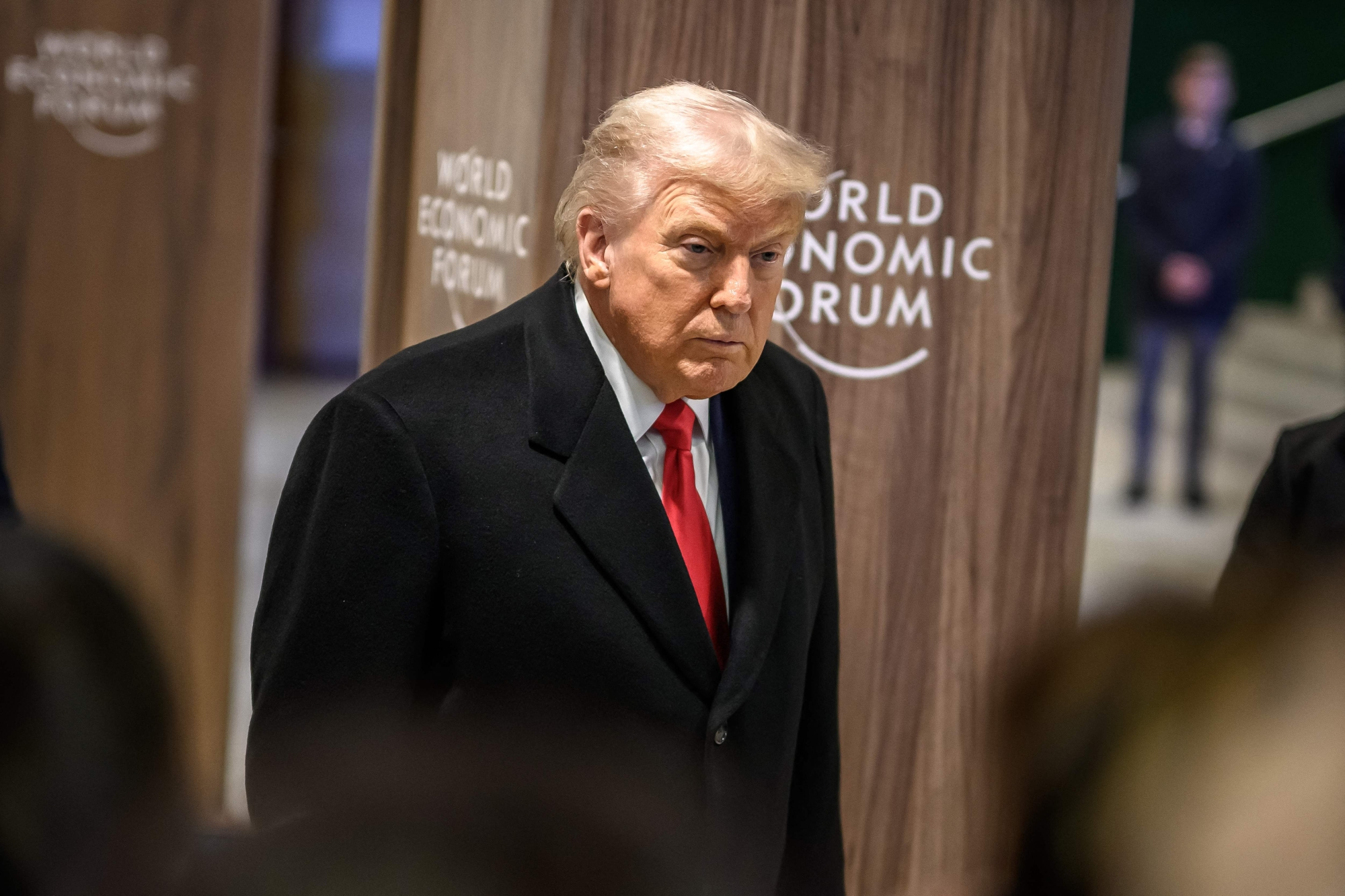
In a surprise move at the World Economic Forum in Davos, former US President Donald Trump announced a framework agreement for a future deal on Greenland, ending weeks of tensions and threats of tariffs and military action. This announcement underscores the growing strategic importance of the Arctic region on the international stage.
Historical background and geopolitical context
This wasn't the first time Greenland had appeared on the Trump administration's radar. In 2019, Trump sparked international controversy when he expressed interest in purchasing the island from Denmark, a move that was categorically rejected by Copenhagen and the Greenlandic government, which described the idea as "absurd." Greenland's strategic importance dates back decades, specifically to the Cold War, when the island hosted Thule Air Base, the northernmost U.S. military installation and a vital component of missile defense and early warning systems. In addition to its unique geographic location, Greenland is valued for its vast untapped natural resources, including rare earth minerals, oil, and gas, the accessibility of which has increased as the ice sheet melts due to climate change.
Details of the agreement and its expected impact
According to Trump's post on his Truth Social platform, the framework for the agreement was established after a meeting with NATO Secretary General Mark Rutte. Trump confirmed that this understanding led to his decision not to impose the tariffs that were scheduled to take effect on February 1st. He described the agreement as "long-term" and "lasting forever," noting that it gives the United States "everything we wanted," particularly regarding security and minerals. Despite the ambiguity surrounding the agreement's terms—Trump declined to confirm whether it would grant the United States sovereignty over the Danish territory—indications point toward enhanced security and economic cooperation to counter the growing influence of Russia and China in the region. Moscow is working to strengthen its military presence in the Arctic, while Beijing seeks to solidify its position as a polar power through its "Arctic Silk Road" initiative.
International reactions and the future
Initial reactions were both cautious and positive. Danish Foreign Minister Lars Løkke Rasmussen welcomed the cessation of the trade war and the decision not to "attack Greenland," calling them "positive signals," but declined to comment on the details of the agreement. NATO Secretary General John Garang acknowledged that "much work remains to be done." Alliance spokesperson Alison Hart confirmed that discussions would focus on ensuring Arctic security through collective allied efforts and preventing Russia and China from establishing an economic or military foothold in Greenland. This framework agreement represents a shift in strategy toward the region, moving from unilateral procurement efforts to a collective framework under the NATO umbrella, reflecting an international recognition that Arctic security is a collective issue requiring close cooperation among allies.
Politics
Israeli airstrikes on the Syrian-Lebanese border: Escalation and tensions
Israel launched airstrikes on four border crossings between Syria and Lebanon, injuring 19 people in southern Lebanon. This escalation threatens to widen the conflict amid ongoing regional tensions.
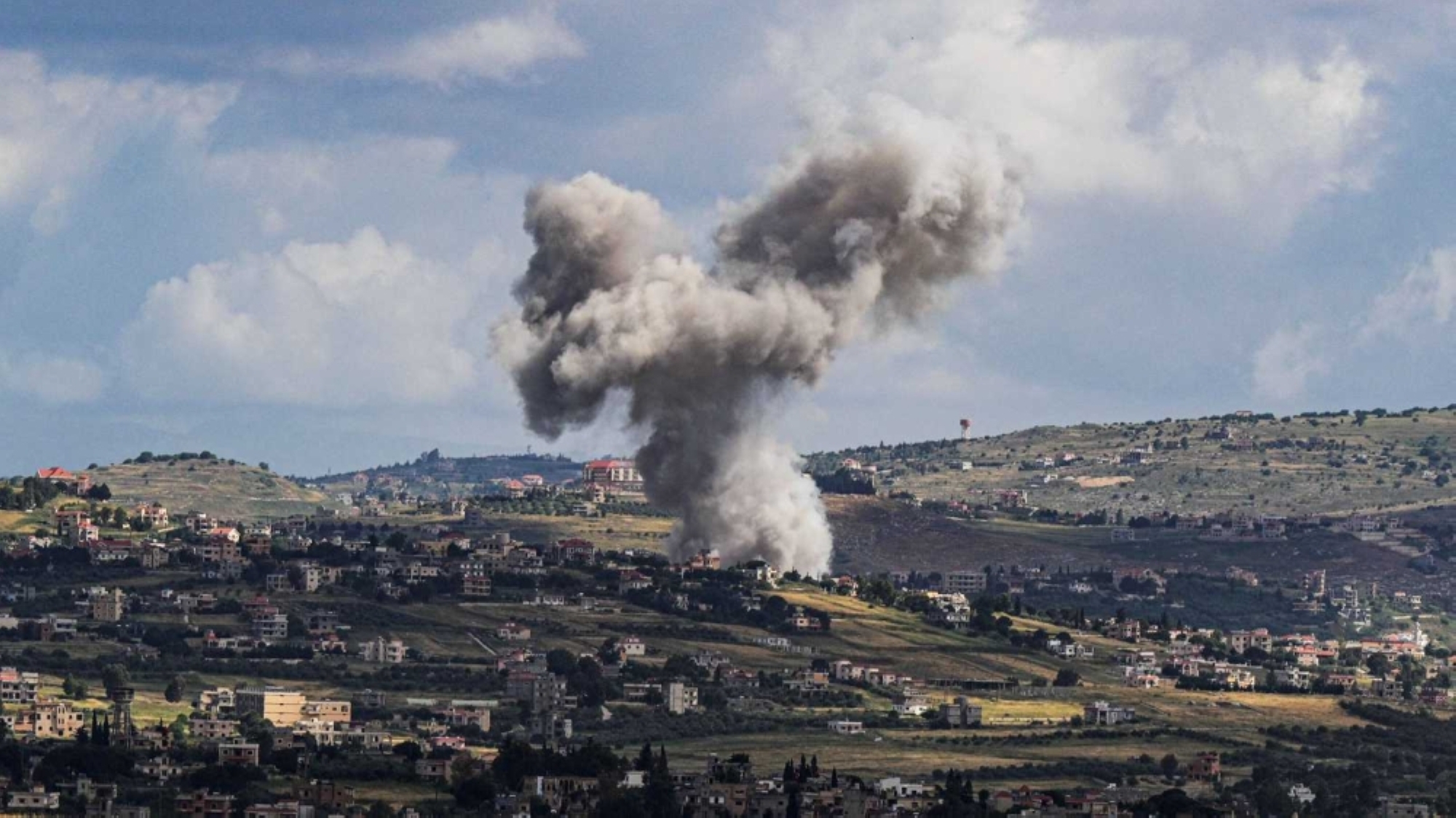
In a new escalation of tensions on the northern border, Israeli forces launched a series of airstrikes targeting four border crossings between Syria and Lebanon, further exacerbating the already deteriorating security situation in the region. One of these strikes, which hit the village of Qanarit in southern Lebanon, injured 19 people, according to initial reports.
The Israeli military announced that it had issued advance warnings to residents of certain buildings in the villages of Qanarit, Kfour, and Jarjouh in southern Lebanon, asking them to evacuate before launching the airstrikes. In its statement, the military said the attacks targeted what it described as "Hezbollah facilities and infrastructure," as part of its ongoing operations against the group along the border.
tense historical context
These attacks come in the context of a long-standing conflict between Israel and Hezbollah, the most significant chapter of which was the 2006 war. That war ended with UN Security Council Resolution 1701, which called for a cessation of hostilities and the deployment of UNIFIL forces to ensure stability on the border. Although the resolution succeeded in maintaining relative calm for several years, skirmishes and mutual violations have continued, and the area remains a flashpoint that could ignite at any moment.
Effects and repercussions of the recent escalation
These airstrikes are particularly significant because they target border crossings between Syria and Lebanon, areas that Israel considers vital corridors for transferring weapons and equipment from Iran to Hezbollah through Syrian territory. This targeting indicates a clear Israeli intention to sever these supply lines and disrupt the group's logistical capabilities.
Domestically, these attacks exacerbate the suffering of the population in southern Lebanon, who live in constant fear and anxiety, and have displaced tens of thousands from their homes since the latest escalation began in October 2023. Regionally, the continued strikes increase the risk of the conflict expanding into a full-blown regional war, potentially drawing in other actors and threatening the stability of the entire Middle East. Internationally, calls are growing from the United Nations and major powers for restraint and a return to diplomacy to avert a devastating war that no party desires.
-

 Reports 7 days ago
Achievements of Saudi government sectors in 2025
-
Local news two weeks ago
FDA warns of contaminated Nestle infant formula | Recall details
-
Technology 4 weeks ago
US ban on drones: reasons and consequences
-
Technology 4 weeks ago
SRMG and Snapchat partnership: The future of digital media in the Middle East
-
Technology 4 weeks ago
Saudi Arabia's Ministry of Islamic Affairs is employing artificial intelligence in public speaking
-
Technology 3 weeks ago
Saudi Arabia launches the world's largest government data center, 'Hexagon'
-
Technology 3 weeks ago
Merging KSA Map and Baladi Plus: A step towards Saudi digital sovereignty
-
Technology two weeks ago
Hexagon: Saudi Arabia strengthens its data sovereignty with the world's largest government center