
Politics
Will Pasha Agha succeed in saving Libya?
Libya is living through a pivotal stage in its history, amid local and international efforts to hold the first presidential elections in the country's history


Libya is living through a pivotal stage in its history, amid local and international efforts to reach the first presidential elections in the country's history, after the House of Representatives recently approved the selection of Fathi Bashagha as Libya's Interior Minister in the Government of National Accord, succeeding the government of Abdul Hamid Dbeibah, which faced much criticism during the past months, amid questions about why the new government has all this momentum? And the emphasis that it will lead the country to presidential elections next year.
Dr. Hani Suleiman, Director of the Arab Center for Research and Studies and an expert in international relations in Cairo, told Okaz: “The Libyan crisis is one of the complex crises in the region, which has continued for long periods without any solutions, and the international system has failed to resolve it due to its complexity. This has led to many interventions in its internal affairs, which have increased its crisis. All of this has ultimately led to hindering the political transition process for long periods.”.
Suleiman stressed that the selection of Pasha Agha may be a glimmer of hope for completing the political process in the country by holding presidential and parliamentary elections next year, 2023, which is something that many political forces, both inside and outside Libya, are counting on to bring the country back to political and security stability.
The director of the Arab Center added: There are some problems that the new government may face, including internal conflicts and disputes, but overall it is a reasonable start, and it can be built upon to move forward in ending the conflicts, which is a general demand of the Libyan people, appreciating the Saudi and Egyptian role in particular and the Arab role in general in striving for the stability of Libya and its return to the Arab fold.
He pointed out that restoring balance and political stability will play a major role in stabilizing Libya and protecting its resources from looting and abuse, considering that Bashagha may not be the ideal choice, despite the reservations about him from a number of Arab countries, given that he was a minister in the “Brotherhood” Government of National Accord, but he may be a reasonable choice.
He stressed, saying: “What is important now is to build state institutions, complete the transitional process, finalize the constitution, and hold presidential and parliamentary elections, even if only by 70% or less. Everyone supports the transitional path to preserve the Libyan state, confront terrorism, extremism, and the militias present within the country, and disarm and address illegal immigration, which is one of the conditions set by Arab countries for Libya to emerge from its crises.”.


Politics
Arab-Slovenian talks in Ljubljana to support Gaza and the two-state solution
The foreign ministers of Saudi Arabia, Egypt, Jordan, Qatar and Bahrain are meeting in Slovenia to discuss ending the Gaza war, developments in the West Bank, and ways to revive the peace process based on the two-state solution.
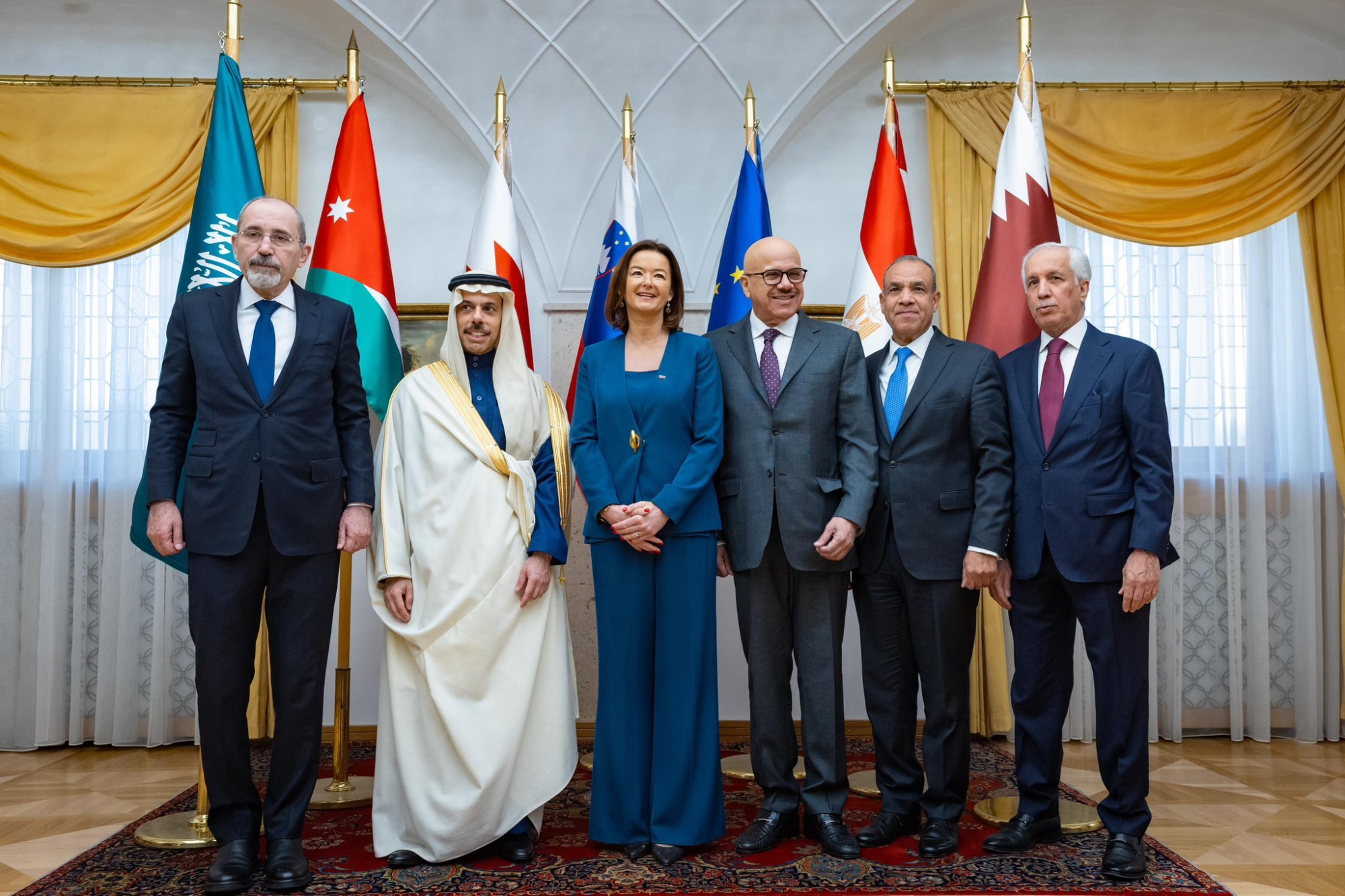
As part of intensified Arab diplomatic efforts aimed at garnering international support for the Palestinian cause and halting the escalation in the Middle East, the Slovenian capital, Ljubljana, hosted an extensive and strategic meeting. The Arab delegation was headed by Saudi Foreign Minister Prince Faisal bin Farhan bin Abdullah, and included Jordanian Deputy Prime Minister and Minister of Foreign Affairs and Expatriates Ayman Safadi, Egyptian Foreign Minister Dr. Badr Al-Abdulati, Bahraini Foreign Minister Abdullatif Al-Zayani, and Qatari Minister of State for Foreign Affairs Sultan Al-Muraikhi. The meeting was held with the Deputy Prime Minister and Minister of Foreign and European Affairs of the Republic of Slovenia, Tanja Vučoč.
Context of the visit and its strategic importance
These talks come at a highly sensitive time for the Middle East, as influential Arab states seek to strengthen partnerships with European countries that have demonstrated progressive stances on Palestinian rights. The Arab delegation's visit to Slovenia is particularly significant given Ljubljana's growing role within the European Union and in international forums, especially following its recent positions in support of international justice.
During the talks, the ministers focused on ways to enhance regional and international security and stability, placing the Palestinian issue at the top of the agenda. They stressed the need to adhere to the ceasefire agreement in the Gaza Strip and implement its provisions fully and without delay, as a first and urgent step to end the humanitarian suffering.
Gaza and the West Bank: Priorities for Arab Action
The participants discussed at length the catastrophic situation in the Gaza Strip, emphasizing the urgent need for sufficient and sustained humanitarian aid to save lives. In a related context, the talks addressed international efforts to advance the peace plan launched by US President Donald Trump, stressing the importance of moving forward toward a clear and time-bound political horizon.
The ministers reaffirmed the Arab principles of establishing an independent and sovereign Palestinian state on the borders of June 4, 1967, with East Jerusalem as its capital, based on the two-state solution and relevant international legitimacy resolutions.
Developments in the occupied West Bank were also on the agenda, with ministers warning of the dangers of continued illegal Israeli unilateral actions, including settlement expansion and ongoing violations against Islamic and Christian holy sites in occupied Jerusalem. The participants stressed that these practices are exacerbating the situation and undermining all efforts to de-escalate tensions and the prospects for peace in the region.
Appreciating the Slovenian position and international issues
In a gesture of appreciation for the Slovenian role, the Arab ministers commended Slovenia’s courageous and principled stances in supporting the legitimate rights of the Palestinian people, and its historic step in recognizing the State of Palestine on the basis of the two-state solution, which reflects a commitment to the values of justice and international law.
On a broader international level, the meeting addressed global developments and ways to de-escalate tensions through dialogue and negotiation. In this context, efforts to resolve the Russian-Ukrainian crisis were discussed, reflecting the Arab Group and Slovenia's commitment to contributing to international peace and security beyond the Middle East.
Politics
Mosque bombing in Islamabad: 12 dead and dozens injured
Twelve people were killed and dozens injured in a suicide bombing that targeted a mosque in the Pakistani capital, Islamabad, during Friday prayers. Details of the attack and the security context are available here.
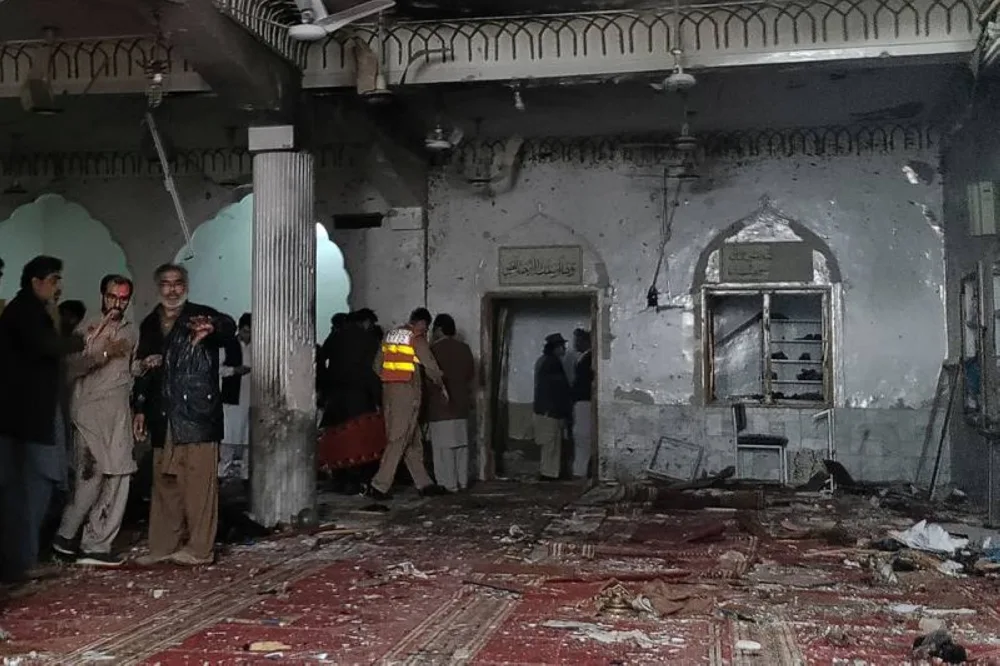
The Pakistani capital, Islamabad, witnessed a horrific security incident on Friday, as Pakistani police announced that a suicide bomber blew himself up at the gate of a mosque packed with worshippers, resulting in a large number of casualties, both dead and wounded, in a rare security breach for the city, which is usually heavily fortified.
Details of the bloody attack
According to official statements and Reuters reports, the attacker attempted to enter the mosque during Friday prayers, but security personnel stopped him at the gate, prompting him to detonate the suicide vest he was wearing. Police confirmed at least 12 deaths in the initial count, with dozens more injured.
Pakistani police official Zafar Iqbal stated that the explosion occurred during peak prayer times, noting the difficulty in determining the final number of victims at the moment, saying: "I cannot give an exact number of dead at this moment, but there are victims," suggesting that the toll could rise given the severity of some of the injuries.
Scenes from the scene of the event
Images from the bombing site conveyed tragic scenes, showing bloodied bodies scattered across the mosque floor and surrounding area, mingled with shards of glass and debris from the shattered gate. Panic gripped the surviving worshippers, while dozens of injured were seen lying in the mosque's outer courtyard receiving first aid. Ambulances rushed to the scene, transporting critical cases to nearby hospitals, which had declared a state of emergency.
The security context and the implications of the timing
This attack is particularly significant and dangerous given its location; Islamabad is the political and administrative center of the country and is usually subject to extremely strict security measures compared to other Pakistani provinces, which experience ongoing tensions. The success of a suicide bomber in reaching a religious gathering in the capital is a worrying indicator for security agencies and evidence of the ability of armed groups to penetrate the capital's security perimeter.
This bombing comes in the context of a marked escalation of armed violence in Pakistan in recent years, especially in border areas, but the shift of operations to the heart of the capital poses significant security challenges for the Pakistani government in reassuring citizens and diplomatic missions.
Historical background and similar precedents
No group has claimed responsibility for the attack as of the time of this report, but suspicion in such incidents often falls on armed groups active in the region. It is worth noting that the capital, Islamabad, witnessed a similar attack on November 11th, when a suicide bomber killed 12 people and injured 27 others. Pakistani authorities stated at the time that the perpetrator of that attack was an Afghan national.
This incident brings to mind a series of bombings that have targeted places of worship in Pakistan over the past decades, often aimed at inciting strife and internal instability, calling for local and regional cooperation to confront the renewed wave of violence.
Politics
The Crown Prince receives a message from the President of the Maldives to strengthen relations
Crown Prince Mohammed bin Salman received a written message from the President of the Maldives concerning bilateral relations, which was received by the Deputy Foreign Minister during his meeting with the Maldivian Ambassador in Riyadh.
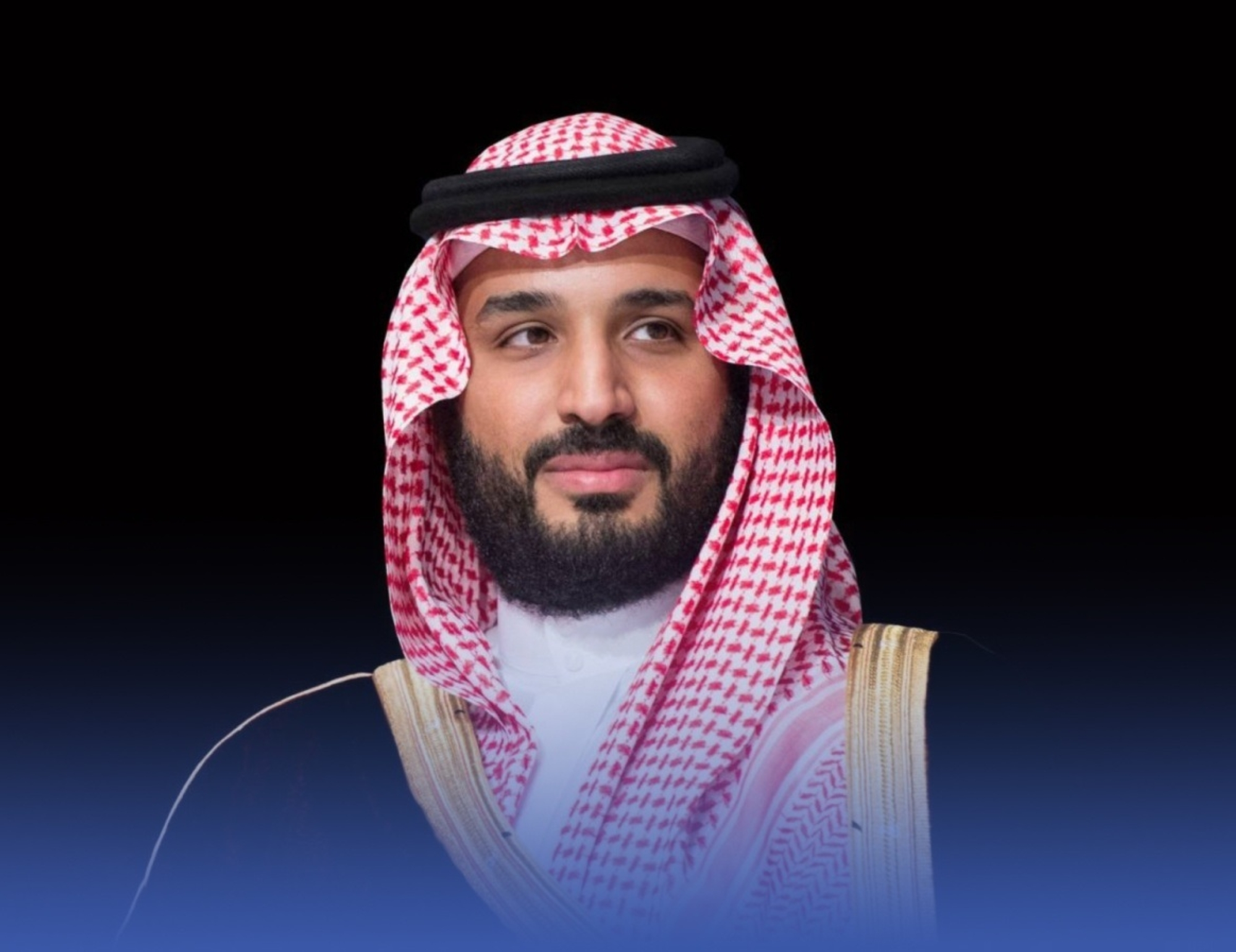
His Royal Highness Prince Mohammed bin Salman bin Abdulaziz Al Saud, Crown Prince and Prime Minister, received a written message from His Excellency President Dr. Mohamed Moez, President of the Republic of Maldives, concerning ways to strengthen the strong bilateral relations between the two brotherly countries, and discussing prospects for joint cooperation in various fields.
The message was received on behalf of His Royal Highness the Crown Prince by His Excellency the Deputy Minister of Foreign Affairs, Engineer Waleed bin Abdulkarim Al-Khuraiji, during his reception today at the Ministry’s headquarters in Riyadh of the Ambassador of the Republic of Maldives to the Kingdom of Saudi Arabia, Mr. Ahmed Sarir.
During the reception, the distinguished bilateral relations between the Kingdom and the Maldives were reviewed, and ways to develop them in a manner that serves the interests of the two brotherly peoples were discussed, in addition to discussing a number of topics of common interest, and exchanging views on regional and international developments.
The depth of Saudi-Maldivian relations
This message comes within the framework of ongoing communication between the leaderships of the two countries, as the Kingdom of Saudi Arabia and the Republic of Maldives share close historical and fraternal relations based on commonalities in Islamic identity and mutual cooperation. The Kingdom is a strategic partner of the Maldives in numerous development projects. Over the past decades, the Saudi Fund for Development has contributed to financing many vital infrastructure projects in the Maldives, including airport development, housing projects, and the health sector, reflecting the Kingdom's commitment to supporting the stability and prosperity of its sister nations.
Prospects for future cooperation
This diplomatic engagement is particularly important in light of the Kingdom's Vision 2030, which seeks to expand international partnerships and enhance economic and investment cooperation. Given the Maldives' status as a global tourist destination and the Kingdom's focus on developing the tourism sector as a cornerstone of economic diversification, promising opportunities exist for the exchange of expertise and investments between the two countries. Furthermore, both nations play significant roles within the Organization of Islamic Cooperation, making political coordination between them vital for addressing the challenges facing the Muslim world.
The reception of the Maldivian ambassador by Engineer Waleed Al-Khuraiji confirms the Saudi Ministry of Foreign Affairs’ keenness to activate diplomatic communication channels and follow up on the outcomes of bilateral cooperation, in order to ensure the realization of the leadership’s aspirations in both countries towards greater integration and growth.
-

 Local news one week ago
Ramadan 2026 discounts in Saudi Arabia: Offers valid for 54 days
-
Culture and Art, 1 week ago
The death of artist Huda Shaarawi “Umm Zaki” and her funeral in Damascus
-
Technology one week ago
ICAN 2026 Conference Conclusion: Initiatives to Enhance Saudi Arabia's Leadership in Artificial Intelligence
-
Local news two days ago
Launch of the city's shuttle bus service in Ramadan 1447 AH: Routes and stations
-
Culture and Art, 1 week ago
Huda Shaarawi: Farewell to “Umm Zaki,” the icon of Syrian drama
-
Culture and Art, 1 week ago
The murder of Huda Shaarawi, "Umm Zaki": Details of the crime and its impact
-
Local News 4 days ago
Rabigh inaugurates the world's largest water innovation oasis and enters the Guinness World Records
-
Culture and Art 3 days ago
The series "Rouh OFF" was permanently canceled by a decision of the Actors' Syndicate


