
Politics
From under the dome of the Shura Council... Al-Jasser: Completion of the land bridge and implementation of the new transportation system soon
The Shura Council held its 17th regular session of the first year of the ninth term, chaired by the Council's Speaker, Sheikh Dr. Abdullah


The Shura Council held its 17th regular session of the first year of its ninth term, chaired by Speaker Sheikh Dr. Abdullah bin Mohammed bin Ibrahim Al Sheikh, and attended by Minister of Transport and Logistics, Engineer Saleh bin Nasser Al Jasser. Engineer Al Jasser affirmed the Ministry's commitment to completing the construction of the land bridge linking the Kingdom's east and west via a modern railway and associated logistics centers. He noted that the Kingdom has maintained its full readiness and high efficiency in supply chain operations during the challenges and crises the world has witnessed, thanks to its robust and effective infrastructure in the transport and logistics sector. The Minister added that in 2024, the Kingdom continued its progress in international container handling rankings, with its ports scoring 231.7 points on the UNCTAD Maritime Connectivity Index. He also highlighted the addition of 30 new shipping lines since the beginning of the year, reflecting the Kingdom's significant role in facilitating global trade. The Kingdom has achieved a 95% adherence rate to road project completion schedules, according to Engineer Al-Jasser. He explained that the Kingdom will continue to enhance its logistical capabilities to facilitate exports, support supply chains, improve its ranking in global logistics indicators, strengthen maritime shipping routes, expand air freight, increase rail freight rates, and activate logistics centers to support sustainable development. He noted that the reforms implemented in the transport and logistics system have improved operational efficiency and increased the adherence rate to road project completion schedules from 79% to 95%. He also pointed out that the aviation and air transport sector is witnessing unprecedented growth in air traffic and connectivity with countries around the world. The Minister of Transport pointed out that the Ministry is working on a set of initiatives to raise the level of road quality and ensure their maintenance and sustainability, noting that the enablers and resources are directed to arterial roads as a priority to ensure their sustainability and quality. He emphasized the adoption of a strategy to reduce reliance on trucks for transporting goods through the Land Bridge project, which supports rail transport and contributes to maintaining road quality. The Saudi Road Code was also launched as a reference for improving road construction and maintenance standards, in addition to implementing performance-based maintenance contracts that focus on improving the quality and efficiency of maintenance. Regarding the initiatives, he explained that the fifth road survey campaign was implemented, which showed a noticeable improvement in road quality. In this initiative, all roads between the Kingdom are surveyed, and the related observations are recorded, and then they are closed to ensure continuous improvement in the performance of the road network. Minister Al-Jasser added that Riyadh is witnessing significant expansion in the aviation sector, with King Salman International Airport being a key enabler. The airport aims to increase its capacity to 160 million passengers annually, compared to the current 30 million, and to provide direct flights to 200 global destinations. He noted that this development enhances air connectivity with the world. Minister Al-Jasser also stated that the Kingdom's road network is the most interconnected and widespread globally, making its maintenance a cornerstone of the transportation and logistics strategy. He explained that the Ministry has transitioned to performance-based contracts and is currently developing and refining these contracts according to the highest international standards. This ensures their adaptability to changing circumstances and the highest quality of services, while also enhancing spending efficiency to improve the user experience and ensure the sustainability of road infrastructure. Minister Al-Jasser unveiled the aviation strategy, which aims to enhance competitiveness in the aviation sector by increasing airport capacity, expanding airline operations, licensing new operators to provide multiple options for travelers, strengthening consumer protection, and improving customer satisfaction by enhancing the quality of services provided and ensuring a diverse range of choices to meet travelers' needs and support economic growth. He also emphasized the importance of integrated services on these roads to improve the user experience, explaining that the Ministry is working in cooperation with the relevant committee, led by the Ministry of Energy, to improve this sector. The Ministry is committed to developing the sector in coordination with relevant authorities and is also moving towards adopting comprehensive station models as an advanced solution in partnership with the private sector. This will be achieved by incentivizing investments on highways while adhering to the highest requirements and quality standards to ensure the provision of distinguished services to users. He noted that the new land transport system – which will be implemented soon – will contribute to the comprehensive regulation of the sector. The system's executive regulations will include a clear entry mechanism, in addition to strict enforcement of regulations to address violations and current challenges, thus achieving the highest levels of efficiency in managing and regulating land transport operations.




Politics
Mosque bombing in Islamabad: 12 dead and dozens injured
Twelve people were killed and dozens injured in a suicide bombing that targeted a mosque in the Pakistani capital, Islamabad, during Friday prayers. Details of the attack and the security context are available here.
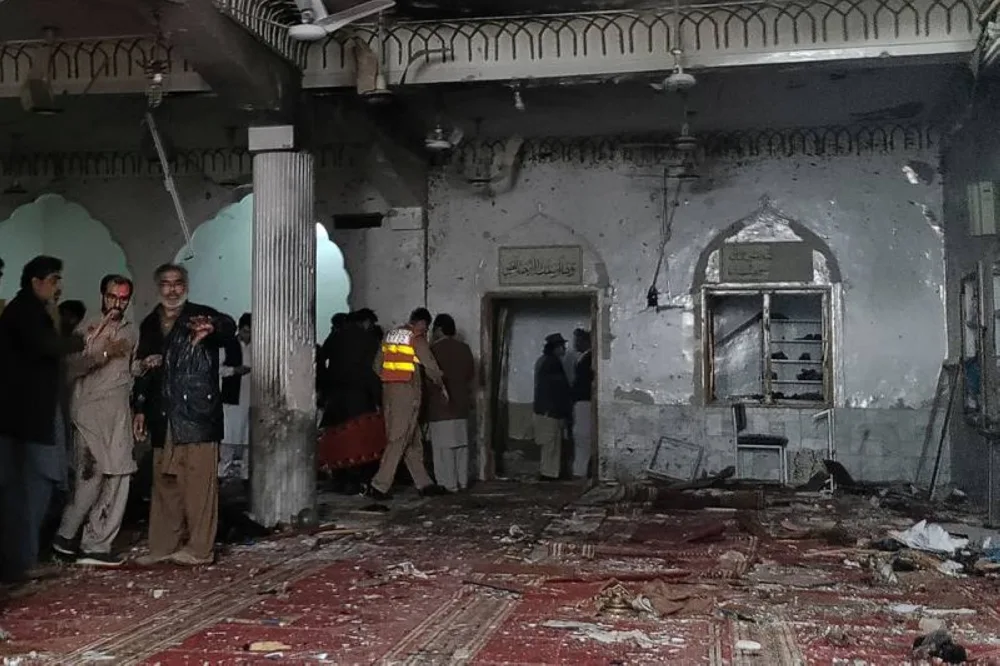
The Pakistani capital, Islamabad, witnessed a horrific security incident on Friday, as Pakistani police announced that a suicide bomber blew himself up at the gate of a mosque packed with worshippers, resulting in a large number of casualties, both dead and wounded, in a rare security breach for the city, which is usually heavily fortified.
Details of the bloody attack
According to official statements and Reuters reports, the attacker attempted to enter the mosque during Friday prayers, but security personnel stopped him at the gate, prompting him to detonate the suicide vest he was wearing. Police confirmed at least 12 deaths in the initial count, with dozens more injured.
Pakistani police official Zafar Iqbal stated that the explosion occurred during peak prayer times, noting the difficulty in determining the final number of victims at the moment, saying: "I cannot give an exact number of dead at this moment, but there are victims," suggesting that the toll could rise given the severity of some of the injuries.
Scenes from the scene of the event
Images from the bombing site conveyed tragic scenes, showing bloodied bodies scattered across the mosque floor and surrounding area, mingled with shards of glass and debris from the shattered gate. Panic gripped the surviving worshippers, while dozens of injured were seen lying in the mosque's outer courtyard receiving first aid. Ambulances rushed to the scene, transporting critical cases to nearby hospitals, which had declared a state of emergency.
The security context and the implications of the timing
This attack is particularly significant and dangerous given its location; Islamabad is the political and administrative center of the country and is usually subject to extremely strict security measures compared to other Pakistani provinces, which experience ongoing tensions. The success of a suicide bomber in reaching a religious gathering in the capital is a worrying indicator for security agencies and evidence of the ability of armed groups to penetrate the capital's security perimeter.
This bombing comes in the context of a marked escalation of armed violence in Pakistan in recent years, especially in border areas, but the shift of operations to the heart of the capital poses significant security challenges for the Pakistani government in reassuring citizens and diplomatic missions.
Historical background and similar precedents
No group has claimed responsibility for the attack as of the time of this report, but suspicion in such incidents often falls on armed groups active in the region. It is worth noting that the capital, Islamabad, witnessed a similar attack on November 11th, when a suicide bomber killed 12 people and injured 27 others. Pakistani authorities stated at the time that the perpetrator of that attack was an Afghan national.
This incident brings to mind a series of bombings that have targeted places of worship in Pakistan over the past decades, often aimed at inciting strife and internal instability, calling for local and regional cooperation to confront the renewed wave of violence.
Politics
The Crown Prince receives a message from the President of the Maldives to strengthen relations
Crown Prince Mohammed bin Salman received a written message from the President of the Maldives concerning bilateral relations, which was received by the Deputy Foreign Minister during his meeting with the Maldivian Ambassador in Riyadh.
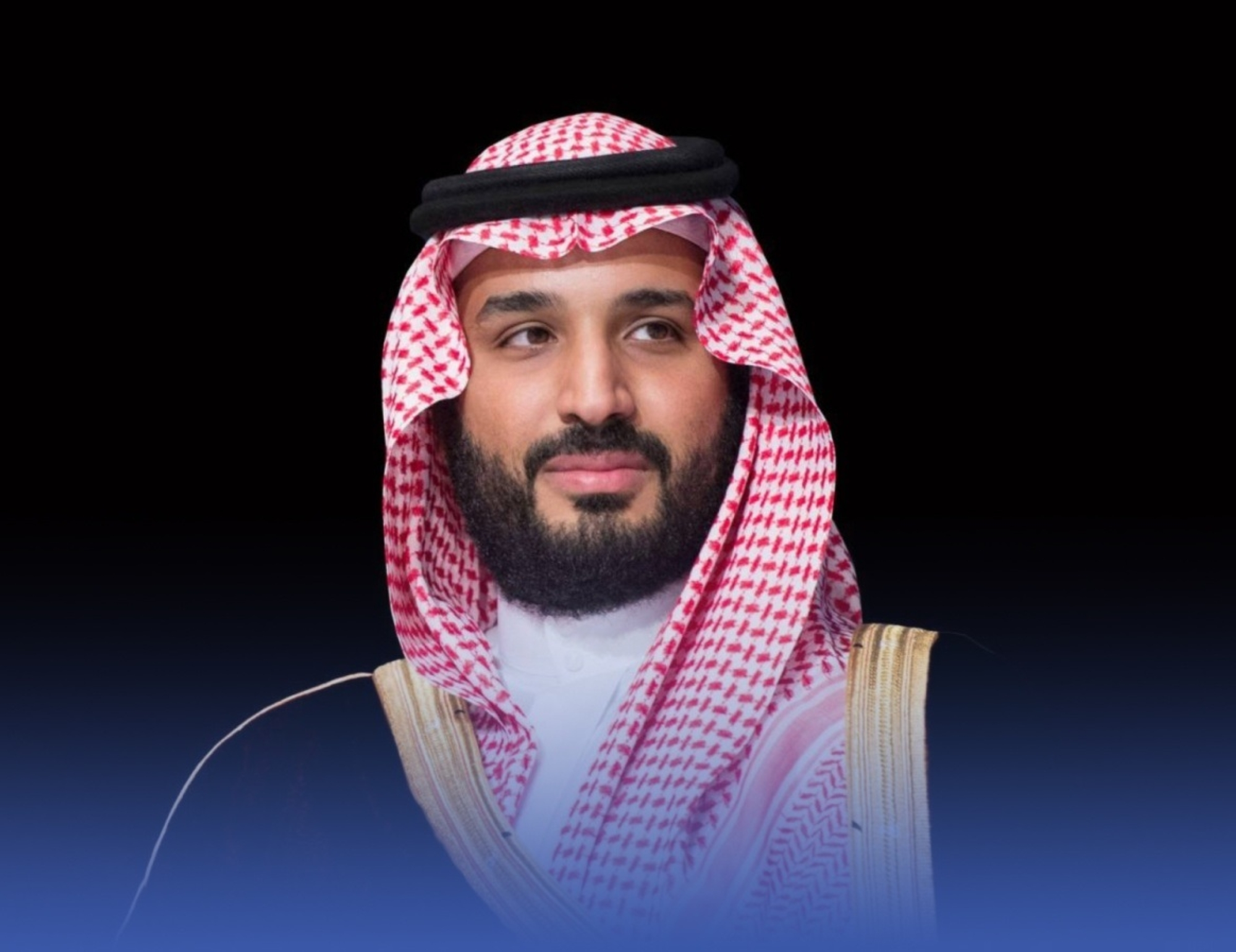
His Royal Highness Prince Mohammed bin Salman bin Abdulaziz Al Saud, Crown Prince and Prime Minister, received a written message from His Excellency President Dr. Mohamed Moez, President of the Republic of Maldives, concerning ways to strengthen the strong bilateral relations between the two brotherly countries, and discussing prospects for joint cooperation in various fields.
The message was received on behalf of His Royal Highness the Crown Prince by His Excellency the Deputy Minister of Foreign Affairs, Engineer Waleed bin Abdulkarim Al-Khuraiji, during his reception today at the Ministry’s headquarters in Riyadh of the Ambassador of the Republic of Maldives to the Kingdom of Saudi Arabia, Mr. Ahmed Sarir.
During the reception, the distinguished bilateral relations between the Kingdom and the Maldives were reviewed, and ways to develop them in a manner that serves the interests of the two brotherly peoples were discussed, in addition to discussing a number of topics of common interest, and exchanging views on regional and international developments.
The depth of Saudi-Maldivian relations
This message comes within the framework of ongoing communication between the leaderships of the two countries, as the Kingdom of Saudi Arabia and the Republic of Maldives share close historical and fraternal relations based on commonalities in Islamic identity and mutual cooperation. The Kingdom is a strategic partner of the Maldives in numerous development projects. Over the past decades, the Saudi Fund for Development has contributed to financing many vital infrastructure projects in the Maldives, including airport development, housing projects, and the health sector, reflecting the Kingdom's commitment to supporting the stability and prosperity of its sister nations.
Prospects for future cooperation
This diplomatic engagement is particularly important in light of the Kingdom's Vision 2030, which seeks to expand international partnerships and enhance economic and investment cooperation. Given the Maldives' status as a global tourist destination and the Kingdom's focus on developing the tourism sector as a cornerstone of economic diversification, promising opportunities exist for the exchange of expertise and investments between the two countries. Furthermore, both nations play significant roles within the Organization of Islamic Cooperation, making political coordination between them vital for addressing the challenges facing the Muslim world.
The reception of the Maldivian ambassador by Engineer Waleed Al-Khuraiji confirms the Saudi Ministry of Foreign Affairs’ keenness to activate diplomatic communication channels and follow up on the outcomes of bilateral cooperation, in order to ensure the realization of the leadership’s aspirations in both countries towards greater integration and growth.
Politics
The leadership offers condolences to the King of Jordan on the death of Ahmed Obeidat | Details of the telegram
The Custodian of the Two Holy Mosques and the Crown Prince sent two telegrams of condolence to the King of Jordan on the death of former Prime Minister Ahmed Obeidat, stressing the depth of fraternal relations and expressing their condolences to the Jordanian people.
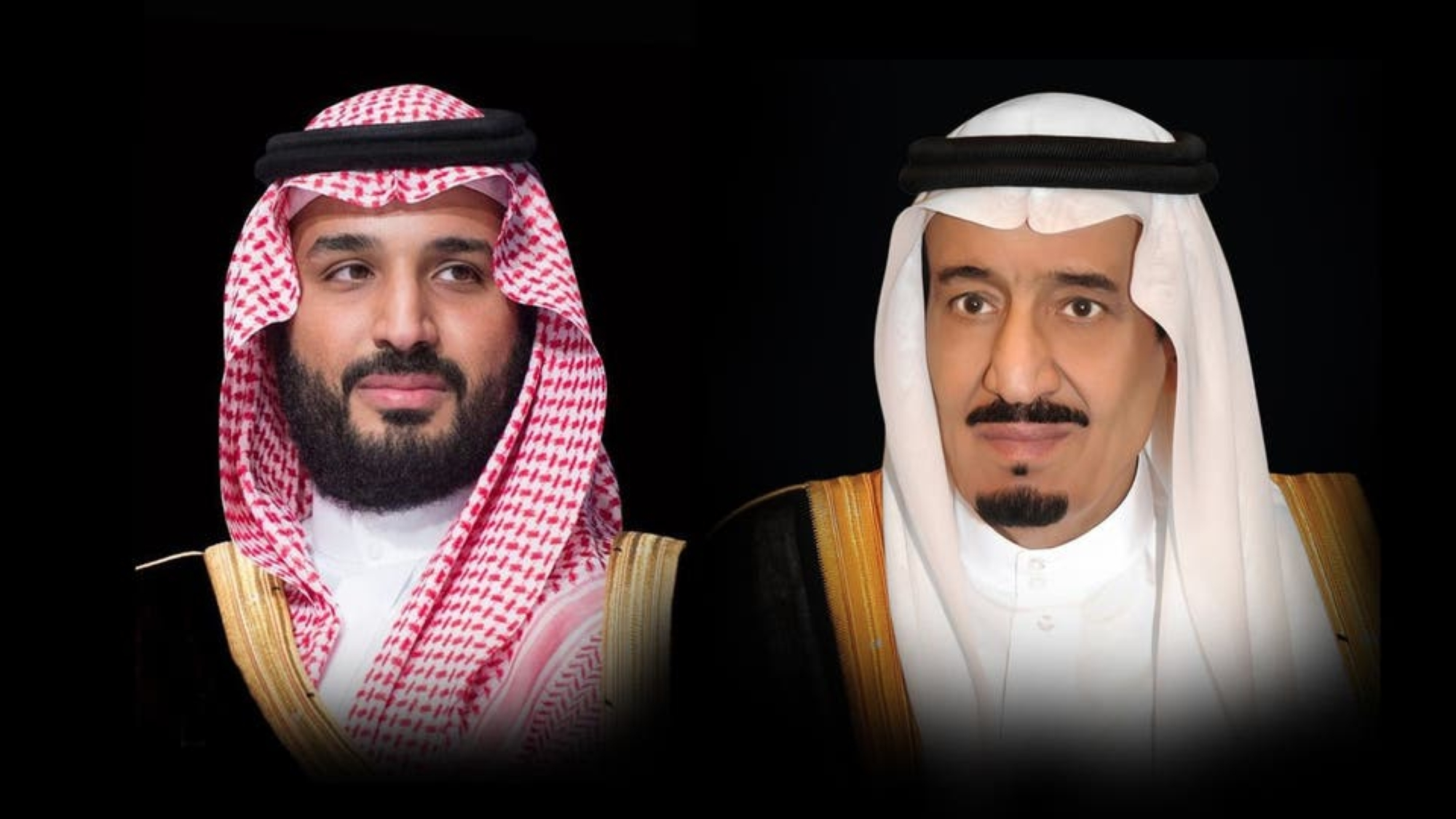
The Custodian of the Two Holy Mosques, King Salman bin Abdulaziz Al Saud, and His Royal Highness Prince Mohammed bin Salman bin Abdulaziz Al Saud, Crown Prince and Prime Minister, sent two cables of condolence and sympathy to His Majesty King Abdullah II bin Al-Hussein, King of the Hashemite Kingdom of Jordan, on the death of the former Jordanian Prime Minister, Ahmed Obeidat, who passed away after a career full of giving in service to his country.
Details of the royal telegram
In their telegrams, the Custodian of the Two Holy Mosques and His Royal Highness the Crown Prince expressed their deepest condolences and sincere sympathy to His Majesty the King of Jordan, the family of the deceased, and the brotherly Jordanian people. The wise leadership prayed to God Almighty to bestow His mercy and forgiveness upon the deceased, grant him a place in Paradise, and grant his family patience and solace. They also prayed that God protect the Hashemite Kingdom of Jordan, its leadership, and its people from all harm and evil, affirming the Kingdom of Saudi Arabia's unwavering support for Jordan in all circumstances.
Ahmed Obeidat: A remarkable political and security career
The late Ahmed Obeidat, who passed away last Tuesday, was one of Jordan's most prominent statesmen of recent decades. He held sensitive and pivotal positions in the history of the Kingdom, serving as Prime Minister in the 1980s, and prior to that as Director of the General Intelligence Directorate and Minister of the Interior. Obeidat was known for his political and security acumen, and played a key role in drafting the Jordanian National Charter. He was also an active member of the Senate for several terms, making him a widely respected figure in political and social circles.
Funeral and mourning ceremonies
The funeral procession for the deceased took place in his hometown of Haritha, in the Irbid Governorate of northern Jordan, amidst a large official and public attendance reflecting the high esteem in which he was held. Mourners flocked from across Jordan to offer their condolences, recalling the deceased's virtues and patriotic stances.
The depth of Saudi-Jordanian relations
The condolences offered by the Saudi leadership reaffirm the deep-rooted fraternal and historical ties that bind the Kingdom of Saudi Arabia and the Hashemite Kingdom of Jordan. Relations between the two brotherly nations are characterized by continuous coordination and ongoing consultation on all issues, in addition to the strong social and familial bonds that unite their peoples, making their grief a shared sorrow in such tragic events.
-

 Local news one week ago
Ramadan 2026 discounts in Saudi Arabia: Offers valid for 54 days
-
Culture and Art, 1 week ago
The death of artist Huda Shaarawi “Umm Zaki” and her funeral in Damascus
-
Technology one week ago
ICAN 2026 Conference Conclusion: Initiatives to Enhance Saudi Arabia's Leadership in Artificial Intelligence
-
Local news two days ago
Launch of the city's shuttle bus service in Ramadan 1447 AH: Routes and stations
-
Culture and Art, 1 week ago
Huda Shaarawi: Farewell to “Umm Zaki,” the icon of Syrian drama
-
Culture and Art, 1 week ago
The murder of Huda Shaarawi, "Umm Zaki": Details of the crime and its impact
-
Local News 4 days ago
Rabigh inaugurates the world's largest water innovation oasis and enters the Guinness World Records
-
Culture and Art 3 days ago
The series "Rouh OFF" was permanently canceled by a decision of the Actors' Syndicate


