
Politics
Syrian President warns: Chaos in Syria will harm the world
Syrian President Ahmed al-Sharaa warned that any chaos in his country would harm the entire world, not just neighboring countries. Al-Sharaa said in a statement


Syrian President Ahmed al-Sharaa warned that any chaos in his country would harm the entire world, not just neighboring states. In an interview with the American newspaper The New York Times, al-Sharaa said that "regional and European countries are interested in the stability of a new Syria after the fall of Bashar al-Assad's regime.".
In response to a question about the presence of foreign forces in Syria, the Syrian president stated, "We have informed all parties that any military presence in Syria must comply with our laws." He added, "No foreign presence in Syria should pose a threat to other countries through our territory.".
Al-Sharaa considered that a few months were not enough to build an army for a country the size of Syria, adding that his country had not yet received offers from countries to replace its weapons, most of which are Russian-made.
Regarding the nature of the relationship between Damascus and Moscow, Al-Shara’ explained: “We have had food and energy agreements with Russia for years, and these Syrian interests must be taken into account.”.
The Syrian president called on Washington to lift the sanctions imposed on Syria in response to the crimes of the former regime. He noted that some of the American conditions for lifting the sanctions needed to be discussed or amended. Al-Sharaa affirmed the government's commitment to maintaining peace in the Sahel region and stressed that those responsible for the recent violence would be held accountable.
Israeli Chief of Staff Eyal Zamir claimed that his forces' presence in southern Syria was aimed at "defending ourselves in the best way possible." During a visit to Israeli-controlled areas in southern Syria, he said, "We control key points, and we are present on the border to protect ourselves in the best way possible," according to The Times of Israel.
Since the ouster of former President Bashar al-Assad on December 8, the new Syrian administration has been calling on the international community to lift the sanctions imposed during his rule. However, most of the sanctions remain in place.
Related News



Politics
Saudi Arabia and India: Strengthening strategic cooperation at the Arab-Indian Forum
The Kingdom participated in the Arab-Indian Forum Ministerial Meeting in New Delhi to deepen political and economic cooperation, in line with Vision 2030 and to strengthen historical relations.
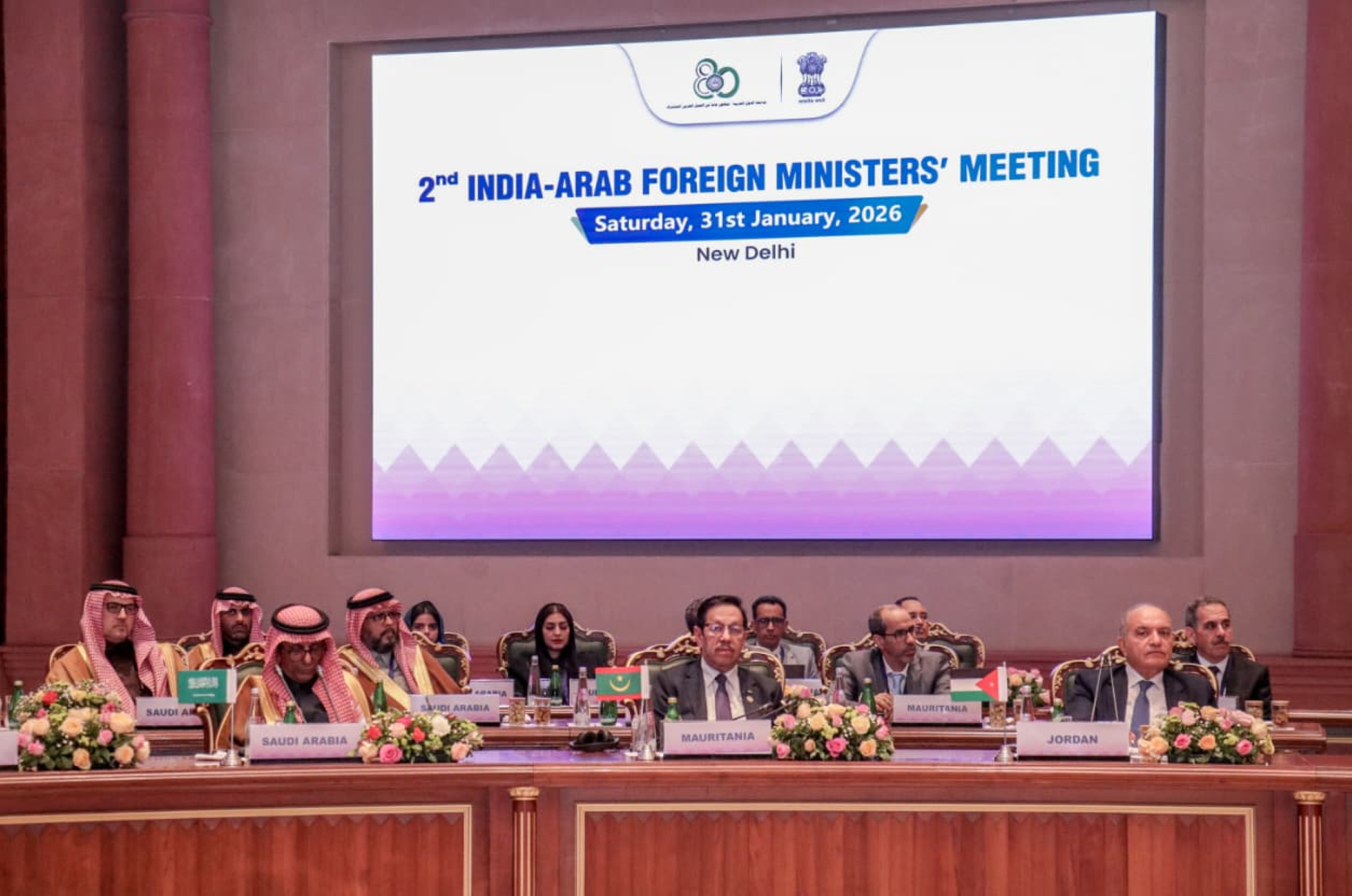
In a move reflecting the deepening ties between the Arab world and India, the Kingdom of Saudi Arabia participated with a high-level delegation in the second ministerial meeting of the Arab-Indian Forum, hosted by the Indian capital, New Delhi. The Kingdom's delegation was headed by Dr. Abdulrahman Al-Rassi, Undersecretary of the Ministry of Foreign Affairs for International Affairs, on behalf of His Highness Prince Faisal bin Farhan, Minister of Foreign Affairs, underscoring the great importance Riyadh attaches to this strategic partnership.
Historical background and forum context
The Arab-Indian Forum is a vital institutional framework aimed at fostering dialogue and cooperation between the League of Arab States and India. Established as a comprehensive platform for discussing issues of common interest, the Forum builds upon centuries of historically strong trade and cultural ties that bound the two regions across the Indian Ocean. Today, this historic relationship is evolving to encompass new strategic dimensions in the fields of energy, technology, food security, and investment, driven by global economic and geopolitical shifts.
The importance of the meeting and its expected impact
The ministerial meeting focused on ways to enhance cooperation in the political, economic, and cultural spheres. Economically, India is one of the world's fastest-growing economies and a major energy consumer, while the Arab states, particularly the Kingdom of Saudi Arabia, represent a reliable source of global energy supplies. This cooperation now extends beyond oil trade to include substantial mutual investments, aligning with the goals of Saudi Vision 2030, which aims to diversify the economy and attract foreign investment in promising sectors such as renewable energy, tourism, and digital technology.
Political and strategic dimensions
On the political level, the forum provides a platform for coordinating positions on regional and international issues, combating terrorism, and enhancing maritime security in vital waterways. The Kingdom's active participation, represented by the Ambassador of the Custodian of the Two Holy Mosques to India, Haitham Al-Maliki, and the Director of the League of Arab States Department, Counselor Imad Elias, sends a clear message about the Kingdom's commitment to supporting joint Arab action and building bridges of cooperation with rising global powers like India. This rapprochement is expected to contribute to stability and prosperity for the entire region and strengthen the position of both the Arab and Indian blocs on the international stage, serving their common interests in a multipolar world.
Politics
The US approves the sale of Patriot missiles to Saudi Arabia for $9 billion
The US State Department approves a massive deal to sell advanced Patriot PAC-3 MSE missiles to Saudi Arabia to bolster its defense capabilities against regional threats.
Approval of a strategic deal
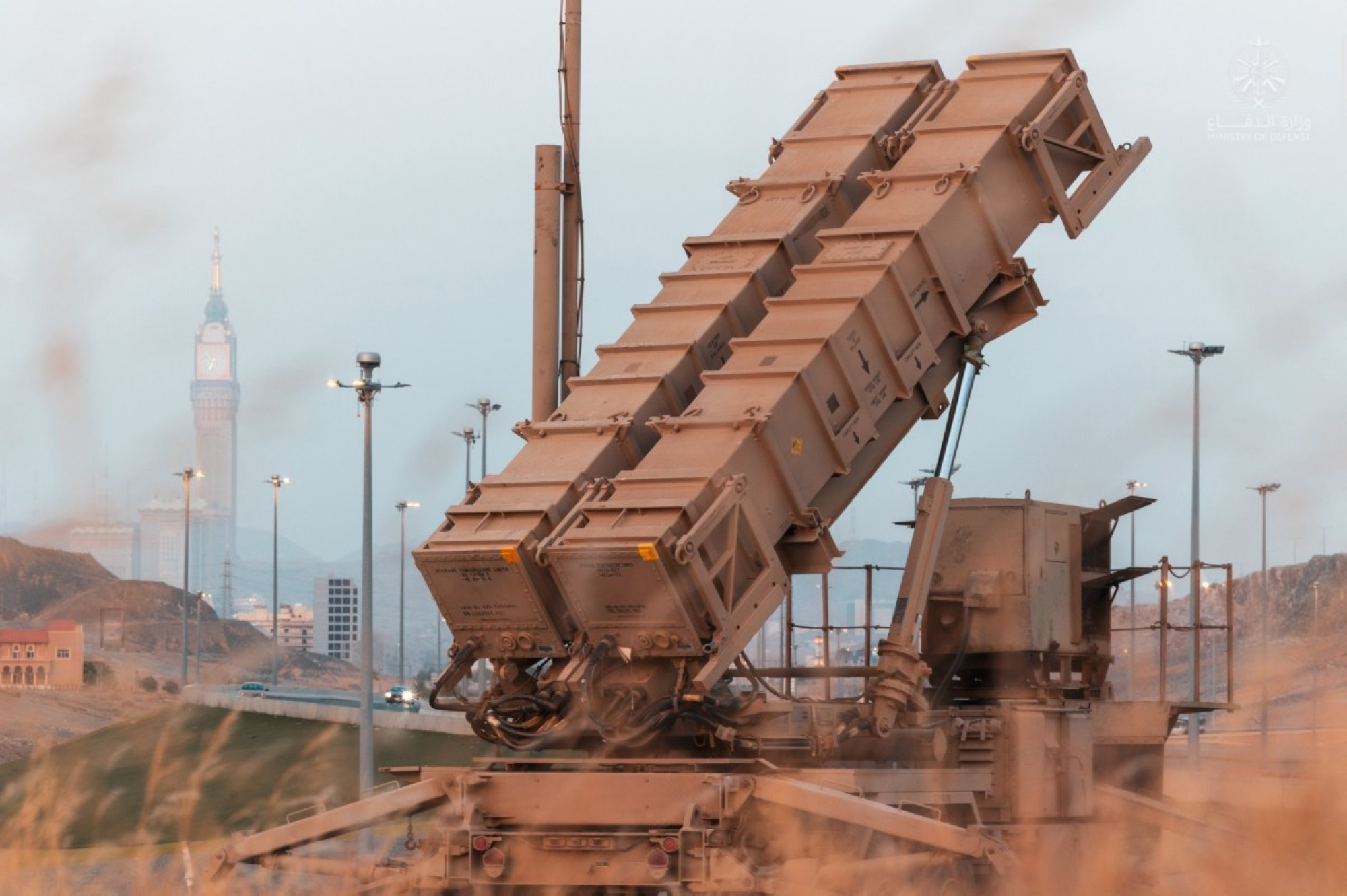
The U.S. Department of Defense (Pentagon) announced that the State Department has approved a potential sale of Patriot missile defense systems and related military equipment to Saudi Arabia. This strategic deal is valued at approximately $9 billion, reflecting its scale and importance in bolstering the Kingdom's defense capabilities.
Background and context of the deal
This approval comes within the framework of the longstanding defense cooperation between the United States and Saudi Arabia, which aims to ensure the security and stability of the Middle East region. The Kingdom faces increasing security challenges, including repeated ballistic missile and drone attacks targeting critical infrastructure and Saudi cities in recent years. The Patriot missile system is a cornerstone of Saudi Arabia's air defense strategy, having proven its effectiveness in intercepting and destroying hundreds of aerial threats.
Details of missiles and equipment
The Pentagon explained in its official statement that the Saudi request includes the purchase of 730 PAC-3 MSE missiles, the latest and most advanced generation of Patriot missiles. This model is distinguished by its high maneuverability and hit-to-kill technology, which ensures the destruction of the target through direct impact, making it highly effective against tactical ballistic missiles and advanced cruise missiles. The statement indicated that Lockheed Martin will be the prime contractor for the deal.
In addition to the missiles, the deal includes a comprehensive support package comprising kits to modify existing launch platforms to be compatible with the new PAC-3 MSE missiles, and advanced automated logistics systems for managing maintenance operations, tracking spare parts, and ensuring system readiness. It also includes telemetry equipment used to record missile performance data during tests and exercises, as well as specialized training programs for Saudi crews and technical and engineering support to ensure optimal system operation.
Strategic importance and impact
The significance of this deal lies in its substantial enhancement of the Kingdom's ability to protect its critical infrastructure, such as oil facilities and desalination plants, as well as its citizens and residents. Regionally, the deal strengthens the Kingdom's defense posture, bolstering its capacity to deter potential threats and contributing to regional stability. The U.S. Department of Defense has affirmed that this deal will not alter the fundamental military balance in the Middle East but rather aims to empower a strategic partner to defend itself, and will not negatively impact U.S. defense readiness.
Politics
Saudi Defense Minister discusses strategic relations in Washington
Defense Minister Prince Khalid bin Salman met with a select group of American thinkers from research centers to discuss strategic relations and ways to confront common threats and enhance regional and international security.
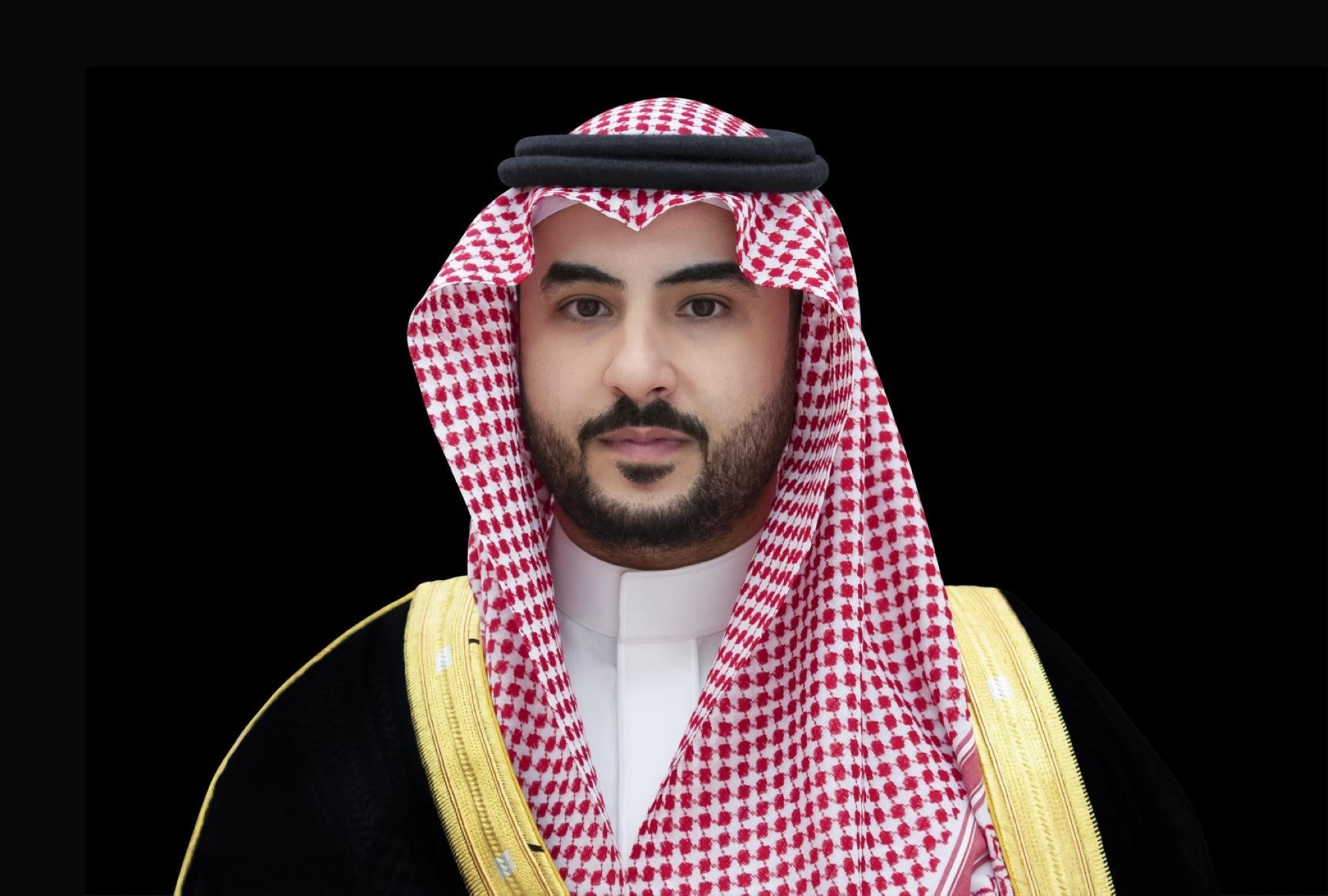
In a move reflecting the depth of the strategic relationship between the Kingdom of Saudi Arabia and the United States of America, His Royal Highness Prince Khalid bin Salman bin Abdulaziz, Minister of Defense, met with a select group of thinkers and researchers from leading American think tanks, research centers, and organizations. The meeting provided an important platform for discussing shared perspectives on pressing regional and international issues.
According to sources, the discussion focused on the importance of the historic strategic partnership between the two countries and ways to strengthen it in various fields, particularly defense and security. The meeting also reviewed joint efforts to counter threats to regional stability and reaffirmed the mutual commitment to maintaining international peace and security.
Historical background of a long-standing partnership
Saudi-American relations are based on solid historical foundations dating back decades, with this partnership forming a cornerstone of regional security. Since its inception, the relationship has evolved to encompass close cooperation in multiple fields beyond energy and defense, including counterterrorism, and economic and cultural exchange. This meeting serves to reaffirm the continuity of this partnership and its ability to adapt to contemporary geopolitical changes.
The importance of dialogue with think tanks
This meeting is particularly important as it targets American think tanks that play a pivotal role in shaping public opinion and guiding foreign policy in Washington. Direct engagement with these institutions is an effective channel for clarifying the Kingdom's positions and strategic vision on various issues, and for providing a deeper understanding of its efforts within the framework of Vision 2030, which aims to achieve sustainable development and enhance stability at both the local and regional levels.
Regional and international impact
Regionally, the meeting sends a clear message about Saudi-American coordination in addressing shared challenges, foremost among them destabilizing activities in the region and the need to ensure the security of international waterways. Internationally, this dialogue strengthens diplomatic efforts aimed at building international consensus on major security issues and underscores the Kingdom's role as an active and reliable partner in the global security system.
The meeting concludes by emphasizing that open dialogue and continued cooperation between Riyadh and Washington remain the most effective tool to ensure the achievement of common interests and to confront future challenges, in a way that serves the security and stability of the region and the world at large.
-

 Local News 6 days ago
Landslide in Riyadh: Details of the incident in Al-Sahafa neighborhood and containment efforts
-
 Local news one week ago
The death penalty was carried out against a citizen who stabbed another to death in Tabuk
-

 Local news one week ago
First birth on the Riyadh train: A heartwarming story at Andalus station
-

 Culture and Art 6 days ago
Haifa Wehbe's absence in Riyadh: A photo crisis or a strained relationship with the media?
-
 Local News 6 days ago
Riyadh collapse: Emergency plans to secure water after a main pipeline burst
-

 Culture and Art 6 days ago
City Kitchen series: A drama of conflict and the middle class during Ramadan
-

 Culture and Art 6 days ago
The series "Kasra": Dawood Hussein in a moving social drama this Ramadan
-

 Local News 5 days ago
Applying for the 1447 Opportunities Program for Teachers via the Fares System