Politics
The Yemeni government praises Saudi support and declares a state of emergency in the east
The Yemeni government appreciates Saudi Arabia’s role in supporting legitimacy and supports the declaration of a state of emergency to confront the armed rebellion in Hadramawt and Al-Mahra, calling on the Southern Transitional Council to withdraw.

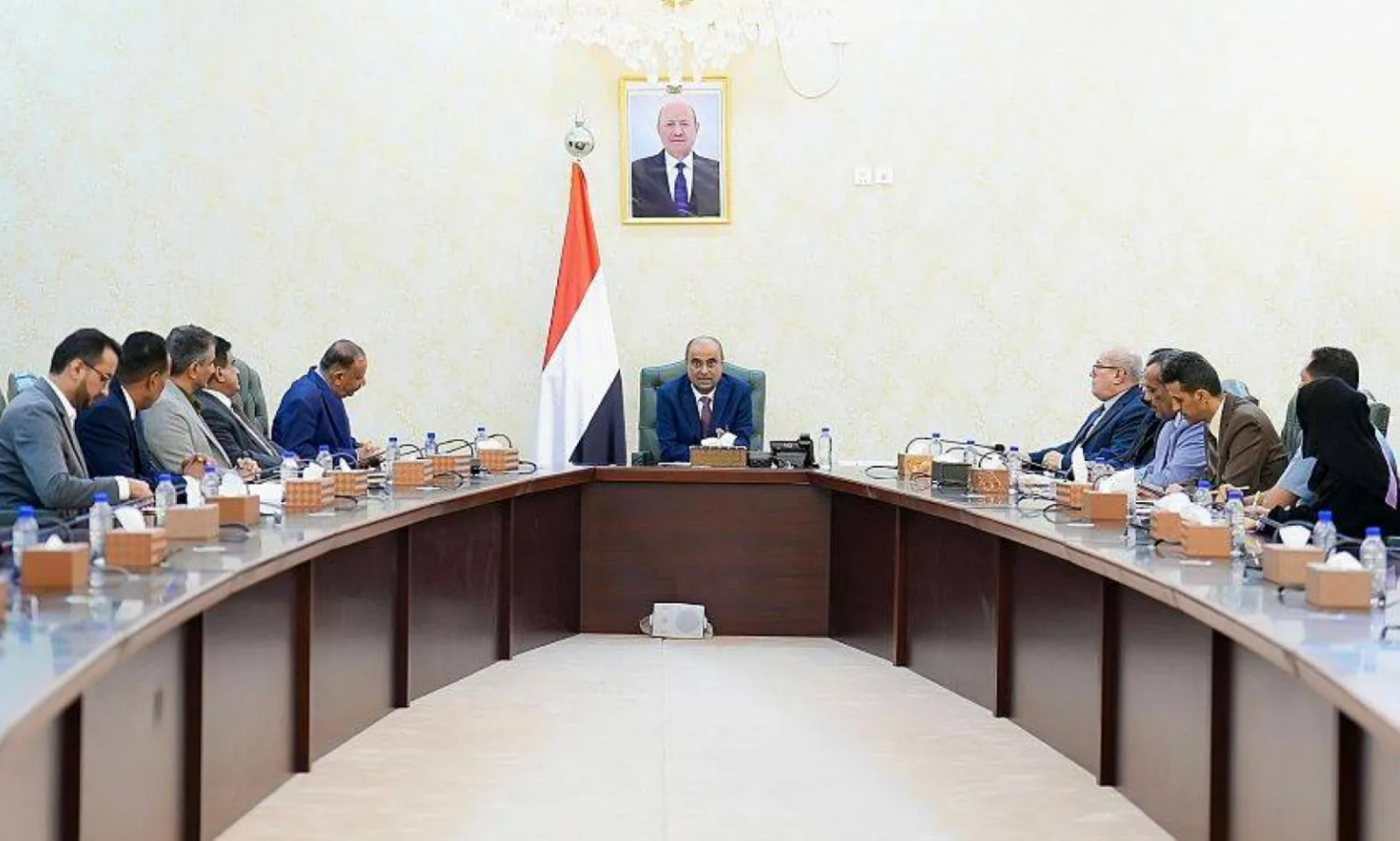
The Yemeni government expressed its deep appreciation for the Kingdom of Saudi Arabia's unwavering historical stances and its pivotal role in leading the Coalition to Restore Legitimacy, affirming that this support is the cornerstone of efforts to restore security and stability to Yemen. In an official statement, the government commended Saudi Arabia's ongoing efforts to protect civilians, de-escalate tensions, and prevent the eastern governorates from descending into internal conflicts that serve agendas hostile to regional stability.
Background of the conflict and formation of the alliance
The roots of the Yemeni crisis can be traced back to 2014 when the Houthi group seized control of the capital, Sana'a, and state institutions, prompting President Abd Rabbuh Mansur Hadi to request regional support. In response, Saudi Arabia launched Operation Decisive Storm in March 2015, leading an Arab military coalition with the aim of restoring legitimacy and preventing the collapse of the Yemeni state. Since then, the Kingdom has played a leading role not only militarily, but also in providing substantial humanitarian aid, supporting the Yemeni economy, and sponsoring political initiatives to end the conflict.
Declaration of a state of emergency and its repercussions
In a decisive move, the Yemeni government announced its full support for the decisions of the Presidential Leadership Council, headed by Dr. Rashad al-Alimi, most notably the declaration of a state of emergency throughout the republic. It clarified that this sovereign measure is based on the constitution and the framework of the transitional phase, and follows a recommendation from the National Defense Council. The aim of this declaration is to confront what it described as an "armed rebellion" in the eastern governorates, specifically Hadramawt and al-Mahra, in order to preserve the unity and sovereignty of the state and prevent a descent into chaos that could undermine the remaining state institutions.
The strategic importance of the eastern governorates
The governorates of Hadramawt and Al Mahrah are of paramount strategic importance, possessing oil resources and vital seaports, in addition to their long borders with Saudi Arabia and Oman. Any military escalation in these areas not only threatens Yemeni civil peace but also poses a threat to regional security and could be exploited by external actors to destabilize the Arabian Peninsula. Therefore, the actions of the government and the coalition are seen as essential for preserving Yemeni national and regional security.
A call for calm and adherence to established frameworks
The Yemeni government reiterated its call for the Southern Transitional Council to immediately and unconditionally withdraw its forces from the positions it seized in Hadramawt and Al-Mahra, and hand them over to the "Homeland Shield" forces and local authorities. It also stressed the need to adhere to the agreed-upon framework for the transitional phase, upon which the current governing structures, including the Presidential Leadership Council, were formed, and to cease any escalatory actions that threaten the UN- and Saudi-sponsored de-escalation efforts and complicate the search for a comprehensive political solution to the Yemeni crisis.




Politics
The Crown Prince receives a message from the King of Bahrain to strengthen bilateral relations
Crown Prince Mohammed bin Salman received a written message from the King of Bahrain, relating to the established bilateral relations and ways to strengthen them in light of joint coordination to confront regional challenges.

His Royal Highness Prince Mohammed bin Salman bin Abdulaziz Al Saud, Crown Prince and Prime Minister, received a written message from his brother, His Majesty King Hamad bin Isa Al Khalifa, King of the Kingdom of Bahrain. The message focused on the strong and deep-rooted fraternal relations between the two countries and their brotherly peoples, and ways to support and enhance them in various fields.
The message was received on behalf of His Royal Highness the Crown Prince by His Excellency the Deputy Minister of Foreign Affairs, Engineer Waleed bin Abdulkarim Al-Khuraiji, during his meeting today at the Ministry's headquarters in Riyadh with His Excellency Sheikh Ali bin Abdulrahman bin Ali Al Khalifa, Ambassador of the Kingdom of Bahrain to the Kingdom of Saudi Arabia. During the meeting, a comprehensive review of bilateral relations was conducted, and ways to strengthen and develop them in various fields were discussed, in addition to addressing the most prominent regional and international issues of mutual interest.
Deep-rooted historical ties and a shared destiny
This message comes in a context that reflects the depth of the historical and fraternal ties between the Kingdom of Saudi Arabia and the Kingdom of Bahrain, ties that extend beyond the official and diplomatic spheres to encompass bonds of blood, kinship, and a shared destiny. These relations represent a unique model of integration and cooperation within the Gulf region, as they are united by the framework of the Gulf Cooperation Council and connected by the King Fahd Causeway, a vital artery for economic and social exchange between the two peoples. The two kingdoms have consistently stood shoulder to shoulder in the face of challenges, demonstrating unity of purpose and position in various regional and international forums.
The importance of strategy and ongoing coordination
These discussions are of paramount strategic importance given the current circumstances in the region and the world. Ongoing Saudi-Bahraini coordination is a cornerstone for maintaining the security and stability of the Arabian Gulf and countering external interference aimed at destabilizing the region. This communication aligns with the ambitious development visions of both countries, embodied in Saudi Arabia's Vision 2030 and Bahrain's Economic Vision 2030, which open up broad horizons for cooperation in the fields of economy, investment, technology, and renewable energy, ultimately benefiting the prosperity of both nations. This continuous communication at the highest levels underscores the commitment of both countries' leadership to expanding relations to broader horizons, serving their shared interests and reinforcing their pivotal role in supporting joint Gulf action and consolidating the foundations of security and peace.
Politics
America considers withdrawing from Syria: strategic implications and shifts
Reports reveal that Washington is considering a complete troop withdrawal from Syria. What are the implications of this decision and its impact on the fight against ISIS, the future of its Kurdish allies, and the regional balance of power?
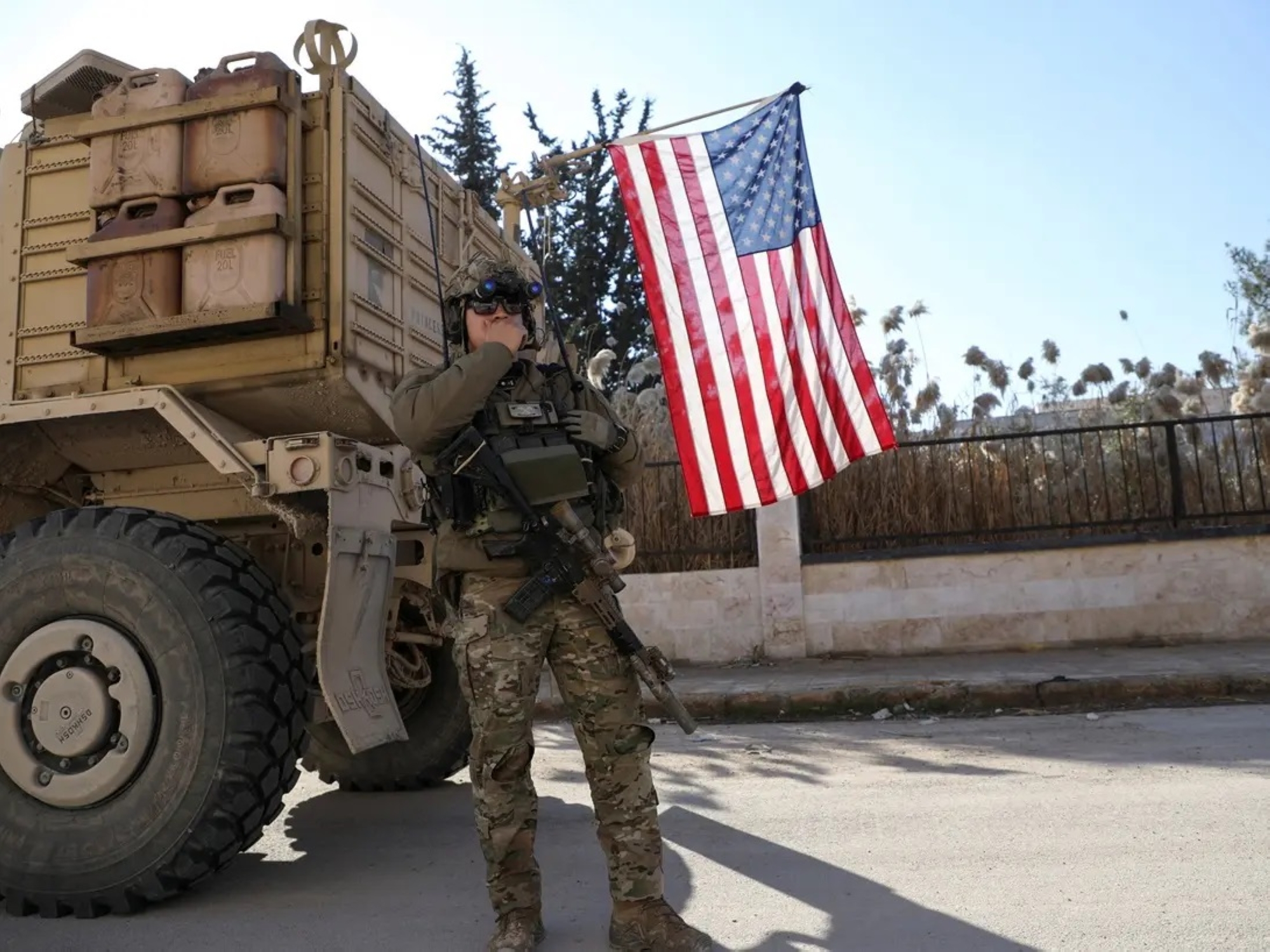
American press reports indicate that President Joe Biden's administration is seriously considering the option of withdrawing its military forces entirely from Syrian territory. If this step is taken, it would represent a major strategic shift in Washington's policy towards the Syrian conflict, which has lasted for more than a decade, and would open the door to broad repercussions that could reshape the balance of power in the region.
Background of the American military presence in Syria
The official US military intervention in Syria began in 2014 as part of the international coalition to combat the ISIS terrorist organization. The primary objective of the operation, dubbed "Operation Inherent Resolve," was to halt the expansion of the group, which at the time controlled vast swathes of Syria and Iraq. The US strategy relied on avoiding the deployment of large numbers of ground troops, focusing instead on airstrikes and training and supporting local partners on the ground, primarily the Kurdish-led Syrian Democratic Forces (SDF). Currently, the US military presence numbers around 900 troops, most of whom are stationed in northeastern Syria, in addition to the strategic al-Tanf base in the south near the borders with Iraq and Jordan, where their mission has been to prevent the resurgence of ISIS, secure oil fields, and protect their allies.
Reasons for the reassessment and its potential repercussions
These deliberations come at a time when American priorities have shifted globally, with a growing focus on countering China and Russia. Domestically, U.S. forces in Syria and Iraq face frequent attacks from Iranian-backed militias, increasing the cost and risks of maintaining a military presence. According to U.S. officials, the current discussions reflect a reassessment of the mission's viability given the significantly diminished threat posed by ISIS and the changing dynamics on the ground.
A complete US withdrawal would leave a significant security vacuum. Domestically, the fate of the Syrian Democratic Forces (SDF) would become uncertain, leaving them vulnerable to potential attacks from Turkey, which considers the Kurdish People’s Protection Units (YPG), the SDF’s main component, a terrorist organization, as well as from the Syrian regime, which seeks to regain control of all its territory. The withdrawal also raises serious concerns about the fate of thousands of ISIS fighters held in SDF-run prisons, potentially paving the way for the group’s resurgence.
Impact on the regional and international landscape
Regionally, the withdrawal would be considered a strategic victory for Iran and Russia, allies of President Bashar al-Assad. Russia would consolidate its position as a key player in Syria, while Iran would be able to strengthen its influence and secure a land corridor linking it to Lebanon via Iraq and Syria. Israel, on the other hand, would view this development with grave concern, fearing an increased Iranian military presence near its borders. Regional and international actors are closely monitoring these developments, as the withdrawal decision, if implemented, would not only alter the course of the Syrian conflict but also send strong signals about the future of the American role in the entire Middle East.
Politics
Gulf Peace Exercise 1: Saudi-Kuwaiti Maritime Cooperation to Enhance Security
The “Gulf Peace 1” exercise between the Saudi and Kuwaiti naval forces has begun to raise combat readiness and secure vital waterways in the Arabian Gulf.
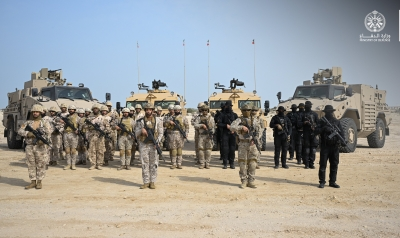
The joint military exercise “Gulf Peace 1” between the Royal Saudi Naval Forces and the Kuwaiti Naval Force commenced today at King Abdulaziz Naval Base in Jubail. This exercise represents a strategic step to enhance military integration and security cooperation between the two brotherly nations, and underscores the depth of bilateral relations aimed at maintaining the security and stability of the region.
Strategic background and historical cooperation
This exercise comes within the framework of the deep-rooted historical relations and ongoing defense cooperation between the Kingdom of Saudi Arabia and the State of Kuwait, which represents a fundamental pillar of the joint Gulf security system under the umbrella of the Gulf Cooperation Council. The roots of this cooperation extend back decades and have deepened considerably following the shared security challenges facing the region, underscoring the unity of purpose and destiny between the two brotherly nations in confronting any potential threats and protecting their common interests.
Exercise objectives and details
The Ministry of Defense explained that Exercise “Gulf Peace 1” included a wide range of field and tactical scenarios designed to simulate realistic scenarios. These exercises aimed to refine the skills of participating units and raise their combat readiness to the highest level. The exercise also focused on standardizing tactical concepts and implementing advanced command and control procedures through joint naval operations centers, ensuring the highest levels of coordination and integration in the execution of joint naval operations.
The maneuvers included specialized training in search and rescue operations, modern naval warfare management, and countering asymmetric threats such as attacks by fast attack craft and remotely piloted vessels. The exercise also placed particular emphasis on training in the defense of vital installations, such as offshore oil platforms, which are the backbone of the national and regional economy. The scenarios concluded with live-fire exercises for participating ships and boats, designed to test weapons accuracy and crew efficiency.
Regional and international importance
This exercise is of paramount strategic importance, not only bilaterally, but also regionally and internationally. It sends a clear message of deterrence regarding the readiness of Gulf forces to defend the security and stability of the region and to secure vital waterways in the Arabian Gulf, which are a major artery for global energy supplies. The exercise also enhances the two countries' ability to operate jointly within international alliances aimed at combating terrorism, piracy, and other illicit activities at sea, thus contributing to the stability of maritime navigation and global trade.
-

 Reports one week ago
Achievements of Saudi government sectors in 2025
-
Local news two weeks ago
FDA warns of contaminated Nestle infant formula | Recall details
-
Technology 4 weeks ago
US ban on drones: reasons and consequences
-
Technology 3 weeks ago
Saudi Arabia launches the world's largest government data center, 'Hexagon'
-
Technology 3 weeks ago
Merging KSA Map and Baladi Plus: A step towards Saudi digital sovereignty
-
Technology two weeks ago
Hexagon: Saudi Arabia strengthens its data sovereignty with the world's largest government center
-
Technology 3 weeks ago
European banks and artificial intelligence: A plan to lay off 200,000 employees
-
Politics 3 weeks ago
The coalition destroys smuggled Emirati weapons in Mukalla in a qualitative strike