Politics
Yachts must have first aid facilities, limit the number of passengers, and prohibit overfishing
The Saudi Red Sea Authority has issued a new regulatory framework, the first of its kind, aimed at controlling the use and operation of yachts in Saudi Arabia


The Saudi Red Sea Authority has issued a new regulatory framework, the first of its kind, to control the use and operation of yachts in Saudi Arabia and ensure their compliance with standards and requirements.
The regulation stipulates that yacht owners or their agents must submit electronic applications to obtain navigation licenses, accompanied by a general inspection report that is no more than one year old, an insurance policy that covers the geographical area, in addition to removing debris and disclosing all yacht accessories such as water toys, drones, and planned marine activities such as diving and recreational fishing.
The Red Sea Authority is committed to issuing the technical tourism license, the recreational license, and the tourist yacht rental license within 24 hours of application submission. The Authority reserves the right to add to or amend any of the required standards or documents. The regulations also stipulate the need to respect the rights of persons with disabilities, protect the environment by reducing the use of plastics and preventing pollution, and adhere to safe navigation guidelines.
When renting a yacht within the geographical area, the regulations require the tourist shipping agent to provide safe entry from the tourist marina, to verify the names of passengers and their conformity with the passport, national identity or residence, and that the yacht be suitable for the number of passengers, and not exceed what is permitted, with the necessity of providing a welcome and safety presentation before each tour, which includes evacuation points, the location of life jackets and potential hazards in remote areas, providing clean service facilities, ensuring that the rooms are comfortable, safe and equipped with amenities, and providing modern security systems such as surveillance cameras and alarm systems to ensure the safety of the renter.
Regarding first aid, the regulations stipulate that the yacht crew must have first aid qualifications, with at least one trained person on board the yacht with the passengers. Basic first aid knowledge is required for the assistant crew members, and records relating to previous first aid must be kept for a minimum of three years.
With regard to the provision of food and beverages, the regulations require the provision of diverse feeding options to meet the tenant's needs, the provision of suitable areas for food preparation and storage, and that staff members receive training in the proper handling of food.
With regard to marine activities, the regulations stressed the need to obtain the necessary approvals and licenses for specific activities such as recreational fishing, diving, and the like, and to provide a comprehensive response plan dedicated to marine activities, specifying rescue and first aid procedures.
The regulations also stipulate the need to appoint a qualified team to supervise water activities, ensuring effective monitoring of the renter's safety, and a lifeguard certified by the Saudi Federation for Rescue and Water Safety on board the yacht, as well as providing life jackets for the tourist.
The regulations paid special attention to the rights of persons with disabilities when using yachts, for example: giving them priority in emergencies, providing them with appropriate means of communication, and stressing the importance of providing them with dedicated services, in addition to not requiring them to waive any rights and ensuring first aid for passengers.
Speeding and hunting rifles are prohibited
The regulations stressed the need to follow maritime navigation signals and comply with the instructions of the competent authorities to ensure the safety of passengers and the marine environment. The regulations prohibit exceeding the allowed speed or sailing in undesignated areas, while obligating yachts to provide the necessary security and safety equipment on board.
The regulations outline the obligations of renters when using yachts, including adherence to the terms and conditions of the rental agreement and bearing any costs resulting from damage to the yacht or its contents. Renters are also required to maintain the cleanliness of the yacht and report any problems or malfunctions immediately, according to the regulations.
The regulation requires licensed shipping agents to adhere to a set of standards to ensure the provision of safe services that comply with environmental regulations, such as not using prohibited fishing gear like spearguns. The regulation also prohibits allowing swimming in ports or marinas not designated for that purpose, and emphasizes the need for proper waste disposal.




Politics
Trump announces Khamenei's death: Will the balance of power in the Middle East change?
In a historic development, Trump announced the killing of Iranian Supreme Leader Ali Khamenei in US-Israeli strikes, asserting that this event paves the way for a new and easier diplomatic path with Tehran.
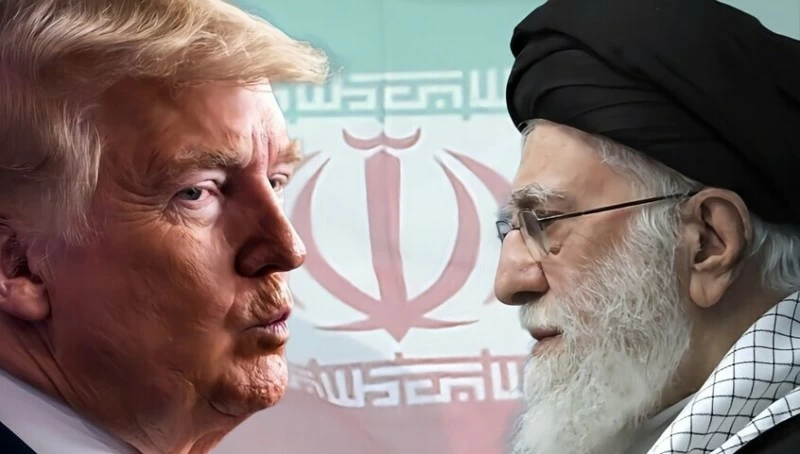
In a dramatic development described by observers as the biggest political earthquake in the Middle East in decades, US President Donald Trump officially announced the death of Iran's Supreme Leader, Ali Khamenei, following a series of joint US-Israeli airstrikes. This announcement, which brings to a close an era spanning more than three decades, opens the door to multiple scenarios for the future of relations between Washington and Tehran.
Trump's statements: Towards a new diplomatic path
In an exclusive interview with CBS News , President Trump asserted that the geopolitical landscape has fundamentally changed. He indicated that Khamenei's absence from the scene could remove the formidable obstacles that had hindered negotiations, stating that conditions are now "much easier than they were yesterday." The US president believes that these strikes, which he described as having very positive results for US national security, could be the key to forging new agreements that guarantee regional stability, expressing his complete confidence in his administration's strategy.
The end of an era and the beginning of the unknown
Ali Khamenei, who has served as Supreme Leader since 1989, succeeding the founder of the Islamic Republic, Ruhollah Khomeini, is the most powerful and influential figure in Iran. As the Supreme Leader, he has the final say on all strategic issues, including foreign policy, the nuclear program, and the military operations of the Islamic Revolutionary Guard Corps. His passing is not merely the loss of a political figure; it represents a profound upheaval within the Iranian regime, where the Supreme Leader controls the judiciary, the media, and the military.
Succession challenges and the future of the region
This event presents the ruling establishment in Tehran with a difficult historical test. According to the Iranian constitution, the Assembly of Experts is tasked with choosing the new successor, a process that could witness sharp disagreements between different factions within the regime. The international community, particularly the White House, is closely monitoring Tehran's expected reactions, amid concerns about a potential military escalation or retaliatory actions through proxies in the region.
American-Israeli alliance
The announcement that the strikes were a joint operation between the United States and Israel underscores the depth of security and military coordination between the two allies in confronting Iranian influence. Analysts believe this operation could alter the rules of engagement in the region and impose a new reality that might push Tehran either toward further intransigence or toward accepting the diplomatic path being pursued by Trump.
Politics
Iran forms a temporary leadership council after the assassination of Ali Khamenei
Iran announces the formation of a temporary leadership council comprising the president and the head of the judiciary following the assassination of Supreme Leader Ali Khamenei in US-Israeli airstrikes, amid a declaration of national mourning and regional tension.
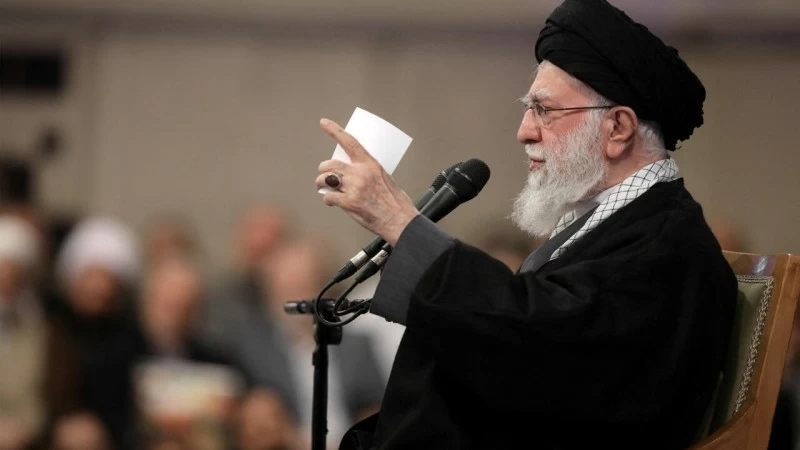
In a dramatic development that represents a historic turning point in the Middle East, the official Iranian news agency IRNA announced news that shook international political circles, confirming the temporary transfer of power in the Islamic Republic to a three-member leadership council, following the official announcement of the assassination of the country’s Supreme Leader, Ali Khamenei, in joint airstrikes carried out by US and Israeli forces.
Details of the new Transitional Council
According to the official statement, and based on the constitutional arrangements in place in Tehran, the interim leadership council consists of three key figures representing the pillars of the regime:
- Masoud Pezeshkian: The President of the Republic, who represents the executive authority.
- Gholam Hossein Mohseni Ejei: Head of the judiciary, who represents the hardline judicial wing.
- One of the jurists of the Guardian Council: to be chosen to complete the legal and legitimate quorum of the council.
This step comes to fill the sudden leadership vacuum and ensure the continued functioning of state institutions during the critical transitional phase the country is going through.
Constitutional context and mechanism for transfer of power
These procedures are based on Article 111 of the Iranian Constitution, which explicitly states that in the event of the Supreme Leader's death, removal, or resignation, the Assembly of Experts, composed of the President, the Head of the Judiciary, and one of the Guardian Council's jurists, assumes the leadership temporarily. This article also mandates that the Assembly of Experts convene immediately to begin intensive consultations to appoint the new Supreme Leader as quickly as possible—a process that could witness significant political wrangling between conservative and reformist factions within the regime.
Declaration of mourning and the repercussions of the national shock
In the first official response reflecting the magnitude of the political earthquake, the Iranian government declared a 40-day period of national mourning, a tradition deeply symbolic in Shia Islam. A full week of public holiday was also declared, with markets, educational institutions, and government offices closed, amidst an atmosphere of heightened anticipation and caution on the Iranian street.
Geopolitical dimensions and regional risks
This event comes at a highly sensitive time, as the region witnesses an unprecedented escalation. The position of Supreme Leader in Iran carries broad powers, including command of the armed forces, control of the Revolutionary Guard, and the formulation of foreign and nuclear policies. Therefore, Khamenei's removal from the scene in such a violent manner opens the door to multiple scenarios, ranging from direct military escalation in response to the assassination, to the region entering a period of strategic uncertainty and a realignment of alliances.
The international community, especially Western capitals and neighboring countries, is watching the next steps of the interim leadership council and how Tehran manages this thorny issue, amid fears that things could slide into an open confrontation that could change the map of the Middle East for decades to come.
Politics
Egypt reveals alternatives to Israeli gas after supplies halt
The Egyptian Ministry of Petroleum announces an emergency plan to secure alternatives after the cessation of Israeli gas supplies. Learn about the repercussions of the military escalation and its impact on energy supplies both locally and globally.
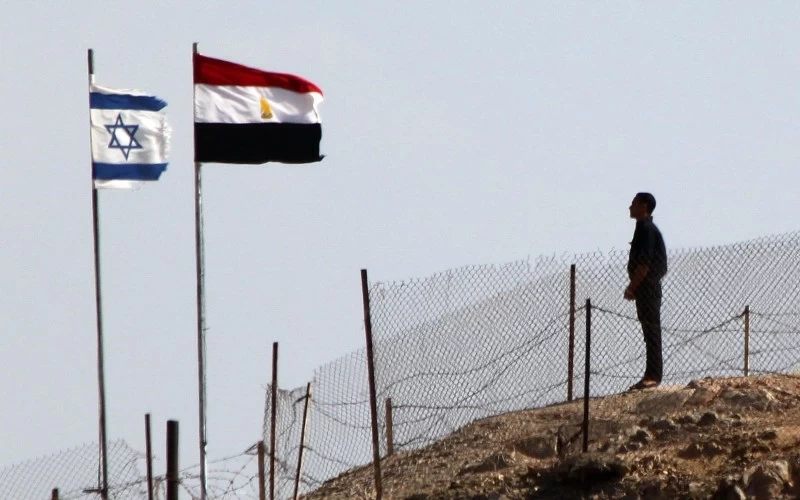
The Egyptian Ministry of Petroleum and Mineral Resources issued an official statement in response to the rapidly evolving situation in the region, which led to Israel's announcement of a suspension of natural gas supplies to Egypt. This halt, estimated at approximately 1.1 billion cubic feet per day from the Tamar and Leviathan fields in the Eastern Mediterranean, is based on the activation of the "force majeure" clause in the signed agreements, as a precautionary measure following the recent military escalation and exchange of strikes between the United States and Israel on one side, and Iran on the other.
Egypt's action plan and diversification of sources
The Ministry affirmed in its statement that it is closely monitoring all geopolitical developments and their direct impact on energy supplies in the region. In a message of reassurance to the public, the Egyptian government explained that it has a strategic plan to address such emergencies, based on diversifying energy sources and avoiding reliance on a single energy supplier. The Ministry indicated the readiness of alternative capacities, including utilizing the strategic reserve of fuel oil to operate power plants and increasing reliance on domestic production to compensate for temporary losses in the national gas grid.
Regional context and the importance of East Mediterranean gas
To understand the implications of this event, it is necessary to consider the broader context of energy relations in the region. Egypt and Israel have significant gas agreements primarily aimed at liquefying Israeli gas at Egyptian liquefaction plants (Idku and Damietta) for re-export to Europe, as well as helping to bridge a portion of Egypt's peak domestic consumption gap. These supplies are part of Egypt's ambition to become a regional energy hub, an ambition bolstered by the establishment of the East Mediterranean Gas Forum, headquartered in Cairo.
Economic and geopolitical repercussions
The supply disruptions have repercussions that extend beyond local borders. Domestically, the government is prioritizing securing the needs of power plants and factories to avoid any significant outages. Regionally and internationally, these disruptions cast a shadow over European energy security, especially with the approach of winter and the continent's reliance on liquefied natural gas (LNG) from Egypt as an alternative to Russian gas. Analysts emphasize that continued military tensions between Israel and Iran could lead to fluctuations in global energy prices, posing new challenges to emerging economies in the region.
The ministry concluded by emphasizing that the crisis management is being carried out in full coordination between all state agencies to ensure the continued flow of services to citizens and to maintain the stability of the local market despite the current regional challenges.
-

 Local News 3 days ago
Saudi Arabia approves regulations for the continued presence of Gulf vehicles: duration and penalties
-
Local News 6 days ago
The Ministry of Interior begins procedures for a royal pardon for common law prisoners
-
Local news one week ago
19 requirements to reduce dust from projects in Riyadh and fines for violators
-
Politics, one week ago
Trump plans to create a $2 billion alternative to the World Health Organization
-
Local news 18 hours ago
Jeddah Airport alerts for travelers due to airspace closure and flight disruptions
-
Culture and Art, 1 week ago
Amr Diab appears with his four sons and a highly anticipated concert in Türkiye
-
 Local news one week ago
Three billion riyals deposited as Ramadan aid for social security beneficiaries
-
Local News 5 days ago
The deadline for property registration in Hail and Riyadh is Thursday