Politics
With the approval of the Custodian of the Two Holy Mosques, the King Abdulaziz Medal of the Third Class was awarded to 200 male and female citizens
The Custodian of the Two Holy Mosques, King Salman bin Abdulaziz Al Saud, has approved the awarding of the King Abdulaziz Medal of the “Third” Class

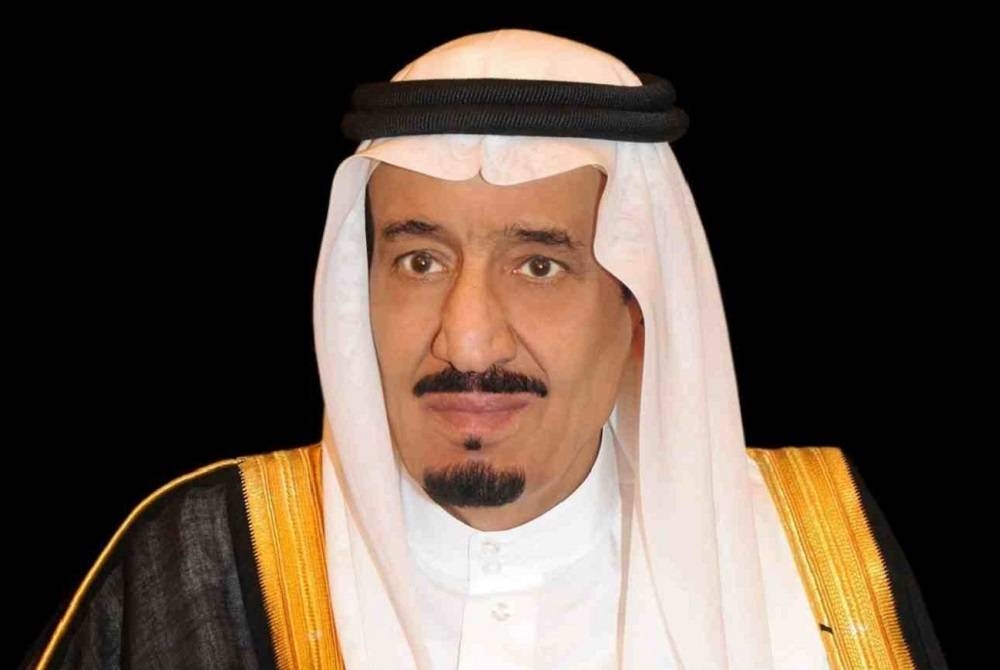
The Custodian of the Two Holy Mosques, King Salman bin Abdulaziz Al Saud, has approved the awarding of the King Abdulaziz Medal of the “Third” Class to 200 male and female citizens, for donating one of their major organs, whether the organ was from a living person or from a brain-dead person.
The following are the names of the donors:
Ibrahim bin Ahmed bin Abdullah Al Alih, Ibrahim bin Fahd bin Ibrahim Al Tuwaijri, Ahmed bin Saleh bin Hamed Al Salem Al Wadai, Ahmed bin Ali bin Salem Al Rab'een Al Ghamdi, Ahmed bin Ali bin Mohammed Saleh Fulana, Ahmed bin Mohammed bin Jaber Al Sinani, Ahmed bin Mohammed bin Dhiyab Al Hajari Al Sharif, Ahmed bin Mohammed bin Abdullah Al Zaid Al Sharif, Ahmed bin Mayouf bin Yahya Al Wahadin Al Rashidi, Ahmed bin Nasser bin Al Harthi Al Hasani Al Zahrani, Ismail bin Jamal bin Ismail Kazem, Anwar bin Mubarak bin Muaidh Al Osaimi, Ahmed bin Hussian bin Hamad Al Awni Al Mutairi, Ayman bin Saleh bin Mohammed Al Nasser, Bal Khair bin Abdul Rahman bin Hassan Al Qarni Al Nakhali, Badr Muataz Fouad Zalli, Bandar bin Saeed bin Mazid Al Dhabati Al Mutairi, Bandar bin Awad bin Ibrahim Al Nafiei, Turki bin Dhahyan bin Awda Al Shamlani Al Anzi, Turki bin Abdul Rahman bin Hassan Al Mureihil, Jaber bin Ahmed bin Hadi Awaji Sharahili, Jassim bin Saleh bin Mohammed Al-Dossari, Junadi bin Awaji bin Hassan Madkhali, Jihad bin Bandar bin Abdul Rahman Al Darwish Al Qurashi, Hassan bin Ibrahim bin Ali Ala Allah, Hussein bin Ali bin Ahmed Al Baladi, Hussein bin Awidah bin Dhaif Al Muqabil Al Issa, Khalid bin Muhammad bin Jamil Al Madani, Khalid bin Muhammad bin Ali bin Dajmah Al Qasimi, Khalaf bin Ghazi bin Bajad Al Furaidi Al Harbi, Khalaf bin Muhammad bin Saad Al Shafi Al Halafi, Rajih bin Muhammad bin Issa Maanqi Majrashi, Raed bin Saleh bin Abdullah Al Shalilan, Ziyad bin Khalid bin Hassan Al Sulaimi Al Harbi, Ziyad bin Mubarak bin Lafi Al Dhalam Al Sharari, Ziyad bin Yasin bin Jaber Tahash Majrashi, Salem bin Maqbool bin Salem Al Masoudi, Saad bin Awad bin Saad Al Rafie Al Shamrani, Saad bin Muhammad bin Abdullah Al Farih Al Qarni, Saad bin Nasser bin Raji Al Nafiei Al Otaibi, Saad bin Nasser bin Ayed Al Hatrashi Al Shahrani, Saud bin Ibrahim bin Muhammad Al Saif Al Dawood, Saud bin Faisal bin Abdul Rahman Al Farhan Al-Jarba, Saud bin Nasser bin Saud Al-Sahti Al-Sharari, Saeed bin Abdullah bin Ahmed Al-Hajjaj Al-Amri, Sultan bin Tuwairiq bin Saeed Al-Shamlani Al-Anzi, Sultan bin Ali bin Nasser Al-Damouki Rashidi, Suleiman bin Saleh bin Suleiman Al-Awda, Saleh bin Ali bin Masoud Al-Abiyan Al-Yami, Salah bin Farhan bin Shaman Al-Suwaidi Al-Shammari, Talal bin Khalid bin Dhaib Al-Ramali Al-Shammari, Talal bin Abdullah bin Hamdan Al-Khazmari Al-Zahrani, Talal bin Muhammad bin Mansour Al-Faqiri Al-Anzi, Amer bin Shamran bin Muraid Al-Rabee’iyah Al-Shammari, Abbas bin Hussein bin Saleh Al-Asaker, Abdulrahman bin Suwailih bin Abdulrahman Al-Arjan Al-Dhibyani, Abdulrahman bin Fahd bin Abdulrahman Al-Shabibi, Abdulaziz bin Rabih bin Dhaif Allah Al-Ruqi, Abdulaziz bin Saleh bin Muhammad Al-Asimi, Abdullah bin Hadi bin Dulaim Al-Talhan Al-Qahtani, Abdullah bin Salem bin Shaye’ Al-Musa’d Al-Qahtani, Abdullah bin Shatwi bin Muhammad Al-Ghashi Al-Jahmi, Abdullah bin Dhawi bin Fallah Al-Atiyani Al-Otaibi, Abdullah bin Muhammad bin Hamad Al-Fariw Al-Qahtani, Abdullah bin Muhammad bin Sulaiman Jarshabi Majrashi, Abdullah bin Muhammad bin Abdullah Al-Madi, Abdullah bin Muhammad bin Ali bin Makran Al-Gharban, Abdullah bin Muhammad bin Yusuf Hakami, Abdullah bin Munir bin Dhaif Al-Karim Al-Madani, Abdullah bin Musa bin Warad Al-Rashid Al-Harbi, Abdullah bin Nafi’ bin Balqasim Al-Aqili Al-Faqih, Abdullah bin Yahya bin Shua’i Maghuri, Abdul-Muhsin bin Abdul-Aziz bin Ali Al-Amir Al-Qahtani, Abdul-Wahhab bin Dahha bin Sa’in Al-Darwish Al-Hazmi, Ali bin Hussein bin Shibli Halman Sharahili, Ali bin Hussein bin Abdullah Al-Mu’aybid, Ali bin Khalif bin Zuman Al-Subai’i Al-Anzi, Ali bin Rashid bin Nasser Al-Aqil, Ali bin Saeed bin Eid Al-Duqaiqi Al-Huwaiti, Ali bin Sawadi bin Abdu Kaabi, Ali bin Saleh bin Ali Al-Marzouq Al-Zubaidi, Omar bin Hamoud bin Ahmed Al-Zaqli Al-Halmani, Omar bin Ali bin Muhammad Al-Nuways, Omar bin Mu'ayyad bin Abdullah Al-Bashiri Al-Zahrani, Eid bin Saleh bin Aliyan Al-Muhaymizi Al-Rashidi, Faris bin Sand bin Abdullah Al-Amri, Faris bin Muhammad bin Muslim Al-Kharfani Al-Dossari, Fayez bin Mabkhout bin Ayda bin Ma'rouf Al-Shamlan, Farhan bin Saeed bin Salem Al-Jama'in Al-Dossari, Fahd bin Hassan bin Qasim Al-Yamani, Fahd bin Faraj bin Saad Al-Musaili Al-Harthi, Fahid bin Mu'awad bin Hamid Al-Mukhlifi Al-Harbi, Fawaz bin Abdulaziz bin Aziz Al-Sati, Fawaz bin Eid bin Asim Al-Shamsham Al-Mutairi, Fawaz bin Yahya bin Hassan Ghazwani, Fayyad bin Nawi bin Adhab Al-Subaie Al-Anzi, Faisal bin Khalid bin Shuwaymi Al-Ghaythi Al-Dossari, Faisal bin Qa'id bin Sanhat Al-Sha'bi Al-Harbi, Faisal bin Mu'ayyad bin Mubarak Al-Thubaiti, Qasim bin Lafa bin Lafi Al-Azizi Al-Mutairi, Majid bin Khadran bin Musfir Al-Mar'i Al-Ghamdi, Majid bin Raghyan bin Salbi Al-Awfi, Majid bin Saleh bin Lafi Al-Awfi Al-Harbi, Majid bin Abdullah bin Muhammad Al-Raqib, Majid bin Muhammad bin Eid Al-Asaimi Al-Otaibi, Muhammad bin Ahmed bin Ibrahim Al-Aboudi, Muhammad bin Hassan bin Muhammad Al-Muhammad, Muhammad bin Rakad bin Khalifa Al-Saadi, Muhammad bin Zayed bin Ali Majrashi, Muhammad bin Saad bin Buhairi Al-Buhairi, Muhammad bin Saud bin Saleh Al-Dabal, Muhammad bin Abed bin Abdullah Al-Luqmani, Muhammad bin Abdul-Khaliq bin Abdullah Al Abdul-Khaliq Al-Qarni, Muhammad bin Ali bin Ali Qaisi, Muhammad bin Ali bin Muhammad Al-Hashash Al-Qahtani, Muhammad bin Eid bin Habib Al-Ramali Al-Shammari, Muhammad bin Eid bin Salem Al-Salmi Al-Harbi, Muhammad bin Farih bin Huleil Al-Toumi Al-Shammari, Mishari bin Hassan bin Hassan Al-Jamaan Al-Harthi, Mishal bin Salem bin Mishal Al-Mansouri Al-Shammari, Mishal bin Sabbar bin Majnan Al-Subaie Al-Anzi, Nawwar bin Salim bin Hamoud Al-Tuwairqi, Nawaf bin Faraj bin Salama Al-Subaie Al-Anzi, Yasser bin Reda bin Muhammad bin Ali Abdul-Hay, Yasser bin Saad bin Awadh Al-Manhabi Al-Zahrani, Yasser bin Abdullah bin Naam Al-Mastouri Al-Sulami, Yahya bin Hassan bin Ali Musmali, Yahya bin Abdullah bin Muaidh Al Imran Al-Qahtani, Yahya bin Maabad bin Muhammad Majrabi, Ajyal bint Jahaz bin Saleh Al-Dhuwaifiri Al-Mutairi, Ahlam bint Saad bin Shaye Al Saeedan Al-Qahtani, Asma bint Madlah bin Haji Al-Mutairi, Ashwaq bint Muhammad bin Musawi Al Hamad Samili, Afrah bint Hafiz bin Yahya Faqihi, Al-Anoud bint Musaed bin Ibrahim Al-Abdan, Al-Anoud bint Yahya bin Ali Shuwaish, Al-Hanouf bint Abdul Rahman bin Saad Al-Mujahdi, Amani bint Munif bin Rashid Al-Jama’in Al-Dossari, Amal bint Rabee’ bin Salem Al-Absi, Amal bint Muhammad bin Nasser Al-Abd Al-Karim, Amira bint Abdul Mughni bin Hassan Qaid, Intisar bint Aqeel bin Hussein Al Sharba Al-Salahi, Iman bint Muhammad bin Hassan Al-Hamzi, Areej bint Muhammad bin Abdullah Al Barakat Al-Zubaidi, Amal bint Hussein bin Ali Al Jadhar, Amal Ali bin Ahmed bin Khudair Al-Dandani Al-Zahrani, Amira bint Obaidullah bin Atiq Al-Hassounat Al-Atwi, Bashayer bint Abdullah bin Sulaiman Al-Mahmadi, Tahani bint Muhammad bin Ali Khairi, Jamila bint Awad bin Atiya Al-Thubaiti, Jawahir bint Saeed bin Dhaifallah Al-Sumairi Al-Juhani, Judi bint Sulaiman bin Ibrahim Al-Haidhal, Halima bint Abdullah bin Ali Dabis Al-Ghamdi, Hanan bint Ali bin Yahya Majrashi, Hanin bint Habib bin Hashim Al-Mahjoub Al-Sharif, Khuloud bint Mudhi bin Saad Al Hassan Al-Shahri, Dalal bint Muhammad bin Masoud Al Saad Al-Zahrani, Rania bint Muhammad bin Mutlaq Al-Rifai Al-Ghamdi, Ruba bint Mansour bin Dawood Falamban, Rahil bint Hassan bin Qasim Al-Ghazwani, Reem bint Tariq bin Yusuf Abed, Reem bint Abdul Rahman bin Ali Al-Thabiti Al-Shahri, Reem bint Mudhakkir bin Issam Al-Amri Al-Harbi, Zahraa bint Ali bin Salem Al-Juhani, Zainab bint Muhammad bin Hassan Al-Shuraida, Sarah bint Nasser bin Fahid Al Khalif Al-Dossari, Suad bint Abdo bin Mabrouk Al Masoud, Suad bint Ali bin Yahya Al Khalifa Al Ghamdi, Samira bint Hassan Abu Zaid bin Muhammad Al Rajhi Al Sharif, Shara bint Abdu bin Hamad Al Ahmad Al Kinani, Shurooq bint Muhammad bin Ali Al Hadi Al Shamrani, Sabah bint Muhammad Ibn Murai Sufyani, Safiya bint Qurait bin Tharawi Al Anzi, Tayyiba bint Ali bin Muhammad Jaafari, Ghaitha bint Abdullah Ibn Hassan Al Zahrani, Ghaim Eid bin Faisal bin Eid Al Maghribi Al Maliki, Fatima bint Makki bin Ali Al Khuwaildi, Fatima bint Hamad bin Saad Allah Qaisi, Fatima bint Saeed bin Hadi Dahbash, Fatima bint Abdullah bin Nashi Al Shaibani Al Otaibi, Fatima bint Muhammad bin Ghalib Al Hassan Al Sayed, Fatima bint Mahdali bin Ahmad Al Arafiya Al Sayed, Faiza bint Abdullah bin Hamed Dhafer Al Hamed Al Amri, Fathiya bint Abdul Karim bin Ahmad Al Ibrahim, Fawziya bint Muhammad bin Ali Al Dhafer Al Qahtani, Maram bint Fayez bin Ali Hamouman, Manar bint Hamoud bin Saleh Al-Dajani Al-Otaibi, Mona bint Abdullah bin Ajab Al Mahdi Al-Qahtani, Munira bint Masoud bin Saeed Al-Marwani Al-Juhani, Munira bint Mishal bin Thawab Al-Subaie, Mi’ad bint Jaber bin Muhammad Al-Mahwari, Nada bint Mohsen bin Badi Al-Qathami, Nada bint Othman bin Rizq Allah Al-Kabiri Al-Ghamdi, Nada bint Muhammad bin Abdullah Al-Thawri Al-Subaie, Noura bint Ahmed bin Abdul Rahman Al-Talha, Noura bint Fahd bin Mansour bin Zaid, Hajar bint Ali bin Ahmed Sawadi, Al-Anoud bint Abdul Karim bin Yahya Jamah Hamdi, Hind bint Ahmed bin Hussein Dhabali, and Wasan Ali bin Muhammad bin Ahmed Al-Aliyan Al-Harthi.






Politics
Washington warns its citizens: Leave the Middle East immediately
The US State Department is urging its citizens to leave 15 Middle Eastern countries immediately due to security tensions and ongoing attacks. See which countries are included in the warning.

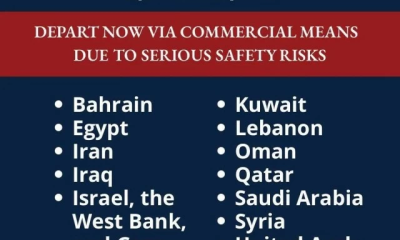
In a significant development reflecting escalating geopolitical tensions in the region, the US State Department issued an urgent and strongly worded warning yesterday (Monday), urging American citizens in more than 14 Middle Eastern countries to leave "immediately." The warning, published on the "X" platform, emphasized the need to utilize currently available commercial transportation options before it is too late, citing "serious security risks" that could threaten the safety of American citizens.
Warning details and immediate action
Assistant Secretary of State for Consular Affairs Maura Namdar emphasized the seriousness of the situation, stating that the State Department strongly urges Americans not to wait and to leave the affected countries immediately via commercial flights that are still operating. Namdar stressed the importance of acting quickly in anticipation of any sudden developments on the ground that could lead to airspace closures or travel disruptions, which could later make government evacuations difficult or impossible.
Context of escalating regional tensions
This strong warning comes amid a highly complex security situation, as the report noted the continuation of US-Israeli strikes against targets linked to Iran, and the accompanying escalating security tensions that are casting a shadow over the stability of the entire region. This action reflects growing US concern about the potential for the conflict to expand to multiple fronts, exposing Western interests and foreign nationals to the risks of retaliation or being caught in the crossfire.
List of countries and regions included
The warning included a broad list of countries and regions considered hotspots or near flashpoints, including Bahrain, Egypt, Iran, Iraq, Israel, and the West Bank and Gaza Strip. The inclusion of relatively stable countries on the list indicates that the US security assessment views the region as a single, interconnected entity directly affected by any potential military escalation.
Background and consular procedures
Historically, the U.S. State Department issues such Level 4 travel warnings (do not travel or leave immediately) when the ability to provide emergency consular assistance is extremely limited. U.S. citizens who choose to remain despite the warning are advised to exercise extreme caution, monitor local news, and enroll in the Smart Traveler Enrollment Program (STEP) to receive security updates and facilitate their location in case of an emergency. This measure underscores that Washington anticipates a potentially prolonged period of instability, necessitating the utmost vigilance.
Politics
UAE intercepts Iranian ballistic missiles: Ministry of Defense statement
The UAE Ministry of Defense announces that it intercepted a barrage of Iranian ballistic missiles and confirms the readiness of its air defenses to protect the country and the safety of citizens and residents.

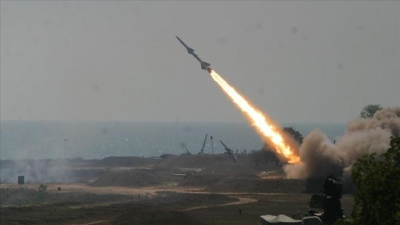
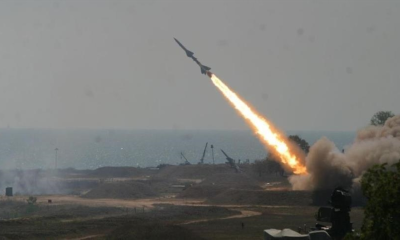
The UAE Ministry of Defense announced in an urgent statement that its air defenses are currently dealing with a barrage of ballistic missiles coming from Iranian territory with high efficiency, noting that the monitoring and tracking systems were able to identify the hostile targets and deal with them as soon as they entered the country's airspace.
The Ministry confirmed in its official statement the complete readiness of the UAE Armed Forces to deal with all security threats, stressing that protecting the country’s territory and the safety of citizens and residents is its top priority, and that it will not hesitate to take all necessary measures to deter any attack that affects the security and stability of the country.
Advanced air defense system
This successful interception reflects the efficiency of the advanced defense system possessed by the United Arab Emirates. Over the past years, the country has invested in building a robust missile shield based on the latest global technologies, including the American THAAD and Patriot systems, which are specifically designed to intercept ballistic missiles at various altitudes, making Emirati airspace among the most secure in the region.
Regional context and geopolitical tensions
This incident falls within a broader context of geopolitical tensions in the Middle East and the Arabian Gulf. Missile programs in the region have long been a source of concern for the international community and neighboring countries, as the use of ballistic missiles is seen as a tool for regional instability and a threat to international shipping lanes and global energy security.
International influences and positions
This attack is expected to draw widespread condemnation from the international community and UN organizations, given its violation of international law and the threat it poses to civilians. Such incidents typically underscore the importance of security and military cooperation between the Gulf Cooperation Council (GCC) states and their international allies to ensure regional stability.
Domestically, the relevant authorities in the UAE continue to reassure the public, stressing that life is proceeding normally and that the country has the full capabilities to protect its national achievements and advanced infrastructure against any potential risks.
Politics
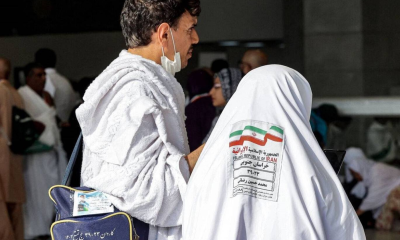
Evacuation of Iranian pilgrims from Saudi Arabia via Iraq: Details
Learn about the details of the evacuation of 9,000 Iranian pilgrims from Saudi Arabia through the Arar border crossing to Iraq, through tripartite diplomatic coordination between Riyadh, Baghdad and Tehran to ensure the safety of the citizens.

The Iranian ambassador to Saudi Arabia, Ali Reza Enayati, announced that Iranian authorities have begun implementing an urgent plan to evacuate their citizens currently performing Umrah in the holy sites. This move coincides with rapidly escalating security developments, as indicated by sources regarding potential attacks targeting locations in the Gulf region, prompting swift diplomatic action to ensure the safety of Iranian citizens.
Details of the evacuation plan and land route
Ambassador Enayati explained in a press statement to Independent Arabia that the transfer of pilgrims would begin that night, with the pilgrims divided into 10 groups to ensure a smooth flow of movement. The logistical plan relies on land transport using buses, with pilgrims departing from Mecca and Medina heading north towards the border city of Arar.
The buses are scheduled to depart Saudi Arabia via the Arar border crossing into Iraq, and then continue their journey overland to Iran. This route is considered a strategic option under the current circumstances, reflecting the high level of coordination between the countries involved to secure safe passage for civilians.
Trilateral diplomatic coordination and official figures
The Iranian ambassador revealed that the number of Iranian citizens currently in Mecca and Medina is estimated at around 9,000 pilgrims. He confirmed that intensive communication has taken place with officials at the Saudi Ministry of Hajj and Umrah to arrange their departure procedures, praising the tangible cooperation from the Saudi authorities in facilitating this humanitarian mission.
Enayati noted that the success of this plan depends largely on close cooperation between the governments of the three countries: Saudi Arabia, Iraq, and Iran. He explained that the Iranian consulates in Jeddah and Iraq are operating as interconnected command centers to monitor the pilgrims' transfer moment by moment until their safe return home.
General context and importance of regional coordination
This operation is of particular importance given the large number of evacuees and the long distances the convoys will travel by land. The Saudi-Iraqi-Iranian cooperation on this matter demonstrates the Kingdom of Saudi Arabia's unwavering commitment to the safety and security of pilgrims of all nationalities, and to providing all necessary facilities for their safe departure, especially during times of crisis or regional tensions.
Iraq's role as a vital transit hub and bridge between neighboring countries is also highlighted, with the Arar border crossing facilitating movement between the Kingdom and Iraq, a function that has been effectively implemented in this emergency plan. These measures underscore the importance of open diplomatic channels and joint consular efforts in managing the affairs and protecting citizens abroad.
-

 Local News 3 days ago
Jeddah Airport alerts for travelers due to airspace closure and flight disruptions
-
Local News 5 days ago
Saudi Arabia approves regulations for the continued presence of Gulf vehicles: duration and penalties
-
Local news one week ago
The Ministry of Interior begins procedures for a royal pardon for common law prisoners
-
Local News 7 days ago
The deadline for property registration in Hail and Riyadh is Thursday
-
Sports one week ago
Tickets for the Al-Ahli vs. Al-Hilal King's Cup match postponed: New date
-
Local News 7 days ago
Under the patronage of the Minister of Information, an agreement was signed between the Ministry of Information and Waves Marketing Company
-
Culture and Art 5 days ago
The Devil's Prisons series was halted: The full story of "The Emperor's" being moved to YouTube
-
Local news one week ago
Saleh Al-Maghamsi appointed Imam of the Prophet's Mosque: Details of the Royal Decree