Politics
With $240 million, Saudi Arabia is fighting landmines and protecting civilians around the world
The Kingdom, represented by the King Salman Humanitarian Aid and Relief Center, has made great efforts over the past years in response to

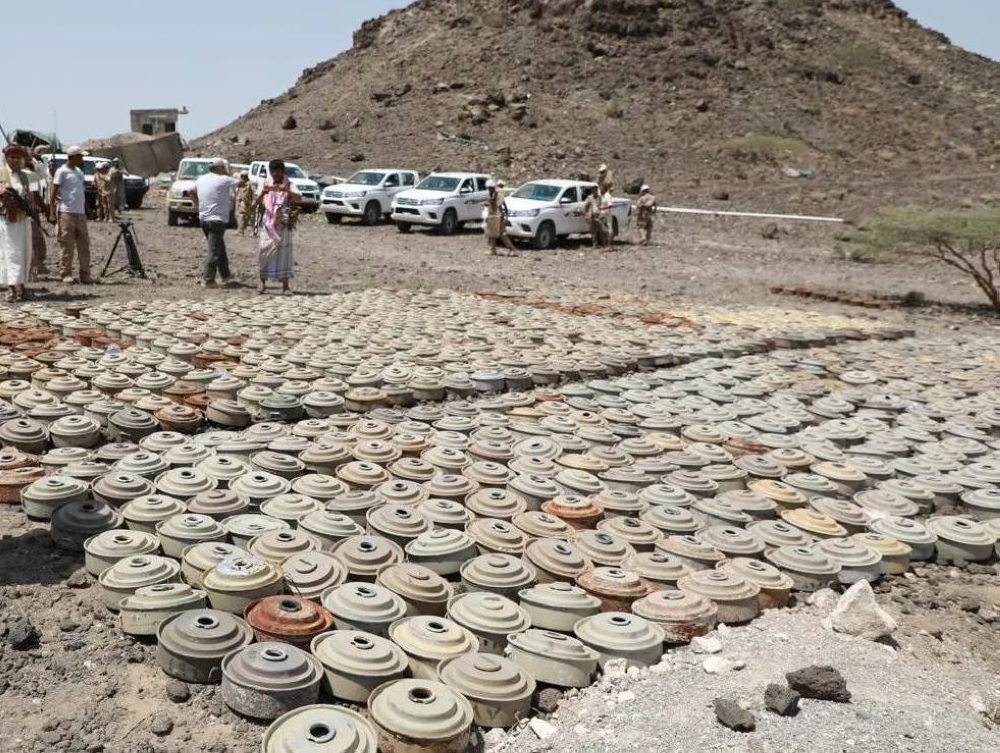
The Kingdom of Saudi Arabia, represented by the King Salman Humanitarian Aid and Relief Center, has made significant efforts over the past years to provide humanitarian assistance to countries facing humanitarian crises, conflicts, and natural disasters around the world. The Kingdom has been keen to offer support that promotes stability and prosperity in these countries and has supported regional and international initiatives and efforts in the field of mine clearance and mitigating the resulting social and economic impacts, striving to protect civilians and achieve a safer and more stable environment. The King Salman Humanitarian Aid and Relief Center has implemented mine clearance projects in Yemen, Azerbaijan, and Iraq, valued at US$241,167,000.
In this context, the Kingdom, through the Center, launched the “Masam” project to clear Yemeni lands of mines in Yemen in June 2018, a humanitarian initiative to help the Yemeni people in confronting this dangerous security phenomenon. It is implemented by Saudi personnel and international experts consisting of 550 employees and 32 trained teams to remove mines of all kinds and forms that were planted randomly in various governorates, with the aim of confronting the direct threats to the lives of the Yemeni people, spreading security in Yemeni regions, and addressing the humanitarian tragedies resulting from the spread of mines.
Since its launch, the project has successfully removed 486,108 landmines, improvised explosive devices (IEDs), and unexploded ordnance (UXO), cleared 65,888,674 cubic meters of land, and established the King Salman Humanitarian Aid and Relief Center's prosthetic limb program in Yemen, which has benefited 25,340 individuals. The program aims to restore hope to landmine victims by providing high-quality prosthetic limbs, training local personnel in prosthetic limb manufacturing techniques, building the capacity of healthcare institutions to ensure the localization and sustainability of services, and rehabilitating victims to become productive members of society capable of working and leading normal lives. The number of prosthetic limb projects in Yemen has reached 34, with a total value of US$39,497,000.
The project's work was not limited to its primary mission of mine removal, but also responded to the call of humanity and the center provided many health and social assistance packages to victims and the injured.
In the context of field efforts to remove mines, workers face severe risks that may lead to loss of life. The number of those who were martyred while performing their duties in the project since its launch until today is about 30 individuals as a result of the explosion of mines or ammunition during the clearance process.
Related News
The King Salman Relief Center’s efforts to combat the spread of mines were not limited to the Yemeni side, but extended to other countries. In January 2024, the center initiated financial grants to clear Azerbaijani lands of mines, with the aim of implementing ongoing reconstruction and rebuilding work to return displaced persons to their homes in the targeted areas, improve the environment, protect civilians, especially women and children, build capacities, provide a safe environment, maintain public health, and reduce the serious effects of mines on the individual and society.
In April 2024, the center funded survey and removal projects for cluster munitions and mines in a number of Iraqi governorates, aiming to achieve a safe mine-free environment for the stability and security of Iraqi citizens, improve their livelihoods, and enable them to carry out their work in agriculture and livestock herding, as well as support and strengthen the Iraqi economy.
On this day, the King Salman Relief Center celebrates the International Day for Mine Awareness, which falls on April 4th of each year, to raise awareness of the dangers of mines, to call for strengthening efforts to combat them and protect lives from them, to build the capacities of workers in this field in affected countries, and to alleviate the suffering of those affected.




Politics
Trump gives Iran 10 days: nuclear deal or dire consequences
Trump gives Iran a 10-day deadline to reach a viable deal amid a US military buildup. Learn about the details of the Geneva negotiations and the mutual threats between Washington and Tehran.

In a remarkable development and an indication of escalating tensions between Washington and Tehran, US President Donald Trump issued a strongly worded warning to the Iranian leadership, giving them a deadline of no more than ten days to reach what he described as a “viable deal,” otherwise Tehran would be exposed to “bad things” and dire consequences, coinciding with the continued US military buildup in the Middle East region.
Details of the deadline and US threats
President Trump's remarks came during the inaugural meeting of the "Peace Council" in Washington, D.C., where he expressed the difficulty of reaching a quick agreement with Iran, noting that history has proven negotiations with Tehran are not easy. Trump stated clearly, "We have to make a worthwhile deal, or bad things will happen... We may have to go a step further, or we may not. You'll probably find out in the next ten days." This statement has put the region on tenterhooks, awaiting developments in the coming days.
Behind the scenes of the Geneva negotiations and the Iranian position
These threats coincide with the second round of indirect talks between the United States and Iran in Geneva, which concluded with both sides declaring their intention to continue the dialogue despite the complexities. For its part, Tehran revealed that it had prepared a draft framework to advance these negotiations, while simultaneously maintaining its sovereign right to uranium enrichment, an issue that has long been a stumbling block to international understandings with the Islamic Republic.
General context: Maximum pressure policy
This warning cannot be separated from the general context of US policy towards Iran, which has been characterized by a “maximum pressure” strategy since Washington’s unilateral withdrawal from the 2015 nuclear agreement. Through this strategy, the US administration seeks to force Tehran to sit at the negotiating table under new conditions that address not only the nuclear program, but also the ballistic missile program and Iran’s regional influence, which Tehran rejects outright, considering it an infringement on its national security.
Military buildup and the language of force
To bolster its negotiating position, Washington went beyond diplomatic pronouncements, resorting to a show of military force. Reports confirmed the deployment of an aircraft carrier hundreds of kilometers from the Iranian coast, the dispatch of another carrier to the region, and the deployment of squadrons of advanced warplanes and tens of thousands of troops to surrounding regional bases. This military buildup sends a clear message: the military option remains on the table should diplomacy fail.
The repercussions of this situation on the stability of the region
This escalation is raising widespread concerns both regionally and internationally, as any potential military confrontation, or even the “bad things” Trump has threatened, could destabilize the vital Gulf region, a crucial hub for global energy supplies. Political and economic circles are watching the ten-day deadline with bated breath, as its outcome could shape the relationship between the two countries and the future of security in the Middle East for a long time to come.
Politics
The Foreign Minister receives a message from Russia on the occasion of the centenary of relations
The Foreign Minister received a message from his Russian counterpart on the occasion of 100 years of Saudi-Russian relations. Learn more about the meeting and the history of the strategic partnership between the two countries.
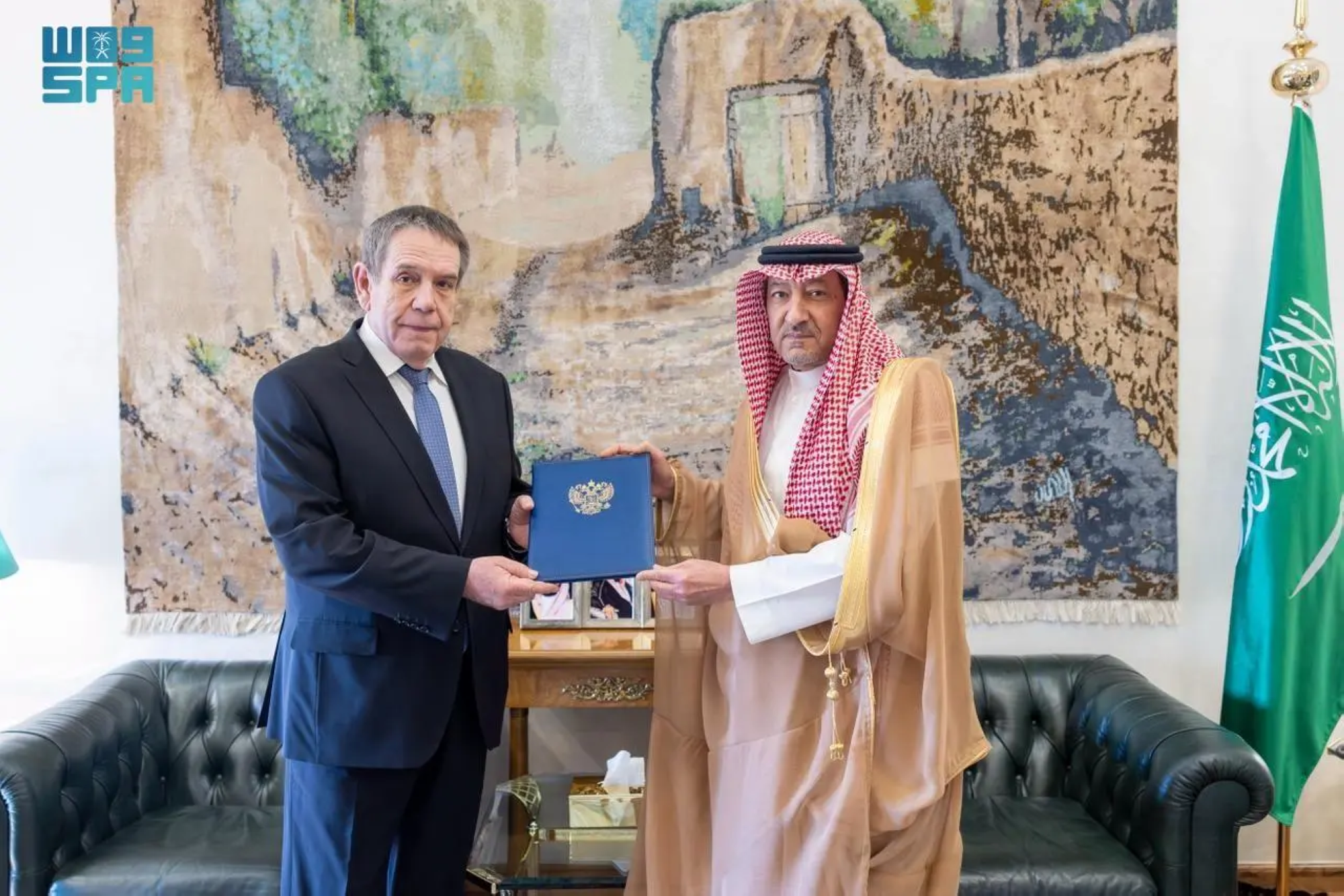
In a move to strengthen the historic diplomatic ties between the Kingdom of Saudi Arabia and the Russian Federation, His Royal Highness Prince Faisal bin Farhan bin Abdullah, Minister of Foreign Affairs, received a written message from His Excellency Sergey Lavrov, Minister of Foreign Affairs of the Russian Federation. This message comes as the two friendly countries celebrate the 100th anniversary of the establishment of diplomatic relations, reflecting the depth of their partnership and ongoing cooperation over the decades.
Details of the diplomatic meeting in Riyadh
The message was received on behalf of His Royal Highness the Minister of Foreign Affairs by His Excellency the Deputy Minister of Foreign Affairs, Engineer Waleed bin Abdulkarim Al-Khuraiji, during his meeting today, Thursday, at the Ministry's headquarters in Riyadh, with the Ambassador of the Russian Federation to the Kingdom, Sergey Kozlov. The meeting took place in a cordial atmosphere, during which congratulations were exchanged on this important historical occasion, which represents a milestone in the development of relations between Riyadh and Moscow.
A historical depth spanning a century
This occasion is particularly significant given the historical background of relations between the two countries. Russia (formerly the Soviet Union) was the first non-Arab state to recognize the Kingdom of Saudi Arabia (then the Kingdom of Hejaz, the Sultanate of Najd, and its dependencies) in 1926, thus establishing a unique relationship built on mutual respect. Over the past century, these relations have witnessed numerous developments and phases, culminating in the current strategic partnership that encompasses a wide range of fields.
The importance of strategic partnership and its international impact
The celebration of the centenary of relations is not merely a matter of protocol; it reflects the significant weight of both countries on the international stage. The Kingdom and Russia play a pivotal role in stabilizing global energy markets through their leadership of the OPEC+ alliance, in addition to their ongoing coordination on regional and international political issues of mutual interest. The exchange of messages between the two foreign ministers at this time underscores the desire of both sides to leverage this historical legacy to strengthen economic and political cooperation in a way that serves the interests of both nations and supports international peace and security.
The meeting concluded with a review of several bilateral topics and ways to develop them, in addition to discussing issues of common interest, which confirms the continued momentum in Saudi-Russian relations towards broader horizons in the second century of relations.
Politics
Dozens killed in attacks by the Lakurawa group in Nigeria
Details of the killing of more than 30 people and the destruction of 7 villages in bloody attacks launched by the Lakurawa jihadist group in Kebbi State, northwest Nigeria, and the theft of residents’ livestock.
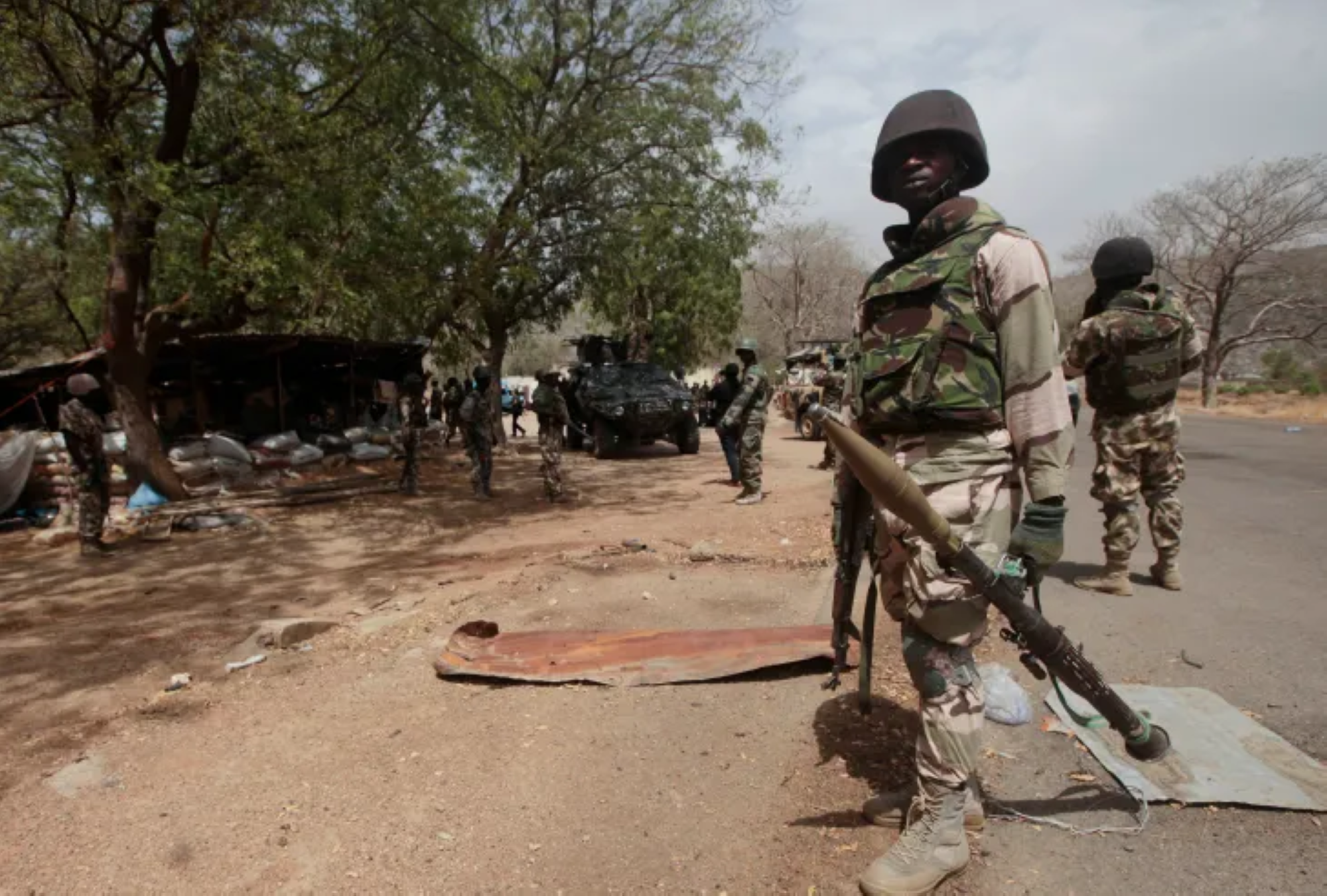
Kebbi State in northwestern Nigeria has witnessed a serious security escalation, as fighters belonging to the Lakurawa jihadist group carried out a series of coordinated armed attacks, killing dozens of civilians and completely destroying seven villages, in an incident that reflects the deteriorating security situation in the region.
In detailing the horrific incident, Kebbi State Police spokesperson Bashir Usman explained that armed elements launched a surprise attack on villages in the Bui area of the Ariwa Administrative Region. The targeted villages included Mamono, Awasaka, Tungan Tsuho, Makangara, Kanzo, Goron Naidal, and Dan Mai Agu. Usman noted that local residents bravely attempted to resist the attackers and defend their property, but the intensity of the gunfire employed by the armed group resulted in the deaths of dozens of civilians.
Security reports from the scene confirmed that the attacks resulted in the deaths of more than 30 villagers, while local accounts from a survivor indicated that the death toll could exceed 35. The attackers not only killed and destroyed property but also looted and stole livestock, the primary source of income for the residents of these rural areas, before fleeing. Security forces responded to the incident, with joint units of the army and police, supported by local militias, deployed to secure the area and pursue the perpetrators.
These attacks come amid a complex security situation in northwestern Nigeria, where the activities of criminal gangs known as "bandits" intertwine with those of extremist jihadist groups. The emergence of the Lakurawa group and its increasing activity in Kebbi and Sokoto states indicate a qualitative shift in security threats. These groups exploit porous border areas and vast, uncontrolled spaces to launch attacks against civilians and security forces, exacerbating the humanitarian crisis and fueling internal displacement.
Tragically, this massacre occurred just days after Kebbi province hosted the Argungo International Hunting Festival, a major cultural event listed by UNESCO as an Intangible Cultural Heritage. The attack took place in the Ariwa area, only about 60 kilometers from the festival site, casting a dark shadow over government efforts to promote tourism and revive cultural heritage amidst ongoing security challenges that threaten the region's stability and the safety of its inhabitants.
-

 Culture and Art, 1 week ago
The "Between and Between" exhibition in Jeddah: 5 artists reshape Saudi memory
-
Local News 6 days ago
Saudi Arabia's National Arabic Language Policy: 8 Principles to Promote Identity
-
Culture and Art, 1 week ago
Shakira's concert in Jeddah: Details of the international star's first concert in Saudi Arabia
-
Local News 5 days ago
Adopting the National Policy for the Arabic Language: Strengthening Identity and Vision 2030
-
Local News 6 days ago
The Riyadh-Rin-Bisha dual carriageway, spanning 559 km, has been completed
-
Culture and Art, 1 week ago
Ramez Level the Monster: Details of Ramez Galal's program in Ramadan 2026
-
Local news two days ago
Human Resources sets the date for the 2026 Founding Day holiday for both sectors
-
Local news one week ago
Launch of the new Dammam project with investments of 98 billion riyals