
Politics
Will the Lebanese president appear on January 9th?
Will the session to "elect a president for the Lebanese Republic," called for by Speaker of Parliament Nabih Berri at the beginning of the new year (January 9), be held?

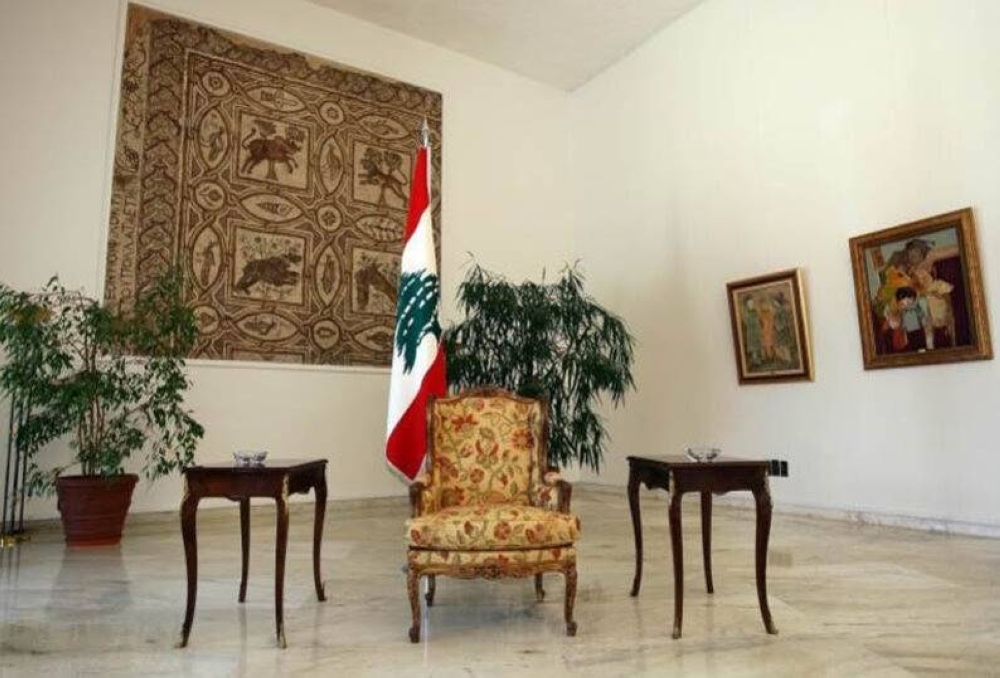
Will the session to elect a president for the Lebanese Republic, called for by Speaker of Parliament Nabih Berri at the beginning of the new year (January 9, 2025), be the 13th session in a series of (futile) election sessions? In other words, will this session repeat the scenario of its predecessors' failure, or will it actually be a decisive step towards electing a new president for Lebanon? The question becomes more important in light of numerous indicators of changing political realities after the ceasefire agreement between Lebanon and Israel, despite the violations that the concerned countries pledged to address.
Before seeking answers to these questions, it is necessary to revisit the last presidential election session held on June 14, 2023. That session revealed a sharp parliamentary divide, with the votes split between candidates Suleiman Frangieh and Jihad Azour at 59-51, reflecting a delicate balance in the parliamentary landscape. Since then, Berri has refrained from calling for any new election session, stipulating that prior dialogue must take place under his chairmanship within the Parliament. Later, he justified his postponement of the sessions by citing the war and its absolute priority, emphasizing that the election of a president would not be possible until a ceasefire was reached.
Today, with the signing of the ceasefire agreement, the Speaker of Parliament had no choice but to honor his commitment, which prompted him to set a new date for the election session.
But what fuels optimism that the January 9th session will witness the election of a new president? And what reasons lead to the belief that it might fail like its predecessors? Reasons to believe that a president will be elected for Lebanon on January 9th, and that it will be a momentous and historic day:
At first, Berri succeeded in suggesting that the 13th presidential election session would be serious and fruitful, given that it would be under the watchful eyes of ambassadors, especially those of the (Quintet) countries.
When asked about the approach of the Shiite duo (Hezbollah) and (Amal Movement) to the specifications of the next president after the developments that have taken place, he explained that it is not necessary for him to be close to (the Movement) and (the Party)... “But the important thing is that he is not hostile to them or to any other component.”.
Second: The presidential election process represents an undeclared part of the ceasefire agreement and of the side understandings that were reached, the most important of which were the American-Israeli understandings regarding guarantees on implementation and its mechanisms, and the American-Lebanese understandings regarding the reconstitution of authority. This is what the American envoy Amos Hochstein revealed, that the agreement is not limited to southern Lebanon but includes all of Lebanon, in an indirect reference to monitoring and political steps, the first of which is the election of a president of the republic. Therefore, failure to adhere to these steps or understandings will be considered a violation of the ceasefire agreement.
Third: International support for Lebanon, in both its political and financial aspects, is also conditional on the establishment of a complete institutional framework and an authority capable of making and implementing decisions.
Electing a president confirms Lebanon’s seriousness in restoring the constitutional institutional situation, forming a reform government, and opening the door to aid and support, especially for the Lebanese army, on whose role and performance the success of the implementation of the agreement and the transition from a state of truce to the end of the war depends.
Fourth: The clear change in the political atmosphere and positions, which serves to calm the situation and reach an internal settlement based on new rules and foundations, and pushes towards electing a president for the republic, especially after Hezbollah gave signals indicating its preference for political action over military action and its readiness to enter the political arena.
As for the reasons that led to the failure, they were caused first by one of the appearances of President Donald Trump’s advisor on Arab and Middle Eastern affairs, Paul Massad, who called for patience and not rushing to elect the president, considering that whoever waited two years or more could wait two or three months.
Observers have paused at this statement, which means that Trump’s team is dealing with the January 9 session coldly, as long as Lebanon is still under observation and monitoring of its commitment to implementing the ceasefire resolution, especially Hezbollah’s commitment to withdrawing from its positions, and the army’s ability to eliminate armed manifestations and not be lenient with Hezbollah. This in itself constitutes a test for the army commander, who is the most favored candidate among the Americans.
Perhaps the Trump administration wants to put its stamp on this entitlement, and therefore postpone its resolution until after President Trump’s inauguration on January 20.
The two American administrations (Biden and Trump) agreed on the aforementioned settlement (ceasefire), but it does not appear to be final, given the regional developments taking place, whether on the Palestinian issue or the Syrian issue, and the possibilities that may undermine the fragile ceasefire between Lebanon and Israel, and the negotiations with Tehran are still unclear.





Politics
The Crown Prince contacted the King of Morocco to inquire about his health
Crown Prince Mohammed bin Salman made a telephone call to King Mohammed VI of Morocco to check on his health, in a gesture that reflects the depth of the historical and strategic relations between the two countries.
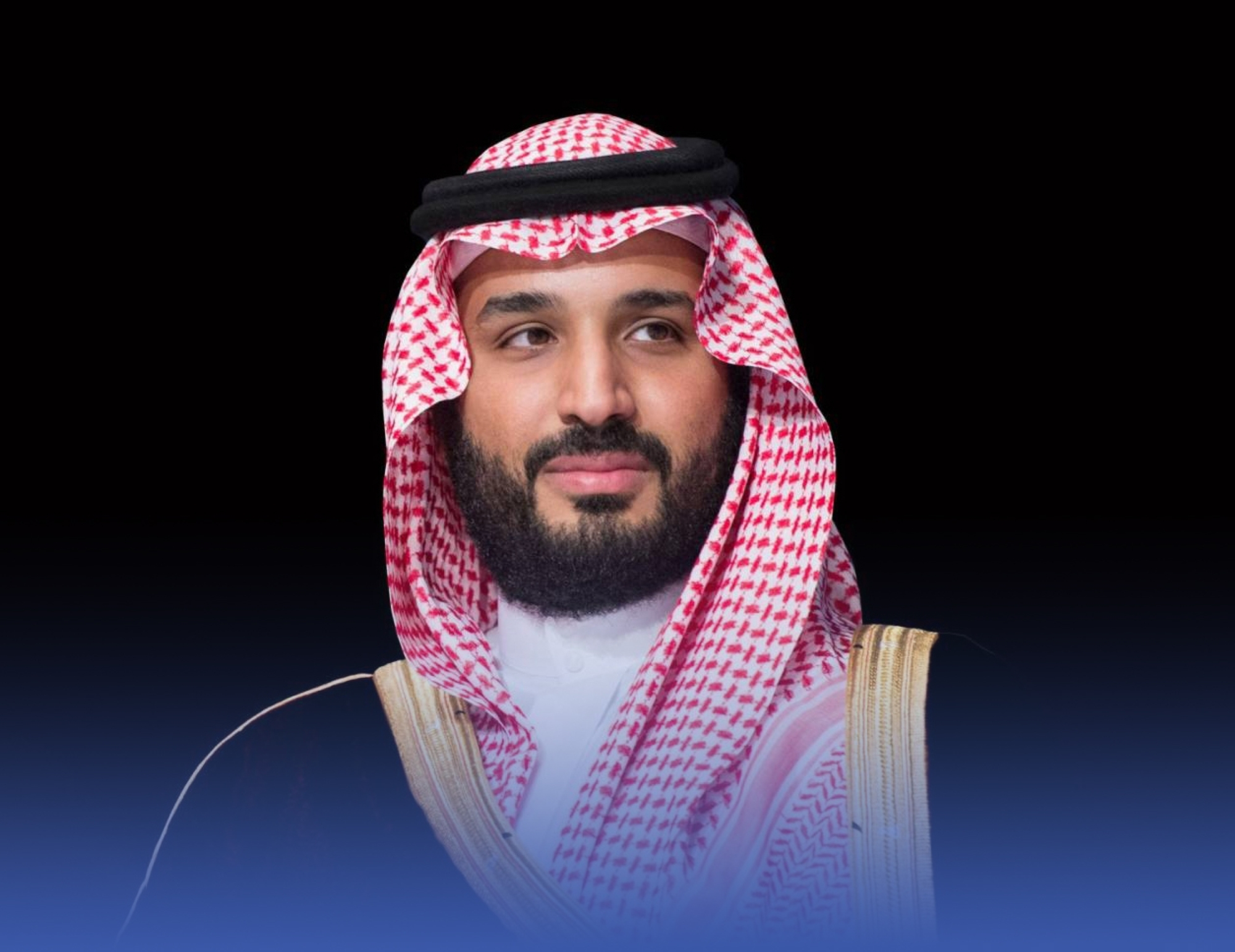
In a fraternal gesture reflecting the depth of the personal and historical ties between the leaderships of the two brotherly countries, His Royal Highness Prince Mohammed bin Salman bin Abdulaziz Al Saud, Crown Prince and Prime Minister, made a telephone call to His Majesty King Mohammed VI, King of the Kingdom of Morocco.
During the call, His Royal Highness the Crown Prince inquired about the health of His Majesty King Mohammed VI, expressing his sincere wishes for his continued good health and well-being. For his part, His Majesty the King of Morocco expressed his deep gratitude and appreciation to His Royal Highness the Crown Prince for these sincere and noble sentiments, which reflect the strength of the distinguished bilateral relations between the two kingdoms.
Historical background and established relationships
This contact is not merely a protocolary gesture, but a natural extension of the long-standing historical and strategic relationship between the Kingdom of Saudi Arabia and the Kingdom of Morocco. This relationship rests on solid foundations of Islamic solidarity, Arab identity, and a shared destiny, in addition to the close ties between the two countries' royal families. Riyadh and Rabat have consistently stood shoulder to shoulder in various regional and international forums, maintaining continuous coordination and converging visions on key regional and global issues, making their partnership a model for Arab-Arab relations.
Strategic and diplomatic importance
Such high-level contacts are of paramount importance, especially given the challenges facing the Arab region. They not only contribute to strengthening bilateral relations on the political and economic levels, but also send a clear message about the continuity of the strategic alliance between the two countries, which is considered a cornerstone of security and stability in the Arab and Islamic worlds. Furthermore, inquiring about the health of His Majesty King Mohammed VI, who enjoys a prominent position on the international stage, reflects Saudi Arabia's interest in the stability and prosperity of the Kingdom of Morocco, which has a positive impact on the entire region.
Humanitarian implications and reassuring messages
This contact comes in a context that highlights the human dimension of relations between the leaders, something highly valued in Arab culture. The Crown Prince's personal concern for the health of King Mohammed VI underscores that the relationship between the two countries transcends official frameworks, reaching the level of genuine brotherhood. At the same time, this gesture carries reassuring messages to the Moroccan people and to regional and international partners regarding His Majesty's health, thus strengthening confidence and stability. This direct communication affirms the ongoing consultation and coordination between the two leaderships to address shared challenges and realize the aspirations of their peoples for greater progress and prosperity.
Politics
Saudi Arabia supports Yemen with 9 new health and education projects
The Saudi Program for the Development and Reconstruction of Yemen signs an agreement to implement 9 vital projects in the health and education sectors in Yemeni governorates, with the aim of improving basic services and supporting stability.
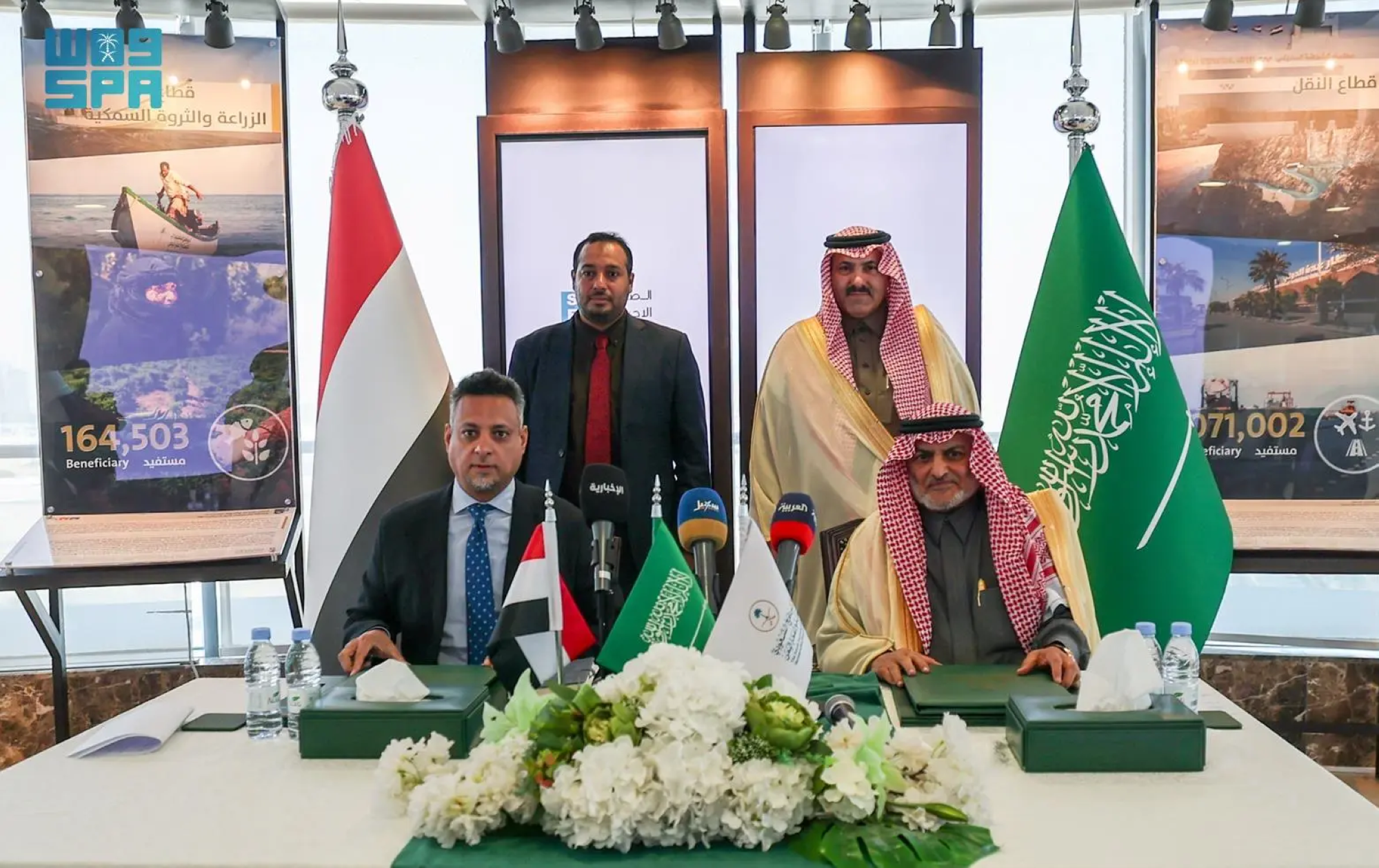
In a further step reaffirming Saudi Arabia's continued support for the Yemeni people, the Saudi Development and Reconstruction Program for Yemen (SDRPY) signed an agreement on Sunday to implement nine vital development projects in partnership with the Social Fund for Development in Yemen. These projects directly target the health and education sectors, which are among the most severely affected, and represent an extension of the Kingdom's efforts to support Yemeni state institutions and ensure the continued provision of services to citizens.
The context of support and its strategic importance
This support comes amidst complex humanitarian and economic conditions in Yemen, where years of instability have led to the deterioration of basic infrastructure, particularly health and education facilities. The Kingdom of Saudi Arabia, through its development arm, the Saudi Program for the Development and Reconstruction of Yemen, plays a pivotal role in rebuilding what has been damaged and contributing to stability and sustainable development. Since its inception, the program has implemented more than 268 projects and initiatives across eight key sectors, including health, education, water, energy, transportation, and others, reflecting a long-term commitment to supporting Yemen on all levels.
Health projects to save lives and improve care
The new package includes four high-quality health projects aimed at expanding medical services in underserved areas. These projects include:
- Establishing the rural eye hospital in Al-Mawasit, Taiz: to provide integrated medical services to the residents of rural areas.
- Establishing Al-Dhali Rural Hospital: To enhance the capacity of the health sector in the governorate.
- Establishing and equipping the Maternity and Childhood Center in Ras Al-Ara, Lahj: This is a vital project to reduce maternal and newborn mortality rates.
- Establishing and equipping an emergency obstetrics center in Ras Al-Ara, Lahj: to ensure a rapid response to critical cases and cesarean births.
These facilities will be equipped with the latest medical equipment, including emergency departments, specialized clinics, operating rooms, intensive care units, laboratories, and blood banks, which will contribute to improving safe birth rates and providing decent healthcare for citizens.
Building the future of generations through education
On the educational front, the agreement includes five projects to build model schools in the governorates of Ma'rib, Lahj, Al Dhale'a, Shabwa, and Abyan. The design of these schools goes beyond simply providing classrooms; it focuses on creating a stimulating and integrated learning environment. The schools will include science and computer labs, sports facilities, and administrative offices, all furnished with modern school furniture. Most importantly, their design takes into account the needs of students with disabilities, ensuring their inclusion and facilitating their movement within the school environment. These projects are expected to contribute to raising the quality of education, reducing classroom overcrowding, and equipping students with the practical and technical skills necessary for their future.
Expected impact extends beyond construction
The anticipated impact of these projects extends far beyond mere construction. Locally, they will provide employment opportunities for skilled Yemenis in the health and education sectors and will bolster the stability of local communities by delivering essential services. Nationally, they represent direct support to the Yemeni government in fulfilling its duties and serving its citizens, thereby strengthening its legitimacy and its ability to establish stability. The signing ceremony was attended by high-level representatives, including the Saudi side, represented by the program's General Supervisor, Ambassador Mohammed bin Saeed Al Jaber, and the Yemeni side, represented by the Executive Director of the Social Fund for Development, Hossam Qaid, along with the Yemeni Ministers of Health and Education, underscoring the strong coordination and effective partnership between the two sides.
Politics
Yasser Galal calls for teaching digital citizenship to protect children in Egypt
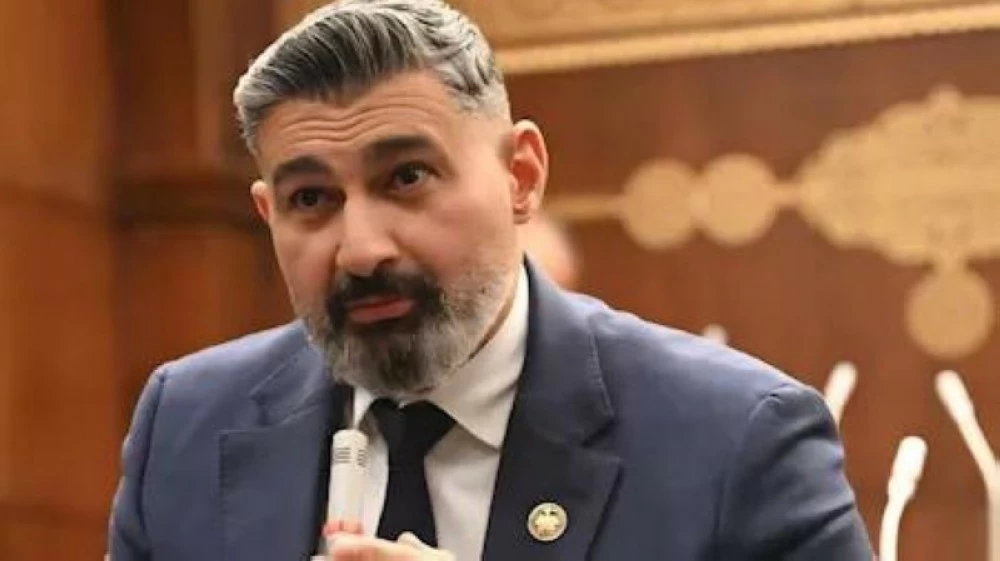
Senator Yasser Galal called for the inclusion of digital citizenship in school curricula as a proactive step to protect children from cyberbullying and the dangers of the internet.
A proactive call to protect future generations
In a move reflecting a growing awareness of the impact of the digital age, MP Yasser Galal, Deputy Chairman of the Culture and Media Committee in the Egyptian Senate, called for a shift from a reactive to a proactive approach to address the challenges posed by the internet and social media to children and youth. His call came during a Senate plenary session, chaired by Counselor Essam Farid, where he emphasized that protecting future generations is a shared societal responsibility.
What is “digital citizenship” and why is it necessary?
Jalal emphasized the importance of including the concept of “digital citizenship” in Egyptian school curricula. Digital citizenship refers to the set of rules, standards, and behaviors aimed at the safe, responsible, and ethical use of technology. This call comes in the context of the massive digital transformation the world and Egypt are witnessing, where children and adolescents are spending long hours online, exposing them to various risks such as cyberbullying, digital addiction, exposure to inappropriate content, and privacy violations.
General context: Egypt at the heart of the digital revolution
Over the past decade, Egypt has witnessed a dramatic surge in internet penetration and smartphone usage, making the digital world an integral part of millions of families' lives. This technological revolution has brought with it new challenges that were previously nonexistent. Integrating digital citizenship into education is no longer a luxury, but a pressing necessity to equip students with the skills to navigate this virtual world consciously and maturely, transforming them from passive consumers of content into active and engaged participants.
Expected impact extends beyond classrooms
Implementing this proposal will not only protect children within schools but will also shape a new societal culture. When students learn how to verify information, respect intellectual property, protect their personal data, and combat bullying, they contribute to building a safer digital environment for everyone. Regionally, such an initiative could serve as a leading model for other Arab countries facing similar challenges, strengthening collaborative efforts to create a safe and responsible Arab cyberspace.
Jalal explained that the goal of regulating children's internet use is not to restrict their freedom or prevent them from keeping pace with technological advancements, but rather to protect them and guide them towards making the most of the internet's potential while avoiding its risks. He emphasized that this responsibility does not fall solely on the government and educational institutions, but is a shared responsibility that families must also undertake through continuous monitoring and guidance.
Parallel artistic activity
On another note, and away from the political arena, actor Yasser Galal is preparing to compete in the upcoming Ramadan season with the series "They All Love Mody." The show falls under the category of light social comedy and features a stellar cast including Mervat Amin, Ayten Amer, Salwa Othman, and Huda El-Etreby. Written by Ayman Salama and directed by Ahmed Shafik, the series promises a diverse entertainment experience for viewers during the holy month.
-
 Local news one week ago
Landslide in Riyadh: Details of the incident in Al-Sahafa neighborhood and containment efforts
-
 Local news one week ago
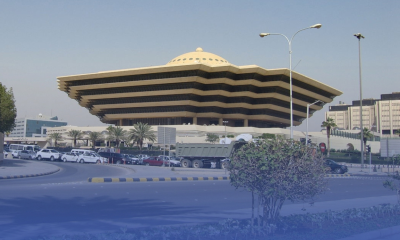
The death penalty was carried out against a citizen who stabbed another to death in Tabuk
-
 Culture and Art 7 days ago
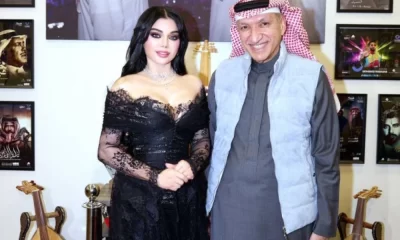
Haifa Wehbe's absence in Riyadh: A photo crisis or a strained relationship with the media?
-
 Local news one week ago
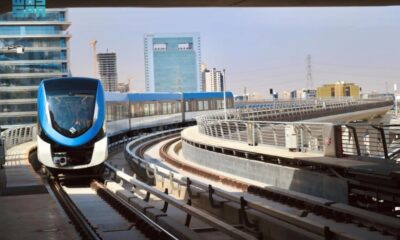
First birth on the Riyadh train: A heartwarming story at Andalus station
-
 Local news one week ago
Riyadh collapse: Emergency plans to secure water after a main pipeline burst
-
 Culture and Art 7 days ago
City Kitchen series: A drama of conflict and the middle class during Ramadan
-
 Culture and Art 7 days ago
The series "Kasra": Dawood Hussein in a moving social drama this Ramadan
-
 Local News 6 days ago
Applying for the 1447 Opportunities Program for Teachers via the Fares System