Politics
Warning: A humanitarian catastrophe is looming in El Fasher
A health catastrophe looms in El Fasher; shortages of medicines and supplies threaten the lives of residents. Learn about the challenges and possible solutions in this article.

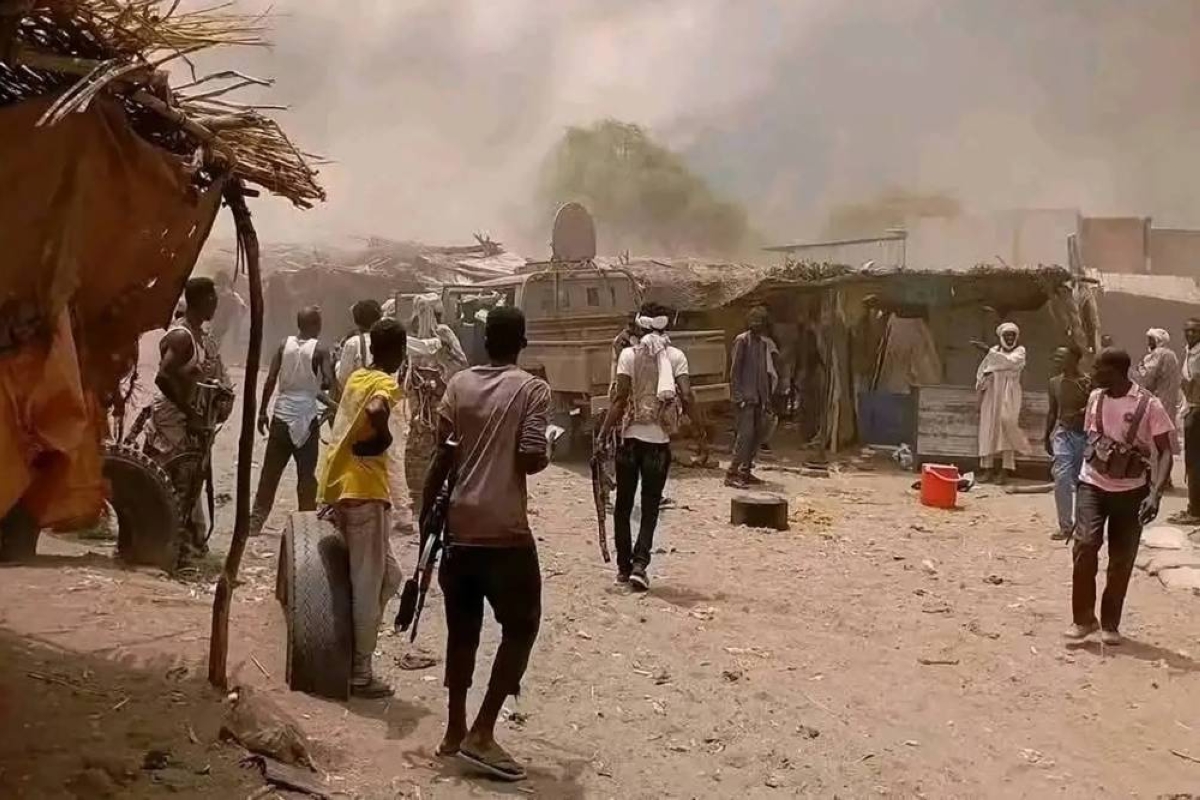
The health situation in El Fasher: challenges and solutions
El Fasher, the capital of North Darfur State in Sudan, is facing significant health challenges due to shortages of essential medicines and medical supplies. This situation is causing considerable concern among doctors and the local community, as illnesses and injuries are on the rise without sufficient resources to address them.
The importance of providing essential medicines
Essential medicines, such as antibiotics and treatments for chronic diseases, play a vital role in maintaining public health. A shortage of these medicines makes it difficult to control diseases and prevent their worsening. Therefore, it is crucial to work urgently to ensure the availability of these medicines to avert a potential humanitarian catastrophe.
The role of humanitarian organizations and international coordination
International and regional humanitarian organizations are an essential part of the solution. These organizations can provide the necessary support, in coordination with local authorities, to ensure the safe and effective delivery of medical supplies to the city. Establishing safe humanitarian corridors is a crucial step to guarantee the unimpeded flow of aid.
Supporting medical staff
Medical staff work under extremely difficult conditions and with limited resources. Supporting these professionals is crucial to ensuring the continued provision of healthcare to those in need. This support can include providing the necessary training and technical resources to help them perform their duties more effectively.
Political challenges and their impact on the health situation
The complex political situation in Sudan is exacerbating the current health crisis. The ongoing conflict between government forces and the Rapid Support Forces has led to the blockade of some areas, further hindering the delivery of medical and food supplies to those in need.
The need for governmental and international intervention
It is crucial that health authorities, in cooperation with UN organizations, intervene to provide urgently needed assistance. Effective coordination between different entities can contribute to alleviating human suffering and improving the overall health situation of the affected population.
Conclusion: Towards a better future for public health
Despite the significant challenges facing El Fasher, cooperation between the international and local communities can make a substantial difference. By combining efforts and providing the necessary support, health conditions can be improved and a better life ensured for the affected population.




Politics
Crown Prince and Syrian President's Call: Rejection of any threat to the Kingdom's security
Crown Prince Mohammed bin Salman received a call from Syrian President Ahmed al-Sharaa, in which he affirmed his country’s solidarity with the Kingdom and its rejection of any threat to its security and stability in light of the escalation in the region.
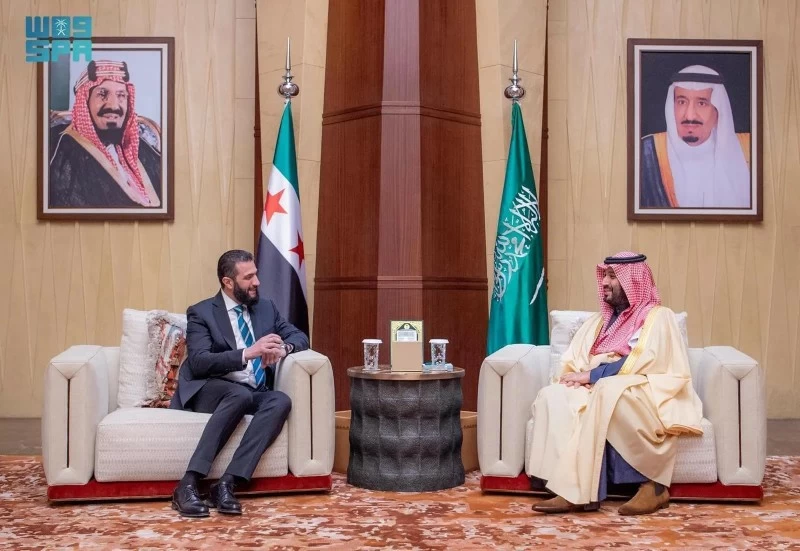
His Royal Highness Prince Mohammed bin Salman bin Abdulaziz Al Saud, Crown Prince and Prime Minister, received a telephone call today (Sunday) from Syrian President Ahmed Al-Sharaa, in a move that reflects the continued coordination and consultation between the leaderships of the two countries in light of the delicate circumstances the region is going through.
Discussing the latest developments in the military escalation
During the call, they discussed the rapidly evolving situation and military escalation in the Middle East, reviewing the current circumstances and the efforts underway to contain the crises in a way that protects the people and their resources. This call comes at a critical time, necessitating the highest levels of coordination among Arab states to confront shared challenges.
Full Syrian solidarity with the Kingdom
During the call, Syrian President Ahmed al-Sharaa reaffirmed his country's unwavering support for the Kingdom of Saudi Arabia, emphasizing Damascus's complete solidarity with Riyadh. President al-Sharaa expressed Syria's categorical rejection of any attempt to violate the Kingdom's sovereignty or undermine its security and stability, considering the Kingdom's security an integral part of the security of the entire region.
The importance of the Saudi role in regional stability
This affirmation is of paramount importance given the pivotal role of the Kingdom of Saudi Arabia as a cornerstone of stability in the Arab and Islamic worlds. Under the leadership of the Custodian of the Two Holy Mosques and His Royal Highness the Crown Prince, the Kingdom plays a leading role in promoting international peace and security, making the preservation of its security a top priority for all brotherly and friendly nations.
Context of relations and joint Arab action
Analysts indicate that such high-level contacts reflect a keenness to activate channels of joint Arab action and unify visions regarding security threats. The military escalation in the region necessitates a unified Arab stance that rejects foreign interference and protects Arab states against any dangers that might threaten their national sovereignty. The Syrian president's emphasis on rejecting any infringement upon the Kingdom's security serves to bolster Arab solidarity in the face of rapidly evolving geopolitical circumstances.
In conclusion, this contact highlights the depth of fraternal relations and mutual concern for the security and stability of the two countries, stressing that direct dialogue between leaders is the best way to overcome crises and achieve the aspirations of the peoples for security and prosperity.
Politics
Israel claims to have killed 6 Iranian commanders, Tehran denies it: The full story
The Israeli military announced the killing of six Iranian officials, including the defense minister and Ali Shamkhani, in airstrikes. Tehran denied the claims and confirmed the safety of its leaders. Here are the details.
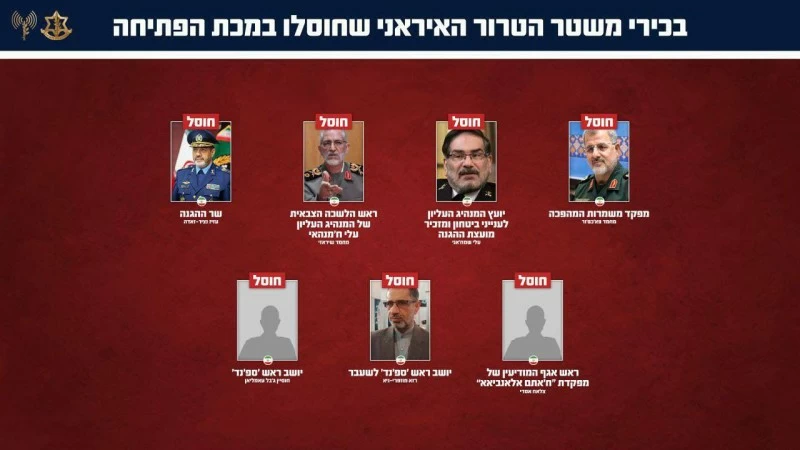
In a remarkable development in the Middle East, the Israeli army published a list containing the names of six senior Iranian officials, claiming they were killed in a series of airstrikes targeting strategic sites inside Iran on Saturday. Tehran quickly denied the claim outright, describing it as psychological warfare.
List of targeted names and their sensitive positions
According to a statement issued by the Israeli army, the alleged military operations resulted in the elimination of key figures in the Iranian military and political establishment. The list included Iranian Defense Minister Aziz Nasirzadeh , Secretary of the Supreme National Defense Council and senior advisor Ali Shamkhani , and the commander of the Islamic Revolutionary Guard Corps' Ground Forces, Mohammad Pakpour . It also included intelligence official Saleh Asadi , defense researchers Hossein Jabal Amelian and Reza Mozaffari Nia , and veteran defense liaison Mohammad Shirazi .
The connotations of names and their strategic impact
These names hold paramount importance in the Iranian power structure. Ali Shamkhani has been one of the architects of Iranian security policies for decades, while Mohammad Pakpour spearheads the Revolutionary Guard's field operations. Targeting figures of such stature, if confirmed, would not only represent a loss of life but also a significant blow to Tehran's command and operational structure, potentially creating a temporary gap in military and security decision-making.
Tehran responds: All leaders are fine
In contrast, Tehran categorically denied the Israeli account. Iranian official sources, including statements attributed to the Foreign Ministry, confirmed that all the leaders named on the list were safe and carrying out their duties normally. Tehran considered the publication of these names to be part of a "psychological warfare" and propaganda campaign waged by Israel to cover up events in the region and an attempt to boost Israeli morale by claiming fictitious victories.
Regional conflict context and historical background
These claims and counter-claims come within the broader context of the ongoing "shadow war" between Israel and Iran. Historically, the relationship between the two sides has been marked by escalating tensions, including cyberattacks, attacks on ships, and assassinations of nuclear scientists and military leaders, making it extremely difficult to verify information in the initial hours.
International observers believe that such announcements, whether accurate or falling under the category of media warfare, contribute to raising the level of tension in the region, and may lead to an escalation with unforeseen consequences that affect the stability of the Middle East and global energy markets.
Politics
The Saudi and Kuwaiti defense ministers condemn the Iranian attacks
Prince Khalid bin Salman received a call from the Kuwaiti Minister of Defense. Both sides condemned the Iranian attacks and affirmed their commitment to utilizing all available resources to preserve the security and stability of the region.

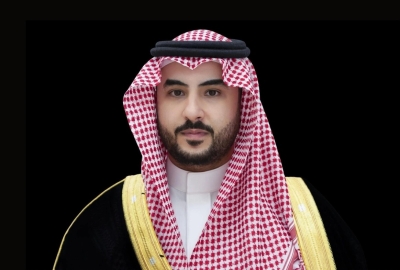
His Royal Highness Prince Khalid bin Salman bin Abdulaziz, Minister of Defense, received a telephone call from His Excellency Sheikh Abdullah Ali Abdullah Al-Salem Al-Sabah, Minister of Defense of the State of Kuwait, during which they reviewed bilateral relations and discussed the serious security developments taking place in the region.
Joint condemnation and full solidarity
During the call, both sides expressed their strong condemnation of the Iranian attacks targeting the Kingdom of Saudi Arabia and the State of Kuwait, as well as several other countries in the region. The two ministers affirmed that these hostile acts constitute a flagrant violation of international laws and norms, and a direct undermining of regional and international security and stability. They emphasized their complete solidarity and unified stance in confronting these threats, and affirmed their determination to utilize all available resources to support all measures taken to preserve the security and territorial integrity of both countries.
The depth of Saudi-Kuwaiti relations
This contact comes within the framework of ongoing coordination and continuous consultation between the military leaderships of the Kingdom of Saudi Arabia and the State of Kuwait, reflecting the depth of the historical and fraternal relations that bind the two brotherly countries. Saudi-Kuwaiti relations are characterized by a unique nature based on ties of blood, history, and a shared destiny. Over the decades, these relations have formed a fundamental pillar of stability for the Gulf Cooperation Council and a bulwark against external challenges.
The importance of security coordination in light of regional tensions
This high-level military coordination is of paramount importance given the delicate circumstances in the Middle East, where the need for unified Gulf positions to deter any attempts at destabilization is growing. Experts and observers emphasize that the security of Saudi Arabia and Kuwait is indivisible, and that any threat to one is a direct threat to the other and to the entire Gulf Cooperation Council.
A firm message to maintain stability
This contact and the resulting firm stances carry a clear message to the international community and hostile parties, namely that the Gulf states possess the political will and defense capabilities necessary to protect their national gains and secure global energy sources and shipping lanes, and that they will not hesitate to take whatever measures are necessary to deter any aggression that threatens the safety of their people.
-

 Local News 3 days ago
Saudi Arabia approves regulations for the continued presence of Gulf vehicles: duration and penalties
-
Local News 6 days ago
The Ministry of Interior begins procedures for a royal pardon for common law prisoners
-
Local news one week ago
19 requirements to reduce dust from projects in Riyadh and fines for violators
-
Politics, one week ago
Trump plans to create a $2 billion alternative to the World Health Organization
-
Local news 14 hours ago
Jeddah Airport alerts for travelers due to airspace closure and flight disruptions
-
Culture and Art, 1 week ago
Amr Diab appears with his four sons and a highly anticipated concert in Türkiye
-
 Local news one week ago
Three billion riyals deposited as Ramadan aid for social security beneficiaries
-
Local News 5 days ago
The deadline for property registration in Hail and Riyadh is Thursday