Politics
US contacts to arrange a meeting between Putin and Zelensky
The United States is seeking to bring Putin and Zelensky to the negotiating table to end the Ukrainian conflict, intensifying diplomatic efforts to achieve peace.

html
US diplomatic efforts to resolve the Ukrainian conflict
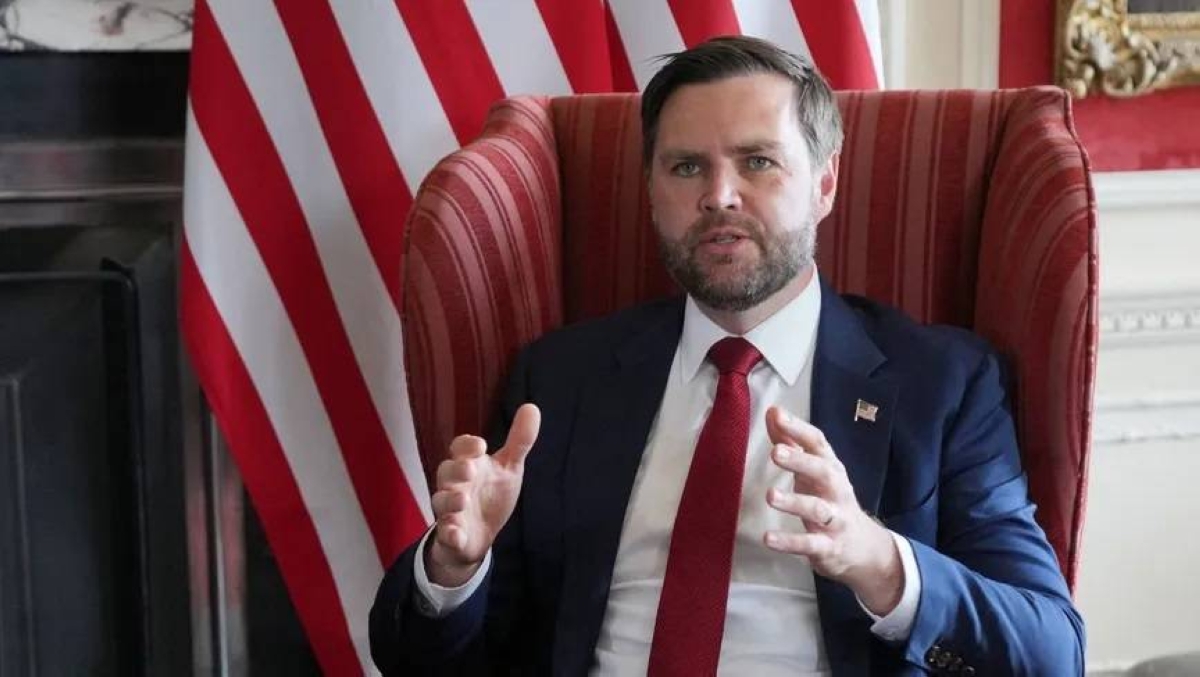
In a move reflecting ongoing diplomatic efforts, US Vice President J.D. Vance revealed that the United States is in contact with Russian President Vladimir Putin and Ukrainian President Volodymyr Zelensky to arrange a meeting. This initiative aims to explore ways to end the conflict in Ukraine.
Open dialogue with Ukraine
In an interview with Fox News, Vance confirmed that Washington will keep channels of communication open with Ukraine and President Zelensky. This move comes within the framework of ongoing diplomatic efforts, as he indicated that a meeting between Putin and Zelensky before Putin's anticipated meeting with US President Donald Trump might not be productive at this stage.
The pursuit of a peaceful settlement
The US Vice President explained that his country seeks to resolve the conflict in Ukraine starting from the current line of contact between Russia and Ukraine. The goal is to find a solution that both sides can live with in relative peace. He added: "If we take the current line of contact between Russia and Ukraine, we will try to reach a settlement where Russians and Ukrainians can live in relative peace.".
Trump and his stance on negotiations
Despite President Trump's lack of confidence in the success of the negotiations regarding Ukraine, he believes they should be given a chance. He emphasized, "The president told me today that it may work, it may not. But it's worth trying.".
The European Union and its role in the Ukrainian crisis
Meanwhile, EU foreign policy chief Kaja Kallas announced she would call an emergency meeting of EU foreign ministers to discuss next steps. Kallas stressed that any agreement between the US and Russia to end the war in Ukraine must include both Kyiv and the European Union.
International pressure on Russia
Callas said: “President Trump is right when he says that Russia must end its war on Ukraine.” She pointed to the United States’ ability to force Russia to negotiate seriously. She emphasized that any agreement must include Ukraine and the European Union because it is a matter of security for both Ukraine and Europe as a whole.
Striving for a just and lasting peace
Callas pointed to the work being done to achieve a just and lasting peace in accordance with international law, which stipulates the return of all temporarily occupied territories…






Politics
Saudi Arabia and seven other countries condemn the escalation of settlement activity in the West Bank
Saudi Arabia and seven other countries issued a joint statement condemning Israel's classification of lands in the West Bank as "state lands," warning of the undermining of the two-state solution and calling for urgent international intervention.
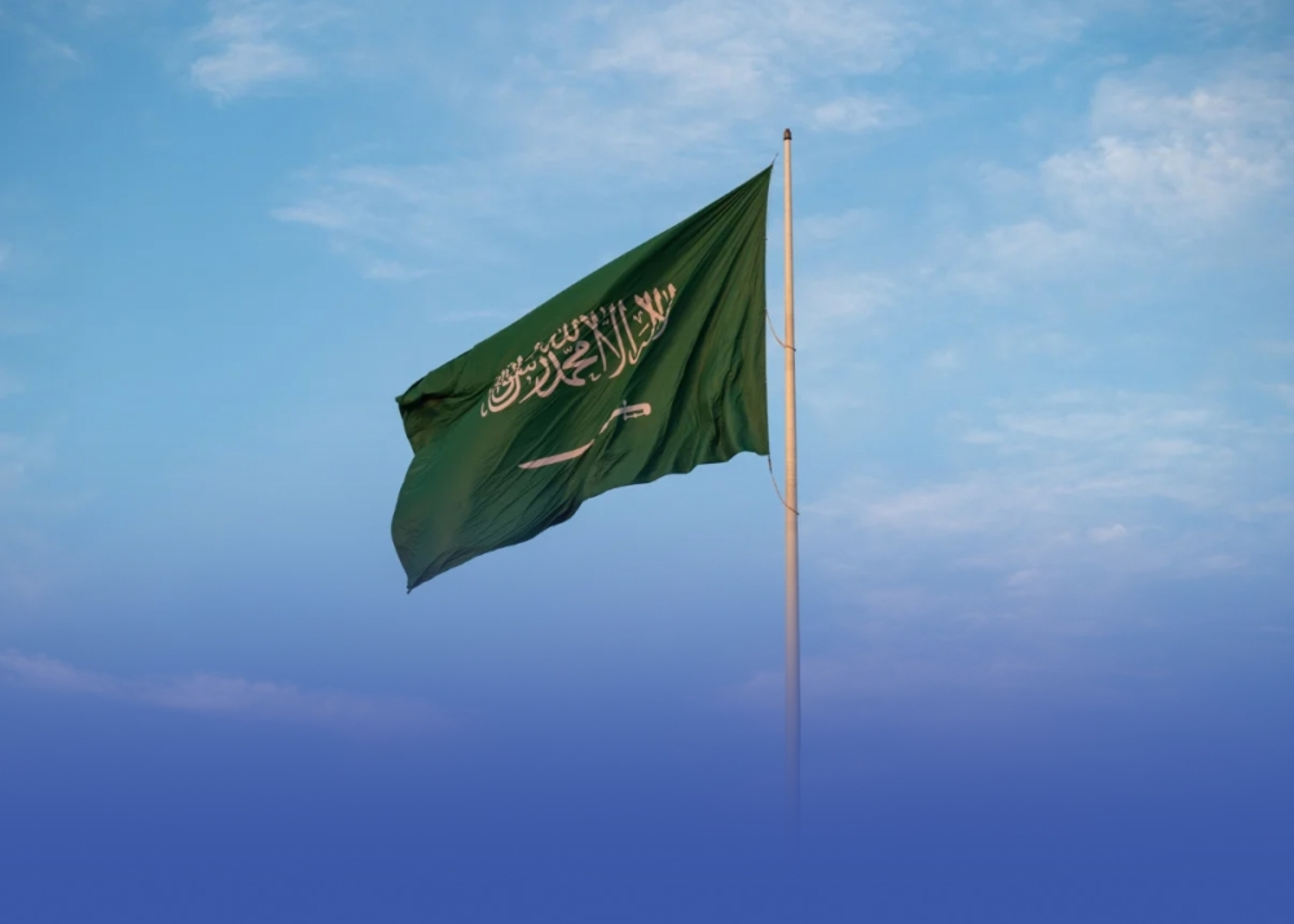
In a unified diplomatic move reflecting the seriousness of the situation in the occupied Palestinian territories, the foreign ministers of eight countries – the Kingdom of Saudi Arabia, the Hashemite Kingdom of Jordan, the United Arab Emirates, the State of Qatar, the Arab Republic of Egypt, the Republic of Turkey, the Republic of Indonesia, and the Islamic Republic of Pakistan – issued a joint statement expressing their strong condemnation of the recent Israeli decisions concerning the Palestinian territories.
Unprecedented escalation of settlement activity since 1967
The ministers condemned in the strongest terms Israel’s move to designate large areas of land in the occupied West Bank as “state land.” The statement noted that these actions include approving the commencement of land registration and settlement procedures, a dangerous step being taken for the first time since the occupation of the West Bank in 1967. The ministers considered this move a flagrant violation of international law and an escalation aimed at legitimizing and expanding settlements at the expense of the rights of the Palestinian people.
Violation of international laws and resolutions
The joint statement affirmed that these measures fundamentally violate international humanitarian law, specifically the Fourth Geneva Convention, which prohibits an occupying power from transferring its own population into the territory it occupies or altering its geographic and demographic character. The ministers also stressed that these practices constitute a blatant challenge to relevant UN Security Council resolutions, foremost among them Resolution 2334, which affirms the illegality of settlements in the Palestinian territories occupied since 1967, including East Jerusalem.
In a related context, the ministers pointed out that the Israeli decision contradicts the advisory opinion issued by the International Court of Justice, which clarified the legal implications of Israeli policies, stressing the illegality of any measures aimed at changing the historical and legal status of the occupied territory, and the need to end the occupation and prohibit the seizure of land by military force.
Risks of undermining the two-state solution
The foreign ministers of the eight countries warned of the political and security repercussions of these steps, emphasizing that they aim to impose a new administrative and legal reality that entrenches permanent Israeli control. They explained that the continued confiscation of land and the accelerated pace of settlement construction effectively undermine the two-state solution and eliminate any political prospect for the establishment of an independent, viable, and geographically contiguous Palestinian state. They cautioned that these policies pose a real threat to the chances of achieving a just and comprehensive peace in the region and exacerbate tension and instability in the Middle East.
A call for the international community to assume its responsibilities
The ministers concluded their statement with a clear call for the international community to take immediate action and fulfill its legal and moral responsibilities. They demanded decisive and clear steps to halt these ongoing violations and ensure Israel's respect for international law. They reaffirmed their full support for the inalienable rights of the Palestinian people, foremost among them their right to self-determination, an end to the occupation, and the establishment of their independent state on the June 4, 1967 borders, with East Jerusalem as its capital, as the only way to achieve lasting stability in the region.
Politics
Trump participates in Iran nuclear talks amid military buildup
Trump announces his indirect participation in the Geneva nuclear talks with Iran, amid US military reinforcements and Iranian drills, and fears of the negotiations failing and resorting to the military option.

In a significant development regarding the complex nuclear issue, US President Donald Trump announced his intention to participate indirectly in the new round of nuclear talks between the United States and Iran, scheduled to begin today, Tuesday, in Geneva, Switzerland. Trump expressed cautious optimism, stating his belief that the leadership in Tehran is genuinely willing to reach an agreement that would end the current impasse.
Historical context and escalating tensions
These talks come at a critical juncture in US-Iranian relations, with the Iranian nuclear program representing one of the most complex issues in international politics for decades. Washington and other Western powers have long sought to ensure the peaceful nature of Iran's nuclear program, while Tehran insists on its right to nuclear technology for peaceful purposes. The Geneva round of negotiations is of paramount importance given the historical accumulation of economic sanctions and diplomatic pressure that has shaped the current landscape, making any diplomatic breakthrough a globally significant event.
The military option is on the table
Speaking to reporters aboard Air Force One, Trump described the upcoming talks as “very important.” These political pronouncements coincide with tangible military moves on the ground, as the United States has deployed a second aircraft carrier to the Middle East in a clear message of deterrence. Reports from US officials confirm that the American military is making extensive preparations for a potential protracted military campaign should the diplomatic track fail to achieve its objectives.
Negotiation obstacles and previous strikes
Regarding the chances of success for the negotiations, the US president pointed out that Iran had previously engaged in what he described as difficult negotiations, noting that Tehran had realized the consequences of its hardline stance. He cited the US strikes targeting Iranian nuclear sites last summer, which he said marked a turning point in dealing with the crisis. The talks face a major obstacle: Washington's insistence on halting uranium enrichment within Iranian territory. The US administration considers this a fundamental guarantee against Tehran developing a nuclear weapon, while Iran views it as an infringement on its sovereignty.
Iranian preparations and regional repercussions
In a related development, and in parallel with diplomatic efforts, Iran continues to bolster its domestic preparedness. The Iranian Civil Defense Organization conducted large-scale drills simulating a response to a chemical attack in the Pars Special Economic Zone, an energy hub. These drills are part of broader efforts to enhance readiness to counter any potential threats in the south of the country, an area that houses vital energy facilities.
Observers believe that the results of these talks will not only affect bilateral relations between Washington and Tehran, but will also extend to the stability of the entire Middle East region and global energy markets, given the strategic location of the Arabian Gulf and its importance in global oil supplies.
Politics
Trump participates in Iran nuclear talks amid military buildup
Trump announces his indirect participation in nuclear talks with Iran in Geneva. Washington reinforces its military presence and Tehran conducts military exercises, amid hopes for a new agreement.

In a press statement aboard Air Force One, US President Donald Trump announced his decision to participate indirectly in the crucial round of nuclear talks between the United States and Iran, scheduled to begin Tuesday in Geneva, Switzerland. Trump expressed cautious optimism, affirming his firm belief that Tehran is genuinely interested in reaching an agreement to end the current impasse.
This round of negotiations is of exceptional importance, with the US president describing it as “crucial” for the future of regional and international security. This diplomatic move comes at a highly sensitive time, marked by an unprecedented escalation of military tensions in the Middle East, particularly following recent US military deployments, including the deployment of a second aircraft carrier to the region—a clear message of deterrence coinciding with the diplomatic efforts.
Background to the tension and the negotiating position
In discussing the prospects for success in these talks, Trump recalled the history of negotiations with Tehran, noting that Iran had previously engaged in difficult and complex negotiations. However, he pointed to a change in the situation on the ground, suggesting that the Iranian leadership had realized the consequences of its hardline stance, particularly after the US strikes on Iranian nuclear sites last summer, which might push Tehran toward adopting a more pragmatic approach in Geneva.
The talks face significant obstacles, most notably the failure of previous rounds due to Washington's insistence on its primary demand that Tehran halt uranium enrichment activities within Iranian territory. The United States considers this a red line, believing that continued enrichment could enable Iran to develop a nuclear weapon, something the international community seeks to prevent in order to preserve the nuclear non-proliferation regime.
Military preparations and failure scenarios
While attention is focused on the diplomatic talks in Geneva, US officials have revealed that the military option remains firmly on the table. They confirmed that the US military is making extensive preparations for a potential protracted military campaign should the negotiation process fail to achieve its objectives, placing the region at a dangerous crossroads between a diplomatic breakthrough or a full-scale military escalation.
On the other hand, as part of its preparations for all scenarios, the Iranian Civil Defense Organization conducted large-scale drills simulating a response to a chemical attack in the Pars Special Economic Zone. These maneuvers are part of efforts to bolster defense readiness against any potential threats targeting vital installations in the south of the country, reflecting serious concerns about a possible military confrontation should the talks reach an impasse.
The results of these talks will not only affect bilateral relations between Washington and Tehran, but their impact will extend to the stability of global energy markets and regional security in the Middle East, making the world's eyes turn towards Geneva in anticipation of what this crucial round will produce.
-

 Culture and Art 5 days ago
The "Between and Between" exhibition in Jeddah: 5 artists reshape Saudi memory
-
Local News 4 days ago
Saudi Arabia's National Arabic Language Policy: 8 Principles to Promote Identity
-
Culture and Art 7 days ago
Shakira's concert in Jeddah: Details of the international star's first concert in Saudi Arabia
-
Local News 3 days ago
Adopting the National Policy for the Arabic Language: Strengthening Identity and Vision 2030
-
Culture and Art, 1 week ago
The truth about Nancy Ajram's video and Epstein Island, and her legal response
-
Local News 4 days ago
The Riyadh-Rin-Bisha dual carriageway, spanning 559 km, has been completed
-
Fashion one week ago
Sneaker Con Jeddah 2026: The largest gathering for sneaker culture and fashion
-
Local news one week ago
Launch of the new Dammam project with investments of 98 billion riyals