Politics
United Nations: El Fasher faces a humanitarian catastrophe and has turned into a ghost town
El Fasher is facing a humanitarian catastrophe and has turned into a ghost town due to the siege, and the United Nations is calling for an urgent truce to save the tragic situation in Sudan.

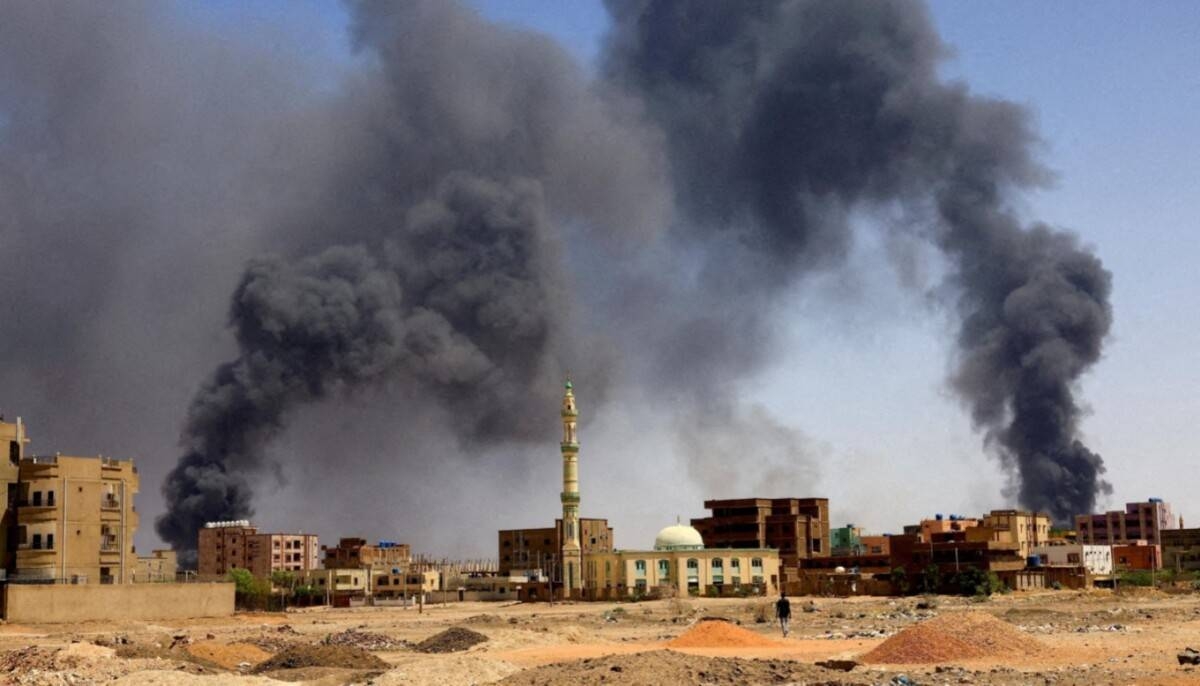
The humanitarian situation in Sudan
The head of operations at the UN Office for the Coordination of Humanitarian Affairs, Edem Wsorno, described the situation in El Fasher as “tragic .” She stressed the need for a sufficiently long truce to allow UN teams to address the situation in the capital of North Darfur state, which is under complete siege.
She also warned that the humanitarian situation in the capital, Khartoum, has become catastrophic, with the city transformed into a “ghost town” due to the ongoing war. She stated that El Fasher is completely besieged and that the United Nations is awaiting approval from the Rapid Support Forces to deliver humanitarian aid to the trapped population.
Challenges to providing aid
Wesorno added that the organization had received assurances from the Sudanese army to facilitate the entry of aid, but was still awaiting a similar response from the Rapid Support Forces. This delay is complicating matters and exacerbating the suffering of the population, who are in dire need of assistance.
The United Nations had previously warned of the deteriorating situation for children in Khartoum, who were suffering from severe hunger and were "skin and bones ." Thousands of families trapped by the war faced the risk of starvation in the besieged city of El Fasher.
The humanitarian crisis and its impact
War broke out in Sudan in mid-April 2023, killing tens of thousands and displacing millions. The malnutrition crisis has been particularly acute in Khartoum State, where many children are suffering tragically, according to Sheldon Yett, UNICEF Representative in Sudan. This crisis is currently considered the world’s worst humanitarian crisis , according to the United Nations, with some 25 million people facing acute food insecurity.
In El Fasher, which has been besieged by the Rapid Support Forces since May 2024, thousands of people face imminent famine, according to warnings from the World Food Programme. The WFP's regional director for East and Southern Africa confirmed that "the capacity to cope has been completely eroded after more than two years of war.".
The need to access basic resources
It is essential to provide immediate and sustained access to basic resources to save lives and prevent the crisis from worsening. The siege of El Fasher makes access to these resources a major challenge that must be overcome as quickly as possible to ensure the survival of the population and alleviate their suffering.
Lessons learned and future aspirations
The current situation underscores the importance of international and regional cooperation in responding to humanitarian crises quickly and effectively. It also highlights the urgent need to strengthen peace and stability efforts to ensure a dignified and safe life for affected populations.
Ultimately, there remains hope that the international and local communities can work together to achieve peace and provide the necessary support to Sudan to emerge from this crisis with the least possible losses.






Politics
Trump participates in Iran nuclear talks amid military buildup
Trump announces his indirect participation in the Geneva nuclear talks with Iran, amid US military reinforcements and Iranian drills, and fears of the negotiations failing and resorting to the military option.

In a significant development regarding the complex nuclear issue, US President Donald Trump announced his intention to participate indirectly in the new round of nuclear talks between the United States and Iran, scheduled to begin today, Tuesday, in Geneva, Switzerland. Trump expressed cautious optimism, stating his belief that the leadership in Tehran is genuinely willing to reach an agreement that would end the current impasse.
Historical context and escalating tensions
These talks come at a critical juncture in US-Iranian relations, with the Iranian nuclear program representing one of the most complex issues in international politics for decades. Washington and other Western powers have long sought to ensure the peaceful nature of Iran's nuclear program, while Tehran insists on its right to nuclear technology for peaceful purposes. The Geneva round of negotiations is of paramount importance given the historical accumulation of economic sanctions and diplomatic pressure that has shaped the current landscape, making any diplomatic breakthrough a globally significant event.
The military option is on the table
Speaking to reporters aboard Air Force One, Trump described the upcoming talks as “very important.” These political pronouncements coincide with tangible military moves on the ground, as the United States has deployed a second aircraft carrier to the Middle East in a clear message of deterrence. Reports from US officials confirm that the American military is making extensive preparations for a potential protracted military campaign should the diplomatic track fail to achieve its objectives.
Negotiation obstacles and previous strikes
Regarding the chances of success for the negotiations, the US president pointed out that Iran had previously engaged in what he described as difficult negotiations, noting that Tehran had realized the consequences of its hardline stance. He cited the US strikes targeting Iranian nuclear sites last summer, which he said marked a turning point in dealing with the crisis. The talks face a major obstacle: Washington's insistence on halting uranium enrichment within Iranian territory. The US administration considers this a fundamental guarantee against Tehran developing a nuclear weapon, while Iran views it as an infringement on its sovereignty.
Iranian preparations and regional repercussions
In a related development, and in parallel with diplomatic efforts, Iran continues to bolster its domestic preparedness. The Iranian Civil Defense Organization conducted large-scale drills simulating a response to a chemical attack in the Pars Special Economic Zone, an energy hub. These drills are part of broader efforts to enhance readiness to counter any potential threats in the south of the country, an area that houses vital energy facilities.
Observers believe that the results of these talks will not only affect bilateral relations between Washington and Tehran, but will also extend to the stability of the entire Middle East region and global energy markets, given the strategic location of the Arabian Gulf and its importance in global oil supplies.
Politics
Trump participates in Iran nuclear talks amid military buildup
Trump announces his indirect participation in nuclear talks with Iran in Geneva. Washington reinforces its military presence and Tehran conducts military exercises, amid hopes for a new agreement.

In a press statement aboard Air Force One, US President Donald Trump announced his decision to participate indirectly in the crucial round of nuclear talks between the United States and Iran, scheduled to begin Tuesday in Geneva, Switzerland. Trump expressed cautious optimism, affirming his firm belief that Tehran is genuinely interested in reaching an agreement to end the current impasse.
This round of negotiations is of exceptional importance, with the US president describing it as “crucial” for the future of regional and international security. This diplomatic move comes at a highly sensitive time, marked by an unprecedented escalation of military tensions in the Middle East, particularly following recent US military deployments, including the deployment of a second aircraft carrier to the region—a clear message of deterrence coinciding with the diplomatic efforts.
Background to the tension and the negotiating position
In discussing the prospects for success in these talks, Trump recalled the history of negotiations with Tehran, noting that Iran had previously engaged in difficult and complex negotiations. However, he pointed to a change in the situation on the ground, suggesting that the Iranian leadership had realized the consequences of its hardline stance, particularly after the US strikes on Iranian nuclear sites last summer, which might push Tehran toward adopting a more pragmatic approach in Geneva.
The talks face significant obstacles, most notably the failure of previous rounds due to Washington's insistence on its primary demand that Tehran halt uranium enrichment activities within Iranian territory. The United States considers this a red line, believing that continued enrichment could enable Iran to develop a nuclear weapon, something the international community seeks to prevent in order to preserve the nuclear non-proliferation regime.
Military preparations and failure scenarios
While attention is focused on the diplomatic talks in Geneva, US officials have revealed that the military option remains firmly on the table. They confirmed that the US military is making extensive preparations for a potential protracted military campaign should the negotiation process fail to achieve its objectives, placing the region at a dangerous crossroads between a diplomatic breakthrough or a full-scale military escalation.
On the other hand, as part of its preparations for all scenarios, the Iranian Civil Defense Organization conducted large-scale drills simulating a response to a chemical attack in the Pars Special Economic Zone. These maneuvers are part of efforts to bolster defense readiness against any potential threats targeting vital installations in the south of the country, reflecting serious concerns about a possible military confrontation should the talks reach an impasse.
The results of these talks will not only affect bilateral relations between Washington and Tehran, but their impact will extend to the stability of global energy markets and regional security in the Middle East, making the world's eyes turn towards Geneva in anticipation of what this crucial round will produce.
Politics
Lebanon: Army requests 4 months to disarm Hezbollah south of the Litani River
The Lebanese government announces that the army needs 4 months to complete the disarmament of Hezbollah between the Litani and Awali rivers, amid Naim Qassem's rejection and the continuation of Israeli attacks after the 2024 war.
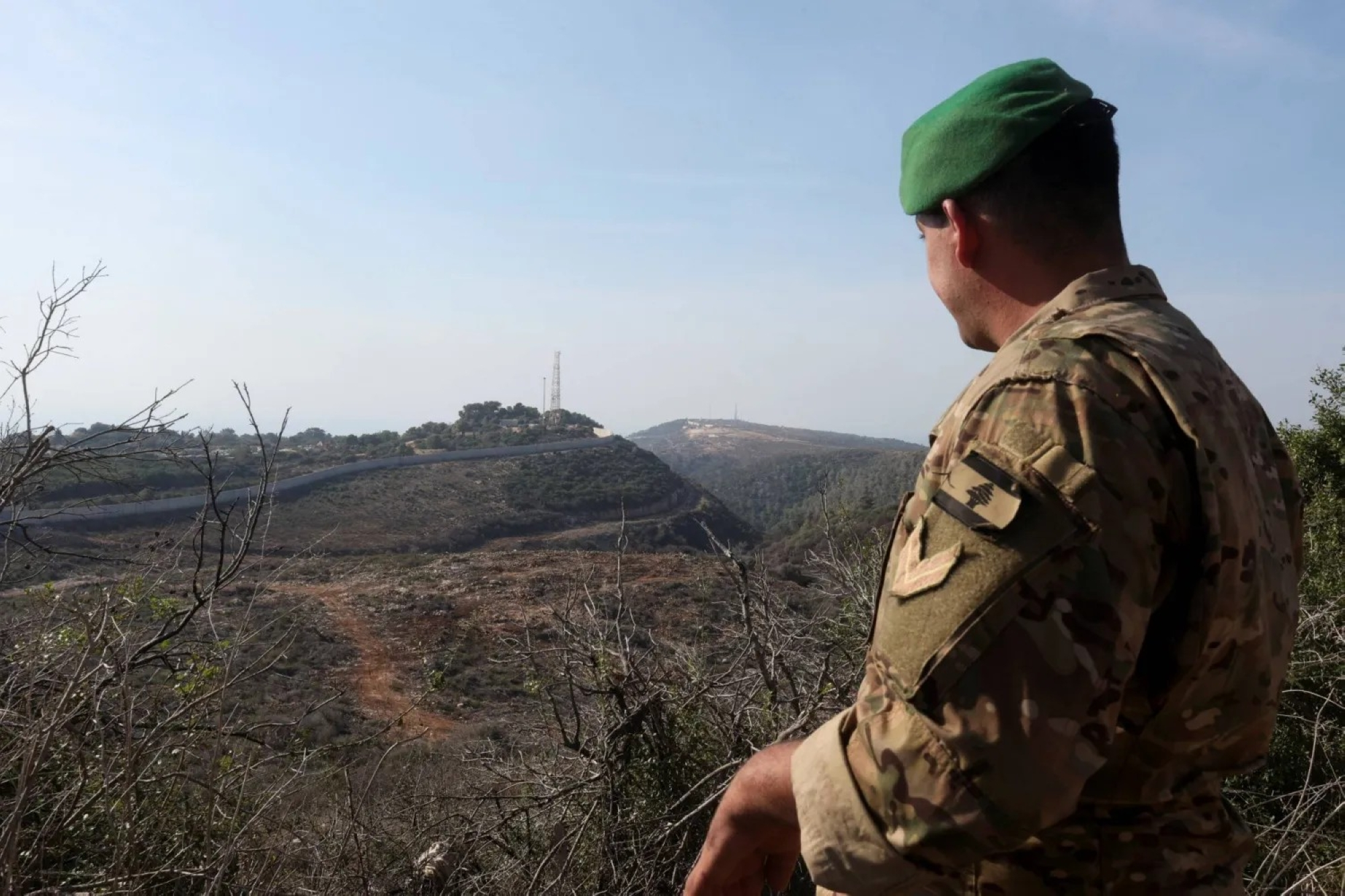
The Lebanese government has officially announced that the Lebanese army needs at least an additional four months to complete the second phase of the national plan to disarm Hezbollah in southern Lebanon. This announcement comes at a highly sensitive time, as the country faces complex field challenges, including ongoing Israeli violations and attacks, as well as logistical obstacles hindering the military's movements on the ground.
Details of the second phase and field deployment
Following a cabinet meeting, Lebanese Information Minister Paul Morcos explained that the government reviewed the monthly report submitted by the army command regarding the progress of the "weapons control" plan. He indicated that the second phase, which requires an extension, covers the strategic geographical area extending from the Litani River in the south to the Awali River in the north (at the entrance to Sidon). This area is vital for ensuring the stability of the south and militarily isolating the border regions from the rest of Lebanon.
The government had approved this plan last August, and the army announced in January the completion of the first phase, which covered the entire area south of the Litani River. However, Israel deemed the measures taken insufficient to guarantee its security, prompting it to continue its localized military operations.
The post-war context of 2024 and security fragility
These developments gain significance from their timing, as Lebanon attempts to solidify the ceasefire reached in November 2014 after more than a year of bloody clashes between Hezbollah and Israel. Despite the agreement, Israeli forces continue to occupy five strategic hills inside Lebanese territory, violating the terms of a complete withdrawal, and persist in launching airstrikes under the pretext of preventing Hezbollah from rebuilding its military capabilities.
Sharp internal division and Hezbollah's position
In contrast, the government's move provoked angry reactions from Hezbollah's leadership, reflecting the depth of the internal political crisis. The party's deputy secretary-general, Naim Qassem, launched a scathing attack on the government's plan, describing the focus on disarmament at this time as a "grave sin." Qassem argued that these steps serve the Israeli agenda and weaken Lebanon's defense position, accusing the government of making gratuitous concessions that encourage Tel Aviv to escalate its aggression. He called for an immediate halt to all measures related to disarming the militias.
Strategic and international dimensions
This issue has dimensions that extend beyond the local sphere, as the international community, particularly the states sponsoring the ceasefire agreement, is closely monitoring the Lebanese state's ability to fully assert its sovereignty over its territory. The army's success in this endeavor is a true test of the implementation of international resolutions and a guarantee against the region sliding into a new regional war. The announced four-month delay could place Lebanon under additional diplomatic pressure, amid concerns that Israel might use this delay as a pretext to expand its military operations or consolidate its occupation of the strategic points it currently controls.
-

 Culture and Art 5 days ago
The "Between and Between" exhibition in Jeddah: 5 artists reshape Saudi memory
-
Culture and Art 7 days ago
Shakira's concert in Jeddah: Details of the international star's first concert in Saudi Arabia
-
Local News 4 days ago
Saudi Arabia's National Arabic Language Policy: 8 Principles to Promote Identity
-
Local News 3 days ago
Adopting the National Policy for the Arabic Language: Strengthening Identity and Vision 2030
-
Culture and Art, 1 week ago
The truth about Nancy Ajram's video and Epstein Island, and her legal response
-
Local News 4 days ago
The Riyadh-Rin-Bisha dual carriageway, spanning 559 km, has been completed
-
Fashion one week ago
Sneaker Con Jeddah 2026: The largest gathering for sneaker culture and fashion
-
Local news one week ago
Launch of the new Dammam project with investments of 98 billion riyals