
Politics
The Security Council ends the mandate of the United Nations Mission in Hodeidah (UNMHA)
By a majority vote, the Security Council ended the mandate of the UN Mission in Yemen (UNMHA). Learn about the background of the decision and its impact on the Hodeidah Agreement and the future of the peace process.

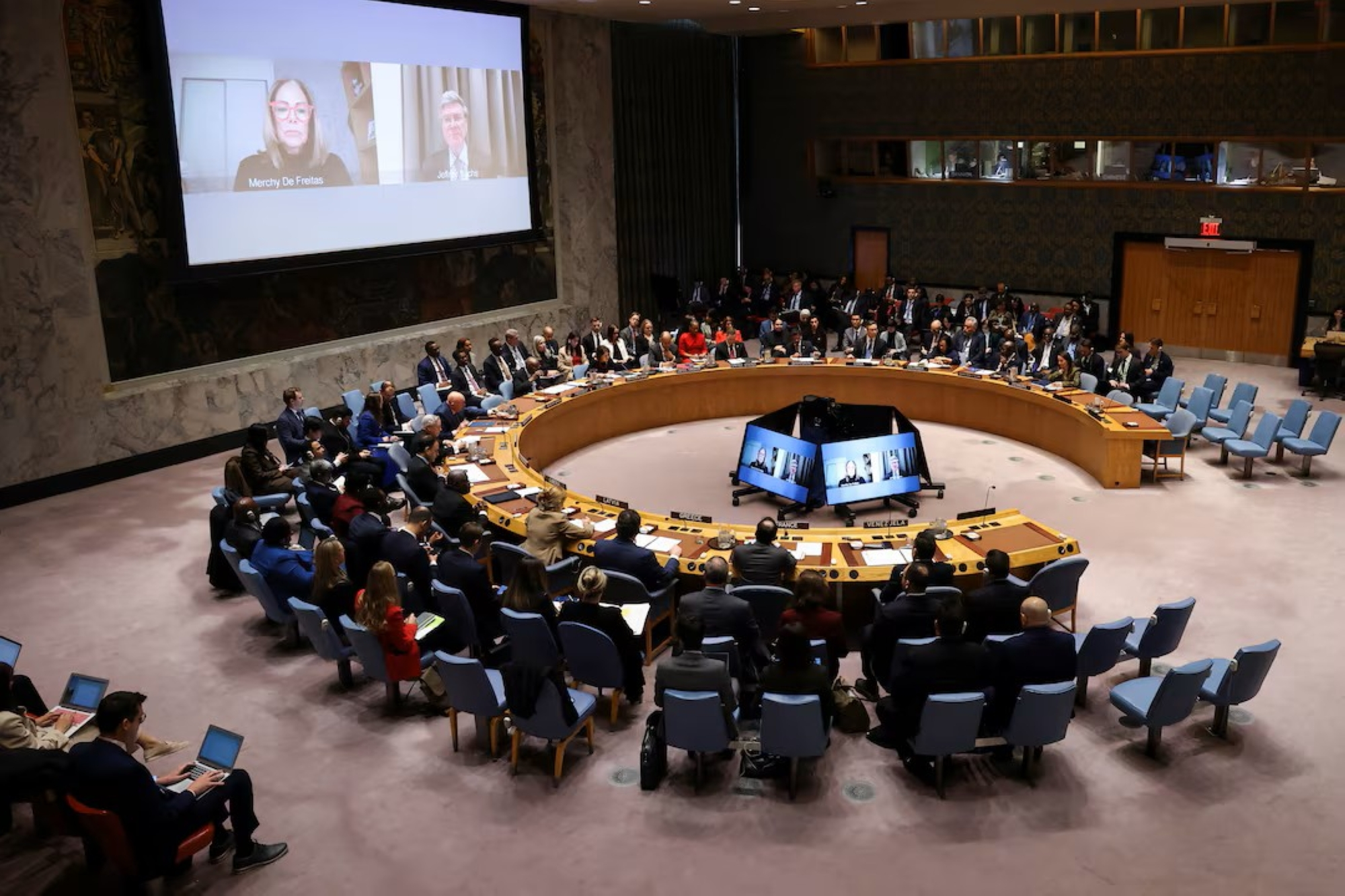
The UN Security Council announced its decision to end the mandate of the UN Mission to Support the Hodeidah Agreement (UNMHA) by the end of March, a move reflecting the significant challenges facing peace efforts in Yemen. The decision was adopted by a vote of 13 in favor out of 15 members, with Russia and China abstaining, indicating a division in international views on managing the Yemeni crisis.
Background to the establishment of the mission and the Stockholm Agreement
The United Nations Multidimensional Integrated Stabilization Mission in Yemen (UNMHA) was established in early 2019 as a key component of the Stockholm Agreement reached in December 2018 between the Yemeni government and the Houthi movement. The agreement's primary objective was to establish a ceasefire in the city of Hodeidah and its vital ports (Hodeidah, Salif, and Ras Isa), which serve as a crucial lifeline for humanitarian aid to millions of Yemenis. UNMHA was mandated to monitor the implementation of the agreement, including overseeing the ceasefire and the redeployment of forces from the ports and the city, and facilitating humanitarian operations.
Reasons for ending the mandate and its impact
The decision to end the mission, included in Resolution 2813 drafted by Britain, comes amid the stalled implementation of the Hodeidah Agreement. The US Deputy Ambassador to the Security Council, Tammy Bruce, directly stated that “the Houthis’ intransigence has rendered the mission ineffective,” arguing that its continuation was no longer worthwhile in the absence of progress. This decision coincides with escalating regional tensions, particularly Houthi attacks in the Red Sea, which have shifted the priorities of the international community and further complicated the already faltering peace efforts.
Transitional phase and future challenges
The resolution provides for a technical extension of the mission's mandate for an additional two months, until the end of March, to allow sufficient time for the orderly conclusion of its operations. During this period, the remaining tasks will be transferred to the Office of the Special Envoy of the Secretary-General for Yemen, with the complete liquidation of the mission to begin on April 1. The resolution also requests the Secretary-General of the United Nations, António Guterres, to present a clear and detailed plan for this transition process in consultation with the Yemeni parties.
The termination of UNMHA's mandate raises concerns about the future of the fragile ceasefire in Hodeidah and the potential for renewed military confrontations in this strategic region. It also raises questions about the effectiveness of international mechanisms in managing complex conflicts and places a greater burden on the diplomatic efforts led by the UN envoy to find a comprehensive and sustainable political solution to the crisis in Yemen.


Politics
The World Bank is providing Lebanon with $350 million to address the crisis
The World Bank has approved $350 million in new funding for Lebanon to support poor families and accelerate digital transformation, in an effort to mitigate the effects of the economic collapse.
The World Bank announced its approval of a new financing package for Lebanon totaling $350 million, a move aimed at mitigating the unprecedented economic crisis gripping the country. The funding is divided into two main tranches: $200 million earmarked for strengthening social safety nets and supporting the poorest families, and $150 million to accelerate the country's digital transformation project.
Context of the stifling economic crisis
This funding comes at a time when Lebanon is experiencing one of the most severe economic and financial crises in modern history, which began to unfold in late 2019. The World Bank itself has ranked this crisis among the three most severe global crises since the mid-19th century. The financial collapse has led to a devaluation of the Lebanese pound by more than 98%, wiping out citizens' savings and pushing more than 80% of the population below the poverty line. The situation was tragically exacerbated by the Beirut port explosion in August 2020, which devastated large parts of the capital and placed an enormous burden on the already strained infrastructure and healthcare sector.
Details of the support package and its objectives
The first tranche of funding, amounting to $200 million, aims to provide direct cash transfers to poor and vulnerable Lebanese families. This support is a lifeline for hundreds of thousands of families struggling to secure their basic needs for food, medicine, and education. The project focuses particularly on empowering women and youth by increasing their economic opportunities and improving their access to essential social services.
The second tranche, valued at $150 million, targets the digital transformation project. This project is of strategic importance given the inefficiencies of public administration and the low quality of government services. Accelerating digitalization is expected to improve the transparency of government transactions, reduce corruption, and facilitate access to public services for citizens and businesses, potentially creating a more favorable environment for economic opportunities and the growth of the technology sector in the country.
Importance and expected impact
At the local level, this funding represents vital, albeit temporary, support that helps prevent the complete collapse of the state and avert a wider humanitarian catastrophe. However, experts agree that it is not a fundamental solution to the crisis. A genuine and sustainable recovery for Lebanon hinges on implementing deep structural reforms, including restructuring the banking sector, implementing a financial recovery plan agreed upon with the International Monetary Fund, and combating the rampant corruption within state institutions.
Regionally and internationally, this move reflects the international community's continued concern about the repercussions of Lebanon's collapse on regional stability, particularly regarding sensitive security issues and the refugee crisis. This support is seen as part of a broader strategy aimed at providing direct humanitarian assistance to the Lebanese people while maintaining pressure on the political class to implement necessary reforms as a prerequisite for future financial support.
Politics
New Syrian-Kurdish talks: The future of northeast Syria is at stake
Damascus and Kurdish forces are preparing for a new round of talks aimed at integrating the Syrian Democratic Forces. What are the chances of success, and what impact will it have on the future of Syria and the region?
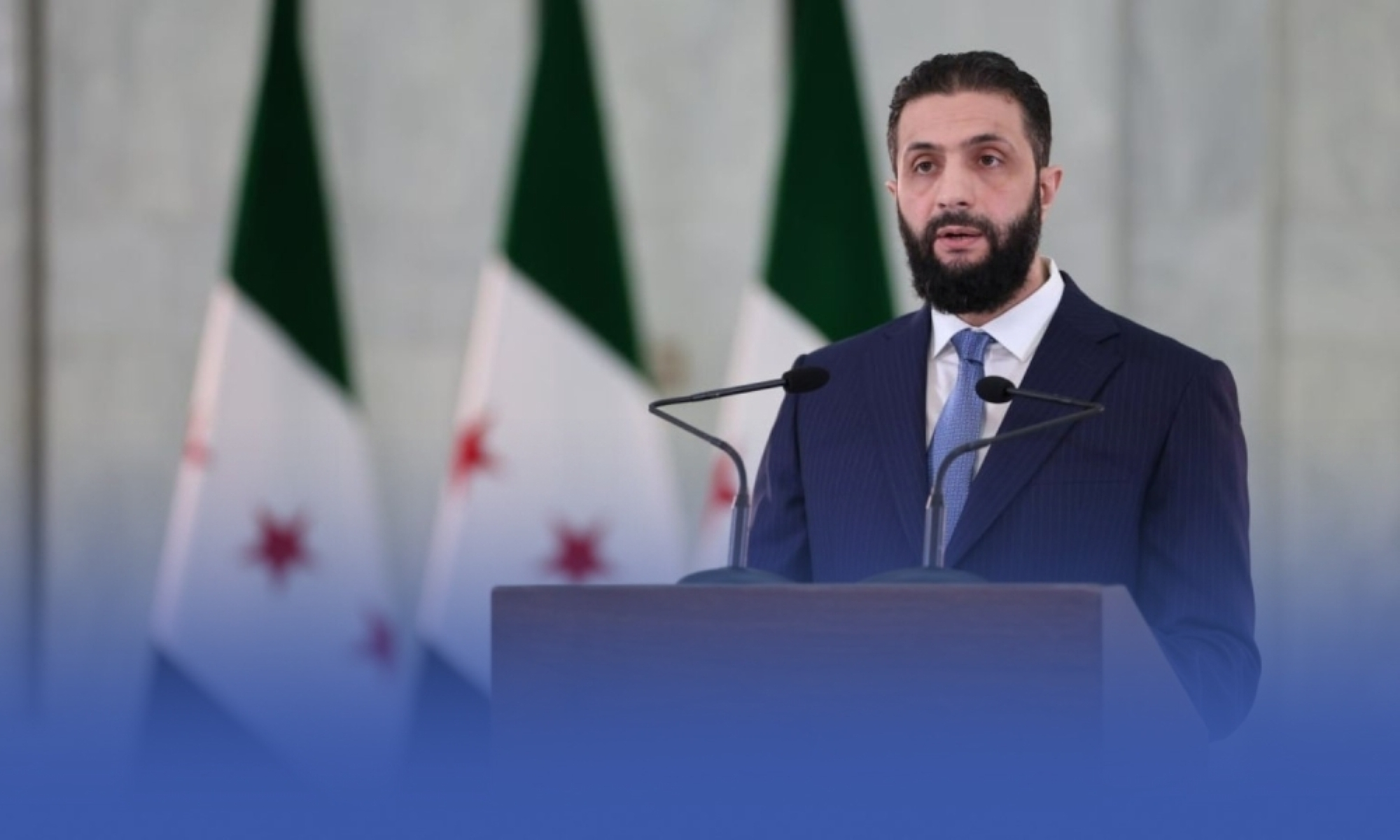
Attention is once again turning to the Syrian scene, as the Syrian government and the Kurdish-led Syrian Democratic Forces (SDF) prepare for a new round of talks, likely to begin soon. This round comes at a critical juncture and aims primarily to discuss the practical mechanisms for implementing a recently reached, internationally brokered agreement. This agreement paves the way for discussions on the future of the Autonomous Administration of North and East Syria and the integration of Kurdish forces into a unified national defense structure.
Historical background and complex context
These negotiations trace their roots back to the years of the Syrian conflict that erupted in 2011. As the central government in Damascus lost control over large parts of the country, Kurdish forces, primarily the People's Protection Units (YPG), established a self-governing administration in the northeastern regions. These forces, operating under the umbrella of the Syrian Democratic Forces (SDF), played a pivotal role in the war against the ISIS terrorist organization, with support from the US-led international coalition, granting them significant military and political influence on the ground. While the relationship between Damascus and the self-governing administration has always fluctuated between tension and tactical coordination against common enemies, fundamental disagreements over issues of sovereignty, recognition of Kurdish cultural and political rights, and the distribution of natural resources such as oil have remained obstacles to reaching a lasting solution.
The importance and impact of the upcoming talks
This round of talks is of exceptional importance on several levels. Domestically, any progress in the negotiations represents a significant step toward restoring stability to northeastern Syria and ending the long-standing division. Its success could lead to an agreement guaranteeing a form of administrative decentralization while preserving Syrian territorial integrity and integrating the SDF fighters into the Syrian army, thus preventing a resurgence of internal conflict. Regionally, the outcome of these talks will directly impact neighboring countries, particularly Turkey, which views any armed Kurdish entity on its border with apprehension and classifies the People's Protection Units (YPG) as a terrorist organization. Any agreement between Damascus and the Kurds could alter the regional balance of power and influence the dynamics between Syria and Turkey. Internationally, both the United States and Russia are closely monitoring these developments. For Washington, the agreement raises questions about the future of its partnership with the SDF and its military presence in Syria. Moscow, playing the role of the main mediator, sees the success of these talks as bolstering its influence and supporting the political solution it is sponsoring.
The two sides had reached an agreement last Saturday to extend the ceasefire for 15 days, which provided a positive and necessary foundation for launching these crucial negotiations that will focus on translating the initial understandings into practical steps on the ground, in an effort to chart a more stable future for the region.
Politics
Trump threatens Iraq: No aid if Nouri al-Maliki returns to power
US President Donald Trump threatened to cut off aid to Iraq if Nouri al-Maliki returned to the premiership, citing his previous term in office, which was marked by chaos and sectarian violence.
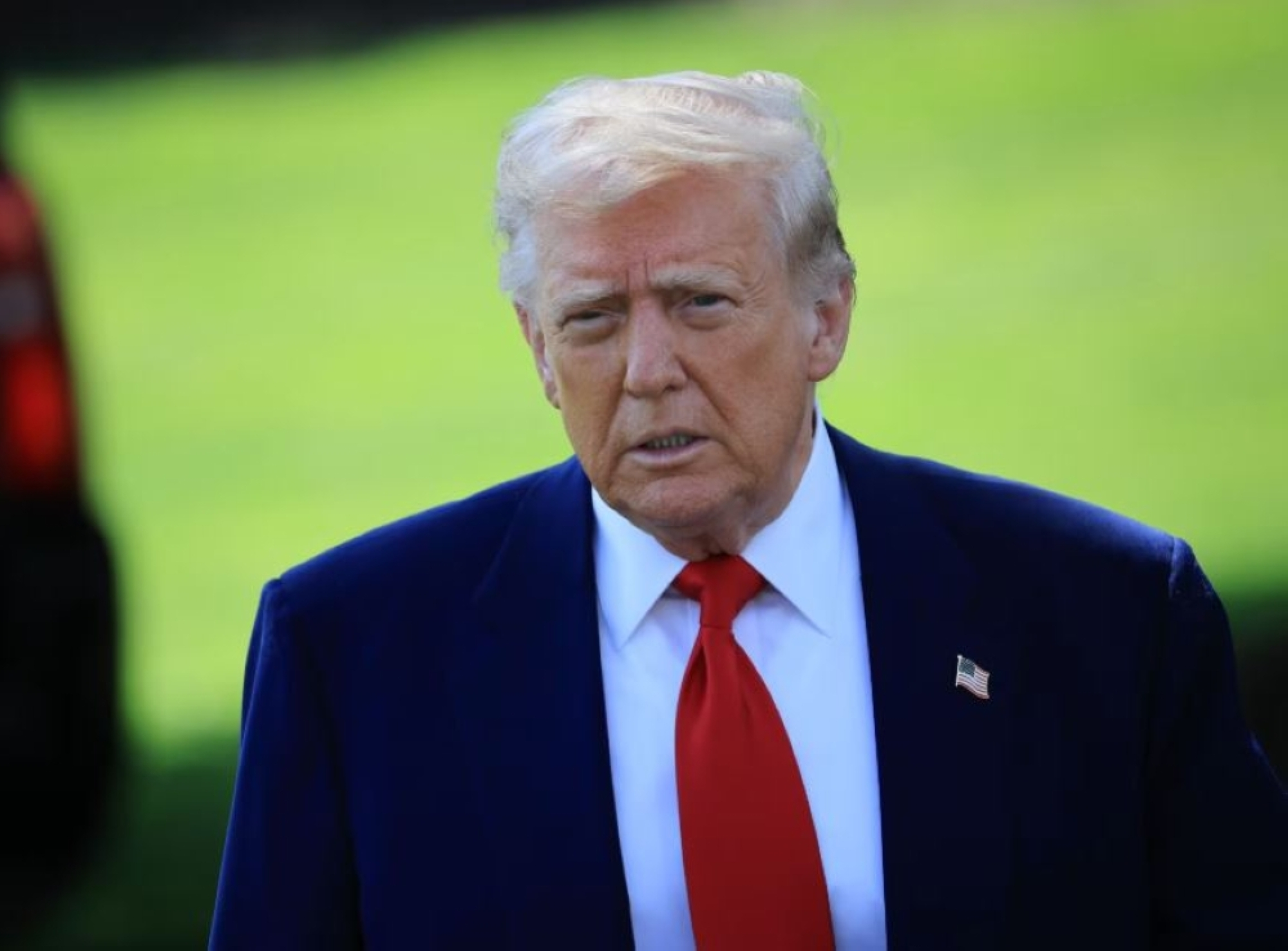
US President Donald Trump issued a strong warning to Iraq, threatening to halt vital US aid if former Prime Minister Nouri al-Maliki returns to power. This firm stance came just days after a prominent Shiite political alliance nominated Maliki for the premiership again, reigniting a heated debate about his political legacy and its impact on the country's future.
In his remarks, Trump indicated that Iraq might be making a “grave mistake” by reinstating Maliki, arguing that his previous term in office between 2006 and 2014 plunged the country into a spiral of “poverty and utter chaos.” This statement was not merely a passing opinion, but rather reflected a deep American concern about a repeat of past scenarios that contributed to the destabilization of Iraq and the entire region.
Historical background: Maliki's controversial rule
Nouri al-Maliki is one of the most prominent political figures in post-2003 Iraq. He served two consecutive terms as prime minister, during which the country witnessed pivotal events. While he is credited with overseeing the withdrawal of US forces in 2011, his second term was marked by a sharp rise in sectarian tensions. He faced widespread accusations of pursuing exclusionary policies and marginalizing the Sunni population, which created a fertile ground for the growth of extremist organizations. This culminated in the rapid collapse of sections of the Iraqi army and the fall of Mosul to the ISIS terrorist organization in 2014, an event that ultimately forced Maliki to resign under domestic and international pressure.
The importance of the American warning and its expected impact
Trump's threat carries strategic dimensions that extend beyond mere political rhetoric. American aid to Iraq is not simply financial support; it encompasses vital aspects of Iraqi national security, including military assistance, training for the armed forces, and the provision of crucial intelligence to combat remnants of terrorist organizations. Therefore, cutting off this aid could create a dangerous security vacuum and weaken the Iraqi state's ability to address existing security challenges.
Regionally, Maliki is seen as a close ally of Iran. His return to power would therefore be interpreted as a major victory for Iranian influence in Baghdad, a prospect that worries the United States and its regional allies, particularly Saudi Arabia and the Gulf states. Trump's statement can also be viewed within the broader context of the power struggle between Washington and Tehran, with Iraq serving as a key arena for this competition. Internationally, this stance underscores the continued role of the United States as an influential player in Iraqi politics and the willingness of the US administration to employ strong pressure tactics to prevent figures it considers hostile to its interests from assuming power.
-

 Local News 3 days ago
Landslide in Riyadh: Details of the incident in Al-Sahafa neighborhood and containment efforts
-
 Local News 4 days ago
The death penalty was carried out against a citizen who stabbed another to death in Tabuk
-

 Culture and Art, 1 week ago
Ramez Galal in Ramadan 2026: Details of the bloody prank show
-
 Local News 5 days ago
First birth on the Riyadh train: A heartwarming story at Andalus station
-
 Local News 3 days ago
Riyadh collapse: Emergency plans to secure water after a main pipeline burst
-

 Culture and Art 3 days ago
Haifa Wehbe's absence in Riyadh: A photo crisis or a strained relationship with the media?
-

 Culture and Art 3 days ago
City Kitchen series: A drama of conflict and the middle class during Ramadan
-

 Culture and Art 3 days ago
The series "Kasra": Dawood Hussein in a moving social drama this Ramadan