
Politics
Trump: Iran wants a deal to avoid a military strike | Middle East News
US President Donald Trump stated that Iran is seeking a new agreement, indicating that he has given them a period of time to respond. These statements come amid escalating tensions in the region.

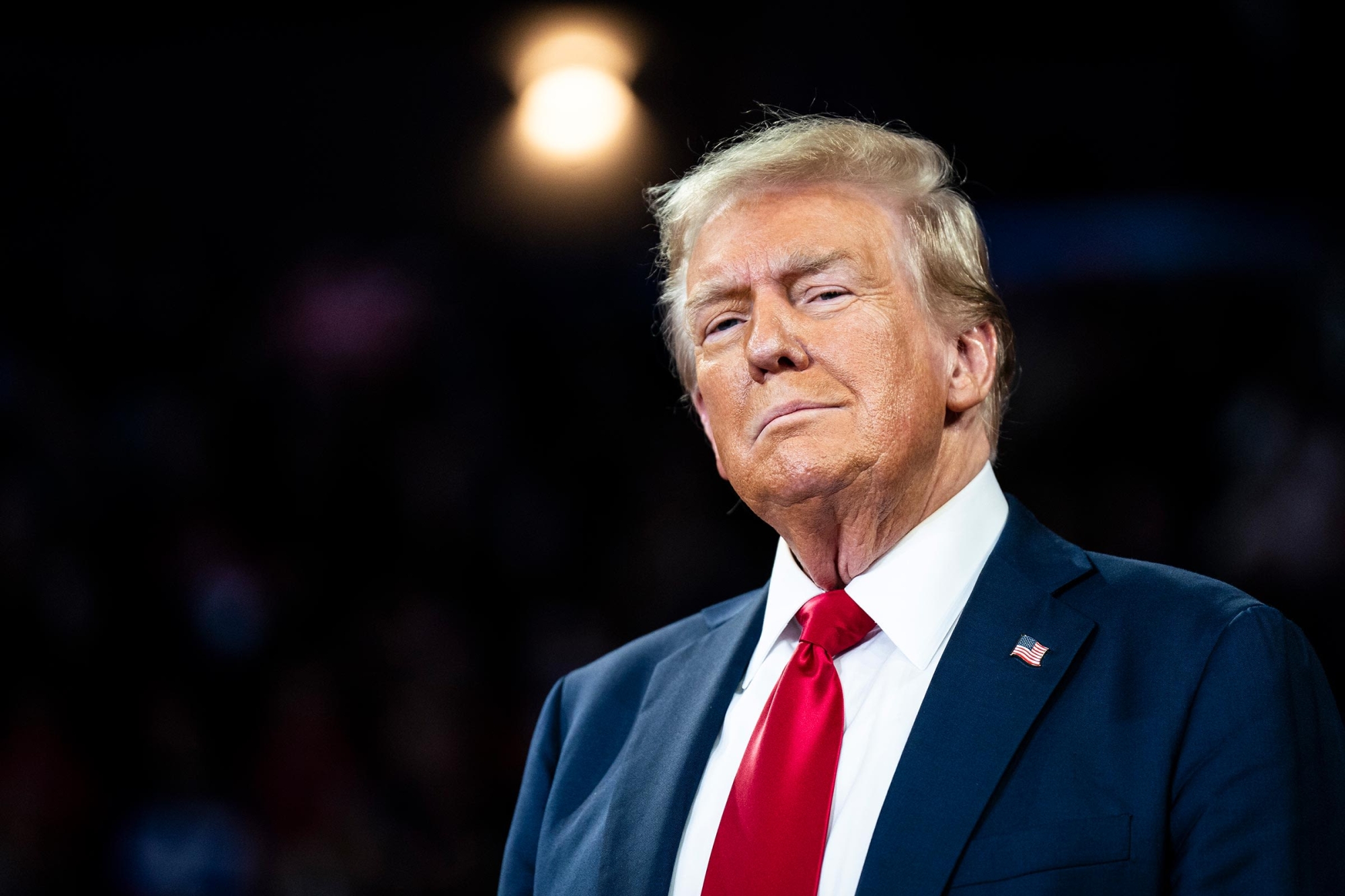
US President Donald Trump announced on Friday that Iran is showing a willingness to reach an agreement, suggesting this is part of its efforts to avoid a potential military confrontation with the United States. At a press conference at the White House, Trump confirmed that he had given Tehran a deadline to respond to his proposals, but he left the deadline vague, saying, "Only they know when it expires." The US president did not provide any further details about the nature of the proposed agreement.
Trump's remarks come at the height of escalating tensions between Washington and Tehran, which began to deepen after the US administration's decision in May 2018 to unilaterally withdraw from the landmark nuclear agreement (the Joint Comprehensive Plan of Action) signed in 2015. Following the withdrawal, Washington reimposed harsh economic sanctions on Iran as part of a strategy dubbed "maximum pressure," aimed at forcing it back to the negotiating table to reach a new and more comprehensive agreement that addresses its nuclear program, ballistic missiles, and regional influence.
In the weeks leading up to Trump's announcement, the region witnessed a series of serious incidents that heightened international concern, including attacks on oil tankers in the Gulf of Oman, which Washington blamed on Tehran. The escalation reached its peak when Iran shot down a US drone, prompting Trump to authorize retaliatory military strikes before reversing his decision at the last minute, deeming the response disproportionate.
Any potential agreement between the two countries carries significant strategic importance both regionally and internationally. For Iran, reaching an understanding would lead to the lifting of sanctions that have crippled the economy and directly impacted the lives of its citizens. Regionally, de-escalation between Washington and Tehran would contribute to the stability of the Middle East, a region plagued by multiple conflicts, and would reassure US allies in the region, such as Saudi Arabia and Israel, who share Washington's concerns about Iran's activities. Internationally, the agreement would affect global energy markets, which are highly sensitive to any disruption in the strategic Strait of Hormuz.
The US president had repeatedly called on Iran to sit down and negotiate without preconditions, while simultaneously warning that any Iranian attack on US interests would be met with “overwhelming force.” Despite the ambiguity surrounding the details of the US offer, Trump’s statements reflect his continued dual approach, combining military threats with calls for diplomacy, thus leaving the door open for a political solution to a crisis that is among the most serious challenges facing global security.


Politics
Peace Winds maneuvers: Saudi Arabia and Oman enhance maritime security
The Saudi and Omani naval forces conducted the 'Winds of Peace' live-fire exercise to enhance the protection of maritime shipping lanes and address security challenges in the region.

In a move reflecting the depth of the strategic partnership and military cooperation between the two brotherly countries, the Royal Saudi Naval Forces and the Royal Omani Naval Forces successfully conducted live-fire missile and ammunition exercises as part of the prominent bilateral naval exercise “Winds of Peace 2026”, which is being hosted by the Sultanate of Oman.
This exercise comes as part of a series of joint drills aimed at standardizing operational concepts and enhancing cooperation between the armed forces of the two countries, serving the security objectives of the Gulf Cooperation Council (GCC) states. These maneuvers are of particular importance given their location in a vital maritime region that serves as a major artery for global trade and energy, making its security a top priority for regional and international security.
The exercise, which was attended by the Chief of Naval Staff, Vice Admiral Mohammed bin Abdulrahman Al Ghuraibi, and the Commander of the Royal Navy of Oman, Rear Admiral Saif bin Nasser Al Rahbi, witnessed the execution of a series of advanced operational scenarios. These scenarios simulated the latest patterns of naval operations, including dealing with surface and air threats, tactics for protecting vital maritime shipping lanes, and operations to combat illicit activities at sea.
The exercise involved a large naval and air force consisting of 10 advanced combat ships from both countries, in addition to helicopters specializing in logistical support and offensive operations, and two platoons of special naval security units, reflecting the scale and seriousness of the exercise in testing combat capabilities and raising the level of readiness to deal with various potential security challenges.
The “Peace Winds 2026” exercise not only enhances the military capabilities of the participating forces, but also sends a clear message about the commitment of the Kingdom of Saudi Arabia and the Sultanate of Oman to maintaining the security and stability of the region’s waterways. It also contributes to strengthening the confidence of the international community and global shipping companies in the safety of these waterways, which in turn supports the stability of the global economy and the prosperity of the region.
Politics
Saudi-Korean military cooperation: Strengthening air force capabilities
Saudi-Korean talks to deepen military cooperation, within the framework of Vision 2030. The visit aims to exchange experiences and enhance air defense capabilities between the two countries.
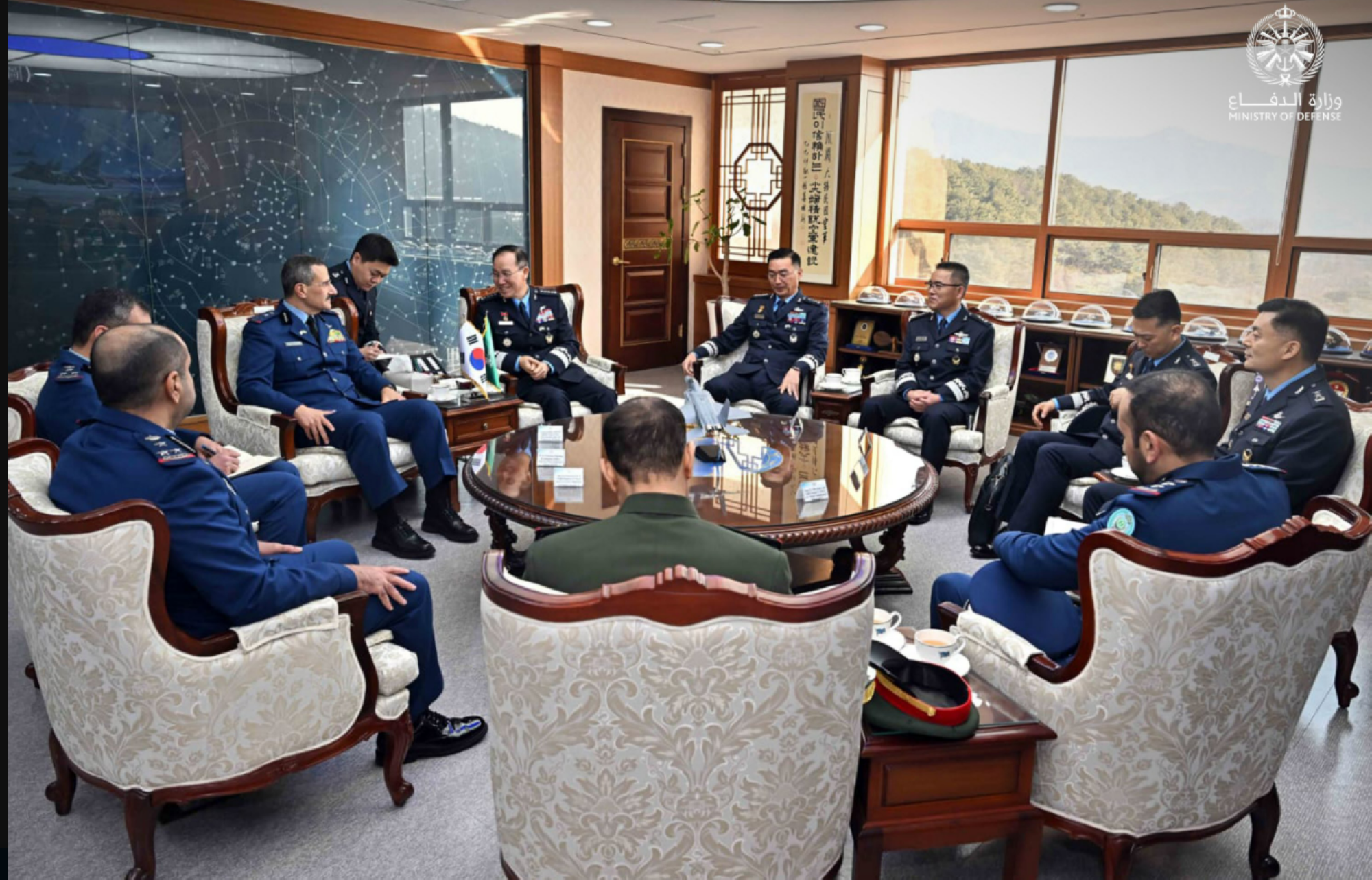
In a move reflecting the depth of the growing strategic partnership between Riyadh and Seoul, the Commander of the Royal Saudi Air Force, Lieutenant General Turki bin Bandar bin Abdulaziz, held an important meeting with the Chief of Staff of the Republic of Korea Air Force, General Song Seok-rae. This meeting, which took place in the presence of official delegations from both countries, comes as part of an official visit by Lieutenant General Turki bin Bandar to South Korea, at the invitation of the South Korean government, to discuss ways to enhance and deepen joint military cooperation, particularly in the field of air power.
Historical background of an evolving partnership
These talks represent a new chapter in the decades-long Saudi-Korean relationship, which began with a focus on the energy sector and has now evolved into a comprehensive strategic partnership. Since the launch of the Saudi-Korean Vision 2030, bilateral relations have witnessed a qualitative leap, expanding to include vital areas such as advanced technology, defense industries, and renewable energy. This partnership serves as a model of cooperation based on shared interests and ambitious future visions for both countries, extending beyond mere trade to encompass the transfer of knowledge and technology.
The importance and impact of defense cooperation
Defense cooperation between Riyadh and Seoul is no longer just an idea; it has become a tangible reality embodied in significant deals. The most prominent of these was the Kingdom's announcement of its acquisition of the advanced South Korean Cheongung II air defense system, one of the most sophisticated missile defense systems in the world. This move not only enhances the Kingdom's defense capabilities but also opens the door to further partnerships in joint manufacturing and technology transfer, aligning with the goals of Vision 2030 to localize 50% of military spending by 2030.
Strategic dimensions of the Kingdom and Korea
These talks are of particular importance to Saudi Arabia, which seeks to diversify its arms sources and localize advanced military technology. Cooperation with South Korea, which has proven its global leadership in the defense industry, provides the Royal Saudi Air Force with an opportunity to learn about the latest technologies and operational expertise. This rapprochement also contributes to strengthening the Kingdom's deterrent capabilities in the face of growing security challenges in the region. For its part, South Korea reaps significant strategic and economic benefits, as this cooperation enhances the global standing of the Korean defense industry (K-Defense) and opens new markets for its products in a vital region.
High-level meetings
During the visit, Lieutenant General Turki bin Bandar also met with the Chairman of the Joint Chiefs of Staff of the Republic of Korea, General Jin Young-sung, where the two sides discussed a number of topics of mutual interest. These high-level meetings underscore the seriousness and mutual desire to elevate military relations to unprecedented levels, serving the strategic interests of the two friendly countries and supporting regional and international security and stability.
Politics
Saudi Arabia welcomes the ceasefire agreement between the Syrian government and the SDF
The Kingdom of Saudi Arabia welcomes the comprehensive ceasefire agreement in Syria between the government and the SDF, and hopes that it will contribute to achieving peace and stability and strengthening national unity.
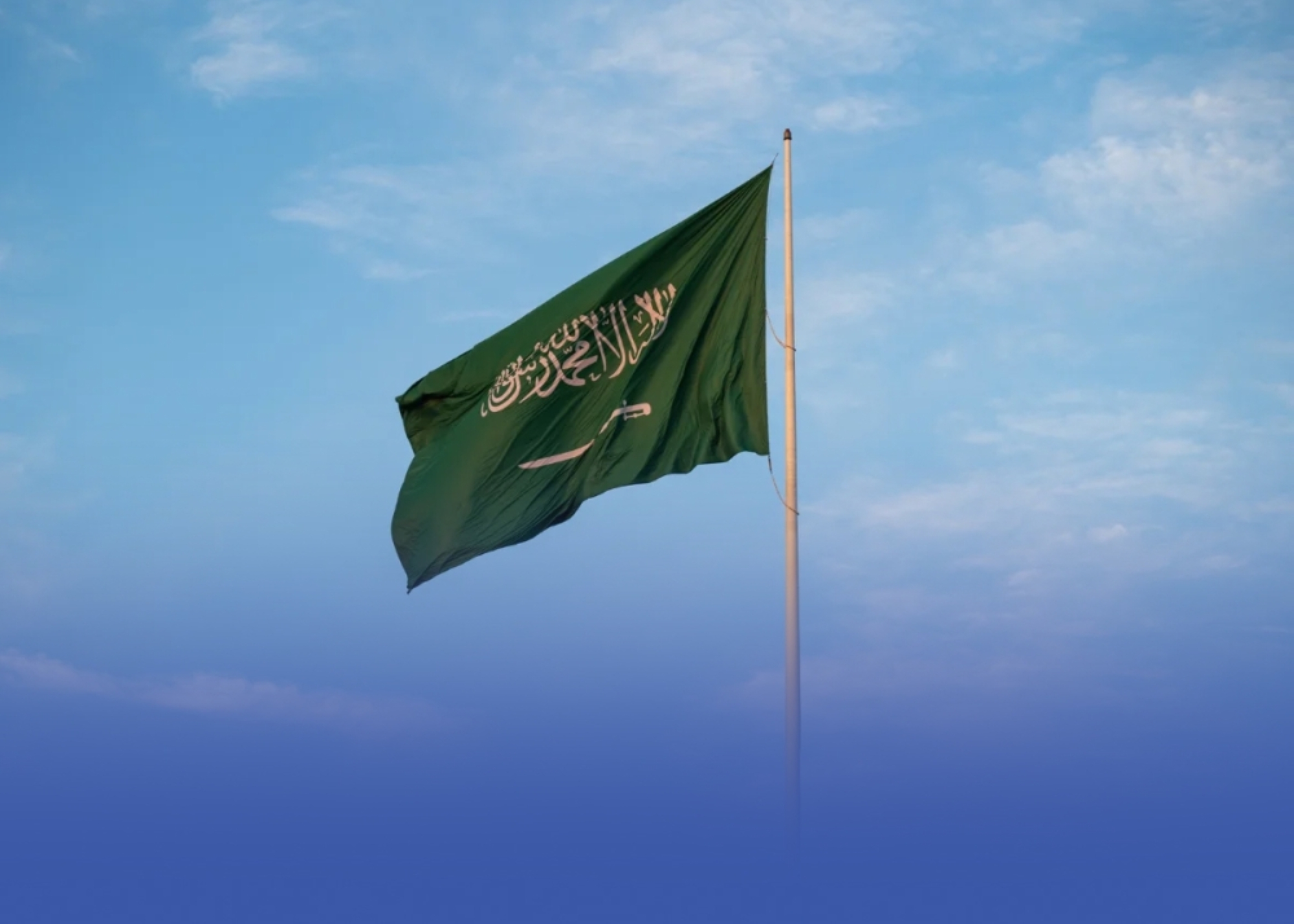
The Saudi Ministry of Foreign Affairs announced that the Kingdom of Saudi Arabia welcomes the statement issued regarding the ceasefire agreement between the Syrian government and the Syrian Democratic Forces (SDF). This welcome comes in light of the agreement's pivotal role as a step that could contribute to turning a page in the complex conflict that the country has been witnessing for years.
In an official statement, the Ministry expressed the Kingdom's hope that this comprehensive agreement, which includes integrating self-governing institutions into Syrian state institutions, will contribute to Syria's progress toward achieving lasting peace, security, and stability. The statement affirmed that this step aligns with the aspirations of the brotherly Syrian people to build a secure and prosperous future and strengthen their national unity and territorial integrity.
Background of the conflict and the importance of the agreement
This agreement comes in the context of a devastating civil war that began in 2011 and has led to deep geographical and political divisions. The Syrian Democratic Forces (SDF), whose backbone is the Kurdish People’s Protection Units (YPG), have emerged as a major force in northern and eastern Syria, particularly after their pivotal role in the war against the ISIS terrorist group, with support from the US-led international coalition. Over the past years, the SDF has administered large areas through the “Autonomous Administration of North and East Syria,” creating a complex political and military reality that is relatively independent of the authority of the central government in Damascus.
Potential impacts at the local and regional levels
The agreement holds significant strategic importance. Domestically, integrating the self-governing institutions into the state structure could lead to the reassertion of Syrian sovereignty over all its territory, unify governance, and redirect resources toward reconstruction and development rather than conflict. It also paves the way for a comprehensive political settlement that guarantees the rights of all components of the Syrian people. Regionally, stability in northeastern Syria reduces the likelihood of foreign intervention and alleviates the concerns of neighboring countries, particularly Turkey, which views the influence of Kurdish forces along its borders with apprehension.
International support and diplomatic efforts
In closing, the Kingdom reiterated its full support for all efforts undertaken by the Syrian government to preserve its sovereignty, unity, and territorial integrity. The Kingdom also commended the responsiveness of both the Syrian government and the Syrian Democratic Forces to the diplomatic efforts it exerted, alongside the efforts led by the United States, which were instrumental in establishing a ceasefire and reaching this historic agreement. This development reflects a shift in regional and international dynamics and underscores the importance of dialogue and a political settlement as the only way to achieve a sustainable end to the Syrian crisis.
-

 Local News 5 days ago
Landslide in Riyadh: Details of the incident in Al-Sahafa neighborhood and containment efforts
-
 Local News 6 days ago
The death penalty was carried out against a citizen who stabbed another to death in Tabuk
-
 Local news one week ago
First birth on the Riyadh train: A heartwarming story at Andalus station
-

 Culture and Art 5 days ago
Haifa Wehbe's absence in Riyadh: A photo crisis or a strained relationship with the media?
-
 Local News 5 days ago
Riyadh collapse: Emergency plans to secure water after a main pipeline burst
-

 Culture and Art 5 days ago
City Kitchen series: A drama of conflict and the middle class during Ramadan
-

 Culture and Art 5 days ago
The series "Kasra": Dawood Hussein in a moving social drama this Ramadan
-

 Local News 4 days ago
Applying for the 1447 Opportunities Program for Teachers via the Fares System