
Politics
Trump raises H-1B visa fees to $100,000 annually
Trump imposes a $100,000 fee on H-1B visas, threatening the tech sector's reliance on skilled labor from India and China. Read more!

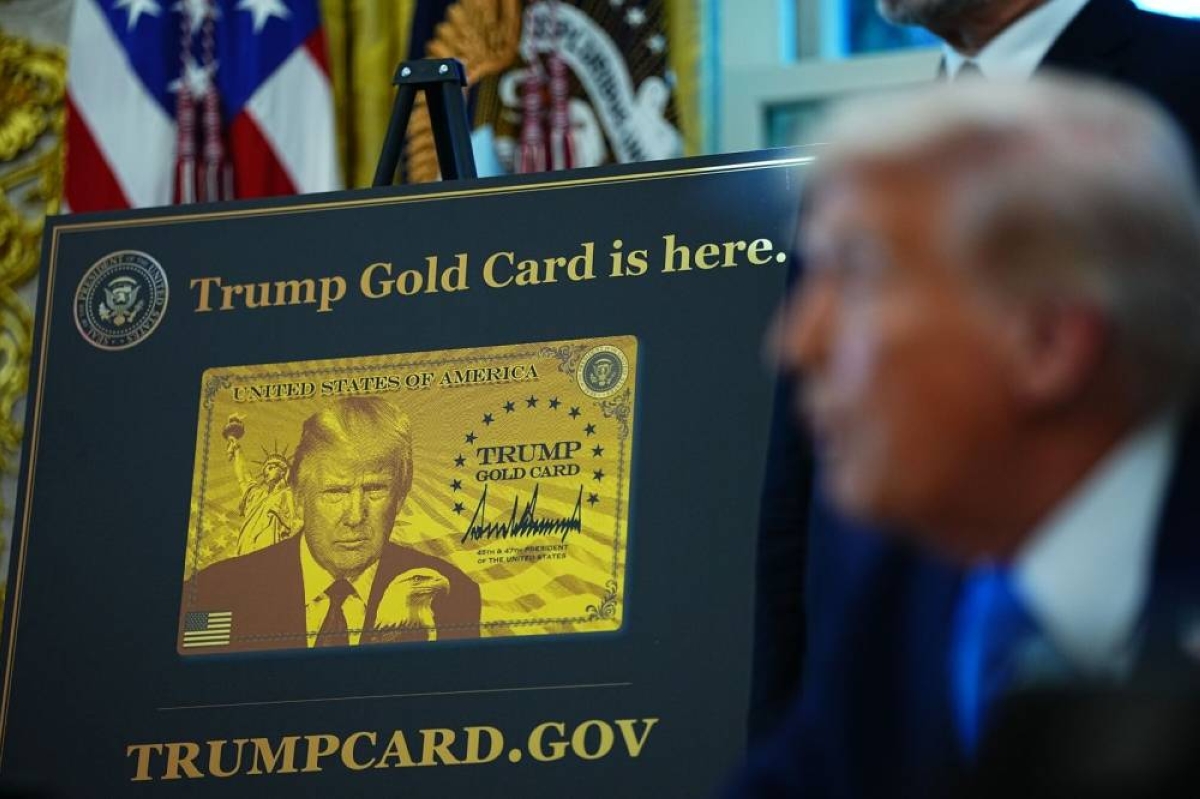
An economic analysis of the Trump administration's decision regarding H-1B visas
The Trump administration has announced its intention to impose an annual fee of $100,000 on companies that bring in foreign workers on H-1B visas. This decision is part of a broader campaign to restrict legal immigration, specifically targeting the technology sector, which relies heavily on skilled labor from countries like China and India.
Impact of the decision on the technology sector
The US technology sector is one of the biggest beneficiaries of the H-1B visa program, with many large companies relying on these visas to attract specialized talent that contributes to technological innovation. Imposing a $100,000 annual fee per visa could place a significant financial burden on companies, especially startups, potentially leading to a reduction in the number of visas granted and less diversity in the workforce.
This decision is expected to negatively affect the ability of American companies to compete globally, as they may find themselves forced to look for less efficient local alternatives or move some of their operations abroad to take advantage of foreign expertise at a lower cost.
The economic and political dimensions of the decision
This decision comes within a complex political and economic context, as the Trump administration seeks to boost job opportunities for Americans and reduce reliance on foreign labor. US Commerce Secretary Howard Lutenick stated that the goal is to train and provide opportunities for recent graduates from American universities instead of bringing in foreign workers.
However, this approach faces widespread criticism from technology industry leaders like Elon Musk, who argue that the program fills talent gaps and helps maintain the competitiveness of the US economy. Musk suggests that the new restrictions could stifle innovation and cause the US to lose its position as a preferred destination for global talent.
Future implications and possible scenarios
If this decision is implemented as planned, we are likely to see a shift in the dynamics of the American labor market. Companies may move toward increasing investment in training the local workforce to compensate for the anticipated shortage of foreign talent. However, this process will require significant time and resources to achieve tangible results.
Globally, restrictions on H-1B visas may increase the attractiveness of other markets for technical talent, such as Canada, Europe, and Asia. These countries could benefit from stricter US policies to attract skilled professionals seeking new opportunities outside the United States.
Summary and final analysis
The Trump administration's decision to impose high fees on H-1B visas poses a significant challenge to the technology sector and the U.S. economy as a whole. While the administration aims to boost employment opportunities for Americans and protect domestic wages, the potential negative repercussions of this decision could reduce the global competitiveness of U.S. companies and increase their operating costs.
Ultimately , the question remains open as to how to strike a balance between protecting national interests and promoting economic growth and innovation, which depends heavily on the diversity and efficiency of the global workforce.




Politics
Faisal bin Farhan meets with the US envoy in Munich 2026
Foreign Minister Prince Faisal bin Farhan meets with US envoy Yehuda Kaplan at the Munich Security Conference 2026 to discuss promoting tolerance, and discusses the latest developments in Gaza with Nikolay Mladenov.
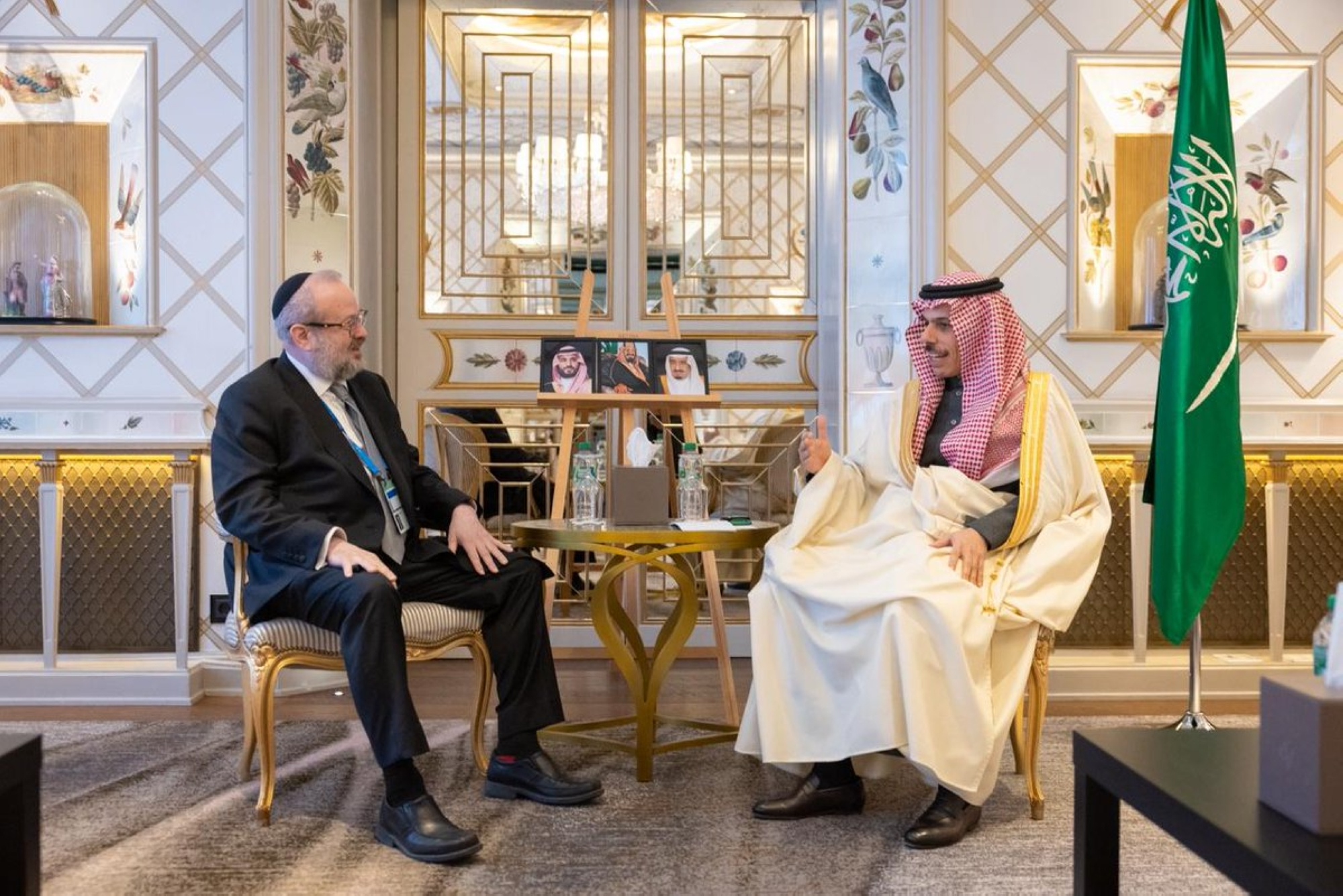
As part of the Kingdom of Saudi Arabia's intensive diplomatic efforts on the international stage, His Highness Prince Faisal bin Farhan bin Abdullah, Minister of Foreign Affairs, met today, Saturday, with the US Special Envoy for Combating Antisemitism, Yehuda Kaplan, on the sidelines of the 2026 Munich Security Conference. This meeting underscores the Kingdom's leading role in promoting international peace and security through constructive dialogue.
During the meeting, a comprehensive review was conducted of international efforts to promote the values of dialogue and tolerance, as well as effective mechanisms to combat all forms of extremism and hatred. The two sides also discussed the importance of fostering understanding and coexistence among different peoples and cultures—principles that Saudi diplomacy has long championed as a cornerstone for achieving global stability. The Munich Security Conference, which hosted this meeting, is the world's leading platform for discussing international security policies, bringing together decision-makers and leaders to exchange views on current and future challenges.
In a related context concerning regional crises and peace efforts, the Foreign Minister held another meeting today with the High Representative of the UN Special Coordinator for the Middle East Peace Process, Mr. Nikolay Mladenov. The meeting included an in-depth discussion of the latest developments in the Gaza Strip and the international and regional efforts underway to address them. The two sides also discussed ways to support de-escalation efforts and humanitarian work, with the aim of protecting civilians and achieving lasting security in the region.
These successive meetings in Munich reflect the Kingdom of Saudi Arabia's commitment to effective engagement with all influential international actors, whether in combating extremist ideology and promoting a culture of peace, or in addressing hotspots of tension and conflict in the Middle East. These initiatives underscore Riyadh's political weight and its ability to lead diplomatic efforts aimed at strengthening regional and international stability, particularly in light of the growing security challenges facing the world, which necessitate close cooperation and continuous coordination among states and international organizations.
Politics
The United Nations accuses the Rapid Support Forces of war crimes in El Fasher
A UN report accuses the Rapid Support Forces of committing war crimes in El Fasher, documenting the killing of more than 6,000 people and serious violations including sexual violence and starvation of civilians.
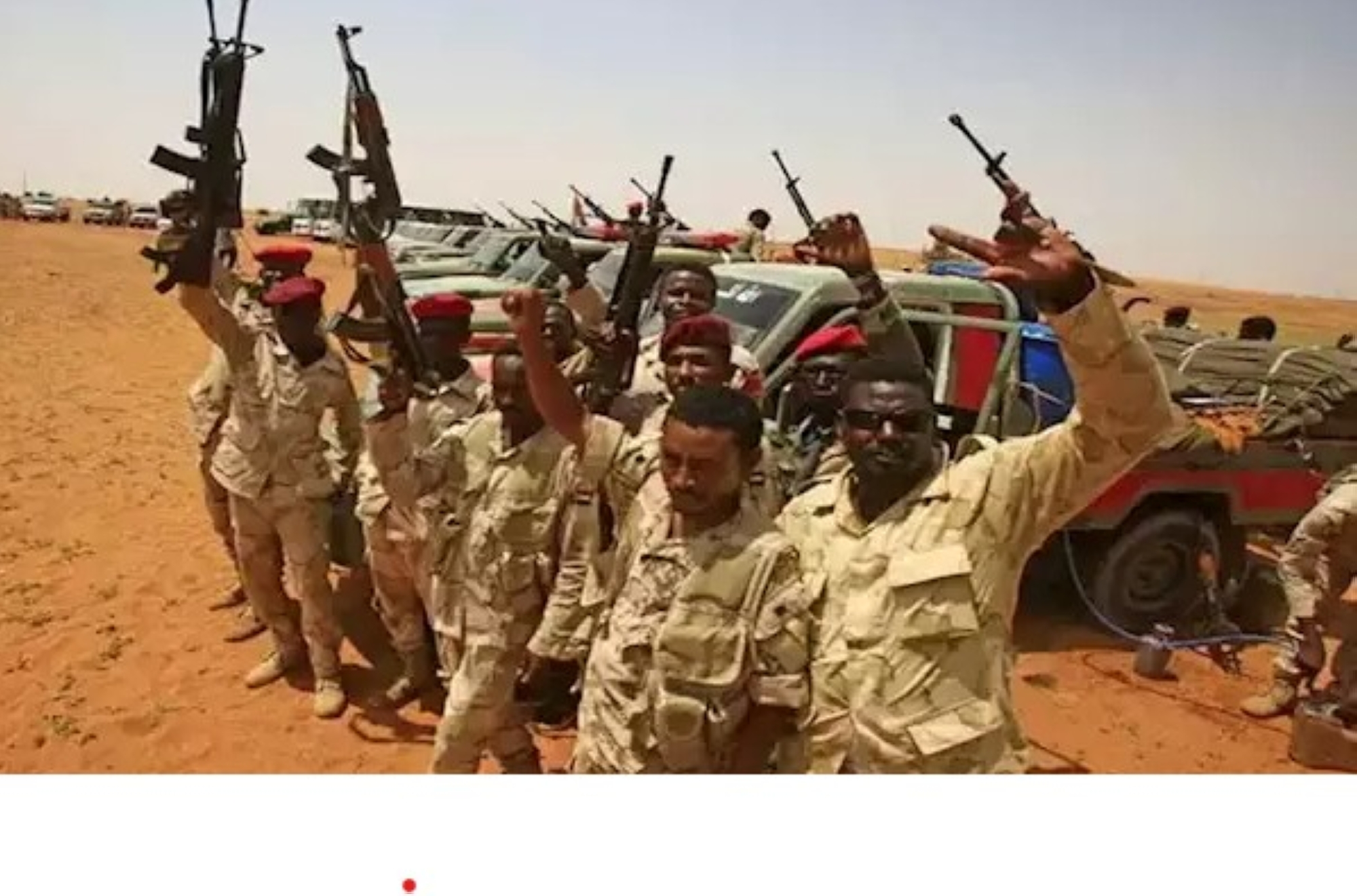
In a dangerous development casting a dark shadow over the Sudanese landscape, the UN High Commissioner for Human Rights has directly and explicitly accused the Rapid Support Forces (RSF) of committing war crimes and potential crimes against humanity in El Fasher, the capital of North Darfur State. This UN report documents atrocities committed since the RSF seized control of the city, revealing a shocking toll of victims and violations.
Details of documented massacres and violations
According to a report released today (Friday), the UN Human Rights Office documented the deaths of at least 6,000 people in an initial toll that is likely to rise. The data indicates that 4,400 people were killed inside the city itself, while more than 1,600 died while trying to flee the fighting. The Office confirmed that the first three days of the offensive alone saw thousands of casualties, warning that the true number of dead and missing is far higher.
The violations were not limited to indiscriminate killings, but also included horrific reports of the use of starvation as a method of warfare, and deliberate attacks against civilians and civilian objects, including hospitals and medical and humanitarian personnel. The report also documented systematic sexual violence, including rape and torture, widespread looting, and the forced recruitment and use of children in hostilities.
Al-Fashir: Strategic Importance and Historical Context
To understand the scale of the disaster, one must consider the strategic importance of El Fasher. The city is the administrative and commercial center of North Darfur State and has long been the last stronghold of the Sudanese Armed Forces in the troubled Darfur region. Its fall or capture would represent a pivotal turning point in the conflict that has raged in Sudan since mid-April 2023, granting the controlling party significant influence over the entire western region.
This escalation brings to mind the bloody conflict in Darfur that began in 2003, raising international fears of a repeat of ethnic cleansing and genocide. El Fasher's strategic location makes it a vital transportation hub for the flow of humanitarian aid, and therefore military operations there are strangling a lifeline for millions of civilians trapped in the region.
International calls for criminal accountability
Commenting on these violations, the UN High Commissioner for Human Rights, Volker Türk, called for immediate and impartial investigations to determine criminal responsibility, stressing that accountability must extend to leaders and those responsible for issuing orders, not just the perpetrators.
The High Commissioner's findings align with previous conclusions reached by the Office of the Prosecutor of the International Criminal Court, which affirmed the existence of reasonable grounds to believe that war crimes and crimes against humanity were committed during the takeover of El Fasher. This report places the international community before its responsibilities to take urgent action to halt the violations and ensure that perpetrators are not allowed to escape punishment, given the worsening humanitarian crisis, described as one of the worst displacement and hunger crises in the world today.
Politics
Washington sends a second aircraft carrier to the Middle East and warns Iran
The United States is bolstering its forces by sending a second aircraft carrier to the Middle East. Trump warns Iran of the consequences of a failed nuclear deal amid disagreements over its ballistic missile program.
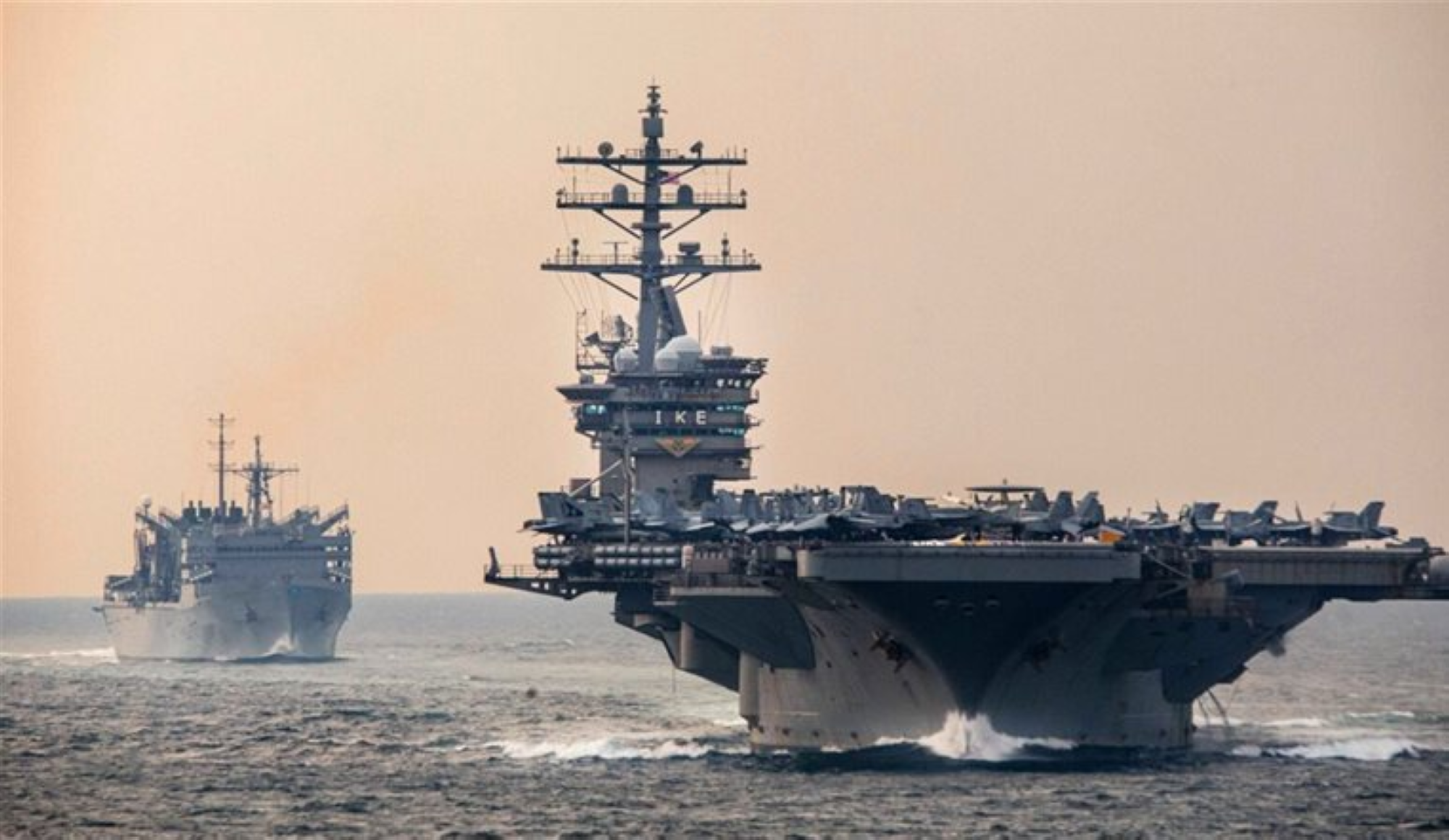
In an escalation reflecting growing geopolitical tensions, the United States intends to bolster its military presence in the Middle East by deploying a second aircraft carrier. This strategic move coincides with US President Donald Trump's renewed and stern warnings to Tehran, threatening severe consequences if a comprehensive and decisive agreement on its nuclear program is not reached.
Massive military reinforcements in territorial waters
US media outlets have reported that the Pentagon has ordered the aircraft carrier USS Gerald R. Ford, along with a strike group, to move from its current position in the Caribbean Sea and proceed directly to the Middle East. This move reinforces the fleet led by the aircraft carrier USS Abraham Lincoln, which has been deployed to the region in recent weeks. Military experts suggest that the presence of two aircraft carriers in the same area sends a strong and unusual message of deterrence, intended to project US power and ensure the security of vital waterways amid current tensions.
Diplomacy under the pressure of military threats
On the political front, President Trump asserted on Thursday night that Iran would face "very painful consequences" if the ongoing negotiations failed. Despite the threatening tone, Trump expressed hope for tangible results within the next month. He had directly linked the avoidance of military action to Tehran's agreement to a new nuclear deal, thus presenting the Iranian leadership with a difficult choice: either submit to American demands or face a potential military escalation.
Behind the scenes of the Muscat talks and points of contention
Oman hosted a round of talks last week between Iranian and American officials. While no date has been set for the next round, there are signs of cautious optimism from the American side. The main point of contention revolves around the scope of the agreement. Tehran insists on limiting the talks to the nuclear issue, denying any military ambitions for its program. In contrast, American officials and their Western allies insist that any agreement must be expanded to include Iran's ballistic missile program, which they consider a threat to regional security.
Internal context and impact of the protests
These external developments come at a time when Iran is facing internal challenges, as the US president pointed to the protests that erupted in late December. These protests began with economic and living conditions resulting from pressure and sanctions, but quickly transformed into a political movement raising slogans against the authorities, who responded with a widespread crackdown. Observers believe that US pressure aims to exploit this internal situation to push Tehran toward making significant concessions at the negotiating table.
-

 Local news one week ago
Launch of the city's shuttle bus service in Ramadan 1447 AH: Routes and stations
-
Culture and Art, 1 week ago
Yasser Galal and Radwa El Sherbiny: Details of a new artistic project that brings them together
-
Local news one week ago
Mohammed Al-Rasasmeh appointed as official spokesperson for the Ministry of Municipalities and Housing
-
Culture and Art, 1 week ago
Poster for the series "Two Others": Asser Yassin and Dina El Sherbiny in Ramadan
-
Politics, one week ago
German Chancellor Friedrich Merz departs Riyadh after an official visit
-
Local news one week ago
Saudi Arabia weather today: Thunderstorms and dust in 5 regions
-
Local news one week ago
The Saudi Media Forum 2026 concludes with the crowning of the winners
-
Politics, one week ago
Faisal bin Farhan and Araqchi discuss regional security and developments


