Politics
The White House halts preparations for the Trump-Putin summit
The White House has halted preparations for the Trump-Putin summit following a productive call between the two foreign ministers. Has the need for a meeting between the two leaders ended? Find out the details!


html
Plans for a second summit between Trump and Putin have stalled
A report published by Axios revealed that the White House has decided to halt preparations for a second summit between US President Donald Trump and Russian President Vladimir Putin. According to the website, citing a White House official, there are no current plans for a meeting between the two leaders in the near future. The official indicated that the productive communication between US Secretary of State Marco Rubio and Russian Foreign Minister Sergey Lavrov has reduced the need for an additional face-to-face meeting between them.
Disagreements over the upcoming summit
These developments come as diplomats confirm that Moscow's refusal to call for an immediate ceasefire in Ukraine was a major reason for postponing the preparatory meeting between the two countries' foreign ministers. European leaders have urged Washington to maintain its demand for an immediate ceasefire in Ukraine, considering the current front lines as the basis for any future talks.
For its part, Moscow has repeatedly linked a ceasefire to Ukraine agreeing to cede more territory, reflecting the complexity of the diplomatic and political situation surrounding the Ukrainian-Russian conflict.
New European peace plan
In a related development, Ukraine is working with several European countries to prepare a 12-point peace plan aimed at ending the Russian-Ukrainian war, which has been ongoing for more than three years. According to Bloomberg, the new plan is being coordinated by Kyiv in cooperation with European capitals such as Berlin, Paris, and Brussels.
The plan is based on freezing the current front lines as a basis for a ceasefire, paving the way for comprehensive peace negotiations between Moscow and Kyiv. The draft proposal includes long-term security guarantees for Ukraine, which could include international oversight or a defense pledge from the European Union, as well as the reconstruction of devastated areas using Russian funds frozen in Europe.
Prospects for diplomatic solutions
The agreement also stipulates a gradual lifting of sanctions against Moscow in exchange for its commitment to implementing the deal, along with an international monitoring mechanism that could be overseen by the United Nations or a joint committee comprising the United States, Russia, and the European Union. This approach reflects international efforts to achieve a lasting and peaceful settlement to the complex conflict that significantly impacts regional and international stability.




Politics
The death of Rifaat al-Assad: The end of the 'Butcher of Hama' and his bloody career
Rifaat al-Assad, Bashar al-Assad's uncle, has died at the age of 88. He was known as the "Butcher of Hama" for his role in the 1982 massacre. Learn about his bloody history, his legal troubles, and his fate after the fall of the regime.

Rifaat al-Assad, the uncle of former Syrian President Bashar al-Assad and one of the most prominent and ruthless figures in the decades-long Assad family rule, has died at the age of 88. His death comes shortly after the fall of his nephew's regime in December 2014, bringing to a close the life of a controversial figure whose name is linked to one of the bloodiest chapters in modern Syrian history.
Historical context: The Hama massacre
The name Rifaat al-Assad cannot be mentioned without recalling the events of the 1982 Hama massacre . At the time, Rifaat commanded the Defense Brigades, a semi-autonomous and well-equipped military force whose primary mission was to protect the regime of his brother, Hafez al-Assad. When an armed uprising led by the Muslim Brotherhood erupted in the city of Hama, the Defense Brigades were tasked with suppressing it. The result was a brutal military campaign that lasted for weeks, during which the city was indiscriminately bombarded and its old quarters destroyed, resulting in the deaths of between 10,000 and 40,000 civilians, according to various estimates. This massacre cemented the title "Butcher of Hama," which haunted Rifaat al-Assad until his death.
A power struggle and a long exile
Rifaat's career was not limited to military repression; it was also marked by political ambition. In 1984, after his brother Hafez al-Assad suffered a heart attack, Rifaat attempted a coup to seize power, deploying his forces in the streets of Damascus. However, the attempt failed after their mother intervened, and he was exiled from Syria and nominally appointed vice president, beginning a long period of exile in Europe, moving between France and Spain. During his exile, he amassed a considerable fortune, which raised suspicions that it had been plundered from the Syrian treasury.
Significance and impact: legal proceedings and a symbolic end
Internationally, Rifaat al-Assad faced legal proceedings in several European countries. In France, he was convicted of money laundering and embezzling Syrian public funds, receiving a prison sentence and the confiscation of his luxury real estate holdings. Swiss authorities also opened an investigation against him for alleged war crimes related to his role in the Hama massacre. These prosecutions represented a significant symbol in the effort to achieve justice for the victims and hold those responsible for major crimes accountable.
Rifaat al-Assad unexpectedly returned to Syria in 2021, fleeing a prison sentence in France. His stay was short-lived, however. With the collapse of the Assad regime in December 2024, he left the country again, reportedly traveling to the United Arab Emirates via Lebanon. His death today, while still at large, marks the biological end of a symbol of repression, but it also leaves a bitter taste in the mouths of thousands of Syrians who had hoped to see him face justice in a Syrian court for the crimes he is accused of.
Politics
Trump and European policies: Criticism of clean energy and mass immigration
An analysis of Donald Trump’s statements criticizing Europe’s clean energy and immigration policies, highlighting the background of “America First” and its potential impact.
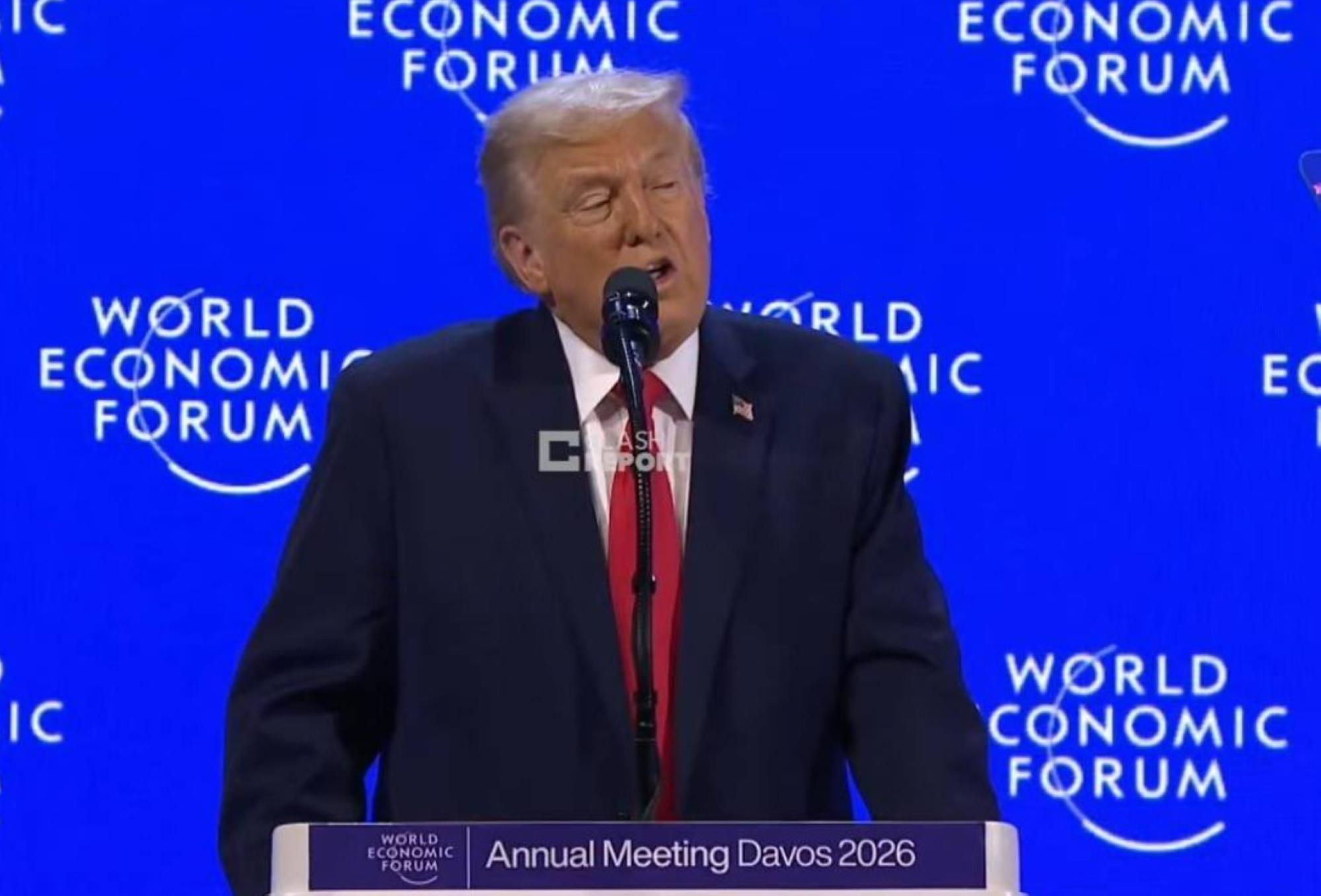
Former US President Donald Trump renewed his criticism of European policies, asserting that the continent is “not headed in the right direction.” He attributed this primarily to what he described as an excessive focus on clean energy and mass immigration policies, which he believes have harmed its economic and security stability. These remarks are part of his ongoing “America First” political discourse, which he repeatedly presented at prominent international forums such as the World Economic Forum in Davos during his presidency.
Historical background and context of “America First”
These criticisms stem from the core political doctrine Trump adopted during his 2016 presidential campaign and throughout his presidency. His foreign policy was based on the premise that traditional alliances and international agreements no longer adequately served American interests. In this context, he criticized NATO allies for failing to meet their financial commitments and withdrew from the Paris Climate Agreement, arguing that environmental regulations harmed American industry and gave other countries a competitive advantage. His view of Europe was heavily influenced by this perspective, as he considered its environmental and social policies overly idealistic and unrealistic.
Criticism of energy and immigration policies
Regarding energy, Trump has consistently criticized Europe's, and particularly Germany's, reliance on Russian gas, coupled with its gradual shift away from nuclear power and coal. He argued that this move toward "clean energy" has made Europe dependent on external and unstable energy sources, presenting the United States as a reliable alternative through exports of liquefied natural gas and oil. On immigration, he strongly condemned the "open-door" policies adopted by some European countries, such as Germany in 2015, deeming them a threat to national security and cultural identity, and linking them to increased crime and terrorism.
Importance and expected impact
Trump’s statements take on particular significance given the possibility of his return to the White House. Domestically, they aim to rally his electoral base, which shares his skepticism toward globalization and liberal policies. Internationally, they are causing concern in European capitals, which fear a return to the trade and political tensions that characterized his first term. A potential Trump victory could prompt Europe to reassess its defense and economic strategies and accelerate its efforts toward greater “strategic independence” in energy and defense, in anticipation of a more isolationist and unpredictable US policy.
Politics
Trump threatens to wipe Iran off the map, and Tehran vows revenge for Khamenei
The war of words between Washington and Tehran has escalated. Trump vows to obliterate Iran in response to threats against his life, while Iran warns against harming Khamenei following the assassination of Soleimani.
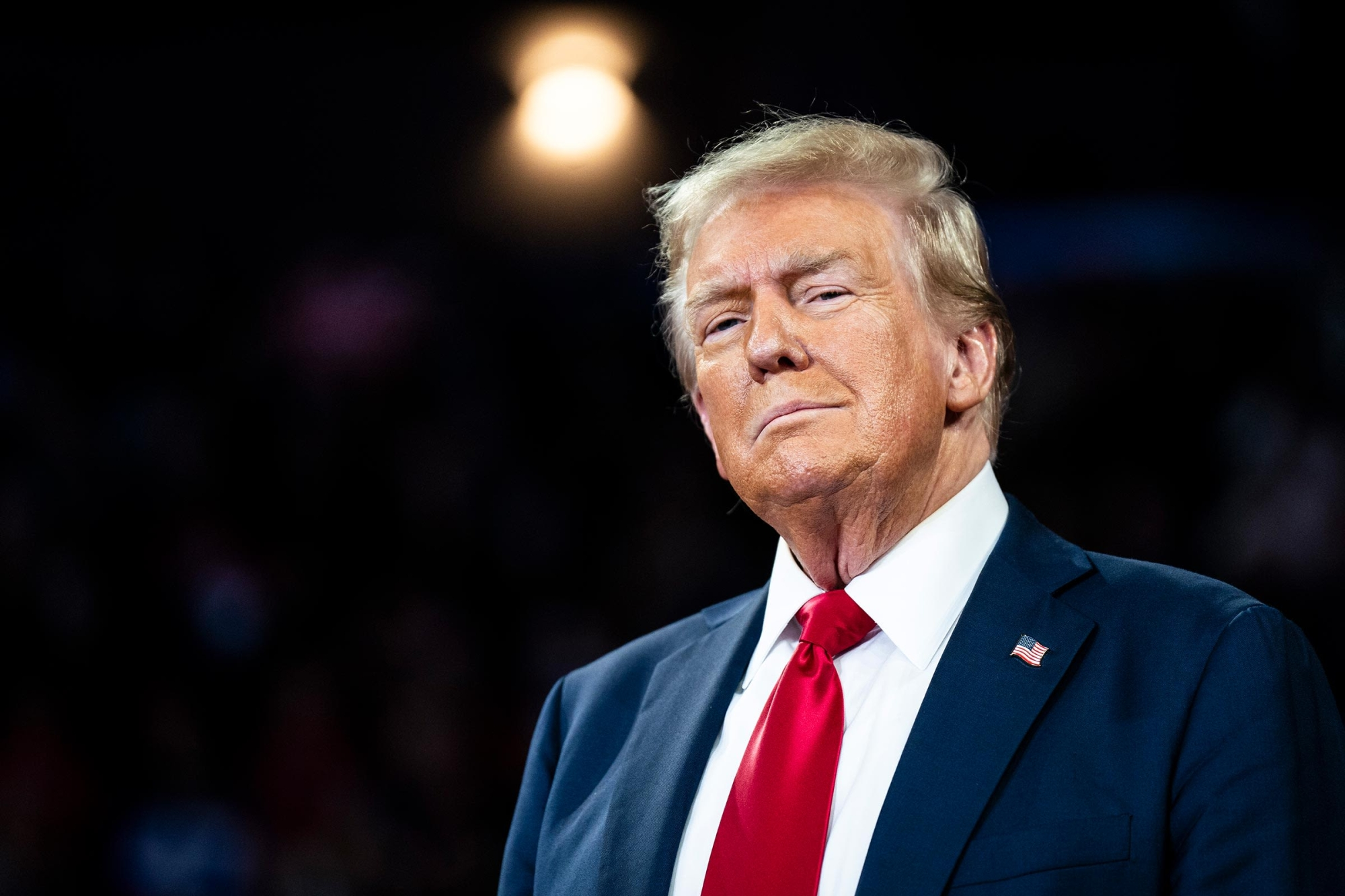
The war of words between Washington and Tehran has reignited, with former US President Donald Trump issuing a fierce threat, vowing to "obliterate Iran from the face of the earth" should he be assassinated. This statement has only added fuel to the already simmering tensions and has drawn an equally sharp response from Iran, reflecting the deep-seated animosity between the two countries.
Background to the tension: A legacy of hostility
These mutual threats cannot be understood in isolation from their historical context, particularly during the Trump presidency. In 2018, the United States unilaterally withdrew from the Iran nuclear deal (the Joint Comprehensive Plan of Action) and reimposed crippling economic sanctions under a policy dubbed “maximum pressure.” This policy led to a sharp decline in the Iranian economy and exacerbated tensions between the two sides.
Tensions reached a peak in January 2020 with the US assassination of Qassem Soleimani, commander of the Quds Force of Iran’s Islamic Revolutionary Guard Corps, in an airstrike in Baghdad. Since then, Iran has repeatedly vowed revenge for Soleimani’s killing, considering Trump and other US officials legitimate targets, which explains Trump’s sensitivity to any potential threats to his life.
Details of the latest threats
In a recent interview with News Nation, Trump, when asked about Iranian threats, said, “I gave very strong instructions, and if anything happens, they will be wiped off the face of the earth.” This statement is a continuation of Trump’s approach, in which he has previously used extreme rhetoric, emphasizing that the United States will not hesitate to respond to any attack on its leadership.
In response, Iran issued a swift rebuttal through the spokesman for the General Staff of the Armed Forces, General Abolfazl Shekarchi, who asserted that “Trump is well aware of the seriousness of Tehran’s position.” State media quoted him as saying, “If the hand of aggression reaches out to our leader (Supreme Leader Ali Khamenei), we will not only cut off that hand, but we will set their world ablaze and leave them no safe haven in the region.”.
Internal and regional dimensions
These threats coincide with significant internal challenges facing the Iranian regime, as the country has witnessed widespread protests fueled by deteriorating living conditions and social restrictions. In such circumstances, the regime often resorts to escalating its rhetoric abroad to garner domestic support and divert attention from its problems. Authorities have responded to these protests with brutal repression, resulting in hundreds of deaths and thousands of arrests, according to international human rights organizations.
Regionally and internationally, this war of words exacerbates instability in the Middle East and casts a shadow over any future diplomatic efforts, particularly regarding the stalled nuclear negotiations. It also puts US allies in the region on high alert, fearing that any spark could ignite a wider military confrontation with potentially disastrous consequences for all.
-

 Reports 6 days ago
Achievements of Saudi government sectors in 2025
-
Local news two weeks ago
FDA warns of contaminated Nestle infant formula | Recall details
-
Technology 4 weeks ago
US ban on drones: reasons and consequences
-
Technology 4 weeks ago
SRMG and Snapchat partnership: The future of digital media in the Middle East
-
Technology 4 weeks ago
Saudi Arabia's Ministry of Islamic Affairs is employing artificial intelligence in public speaking
-
Sports 4 weeks ago
Salah leads Egypt to a thrilling comeback against Zimbabwe in the Africa Cup of Nations
-
Sports 4 weeks ago
Napoli win the Italian Super Cup in Riyadh for the third time (2025)
-
Sports 4 weeks ago
Alexander Isak's injury: A major blow to Newcastle United's ambitions