
Politics
Sending Tomahawk missiles to Ukraine: A Russian warning of dire consequences
Russia warns of dire consequences after supplying Tomahawk missiles to Ukraine, amid escalating tensions between Moscow and Washington and significant geopolitical implications.

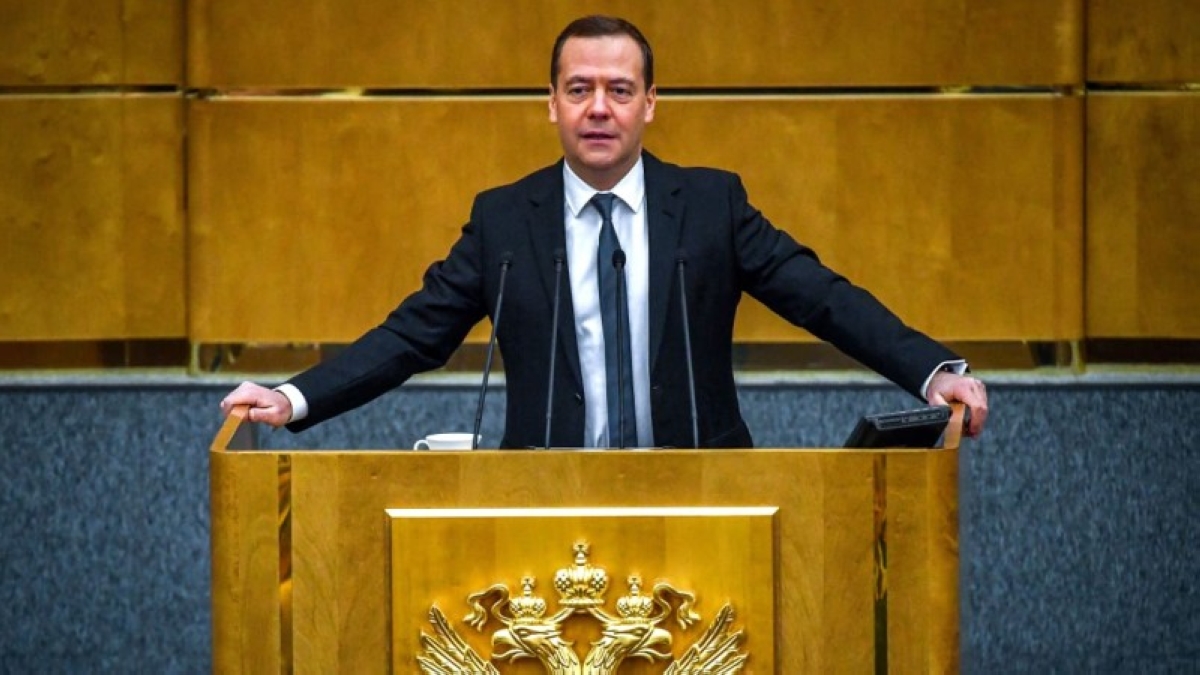
Tensions are escalating between Moscow and Washington over Tomahawk missiles
Amid escalating international tensions, former Russian President Dmitry Medvedev warned that the US supply of Tomahawk missiles to Ukraine could have dire consequences for everyone, specifically mentioning the impact on former US President Donald Trump. These remarks come against a backdrop of increasing geopolitical complexities among the world's major powers.
Russian warnings and American statements
Medvedev explained that distinguishing between conventional Tomahawk missiles and those equipped with nuclear warheads is impossible once launched, raising concerns about how Russia would respond to such a development. He hinted at the possibility of a Russian response of a nuclear nature, reflecting the gravity of the current situation.
For his part, Trump warned that he might send long-range Tomahawk missiles to Ukraine if Moscow did not end the war there soon. He emphasized that he might be prepared to increase pressure on Russian President Vladimir Putin using a substantial weapons system, stressing the power and impact of these offensive missiles.
Talks with Zelensky
Trump's remarks came after a phone call with Ukrainian President Volodymyr Zelensky, during which they discussed strengthening Ukraine's air defenses and long-range capabilities. Zelensky described the call as "very productive," indicating a convergence of views on the importance of bolstering Ukraine's defense capabilities.
International reactions and strategic analysis
Russian President Vladimir Putin has previously warned that the United States supplying Ukraine with long-range missiles would seriously damage relations between Moscow and Washington. This warning reflects Russia's deep concern about any escalatory steps that could worsen the security situation in the region.
Saudi Arabia and its diplomatic role
Amid these escalating tensions, Saudi Arabia is playing a crucial diplomatic role in attempting to de-escalate the situation and promote regional and international stability. Riyadh is relying on its diplomatic strength and strategic balance to achieve peace and stability in the region and the world.
Conclusion and analysis of the international situation
The situation between Russia and the United States remains sensitive and complex, requiring wisdom and diplomacy to avoid any escalation that could lead to disastrous consequences. Continued dialogue and mutual understanding are the best way to resolve conflicts and ensure global security and peace.










Politics
US travel advisory for Egypt: Washington maintains classification at level 2
Washington maintains Egypt at Level 2 in its travel advisories and excludes it from its Middle East departure warnings. Learn more about the decision and its impact on Egyptian tourism.
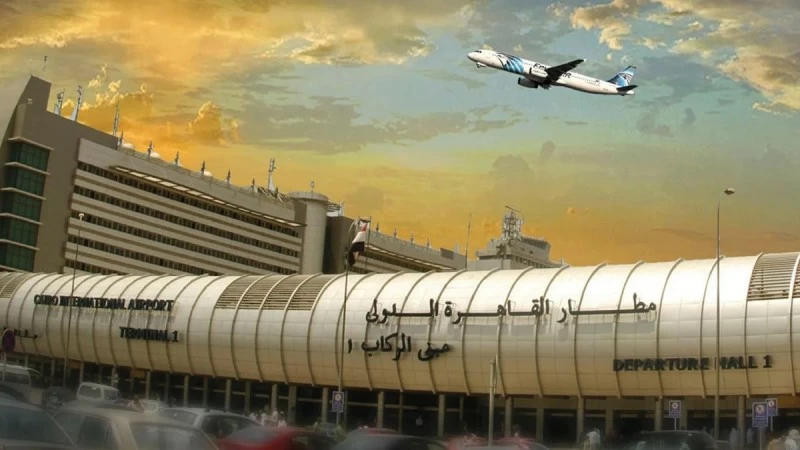
In a remarkable diplomatic success reflecting the stability of the internal situation despite the turmoil in the regional environment, the Egyptian Ministry of Foreign Affairs managed to maintain Egypt's classification as a relatively safe region in the US travel advisories, thus overcoming the wave of urgent warnings that affected many Middle Eastern countries.
The U.S. State Department issued an official update to its travel advisory on Tuesday, maintaining Egypt at Level 2 , which advises "expedite travel with increased caution"—the same level applied to many stable European countries. This decision comes at a time of unprecedented military escalation in the region, including an exchange of attacks between Israel and Iran and tensions on multiple fronts, prompting Washington to urge its citizens to immediately leave more than 14 countries in the region.
Implications of timing and regional context
This decision is of particular strategic importance given its timing, as the Middle East is experiencing heightened tensions. Western countries typically resort to issuing travel warnings for the entire region as a precautionary measure in such circumstances. However, Cairo's success in exempting itself from these warnings reflects international confidence in the resilience of the Egyptian home front and the ability of its security apparatus to protect the country and its visitors, while simultaneously insulating Egypt from border tensions.
Intensive diplomatic efforts
This classification did not come about by chance, but was the result of intensive diplomatic efforts led by the Egyptian Ministry of Foreign Affairs in coordination with the Egyptian Expatriates Affairs sector. These efforts included high-level contacts with Western decision-making capitals, specifically the United States, Canada, and Ireland, to clarify the reality of the stable security situation in tourist destinations and major cities, far from border tension hotspots.
The US Embassy in Cairo confirmed in a routine security alert that travel advisories have not changed, with the Level 4 (Do Not Travel) warning limited to specific and isolated geographic areas, namely North and Central Sinai and some western border areas, while all major tourist cities such as Cairo, Alexandria, Luxor, Aswan, Hurghada and Sharm El Sheikh remain within the safe and open area for international tourism.
Economic and tourism impact
This announcement serves as an international "certificate of confidence" upon which the Egyptian tourism sector heavily relies, especially with the start of the winter tourist season. Egypt's continued status at Level 2 sends reassuring messages to international tour operators and global insurance companies, protecting tourist flows from cancellations that often accompany geopolitical tensions. This position also reinforces Egypt's pivotal role as a secure logistical hub for evacuations and humanitarian aid when needed, while Egyptian airports and airspace continue to operate efficiently and without interruption.
Politics
Oil tanker explosion east of Fujairah: Details of the incident and maritime developments
A security incident has rocked the waters off Fujairah after a projectile exploded on an oil tanker. Read the full details of the incident, the crew's condition, and the impact of regional tensions on energy security.
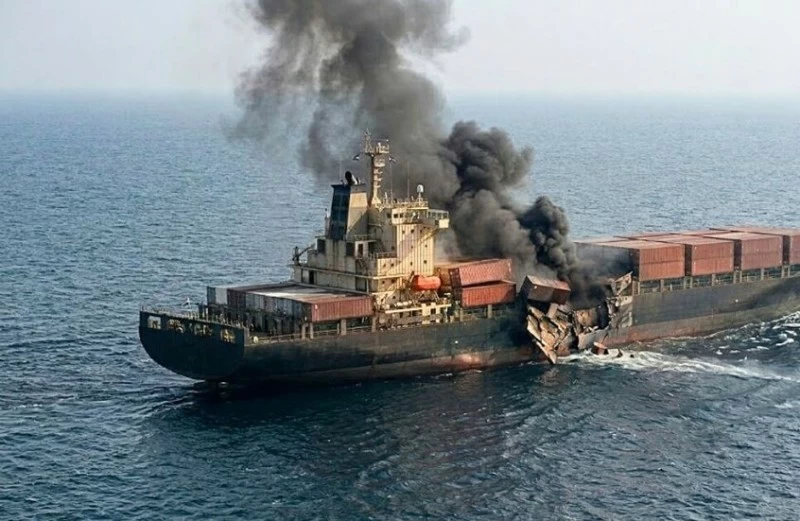
The United Kingdom Maritime Trade Operations (UKMTO) announced on Wednesday that it had received a formal report of a maritime security incident involving an oil tanker approximately 10 nautical miles (18.5 kilometers) east of Fujairah in the United Arab Emirates. This incident has heightened security concerns in the region's vital waterways, as the ship's captain reported hearing a loud explosion that shook the tanker, followed by the discovery of shrapnel and debris from an unidentified projectile on the deck.
Details of the incident and recorded damages
According to initial reports and data issued by the authority, the explosion caused limited material damage to the tanker's steel hull, specifically in the funnel area and upper sides, in addition to shattering some windows in the bridge. The authority confirmed that the incident did not result in any major fires or oil spills, and that no injuries were reported among the crew members, all of whom were confirmed safe. The authority issued urgent warnings to all commercial vessels transiting the area, urging them to exercise extreme caution and immediately report any suspicious movements or activities.
The strategic importance of Fujairah port
The location of the incident is particularly significant given the strategic importance of the Emirate of Fujairah in the global energy market. The Port of Fujairah is one of the world's largest bunkering hubs, situated directly on the Gulf of Oman, just outside the Strait of Hormuz. This geographical advantage makes it a vital artery for exporting Emirati and Gulf oil without having to pass through the Strait of Hormuz, a critical maritime chokepoint. Consequently, any security threat in this area not only affects the targeted vessel but also casts a shadow over global energy supply chains and oil prices.
Context of regional tensions and recurring incidents
This incident cannot be viewed in isolation from the tense security situation that has recently prevailed in the Arabian Gulf region and the Strait of Hormuz. This explosion is part of a series of escalating security incidents that the region has witnessed since the end of February and the beginning of March, which have included attacks on commercial vessels and oil tankers with projectiles or drone fragments. Similar incidents have been reported north of Muscat in Oman and northwest of Saqr Port in Ras Al Khaimah, in addition to the interception of drones over sensitive areas.
Potential repercussions for international navigation
This incident is expected to raise concerns among global shipping and insurance companies. Such incidents typically lead to higher war risk insurance premiums for vessels transiting the region, potentially resulting in increased shipping and maritime transport costs. This situation also prompts international and regional powers to bolster their naval presence to ensure freedom of navigation in one of the world's most vital waterways, through which a significant portion of the world's daily oil consumption passes.
Politics
Tehran explosions and the Gulf intercepts hundreds of missiles and drones
Comprehensive coverage of the Tehran explosions, the UAE and Qatar's response to hundreds of Iranian missiles and drones, and details of a security incident in Iraq amid a dangerous regional escalation.

In a rapid and remarkable military development as the war entered its fifth day, the Iranian capital, Tehran, witnessed a series of powerful explosions on Wednesday, coinciding with the announcement by the Arab Gulf states that their defense systems had successfully intercepted intense waves of Iranian ballistic missiles and drones, reflecting a new peak in the state of regional tension.
Details of the UAE's response to the air attacks
The UAE Ministry of Defense released detailed data demonstrating the scale of security challenges and the effectiveness of the country's air defense systems. The Ministry announced that it successfully intercepted three ballistic missiles and detected 129 drones, successfully intercepting 121 of them. Only eight drones crashed within UAE territory, though the initial statement did not specify the extent of the damage.
In reviewing the operational situation since the start of what it described as the "blatant Iranian aggression," the ministry presented comprehensive statistics indicating that 189 ballistic missiles were launched toward the country. Of these, 175 were destroyed, 13 fell into the sea, and only one reached land. Regarding drones, 941 were detected, 876 were intercepted, and 65 reached Iranian territory. Additionally, eight cruise missiles were destroyed. The ministry noted some collateral damage resulting from these intensive attacks.
Qatari defenses protect the airspace
On the other hand, the Qatari Ministry of Defense affirmed the readiness of its armed forces across all branches, announcing that it had intercepted a complex attack involving 10 drones and two cruise missiles launched from Iran. The statement detailed the combat roles, explaining that air defense forces engaged six drones, while the Emiri Air Force successfully shot down two drones and two cruise missiles. The navy dealt with the remaining two drones, demonstrating the high level of coordination among the various branches of the Qatari armed forces.
Security repercussions in Iraq
In Iraq, a country often affected by regional tensions, the Joint Operations Command announced a serious security incident involving a force from the Karbala Operations Command. The force was subjected to an airstrike and gunfire while conducting a search operation in the desert area between the governorates of Karbala and Najaf, resulting in the death of one soldier and injuries to two others.
The Iraqi authorities quickly formed a high-level investigation committee to determine the circumstances of the incident, describing the recurrence of such incidents against security forces inside Iraqi territory as a "violation and an unjustified act," and stressing that this breach represents an unacceptable transgression that will be dealt with in accordance with the applicable military laws and customs.
Regional context and importance of the event
This large-scale military escalation reinforces international concerns about the widening scope of the conflict in the Middle East. The Gulf states' success in intercepting this massive number of missiles and drones confirms their possession of advanced and integrated air defense systems, and their high capacity for monitoring and responding immediately to various aerial threats.
This exchange of fire carries serious strategic implications, as the continuation of these attacks threatens the security of air and sea navigation in one of the most vital regions for global energy supplies, which could cast a shadow on international markets and economic stability, as well as directly impact regional security and peace.
-
 Local News 6 days ago
Saudi Arabia approves regulations for the continued presence of Gulf vehicles: duration and penalties
-

 Local news one week ago
The Ministry of Interior begins procedures for a royal pardon for common law prisoners
-
 Local news one week ago
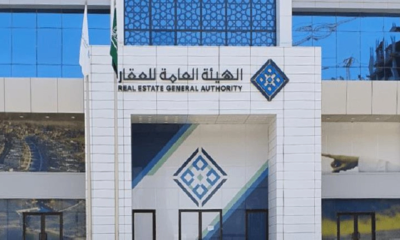
The deadline for property registration in Hail and Riyadh is Thursday
-

 Culture and Art 7 days ago
The Devil's Prisons series was halted: The full story of "The Emperor's" being moved to YouTube
-
Local news one week ago
Under the patronage of the Minister of Information, an agreement was signed between the Ministry of Information and Waves Marketing Company
-

 Local News 6 days ago
Saudi Energy: A new identity for electricity that aligns with Vision 2030
-

 Local News 6 days ago
The Food and Drug Administration is recalling Bebelac and Aptamil milk due to potential contamination
-

 Local news one week ago
Registration is now open for domestic pilgrims for the 1447 AH season: Dates and conditions via Nusuk