Politics
Trump asks the Supreme Court to end protections for Syrians
The Trump administration is asking the Supreme Court to end temporary protected status for 6,000 Syrians, amid legal controversy and previous court rejections of deportation orders.

In a new escalation of the immigration issue, the Trump administration asked the Supreme Court on Thursday to intervene urgently in its legal efforts to remove deportation protections for approximately 6,000 Syrian nationals currently residing in the United States. This move is part of the administration's attempt to end the Temporary Protected Status (TPS) they currently enjoy, which would open the door to their potential deportation.
Legal battle between the administration and federal courts
The appeal to the Supreme Court comes after a series of legal battles in lower courts. Federal Judge Katherine Failla issued a ruling blocking the Trump administration from implementing its decision to end Temporary Protected Status for Syrians, arguing that the decision may lack sufficient legal and humanitarian justification at this time. In response, the US Department of Justice is seeking to break this legal deadlock, asking the nation's highest court to allow the executive branch to exercise its authority to determine who is entitled to remain in the United States.
What is Temporary Protected Status (TPS)?
Temporary Protected Status (TPS) is a humanitarian designation granted under U.S. law since 1990 to immigrants from countries experiencing exceptional circumstances that prevent their safe return, such as ongoing armed conflicts, devastating natural disasters, or epidemics. This status protects individuals from forced removal and allows them to obtain legal work permits in the United States for the duration of the designation.
Comprehensive immigration policy and internal security justifications
Under the Trump administration, the Department of Homeland Security, led by Secretary Kristi Noem, moved to end protected status for immigrants from 12 different countries, not just Syria. Noem justified this move by announcing the imminent end of Syria's protected status, stating that the administration's security assessments concluded that the situation in Syria "no longer meets the criteria for posing a serious threat to the safety of returnees," an assessment that has sparked widespread controversy among human rights and international organizations.
The implications of the decision and the humanitarian context
This government policy has led to similar lawsuits resulting in rulings that currently prevent the termination of protection for individuals from countries such as Ethiopia, South Sudan, Haiti, Myanmar, and Syria. Observers believe the administration's insistence on ending this status reflects a desire to reduce the number of migrants benefiting from humanitarian protection programs, while human rights organizations warn that the infrastructure and living conditions in Syria remain ill-equipped to receive large numbers of returnees, potentially endangering their lives.




Politics
Faisal bin Farhan discusses the latest developments with the foreign ministers of Egypt, Oman, and Turkey
The Saudi Foreign Minister received calls from his counterparts in Egypt, Oman and Turkey to discuss bilateral relations, developments in the region and to coordinate joint positions to enhance stability.
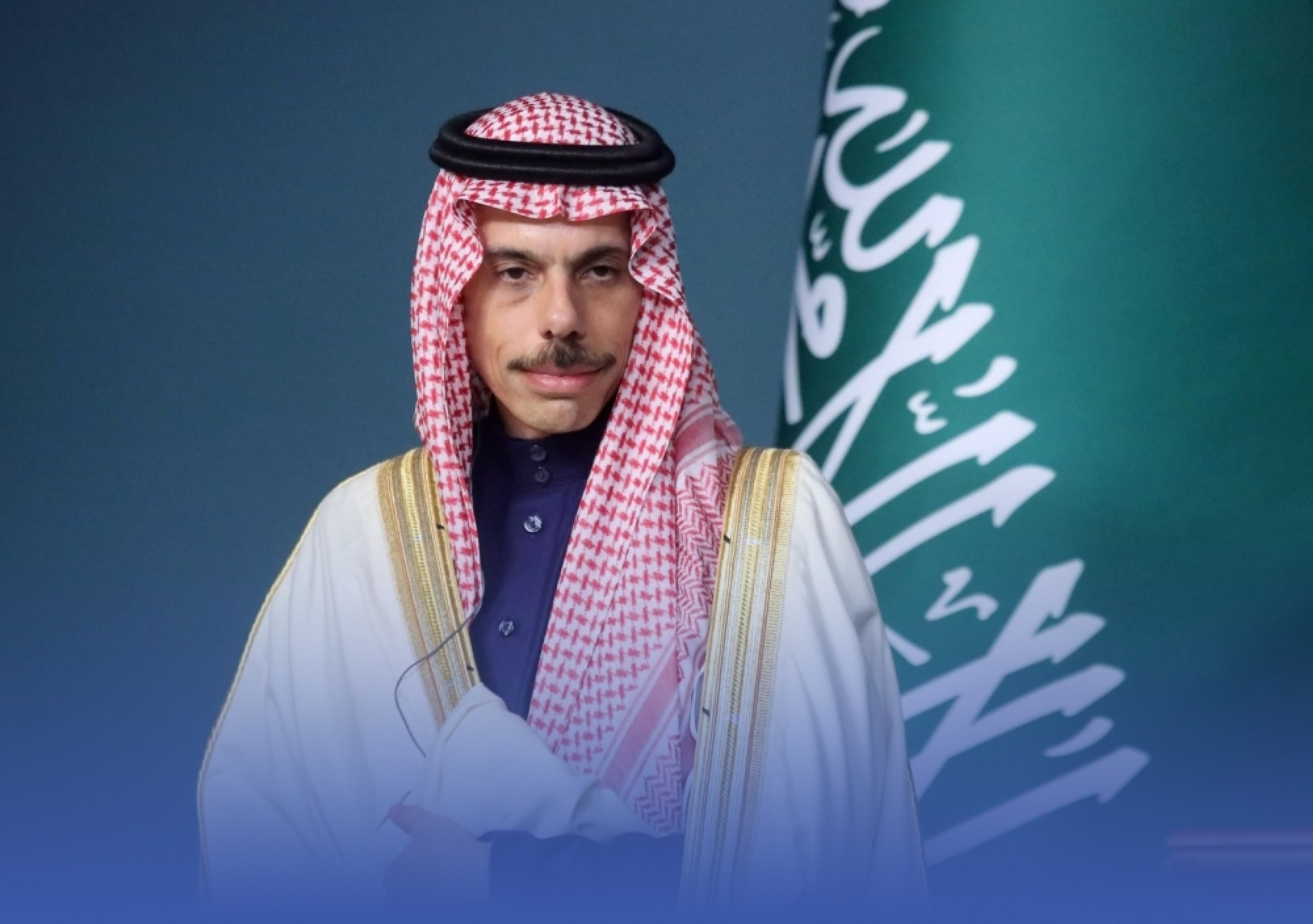
As part of the intensive diplomatic efforts led by the Kingdom of Saudi Arabia to enhance regional stability and coordinate common positions, His Highness Prince Faisal bin Farhan bin Abdullah, Minister of Foreign Affairs, received a series of telephone calls today from his counterparts in the Arab Republic of Egypt, the Sultanate of Oman, and the Republic of Turkey. These discussions come at a critical juncture, as the Middle East region faces rapidly escalating challenges that necessitate the highest levels of coordination and consultation.
Saudi-Egyptian coordination
His Highness the Minister of Foreign Affairs began his diplomatic activities by receiving a telephone call from His Excellency Dr. Badr Abdel-Aty, Minister of Foreign Affairs, Immigration, and Egyptian Expatriates Affairs. During the call, they reviewed the deep-rooted fraternal relations between the two brotherly countries, which are a cornerstone of Arab stability. The two sides also discussed current developments in the region, emphasizing the importance of continued political consultation to unify perspectives on critical issues, in a way that serves the interests of both peoples and Arab national security.
Strengthening Gulf cooperation with the Sultanate of Oman
In a related development, Prince Faisal bin Farhan discussed regional developments and efforts to address them during a telephone call with His Excellency Badr bin Hamad Al Busaidi, Minister of Foreign Affairs of the Sultanate of Oman. This call reflects the depth of the historical relations between the Kingdom and the Sultanate within the framework of the Gulf Cooperation Council, as Riyadh and Muscat consistently strive to prioritize dialogue and support peaceful solutions to the crises plaguing the region, in order to ensure the security and stability of the Gulf states and the wider region.
Talks with the Turkish side
His Highness the Minister of Foreign Affairs also received a telephone call from His Excellency the Turkish Foreign Minister, Mr. Hakan Fidan. Discussions focused on regional developments and international efforts to contain tensions. These talks are a continuation of the development of Saudi-Turkish relations in recent years, as both countries play a pivotal role in complex regional issues, making coordination between them an urgent necessity to address the security and political challenges in the region.
The leading role of Saudi diplomacy
These successive contacts underscore the pivotal role played by the Kingdom of Saudi Arabia, under the leadership of the Custodian of the Two Holy Mosques and His Royal Highness the Crown Prince, as a stabilizing force in the region. Saudi diplomacy is actively working to de-escalate tensions, support peace initiatives, and mobilize international and regional efforts to end conflicts, drawing on its political and economic weight and its spiritual standing in the Islamic world.
Politics
Islamic Cooperation: Rejects settlement activity and affirms the unity of Palestine (Jeddah Declaration)
Details of the final statement of the Organization of Islamic Cooperation meeting in Jeddah: categorical rejection of settlements, condemnation of the statements of the American ambassador, and affirmation of the unity of Palestinian territories.
In a significant political development reflecting the seriousness of the current stage in the Middle East region, the foreign ministers of the Organization of Islamic Cooperation their extraordinary meeting in Jeddah by issuing a strongly worded statement affirming Islamic and Arab principles regarding the Palestinian cause.
The centrality of the Palestinian cause and the rejection of settlements
The meeting reaffirmed that the Palestinian cause and Jerusalem constitute the central issue for the entire Muslim world. In this context, the ministers expressed their categorical rejection and strong condemnation of all Israeli measures aimed at altering the demographic and geographic reality in the occupied territories. This included rejecting the policies of "annexation" and the imposition of purported sovereignty over the West Bank, as well as the expansion of colonial settlements, considering these steps a flagrant violation of international law and resolutions of international legitimacy, which deem the acquisition of territory by force an illegal act.
Condemnation of recent US actions
The statement also addressed recent political developments related to international positions, with the meeting strongly condemning the recent statements by the US Ambassador to Israel, Mike Huckabee , and the decisions concerning the provision of consular services to settlers in the West Bank. The organization considered this move a violation of the Vienna Convention on Consular Relations and a direct encouragement to the occupation to proceed with its illegal settlement projects, emphasizing that such measures do not create any rights nor alter the legal status of the occupied territory.
The unity of Palestinian land and the future of Gaza
In light of the ongoing aggression, the statement emphasized the unity of the Palestinian territory as a single, indivisible geopolitical unit, encompassing the Gaza Strip, the West Bank, and East Jerusalem. The participants called for an immediate and comprehensive ceasefire, a complete Israeli withdrawal from the Gaza Strip, and the guarantee of unhindered humanitarian aid. They also stressed the importance of adhering to the phases of the proposed peace plan (President Trump's plan) to achieve a permanent cessation of hostilities.
Legal and international path
The organization threatened to use all available political and legal tools, including appealing to the UN Security Council , the General Assembly, and international courts, to hold Israel accountable for its crimes. The meeting also reiterated its support for the United Nations Relief and Works Agency for Palestine Refugees (UNRWA) in the face of Israeli campaigns aimed at undermining its work, and called on the international community to provide protection for the Palestinian people.
De-escalation in the region and the Iranian issue
On another front, the meeting addressed the escalating tensions in the region, expressing concern over the rhetoric of using force against Iran. The statement affirmed its rejection of any military threat that infringes upon the sovereignty of states, while simultaneously welcoming diplomatic efforts aimed at de-escalating tensions between Tehran and Washington. The meeting commended the role of mediating countries in this matter—namely, Saudi Arabia, Oman, Turkey, Qatar, and Egypt—and affirmed that dialogue is the only way to guarantee regional security and stability.
Politics
Mohammed bin Salman receives a call from Keir Starmer to discuss cooperation
Details of the call between Crown Prince Mohammed bin Salman and British Prime Minister Keir Starmer, in which they reviewed bilateral relations and ways to strengthen the strategic partnership between the two countries.
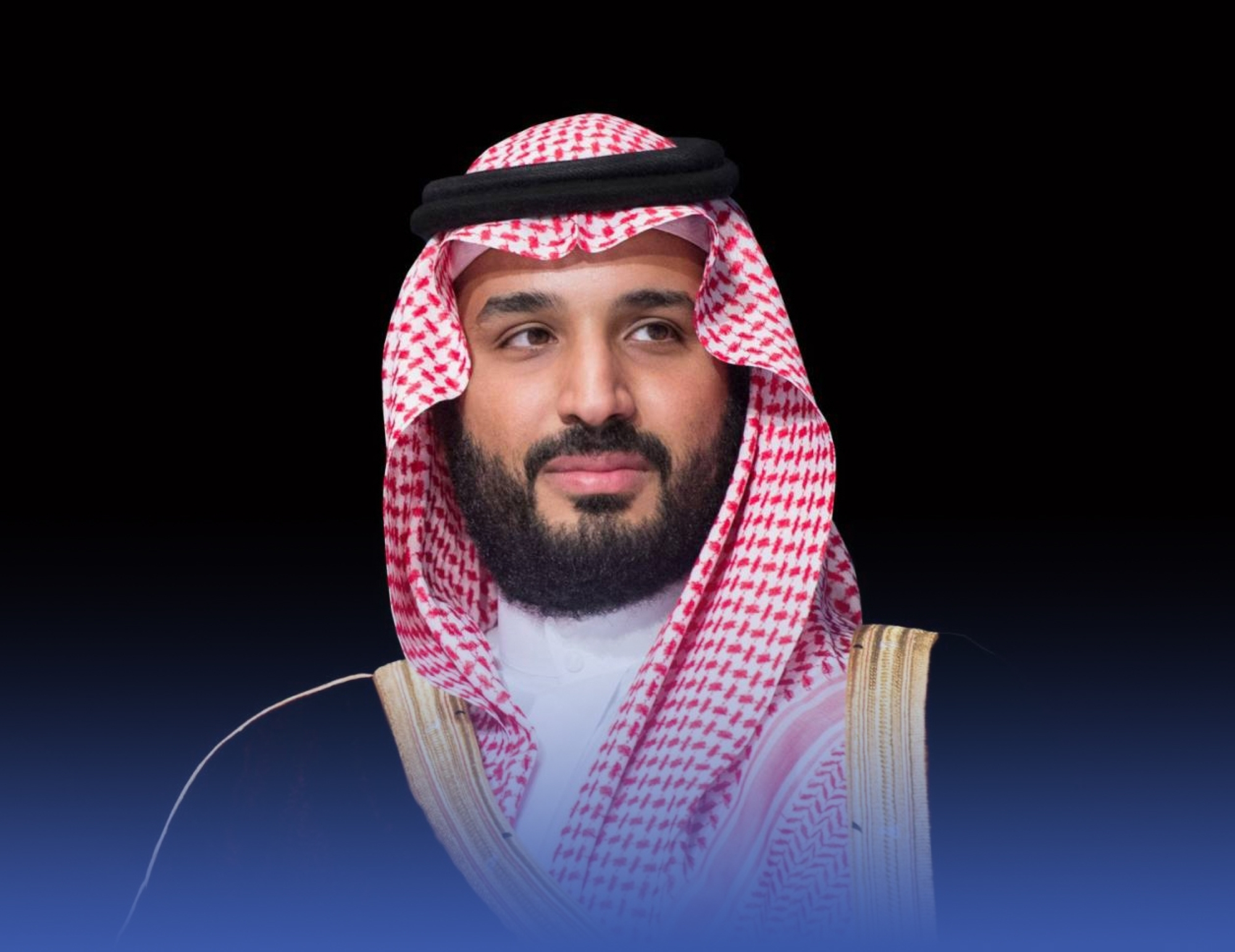
His Royal Highness Prince Mohammed bin Salman bin Abdulaziz Al Saud, Crown Prince and Prime Minister, received a telephone call today from the British Prime Minister, Mr. Keir Starmer, as part of the ongoing communication between the leaderships of the two friendly countries to strengthen the bonds of joint cooperation.
During the call, the two sides reviewed the strong and historic relations between the Kingdom of Saudi Arabia and the United Kingdom, discussing areas of bilateral cooperation across various sectors and mechanisms for strengthening them to serve the interests of both nations and their peoples. The call also addressed a number of regional and international issues of mutual concern, and the two sides exchanged views on current developments.
This call underscores the depth of the strategic partnership between Riyadh and London, which spans decades of fruitful cooperation in the political, economic, and security spheres. The United Kingdom views Saudi Arabia as a pivotal and key partner in the Middle East, particularly given the Kingdom's leading role in promoting regional and international security and stability.
On the economic front, Saudi-British relations are witnessing remarkable development, particularly given the alignment of visions between the two countries regarding economic reform programs and sustainable development. Britain is a strong supporter of the Kingdom's Vision 2030, spearheaded by His Royal Highness the Crown Prince, with British companies seeking to strengthen their presence in the Saudi market, especially in the renewable energy, technology, financial services, infrastructure, and tourism sectors.
This high-level communication also reflects the keenness of the new British leadership, headed by Keir Starmer, to maintain the momentum in bilateral relations and to build on previous agreements and partnerships, including the Strategic Partnership Council, which aims to institutionalize cooperation and expand its scope to include new vital areas that keep pace with global changes.
In light of the geopolitical challenges facing the world, Saudi-British coordination is of particular importance, as the two countries share visions on the need for joint action to confront security challenges, combat terrorism, and ensure the security of waterways and global energy supplies, making the continuation of dialogue between the Crown Prince and the British Prime Minister a fundamental pillar of stability in the region.
-
Local news one week ago
Human Resources sets the date for the 2026 Founding Day holiday for both sectors
-

 Culture and Art, 1 week ago
The ban on the Hamdiya series in Iraq: Reasons and official response
-
Sports one week ago
Al-Shabab crushes Hadramout Solidarity 13-0 and qualifies for the Gulf Cup semi-finals
-
Sports one week ago
Club Brugge vs Atletico Madrid: Match date and Champions League play-off details
-
Local News 4 days ago
The Ministry of Interior begins procedures for a royal pardon for common law prisoners
-
Culture and Art, 1 week ago
Ramez Level the Monster promo: Prank details and list of victims this Ramadan
-
Culture and Art, 1 week ago
The series "Taht El Ard" (Underground) has been postponed and will not air during Ramadan 2026
-
Reports one week ago
King Salman Relief Center's Ramadan aid includes 9 countries