
Politics
Thousands of Sudanese refugees flee to the south
Doctors Without Borders warned of the dire situation at the South Sudan border as thousands of people fled from neighboring Sudan following escalating violence

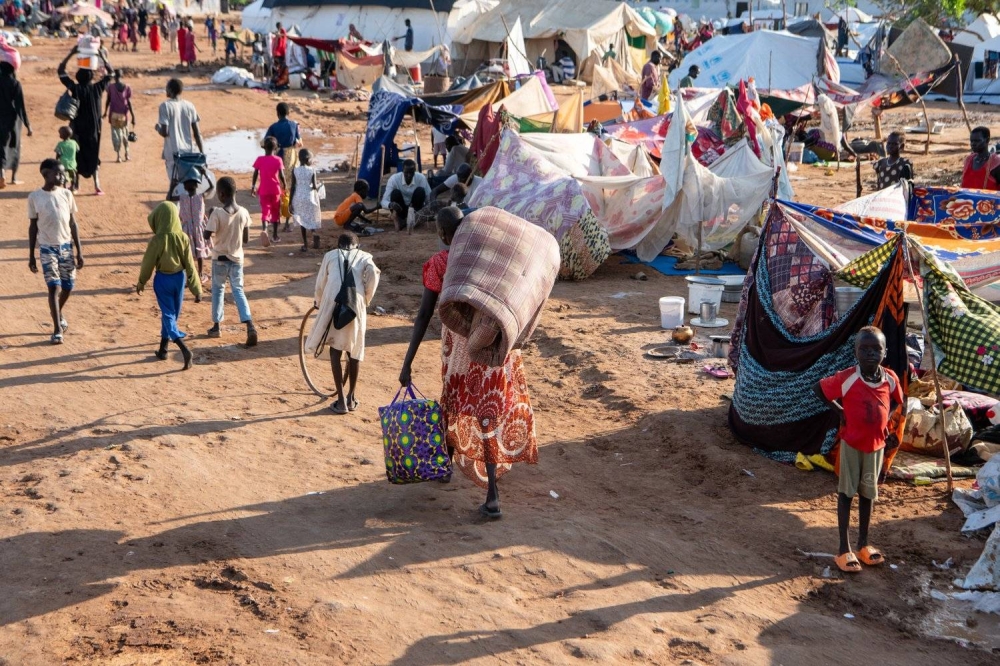
Doctors Without Borders has warned of a dire situation at the South Sudan border as thousands of people flee from neighboring Sudan following intensified fighting.
The NGO said that every day in December, more than 5,000 people cross the border from Sudan into South Sudan, where various and regular acts of violence are rampant, in addition to climate disasters.
Since April 2023, a war has been raging between the Sudanese army, led by Abdel Fattah al-Burhan, and the Rapid Support Forces, led by his former deputy, Mohamed Hamdan Dagalo. The fighting has resulted in the deaths of tens of thousands and the displacement of more than 11 million people.
The organization stated that the influx of people into the city of Renk (near the northeastern border) and the surrounding areas has caused severe strain on already scarce resources, leaving displaced people facing a crisis.
“The situation is extremely difficult, and resources are completely insufficient,” said Emmanuel Montobio, the emergency coordinator for Doctors Without Borders in Renk, in a statement.
According to the organization, more than 100 injured people, many of them with serious injuries, are waiting to undergo surgery, stressing that the two transit centers in Renk, designed to accommodate a maximum of eight thousand people, are housing more than 17,000 people.


Politics
Faisal bin Farhan meets his Kuwaiti counterpart at the Munich 2026 conference
Details of the meeting between Saudi Foreign Minister Prince Faisal bin Farhan and his Kuwaiti counterpart Sheikh Jarrah Al-Sabah at the Munich Security Conference 2026 to discuss bilateral relations and regional issues.
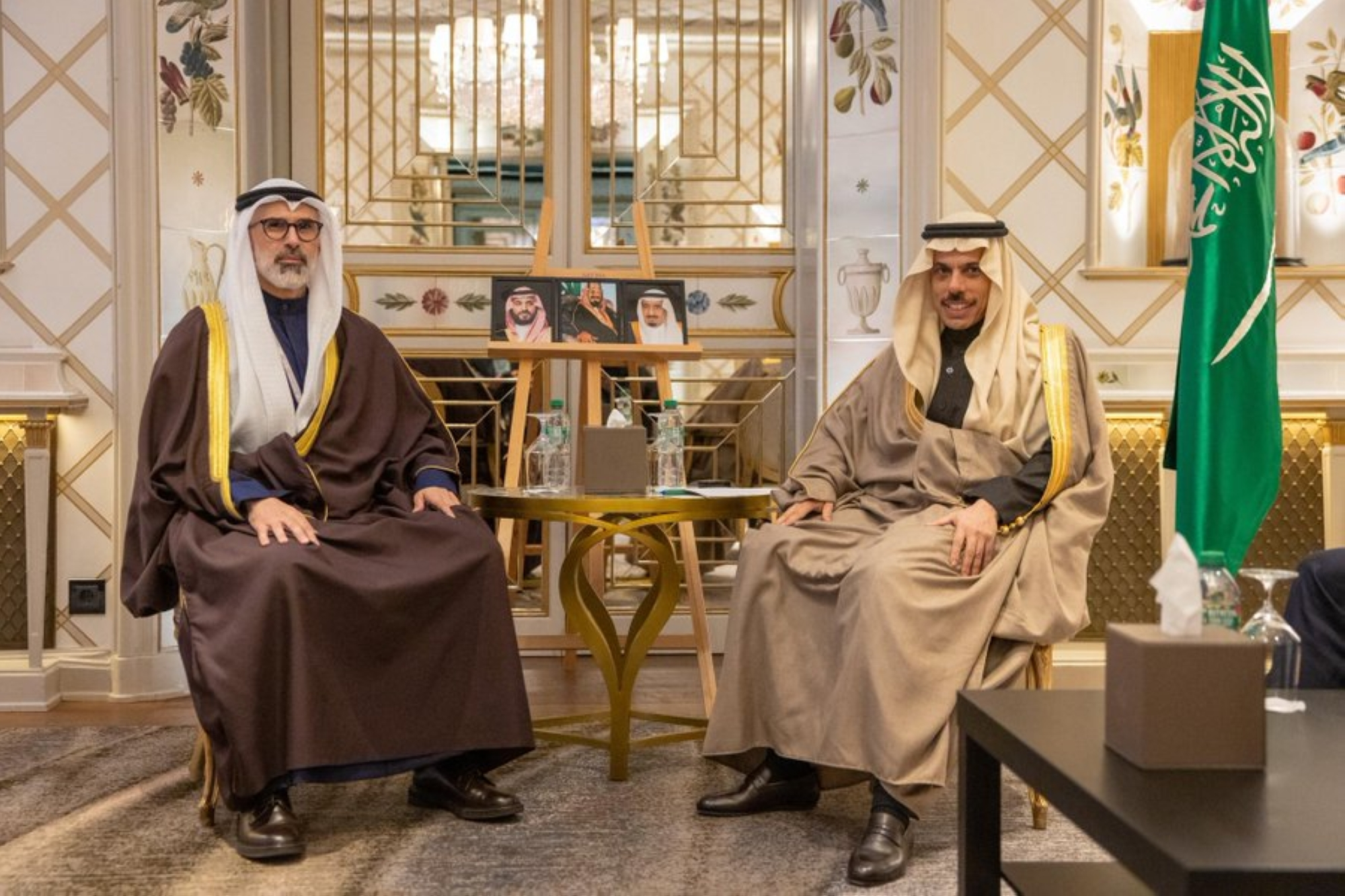
As part of the intensive diplomatic efforts led by the Kingdom of Saudi Arabia to promote joint Arab action, His Highness Prince Faisal bin Farhan bin Abdullah, Minister of Foreign Affairs, met with His Excellency Sheikh Jarrah Jaber Al-Ahmad Al-Sabah, Deputy Minister of Foreign Affairs of the sisterly State of Kuwait (according to the job title in the context of normal diplomatic representation), on the sidelines of the Munich Security Conference 2026.
During the meeting, which was characterized by cordiality and fraternity, the two sides reviewed the deep-rooted bilateral relations between their brotherly countries and discussed ways to support and strengthen them in various fields to serve the interests of both peoples and the aspirations of their leaderships. Both sides emphasized the importance of continued coordination and ongoing consultation on issues of common interest, particularly in light of the rapidly evolving challenges on the international stage.
The two ministers discussed at length the latest regional and international developments, exchanging views on pressing issues in the Middle East and the efforts being made to establish security and stability. This meeting underscores the pivotal role played by the Kingdom of Saudi Arabia and the State of Kuwait within the Gulf Cooperation Council, and their tireless efforts to unify political visions and positions regarding the crises plaguing the region.
This meeting is of particular importance given its timing on the sidelines of the Munich Security Conference, the world's foremost platform for discussing international security policies. The conference presents a strategic opportunity for decision-makers to exchange views on global security challenges, making Saudi-Kuwaiti coordination at this forum a crucial step to ensure the voice of the Gulf and Arab region is conveyed clearly and effectively to the international community.
Historically, Saudi-Kuwaiti relations are characterized by a unique distinction that transcends traditional notions of international relations, being based on ties of kinship, shared history, and a common destiny. Successive historical events have demonstrated the strength of this alliance, with the two countries consistently acting as a united front in confronting regional challenges, while continuously striving for economic, political, and security integration.
The meeting was attended by His Excellency Mohammed Al-Yahya, Advisor to the Minister of Foreign Affairs, reflecting the great attention given to the details of the issues under discussion. Both sides concluded the meeting by emphasizing the need to continue joint diplomatic efforts to support political solutions to existing crises and to strengthen international peace and security.
Politics
Al-Badawi: The Gulf Cooperation Council is a pivotal partner in the stability of the region and the world
Jassem Al-Badawi affirms from the Munich Security Conference that the Gulf Cooperation Council adopts a comprehensive crisis strategy, stressing its pivotal role in the stability of the region and support for the Palestinian cause.
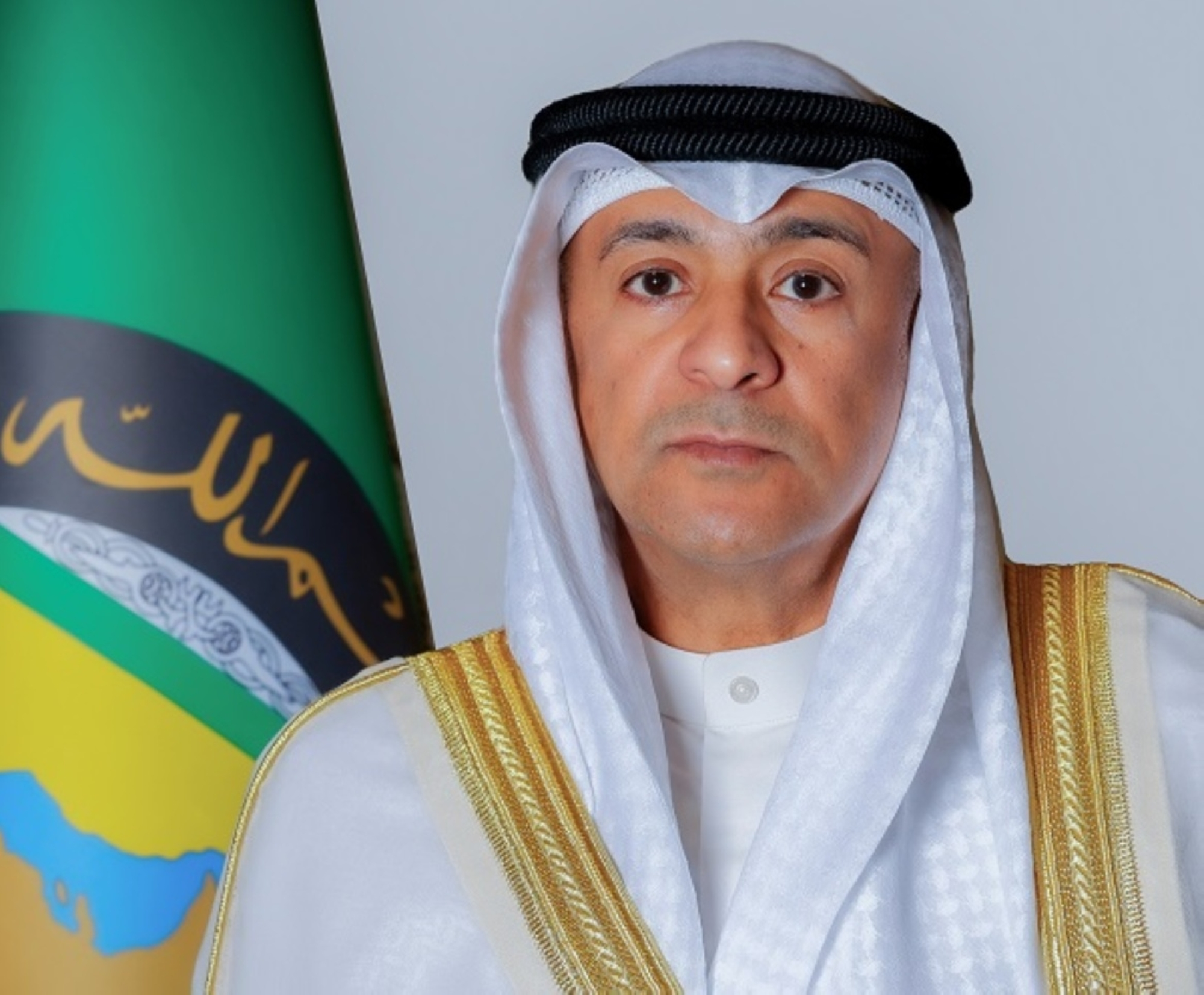
The Secretary-General of the Gulf Cooperation Council (GCC), Jassem Al-Budaiwi, affirmed that the Council has become a fundamental pillar in the equation of international security, emphasizing that the Gulf states are not merely entities defending their own interests, but rather indispensable partners in ensuring the stability of the region and the world. This came during his active participation in the 62nd Munich Security Conference, one of the most important international platforms for discussing security and defense policies.
During a panel discussion organized by the Atlantic Council in Munich, Germany, entitled "A Vision for the New Middle East: The Future of Regional Integration," Al-Budaiwi explained that the leaders of the Gulf Cooperation Council (GCC) states share a unified strategic vision that recognizes Gulf security as an integral part of global security. He noted that the region is undergoing historical turning points and facing complex geopolitical challenges that necessitate international cooperation and an approach based on dialogue and diplomacy rather than conflict.
A comprehensive strategy to address the challenges
In discussing the mechanisms employed by the Council, Al-Budaiwi revealed that the Gulf Cooperation Council (GCC) has adopted a comprehensive and flexible crisis management strategy. This strategy does not rely solely on traditional security solutions, but rather combines effective political mediation, fruitful economic cooperation, and the building of a broad network of international partnerships. He noted the Council's success in forging strategic relationships with more than 23 countries and 8 major international organizations and groups, reflecting the significant diplomatic weight the Gulf Cooperation Council enjoys today.
Regional issues: Palestine and the Iranian nuclear program
The Secretary-General addressed the core issues that constitute the priorities of Gulf foreign policy, emphasizing that the Palestinian cause remains at the forefront of the Council's concerns. He reiterated the call for a just and comprehensive peace based on the two-state solution, and the establishment of an independent Palestinian state within the 1967 borders with East Jerusalem as its capital, considering this the key to stability in the Middle East.
Al-Badawi also stressed the importance of seriously addressing the Iranian nuclear issue, calling for the inclusion of the Gulf Cooperation Council (GCC) states in any future negotiations on the matter. He explained that regional security requires genuine guarantees to make the Middle East a zone free of weapons of mass destruction, while respecting the sovereignty of states and adhering to the principles of good neighborliness and international law.
A leading humanitarian role globally
Al-Budaiwi did not overlook the humanitarian role played by the GCC countries, presenting figures that reflect the scale of the Gulf's contribution to global development. He noted that the GCC countries provided more than $14 billion in humanitarian aid between 2020 and 2025. These figures confirm that the GCC exports not only security and energy, but also hope and development, transforming humanitarian challenges into opportunities for a dignified life, thus solidifying its position as a responsible international actor striving to achieve shared prosperity for humanity.
Politics
Eritrean President receives graduates to strengthen relations and discuss regional issues
Eritrean President Isaias Afwerki received Saudi Deputy Foreign Minister Waleed Al-Khuraiji in Asmara. The two sides discussed strengthening bilateral cooperation and regional and international developments.
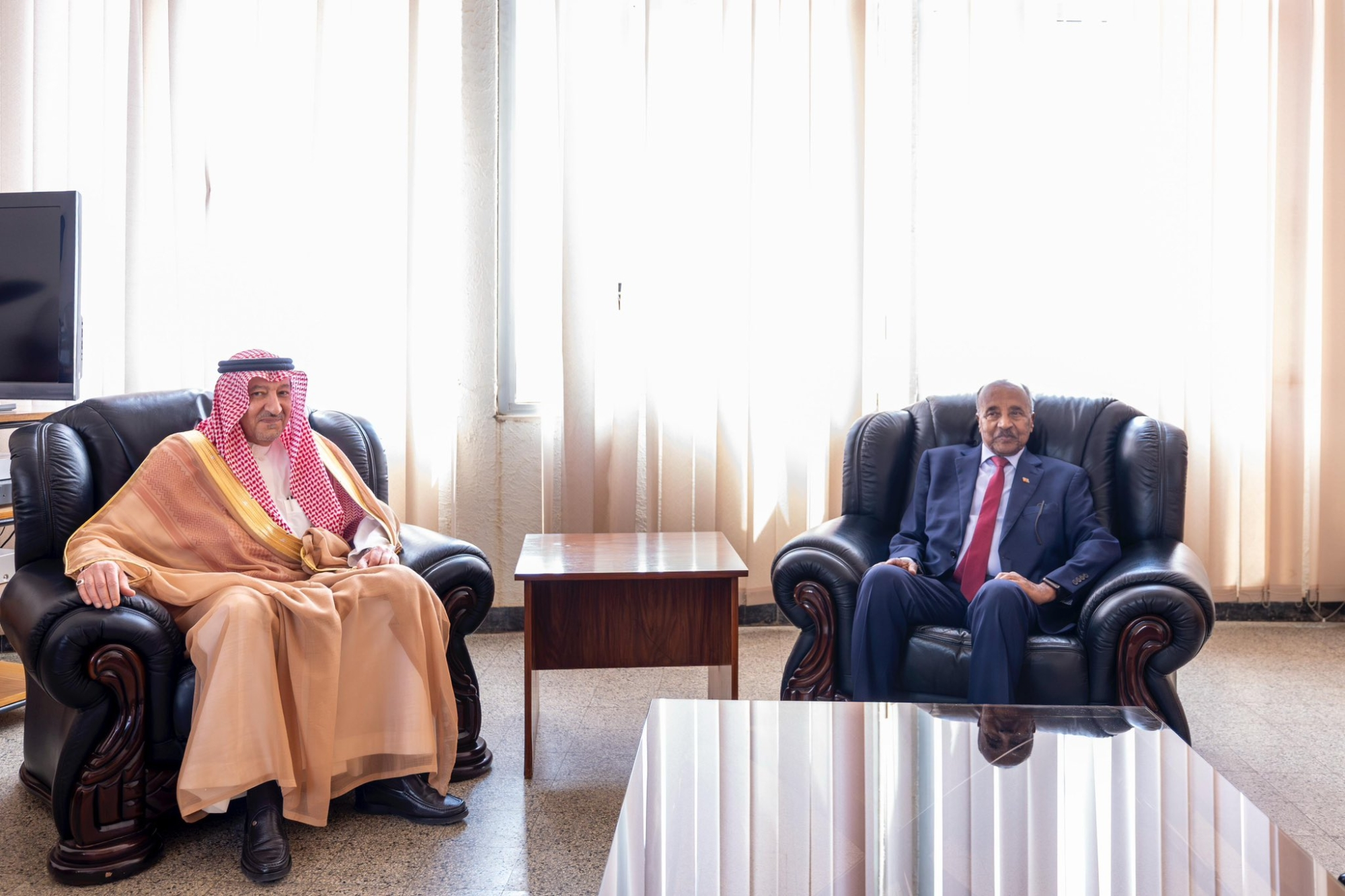
As part of ongoing diplomatic efforts to enhance cooperation between the Kingdom of Saudi Arabia and the countries of the Horn of Africa, His Excellency President Isaias Afwerki of Eritrea received today in the capital Asmara His Excellency Deputy Minister of Foreign Affairs, Engineer Waleed bin Abdulkarim Al-Khuraiji, who is on an official visit aimed at strengthening bilateral relations between the two brotherly countries.
Exchange of messages and confirmation of the depth of relations
The meeting began with His Excellency Engineer Waleed Al-Khuraiji conveying the greetings and appreciation of the Custodian of the Two Holy Mosques, King Salman bin Abdulaziz Al Saud, and His Royal Highness Crown Prince Mohammed bin Salman bin Abdulaziz, Prime Minister – may God protect them – and their wishes for further progress and prosperity for the government and people of Eritrea. For his part, the Eritrean President asked His Excellency to convey his greetings and appreciation to the wise leadership of the Kingdom, expressing his wishes for the Kingdom's continued development and well-being.
During the meeting, a comprehensive review of bilateral relations and ways to strengthen and develop them across various political and economic fields was conducted, in order to serve mutual interests. The two sides also discussed the latest regional and international developments and efforts to enhance security and stability in the region.
Strategic importance and regional dimensions
This visit is of particular importance given Eritrea's strategic location on the Red Sea coast, which aligns with Saudi Arabia's interest in the security and stability of this vital waterway. These discussions are a continuation of the Kingdom's leading role in strengthening security in the Red Sea and Gulf of Aden region, where Eritrea is an active member of the Council of Arab and African States Bordering the Red Sea and the Gulf of Aden, established in Riyadh.
The visit also reflects the Saudi leadership’s keenness to sustain stability in the Horn of Africa region, based on the Kingdom’s great diplomatic legacy, which was previously crowned by sponsoring the historic peace agreement between Ethiopia and Eritrea in Jeddah in 2018, which confirms the depth of ties and mutual trust between Riyadh and Asmara.
Bilateral talks with the Eritrean Foreign Minister
In a related development, Deputy Foreign Minister Waleed Al-Khuraiji held a bilateral meeting with Eritrean Foreign Minister Osman Saleh. The meeting addressed mechanisms for developing bilateral relations in several vital sectors, as well as discussing issues of common interest.
The two meetings were attended by the Ambassador of the Custodian of the Two Holy Mosques to Eritrea, Meshal bin Sanjar Al-Ruqi, reflecting the high-level diplomatic interest in the outcomes of this visit and its expected positive impact on the course of relations between the two countries.
-

 Local news one week ago
Launch of the city's shuttle bus service in Ramadan 1447 AH: Routes and stations
-
Culture and Art, 1 week ago
The series "Rouh OFF" was permanently canceled by a decision of the Actors' Syndicate
-
Culture and Art, 1 week ago
Yasser Galal and Radwa El Sherbiny: Details of a new artistic project that brings them together
-
Local news one week ago
The Ministry of Education revokes the licenses of 74 private schools due to safety and quality violations
-
Local news one week ago
Mohammed Al-Rasasmeh appointed as official spokesperson for the Ministry of Municipalities and Housing
-
Culture and Art, 1 week ago
Poster for the series "Two Others": Asser Yassin and Dina El Sherbiny in Ramadan
-
Politics, one week ago
German Chancellor Friedrich Merz departs Riyadh after an official visit
-
Local news one week ago
Saudi Arabia weather today: Thunderstorms and dust in 5 regions


