
Politics
Tabuk Mountains: An attractive economic asset for investments
Yesterday, December 11, the world celebrated International Mountain Day, which was designated by the United Nations General Assembly starting from

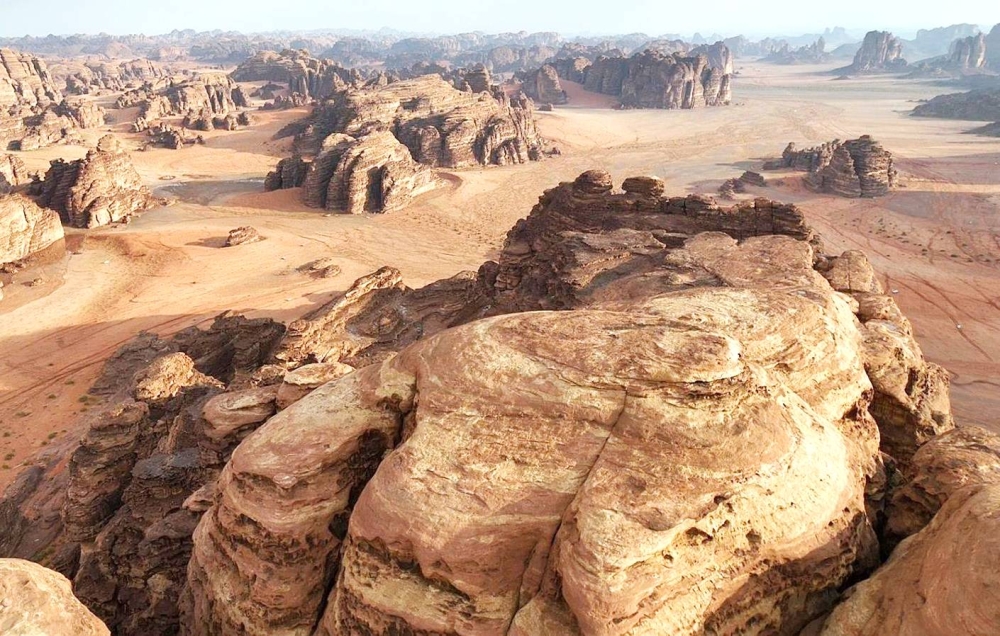
Yesterday, December 11, the world celebrated International Mountain Day - designated by the United Nations General Assembly starting in 2003 - to raise awareness of the importance of mountains in life; with the aim of creating awareness in the international community and younger generations about the importance of mountains and encouraging sustainable development.
The Kingdom contains a number of mountain ranges and highlands that reflect the stunning nature and geological diversity in its vast area, which plays a role in the development of sustainable mountain tourism. The Kingdom has witnessed extensive progress in the tourism sector through the establishment of mountain sites and resorts that people from all over the world visit to enjoy its archaeological heritage and historical landmarks.
In the Tabuk region, mountains and highlands are among the most prominent and important topographical features it contains. They are among the largest topographical sections in the region, covering a third of the region's area, according to the scientific encyclopedia of the University of Tabuk. They were formed in the Tertiary geological era during the formation of the Red Sea Rift as a reaction to the faulting movements that formed the sea, and were subsequently cut by various erosion processes.
The Tabuk region is unique in that it includes towering mountains that are a testament to the greatness of God Almighty’s creation, and in its various geological formations that are deeply rooted in history. Its beautiful and captivating rocks, with their multiple colors, represent added economic value and attract investments and ambitious projects, making it a distinctive natural tourist destination unique to the region.
The mountains in the Tabuk region are divided into the Madin Mountains, which represent the northern part of the western highlands. They are generally described as complex, interconnected mountains with slopes exceeding 60%, situated on different geological formations. The eastern part of them is situated on geological formations composed of inter-layered sandstone, and is distinguished by containing high-altitude mountains, perhaps the most prominent of which is Jabal al-Lawz, which reaches a height of 2,580 meters, then Jabal al-Shayati, which reaches a height of 2,103 meters, in addition to the mountains of Zuhd, Qana, al-Hawara, and Nakhla.
The second part of the region's highland formations consists of the Hijaz Mountains, located in the central and southern parts. These mountains are rugged and interconnected, with slopes exceeding 60%, dissected by valleys and watercourses. The eastern parts are covered by lava (the Harrat al-Rahah and Uwayrid lava fields). The lower areas nestled between these mountains contain shallow soils formed from the parent material resulting from the weathering of rocks composed of sandstone, siltstone, and clay, known as the Tabuk Formation. The characteristics differ on both sides of the Hijaz Mountains. The western side is distinguished by a series of step faults that descend steeply and abruptly towards low-lying areas, either a low coastal plain or deep valley bottoms. The eastern side, on the other hand, is characterized by its lower elevation, rugged terrain, and slopes that gradually descend to a lower plateau. This plateau features a number of connected and isolated mountain ranges, such as the Al-Dabigh Mountains (2,315 meters) located northeast of Al-Muwaylih, and Jabal... The height of the mountains is 1,784 meters in the north of Duba, and the height of the mountains of Shihoub is 1,556 meters in the east of Al Wajh.






Politics
Saudi-Polish Coordination Council: Strengthening Economic and Political Partnership
Saudi Arabia and Poland signed a memorandum of understanding to establish a coordination council aimed at deepening relations, increasing trade exchange which exceeded $12 billion, and enhancing cooperation in various fields.
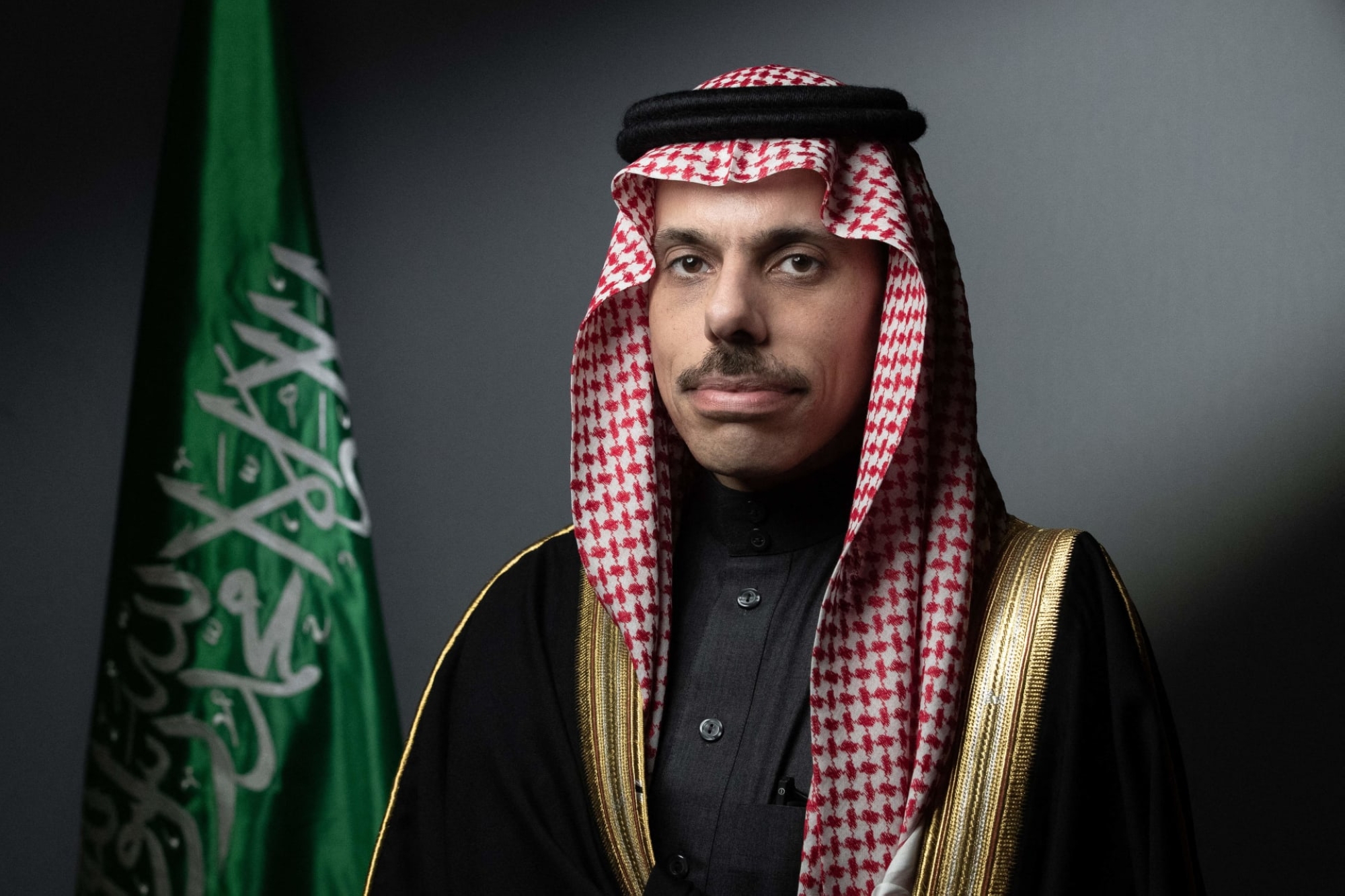
In a diplomatic move aimed at deepening bilateral relations and placing them within a comprehensive institutional framework, the Polish capital, Warsaw, witnessed the signing of a memorandum of understanding to establish the Saudi-Polish Coordination Council . This announcement came during a joint press conference held on Monday by Saudi Foreign Minister Prince Faisal bin Farhan and his Polish counterpart, Radosław Sikorski, where both ministers emphasized the importance of this new mechanism in expanding the partnership between the two countries.
Historical background and growing context
The Kingdom of Saudi Arabia and the Republic of Poland have enjoyed diplomatic relations since their official establishment in 1995, and these relations have witnessed remarkable development over the past decades. The establishment of the Coordination Council is the culmination of a long history of mutual cooperation and high-level visits aimed at strengthening ties across various fields. This council represents a qualitative leap from traditional relations to a structured strategic partnership, ensuring the continuity of dialogue and the follow-up on the implementation of joint initiatives, all in service of the best interests of the two friendly nations.
Growing economic and commercial importance
Foreign Minister Prince Faisal bin Farhan explained that the council represents a vital mechanism for ensuring continuous follow-up and enhancing cooperation. The importance of this partnership is reflected in the growing trade figures, with both ministers noting that the volume of trade between the two countries has exceeded $12 billion in recent years, reflecting strong economic momentum. The council aims to explore new opportunities to increase mutual investments, particularly in the energy, technology, defense, and agriculture sectors, in line with the goals of Saudi Vision 2030, which seeks to diversify the economy and attract quality investments, while simultaneously opening new markets for Polish companies in the heart of the Middle East.
Political coordination and convergence of visions
The dialogue was not limited to economic matters but also included regional and international issues of common interest. The two ministers affirmed their shared perspectives on several issues, most notably the Palestinian question, where they commended the common position supporting a two-state solution and the achievement of a just peace. The situations in Yemen and Sudan were also discussed, with emphasis placed on the importance of supporting political solutions. Regarding the Russian-Ukrainian crisis, the Kingdom reiterated its support for international peace efforts, a position that aligns with the Polish and European vision seeking to end the conflict through dialogue. This reinforces the role of both countries as forces supporting stability on both the regional and international stages.
Politics
Saudi Foreign Minister in Poland to strengthen strategic partnership
Prince Faisal bin Farhan is in Warsaw to discuss strengthening Saudi-Polish relations in the fields of energy, economy and regional security, in a visit of strategic importance.
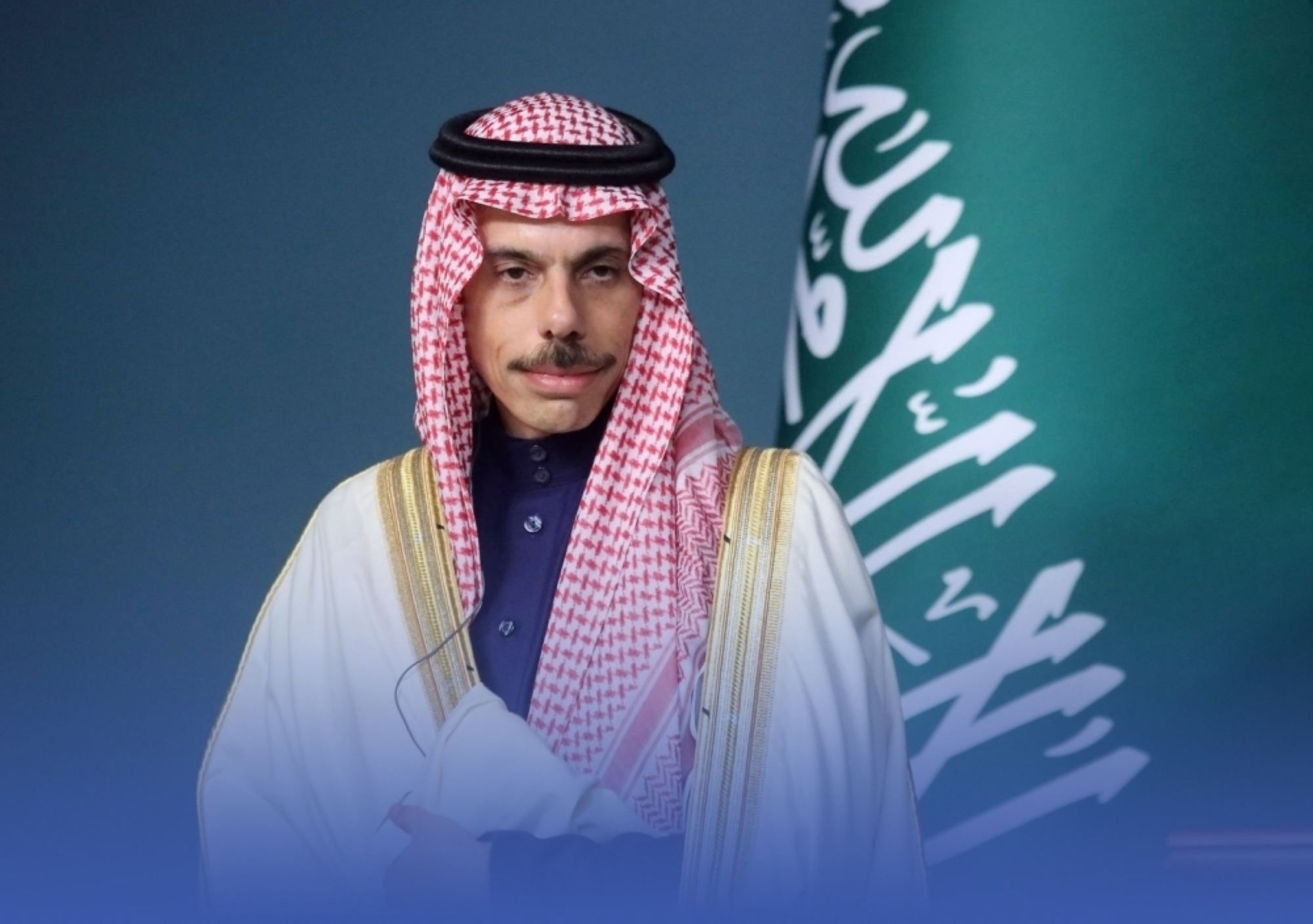
His Royal Highness Prince Faisal bin Farhan bin Abdullah, Minister of Foreign Affairs, arrived in the Polish capital, Warsaw, on an official visit aimed at deepening bilateral relations and exploring new avenues for joint cooperation. His Highness is scheduled to hold an important meeting with his Polish counterpart, Deputy Prime Minister and Minister of Foreign Affairs Radosław Sikorski, to discuss ways to strengthen the partnership between the Kingdom of Saudi Arabia and the Republic of Poland in various fields.
Historical background and growing relationships
This visit builds upon the solid foundation of diplomatic relations established between the two countries in 1995. Over the past three decades, Saudi-Polish relations have witnessed remarkable development, driven by a shared desire to expand economic and political cooperation. Poland, with its active membership in the European Union and NATO, is a key strategic partner for the Kingdom in Central and Eastern Europe, while the Kingdom, with its economic and political weight in the Middle East and the Islamic world, is a pivotal partner for Poland.
The importance of the visit in its current context
This visit is of particular importance given the current geopolitical challenges on both the regional and international stages. Discussions are expected to cover regional security issues, including the situation in the Middle East and the war in Ukraine, where Poland plays a pivotal role as a neighboring country. Energy security is also a key topic, as Europe seeks to diversify its energy sources and the Kingdom continues its role as a stabilizing force in global energy markets.
Promising economic prospects and Vision 2030
On the economic front, the visit opens the door to enhanced trade and mutual investment. The goals of Saudi Arabia’s Vision 2030, which seeks to diversify the economy and attract foreign investment, align with Poland’s advanced industrial and technological capabilities in sectors such as agriculture, manufacturing, and clean technology. Polish companies can find promising opportunities in major Saudi projects, while Saudi investments can contribute to the growth of the Polish economy. Discussions are expected to focus on exploring new opportunities in renewable energy, digital transformation, tourism, and culture, serving the shared interests of the two friendly nations and enhancing the well-being of their people.
Politics
Gulf Security Exercise 4 kicks off in Qatar with Saudi participation
The “Arabian Gulf Security 4” exercise was launched in Qatar with the participation of security forces from Saudi Arabia, the GCC countries and the United States, with the aim of strengthening security cooperation and confronting common challenges.
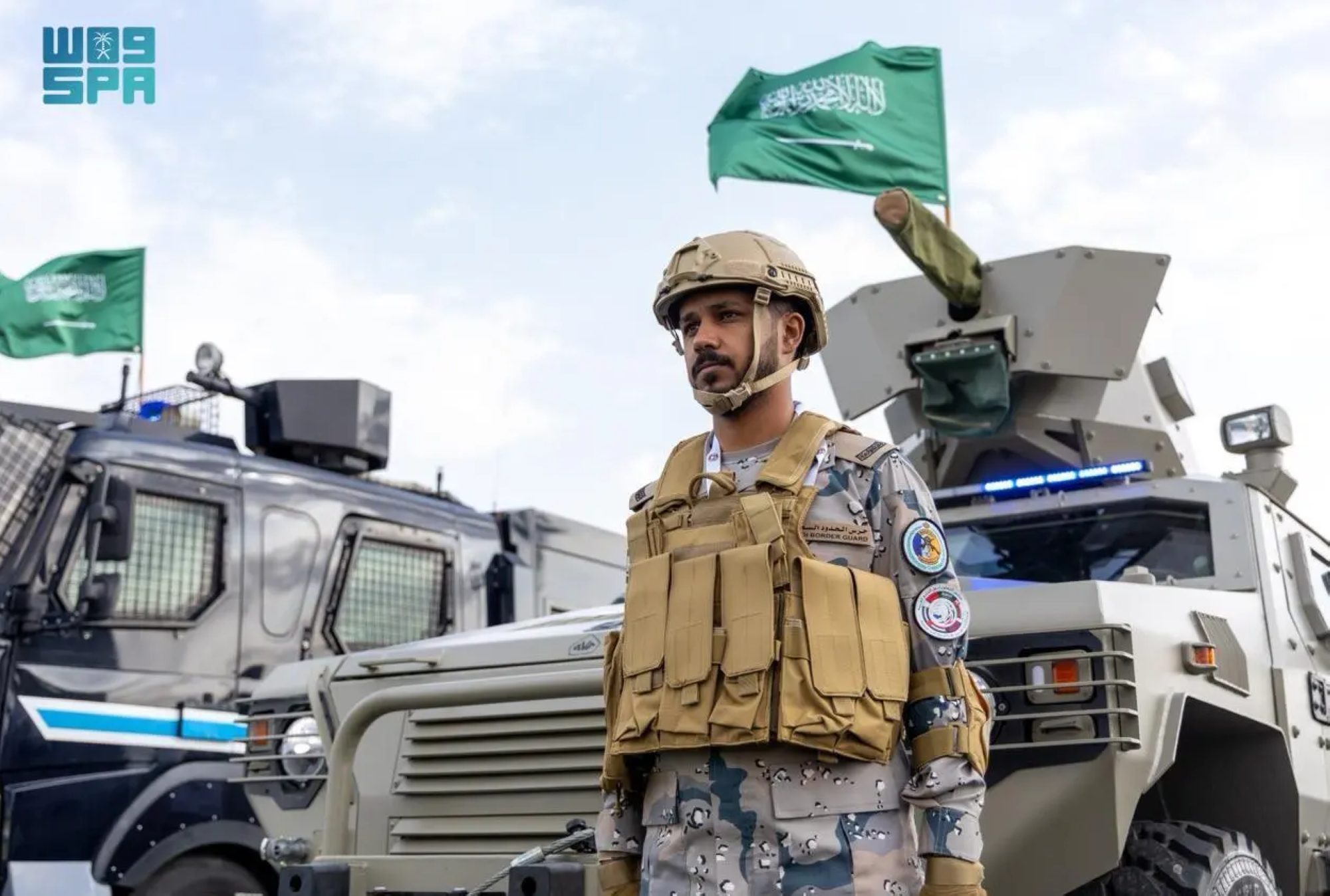
The joint tactical exercise for security agencies of the Gulf Cooperation Council (GCC) countries, entitled “Arabian Gulf Security 4,” kicked off in Qatar on Sunday, with the participation of a specialized security force from the Kingdom of Saudi Arabia, along with forces from member states and security units from the United States of America.
Historical background and exercise context
This exercise is the latest in a series of joint security exercises aimed at strengthening unified Gulf security efforts. The first iteration of the “Arabian Gulf Security 1” exercise was launched in the Kingdom of Bahrain in 2016, followed by the second in the United Arab Emirates in 2019, while the Kingdom of Saudi Arabia hosted the third, “Arabian Gulf Security 3,” in the Eastern Province in 2022. The fourth iteration, hosted by Qatar, builds upon the successes of previous exercises, underscoring the continued coordination and cooperation in addressing evolving security challenges.
Strategic goals and high-level coordination
The exercise primarily aims to enhance security cooperation and develop coordination mechanisms and the exchange of expertise among the internal security sectors of the Gulf Cooperation Council (GCC) countries. The Kingdom of Saudi Arabia is participating with a specialized security force from the Ministry of Interior and the Presidency of State Security, reflecting the great importance it places on consolidating security and stability in the region. The exercise focuses on improving the efficiency of security agencies in dealing with crises and emergencies, combating terrorism and organized crime, securing borders and vital ports of entry, and enhancing rapid response capabilities to various incidents.
Regional and international importance
The “Arabian Gulf Security 4” exercise holds immense strategic importance, not only regionally but also internationally. Regionally, the exercise sends a clear message of unity and solidarity among the GCC states in the face of any threats to their security and stability. It also contributes to standardizing operational concepts and procedures among the participating forces. Internationally, the participation of specialized security units from the friendly United States reflects the depth of the strategic partnership between the GCC states and Washington in combating terrorism and maintaining the security of waterways and global trade, particularly in light of the tensions in the region.
Opening ceremony
The launch ceremony of the exercise was attended by high-ranking officials, including the Undersecretary of the Qatari Ministry of Interior, Mr. Abdullah bin Khalaf bin Hattab Al-Kaabi, and the Assistant Secretary-General for Security Affairs at the GCC Secretariat, Brigadier General Hamad Ajlan Al-Amimi. Also present from the Saudi side were the Chairman of the Supreme Committee for the Saudi participating force, Major General Awad bin Mashouh Al-Anzi, along with the heads of the exercise's supreme committees from the GCC countries and a number of security leaders, officers, and representatives of the participating security agencies, underscoring the Gulf consensus on the importance of this prominent security event.
-
 Local news one day ago
Landslide in Riyadh: Details of the incident in Al-Sahafa neighborhood and containment efforts
-
 Local news two days ago
The death penalty was carried out against a citizen who stabbed another to death in Tabuk
-
 Local news 23 hours ago
Riyadh collapse: Emergency plans to secure water after a main pipeline burst
-
Sports 20 hours ago
Controversy surrounds Al-Hilal's goal against Al-Riyadh: A refereeing expert reveals a major error
-
 Local News 3 days ago
First birth on the Riyadh train: A heartwarming story at Andalus station
-

 Culture and Art 6 days ago
Ramez Galal in Ramadan 2026: Details of the bloody prank show
-

 Culture and Art 17 hours ago
Haifa Wehbe's absence in Riyadh: A photo crisis or a strained relationship with the media?
-
Sports 23 hours ago
Al-Nassr's absences against Al-Taawon in the Roshan League and their impact on the team