
Politics
Civil Status Department reveals procedures for dealing with a lost ID card
The Civil Status Department revealed the procedures to be followed in the event of reporting the loss of a national identity card and then finding it later

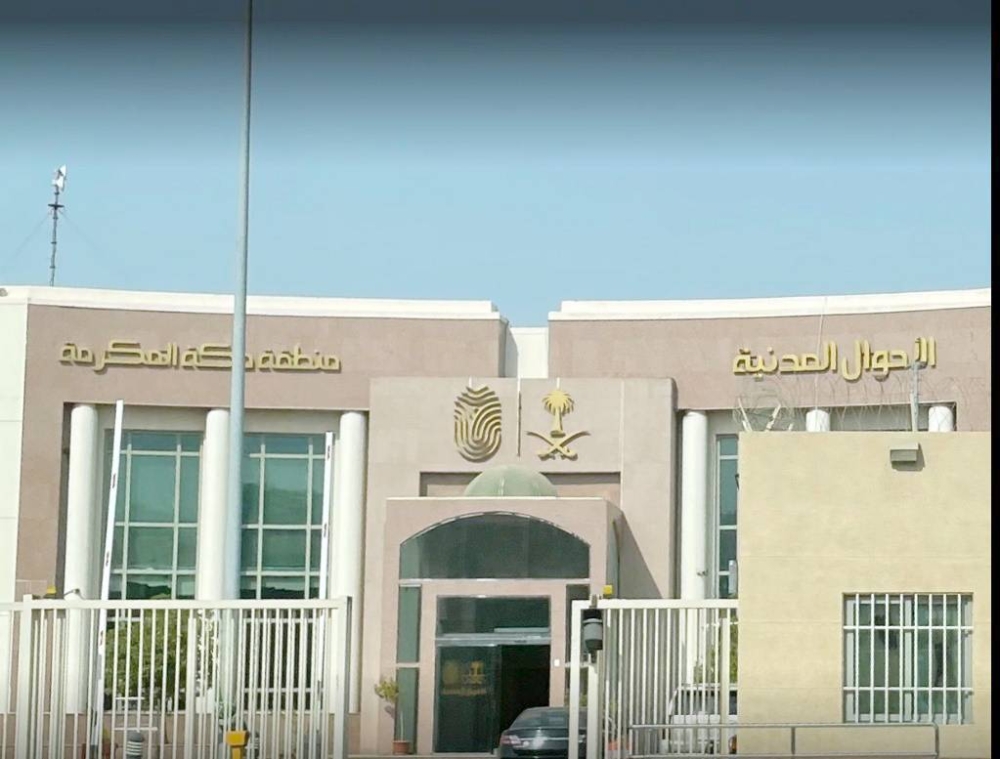
The Civil Status Department revealed the procedures to be followed in the event of reporting the loss of a national identity card and then finding it later, in response to a question it received through its official platforms.
According to the Civil Status Department, once a national identity card is reported lost, the lost card is immediately cancelled as a precautionary measure to protect its owner from any illegal use that may occur with the lost card, meaning that the card that was reported lost is no longer valid for use even if it is found later.
She explained that if the national identity card is found after it has been reported lost, the card is considered permanently cancelled, and therefore the citizen must go to the nearest civil status office to obtain a new copy of the national identity card.
To obtain a new identity card, citizens can book an electronic appointment through the “Absher” platform, then go to the specified office at the specified time with the required documents.
It should be noted that the national identity card is one of the essential documents that every citizen must carry and is used in many governmental and private transactions, so preserving it and adhering to the correct procedures in case of its loss is of utmost importance.
Lawyer Firas Traboulsi stressed that civil status documents are protected by the system, and it is not permissible for a citizen to use a personal card or family book that does not belong to him. He pointed out that a citizen using a national identity card or family record that does not belong to him is a violation of the instructions and system of civil status and exposes the perpetrator to imprisonment and a fine or one of these two penalties.
Trabelsi explained that citizens must, in the event of the loss or damage of their national identity card or family record, inform the nearest civil status department and request compensation by issuing a replacement for the lost or damaged card within 15 days of the date of loss or damage. In the event of theft, fire, house collapse, or drowning, the police or civil defense departments must be notified to obtain a notification to review the civil status department, in order to absolve the citizen of responsibility if his national identity card is used in violation of the system.
The provisions of Articles (78 to 81) of the Civil Status Law and the provisions of Articles (171 to 137) of the Executive Regulations of the Civil Status Law have specified the penalties for anyone who violates the provisions of the law, with imprisonment for a period not exceeding 6 months or a fine not exceeding 10,000 riyals or one of these two penalties.
Keep it in a safe place
Lawyer Salman Al-Ramali reiterated the Civil Status Department's emphasis on the need to exercise caution and keep the national identity card in a safe place. This is an important and fundamental step to protect citizens' personal data, and reporting the loss of the card immediately is a necessary procedure to ensure that the card is not used in illegal ways and to prevent any legal consequences that may arise from this. This directive reflects the Civil Status Department's keenness to protect citizens' rights and the safety of their personal information.
He pointed out that, from a legal standpoint, keeping the national identity card in a safe place is a duty for every citizen, as the card contains sensitive information that can be exploited in fraud or identity theft.
In addition, reporting the loss of the card immediately helps the Civil Status Department to take the necessary measures to disable the lost card and prevent its use in illegal ways. Compliance with these instructions enhances the level of digital security and contributes to protecting society as a whole from cybercrimes.




Politics
Exclusive interview with the Yemeni Prime Minister with Asharq Al-Awsat today
Tonight, you can watch an exclusive interview with Yemeni Prime Minister Shaya al-Zindani on Asharq Al-Awsat, in which he reviews the government's priorities and economic, security and service-related issues.
In a significant media and political event, the Asharq Al-Awsat newspaper will broadcast this evening, Wednesday, February 11, an exclusive and lengthy interview with the Prime Minister and Minister of Foreign Affairs of Yemen, Dr. Shaya Mohsen Al-Zindani. This interview, conducted by Saudi journalist Bader Al-Qahtani, a specialist in Yemeni affairs, aims to clarify the Yemeni government's vision for the priorities of the current phase, amidst local and regional anticipation for the Prime Minister's answers and the clarifications he will provide on sensitive issues.
Critical timing and complex issues
This interview is of exceptional importance given the delicate circumstances Yemen is facing, where economic and service-related issues are intertwined with security and political challenges. Dr. Al-Zindani's remarks come at a time when Yemeni and international circles are eager to understand the government's new approach to addressing the devaluation of the national currency, the weakness of basic services, and the urgent need to restore citizens' trust in state institutions. The meeting is expected to provide an in-depth analysis of the government's mechanisms for advancing economic recovery, which is considered the cornerstone of the country's stability at this stage.
Meeting topics: From services to diplomacy
In a special episode of "Al Sharq Al Awsat Podcast," recorded at Al Sharq TV studios at the Saudi Research and Media Group (SRMG) headquarters in the King Abdullah Financial District in Riyadh, the discussion covers key topics including:
- Improving basic services: The government has urgent plans to provide electricity, water and health services to citizens.
- Institutional reform: Enhancing the efficiency of government institutions and raising the level of coordination between different state agencies to ensure smooth workflow.
- The political and diplomatic track: Discussing Yemen’s diplomatic presence in international forums and the prospects for a comprehensive political solution.
Governance and standards for government formation
During the interview, the Prime Minister addressed, with transparency, the general principles governing the formation of the government, highlighting the mechanisms for selecting ministerial portfolios that ensure efficiency and balance. The discussion also focused on the priorities of the immediate phase related to activating governance and accountability mechanisms—essential steps to guarantee transparency and combat corruption, thus paving the way for restoring the effectiveness of sovereign and service-oriented state institutions.
Security, stability, and relief challenges
On the security front, Dr. Al-Zindani addressed security matters, military coordination, and efforts to establish stability in the liberated governorates, in addition to the general direction of foreign policy. The meeting also touched on the humanitarian aspect, with the Prime Minister discussing the significant humanitarian challenges facing the Yemeni people and ways to facilitate the delivery of aid to those in need, given the current complexities on the ground.
Politics
Egypt: Extensive cabinet reshuffle includes defense minister and the return of the Ministry of Information
Details of the new cabinet reshuffle in Egypt, which included the appointment of 14 new ministers, including the Minister of Defense, and the return of the Ministry of Information, with a focus on the economic and security file.
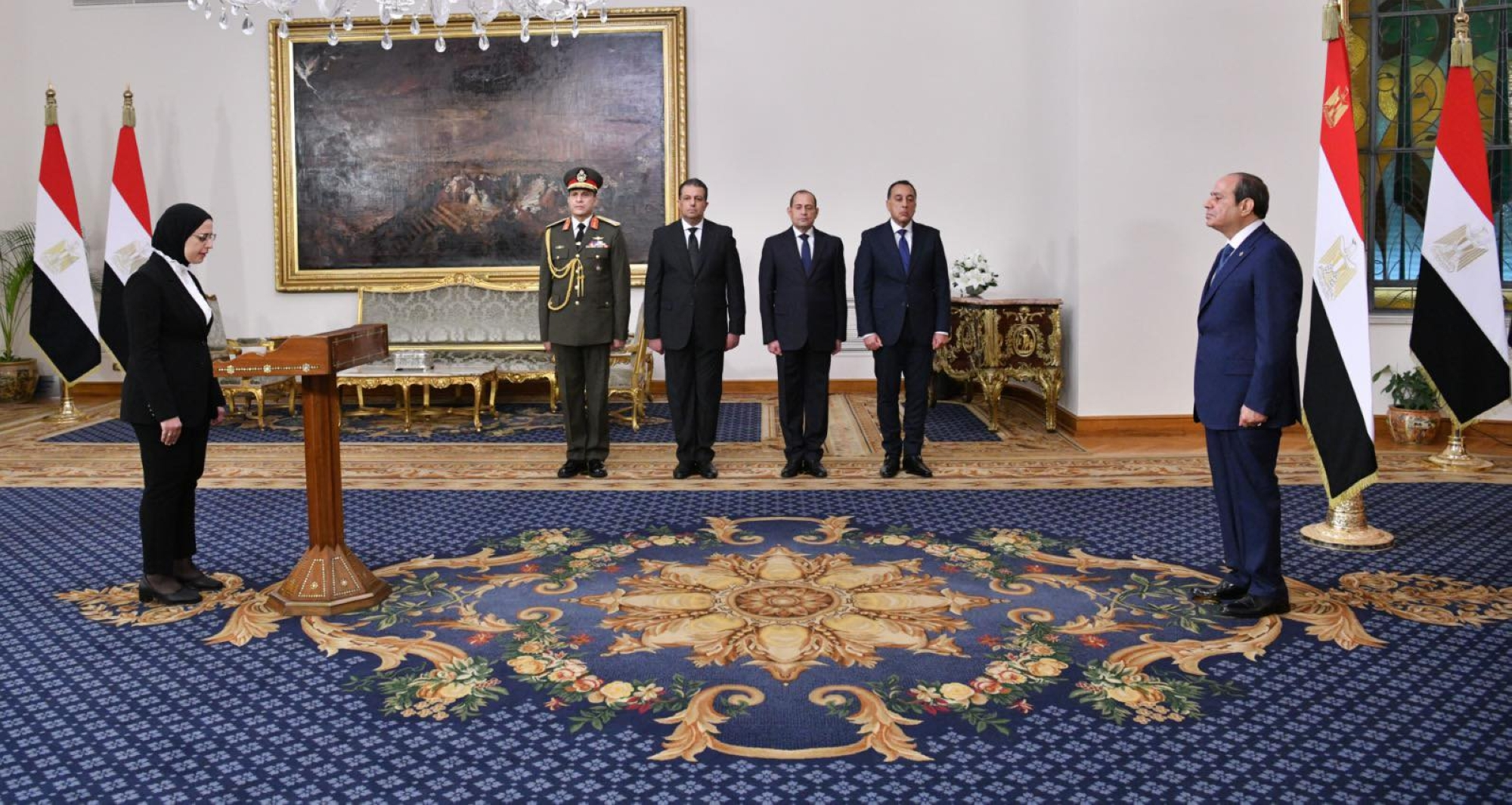
Egyptian President Abdel Fattah al-Sisi conducted a sweeping cabinet reshuffle, making fundamental changes to the government structure and affecting nearly half of the ministerial portfolios, including the sovereign Ministry of Defense. The reshuffle also saw the return of the Ministry of Information to the political scene after years of absence. This reshuffle comes at a critical juncture, reflecting the Egyptian state's move to reprioritize its objectives, with a strong focus on national security and sustainable economic development.
Sovereign changes and the return of the media portfolio
In a notable move within the new amendment, Lieutenant General Ashraf Salem Zaher Mansour was appointed as the new Minister of Defense, succeeding Lieutenant General Abdel-Magid Saqr, who assumed the position in July 2024. The appointment of the Minister of Defense comes in accordance with Egyptian constitutional procedures that require the approval of the Supreme Council of the Armed Forces, which was announced separately from the rest of the amendments approved by the House of Representatives.
The new cabinet also saw the return of the Ministry of State for Information, with the portfolio assigned to Diaa Rashwan, the former head of the State Information Service. This move indicates the state's desire to regulate the media landscape and unify its media message in light of current challenges, following the ministry's abolition in 2021.
Restructuring the economic file
The economic portfolio received the lion's share of the reshuffle, in an attempt to inject new blood capable of addressing global and domestic challenges. The changes included the appointment of former World Bank expert Ahmed Rostom as Minister of Planning, and the appointment of Mohamed Farid Saleh, the former head of the Financial Regulatory Authority, as Minister of Investment and International Trade, reflecting a trend toward strengthening the investment climate and attracting foreign capital.
In an effort to improve government performance, some previously merged ministries were separated. The Ministry of Industry was separated from the Ministry of Transport, with Khaled Maher assuming the Industry portfolio to focus on developing local industries, while Lieutenant General Kamel El-Wazir retained the Transport portfolio to oversee major national projects in that sector. Additionally, a new position of Deputy Prime Minister for Economic Development was created to ensure effective coordination among economic ministries.
Political and parliamentary context
This cabinet reshuffle came about a month after the newly elected parliament convened on January 12th, following the parliamentary elections. Although there is no constitutional provision requiring the government to resign at the start of a new parliamentary session, political custom in Egypt has established a practice of making cabinet changes to align with the new vision for the coming period.
The new ministers took the constitutional oath before President Sisi in the presence of Prime Minister Mostafa Madbouly, who retained his position, which has been in place since 2018. During the meeting with the new government, the President stressed the need for immediate action to achieve specific goals related to preserving national security, improving the standard of living for citizens, strengthening the energy and food security sectors, and building the Egyptian people.
Politics
Saudi Foreign Minister meets with Abiy Ahmed in Addis Ababa
Foreign Minister Prince Faisal bin Farhan arrived in Addis Ababa to meet with Ethiopian Prime Minister Abiy Ahmed and discuss regional developments and ways to enhance regional security and stability.
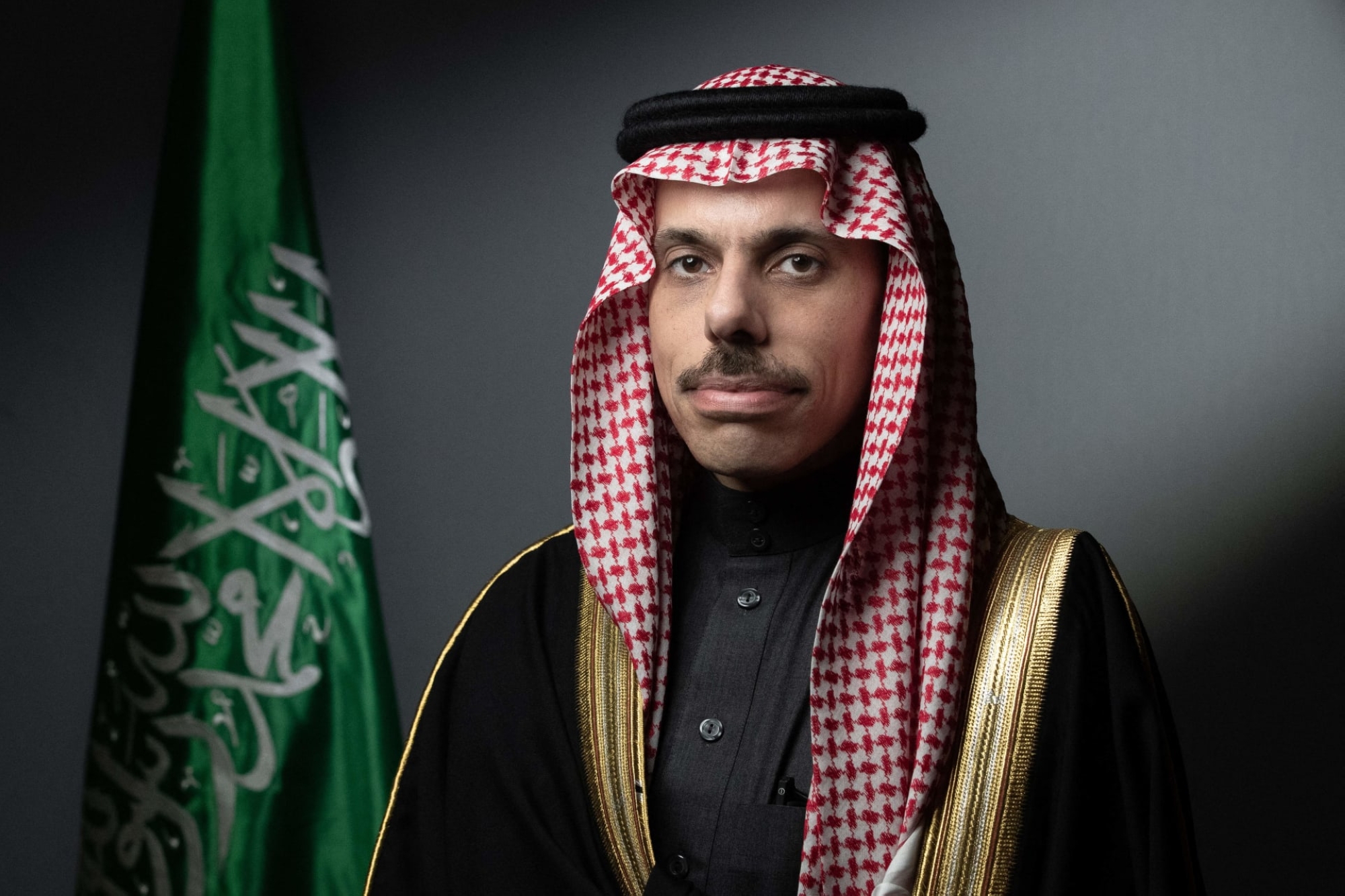
His Highness Prince Faisal bin Farhan bin Abdullah, the Saudi Minister of Foreign Affairs, arrived today (Wednesday) in the Ethiopian capital, Addis Ababa, on an official visit aimed at strengthening bilateral relations and discussing issues of common interest between the Kingdom of Saudi Arabia and the Federal Democratic Republic of Ethiopia.
His Highness the Minister of Foreign Affairs is scheduled to hold extensive talks with the Prime Minister of Ethiopia, Dr. Abiy Ahmed Ali. The meeting will address the latest developments in the region, as well as review international and regional efforts to achieve security and stability, particularly in the Horn of Africa, which faces multiple geopolitical challenges requiring ongoing coordination among key players.
The dimensions of the visit and its important timing
This visit is particularly significant given its timing, as the region witnesses intensive diplomatic efforts aimed at defusing crises and bolstering peace prospects. Saudi Arabia views Ethiopia as a crucial strategic partner on the African continent, considering its significant population, political influence, and strategic geographic location. These initiatives align with the Kingdom's Vision 2030, which prioritizes deepening partnerships with African nations, a commitment clearly demonstrated in recent Saudi-African summits focused on economic and security cooperation.
Saudi-Ethiopian relations and Red Sea security
Historically, Riyadh and Addis Ababa have enjoyed long-standing relations, and both countries play a pivotal role in the security of the Red Sea, a vital artery for global trade. The talks are expected to address ways to secure waterways and enhance cooperation in combating terrorism and transnational threats. The Sudanese issue is also likely to be on the agenda, given the geographical proximity, the Kingdom's role in mediating a solution to the Sudanese crisis, and its direct impact on stability in Ethiopia and neighboring countries.
Promoting regional stability
Saudi diplomacy, under the leadership of Prince Faisal bin Farhan, seeks to build bridges of understanding and constructive dialogue to resolve regional disputes peacefully. Ethiopia, as the headquarters of the African Union, serves as a key gateway for diplomatic efforts on the continent. Therefore, Saudi-Ethiopian coordination not only benefits both countries but also extends its impact to strengthening collective security in East Africa and the Arab region, thus opening broader horizons for developmental and economic cooperation that serves all the peoples of the region.
-

 Local News 7 days ago
Launch of the city's shuttle bus service in Ramadan 1447 AH: Routes and stations
-
Local news one week ago
Rabigh inaugurates the world's largest water innovation oasis and enters the Guinness World Records
-
Culture and Art, 1 week ago
The series "Rouh OFF" was permanently canceled by a decision of the Actors' Syndicate
-
Culture and Art 6 days ago
Yasser Galal and Radwa El Sherbiny: Details of a new artistic project that brings them together
-
Local news one week ago
Schedule of Taraweeh and Tahajjud prayers at the Two Holy Mosques for Ramadan 1447 AH
-
Local news one week ago
The Ministry of Education revokes the licenses of 74 private schools due to safety and quality violations
-
Local news one week ago
Saudi Arabia weather: Rain in Riyadh, the Eastern Province, and Qassim, and dense fog
-
Local News 6 days ago
Mohammed Al-Rasasmeh appointed as official spokesperson for the Ministry of Municipalities and Housing


