Politics
The Minister of Defense reviews with the Governor of the US state of Indiana the friendly relations and cooperation between the two countries
Defense Minister Prince Khalid bin Salman bin Abdulaziz met with the Governor of the US state of Indiana at his office in Riyadh today (Monday)

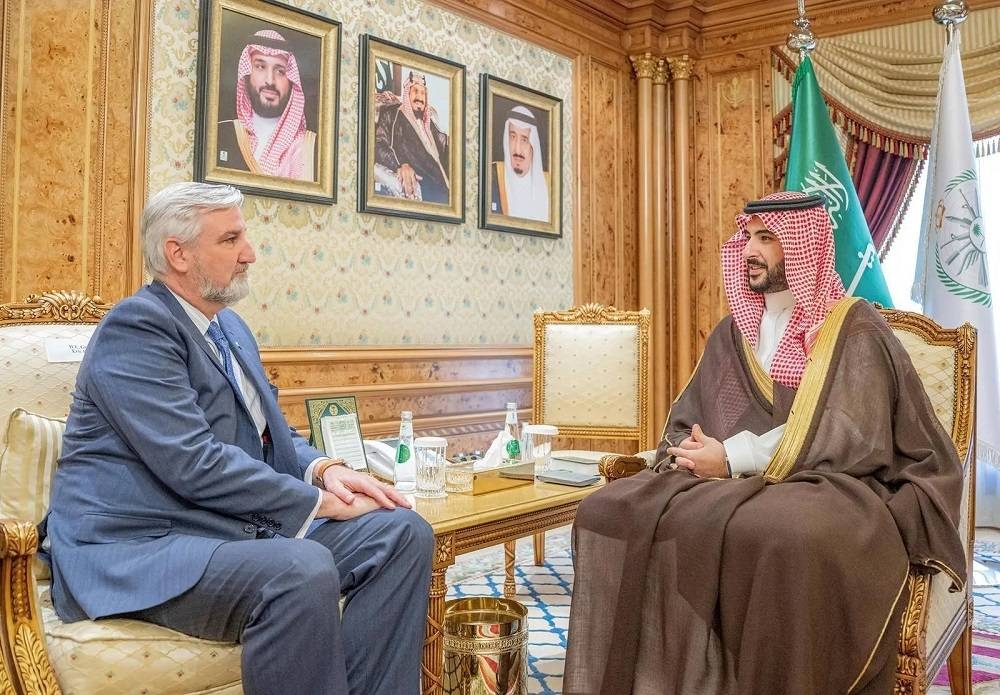
Defense Minister Prince Khalid bin Salman bin Abdulaziz met with Indiana Governor Eric Holcomb at his office in Riyadh today (Monday).
During the meeting, the friendly relations and cooperation between the two countries were reviewed, and a number of issues of common interest were discussed.
The meeting was attended by Deputy Minister of Defense Prince Abdulrahman bin Mohammed bin Ayyaf, Chief of the General Staff Lieutenant General Fayyad bin Hamed Al-Ruwaili, and Director General of the Office of the Minister of Defense Hisham bin Abdulaziz bin Saif.
Also present from the American side were the Commander-in-Chief of the Indiana National Guard, Major General Roger Lyles, the head of the US military training mission in the Kingdom, Colonel Dirk Smith, and a number of officials.




Politics
Historic agreement integrates the SDF into Syrian state institutions
The new Syrian government signed a comprehensive agreement with the Syrian Democratic Forces (SDF) to cease fire, integrate its forces, and recognize Kurdish rights, in a historic step towards unifying the country.
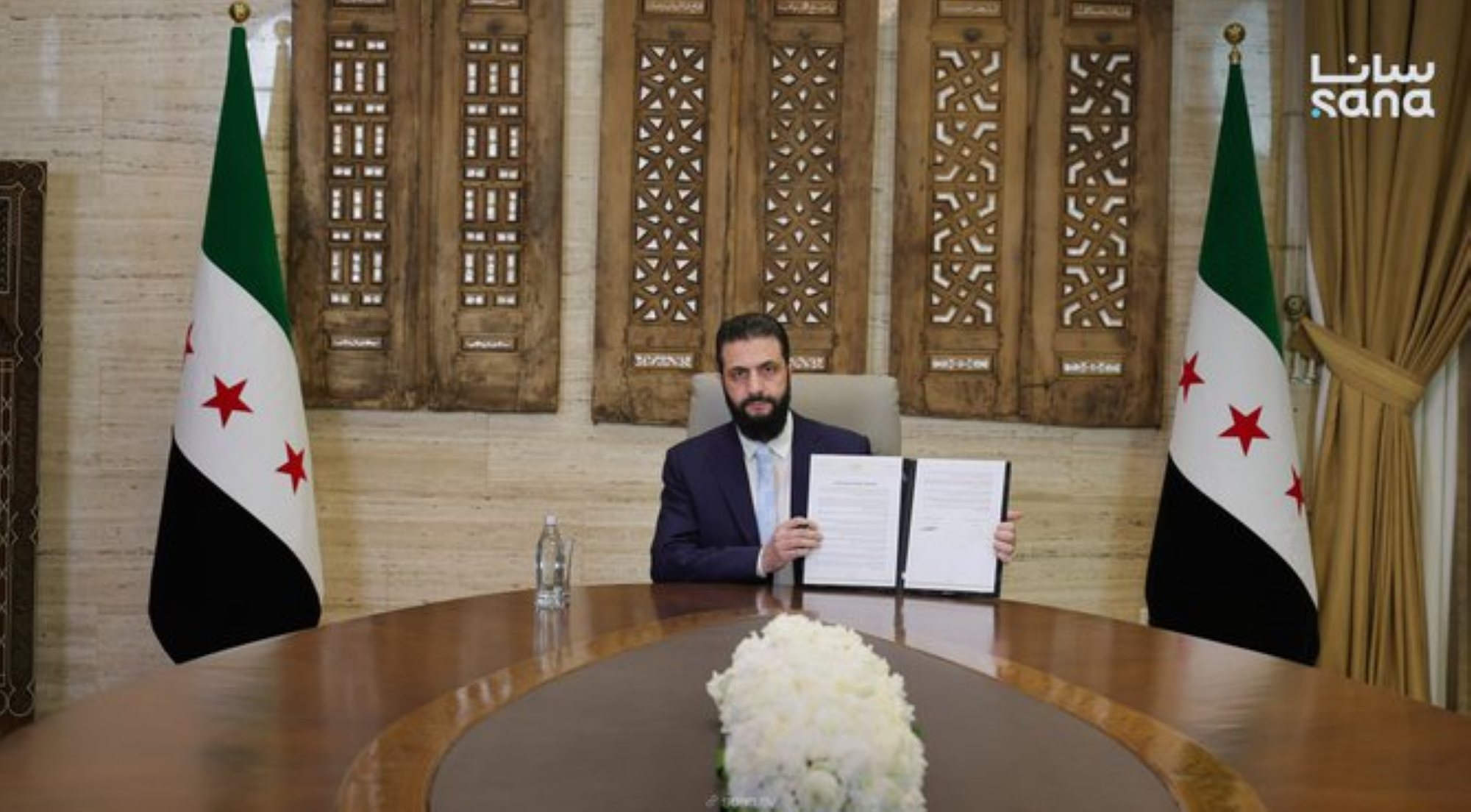
In a historic move that could redraw the political and military map of Syria, Syrian President Ahmed al-Sharaa announced the signing of a comprehensive ceasefire agreement and the full integration of the Syrian Democratic Forces (SDF) into state institutions. This agreement, signed on Sunday, represents a pivotal turning point in the Syrian crisis, aiming to end the years-long division in the north and east of the country and unify efforts to build a stable future.
Historical context for a new phase
This agreement comes in the wake of the dramatic changes that Syria has recently witnessed. The Syrian Democratic Forces (SDF) were established in 2015, with the Kurdish People’s Protection Units (YPG) forming their backbone. The SDF quickly emerged as a key partner of the US-led international coalition in the war against ISIS, and succeeded in controlling large swathes of territory in northern and eastern Syria, including major oil and gas fields. Over the past years, the SDF has administered these areas through the Autonomous Administration of North and East Syria, maintaining a complex relationship with the former regime that has ranged from limited coordination to intermittent clashes.
Key points of the comprehensive agreement
The agreement contains detailed provisions aimed at reintegrating the region into the structure of a unified Syrian state, most notably:
- Immediate ceasefire: A comprehensive cessation of hostilities on all contact lines between government forces and the SDF.
- Administrative and military handover: The governorates of Deir ez-Zor and Raqqa will be handed over completely to the Syrian government, with a guarantee of the continued employment and job security of current staff.
- Integration of forces: Integrating all SDF fighters individually into the Ministries of Defense and Interior after security vetting, while granting them military ranks and entitlements.
- Sovereign resource management: The Syrian government takes over border crossings and oil and gas fields, returning these vital resources to the state treasury.
- Recognition of Kurdish rights: The SDF welcomed the presidential decree that recognizes Kurdish cultural and linguistic rights, addresses the issues of unregistered persons, and restores property rights.
Regional and international importance and impacts
This agreement holds strategic importance that extends beyond Syria's borders. Regionally, the clause stipulating the expulsion of all non-Syrian leaders and members of the Kurdistan Workers' Party (PKK) from the country is a significant step toward addressing Turkey's security concerns. Internationally, the new Syrian government's commitment to continuing the fight against terrorism in coordination with the US-led international coalition opens the door to the possibility of building new relations with the West. Furthermore, the government's assumption of responsibility for the ISIS prisoners and camps alleviates a considerable burden that had fallen on the Syrian Democratic Forces (SDF) and responds to a pressing international demand.
A step towards national reconciliation
This agreement is seen as a solid foundation for building trust and achieving comprehensive national reconciliation in Syria. By guaranteeing national partnership through the nomination of SDF leaders to senior positions and recognizing the rights of the Kurdish component, the agreement lays the groundwork for a new Syria based on equal citizenship and territorial integrity. The full and honest implementation of the agreement's provisions remains the true test of the success of this new phase, which carries with it the hopes of Syrians for turning the page on war and achieving lasting stability.
Politics
The Crown Prince discusses the future of regional relations with the new Syrian President
Crown Prince Mohammed bin Salman received a call from Syrian President Ahmed al-Sharaa, during which they discussed bilateral relations and the future of Syria in light of new regional developments.
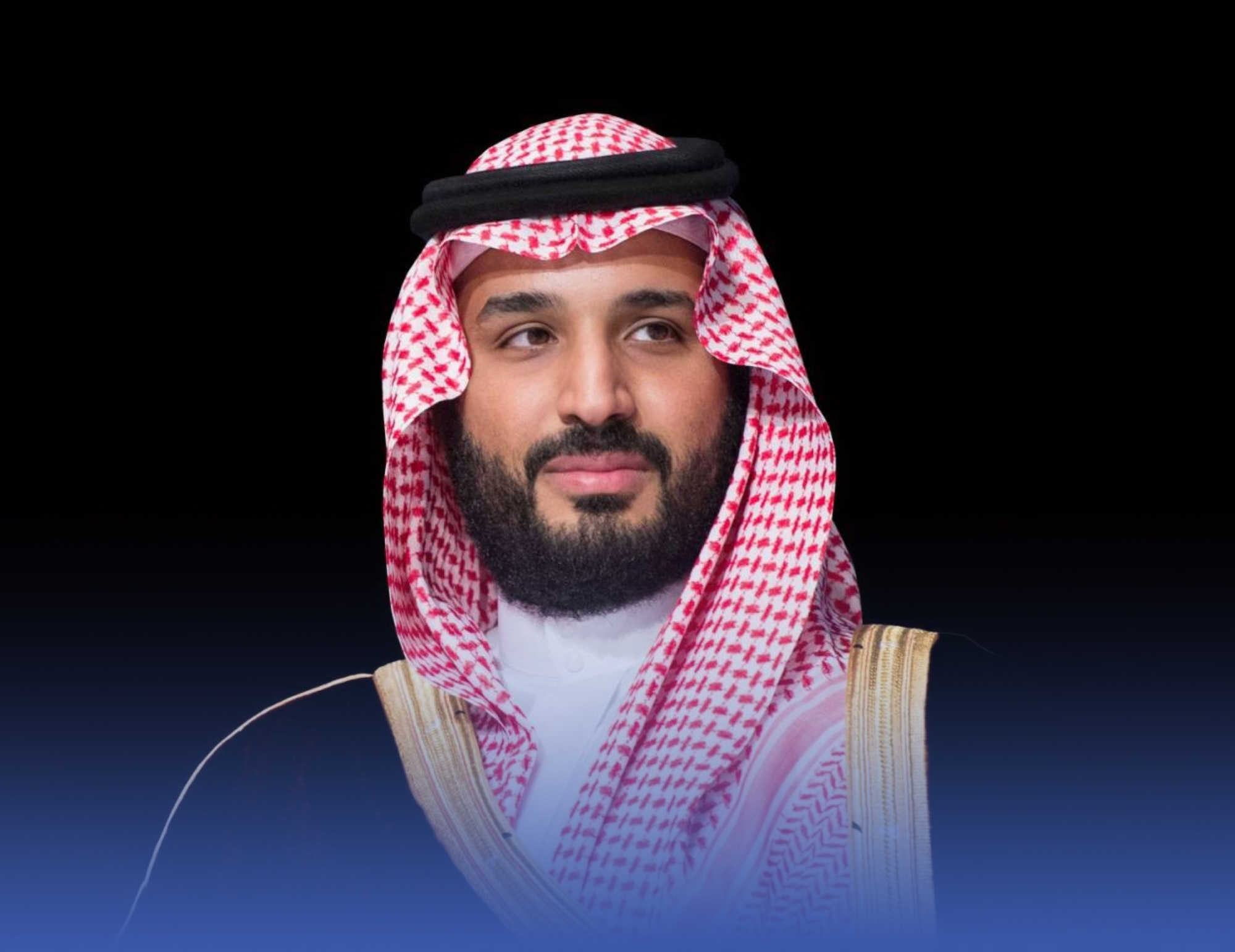
His Royal Highness Prince Mohammed bin Salman bin Abdulaziz Al Saud, Crown Prince and Prime Minister, received a telephone call today (Sunday) from His Excellency President Ahmed al-Sharaa of Syria. This call marks the first official high-level contact between the two countries following the recent political developments in Syria, and opens a new chapter in the history of bilateral relations.
Historical context and radical transformations
This contact comes in the wake of rapid developments in Syria that led to a change in leadership, presenting the region with a new geopolitical reality. Relations between Saudi Arabia and Syria had been strained for over a decade due to the Syrian crisis. However, active Saudi diplomacy in recent years, culminating in leading efforts to reinstate Syria's seat in the Arab League in 2023, paved the way for a resumption of dialogue and the rebuilding of trust, reflecting the Kingdom's understanding of the importance of Syria's stability and unity as an integral part of Arab national security.
The importance of communication and its expected impact
This contact is of paramount strategic importance on several levels. On the Syrian level, it represents significant political support for the new leadership, giving it a strong boost toward gaining regional and international legitimacy. It also opens promising prospects for securing the necessary support for the reconstruction phase and achieving the economic and social stability that the Syrian people yearn for after years of suffering.
Regionally, this contact underscores Saudi Arabia’s pivotal role as a peacemaker and pillar of stability in the region. Through its direct engagement with the new Syrian leadership, Riyadh seeks to ensure an orderly transition of power and prevent a security vacuum that could be exploited by regional powers or extremist groups to destabilize the region. This rapprochement is expected to encourage other Arab states to intensify their engagement with Damascus, thereby strengthening joint Arab action to address the challenges.
Common causes and a promising future
In addition to reviewing bilateral relations and opportunities for strengthening them, the two sides discussed regional developments and issues of common interest. These issues likely include vital matters such as combating terrorism, securing borders, curbing drug trafficking, and coordinating the safe and dignified return of Syrian refugees to their homeland. This dialogue represents a foundational step towards building a strategic partnership that serves the interests of both countries and contributes to the security and prosperity of the entire region.
Politics
Saudi leadership offers condolences to Thailand for the victims of the tragic train accident
The Custodian of the Two Holy Mosques and the Crown Prince sent a cable of condolences to the King of Thailand regarding the victims of the crane accident on a train, in a gesture reflecting the depth of Saudi-Thai relations.
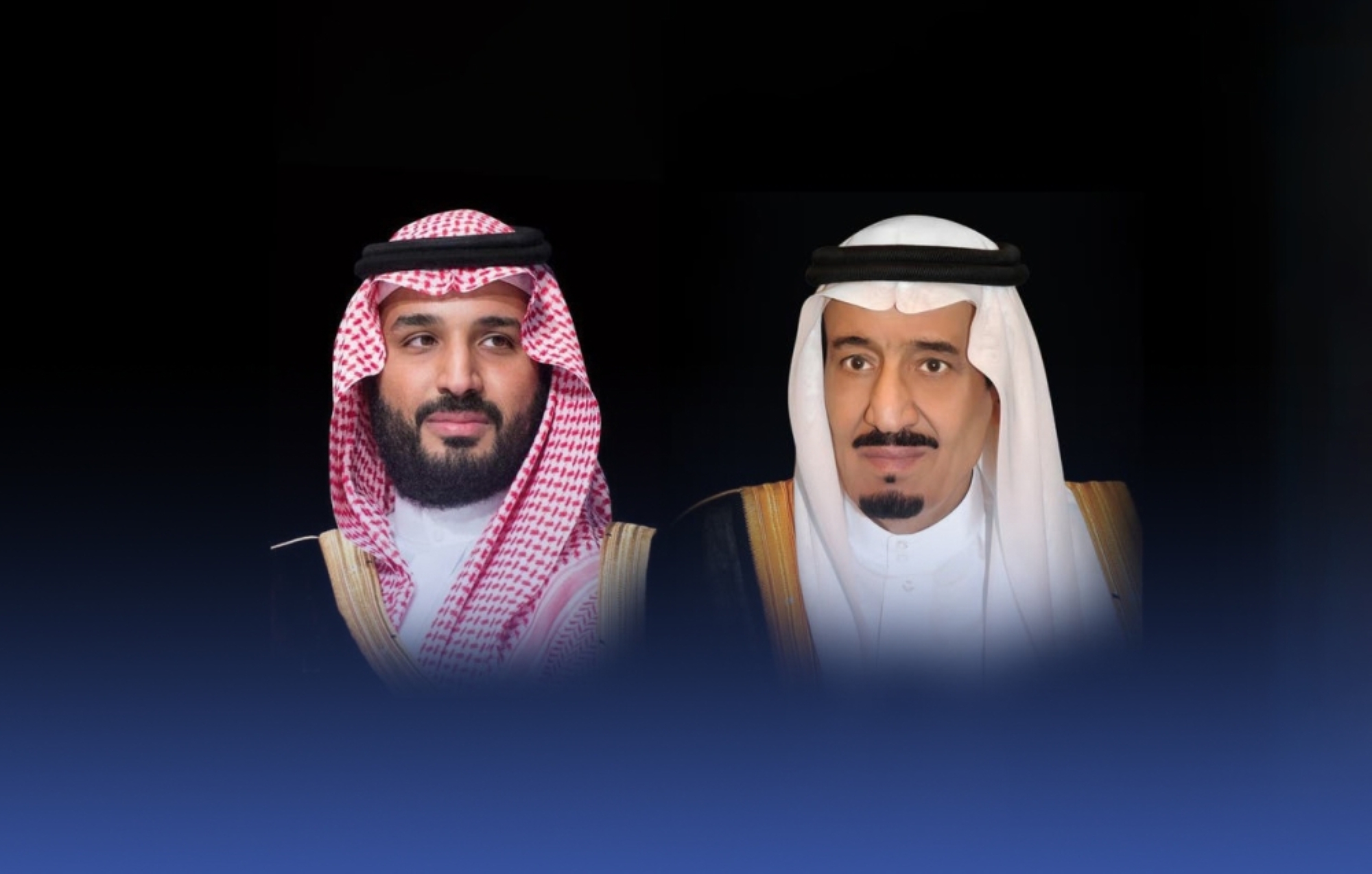
The Custodian of the Two Holy Mosques, King Salman bin Abdulaziz Al Saud, and His Royal Highness Prince Mohammed bin Salman bin Abdulaziz Al Saud, Crown Prince and Prime Minister, sent cables of condolence and sympathy to His Majesty King Maha Vajiralongkorn, King of the Kingdom of Thailand, regarding the victims of the crane accident on a train in the northeast of the country, which resulted in a number of deaths and injuries.
General context and historical background
This humanitarian gesture from the Saudi leadership comes within the context of the remarkably flourishing diplomatic relations between the Kingdom of Saudi Arabia and the Kingdom of Thailand. After a period of diplomatic estrangement that lasted for three decades, bilateral relations reached a historic turning point in January 2022 with the announcement of the full resumption of diplomatic ties between the two countries. This rapprochement culminated in reciprocal visits at the highest levels and opened up broad prospects for cooperation in multiple fields, including the economy, energy, tourism, and labor. The message of condolence is not merely a protocolary gesture, but rather an affirmation of the strength of these new ties and the two countries' desire to enhance them at all levels, including standing by each other in times of hardship.
The importance of the event and its expected impact
Domestically in Thailand, this tragic accident has once again brought to the forefront safety standards at construction sites and major projects. Like other emerging economies in Southeast Asia, Thailand is experiencing a boom in infrastructure development, including railway networks. Such accidents raise public and media concerns, prompting authorities to review occupational safety procedures and project oversight to ensure they are not repeated.
On both the regional and international levels, the message of condolence from Saudi Arabia, a major power in the Middle East and the Islamic world, carries significant political weight. It reinforces the Kingdom's image as a trusted partner and friend of Thailand, and underscores the humanitarian dimension of its foreign policy. This gesture also contributes to strengthening the positive relations recently established, which will positively impact future cooperation between the two countries in various international forums and enhance the stability of relations between the Arabian Gulf region and Southeast Asia.
-

 Reports 3 days ago
Achievements of Saudi government sectors in 2025
-
Local news two weeks ago
FDA warns of contaminated Nestle infant formula | Recall details
-
Technology 4 weeks ago
Artificial intelligence regulations in Saudi education and student data protection
-
Technology 4 weeks ago
US ban on drones: reasons and consequences
-
Technology 4 weeks ago
SRMG and Snapchat partnership: The future of digital media in the Middle East
-
Sports 4 weeks ago
Salah leads Egypt to a thrilling comeback against Zimbabwe in the Africa Cup of Nations
-
Technology 4 weeks ago
Saudi Arabia's Ministry of Islamic Affairs is employing artificial intelligence in public speaking
-
Sports 4 weeks ago
Napoli win the Italian Super Cup in Riyadh for the third time (2025)