
Politics
Sending Tomahawk missiles to Ukraine: A Russian warning of dire consequences
Russia warns of dire consequences after supplying Tomahawk missiles to Ukraine, amid escalating tensions between Moscow and Washington and significant geopolitical implications.

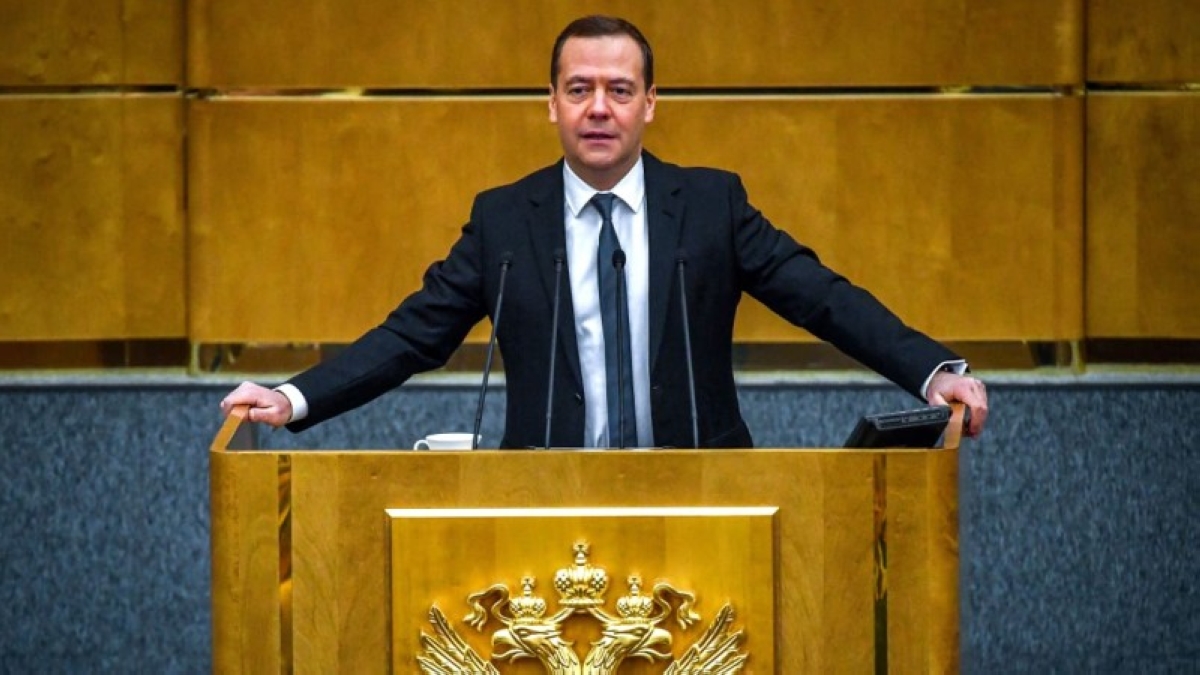
Tensions are escalating between Moscow and Washington over Tomahawk missiles
Amid escalating international tensions, former Russian President Dmitry Medvedev warned that the US supply of Tomahawk missiles to Ukraine could have dire consequences for everyone, specifically mentioning the impact on former US President Donald Trump. These remarks come against a backdrop of increasing geopolitical complexities among the world's major powers.
Russian warnings and American statements
Medvedev explained that distinguishing between conventional Tomahawk missiles and those equipped with nuclear warheads is impossible once launched, raising concerns about how Russia would respond to such a development. He hinted at the possibility of a Russian response of a nuclear nature, reflecting the gravity of the current situation.
For his part, Trump warned that he might send long-range Tomahawk missiles to Ukraine if Moscow did not end the war there soon. He emphasized that he might be prepared to increase pressure on Russian President Vladimir Putin using a substantial weapons system, stressing the power and impact of these offensive missiles.
Talks with Zelensky
Trump's remarks came after a phone call with Ukrainian President Volodymyr Zelensky, during which they discussed strengthening Ukraine's air defenses and long-range capabilities. Zelensky described the call as "very productive," indicating a convergence of views on the importance of bolstering Ukraine's defense capabilities.
International reactions and strategic analysis
Russian President Vladimir Putin has previously warned that the United States supplying Ukraine with long-range missiles would seriously damage relations between Moscow and Washington. This warning reflects Russia's deep concern about any escalatory steps that could worsen the security situation in the region.
Saudi Arabia and its diplomatic role
Amid these escalating tensions, Saudi Arabia is playing a crucial diplomatic role in attempting to de-escalate the situation and promote regional and international stability. Riyadh is relying on its diplomatic strength and strategic balance to achieve peace and stability in the region and the world.
Conclusion and analysis of the international situation
The situation between Russia and the United States remains sensitive and complex, requiring wisdom and diplomacy to avoid any escalation that could lead to disastrous consequences. Continued dialogue and mutual understanding are the best way to resolve conflicts and ensure global security and peace.










Politics
Saudi Arabia is funding the expansion of Prince Faisal Hospital in Jordan with $14 million
The Saudi Fund for Development lays the foundation stone for the expansion of Prince Faisal Hospital in Jordan, worth $14 million, in the presence of the Jordanian Prime Minister, to enhance health services and increase capacity.
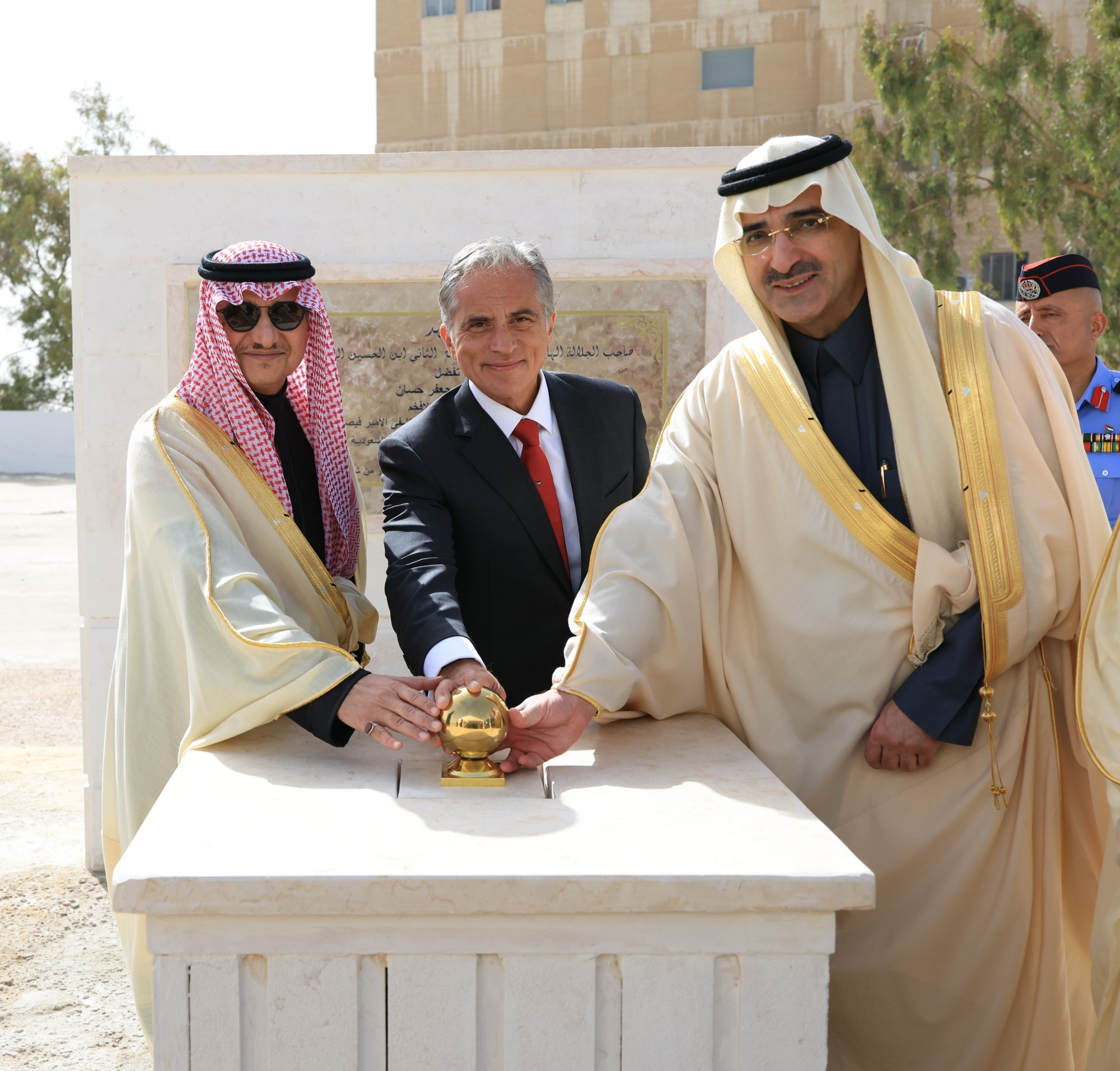
In a move reflecting the deep fraternal and strategic relations between the Kingdom of Saudi Arabia and the Hashemite Kingdom of Jordan, the Saudi Fund for Development contributed to financing a vital project to expand and modernize Prince Faisal Hospital, with a total value of approximately US$14 million. The project site witnessed a groundbreaking ceremony attended by high-level dignitaries, including the Prime Minister of Jordan, Dr. Jaafar bin Abdul Fattah Hassan, and the CEO of the Saudi Fund for Development, Mr. Sultan bin Abdul Rahman Al-Murshid, along with a number of officials from both sides.
This ambitious project aims to revolutionize medical services for the beneficiary communities. It focuses on the complete renovation and modernization of the existing hospital building, as well as the construction of a new four-story extension. Spanning a total area exceeding 8,000 square meters, the project will provide ample space to accommodate the new medical departments and specialized clinics needed by the area's residents.
From a technical and operational standpoint, the project directly contributes to increasing the hospital's capacity, thereby reducing waiting times and enhancing the efficiency and quality of healthcare services provided to citizens. The engineering plan also includes the construction of a helipad dedicated to rapid medical response and air medical evacuation, and the development of medical infrastructure according to the latest international engineering and technical standards, in order to keep pace with increasing population growth and meet the growing basic needs in the healthcare sector.
This support comes within a long history of development cooperation between the Kingdom of Saudi Arabia and Jordan, with the Saudi Fund for Development being a key partner in supporting infrastructure projects in Jordan for decades. This support is not limited to the health sector alone, but extends to the education, energy, water, and roads sectors, reflecting the Kingdom's unwavering commitment to supporting sustainable development in brotherly and friendly nations.
This expansion is particularly important given the location of Prince Faisal Hospital, which serves a large segment of the population in a densely populated area. The project is expected to have a tangible positive social and economic impact by improving public health indicators, providing a comprehensive and safe treatment environment, and creating new job opportunities during the construction and operation phases. This will enhance the stability of the healthcare system in Jordan and support its future plans.
Politics
Senegalese Prime Minister Ousmane Sonko arrives in Jeddah and receives an official welcome
Senegalese Prime Minister Ousmane Sonko arrived in Jeddah on an official visit. He was received by Prince Saud bin Jalawi and senior officials. Learn more about the visit and Saudi-Senegalese relations.
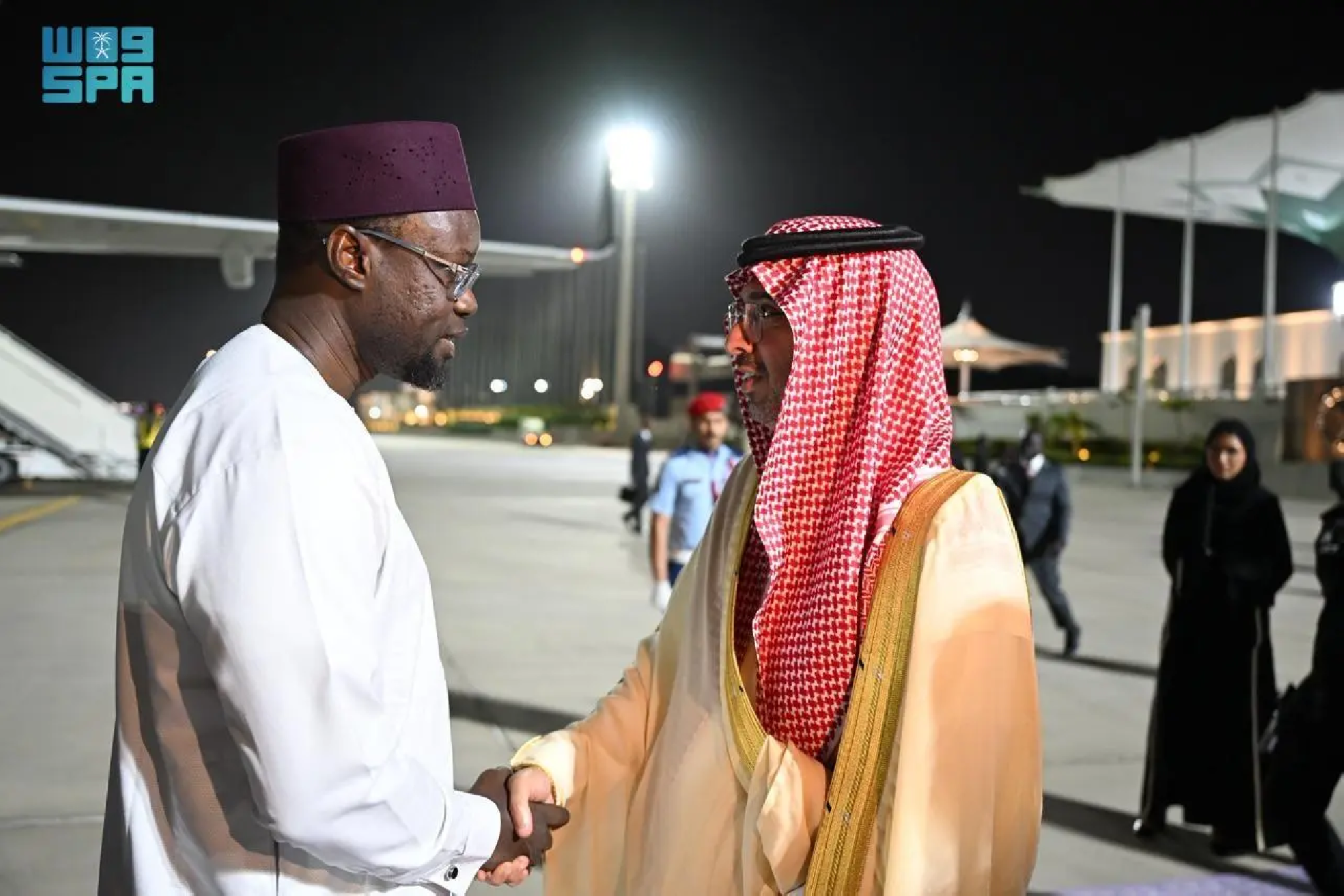
The Prime Minister of the Republic of Senegal, Mr. Ousmane Sonko, arrived in Jeddah today, Sunday, accompanied by a high-level delegation, on a visit to the Kingdom of Saudi Arabia that reflects the depth of the brotherly relations between the two countries.
At the forefront of those receiving the distinguished Senegalese guest upon his arrival at King Abdulaziz International Airport was His Royal Highness Prince Saud bin Abdullah bin Jalawi, Governor of Jeddah, who welcomed the Prime Minister and his accompanying delegation, wishing them a pleasant stay in the Kingdom.
The reception was also attended by a number of civilian and military officials, including the Deputy Mayor of Jeddah, Engineer Ali Al-Qarni, the Director of Jeddah Police, Major General Suleiman bin Omar Al-Tuwaireb, and the Director of Royal Protocol in the Makkah Region, Mr. Ahmed Abdullah bin Thafir. Also present were the Ambassador of the Republic of Senegal to the Kingdom, Mr. Biram Mbaneck Dieng, and members of the Senegalese Embassy.
Context of the visit and its political significance
Mr. Ousmane Sonko's visit to Saudi Arabia comes at a crucial time, as Senegal undergoes a new political phase following recent democratic transitions and elections that brought to power a new leadership eager to strengthen international partnerships. Sonko is a pivotal figure in the current Senegalese political landscape, and diplomatic circles view this visit as a step toward solidifying ties with major Islamic and Arab powers, particularly Saudi Arabia.
Historical relations and strategic partnership
The Kingdom of Saudi Arabia and the Republic of Senegal share strong historical ties spanning decades, based on Islamic brotherhood and joint cooperation in international forums, particularly through the Organization of Islamic Cooperation. Senegal is considered a strategic partner of the Kingdom in West Africa, as the two countries share similar views on many regional and international issues of concern to the Islamic world.
On the development and economic front, the Saudi Fund for Development has long been a major supporter of infrastructure and sustainable development projects in Senegal, reflecting the Kingdom's commitment to supporting the stability and prosperity of its sister nations. Such reciprocal visits between senior officials are expected to open new horizons for economic and investment cooperation, in line with the Kingdom's Vision 2030, which places particular emphasis on strengthening relations with the African continent, and in a way that serves the interests of both brotherly peoples.
Politics
Yasser Galal: Treatment at the state's expense is a constitutional right and a source of hope for patients
Senator Yasser Galal stressed the need to develop the state-funded treatment system and reduce waiting lists, calling for coordination between hospitals and support for alternative medicines.
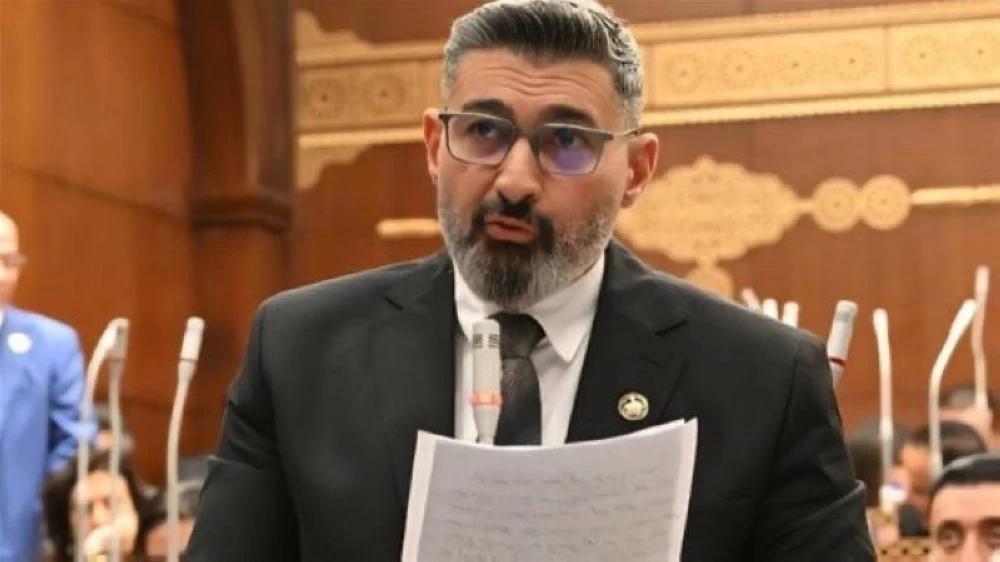
In an important intervention that reflected the pulse of the Egyptian street and the needs of the health sector, MP Yasser Galal, Deputy Chairman of the Culture and Media Committee in the Senate, stressed the utmost importance of the file of treatment at the expense of the state , describing it as a lifeline and real hope for thousands of simple patients, and not just routine procedures or papers that are exchanged between offices.
Constitutional dimension and governmental commitment
During his address to the Senate plenary session, Jalal invoked the constitutional framework governing health rights in Egypt, emphasizing that the state bears a direct responsibility towards its citizens under Article 18 of the Egyptian Constitution. This article clearly stipulates the right of every citizen to health and comprehensive healthcare according to quality standards, and criminalizes the refusal to provide treatment in its various forms to any person in emergency situations or when life is in danger.
The MP explained that this constitutional obligation requires the government to remove all obstacles that prevent the service from reaching those who deserve it with the required speed and efficiency, noting that the Egyptian state has made great efforts in recent years, as issuing treatment decisions has become easier procedurally compared to the past, but challenges still exist.
The waiting list crisis and increasing pressure
The Deputy Chairman of the Culture and Media Committee addressed one of the most pressing problems facing patients and their families: the long waiting times. He pointed out that waiting lists in some hospitals and specialized fields can extend for extended periods, sometimes reaching five or six months. While this delay reflects the immense pressure on the public healthcare system and the increasing number of patients, it necessitates unconventional solutions to ensure that patients' health does not deteriorate during the waiting period.
Integration of the health system and alternative medicines
Yasser Galal presented a practical vision for a solution based on two main pillars:
- First: Strengthening coordination and integration between Ministry of Health and Population hospitals on the one hand, and university hospitals on the other. Observers believe that the lack of effective coordination between these two main branches of the healthcare system in Egypt is one of the primary reasons for the overcrowding of patients in certain facilities, while vacancies or resources may be available in other locations.
- Second: The necessity of adopting a clear pharmaceutical policy that supports the culture of "alternative" or equivalent (generic) medicines. Jalal emphasized the importance of educating citizens that generic medicines contain the same active ingredient and meet the same quality standards, which contributes to saving budgets, reducing the burden on both the state and patients, and ensuring the sustainability of healthcare services.
These demands come at a time when the Egyptian state is seeking a gradual transition towards implementing the comprehensive health insurance in all governorates, as the state-funded treatment system represents the current bridge that the unable to afford it cross to obtain their right to treatment until the new system is generalized.
-
 Local news one week ago
Agreement to regulate and empower street vendors in Jeddah: Details and objectives
-
 Local news one week ago
The Spears of Victory 2026 military exercises concluded in Saudi Arabia with international participation
-

 Culture and Art 4 days ago
The "Between and Between" exhibition in Jeddah: 5 artists reshape Saudi memory
-

 Culture and Art 5 days ago
Shakira's concert in Jeddah: Details of the international star's first concert in Saudi Arabia
-
 Culture and Art, 1 week ago
The truth about Nancy Ajram's video and Epstein Island, and her legal response
-

 Culture and Art, 1 week ago
Rawan Bin Hussain's first appearance after her imprisonment and deportation from Dubai
-

 Culture and Art, 1 week ago
Sarah Al-Wadaani without a hijab ignites social media and tops the trending list
-
 Local news two days ago
The Riyadh-Rin-Bisha dual carriageway, spanning 559 km, has been completed