
Politics
Interior Minister: The meticulous organization was behind the success of the Hajj
The Minister of Interior and Chairman of the Supreme Hajj Committee, Prince Abdulaziz bin Saud bin Nayef bin Abdulaziz, conveyed the greetings of the Custodian of the Two Holy Mosques


The Minister of Interior and Chairman of the Supreme Hajj Committee, Prince Abdulaziz bin Saud bin Nayef bin Abdulaziz, conveyed the greetings of the Custodian of the Two Holy Mosques, King Salman bin Abdulaziz, and the Crown Prince and Prime Minister, Prince Mohammed bin Salman bin Abdulaziz, and their congratulations to the participants in implementing the Hajj security plans from the Ministry of Interior, the Presidency of State Security, and the supporting military agencies from the Ministry of the National Guard, the Ministry of Defense, and the General Intelligence Presidency, on the occasion of Eid al-Adha and the success of this year’s Hajj mission 1446 AH.
This came during his meeting at the Ministry building in Makkah with senior officials of the Ministry, leaders of security sectors, leaders of Hajj security forces, and supporting forces from military and security sectors and agencies.
In a speech delivered on this occasion, the Minister of Interior, Chairman of the Supreme Hajj Committee, affirmed that, in implementation of the directives of the leadership, which provided all the necessary resources and ensured the concerted efforts of all government and security agencies and sectors, the approved plans for this year's Hajj achieved a success that crowns the journey of continuous development. He pointed out that early planning, effective implementation, continuous monitoring, optimal use of technology, and the cooperation and awareness of the pilgrims and Hajj missions contributed to achieving this success.
He noted that all parties played their part in providing services to the pilgrims, regardless of their race or nationality, and that security personnel, both men and women, and resources surrounded them, and that they were cared for by quality health services, and that public services were provided to them with high efficiency, which contributed to the pilgrims performing their rituals according to a well-organized system that ensured smooth and seamless movement and transportation according to timetables that everyone adhered to.
He praised the efforts made by the security and military sectors participating in this year’s Hajj, who worked as one team with sincerity and dedication in the field, feeling the honor of service and bearing in mind the sense of national and religious responsibility.
Related News
At the end of his speech, the Minister of Interior, who is also the Chairman of the Supreme Hajj Committee, directed that preparations for the Hajj season for the coming year 1447 AH should begin tomorrow.
The Director of Public Security and Chairman of the Hajj Security Committee, Lieutenant General Mohammed bin Abdullah Al-Bassami, delivered a speech in which he affirmed that the Hajj security plans achieved their objectives thanks to the directives of the wise leadership, and the supervision and follow-up of the Minister of Interior, Chairman of the Supreme Hajj Committee, on restructuring the committees emanating from the Supreme Hajj Committee, which contributed to achieving positive indicators that reflected the clear harmony, constant compatibility, and continuous coordination among all participating entities.
He explained that the Hajj security forces are continuing to monitor the implementation of security plans until the end of the Hajj season and the safe return of the pilgrims to their countries.


Politics
Saudi Defense Minister in Washington to strengthen strategic partnership
Defense Minister Prince Khalid bin Salman arrived in Washington on an official visit aimed at strengthening the strategic partnership between the two countries and discussing key security issues in the region.

His Royal Highness Prince Khalid bin Salman bin Abdulaziz, Minister of Defense, and his accompanying delegation arrived in Washington, D.C., for an official visit of particular importance given the rapid geopolitical developments in the Middle East and the world. This visit underscores the depth of the strategic relationship that has bound the Kingdom of Saudi Arabia and the United States for decades.
Historical background of a long-standing partnership
This visit represents another link in a long chain of high-level communication and coordination between Riyadh and Washington. The roots of this partnership stretch back more than eight decades, built on fundamental pillars including cooperation in the fields of energy, security, and defense. This relationship has proven its ability to adapt to international changes and has formed a cornerstone in maintaining regional stability and confronting shared threats, from combating terrorism to securing vital waterways for global trade.
The importance of the visit and its expected impact
The visit of His Highness the Minister of Defense comes at a critical time, as the agenda for the talks is expected to focus on a number of pressing issues. Regionally, the discussions are believed to address ways to strengthen joint efforts to achieve stability in the region, including the situation in the Gaza Strip, maritime security in the Red Sea, the Iranian nuclear program, and support for political solutions to the crises in Yemen and Syria. These discussions aim to unify perspectives and coordinate positions to effectively confront these challenges.
Strengthening defense and security cooperation
On the bilateral level, the visit aims to explore ways to strengthen relations between the two friendly countries, particularly in the defense and military fields. This includes reviewing existing cooperation programs, discussing the development of the Kingdom's defense capabilities, and coordinating efforts in combating terrorism and extremism. Military cooperation between the two countries is a cornerstone of the regional security system, encompassing joint exercises and intelligence sharing, which contributes to enhancing the efficiency and readiness of the armed forces in both countries. This visit is not merely a protocol meeting, but a significant strategic milestone for reaffirming mutual commitments and outlining the next phase of cooperation to address global challenges and ensure a secure and stable future for the region and the world.
Politics
The European Union lists Iran's Revolutionary Guard as a terrorist organization
The European Union has added Iran's Islamic Revolutionary Guard Corps (IRGC) to its list of terrorist organizations in response to the crackdown on protests. Learn about the background of the decision and its implications for relations with Iran.
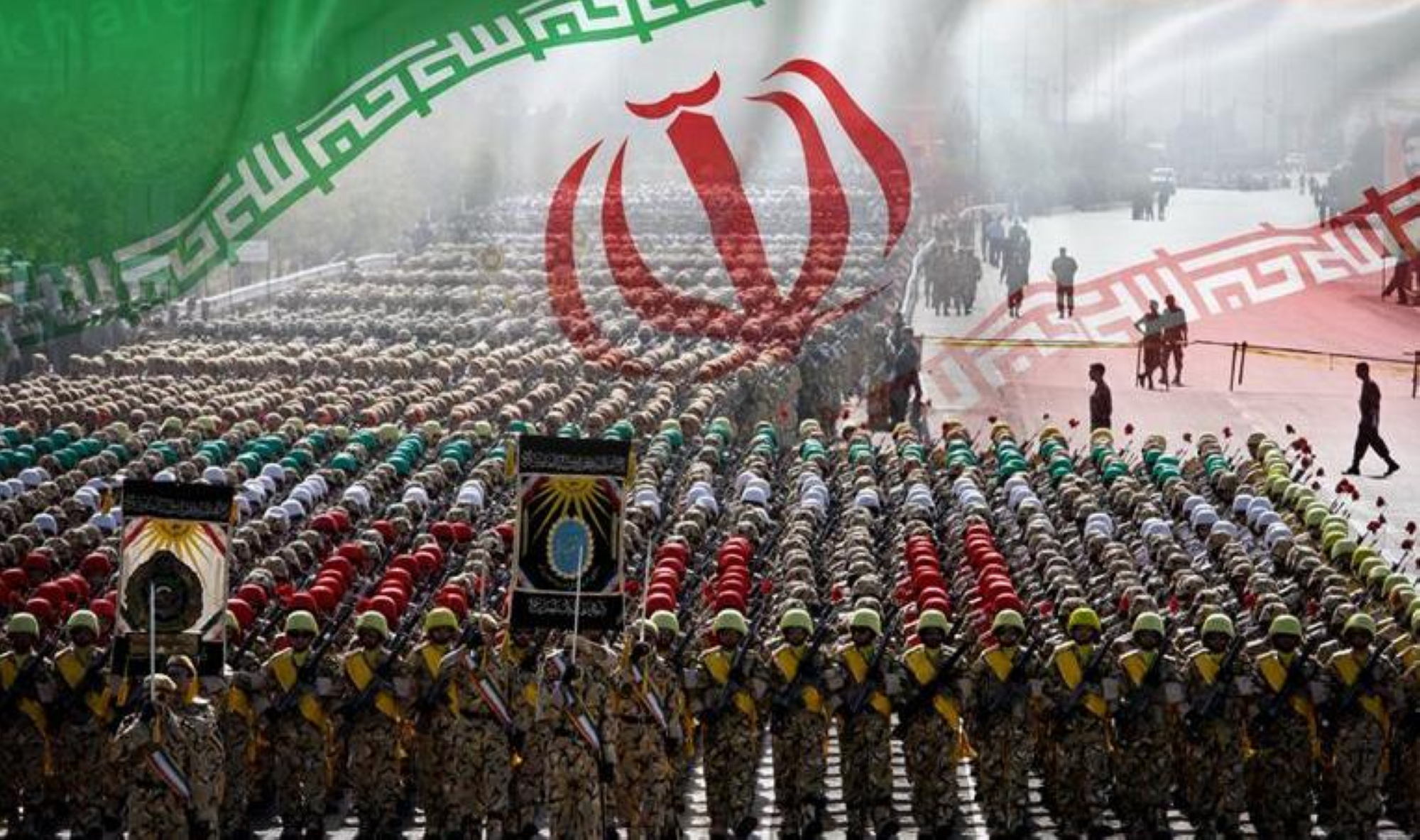
In a significant escalation, the European Union officially designated Iran’s Islamic Revolutionary Guard Corps (IRGC) as a terrorist organization. This decision, taken on Thursday, is a direct response to the IRGC’s role in the violent crackdown on widespread protests in Iran, opening a new chapter of tension in relations between Brussels and Tehran.
Historical background and role of the Revolutionary Guard
The Iranian Islamic Revolutionary Guard Corps (IRGC) was established following the 1979 Islamic Revolution. It is not merely a conventional military force, but a powerful institution deeply entrenched in all aspects of the Iranian political and economic state. Its primary mission is to protect the Islamic regime, and it possesses its own ground, naval, and air forces, in addition to controlling Iran's ballistic missile program. Its influence extends beyond Iran's borders through the Quds Force, its external arm responsible for military and intelligence operations in the region, making it a pivotal player in numerous regional conflicts.
Widespread protests as a catalyst
The spark that ignited this European decision was the protests that erupted across Iran in late 2022 following the death of young Mahsa Amini while in the custody of the morality police. These demonstrations, which began as protests against the mandatory hijab laws, quickly transformed into a widespread movement demanding regime change. The Iranian authorities responded with brutal repression, with international human rights organizations documenting the killing of hundreds and the arrest of thousands of protesters. The Revolutionary Guard and its Basij militia played a key role in these repressive operations.
Details of the European decision and reactions
The European decision was not merely symbolic; it included a package of concrete punitive measures. The 27-member bloc agreed to impose visa bans and asset freezes on 21 Iranian officials and entities linked to the crackdown on protests. Commenting on the decision, European Commission President Ursula von der Leyen welcomed the move, asserting that “terrorism is the correct term for a regime that represses its own people with bloodshed.”.
Tehran's response and warning of consequences
Tehran reacted to the European decision with strong rejection and anger, warning of “grave consequences.” The Iranian Foreign Ministry condemned the move, describing it as a “major strategic mistake” and an irresponsible act. The Iranian armed forces accused the European Union of succumbing to American and Israeli pressure, asserting that the decision reflects “deep hostility” toward Iran. Tehran affirmed its right to retaliate against this move, which it described as “hostile and provocative.”.
The importance and expected impact of the decision
This designation puts the European Union on a more hardline path toward Iran, aligning it with the US position, which designated the Islamic Revolutionary Guard Corps (IRGC) as a foreign terrorist organization in 2019. In practice, the decision criminalizes any financial dealings or material support for the IRGC within EU member states and allows for the seizure of its assets. It also significantly complicates any future attempts to revive the nuclear agreement (the Joint Comprehensive Plan of Action), as negotiating with a designated terrorist entity becomes extremely difficult, both politically and legally. Analysts believe this move could further isolate Iran internationally and destabilize the region.
Politics
A new US destroyer is in the Middle East to deter regional threats
The US Navy has sent the destroyer 'Delbert D. Black' to reinforce its military presence in the Middle East, bringing the number of destroyers to 6 to counter escalating tensions and ensure maritime security.
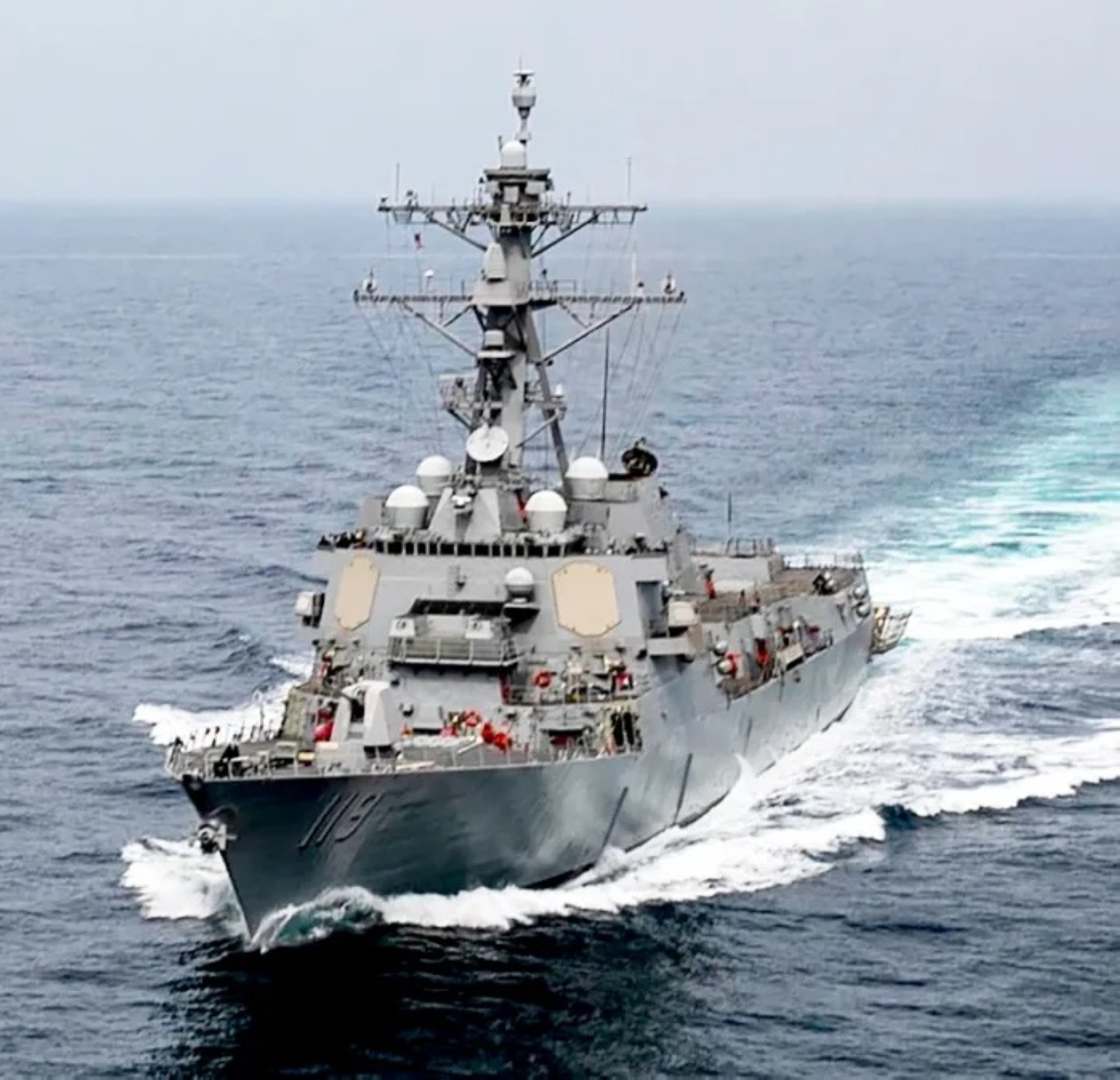
In a move reflecting escalating tensions in the Middle East, U.S. Department of Defense (Pentagon) officials announced the deployment of an additional destroyer to the region to bolster the U.S. Navy's military presence. The sources explained that the USS Delbert D. Black, an advanced Arleigh Burke-class destroyer, entered the Fifth Fleet's area of operations within the past 48 hours to support efforts to ensure the security and stability of vital waterways.
This move comes amid a significant US military buildup in the region, bringing the number of US destroyers deployed in the Middle East to six with the addition of this destroyer. This naval force operates alongside an aircraft carrier and three other warships, forming a substantial deterrent force aimed at protecting US and allied interests and countering any potential threats to freedom of international navigation, particularly in the Strait of Hormuz and the Bab el-Mandeb Strait.
Historical background and strategic context
The American military presence in the Middle East is not new; it has existed for decades and is closely linked to global energy security. The U.S. Fifth Fleet is based in Bahrain, and its primary mission is to secure the strategic waterways through which a significant portion of the world's oil passes. Recent years have seen a series of security incidents, including attacks on oil tankers and the seizure of commercial vessels, prompting the United States to increase the frequency of its patrols and bolster its military capabilities in the region to counter what it describes as "destabilizing activities.".
Importance and expected effects
The deployment of an additional destroyer carries multiple messages on various levels. Regionally , it serves as a clear deterrent to adversaries and reaffirms Washington's commitment to the security of its Gulf allies and Israel. It also aims to reassure international partners that the United States remains a key player in maintaining regional security. Internationally , the stability of the Middle East is vital to the global economy. Any disruption to energy supplies resulting from a potential conflict could lead to a sharp rise in oil prices, negatively impacting economies worldwide. Therefore, this military buildup is seen as a precautionary measure to safeguard the stability of global markets. However, some analysts believe that this increased military buildup could raise the risk of miscalculation and lead to an unintended confrontation, keeping the region on the brink of perpetual tension.
CBS News was the first to report the deployment of the additional warship, at a time when there are increasing indications that the United States is continuing to strengthen its military presence in anticipation of any security developments, and to emphasize its readiness to respond firmly to any hostile act targeting its forces or interests in this vital region of the world.
-

 Local News 4 days ago
Landslide in Riyadh: Details of the incident in Al-Sahafa neighborhood and containment efforts
-
 Local News 5 days ago
The death penalty was carried out against a citizen who stabbed another to death in Tabuk
-

 Culture and Art, 1 week ago
Ramez Galal in Ramadan 2026: Details of the bloody prank show
-

 Local News 6 days ago
First birth on the Riyadh train: A heartwarming story at Andalus station
-

 Culture and Art 4 days ago
Haifa Wehbe's absence in Riyadh: A photo crisis or a strained relationship with the media?
-

 Local News 4 days ago
Riyadh collapse: Emergency plans to secure water after a main pipeline burst
-

 Culture and Art 4 days ago
City Kitchen series: A drama of conflict and the middle class during Ramadan
-

 Culture and Art 4 days ago
The series "Kasra": Dawood Hussein in a moving social drama this Ramadan