Politics
The Gulf States are keen to build a new Syria
The Gulf Arab states, especially Saudi Arabia, are committed to strengthening the unity, stability, and sovereignty of Syria, and supporting the Syrian people in achieving their aspirations

The Arab Gulf States, foremost among them Saudi Arabia, attach great importance to strengthening the unity, stability, and sovereignty of Syria, and supporting the people in achieving their aspirations for prosperity and development. This is a firm and strong approach of the Gulf system, which has never been late in supporting the Syrian people, whether during the earthquake events or after the fall of Bashar al-Assad’s regime.
This unified and firm Gulf approach was emphasized by the foreign ministers of the six countries at the (46) extraordinary meeting of the Ministerial Council of the Cooperation Council, stressing the importance of respecting Syria’s sovereignty, independence and territorial integrity, and rejecting foreign interference in its affairs.
But the actual translation of the Gulf Cooperation Council’s decision was on the ground through a surprise visit by the Secretary-General of the Gulf Cooperation Council, Jassim Mohammed Al-Badawi, accompanied by the Foreign Minister of the State of Kuwait, Abdullah Al-Yahya, to Damascus, where they met with the Commander-in-Chief of the Syrian Administration, Ahmed Al-Sharaa, and were briefed on the situation closely, and emphasized the support of the Gulf Cooperation Council countries for the unity and stability of Syria, in order to bring security, prosperity and development to its people.
This visit received attention not only from Syria, but also regionally and internationally, given the profound implications of this visit for the Gulf’s firm stance alongside the Syrian people, and the keenness to bring the entire region out of conflicts and wars, and to move towards peace, stability and dialogue, and to achieve the higher interests of this ancient country and all its social and political components, and the necessity of involving everyone in building the country.
Al-Badawi did not hide the position of the Gulf states alongside their brothers in Syria when he stressed the need to continue the comprehensive transition process, support national reconciliation, rebuild the Syrian state, and ensure the safety of civilians. He also did not hide his admiration for the decision to dissolve the militias and armed factions, and to confine weapons to the hands of the state, considering them essential pillars for maintaining security and stability in Syria and restoring its regional role and international Arab standing, and ensuring that no foreign powers interfere in its affairs.
The Gulf states, in their meetings and visits, emphasized that their decision stresses the need to lift economic sanctions on Syria and provide humanitarian and economic support to the Syrian people, to contribute to alleviating suffering and strengthening efforts aimed at rebuilding the country.
The first visit of the new Syrian administration’s Foreign Minister Asaad al-Shaibani, Defense Minister Marhaf Abu Qasra, and General Intelligence Chief Anas Khattab to Riyadh this week confirms the Syrian satisfaction with the Saudi and Gulf interest in their country, and shows that Damascus, which has returned to the Arab fold after the fall of the Assad regime, believes that its plan for the transition process needs the support of its brothers in the Gulf states, especially Saudi Arabia, which has the capabilities and strong diplomacy locally and internationally, and can play a role in international circles to support the new Syria, in addition to humanitarian and economic support represented by investments and capital.
humanitarian support
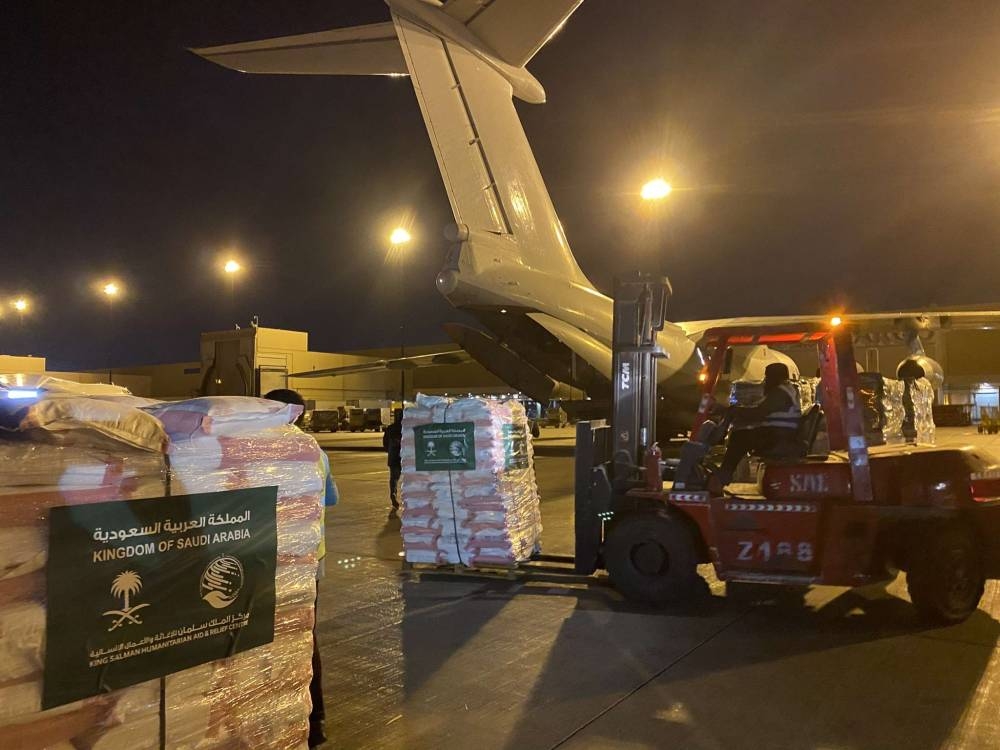
Although the visit of the Secretary-General of the Gulf Cooperation Council, Jassim Al-Budaiwi, accompanied by the Foreign Minister of the State of Kuwait, Abdullah Al-Yahya, to Damascus was a practical translation of the decision of the Gulf Cooperation Council at its ministerial meeting in Kuwait, the visit is only one item of the generous Gulf and Saudi support for their brothers in Syria to overcome the challenges and stand with them and support them in building their state. However, the most important item, in which the Gulf states were the first to launch relief bridges, especially Saudi Arabia, which sent its humanitarian planes belonging to the King Salman Center for Relief and Humanitarian Aid to Damascus Airport, carrying relief aid, which includes food, shelter and medical materials, accompanied by a team from the center.
Saudi Arabia has not only provided relief supplies, but the spokesman for the King Salman Center for Relief and Humanitarian Aid said that trucks loaded with fuel will be sent to Syria via Jordan soon, stressing that the Kingdom attaches great importance to its aid to Syria to rehabilitate the energy sector.
These Saudi and Gulf relief efforts were met with widespread popular satisfaction among Syrians, who, as they received the Saudi planes at Damascus airport, expressed their inability to express their gratitude to Saudi Arabia, which they described as the big sister, and its generous and humanitarian support for standing with them in Syria.
Mohammed said: “The Saudi people have always stood with us, and these planes arriving successively at Damascus airport are a testament to the spirit of brotherhood and love that Saudi Arabia has for its brothers in Syria,” expressing his gratitude to Saudi Arabia, both its leadership and its people.




Politics
Israeli restrictions on Friday prayers at Al-Aqsa Mosque during Ramadan: conditions and permits
Israel will limit entry to Al-Aqsa Mosque to only 10,000 worshippers from the West Bank during Ramadan, imposing age restrictions, security permits, and digital documentation, amid Palestinian warnings.
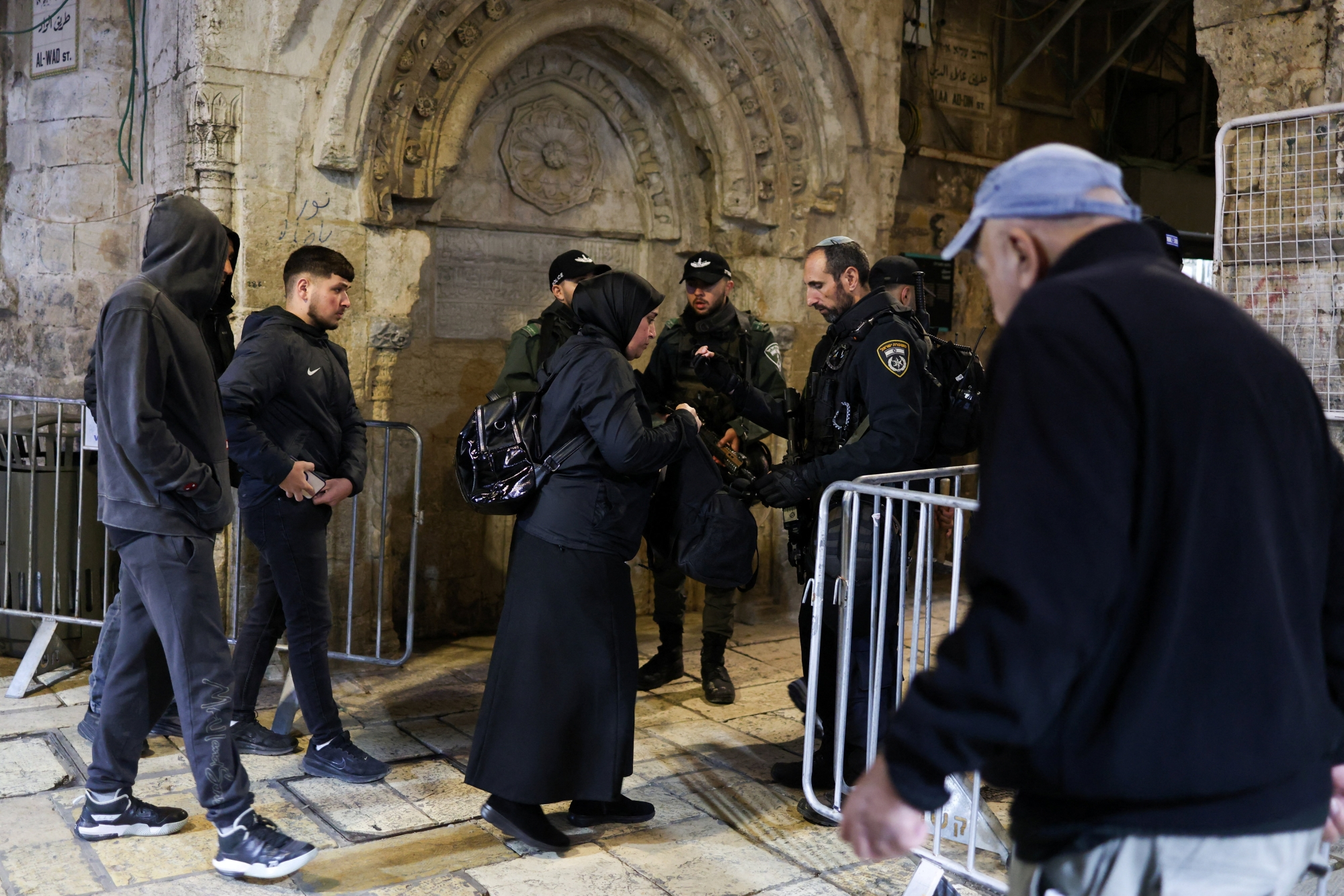
Israeli authorities announced on Wednesday new and stricter restrictions on the access of Palestinian worshippers from the West Bank to the Al-Aqsa Mosque compound for Friday prayers during the holy month of Ramadan. Under the new decision, the number of worshippers allowed entry will be capped at 10,000 Palestinians, and only after obtaining prior security permits. This move has drawn widespread criticism and raised concerns about escalating tensions in the holy city.
According to a statement issued by the Coordinator of Government Activities in the Territories (COGAT), these measures followed a "security assessment of the situation," which resulted in the approval of daily permits exclusively for Fridays throughout the holy month. The age restrictions stipulate that entry is permitted for men aged 55 and over, women aged 50 and over, and children up to the age of 12, provided they are accompanied by a first-degree relative. All permits are subject to security approval.
In a procedural precedent, the statement indicated that worshippers are required to undergo "digital documentation" at crossings and military checkpoints, in order to guarantee and confirm their return to their places of residence in the West Bank at the end of the prayer day, adding a new procedural burden to the movement of people.
A huge gap between capacity and the allowed number
These restrictions create a massive gap between the capacity of Al-Aqsa Mosque and the permitted number of worshippers. Estimates indicate that the Al-Aqsa compound can accommodate between 350,000 and 400,000 worshippers when all its courtyards and prayer areas are full, a scene familiar in previous years when hundreds of thousands of worshippers would flock to the site. Limiting the number to only 10,000 constitutes an unprecedented reduction that prevents the vast majority of Palestinians from practicing their religious rites during one of the holiest months for Muslims.
tense historical and political context
These measures are particularly sensitive given the spiritual significance of Al-Aqsa Mosque, the first of the two Qiblas and the third holiest site in Islam. While Israel imposes security measures annually around East Jerusalem, the current restrictions come amidst complex regional circumstances. Palestinians and religious institutions in Jerusalem consistently warn that the intensification of these measures aims to alter the historical and legal status quo in the city and attempt to erase its Arab and Islamic identity.
It is worth noting that the international community does not recognize Israel's annexation of East Jerusalem in 1980 and considers it occupied territory since 1967, in accordance with international law. Palestinians maintain their claim to East Jerusalem as the capital of their future state, asserting that freedom of worship and access to holy sites are fundamental rights guaranteed by international law and should not be subject to Israeli security considerations or used as a political bargaining chip.
Politics
An armed man in military uniform was arrested near the Capitol before the State of the Union address
Capitol Police arrested a young man armed with a rifle and military gear who attempted to approach the Capitol building, a week before President Trump's State of the Union address. Details of the incident are available here.
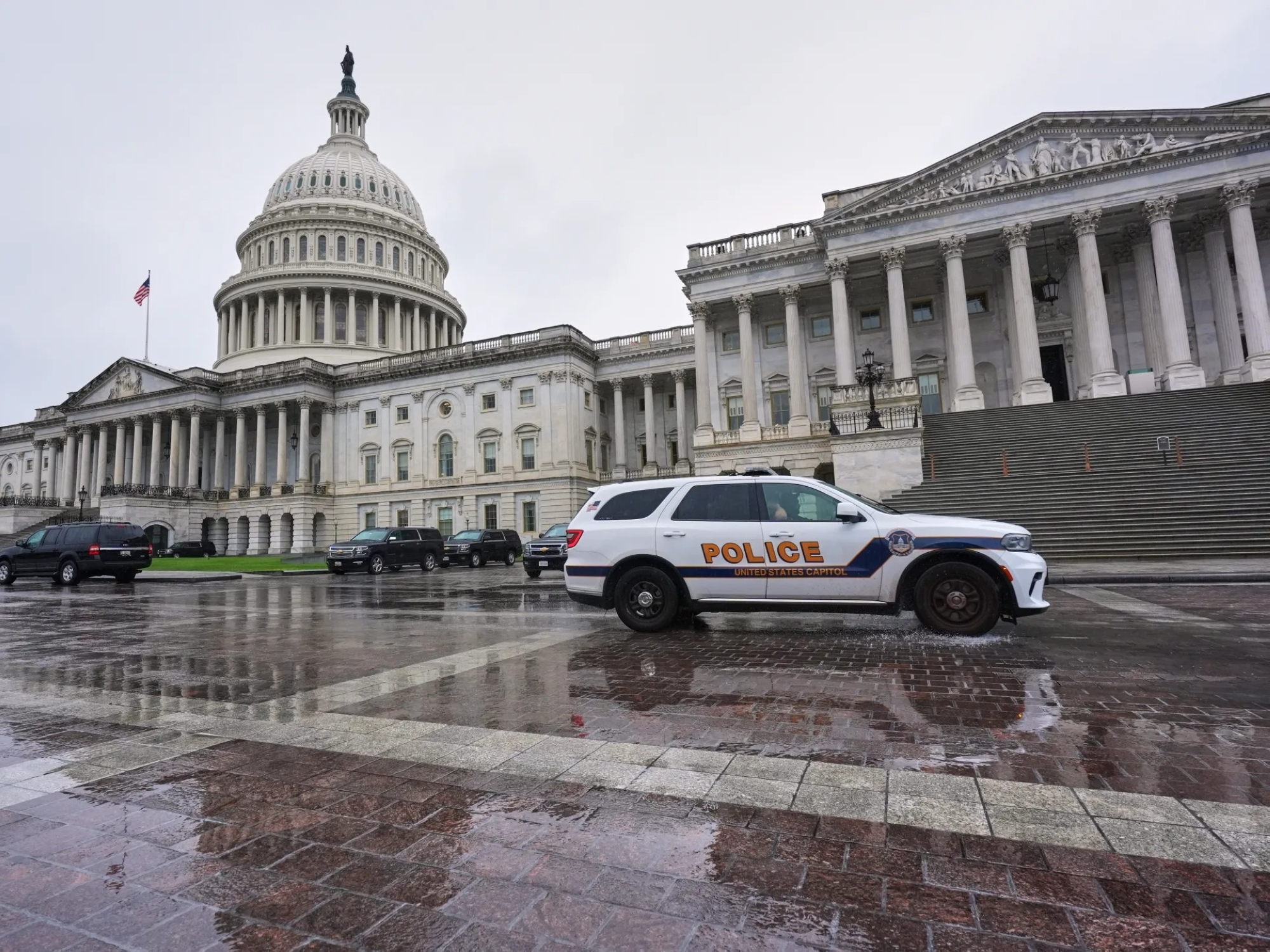
In a security incident that triggered a state of alert in the US capital, Washington, the Capitol Police announced the thwarting of a possible attempt to threaten security near the Congress building, where security personnel were able to arrest an armed young man who was carrying a rifle and military equipment, at a very sensitive time in the American political arena.
In details of the incident revealed by Capitol Police Chief Michael Sullivan, authorities arrested an 18-year-old man after he suddenly ran toward the Capitol building carrying a loaded rifle. Sullivan explained that the suspect arrived at the scene in a white Mercedes, which he parked near the Capitol complex before getting out and rushing toward the building. Fortunately, the incident resulted in no injuries, as the young man immediately complied with police orders to drop the weapon and surrender.
Initial investigations revealed disturbing details regarding the suspect's equipment; he was wearing a military jacket and gloves at the time of his arrest. A search of his vehicle uncovered additional gear, including a helmet and a gas mask, suggesting a possible premeditated plan or intent to escalate the situation. The ongoing investigation will determine the true motives behind this act.
This incident is particularly significant given its timing, coming just one week before President Donald Trump is scheduled to deliver his annual State of the Union address to Congress. This address is one of the most important political events in the United States, bringing together members of the House of Representatives and the Senate, Supreme Court justices, and other high-ranking officials, which typically places the area around the Capitol under heightened security measures and exceptional protection protocols to ensure the safety of the nation's leaders.
This incident underscores the ongoing security challenges faced by law enforcement agencies in Washington, D.C., particularly around key federal buildings. For years, the Capitol Police have intensified their presence and defensive strategies to counter individual and organized threats, ensuring that security breaches that could jeopardize American democracy or the safety of lawmakers are not repeated. The swift response of security personnel in this incident highlights their high level of preparedness to address sudden threats.
Politics
The Crown Prince receives a message from the President of Kazakhstan to enhance bilateral cooperation
Crown Prince Mohammed bin Salman received a written message from the President of Kazakhstan concerning bilateral relations, which was received by Foreign Minister Prince Faisal bin Farhan in Riyadh.
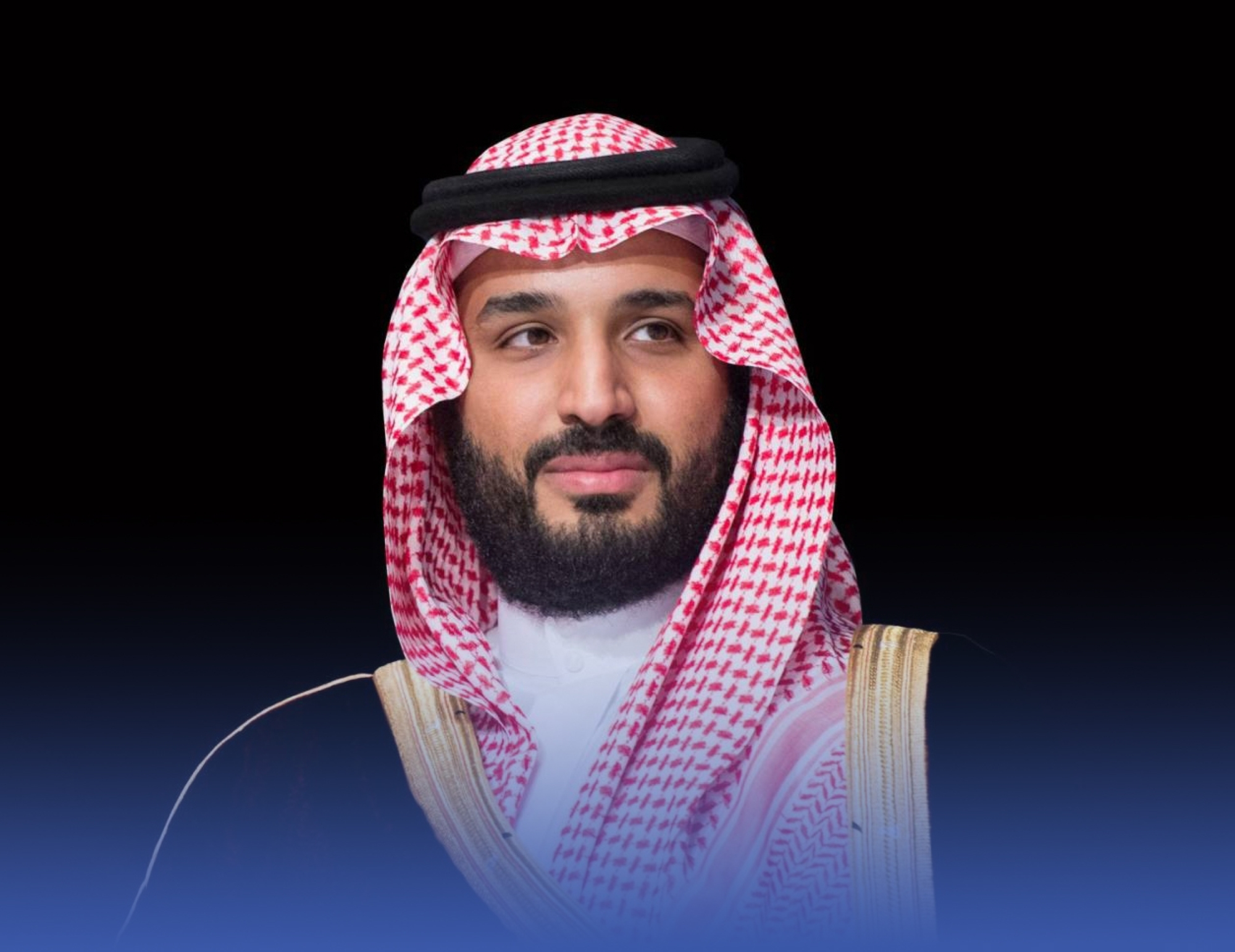
His Royal Highness Prince Mohammed bin Salman bin Abdulaziz Al Saud, Crown Prince and Prime Minister, received an important written message from His Excellency President Kassym-Jomart Tokayev of the Republic of Kazakhstan. The message focused on ways to strengthen and develop the close bilateral relations between the two brotherly countries and to propel them towards broader horizons in various fields.
His Highness Prince Faisal bin Farhan bin Abdullah, Minister of Foreign Affairs, received the message during his official meeting today at the Ministry's headquarters in Riyadh with His Excellency Yermek Kosherbayev, Minister of Foreign Affairs of the Republic of Kazakhstan. During the meeting, they reviewed aspects of joint cooperation and ways to enhance them in a manner that serves the interests of both countries and their friendly peoples.
The depth of Saudi-Kazakh relations
This message comes amidst the active diplomatic efforts underway in relations between the Kingdom of Saudi Arabia and the Republic of Kazakhstan, two countries bound by deep-rooted historical ties based on shared values and mutual respect. These relations are gaining increasing importance in light of global geopolitical and economic shifts, as Kazakhstan is the largest country in Central Asia and a key strategic partner for the Kingdom in this vital region.
Prospects for economic and investment cooperation
Economically, the two countries possess tremendous potential for cooperation, particularly in the energy sector. Both Saudi Arabia and Kazakhstan are major global oil producers and active members of the OPEC+ alliance, which strengthens their joint coordination to ensure the stability of global energy markets. Furthermore, Saudi Arabia's Vision 2030 opens up vast opportunities for mutual investments in mining, infrastructure, food security, and renewable energy, aligning with Kazakhstan's development goals.
The importance of political coordination
On the political front, the exchange of messages between the two leaderships reflects a mutual commitment to continued consultation and coordination on regional and international issues of common interest. The Kingdom plays a pivotal role in promoting stability in the Middle East, while Kazakhstan serves as a vital bridge between Asia and Europe, making the strengthening of their partnership a cornerstone of security and stability in both regions.
The reception was attended on the Saudi side by the Undersecretary of the Ministry of Foreign Affairs for Political Affairs, Dr. Saud Al-Sati, and the Ambassador of the Custodian of the Two Holy Mosques to the Republic of Kazakhstan, Faisal Al-Qahtani, reflecting the high-level diplomatic interest in the outcomes of this meeting and the future steps that will result from it to strengthen the strategic partnership.
-

 Culture and Art 7 days ago
The "Between and Between" exhibition in Jeddah: 5 artists reshape Saudi memory
-
Local News 5 days ago
Saudi Arabia's National Arabic Language Policy: 8 Principles to Promote Identity
-
Culture and Art, 1 week ago
Shakira's concert in Jeddah: Details of the international star's first concert in Saudi Arabia
-
Local News 4 days ago
Adopting the National Policy for the Arabic Language: Strengthening Identity and Vision 2030
-
Local News 5 days ago
The Riyadh-Rin-Bisha dual carriageway, spanning 559 km, has been completed
-
Culture and Art, 1 week ago
Ramez Level the Monster: Details of Ramez Galal's program in Ramadan 2026
-
Local news one week ago
Launch of the new Dammam project with investments of 98 billion riyals
-
Local News 3 days ago
The Supreme Court calls for the sighting of the crescent moon of Ramadan 1447 on Tuesday evening