Politics
The Crown Prince is the only one qualified to bring peace to the Middle East and Europe
A prominent American academic said that there is only one leader on the world stage who can build a partnership with the US president-elect

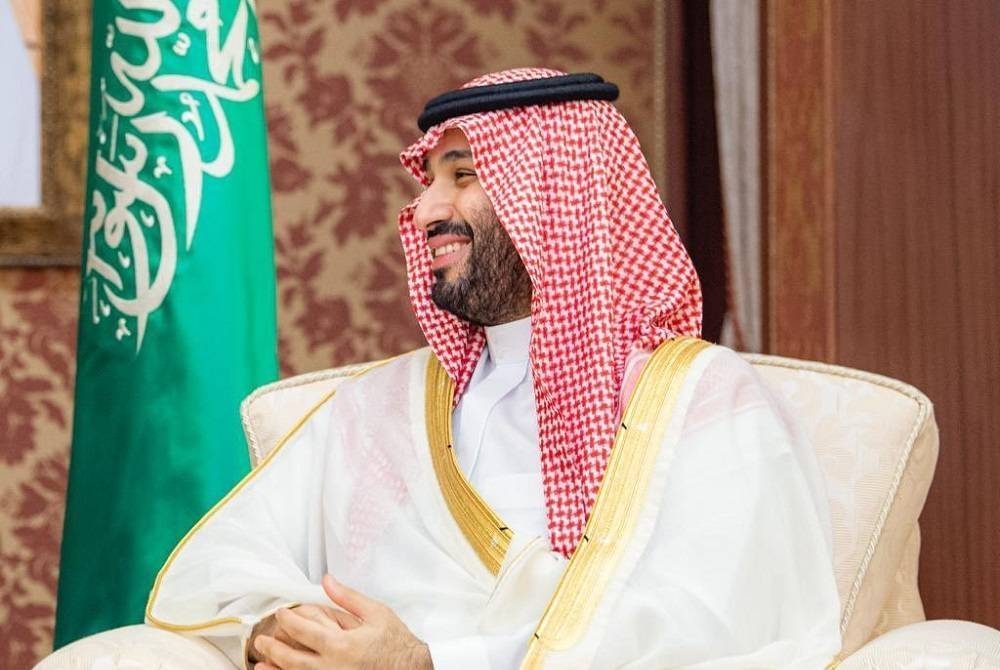
A prominent American academic has stated that there is only one leader on the world stage capable of forging a partnership with US President-elect Donald Trump to achieve lasting geopolitical stability: the visionary and progressive Crown Prince Mohammed bin Salman of Saudi Arabia. Professor Rob Sobhani, an assistant professor at Georgetown University, argued in an article published in The Washington Times two days ago that, given the challenges of rebuilding Ukraine and achieving lasting peace with Israel, Prince Mohammed bin Salman could be the most reliable partner for President Trump in establishing peace on the global stage. He added that while President Trump summarized his vision for the United States in the phrase "Make America Great Again," the Saudi Crown Prince has already made Saudi Arabia great again in a short period. Because of his emphasis on achieving peace both domestically and internationally, the Crown Prince has managed to increase Saudi Arabia's GDP to more than $1.2 trillion, up from $717 billion since his appointment as Crown Prince in 2017. Prince Mohammed bin Salman understands that economic prosperity cannot be achieved without peace, stability, and a state policy free from ideology.
Sobhani, a columnist for The Washington Post, stated that the foundations for a long-term partnership for peace between Trump and Crown Prince Mohammed bin Salman could rest on four mutually beneficial initiatives. First, within the context of the Middle East, Trump could entrust Crown Prince Mohammed bin Salman with facilitating the implementation of a two-state solution that guarantees Israel's long-term security and fulfills the Palestinians' aspirations for statehood. Next comes the broader issue of rebuilding the Gaza Strip. Given Trump's expertise in real estate, he would appreciate the potential of allowing the ambitious Saudi Crown Prince to build a "new Singapore" on the Mediterranean coast within the Gaza Strip. This real estate project would create an oasis of stability on Israel's border, potentially transforming Gaza into a tourist destination for visitors from across the Middle East.
Subhani added: “In partnership with Prince Mohammed bin Salman to resolve the Palestinian issue, President Trump will be well-positioned to issue a historic and highly significant announcement, namely: the normalization of relations between Saudi Arabia and Israel. This partnership between Trump and Mohammed bin Salman to build a new Middle East will not only lay the foundation for lasting peace, but may also warrant awarding them both the Nobel Peace Prize.”.
He explained that the second initiative, also related to the Middle East, involves Trump entrusting Prince Mohammed bin Salman with the task of ending the war in Yemen and halting attacks on ships in the Red Sea. Trump would thus render a significant service to global economic stability. Furthermore, by partnering with Prince Mohammed bin Salman to rebuild Yemen, Trump would have achieved stability in global energy prices, which would benefit energy consumers worldwide.
The third initiative concerns Trump's pledge to end the war in Ukraine. The idea of cooperation between Trump and Prince Mohammed bin Salman lies in rebuilding Ukraine. If Trump fulfills his promise to end the war and allows the Saudi Crown Prince to lead an international effort toward that end, it will enable Trump to leave his mark on establishing lasting peace in the heart of Europe. The fourth proposed initiative for the desired partnership between Trump and Prince Mohammed bin Salman relates to artificial intelligence, considered the fourth industrial revolution. The young Saudi leader has indicated—like businessman Elon Musk—that capital spent on developing AI should be directed toward making it a tool for good, not just for profit. If Trump partners with Prince Mohammed bin Salman to enhance the capabilities of artificial intelligence for a lasting impact on medicine, it will leave a positive legacy for humanity for many years to come.
And Subhani envisioned Saudi Arabia becoming a hub for AI-enhanced medical discoveries, spearheaded by Saudi and American scientists, to develop treatments for cancer, Alzheimer's, or prevent heart disease. These discoveries could then be shared globally for the benefit of humanity. This potential alliance between Trump and Mohammed bin Salman would result in a lasting reduction in healthcare costs, further amplifying the positive potential of artificial intelligence.
Professor Subhani concluded his article by noting that Trump had made his first official visit after his inauguration during his previous term to Saudi Arabia, where he was warmly received. He stated that, in order to establish the foundations for global peace and security, President Trump should this time extend an invitation to Prince Mohammed bin Salman to be the first foreign guest to visit the White House.
Expectations of "greater warmth" in Saudi-American relations during Trump's presidency
A website specializing in oil prices predicts that the second presidential term of US President-elect Donald Trump will witness a warmer relationship between the United States and Saudi Arabia. According to an analysis by American oil industry commentator Irina Slav for oilprice.com, this is due to the two countries' shared oil interests.
He added that both Saudi Arabia and the United States need higher oil prices. For the Kingdom, higher oil prices would provide financial returns that would contribute to diversifying its sources of income.
The International Energy Agency had predicted that oil demand would continue to increase during 2025, by about one million barrels per day.




Politics
Washington awaits a written response from Iran to avoid military confrontation
A US official confirms Washington is awaiting a written Iranian proposal following recent talks to avoid confrontation. Details of the US troop deployment and Marco Rubio's visit to Israel.
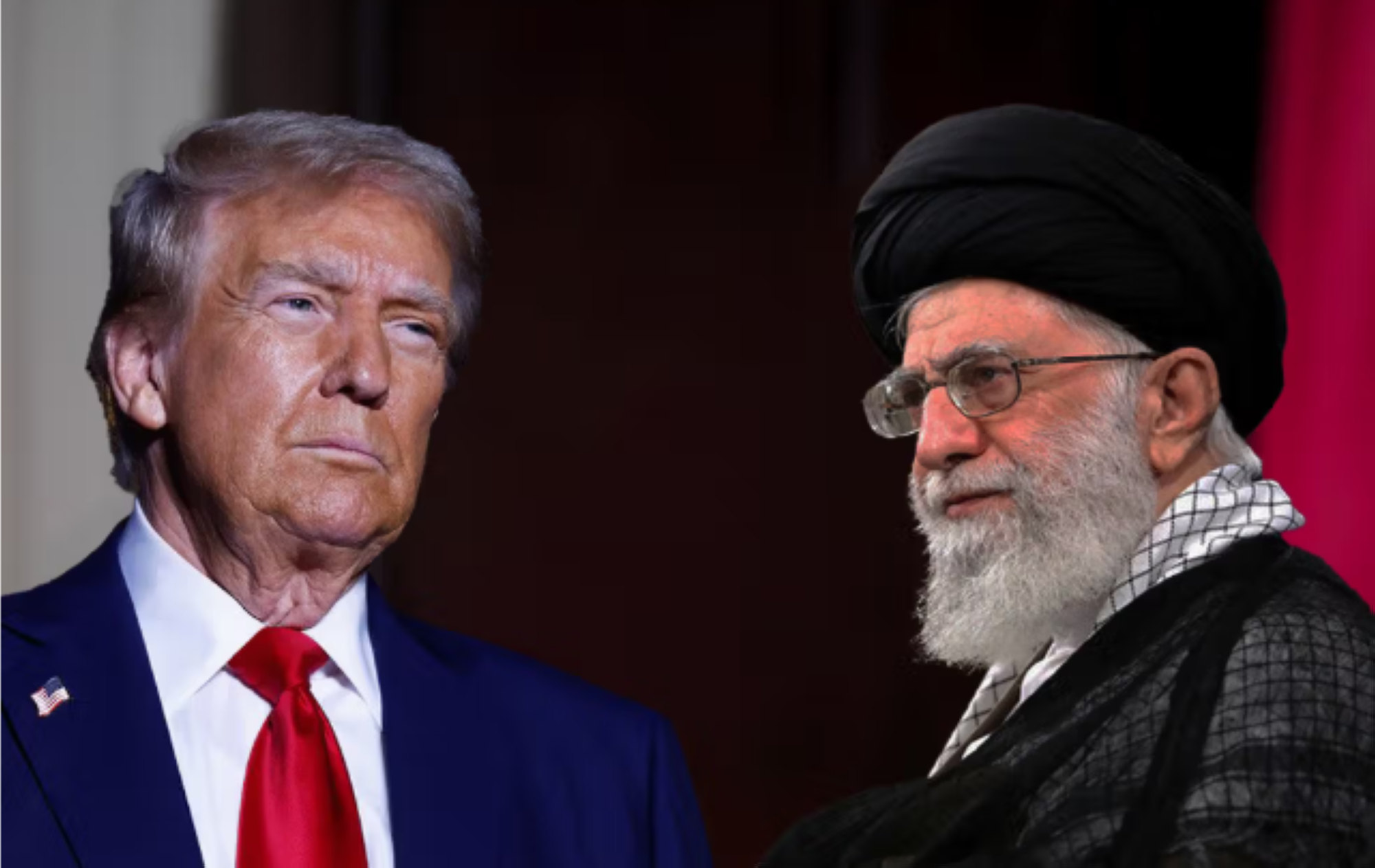
A senior US official revealed new developments in the strained relations between Washington and Tehran, confirming that the United States is currently awaiting a written proposal from the Iranian side. This anticipated proposal aims to establish clear and specific mechanisms for avoiding direct confrontation with the United States, as a follow-up to the recent US-Iranian talks, which sought to de-escalate tensions in the region.
In the context of military and security moves coinciding with the diplomatic track, the official explained that senior national security advisors held a crucial meeting in the White House Situation Room to discuss the details of the complex Iranian issue. Those present were informed of the necessity to complete the deployment of all US forces in the region by mid-March, reflecting a dual US strategy based on diplomacy backed by military readiness.
Regarding coordination with regional allies, the source, according to Reuters, indicated that US Secretary of State Marco Rubio intends to make an important visit to Israel, where he is scheduled to meet with Israeli Prime Minister Benjamin Netanyahu on February 28. This visit comes at a sensitive time for coordinating positions on regional threats and ensuring the security of allies.
Context of tension and historical background
These developments come against the backdrop of a long history of tension and strained relations between the United States and Iran, marked by decades of rupture and escalating conflict. The move to request a "written response" represents a significant shift in crisis management, as Washington seeks to move from verbal understandings, which are susceptible to misinterpretation or reneging, to documented commitments that guarantee de-escalation. The Iranian nuclear program and Tehran's regional influence have long been key points of contention that previous rounds of negotiations have failed to resolve definitively.
Strategic importance and international anticipation
This move is of paramount importance both regionally and internationally. On the one hand, setting a date for the completion of the US troop deployment sends a strong deterrent message, reaffirming Washington's commitment to protecting its interests and international shipping lanes. On the other hand, the anticipated coordination between Rubio and Netanyahu indicates that any agreement or understanding with Tehran will not be reached without addressing Israeli security concerns. Political circles are awaiting the written Iranian response, the content of which will determine whether the region will move toward a path of diplomatic de-escalation or witness a new chapter of escalation and confrontation.
Politics
Israeli restrictions on Friday prayers at Al-Aqsa Mosque during Ramadan: conditions and permits
Israel will limit entry to Al-Aqsa Mosque to only 10,000 worshippers from the West Bank during Ramadan, imposing age restrictions, security permits, and digital documentation, amid Palestinian warnings.
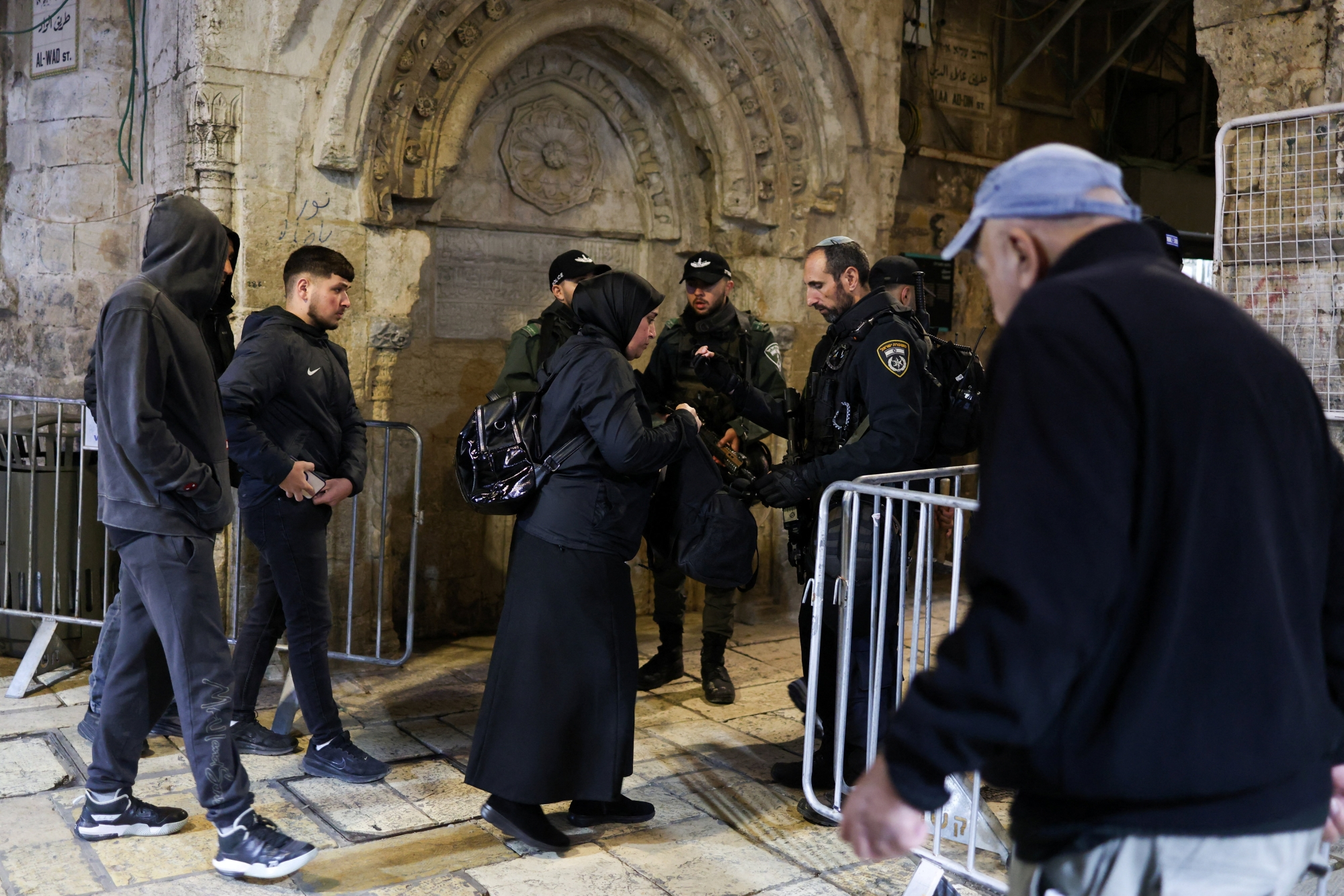
Israeli authorities announced on Wednesday new and stricter restrictions on the access of Palestinian worshippers from the West Bank to the Al-Aqsa Mosque compound for Friday prayers during the holy month of Ramadan. Under the new decision, the number of worshippers allowed entry will be capped at 10,000 Palestinians, and only after obtaining prior security permits. This move has drawn widespread criticism and raised concerns about escalating tensions in the holy city.
According to a statement issued by the Coordinator of Government Activities in the Territories (COGAT), these measures followed a "security assessment of the situation," which resulted in the approval of daily permits exclusively for Fridays throughout the holy month. The age restrictions stipulate that entry is permitted for men aged 55 and over, women aged 50 and over, and children up to the age of 12, provided they are accompanied by a first-degree relative. All permits are subject to security approval.
In a procedural precedent, the statement indicated that worshippers are required to undergo "digital documentation" at crossings and military checkpoints, in order to guarantee and confirm their return to their places of residence in the West Bank at the end of the prayer day, adding a new procedural burden to the movement of people.
A huge gap between capacity and the allowed number
These restrictions create a massive gap between the capacity of Al-Aqsa Mosque and the permitted number of worshippers. Estimates indicate that the Al-Aqsa compound can accommodate between 350,000 and 400,000 worshippers when all its courtyards and prayer areas are full, a scene familiar in previous years when hundreds of thousands of worshippers would flock to the site. Limiting the number to only 10,000 constitutes an unprecedented reduction that prevents the vast majority of Palestinians from practicing their religious rites during one of the holiest months for Muslims.
tense historical and political context
These measures are particularly sensitive given the spiritual significance of Al-Aqsa Mosque, the first of the two Qiblas and the third holiest site in Islam. While Israel imposes security measures annually around East Jerusalem, the current restrictions come amidst complex regional circumstances. Palestinians and religious institutions in Jerusalem consistently warn that the intensification of these measures aims to alter the historical and legal status quo in the city and attempt to erase its Arab and Islamic identity.
It is worth noting that the international community does not recognize Israel's annexation of East Jerusalem in 1980 and considers it occupied territory since 1967, in accordance with international law. Palestinians maintain their claim to East Jerusalem as the capital of their future state, asserting that freedom of worship and access to holy sites are fundamental rights guaranteed by international law and should not be subject to Israeli security considerations or used as a political bargaining chip.
Politics
An armed man in military uniform was arrested near the Capitol before the State of the Union address
Capitol Police arrested a young man armed with a rifle and military gear who attempted to approach the Capitol building, a week before President Trump's State of the Union address. Details of the incident are available here.
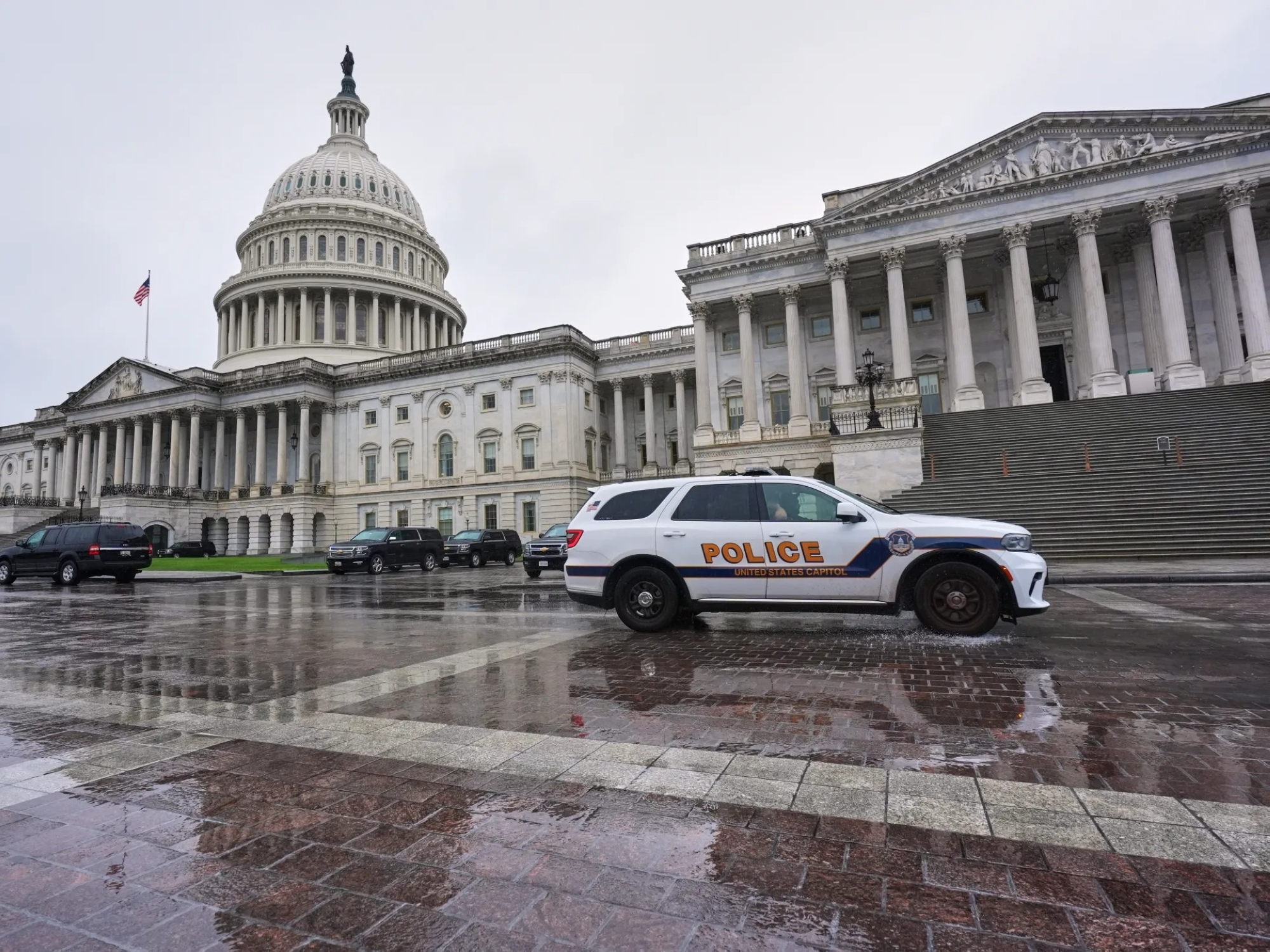
In a security incident that triggered a state of alert in the US capital, Washington, the Capitol Police announced the thwarting of a possible attempt to threaten security near the Congress building, where security personnel were able to arrest an armed young man who was carrying a rifle and military equipment, at a very sensitive time in the American political arena.
In details of the incident revealed by Capitol Police Chief Michael Sullivan, authorities arrested an 18-year-old man after he suddenly ran toward the Capitol building carrying a loaded rifle. Sullivan explained that the suspect arrived at the scene in a white Mercedes, which he parked near the Capitol complex before getting out and rushing toward the building. Fortunately, the incident resulted in no injuries, as the young man immediately complied with police orders to drop the weapon and surrender.
Initial investigations revealed disturbing details regarding the suspect's equipment; he was wearing a military jacket and gloves at the time of his arrest. A search of his vehicle uncovered additional gear, including a helmet and a gas mask, suggesting a possible premeditated plan or intent to escalate the situation. The ongoing investigation will determine the true motives behind this act.
This incident is particularly significant given its timing, coming just one week before President Donald Trump is scheduled to deliver his annual State of the Union address to Congress. This address is one of the most important political events in the United States, bringing together members of the House of Representatives and the Senate, Supreme Court justices, and other high-ranking officials, which typically places the area around the Capitol under heightened security measures and exceptional protection protocols to ensure the safety of the nation's leaders.
This incident underscores the ongoing security challenges faced by law enforcement agencies in Washington, D.C., particularly around key federal buildings. For years, the Capitol Police have intensified their presence and defensive strategies to counter individual and organized threats, ensuring that security breaches that could jeopardize American democracy or the safety of lawmakers are not repeated. The swift response of security personnel in this incident highlights their high level of preparedness to address sudden threats.
-

 Culture and Art, 1 week ago
The "Between and Between" exhibition in Jeddah: 5 artists reshape Saudi memory
-
Local News 6 days ago
Saudi Arabia's National Arabic Language Policy: 8 Principles to Promote Identity
-
Culture and Art, 1 week ago
Shakira's concert in Jeddah: Details of the international star's first concert in Saudi Arabia
-
Local News 5 days ago
Adopting the National Policy for the Arabic Language: Strengthening Identity and Vision 2030
-
Local News 6 days ago
The Riyadh-Rin-Bisha dual carriageway, spanning 559 km, has been completed
-
Culture and Art, 1 week ago
Ramez Level the Monster: Details of Ramez Galal's program in Ramadan 2026
-
Local news one week ago
Launch of the new Dammam project with investments of 98 billion riyals
-
Local News 4 days ago
The Supreme Court calls for the sighting of the crescent moon of Ramadan 1447 on Tuesday evening