Politics
Syria recovers its frozen funds: Banking measures to support reconstruction
The Central Bank of Syria is making intensive efforts to track and locate frozen Syrian funds abroad, while prioritizing reform of the system

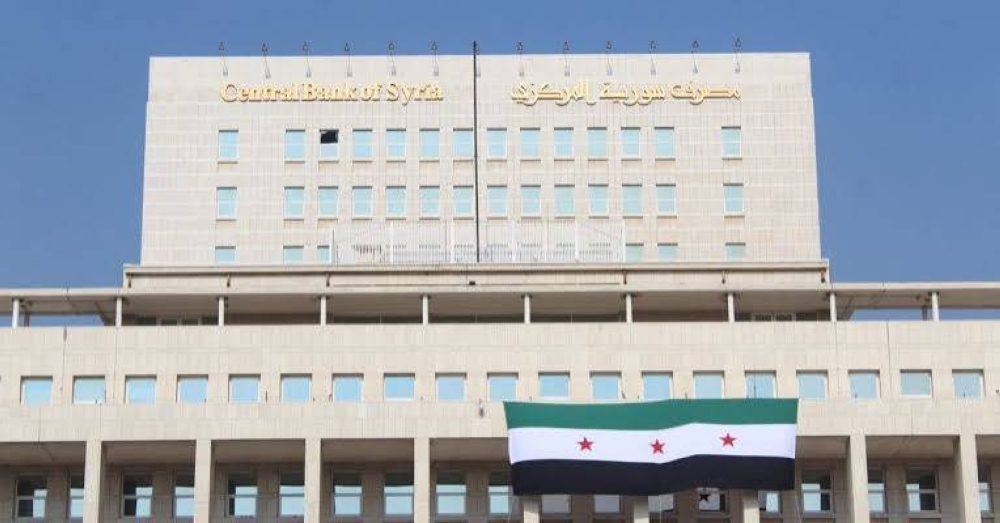
The Central Bank of Syria is making intensive efforts to track and locate frozen Syrian funds abroad, while prioritizing the reform of the banking system to align with international standards, with the aim of enabling local banks to play an effective role in the country's reconstruction.
This came in a statement by the bank's governor, Abdelkader El Hasria, to Asharq Bloomberg on the sidelines of the Islamic Development Bank Group meetings in Algeria.
The Syrian economy has suffered for decades from the consequences of economic and political sanctions that began in 1979, which imposed severe restrictions on economic sectors and prevented access to modern technology and equipment necessary for infrastructure development.
These sanctions, which included freezing financial assets and tightening trade restrictions, led to the deterioration of the industrial, agricultural and financial sectors, hindering development and burdening citizens.
In mid-May 2025, during his visit to Riyadh, US President Donald Trump announced the lifting of sanctions on Syria, noting that the decision came in response to a request from Crown Prince Mohammed bin Salman.
Days later, the European Union followed suit with a similar decision, pledging to support reconstruction efforts.
The exclusive report explained that lifting the US sanctions requires executive actions from President Trump, which could be completed within weeks, along with legislative approval from Congress and the Senate, which may take longer.
As for the European Union, lifting the sanctions requires the agreement of the 27 member states, with similar steps from Britain and Canada.
The Central Bank seeks to ensure that Syrian banks, which include 6 state-owned banks and 15 private banks, comply with international standards and governance laws.
The governor of the Syrian Central Bank confirmed that these reforms aim to enhance the banks' ability to support reconstruction projects, by improving transparency and efficiency of banking operations.
The bank also pledged to support strategic partners in resuming their banking operations in Syria, noting ongoing negotiations with Arab and foreign banks that have expressed interest in entering the Syrian market.
Related News
The entry of these banks is expected to boost competition and improve the business environment.
Al-Hasriyyah indicated that efforts to locate frozen funds abroad aim to recover financial assets that will contribute to financing development projects.
The governor of the Central Bank of Syria confirmed that restoring his country's membership in the Islamic Development Bank Group will allow the resumption of projects that have been halted since membership was withdrawn during the previous regime.
These projects include vital sectors such as education, food security, and energy, with ongoing discussions to reschedule the debts owed to the bank.
Lifting the sanctions represents a major breakthrough for the Syrian economy, as it will open the way for foreign investment and reconnect Syria to the global financial system.
However, the central bank faces challenges such as a lack of reliable economic data and weak confidence in the banking system.
Economic experts emphasize that the success of these efforts requires comprehensive structural reforms, including modernizing the banking infrastructure and enhancing transparency.
Forecasts indicate that these steps could pave the way for a gradual economic recovery, with a focus on rebuilding infrastructure and improving citizens' living standards.
With the entry of new banks and the resumption of cooperation with international institutions such as the Islamic Development Bank, hopes are rising for the restoration of economic stability in Syria.




Politics
Saudi medical team evacuates wounded Yemenis from Aden following a security attack
A Saudi medical evacuation plane transported wounded Yemeni soldiers from Aden for treatment after they were injured in an assassination attempt, in a move that reflects Saudi Arabia’s continued humanitarian support in Yemen.
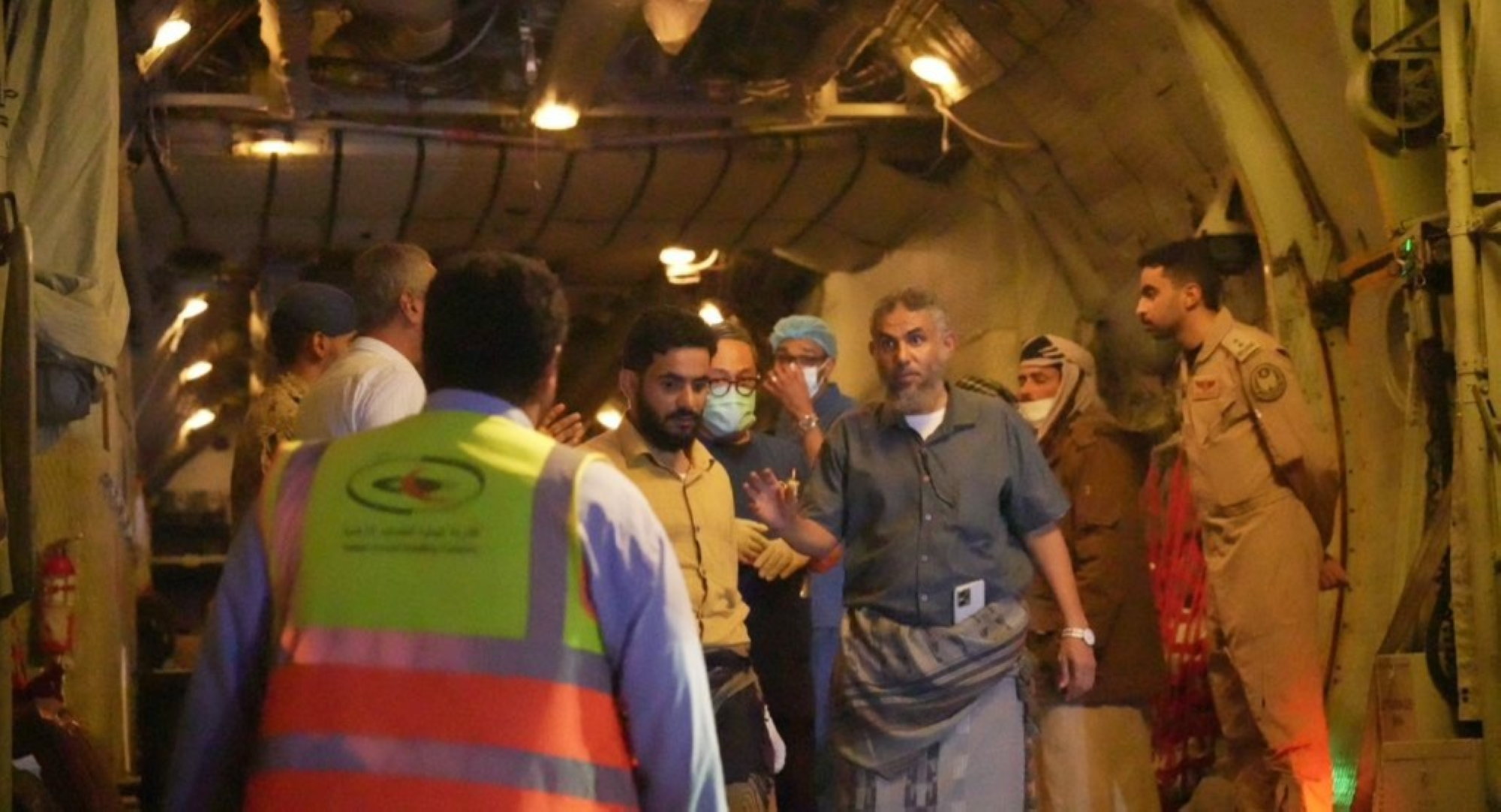
In a humanitarian gesture underscoring the depth of relations and ongoing support, the Kingdom of Saudi Arabia evacuated a number of wounded Yemeni soldiers and their companions from Yemen's interim capital, Aden, via a specialized medical evacuation aircraft. The "Shield of the Homeland" forces explained in a statement that these wounded individuals had been injured in the unfortunate security incident that targeted prominent military commander Hamdi Shukri of the Giants Brigades several days prior.
General context and historical background
This initiative comes amid the ongoing conflict in Yemen, which began years ago and has led to a complex humanitarian crisis. Saudi Arabia plays a pivotal role as the leader of the Arab Coalition to Support Legitimacy in Yemen, which aims to restore stability and support the internationally recognized government. The interim capital, Aden, is the scene of complex security operations, where authorities face numerous challenges in establishing security and stability, including confronting terrorist cells and assassination attempts targeting influential military and political leaders on the ground. The city has witnessed similar incidents in the past, highlighting the fragility of the security situation and the urgent need for continued international and regional support.
The importance of the event and its expected impact
Domestically, the rapid medical evacuation sends a powerful message of support and boosts the morale of Yemeni forces fighting on the ground, affirming that their sacrifices are appreciated and valued. It also reflects the high level of coordination between the coalition forces and the Yemeni forces. Regionally, this step reinforces the humanitarian role of the Kingdom of Saudi Arabia, which extends far beyond military and political support. Through its humanitarian arms, such as the King Salman Humanitarian Aid and Relief Center, the Kingdom provides extensive medical, food, and shelter assistance across various Yemeni governorates, and this operation falls within this broader context.
Details of the operation and its implications
A statement from the Homeland Shield Forces indicated that the transfer of the wounded and the completion of necessary procedures were carried out smoothly and with exceptional organization, reflecting the Kingdom's high level of preparedness and advanced logistical capabilities in responding to emergencies. The statement added that "this step comes within the framework of the Kingdom's humanitarian role, reflecting its unwavering commitment to prioritizing human life above all other considerations." It is worth noting that the assassination attempt against Commander Hamdi Shukri, which security authorities in Aden announced had failed, resulted in a number of deaths and injuries, necessitating this urgent medical response.
Politics
King Abdullah II orders restructuring of the Jordanian army
King Abdullah II issued directives to restructure the Jordanian army within 3 years to enhance its capabilities and confront modern threats, stressing the importance of building a lean and flexible force.
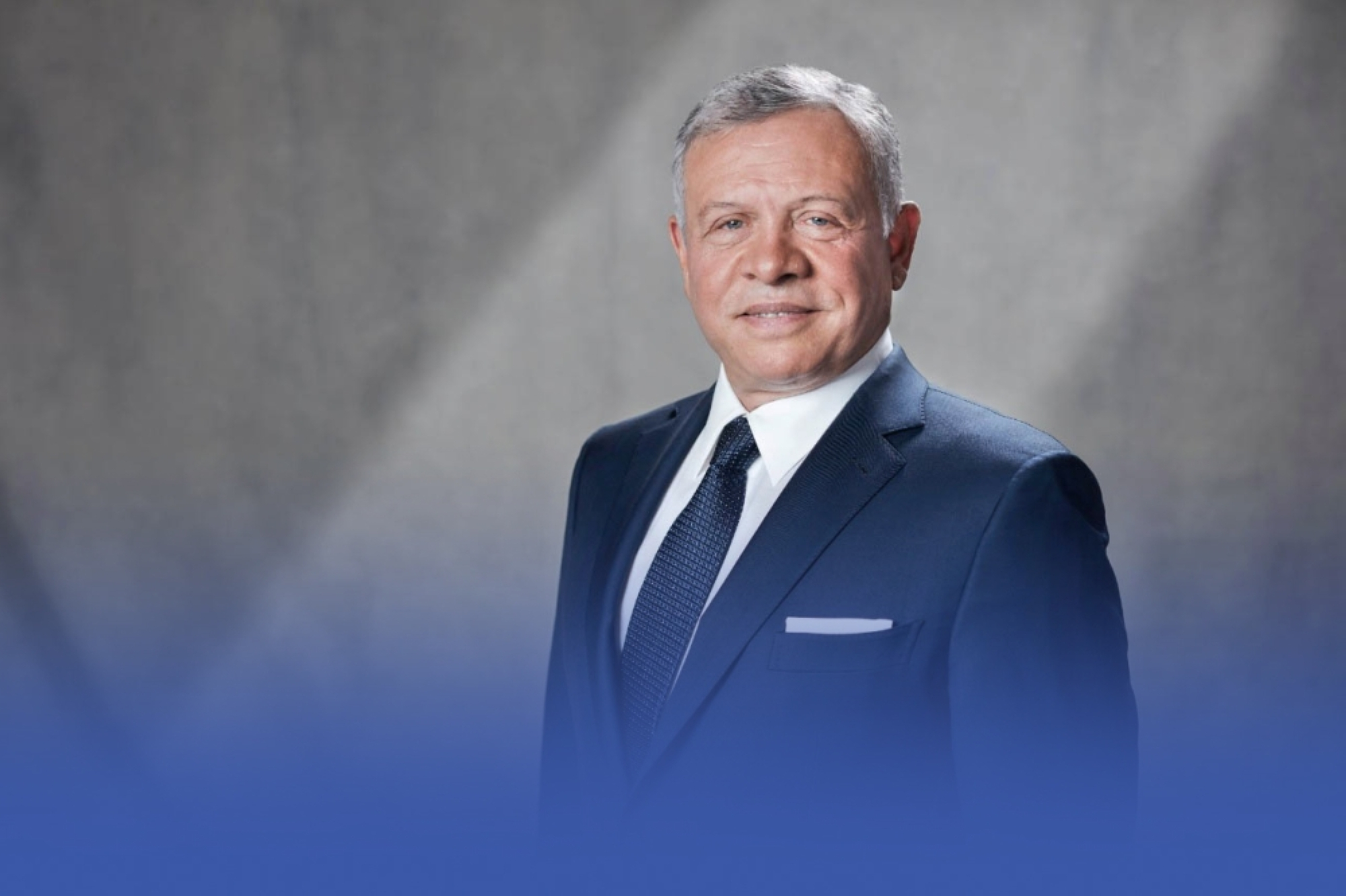
On Saturday, King Abdullah II, the Supreme Commander of the Armed Forces, directed the Chairman of the Joint Chiefs of Staff to prepare a comprehensive strategy and a clearly defined roadmap aimed at achieving a structural transformation of the Jordanian Armed Forces – the Arab Army – over the next three years. These royal directives reflect the ongoing commitment to developing and modernizing the military establishment to enable it to effectively and competently confront current and future challenges.
Historical background and vision for modernization
The Jordanian Armed Forces, whose roots trace back to the Arab Legion established in the 1920s, are a cornerstone of stability in the Hashemite Kingdom of Jordan and the region. Throughout its history, the army has faced numerous challenges and demonstrated its ability to adapt and evolve. King Abdullah II's directives today are not issued in a vacuum, but rather are a continuation of a long process of modernization and development within the armed forces, aimed at transforming them from a traditional army into a modern military force capable of engaging with the unconventional and hybrid warfare tactics that have become characteristic of 21st-century conflicts.
Strategic importance and expected impacts
This restructuring process holds immense strategic importance both domestically and regionally. Domestically, it aims to bolster national security and protect the Kingdom's borders, situated in the heart of a volatile region, while countering emerging threats such as terrorism and the smuggling of drugs and weapons across borders. Regionally, a strong and modernized Jordanian army reinforces Jordan's role as a stabilizing force in the Middle East and sends a strategic deterrent message to any entity that might seek to threaten the Kingdom's security. Furthermore, developing military capabilities strengthens Jordan's international partnerships, particularly with strategic allies who participate in joint exercises and peacekeeping operations.
Towards agile and flexible armed forces
King Abdullah II expressed his ambition to build a “lean, flexible, and high-quality armed forces,” prepared, equipped, and trained according to the latest combat methods. He emphasized the need for the new organizational structure to align with the demands of combat in diverse operational environments, with a focus on the effective utilization of both defensive and offensive capabilities. His Majesty added, “It is imperative to consider the requirements related to modernizing, developing, and restructuring the armed forces… in a way that ensures mastery of modern warfare tactics.”.
The King emphasized the importance of possessing an effective, reliable, and secure command, control, and communications system, and employing modern defense technologies in partnership with friendly local and international defense industries. In concluding his directives, King Abdullah II commended the members of the Jordanian Armed Forces, affirming that they will remain “a national institution of which every Jordanian is proud,” and will continue to serve their country with courage, dedication, and loyalty.
Politics
The European Union suspends trade measures against the US for six months
The European Commission has decided to extend the suspension of a package of retaliatory trade measures against the United States, in a move to promote dialogue and avoid a trade war that could affect the global economy.

In a move aimed at easing transatlantic trade tensions, the European Commission intends to propose a six-month extension of the suspension of a package of retaliatory trade measures against the United States. This package, valued at €93 billion, was scheduled to take effect on February 7, but the new decision postpones its implementation and allows more time for diplomatic negotiations.
Background and historical context of the trade dispute
This tension stems from the trade policies adopted by the previous US administration under President Donald Trump, which included imposing tariffs on steel and aluminum imports from several countries, including traditional allies in the European Union, under Section 232 of the Trade Expansion Act of 1962, ostensibly to protect US national security. The European Union responded by preparing a list of countermeasures targeting symbolic US goods, such as motorcycles and agricultural products, with the aim of exerting political and economic pressure to force a reconsideration of the tariffs.
The importance of the suspension decision and its expected impact
The decision to extend the suspension is of paramount importance both regionally and internationally. At the European level, it spares European industries, particularly the automotive sector, from a costly trade war that could negatively impact economic growth and employment rates. At the American level, it provides a much-needed boost to US exporters to Europe and helps maintain market stability. Internationally, this move is seen as a positive signal toward a return to a rules-based global trading system, one based on dialogue rather than confrontation and unilateral tariffs, sending a reassuring message to a global economy already grappling with uncertainty.
Joint statement and the future of trade relations
This retaliatory package was first suspended last August after Brussels and Washington reached a joint statement aimed at defusing the crisis and working towards a negotiated solution. Olof Gill, the Commission's spokesperson, explained that with the US threats of new tariffs receding, it was now possible to focus on "the important work of implementing the joint statement." He added that the Commission would soon submit a formal proposal to extend the suspension of the measures, while emphasizing that "the EU reserves the right to lift this suspension in the future if necessary," thus keeping all options open should circumstances change.
-

 Reports one week ago
Achievements of Saudi government sectors in 2025
-
Local News 3 weeks ago
FDA warns of contaminated Nestle infant formula | Recall details
-
Technology 3 weeks ago
Saudi Arabia launches the world's largest government data center, 'Hexagon'
-
Technology 4 weeks ago
Merging KSA Map and Baladi Plus: A step towards Saudi digital sovereignty
-
Technology 3 weeks ago
Hexagon: Saudi Arabia strengthens its data sovereignty with the world's largest government center
-
Technology 3 weeks ago
European banks and artificial intelligence: A plan to lay off 200,000 employees
-
Politics 4 weeks ago
The coalition destroys smuggled Emirati weapons in Mukalla in a qualitative strike
-
Local News 4 weeks ago
Saudi Arabia's 2026 Decisions: Major Transformations in Real Estate and Logistics