Politics
Shura Council members call for accelerating the "tightening" process and avoiding overvaluation of stocks
The Shura Council discussed, in its 35th regular session of the first year of the ninth term, held under the chairmanship of the Vice-President of the Council

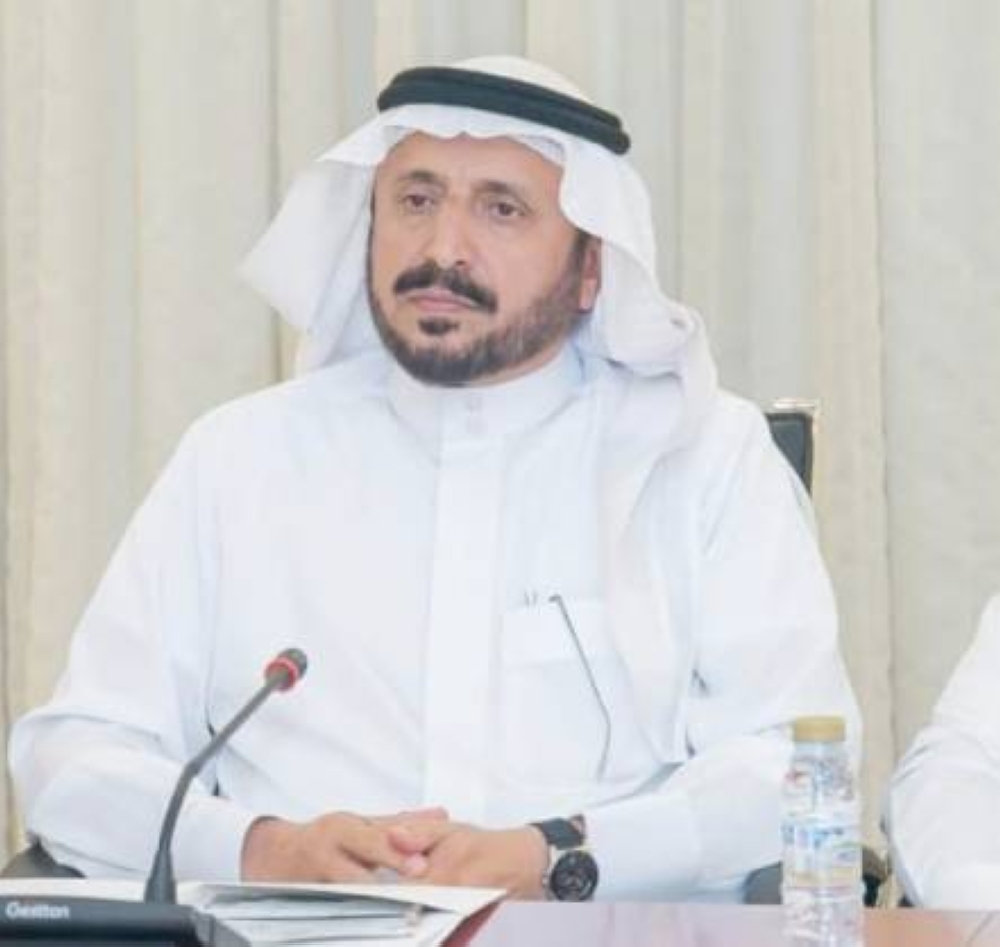
The Shura Council, in its 35th regular session of the first year of the ninth term, held under the chairmanship of the Vice President of the Council, Dr. Meshaal bin Fahm Al-Salami, discussed several reports, most notably the report of the Ministry of Energy, State Properties, and the Capital Market Authority. The highly transparent interventions strengthened the spirit of interaction between the Council and the ministries and authorities, in a way that serves the interests of the nation and citizens.
Council member Dr. Musleh Al-Harthi submitted a proposed recommendation to the Ministry of Energy, in which he asked the Ministry of Energy, in coordination with the relevant authorities, to develop a regulatory framework for recycling the components of renewable energy projects after the end of their useful life.
Council member Fadl bin Saad Al-Buainain called on the Capital Market Authority to reconsider the mechanism for evaluating the shares of companies intended for listing, and to reduce the profit multiples currently used in evaluating the share, taking into account future income variables and expected risks, reviewing the mechanism for building the transaction record, and considering adopting a direct listing mechanism for the shares of companies wishing to list, so that the market can determine their price according to the fair value based on acceptable profit multiples.
He pointed out that the regulatory body is required to thoroughly examine the submitted data and monitor the company after the IPO to ensure that no information affecting the company's future is concealed, which could negatively impact its profits and market value. This also empowers investors to sue anyone who provides misleading data, inflates the stock valuation based on high price-to-earnings ratios linked to non-recurring profits, or conceals any material information that could affect the company's future and, consequently, its market price.
He stressed in his intervention that “some of the shares of companies that were listed on the financial market suffered losses in their market value, compared to the listing price, some of which reached 30% after a short period of time after their listing, while the profits of some of them declined significantly after the first year of listing, which raises more than one question mark about the accuracy of the initial evaluation mechanism, and the effectiveness of the order book building system that determines the price range for the share to be listed, and then the final price for evaluating the share.”.
He explained that listing on the stock market is a goal for some owners of companies who want to list, in order to make wealth from offering it for public subscription, instead of investing the offering and listing to enhance the company’s assets, and drawing up a developmental vision that achieves its sustainability, growth, operational efficiency, and enhances its profitability, which reflects positively on the new owners from the shareholders, the main owner who established the company, and the national economy.
The presentation of an inaccurate picture of the company and the possibility of its continued profits is attributed to the inflation of the offering price, according to the current mechanism, which contributes to overlooking the future challenges that the company may face and which affect its future profits, due to concealing the most important information affecting the value of the company’s future share price, which is borne by everyone who contributed to building the order book.
He added that it is noticeable that the financial institutions that expressed their desire to buy the stock at a price higher than its fair value get rid of the shares allocated to them immediately after the listing process, in order to achieve huge profits, and then leave the stock to face a rapid decline after the financial institutions abandoned the stock’s production and support for its price in the market.
In his remarks on the General Authority for State Properties' report, Council Member Dr. Hassan Hijab Al-Hazmi explained that citizens are awaiting the Authority's review of ownership applications, as their interests are being hindered. Those who have completed their buildings are waiting for their title deeds to be issued so they can connect electricity and move in. Those who haven't started construction are waiting for their land deeds to obtain building permits and begin their lifelong projects. Those who urgently need to sell their land are unable to do so without a title deed. He stated, "While I appreciate the Authority's response to the committee's question and its considerable efforts in processing over 1.7 million applications and submitting recommendations, the strategic impact the Authority mentioned regarding the performance indicator for the cumulative number of processed applications on the Ehkam platform has not yet materialized as long as the deeds remain unissued." He added, "Since the state has entrusted this matter to the Authority, it must strive to expedite its completion.".
Improving the female ratio
Al-Hazmi noted that the number of employees in the Authority reached 617 males and 114 females, which means that the percentage of females is less than 10%, and he considered it a small percentage that needs improvement in line with Saudi Vision 2030 and the state’s keenness to empower women and their active presence in its institutions.
He added that the percentage of those enrolled in technical and vocational courses is only 30% of the total number of employees, and he considered it a weak percentage that does not align with the Authority’s aspirations to promote training and professional development, which supports building a stimulating work environment that encourages employees to integrate professionally and exert their maximum potential (as the Authority stated in its report)
He suggested to the committee that the authority increase the number of its professional and technical training programs and urge its employees to enroll in them to develop their skills and improve their performance.
He explained that the Authority succeeded in reducing the government's rental portfolio by 157 million riyals, but one of the challenges is the continued choice by government agencies to choose properties to rent in prime, high-cost locations, despite the existence of less expensive alternatives. He inquired about its plans to address this challenge that it had identified.
Explain the reasons for the delay
Council member Major General Ali Asiri called on the Ihkam platform to clarify the reasons for the delay in issuing deeds to citizens who applied through the platform, which caused harm to those wishing to invest in those properties by building or bringing in electricity and other things. He added: The State Properties Authority’s report did not mention any information about what was done in this regard, and we demand that they quickly complete their requests and communicate with those who have requirements or comments so that what is required can be completed.
Related News




Politics
Iranian TV announces the death of Ali Khamenei: Details and repercussions of the event
Breaking: Iranian state television announces the death of Supreme Leader Ali Khamenei following US and Israeli airstrikes. A look at his life and the impact of his absence on the future of Iran and the Middle East.
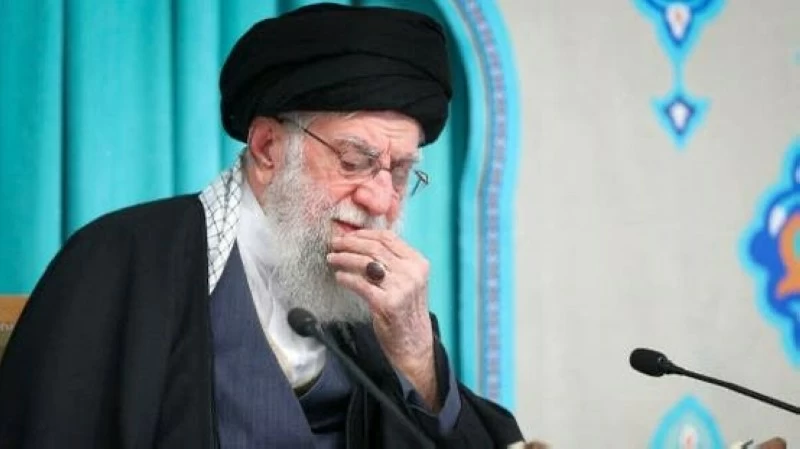
Iranian state television officially announced the death of Supreme Leader Ayatollah Ali Khamenei following a series of intense airstrikes launched by Washington and Tel Aviv on Tehran on Saturday. This announcement constitutes a political earthquake in the Middle East, as Khamenei's death marks the end of a long and complex chapter in the history of modern Iran and the entire region.
The end of an era that lasted for three decades
With the death of Ali Khamenei, the Islamic Republic has lost the man who held absolute power for over 35 years. Khamenei was not merely a political leader; he was the Supreme Leader and the ultimate authority on all state affairs, from foreign policy and the nuclear program to military strategies and the direction of the Revolutionary Guard. He personally shaped a foreign policy based on the principle of "exporting the revolution" and expanding regional influence through a network of alliances and militias in Iraq, Syria, Lebanon, and Yemen.
From a scene to the top of the political pyramid
Ali Hosseini Khamenei was born on April 19, 1939, in the city of Mashhad in northeastern Iran. He grew up in a conservative religious environment; his father was a well-known cleric in the seminary. He received his religious education in his hometown before moving to the holy city of Qom to pursue advanced studies under leading religious authorities, including Ruhollah Khomeini. He became involved early in the revolutionary movement against the Shah's regime and was arrested and exiled several times before assuming high-ranking leadership positions after the victory of the revolution in 1979, culminating in his presidency in 1981, and then his selection as Supreme Leader in 1989, succeeding Khomeini.
The repercussions of the power vacuum and the challenges of succession
This event presents the Iranian regime with an existential test: filling the enormous leadership vacuum. According to the Iranian constitution, the Assembly of Experts is tasked with selecting the new Supreme Leader, a process that could witness fierce competition between conservative and reformist factions, as well as between power centers within the Revolutionary Guard and the religious establishment. This development comes at a highly sensitive time, as the region grapples with unprecedented tensions, making Khamenei's absence directly impactful on the future of international agreements, energy security, and the balance of power in the Middle East.
regional and international landscape
Khamenei has long been a thorn in the side of Western policies in the region, adopting a hardline approach toward the United States and Israel. His departure is expected to reshape alliances, as world capitals, from Washington to Moscow and Beijing, await the identity of the new leadership and the course Tehran will take in the coming period, whether toward escalation or de-escalation.
Politics
Bahrain repels Iranian attack, shooting down 45 missiles and 9 drones
The Bahrain Defense Force announces the successful interception of 45 missiles and 9 Iranian drones. Learn about the details of the attack, the field security measures, and the General Command's warnings to citizens.

The General Command of the Bahrain Defence Force announced in an urgent official statement the successful interception by its advanced defense systems of a series of Iranian attacks targeting the Kingdom's airspace. The Command revealed that air defense units detected, destroyed, and shot down 45 missiles, in addition to nine explosive-laden drones, some of which were identified as Iranian-made Shahed-136 models, before they reached their targets.
Field readiness and site security
In detailing the defensive operation, the General Command explained that specialized field teams immediately began securing the sites where debris fell as a result of the aerial interception. These teams are operating according to well-defined emergency plans to ensure the safety of all citizens and residents and to confirm that the areas are clear of any hazardous materials or explosive remnants. The Command emphasized that the vigilance and readiness of the Bahrain Defense Force personnel were the decisive factors in repelling this aggression, which aimed to destabilize the security and stability of the Kingdom of Bahrain, stressing that the armed forces will remain the nation's impregnable shield.
The context of regional tensions and the importance of air defense
This event comes at a time of escalating security challenges in the region, highlighting the strategic importance of the advanced air defense systems possessed by the Gulf Cooperation Council (GCC) states. The Shahed 136 drones mentioned in the statement are kamikaze-type weapons designed to precisely strike ground targets, making Bahrain's success in intercepting this number a testament to the effectiveness of its radar and interception systems and the readiness of its military personnel to counter unconventional threats.
Urgent instructions for citizens and residents
In its commitment to public safety, the General Command urged everyone to exercise extreme caution during these critical times. It explicitly called upon citizens and residents to remain indoors and only leave for essential purposes, in order to facilitate the movement of security and emergency teams and to protect lives from any shrapnel that may result from responding to aerial threats.
Combating rumors and gathering information
The Bahraini authorities also emphasized an aspect no less important than the military confrontation: the information war. The General Command called for refraining from circulating rumors or inaccurate news that could incite panic and serve the objectives of hostile entities. It stressed the importance of obtaining information exclusively from official sources and accredited national channels, and of staying away from attack sites or gatherings around them, to ensure the smooth and efficient conduct of security operations.
Politics
Qatar successfully intercepts 65 missiles and 12 Iranian drones without casualties
The Qatari Armed Forces announce the interception of waves of Iranian missiles and drones targeting the country. Learn details of the successful defensive operation and the protection of Al Udeid Air Base.

In a significant security development reflecting the high level of preparedness of the national defense system, the Qatari Ministries of Defense, Interior, and Foreign Affairs announced in a joint statement the success of the Qatari Armed Forces in repelling a series of intense aerial attacks originating from Iran. These attacks, launched in successive waves, targeted several vital areas within the country. However, the vigilance of the defense forces prevented any casualties, underscoring the effectiveness of the protection strategies employed.
Details of the attack and defensive capabilities
According to official data, Qatari armed forces' early warning and control systems detected the launch of 65 ballistic missiles and 12 explosive-laden drones from Iranian territory. This complex aerial threat was dealt with immediately upon detection, in accordance with pre-approved defense operational plans for handling emergencies.
The air defense operations successfully intercepted the vast majority of threats, destroying 63 missiles and 11 drones en route to their targets. Despite the intensity of the attacks and the multiple directions of attack simultaneously, the only breaches were two missiles reaching the perimeter of Al Udeid Air Base and one drone targeting an early warning radar, with no casualties reported among military personnel or civilians.
Strategic importance and military readiness
This military achievement underscores the significant progress made by the Qatari Armed Forces in recent years, particularly in the areas of air defense and the ability to neutralize ballistic and drone threats. This operation is especially important given the nature of modern threats that rely on missile saturation tactics, a tactic Doha has successfully understood and countered with remarkable skill.
Al Udeid Air Base, which was only partially targeted in the attack, is considered one of the most important strategic military bases in the region, making its protection a top priority for Qatari and regional national security. The successful interception of this massive number of projectiles demonstrates the robustness of the country's military infrastructure and the effectiveness of its advanced radar and interception systems.
Messages of reassurance to the domestic audience and protection of sovereignty
In its official statement, the Qatari Armed Forces emphasized that they possess all the necessary capabilities and resources to protect and preserve the sovereignty and territorial integrity of the state, affirming their determination to resolutely confront any external threat that might jeopardize the security of the nation and its citizens. This declaration serves as a clear deterrent message, confirming that Qatari airspace is secure against any military provocations.
In closing, the ministries called on all citizens, residents, and visitors to remain calm and continue their lives normally, while adhering to the instructions issued by the relevant security authorities. They also warned against being misled by malicious rumors that may circulate in such circumstances, emphasizing the importance of obtaining information exclusively from official statements to ensure accuracy and avoid unwarranted anxiety.
-

 Local News 6 days ago
The Ministry of Interior begins procedures for a royal pardon for common law prisoners
-
Local News 3 days ago
Saudi Arabia approves regulations for the continued presence of Gulf vehicles: duration and penalties
-
Local news one week ago
19 requirements to reduce dust from projects in Riyadh and fines for violators
-
Politics, one week ago
Trump plans to create a $2 billion alternative to the World Health Organization
-
Local news 17 hours ago
Jeddah Airport alerts for travelers due to airspace closure and flight disruptions
-
Culture and Art, 1 week ago
Amr Diab appears with his four sons and a highly anticipated concert in Türkiye
-
 Local news one week ago
Three billion riyals deposited as Ramadan aid for social security beneficiaries
-
Local News 5 days ago
The deadline for property registration in Hail and Riyadh is Thursday