
Politics
Sending Tomahawk missiles to Ukraine: A Russian warning of dire consequences
Russia warns of dire consequences after supplying Tomahawk missiles to Ukraine, amid escalating tensions between Moscow and Washington and significant geopolitical implications.

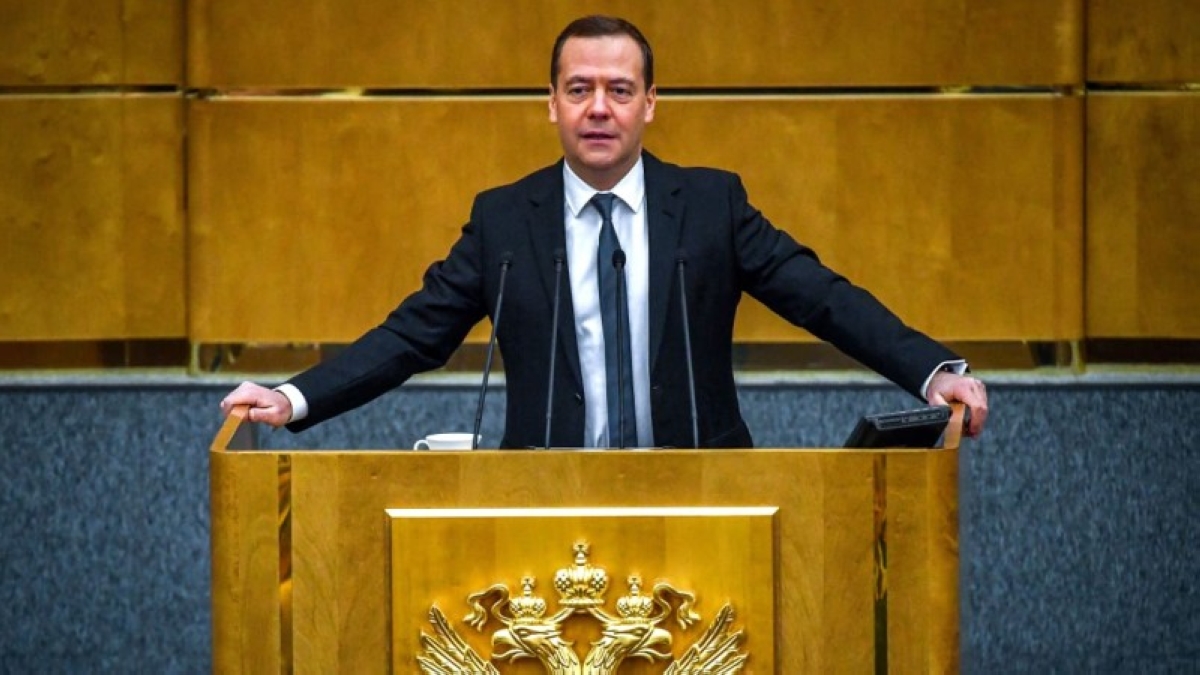
Tensions are escalating between Moscow and Washington over Tomahawk missiles
Amid escalating international tensions, former Russian President Dmitry Medvedev warned that the US supply of Tomahawk missiles to Ukraine could have dire consequences for everyone, specifically mentioning the impact on former US President Donald Trump. These remarks come against a backdrop of increasing geopolitical complexities among the world's major powers.
Russian warnings and American statements
Medvedev explained that distinguishing between conventional Tomahawk missiles and those equipped with nuclear warheads is impossible once launched, raising concerns about how Russia would respond to such a development. He hinted at the possibility of a Russian response of a nuclear nature, reflecting the gravity of the current situation.
For his part, Trump warned that he might send long-range Tomahawk missiles to Ukraine if Moscow did not end the war there soon. He emphasized that he might be prepared to increase pressure on Russian President Vladimir Putin using a substantial weapons system, stressing the power and impact of these offensive missiles.
Talks with Zelensky
Trump's remarks came after a phone call with Ukrainian President Volodymyr Zelensky, during which they discussed strengthening Ukraine's air defenses and long-range capabilities. Zelensky described the call as "very productive," indicating a convergence of views on the importance of bolstering Ukraine's defense capabilities.
International reactions and strategic analysis
Russian President Vladimir Putin has previously warned that the United States supplying Ukraine with long-range missiles would seriously damage relations between Moscow and Washington. This warning reflects Russia's deep concern about any escalatory steps that could worsen the security situation in the region.
Saudi Arabia and its diplomatic role
Amid these escalating tensions, Saudi Arabia is playing a crucial diplomatic role in attempting to de-escalate the situation and promote regional and international stability. Riyadh is relying on its diplomatic strength and strategic balance to achieve peace and stability in the region and the world.
Conclusion and analysis of the international situation
The situation between Russia and the United States remains sensitive and complex, requiring wisdom and diplomacy to avoid any escalation that could lead to disastrous consequences. Continued dialogue and mutual understanding are the best way to resolve conflicts and ensure global security and peace.


Politics
German Chancellor arrives in Riyadh: Details of the visit and the future of relations
German Chancellor Friedrich Merz arrived in Riyadh today on an official visit. Learn about the details of the reception and the importance of the visit in strengthening the economic partnership between Saudi Arabia and Germany.
The Federal Chancellor of the Federal Republic of Germany, Mr. Friedrich Merz, arrived in the Saudi capital, Riyadh, today, accompanied by a high-level delegation, at the start of an official visit to the Kingdom of Saudi Arabia aimed at discussing ways to enhance joint cooperation between the two friendly countries.
Official welcoming ceremony at King Khalid International Airport
Among those who welcomed the German Chancellor upon his arrival at King Khalid International Airport were His Royal Highness Prince Mohammed bin Abdulrahman bin Abdulaziz, Deputy Governor of Riyadh Region, and His Highness Prince Faisal bin Abdulaziz bin Ayyaf, Mayor of Riyadh. His Excellency the Minister of Finance, Mr. Mohammed Al-Jadaan (the accompanying minister), also participated in the welcoming ceremony, reflecting the economic importance of this visit.
The reception delegation also included the Acting Chargé d'Affaires at the Kingdom’s Embassy in Germany, Mr. Fahd Al-Hathal, the Ambassador of the Federal Republic of Germany to the Kingdom, Mr. Michael Kindsgrab, His Excellency the Acting Director of Riyadh Region Police, Major General Mansour bin Nasser Al-Otaibi, and His Excellency the Undersecretary of Royal Protocol, Mr. Fahd Al-Sahil.
Dimensions of the visit and the future of Saudi-German relations
The German Chancellor’s visit to Riyadh is of great importance in light of current international changes, as Germany is the Kingdom’s largest economic partner in Europe, while Saudi Arabia represents a pivotal political and economic force in the Middle East and the G20.
The presence of Finance Minister Mohammed Al-Jadaan as an accompanying minister to the German guest indicates that economic and investment issues will top the agenda of the talks. Through its Vision 2030, the Kingdom seeks to deepen partnerships with major industrial nations like Germany, particularly in the renewable energy, green hydrogen, technology, and manufacturing sectors, where German companies possess extensive expertise that can contribute to accelerating development and economic diversification in the Kingdom.
This visit comes as an extension of a long history of diplomatic and economic relations between Riyadh and Berlin. The talks are expected to address regional and international issues of common interest, which will enhance the prospects for peace and stability in the region, in addition to exploring opportunities to increase trade and open new horizons for mutual investments between the private sectors in both countries.
Politics
German Chancellor Friedrich Merz arrives in Riyadh: Details of the official visit
German Chancellor Friedrich Merz arrived in Riyadh today on an official visit. Learn about the details of the official reception and the importance of the visit in strengthening Saudi-German relations.
The Federal Chancellor of the Federal Republic of Germany, Friedrich Merz, arrived in the Saudi capital, Riyadh, today, accompanied by a high-level delegation, on an official visit to the Kingdom of Saudi Arabia aimed at discussing ways to enhance joint cooperation between the two friendly countries in various fields.
Among those who welcomed the German Chancellor upon his arrival at King Khalid International Airport were His Royal Highness Prince Mohammed bin Abdulrahman bin Abdulaziz, Deputy Governor of Riyadh Region, and His Highness Prince Faisal bin Abdulaziz bin Ayyaf, Mayor of Riyadh. Also present were the Minister of Finance, Mr. Mohammed bin Abdullah Al-Jadaan (the accompanying minister), the Chargé d'Affaires of the Saudi Embassy in Germany, Mr. Fahd Al-Hathal, the Ambassador of the Federal Republic of Germany to the Kingdom, Mr. Michael Kindsgrapp, the Acting Director of Riyadh Region Police, Major General Mansour bin Nasser Al-Otaibi, and the Deputy Chief of Royal Protocol, Mr. Fahd Al-Sahil.
Dimensions of the visit and its strategic importance
This visit is of paramount importance in both its timing and substance, as it comes within the framework of the strong historical ties that bind the Kingdom of Saudi Arabia and the Federal Republic of Germany. Germany is a key economic and trade partner for the Kingdom in Europe, and both sides continuously strive to develop these relations and propel them towards broader horizons in a way that serves the interests of both friendly nations.
The presence of Finance Minister Mohammed Al-Jadaan as an accompanying minister underscores the significant economic focus of this visit, with economic and investment matters expected to top the agenda. In line with Vision 2030, the Kingdom seeks to strengthen partnerships with leading German companies, particularly in the technology, renewable energy, manufacturing, and infrastructure sectors, where Germany possesses extensive global expertise.
Cooperation in the fields of energy and the future
The energy sector, particularly clean energy and green hydrogen, is a cornerstone of the modern cooperation between Riyadh and Berlin. The Kingdom aims to become the primary supplier of green hydrogen to Europe, and Germany is considered a promising and pivotal market in this regard, given its focus on energy transition. The visit is likely to include in-depth discussions on how to activate previous agreements and accelerate joint efforts to address global climate challenges.
In addition to the economic aspect, political consultations play a pivotal role in such high-level visits, as the Kingdom and Germany are key pillars of stability in their respective regions. It is expected that views will be exchanged on regional and international issues of common interest, and ways to enhance international peace and security will be discussed, reflecting the depth of political and diplomatic coordination between the two leaderships.
Politics
Xi and Trump's 2026 phone call: Discussions on relations and a potential visit to China
Details of the call between Xi Jinping and Donald Trump on strengthening relations in 2026, discussing trade, Taiwan, Ukraine, and oil, with the announcement of a Trump visit in April.
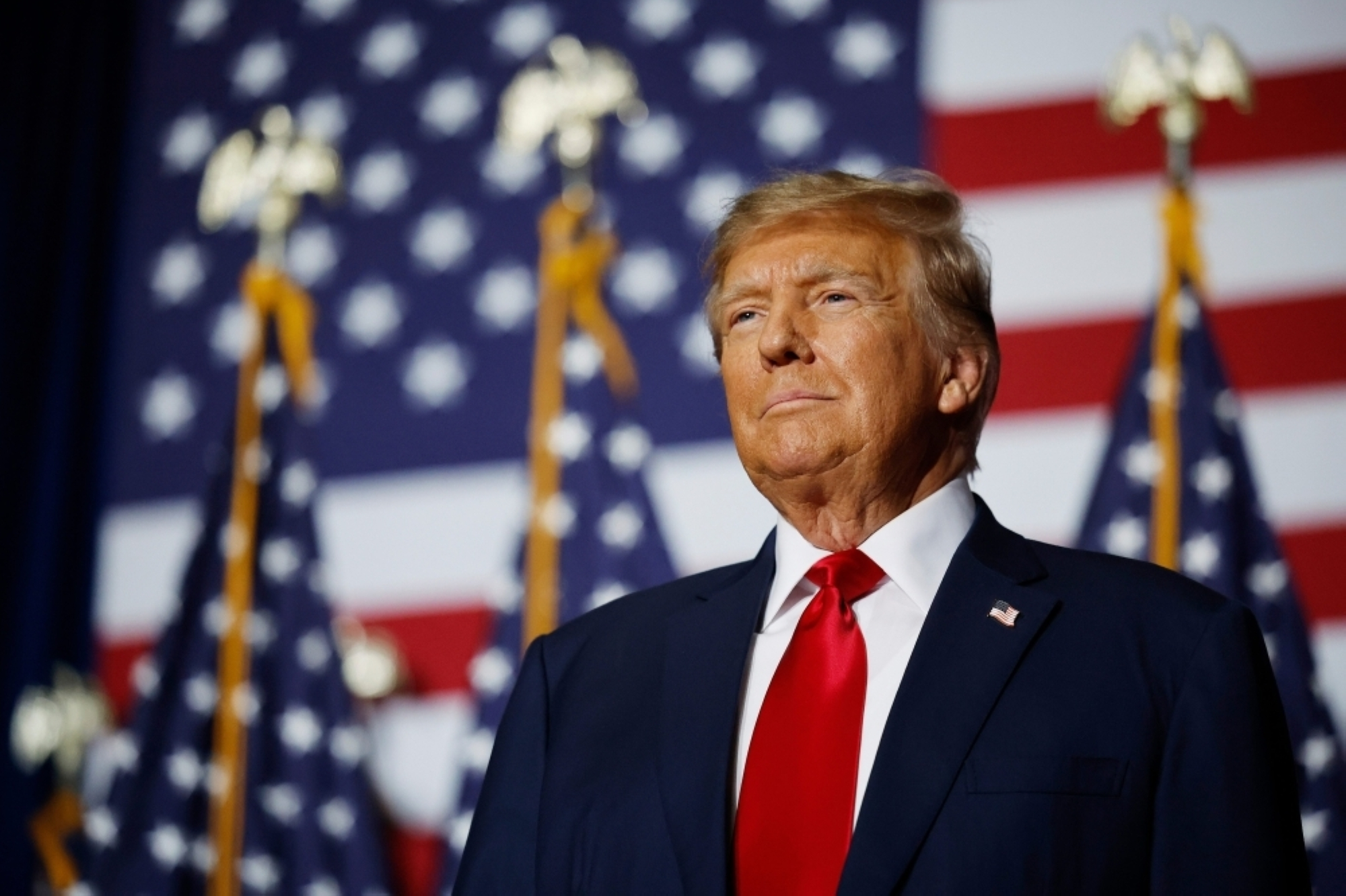
In a significant diplomatic move aimed at reshaping relations between the world's two largest economies, Chinese President Xi Jinping held a strategic phone call with his US counterpart Donald Trump on Wednesday. The talks focused on the need to resolve outstanding issues between the two countries in an atmosphere of mutual respect, reflecting a shared desire to ease geopolitical and economic tensions.
China's vision for 2026: Building trust and peaceful coexistence
During the call, the Chinese president emphasized the importance of a step-by-step approach to resolving differences, stating that "by addressing issues one by one and continuing to build mutual trust, we can find the right path for harmony between our two countries." Xi expressed his hope that 2026 would be a pivotal year in which China and the United States, as two major powers, move forward in promoting mutual respect, peaceful coexistence, and mutually beneficial cooperation, rather than conflict and zero-sum competition.
Trump praises the call and sets a date for his visit to China
For his part, US President Donald Trump described the call as "excellent," emphasizing that the US relationship with China, and his personal relationship with his Chinese counterpart, are excellent. Trump revealed that they discussed several sensitive and important topics during the call, including trade and defense, and announced a planned visit to China in April, a strong indication of the two sides' commitment to strengthening direct dialogue.
Controversial issues on the research table
The call went beyond mere diplomatic pleasantries, delving into complex global issues. The two leaders discussed the situation in Taiwan, developments in the war between Russia and Ukraine, and the situation in Iran. In the context of economic and energy cooperation, they addressed China's potential purchase of oil and gas from the United States, a move that could help reduce the trade deficit and strengthen shared economic interests.
The context of relationships and the importance of timing
This call comes at a time of major global shifts, as international markets and the global community look to the stability of US-China relations as a cornerstone of global stability. Historically, relations between Washington and Beijing have been characterized by periods of both progress and setbacks, particularly concerning trade wars and security issues in the Pacific. Therefore, the talk of "mutual respect" and "peaceful coexistence" in 2026 represents a positive development that could spare the world the repercussions of great power conflicts.
The agreement to discuss issues as significant as the Russian-Ukrainian war and the Iranian nuclear program indicates that both sides recognize their international responsibilities and that sustainable solutions to global crises require a minimum level of coordination between Washington and Beijing. Political circles are awaiting the planned April visit to translate these telephone understandings into concrete agreements on the ground.
-

 Culture and Art, 1 week ago
Haifa Wehbe's absence in Riyadh: A photo crisis or a strained relationship with the media?
-

 Culture and Art, 1 week ago
City Kitchen series: A drama of conflict and the middle class during Ramadan
-

 Culture and Art, 1 week ago
The series "Kasra": Dawood Hussein in a moving social drama this Ramadan
-

 Local news one week ago
Applying for the 1447 Opportunities Program for Teachers via the Fares System
-

 Local news one week ago
Ramadan 2026 discounts in Saudi Arabia: Offers valid for 54 days
-
 Culture and Art 6 days ago
The death of artist Huda Shaarawi “Umm Zaki” and her funeral in Damascus
-

 Technology 6 days ago
ICAN 2026 Conference Conclusion: Initiatives to Enhance Saudi Arabia's Leadership in Artificial Intelligence
-

 Local news one week ago
Saudi Arabia halts perennial fodder cultivation to conserve groundwater