
Politics
Saudi women hold a prestigious position globally; 480,000 women join the workforce
On its founding day, February 22nd of each year, Saudi Arabia draws inspiration from the foundations of the great state established by Imam Muhammad bin

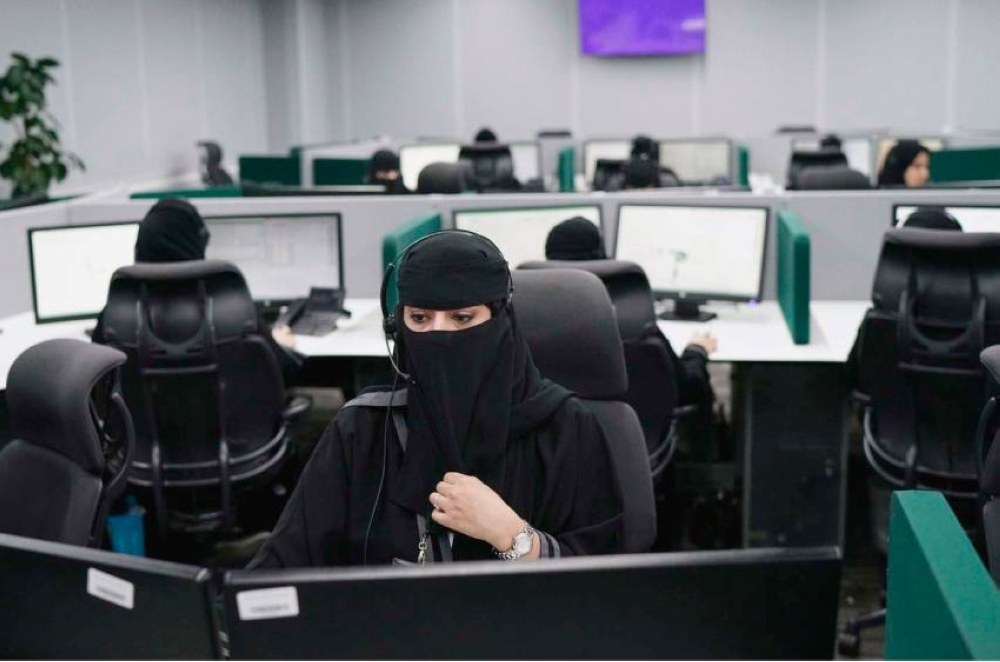
On its founding day, February 22nd of each year, Saudi Arabia draws inspiration from the foundations of the great state established by Imam Muhammad bin Saud in 1727 AD.
Based on its importance, the Kingdom highlighted the role of Saudi women and showcased the activities in which they participate, allowing the world to see content that differs from the traditional stereotype of the role and image of Saudi women and Arab society. This was achieved by Saudi women assuming positions and centers that were difficult to reach in the past in various scientific, professional, and academic fields, while highlighting the family social life in which Saudi women play a large and distinctive role, reflecting an important and different aspect of life in Saudi Arabia in general.
The rate of Saudi women entering the labor market has reached more than 480,000 Saudi women in just 4 years, specifically from the end of the second quarter of 2020 until the same period in 2024, with an average of 328 Saudi women joining the labor market daily for 4 consecutive years.
Related News
On the anniversary of its founding, Saudi Arabia achieved the difficult equation by introducing initiatives, strategies, and events that even the most optimistic did not expect to see the light of day. Through these initiatives, Saudi Arabia was able, in a short time, to present a different and modern model that departs from the traditional stereotypical image of the major state in the Arabian Peninsula.
Because it is a country the size of a continent, with great potential, growing capabilities, a rich history, an ancient civilization, diverse cultures, and a young and ambitious people, Saudi Arabia has invested these tremendous capabilities in a way that serves its policies and vision in creating a soft power that strongly influences the regional and global environment as a destination for Muslims and a leader of Arab orientations, through a comprehensive strategic plan with integrated pillars, which has placed it in its proper place, through systematic and purposeful institutional work, and with a set of initiatives that have achieved the goal and purpose.
Saudi Arabia has been able to present a modern model of a modern state, through the multiple tourist seasons that have received unprecedented interest from Saudis, Gulf brothers, and even foreign visitors, who have expressed their admiration for the authentic Saudi Arabian heritage and traditions.


Politics
A terrorist cell was dismantled in Damascus, and Hezbollah was accused of supplying it with weapons
The Syrian Interior Ministry announced the dismantling of a terrorist cell responsible for attacks in the Mezzeh neighborhood of Damascus, noting that the weapons and drones used were supplied by Hezbollah.
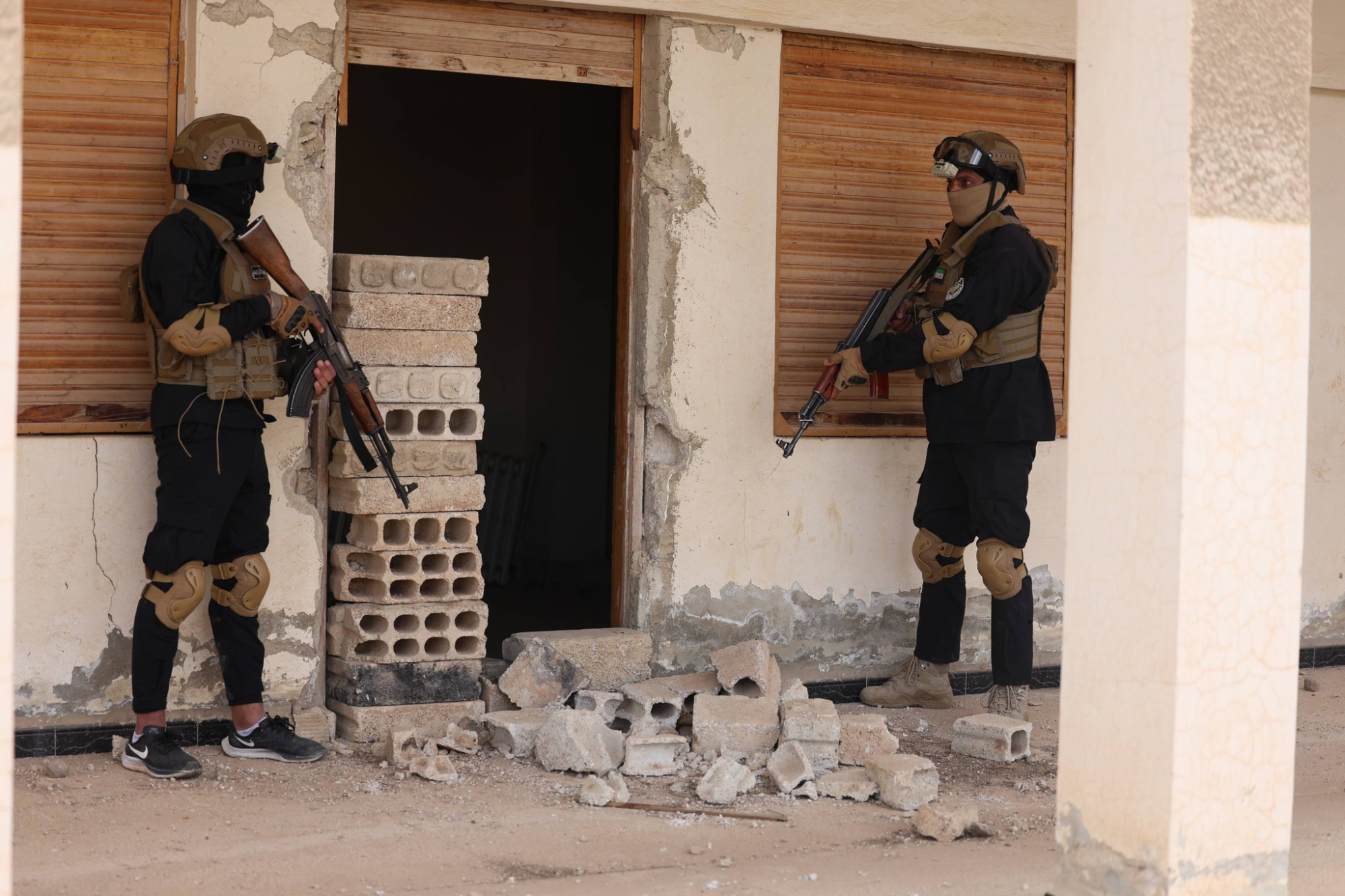
The Syrian Interior Ministry announced in an official statement that its security forces had successfully dismantled a terrorist cell it described as responsible for a series of rocket attacks targeting the Mezzeh district of Damascus last month. In a significant development, the ministry directly accused the Lebanese Hezbollah militia, an ally of Damascus, of supplying the cell with weapons, rockets, and drones.
According to the statement, the competent security services carried out a series of precise operations and diligent follow-up that led to the identification and arrest of all members of the cell. The ministry added that during the operations, a number of drones equipped to carry out further attacks were seized, in addition to missile launchers. Initial investigations with the detainees, according to the same source, revealed their links to foreign entities and that the source of the seized weapons used in the attacks was Hezbollah.
Background of the attacks and the importance of the Mezzeh neighborhood
This security operation follows several recent security incidents in Damascus. Syrian authorities had previously announced that three rockets landed in the Mezzeh district. One struck the dome of the Al-Muhammadi Mosque, another targeted a telecommunications building, and the third landed near Mezzeh Military Airport, without causing any injuries. The Mezzeh district is considered one of the most sensitive areas in the capital, housing important government and military installations, including Mezzeh Military Airport. It is also home to many high-ranking officials and influential figures, making it a strategic target for any party seeking to destabilize the capital.
Security and political context
Although the capital, Damascus, remained under the complete control of the Syrian government throughout the years of conflict, it was not immune to attacks and bombings intended to convey political and military messages. The dismantling of this cell represents a security success for the Syrian authorities in securing the capital, but it also reveals the continued existence of security gaps that could be exploited.
The repercussions of accusing Hezbollah
The Syrian Interior Ministry's formal and direct accusation against Hezbollah, a key strategic ally of the Syrian government in its conflict since 2011, represents a highly significant and complex political turning point. This announcement raises profound questions about the current nature of the relationship between the two allies and may indicate internal tensions or disagreements within the "axis of resistance." Regionally, this accusation could have far-reaching consequences, placing the relationship between Damascus and Beirut under renewed strain and providing ample ammunition for regional and international adversaries who have long accused the party of engaging in destabilizing activities in the region.
Politics
The Crown Prince contacted the King of Morocco to inquire about his health
Crown Prince Mohammed bin Salman made a telephone call to King Mohammed VI of Morocco to check on his health, in a gesture that reflects the depth of the historical and strategic relations between the two countries.
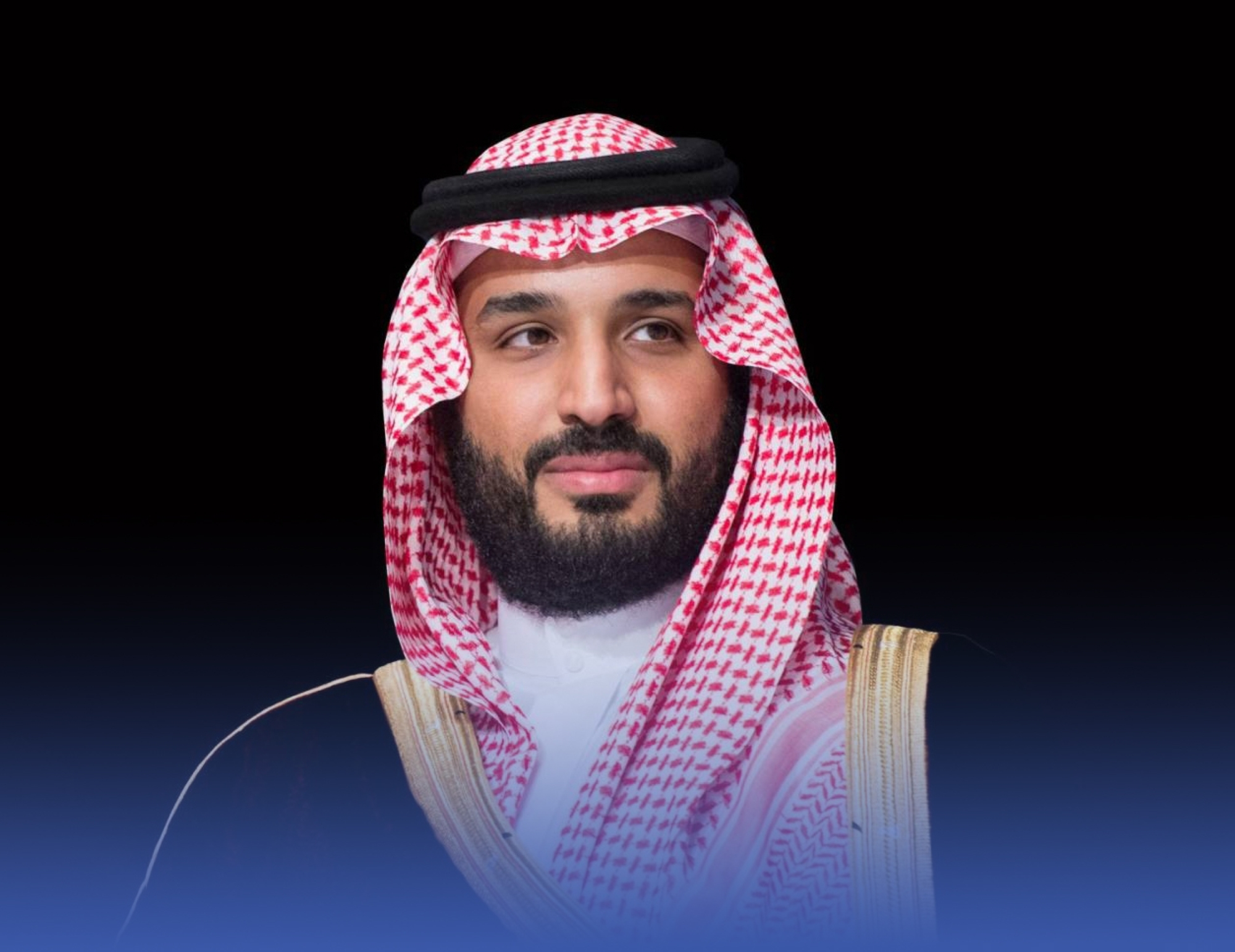
In a fraternal gesture reflecting the depth of the personal and historical ties between the leaderships of the two brotherly countries, His Royal Highness Prince Mohammed bin Salman bin Abdulaziz Al Saud, Crown Prince and Prime Minister, made a telephone call to His Majesty King Mohammed VI, King of the Kingdom of Morocco.
During the call, His Royal Highness the Crown Prince inquired about the health of His Majesty King Mohammed VI, expressing his sincere wishes for his continued good health and well-being. For his part, His Majesty the King of Morocco expressed his deep gratitude and appreciation to His Royal Highness the Crown Prince for these sincere and noble sentiments, which reflect the strength of the distinguished bilateral relations between the two kingdoms.
Historical background and established relationships
This contact is not merely a protocolary gesture, but a natural extension of the long-standing historical and strategic relationship between the Kingdom of Saudi Arabia and the Kingdom of Morocco. This relationship rests on solid foundations of Islamic solidarity, Arab identity, and a shared destiny, in addition to the close ties between the two countries' royal families. Riyadh and Rabat have consistently stood shoulder to shoulder in various regional and international forums, maintaining continuous coordination and converging visions on key regional and global issues, making their partnership a model for Arab-Arab relations.
Strategic and diplomatic importance
Such high-level contacts are of paramount importance, especially given the challenges facing the Arab region. They not only contribute to strengthening bilateral relations on the political and economic levels, but also send a clear message about the continuity of the strategic alliance between the two countries, which is considered a cornerstone of security and stability in the Arab and Islamic worlds. Furthermore, inquiring about the health of His Majesty King Mohammed VI, who enjoys a prominent position on the international stage, reflects Saudi Arabia's interest in the stability and prosperity of the Kingdom of Morocco, which has a positive impact on the entire region.
Humanitarian implications and reassuring messages
This contact comes in a context that highlights the human dimension of relations between the leaders, something highly valued in Arab culture. The Crown Prince's personal concern for the health of King Mohammed VI underscores that the relationship between the two countries transcends official frameworks, reaching the level of genuine brotherhood. At the same time, this gesture carries reassuring messages to the Moroccan people and to regional and international partners regarding His Majesty's health, thus strengthening confidence and stability. This direct communication affirms the ongoing consultation and coordination between the two leaderships to address shared challenges and realize the aspirations of their peoples for greater progress and prosperity.
Politics
Saudi Arabia supports Yemen with 9 new health and education projects
The Saudi Program for the Development and Reconstruction of Yemen signs an agreement to implement 9 vital projects in the health and education sectors in Yemeni governorates, with the aim of improving basic services and supporting stability.
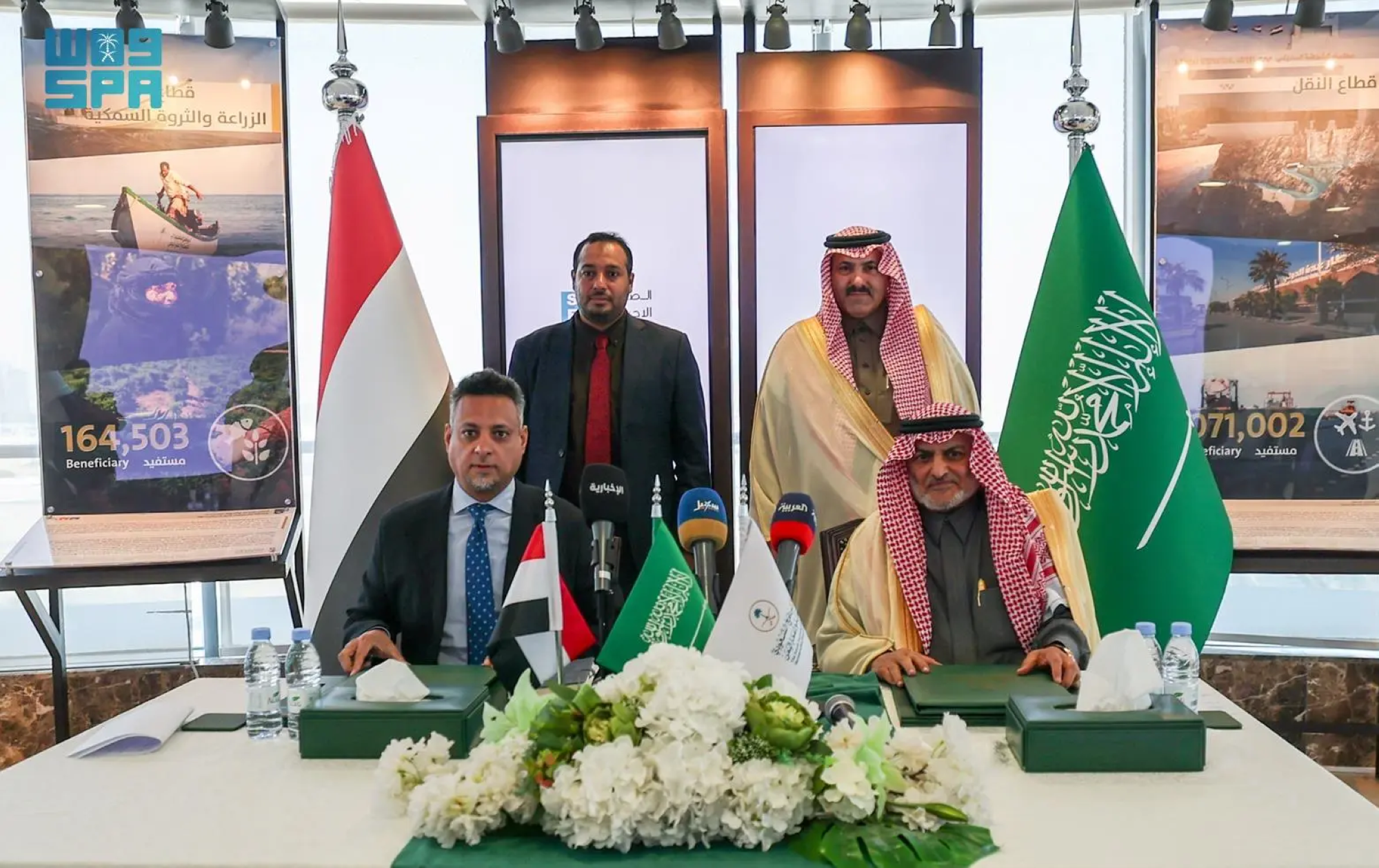
In a further step reaffirming Saudi Arabia's continued support for the Yemeni people, the Saudi Development and Reconstruction Program for Yemen (SDRPY) signed an agreement on Sunday to implement nine vital development projects in partnership with the Social Fund for Development in Yemen. These projects directly target the health and education sectors, which are among the most severely affected, and represent an extension of the Kingdom's efforts to support Yemeni state institutions and ensure the continued provision of services to citizens.
The context of support and its strategic importance
This support comes amidst complex humanitarian and economic conditions in Yemen, where years of instability have led to the deterioration of basic infrastructure, particularly health and education facilities. The Kingdom of Saudi Arabia, through its development arm, the Saudi Program for the Development and Reconstruction of Yemen, plays a pivotal role in rebuilding what has been damaged and contributing to stability and sustainable development. Since its inception, the program has implemented more than 268 projects and initiatives across eight key sectors, including health, education, water, energy, transportation, and others, reflecting a long-term commitment to supporting Yemen on all levels.
Health projects to save lives and improve care
The new package includes four high-quality health projects aimed at expanding medical services in underserved areas. These projects include:
- Establishing the rural eye hospital in Al-Mawasit, Taiz: to provide integrated medical services to the residents of rural areas.
- Establishing Al-Dhali Rural Hospital: To enhance the capacity of the health sector in the governorate.
- Establishing and equipping the Maternity and Childhood Center in Ras Al-Ara, Lahj: This is a vital project to reduce maternal and newborn mortality rates.
- Establishing and equipping an emergency obstetrics center in Ras Al-Ara, Lahj: to ensure a rapid response to critical cases and cesarean births.
These facilities will be equipped with the latest medical equipment, including emergency departments, specialized clinics, operating rooms, intensive care units, laboratories, and blood banks, which will contribute to improving safe birth rates and providing decent healthcare for citizens.
Building the future of generations through education
On the educational front, the agreement includes five projects to build model schools in the governorates of Ma'rib, Lahj, Al Dhale'a, Shabwa, and Abyan. The design of these schools goes beyond simply providing classrooms; it focuses on creating a stimulating and integrated learning environment. The schools will include science and computer labs, sports facilities, and administrative offices, all furnished with modern school furniture. Most importantly, their design takes into account the needs of students with disabilities, ensuring their inclusion and facilitating their movement within the school environment. These projects are expected to contribute to raising the quality of education, reducing classroom overcrowding, and equipping students with the practical and technical skills necessary for their future.
Expected impact extends beyond construction
The anticipated impact of these projects extends far beyond mere construction. Locally, they will provide employment opportunities for skilled Yemenis in the health and education sectors and will bolster the stability of local communities by delivering essential services. Nationally, they represent direct support to the Yemeni government in fulfilling its duties and serving its citizens, thereby strengthening its legitimacy and its ability to establish stability. The signing ceremony was attended by high-level representatives, including the Saudi side, represented by the program's General Supervisor, Ambassador Mohammed bin Saeed Al Jaber, and the Yemeni side, represented by the Executive Director of the Social Fund for Development, Hossam Qaid, along with the Yemeni Ministers of Health and Education, underscoring the strong coordination and effective partnership between the two sides.
-

 Local news one week ago
Landslide in Riyadh: Details of the incident in Al-Sahafa neighborhood and containment efforts
-
 Local news one week ago
The death penalty was carried out against a citizen who stabbed another to death in Tabuk
-

 Culture and Art 7 days ago
Haifa Wehbe's absence in Riyadh: A photo crisis or a strained relationship with the media?
-
 Local news one week ago
First birth on the Riyadh train: A heartwarming story at Andalus station
-
 Local news one week ago
Riyadh collapse: Emergency plans to secure water after a main pipeline burst
-

 Culture and Art 7 days ago
City Kitchen series: A drama of conflict and the middle class during Ramadan
-

 Culture and Art 7 days ago
The series "Kasra": Dawood Hussein in a moving social drama this Ramadan
-
 Local News 6 days ago
Applying for the 1447 Opportunities Program for Teachers via the Fares System