
Politics
Saudi Foreign Minister meets with Abiy Ahmed in Addis Ababa
Foreign Minister Prince Faisal bin Farhan arrived in Addis Ababa to meet with Ethiopian Prime Minister Abiy Ahmed and discuss regional developments and ways to enhance regional security and stability.

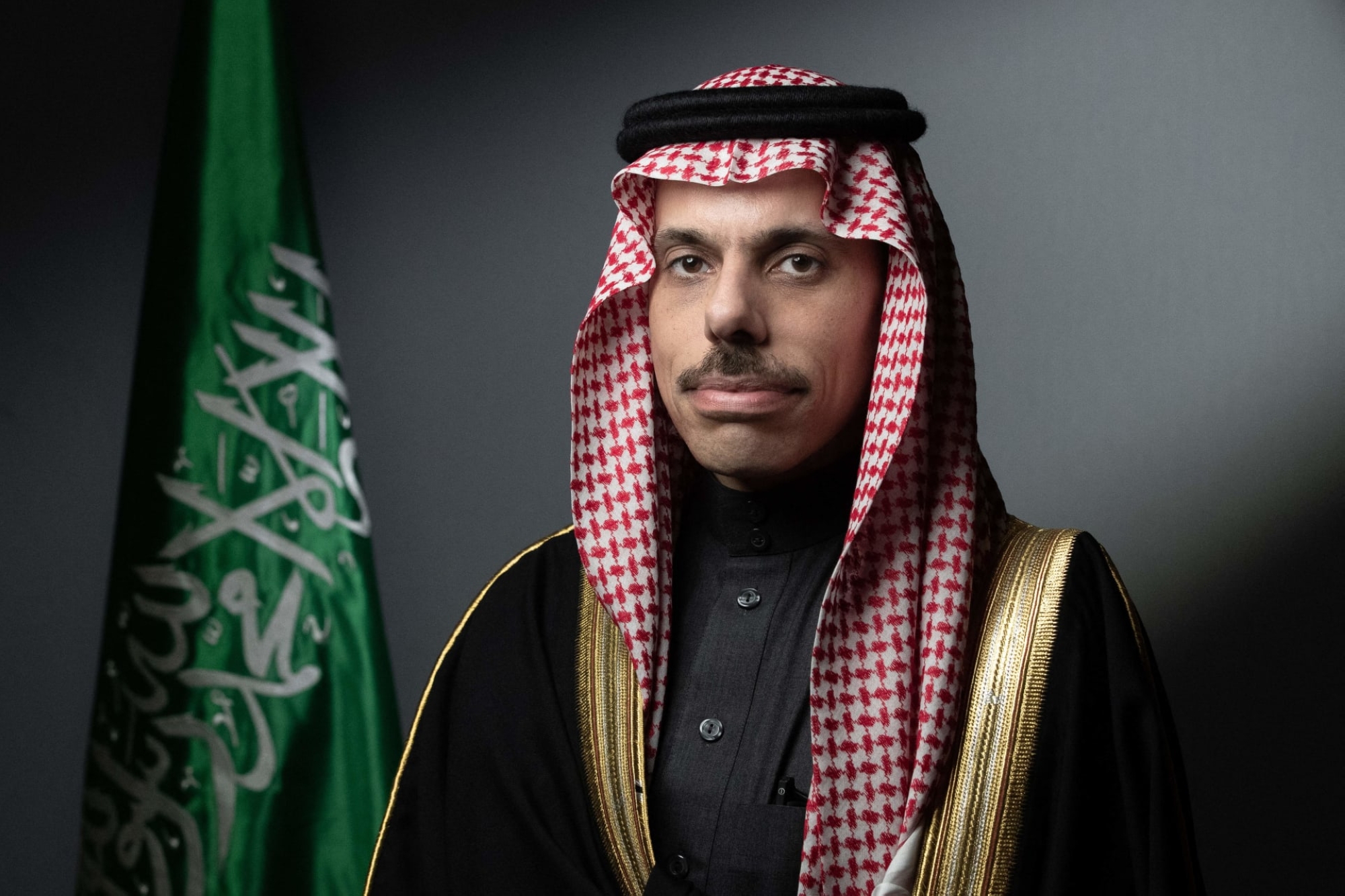
His Highness Prince Faisal bin Farhan bin Abdullah, the Saudi Minister of Foreign Affairs, arrived today (Wednesday) in the Ethiopian capital, Addis Ababa, on an official visit aimed at strengthening bilateral relations and discussing issues of common interest between the Kingdom of Saudi Arabia and the Federal Democratic Republic of Ethiopia.
His Highness the Minister of Foreign Affairs is scheduled to hold extensive talks with the Prime Minister of Ethiopia, Dr. Abiy Ahmed Ali. The meeting will address the latest developments in the region, as well as review international and regional efforts to achieve security and stability, particularly in the Horn of Africa, which faces multiple geopolitical challenges requiring ongoing coordination among key players.
The dimensions of the visit and its important timing
This visit is particularly significant given its timing, as the region witnesses intensive diplomatic efforts aimed at defusing crises and bolstering peace prospects. Saudi Arabia views Ethiopia as a crucial strategic partner on the African continent, considering its significant population, political influence, and strategic geographic location. These initiatives align with the Kingdom's Vision 2030, which prioritizes deepening partnerships with African nations, a commitment clearly demonstrated in recent Saudi-African summits focused on economic and security cooperation.
Saudi-Ethiopian relations and Red Sea security
Historically, Riyadh and Addis Ababa have enjoyed long-standing relations, and both countries play a pivotal role in the security of the Red Sea, a vital artery for global trade. The talks are expected to address ways to secure waterways and enhance cooperation in combating terrorism and transnational threats. The Sudanese issue is also likely to be on the agenda, given the geographical proximity, the Kingdom's role in mediating a solution to the Sudanese crisis, and its direct impact on stability in Ethiopia and neighboring countries.
Promoting regional stability
Saudi diplomacy, under the leadership of Prince Faisal bin Farhan, seeks to build bridges of understanding and constructive dialogue to resolve regional disputes peacefully. Ethiopia, as the headquarters of the African Union, serves as a key gateway for diplomatic efforts on the continent. Therefore, Saudi-Ethiopian coordination not only benefits both countries but also extends its impact to strengthening collective security in East Africa and the Arab region, thus opening broader horizons for developmental and economic cooperation that serves all the peoples of the region.




Politics
The leadership congratulates the Iranian president on the anniversary of the National Day: messages of goodwill and wishes for prosperity
The Custodian of the Two Holy Mosques and the Crown Prince sent congratulatory telegrams to Iranian President Masoud Pezeshkian on the occasion of the National Day, wishing the Iranian people progress and prosperity in light of the growing relations.
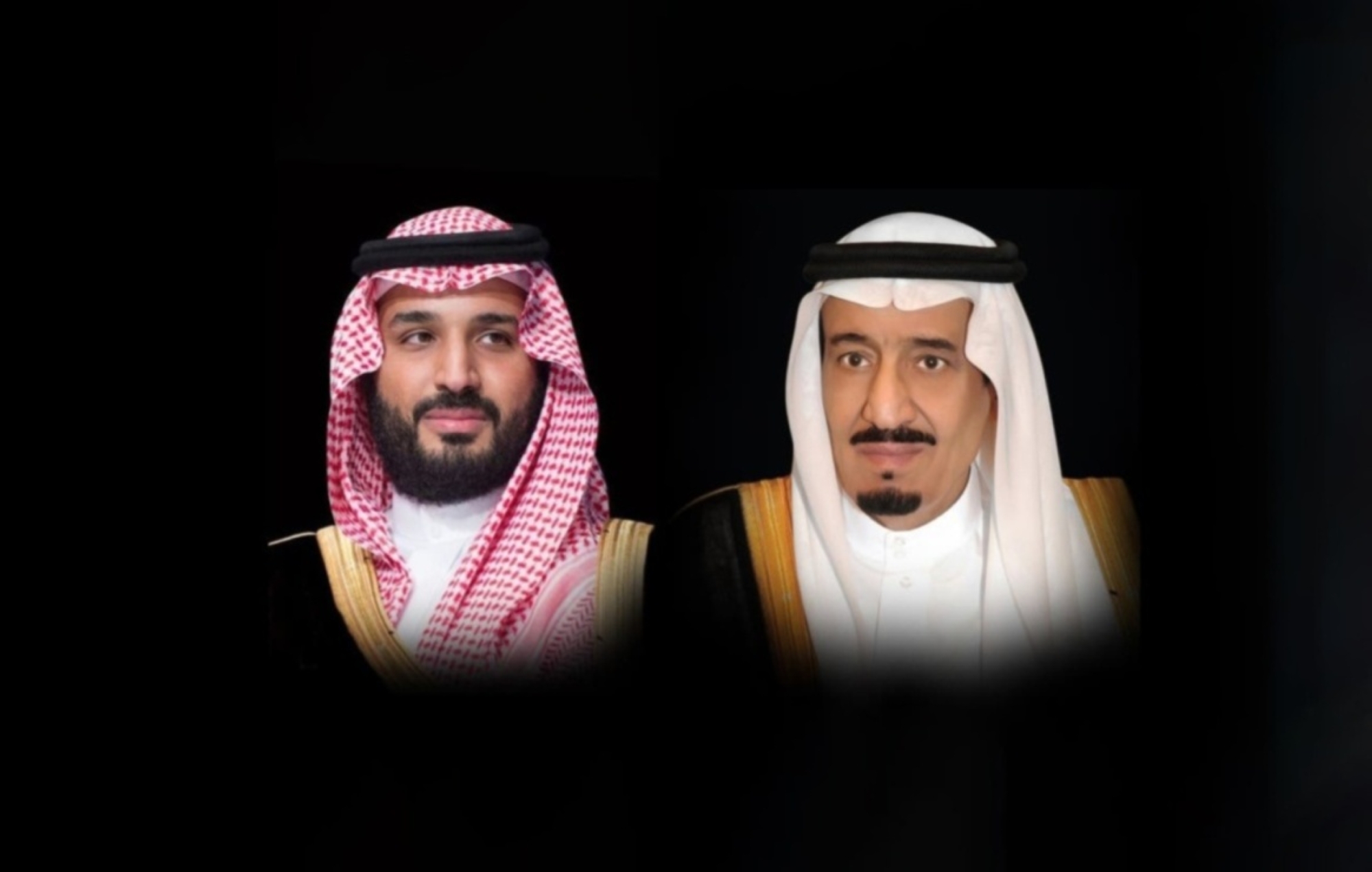
The Custodian of the Two Holy Mosques, King Salman bin Abdulaziz Al Saud, and His Royal Highness Prince Mohammed bin Salman bin Abdulaziz Al Saud, Crown Prince and Prime Minister, sent congratulatory telegrams to His Excellency President Masoud Pezeshkian, President of the Islamic Republic of Iran, on the occasion of his country’s National Day, in a move that reflects the continuation of the diplomatic approach based on mutual respect and good neighborliness.
Wishing you health and prosperity
In their respective telegrams, the Custodian of the Two Holy Mosques and the Crown Prince expressed their sincerest congratulations and best wishes for continued health and happiness to His Excellency, and for further progress and prosperity to the government and people of the brotherly Islamic Republic of Iran. This message of congratulations is in line with the high-level diplomatic protocols that the Kingdom of Saudi Arabia is keen to uphold with its brotherly and friendly nations, participating in their national occasions and official celebrations.
The context of Saudi-Iranian relations
This congratulatory message is particularly significant given the positive developments in Saudi-Iranian relations in recent times, especially following the historic agreement reached in Beijing in March 2013, which paved the way for the resumption of diplomatic relations and the reopening of embassies. These messages underscore the Saudi leadership's commitment to promoting de-escalation and cooperation in the region, serving the interests of both nations and enhancing opportunities for joint development.
The importance of regional stability
Observers believe that the exchange of greetings on national occasions between the leadership of the two countries is a vital indicator of stable political relations and reflects a shared desire to move forward in building bridges of trust. Saudi Arabia, through its ambitious Vision 2030, places regional stability as a cornerstone of its foreign policy, believing that economic prosperity and sustainable development can only be achieved in an environment of security and constructive cooperation among neighboring countries.
National Day symbolism
The Iranian people celebrate their National Day, a significant milestone in the country's modern history. The Saudi leadership's participation in this occasion, through congratulatory messages, underscores the fraternal ties that bind the peoples of the region and renews the call for joint action to confront regional and international challenges, ensuring a brighter and more stable future for the entire Middle East.
Politics
Bahrain's Crown Prince arrives in Riyadh: Details of the official reception and the importance of the visit
Bahrain's Crown Prince Salman bin Hamad arrived in Riyadh today. Learn about the details of the official reception, the depth of Saudi-Bahraini relations, and the importance of this visit in strengthening cooperation.
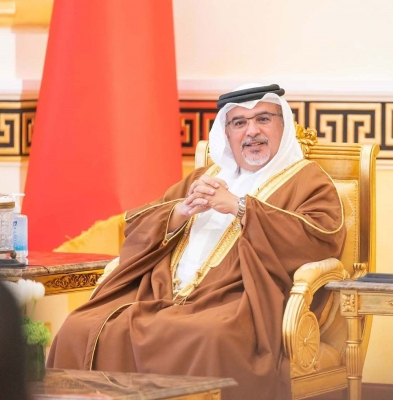
His Royal Highness Prince Salman bin Hamad Al Khalifa, Crown Prince and Prime Minister of the Kingdom of Bahrain, arrived in the Saudi capital, Riyadh, today, accompanied by a high-level official delegation, on a fraternal visit that embodies the strength of the deep-rooted historical ties between the two sister kingdoms.
Upon his arrival at King Khalid International Airport, His Royal Highness Prince Mohammed bin Abdulrahman bin Abdulaziz, Deputy Governor of Riyadh Region, was at the forefront of those welcoming His Highness, reflecting the warm reception and great appreciation the Kingdom holds for its guests from the brotherly Gulf Cooperation Council countries. Also participating in the welcoming ceremony were the Ambassador of the Custodian of the Two Holy Mosques to the Kingdom of Bahrain, Nayef bin Bandar Al-Sudairi, and the Ambassador of the Kingdom of Bahrain to the Kingdom of Saudi Arabia, Sheikh Ali bin Abdulrahman Al Khalifa, in addition to the Acting Regional Police Chief, Major General Mansour bin Nasser Al-Otaibi, the Undersecretary of Royal Protocol, Fahd Al-Sahil, and a number of officials from both sides.
This visit is of particular importance given the overall context of Saudi-Bahraini relations, which serve as an exceptional model of relations between nations, based on a long history of brotherhood, shared destiny, and kinship ties that bind the two brotherly peoples. The visit of the Crown Prince of Bahrain is a continuation of the ongoing consultation and coordination between the leaderships of the two countries on various regional and international issues of mutual interest.
Strategically, the Saudi-Bahraini Coordination Council plays a pivotal role in strengthening bilateral cooperation, with both countries striving, through these reciprocal visits, to advance economic, security, and political integration. These initiatives align with the ambitious development visions of both nations, embodied in Saudi Arabia's Vision 2030 and Bahrain's Economic Vision 2030, reflecting a shared commitment to diversifying income sources and creating promising investment opportunities that benefit the citizens of both countries.
Regionally, such high-level meetings contribute to strengthening the Gulf Cooperation Council's joint action framework and unifying positions on the challenges facing the region, thus bolstering security and stability in the Arabian Gulf. The arrival of Prince Salman bin Hamad in Riyadh today is a further confirmation that relations between Riyadh and Manama are progressing steadily towards greater partnership and integration in all fields.
Politics
The cost of rebuilding Syria: Estimates of $500 billion and investment opportunities
A Syrian official revealed to Akhbar 24 that the cost of rebuilding Syria could reach $500 billion, stressing that the infrastructure needs $100 billion with promising opportunities for investors.
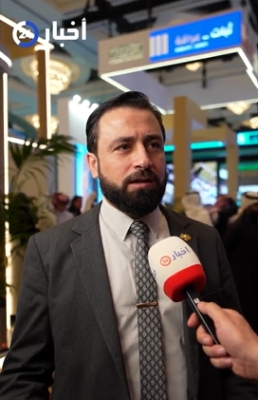
In recent statements highlighting the scale of economic challenges and future opportunities in the region, Syrian Deputy Minister of Local Administration, Zafer al-Omar, revealed huge figures related to the reconstruction file in Syria, indicating that the estimated cost could reach record levels ranging between 300 and 500 billion US dollars.
Timetable and variance of estimates
In an exclusive statement to Akhbar 24, Al-Omar explained that the complex process of rebuilding the real estate sector and the damaged cities could take between three and five years. He emphasized that these timeframes depend on the pace of work and funding, stressing that Syria will emerge stronger than before thanks to the efforts being made and the plans in place.
The Syrian official pointed out that the discrepancy in the estimates of the total cost (between $300 and $500 billion) is due to the enormous scale of the destruction and the different technical assessments of the affected areas, noting a crucial point that the pace of reconstruction of cities and urban centers is usually faster and smoother compared to rural areas, which may require greater logistical efforts.
Infrastructure: The backbone of reconstruction
In detailing the figures, Al-Omar indicated that the cost of rehabilitating the infrastructure alone could reach approximately $100 billion. This includes road networks, electricity, water, and telecommunications—sectors that suffered the most damage during the years of crisis. He emphasized that these figures, despite their enormity, represent fertile ground and an attractive opportunity for Arab and foreign investors, as Syria currently offers vast and unprecedented opportunities in various construction and building sectors.
Context of the crisis and priorities for the next phase
These statements come at a time when Syria is looking to turn the page on a war that has lasted for more than a decade and caused widespread destruction of its infrastructure and economy. Reconstruction is the biggest challenge facing the country in the post-war phase, requiring a massive concerted effort from both local and international actors.
Al-Omar pointed out that the Syrian government has established a clear set of priorities for upcoming projects, giving top priority to essential service sectors that directly impact citizens' lives. This will be followed by a focus on areas that suffered extensive damage from military operations and shelling, specifically in the governorates of Rural Damascus, Aleppo (the country's economic capital), Idlib, Hama, and Homs. Revitalizing these areas means more than just rebuilding infrastructure; it means restarting the economy and enabling residents to return to their homes, which is the cornerstone of restoring the country's social and economic stability.
-

 Local News 7 days ago
Launch of the city's shuttle bus service in Ramadan 1447 AH: Routes and stations
-
Local news one week ago
Rabigh inaugurates the world's largest water innovation oasis and enters the Guinness World Records
-
Culture and Art, 1 week ago
The series "Rouh OFF" was permanently canceled by a decision of the Actors' Syndicate
-
Culture and Art 6 days ago
Yasser Galal and Radwa El Sherbiny: Details of a new artistic project that brings them together
-
Local news one week ago
Schedule of Taraweeh and Tahajjud prayers at the Two Holy Mosques for Ramadan 1447 AH
-
Local News 7 days ago
The Ministry of Education revokes the licenses of 74 private schools due to safety and quality violations
-
Local news one week ago
Saudi Arabia weather: Rain in Riyadh, the Eastern Province, and Qassim, and dense fog
-
Local News 6 days ago
Mohammed Al-Rasasmeh appointed as official spokesperson for the Ministry of Municipalities and Housing


