Politics
The Saudi foreign minister discusses de-escalation with his counterparts in four countries
The Saudi Foreign Minister held telephone talks with his counterparts in Egypt, Turkey, Oman and Pakistan, focusing on regional developments and ways to reduce tension and preserve the security of the region.

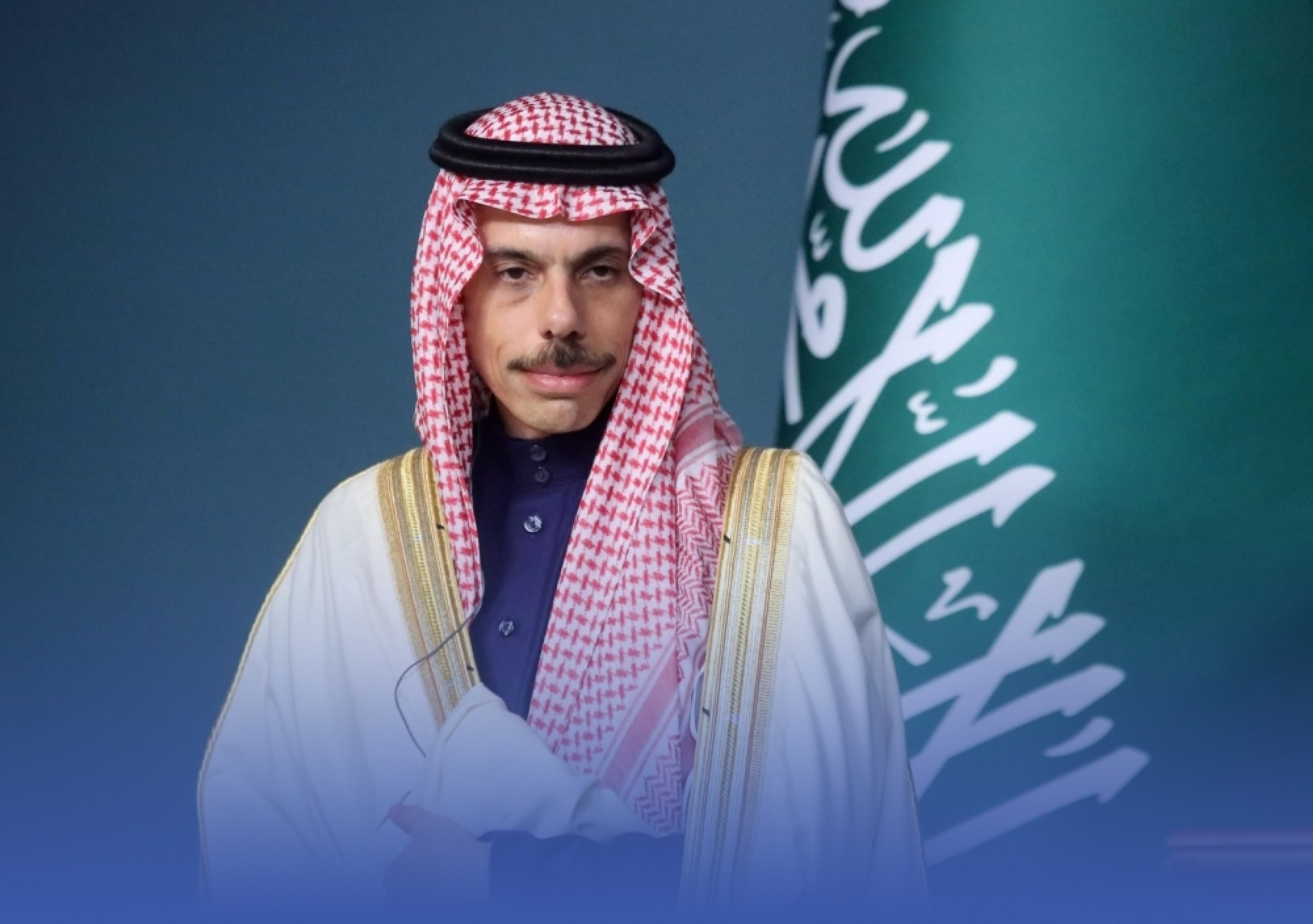
As part of the ongoing diplomatic efforts led by the Kingdom of Saudi Arabia to promote stability in the Middle East, His Highness Prince Faisal bin Farhan bin Abdullah, Minister of Foreign Affairs, today received a series of telephone calls from his counterparts in four key countries, including the Arab Republic of Egypt, the Sultanate of Oman, the Republic of Turkey, and the Islamic Republic of Pakistan.
His Highness the Foreign Minister began his diplomatic activities by receiving a telephone call from the Minister of Foreign Affairs, Immigration, and Egyptian Expatriates Affairs, Dr. Badr Abdel-Aty. The call focused on reviewing the deep-rooted fraternal relations between the two brotherly countries, which are a cornerstone of Arab national security. The two sides also discussed the latest developments in the region, in light of the ongoing coordination between Riyadh and Cairo on critical issues of concern to the Arab nation.
In a related development, Prince Faisal bin Farhan discussed regional developments and efforts to address them during a telephone call with the Omani Foreign Minister, Mr. Badr bin Hamad Al Busaidi. This call underscores the depth of Gulf relations and the shared destiny of the GCC states, as well as the importance of ongoing coordination to confront the growing challenges in the region.
His Highness also received a telephone call from the Turkish Foreign Minister, Mr. Hakan Fidan, during which they discussed regional developments and international efforts to contain them. These talks reflect the remarkable progress in Saudi-Turkish relations and the two countries' commitment to ongoing consultations to ensure regional security and prevent further conflicts.
Regarding relations with major Islamic countries, the Foreign Minister discussed the rapidly evolving situation in the region during a telephone call with the Deputy Prime Minister and Foreign Minister of Pakistan, Mr. Muhammad Ishaq Dar. The two sides discussed ways to de-escalate tensions in order to preserve regional security and stability, building upon the historical and strategic relationship between the Kingdom and Pakistan.
These contacts are of paramount importance at this time, given the geopolitical turmoil in the region, which necessitates concerted international and regional efforts. These intensive discussions underscore the leading role played by the Kingdom of Saudi Arabia in pursuing de-escalation, prioritizing dialogue, and working diligently with regional and international partners to defuse crises and achieve international peace and security.




Politics
The Organization of Islamic Cooperation rejects annexation and affirms the unity of Palestinian territories
The Organization of Islamic Cooperation's statement from Jeddah affirms the centrality of the Palestinian cause, rejects settlement activity and Israeli decisions, and calls for a ceasefire in Gaza and the protection of UNRWA.
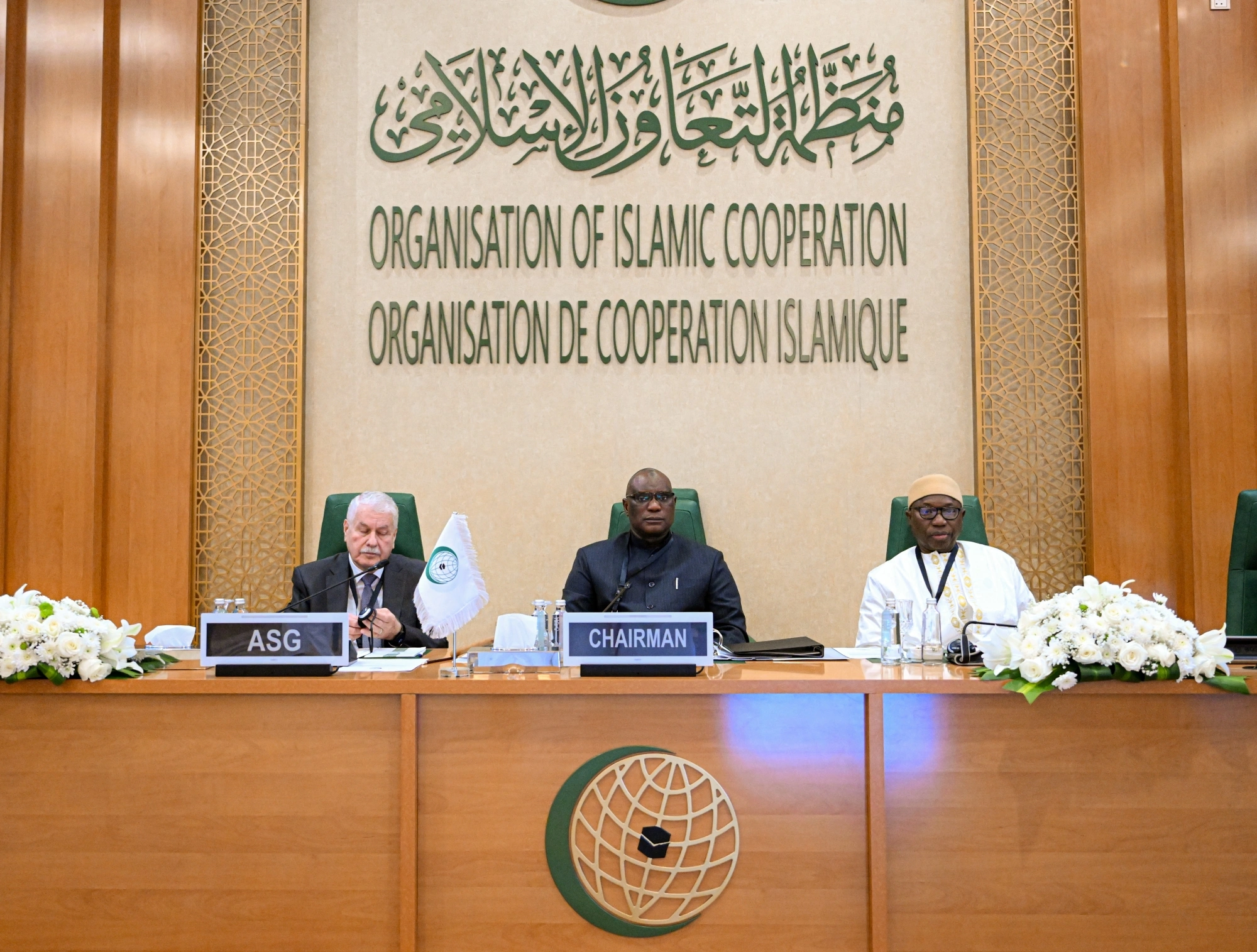
At the conclusion of its extraordinary meeting of foreign ministers held in Jeddah, the Organization of Islamic Cooperation (OIC) reaffirmed the firm and unwavering position of its member states regarding the centrality of the Palestinian cause, stressing its categorical rejection of all Israeli measures aimed at changing the legal and historical status of the occupied territories, including attempts to strengthen settlement activity and impose alleged sovereignty over the West Bank and Jerusalem.
The centrality of the issue and historical responsibility
This meeting comes at a highly sensitive time for the region, serving as a reminder of the foundational role of the organization, which was established primarily to defend Jerusalem. The ministers reaffirmed the political, legal, and moral responsibility of the Islamic world to stand in full solidarity with the Palestinian people, guided by the principles of the UN Charter, which criminalizes the acquisition of territory by force.
The final statement stressed that Palestinian rights are inalienable, foremost among them the right to self-determination, the right of return, and the realization of the independence of a sovereign State of Palestine on the borders of June 4, 1967, with East Jerusalem as its capital, as the fundamental pillar of any just and comprehensive peace in the region.
Rejection of unilateral actions and provocative statements
The meeting condemned in the strongest terms the escalating steps taken by Israel, the occupying power, to impose a new colonial reality through settlement expansion and the deepening of its policies of Judaization and land confiscation. The organization deemed these measures “null and void” under international law and considered them war crimes that threaten international peace and security.
In a related context, the organization condemned recent statements by the US Ambassador to Israel, Mike Huckabee, and the steps taken to provide consular services to settlers in the West Bank. The statement emphasized that such actions constitute a violation of the Vienna Convention on Consular Relations and a direct endorsement of the illegal settlement project, stressing that they will not alter the legal status of the occupied territory.
Palestinian land unity and support for Gaza
The organization unequivocally affirmed the unity of the Palestinian territory as a single, indivisible geopolitical entity, encompassing the Gaza Strip, the West Bank, and Jerusalem. The meeting called for an immediate and comprehensive ceasefire in the Gaza Strip, a complete Israeli withdrawal, and the facilitation of unhindered humanitarian access, declaring the organization's full support for the State of Palestine in its recovery and reconstruction plans.
The participants also renewed their support for the United Nations Relief and Works Agency for Palestine Refugees (UNRWA), condemning the Israeli attacks and measures against it, and calling on the international community to provide the necessary financial and political support for the continuation of its vital work.
Regional and international dimensions
The meeting did not overlook the escalating tensions in the Middle East, with ministers expressing grave concern over the rhetoric of confrontation and threats of force, including those related to Iran. The statement emphasized that dialogue and diplomacy are the only path to achieving lasting security, warning that any military escalation would have disastrous consequences for the global economy and energy security.
In conclusion, the organization welcomed the diplomatic efforts aimed at reducing the escalation, appreciating the role of mediating countries such as the Kingdom of Saudi Arabia, the Sultanate of Oman, Qatar, Egypt, and Turkey, and affirming its determination to take all legal and political measures in international forums, including the Security Council and the International Court of Justice, to hold the occupation accountable and end the era of colonialism.
Politics
Mohammed bin Salman and Starmer discuss strengthening Saudi-British relations
Crown Prince Mohammed bin Salman received a call from British Prime Minister Keir Starmer, during which they reviewed bilateral relations and ways to strengthen the strategic partnership between the two countries.
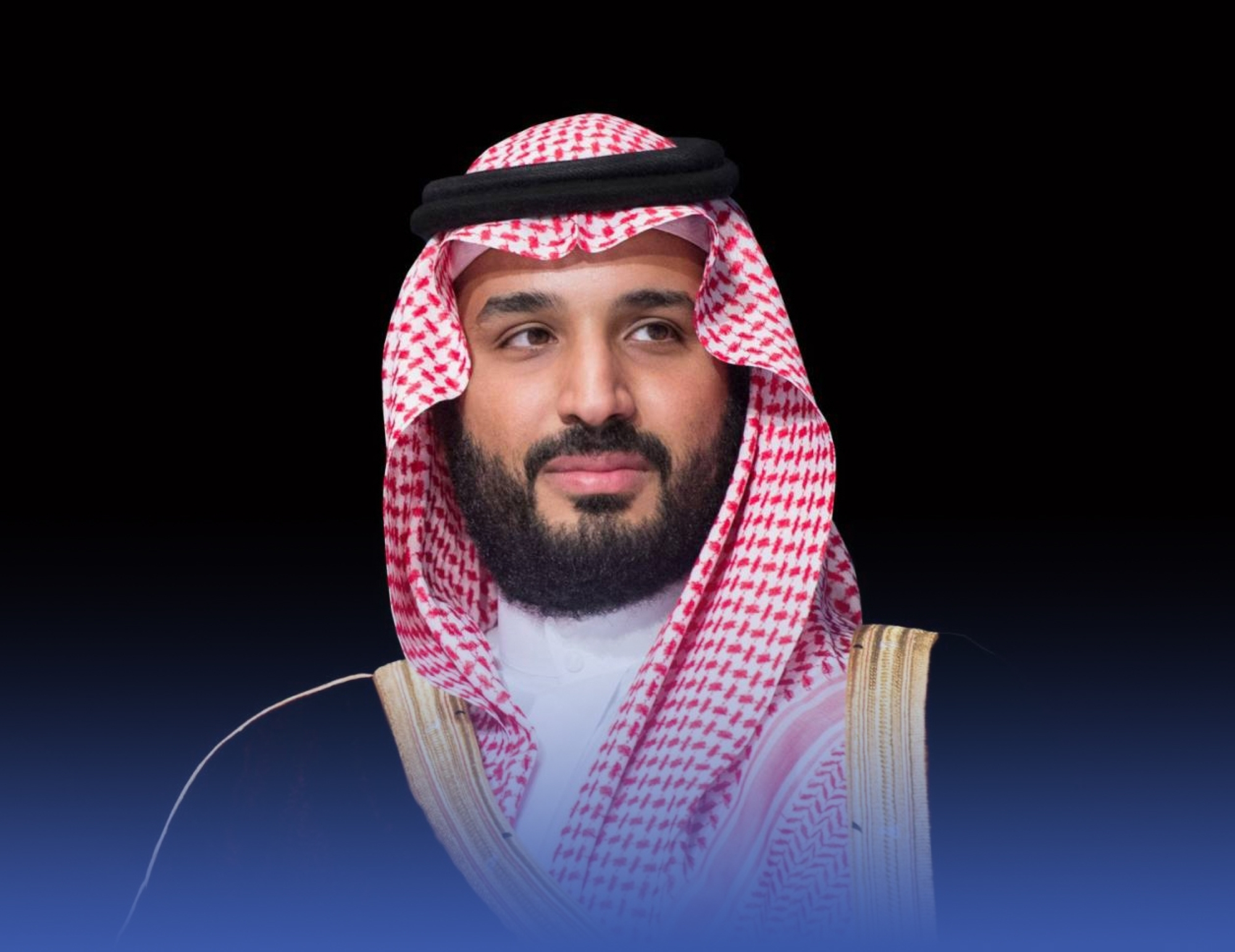
His Royal Highness Prince Mohammed bin Salman bin Abdulaziz Al Saud, Crown Prince and Prime Minister, received a telephone call today from the Right Honourable British Prime Minister Keir Starmer. This call comes within the framework of ongoing communication between the leaderships of the two friendly countries to enhance joint coordination in various fields.
During the call, the two sides reviewed the distinguished bilateral relations between the Kingdom of Saudi Arabia and the United Kingdom, discussing areas of bilateral cooperation and mechanisms for strengthening them in a way that serves the common interests of the two friendly nations. The call also addressed a number of regional and international issues of mutual concern, and the efforts being made to promote security and stability.
The depth of historical relations and strategic partnership
Saudi-British relations are based on a long historical legacy spanning more than a century and are characterized by a strategic nature encompassing various political, economic, and security spheres. The two countries work diligently through the Saudi-British Strategic Partnership Council to align their shared objectives. The United Kingdom is a key partner for the Kingdom in its development journey, while Saudi Arabia represents a fundamental pillar of economic and political stability in the Middle East region.
Prospects for cooperation under Vision 2030
Cooperation between Riyadh and London is gaining further momentum under Saudi Arabia’s Vision 2030, which opens up vast opportunities for investment and economic partnerships. British companies are eager to contribute to the Kingdom’s mega-projects, particularly in the renewable energy, technology, financial services, infrastructure, and tourism sectors. This engagement reflects the commitment of British Prime Minister Keir Starmer and his government to sustaining and developing this fruitful economic partnership and capitalizing on the promising opportunities offered by the growing Saudi economy.
Coordinating positions on international issues
Internationally, both Saudi Arabia and the United Kingdom play pivotal roles within the G20, making coordination between them vital for addressing global challenges. This call underscores the importance of ongoing consultations between the Crown Prince and the British Prime Minister on pressing issues, including global energy security, counterterrorism, and working towards the peaceful resolution of conflicts, thus reinforcing the two countries' role as influential players in international decision-making.
Politics
Pakistan declares open war on Afghanistan and bombs Kabul
In a dangerous escalation, the Pakistani Defense Minister has declared open war on Afghanistan. Read about the airstrikes on Kabul and Kandahar and the background to the escalating conflict between the two neighbors.
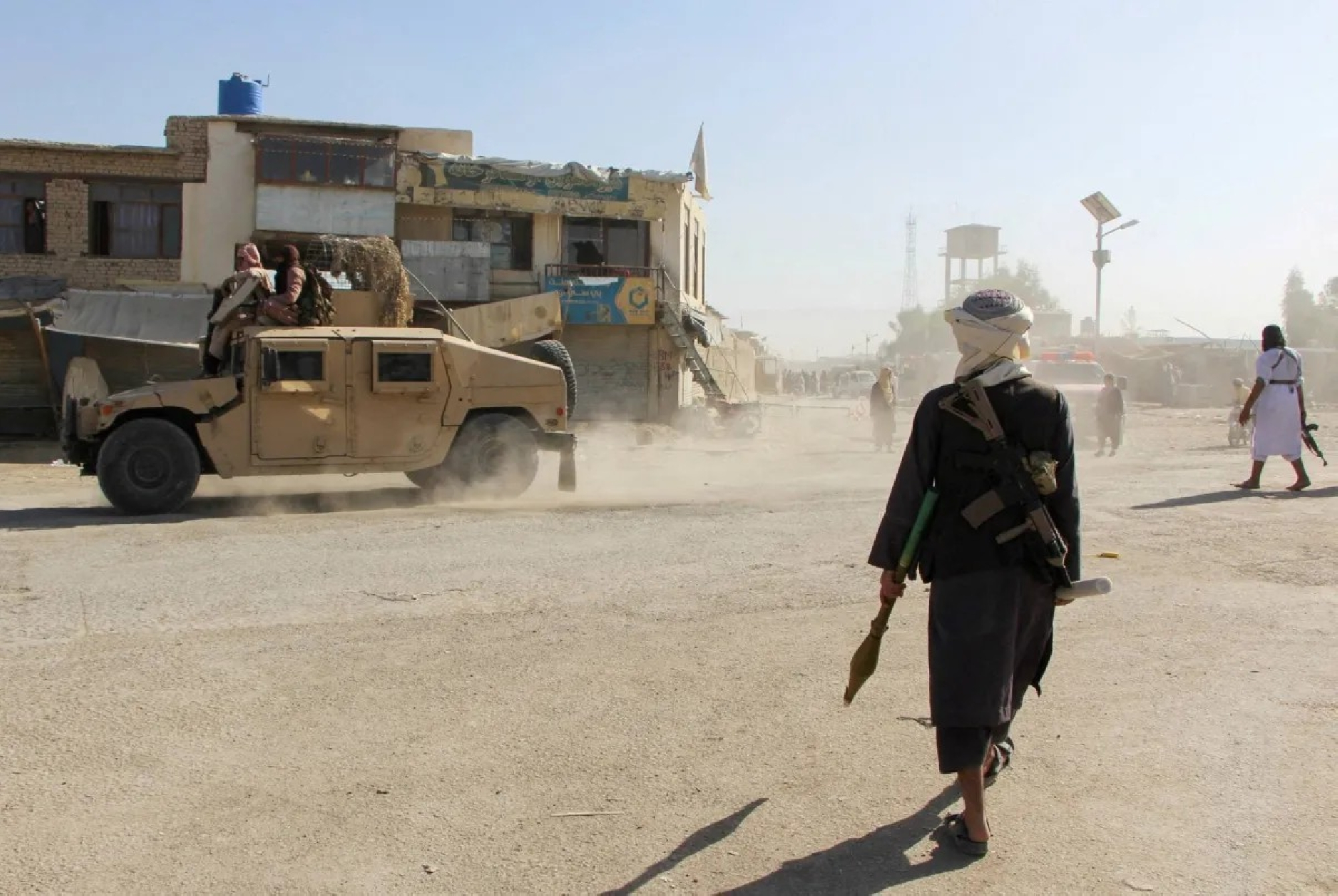
In a dangerous strategic shift that threatens to reshape the security landscape in South Asia, Pakistani Defense Minister Khawaja Asif officially declared "open war" with the Taliban-led Afghan government. This announcement marks the culmination of escalating tensions between the two nuclear-armed neighbors and comes in response to a series of deadly attacks targeting Pakistani territory, prompting Islamabad to fundamentally alter its rules of engagement.
Details of the airstrikes and the declaration of war
The explicit announcement came via the "X" platform, where Minister Asif confirmed his country's strategic impatience with what he described as continued provocations from the Afghan side, declaring in a decisive tone: "Now it is open war between us and you." The response on the ground was swift, as violent explosions rocked the Afghan capital, Kabul, on Friday, amid heavy fighter jet activity, anti-aircraft fire, and gunfire, triggering panic among the civilian population.
In an official confirmation of the operations, Pakistani Information Minister Attaullah Tarar explained that the Pakistani Air Force had carried out precision strikes targeting specific locations in Kabul, Kandahar, and Paktia. Tarar indicated that these operations were a necessary defensive measure in response to attacks launched by elements within Afghan territory against Pakistani military installations, emphasizing that the targets struck belonged to the Taliban and were being used to threaten Pakistan's security.
Roots of the conflict: From "strategic depth" to open hostility
To understand the gravity of this escalation, one must consider the complex historical context of relations between the two countries. Pakistan has long viewed Afghanistan as its strategic depth, and Islamabad hoped that the Taliban's return to power in August 2021 would secure Pakistan's western border. However, the opposite has occurred; Islamabad accuses Kabul of providing safe havens for fighters of the Pakistani Taliban (TTP), who have intensified their suicide and military attacks against the Pakistani army—an accusation the Taliban government consistently denies.
The Durand Line also stands out as one of the most prominent points of historical contention; this border line, drawn by British colonialism, is not recognized by successive Afghan governments, including the current Taliban government, making the border areas a constant source of tension and frequent clashes. However, the development of the matter to the bombing of capitals by warplanes is a rare precedent.
Potential regional and international repercussions
This military escalation has alarming repercussions that extend far beyond the borders of these two countries. Regionally, this conflict is putting the entire region on a knife's edge, with observers fearing that the instability could trigger new waves of Afghan refugees fleeing to Pakistan and Iran, exacerbating the humanitarian and economic crisis. Furthermore, the resulting security vacuum could be exploited by other extremist groups, such as the Islamic State – Khorasan Province (ISIS-K), to expand their influence and launch cross-border attacks.
Internationally, the international community, particularly the major powers involved in counterterrorism efforts, is watching this development with grave concern. The shift from border skirmishes to open warfare between a powerful regular army and irregular forces experienced in guerrilla warfare could drag the region into a protracted conflict, threatening regional infrastructure and economic projects and reshuffling the security landscape in Central and South Asia.
-
Local news one week ago
Human Resources sets the date for the 2026 Founding Day holiday for both sectors
-

 Culture and Art, 1 week ago
The ban on the Hamdiya series in Iraq: Reasons and official response
-
Sports one week ago
Al-Shabab crushes Hadramout Solidarity 13-0 and qualifies for the Gulf Cup semi-finals
-
Sports one week ago
Club Brugge vs Atletico Madrid: Match date and Champions League play-off details
-
Local News 4 days ago
The Ministry of Interior begins procedures for a royal pardon for common law prisoners
-
Culture and Art, 1 week ago
Ramez Level the Monster promo: Prank details and list of victims this Ramadan
-
Culture and Art, 1 week ago
The series "Taht El Ard" (Underground) has been postponed and will not air during Ramadan 2026
-
Reports one week ago
King Salman Relief Center's Ramadan aid includes 9 countries