
Politics
Saudi Arabia and Bahrain: A prosperous era between two kings and distinguished relations
The sisterly Kingdom of Bahrain celebrates today (Monday) December 16 the 53rd anniversary of its National Day, and the people of Bahrain continue under the leadership of


The sisterly Kingdom of Bahrain celebrates today (Monday) December 16 the 53rd anniversary of its National Day, and the people of Bahrain, under wise leadership, continue the journey of building, renaissance and development in all fields.
The Kingdom, government and people, shares with their brothers in the Kingdom of Bahrain feelings of pride in what has been accomplished and achieved, which highlights the depth of relations that extend over many decades between the two countries at the level of the two leaderships and the two brotherly peoples.
This distinguished fraternal relationship between the Kingdom of Saudi Arabia and the Kingdom of Bahrain is confirmed by the historic official visits between the two brotherly countries, leading up to the prosperous era of the Custodian of the Two Holy Mosques, King Salman bin Abdulaziz, and his brother, the King of the Kingdom of Bahrain, King Hamad bin Isa Al Khalifa.
Since its independence in 1971, the Kingdom of Bahrain has witnessed a comprehensive renaissance in all economic, educational, health and other developmental fields, and has established a modern and diversified economic structure that has strengthened its position as a major commercial, financial and tourist center in the region.
The foreign policy of the Kingdom of Bahrain is based on sound principles, including affirming its sovereignty, independence, and territorial integrity at the regional, Arab, and international levels, as well as maintaining and protecting its strategic, political, and economic interests abroad and defending them, developing, promoting, and strengthening ties and relations with all Arab and international countries and bodies, representing it in Arab and international forums, and supporting the just causes of the Arab and Islamic nations, foremost among them the cause of Palestine and Jerusalem.
The Kingdom of Bahrain continued its foreign policy to strengthen relations with various countries around the world and to extend bridges of friendship and cooperation with various peoples in a way that benefits the nation and the Bahraini citizen.
In domestic affairs and in order to strengthen the development process, the Kingdom of Bahrain has charted its reformist approach emanating from the spirit of the law and the constitution, and has worked to modernize legislation and laws to keep pace with the modern democratic process, and has achieved rapid development and sustainable development over the past five decades, as it has become a major commercial and financial center and an attraction for foreign capital, and its economic plans have been based on a specific vision.
The Bahrain Economic Vision 2030, launched in 2008, outlines a comprehensive plan for the development process in the Kingdom of Bahrain, based on three principles: sustainability, competitiveness, and fairness. It aims to establish a clear approach to economic development, focusing on the main objective of improving the living standards of all citizens.
Modern lifestyle and economic competitiveness
Bahrain considers foreign investment a key element of its Economic Vision 2030, a long-term plan to improve the competitiveness of its economy, create job opportunities for its skilled workforce, and improve the standard of living for its citizens. This explains Bahrain's commitment to building on its existing advantages to make the Middle East a more attractive business hub.
In addition to cost, competitiveness, easy access to the rest of the Middle East region and robust commercial infrastructure, the Kingdom of Bahrain has extensive experience in understanding and responding to the needs of foreign companies.
The Kingdom of Bahrain has strengthened its success in providing suitable housing for citizens and establishing new and sustainable urban communities through 8 residential cities, including: Isa Town, Hamad Town, and Zayed Town, which were launched since the launch of social housing projects for low-income people in the 1960s, and the launch of 5 cities, namely: Salman Town, Khalifa Town, East Hidd Town, East Sitra Town, and Ramli Suburb, where citizens were housed in the first phases within the framework of the Royal Decree to build 40,000 housing units.
These housing cities constitute a model for sustainable urban, architectural and developmental progress, as they are characterized by the availability of modern quality of life components, including infrastructure, communications and transportation networks, facilities and services, while preserving environmental and heritage aspects.
Tourism development and investor incentives
According to the official website of the Government of the Kingdom of Bahrain, the total population is 1,577,059 people, according to the 2023 census.
In the tourism sector, the Kingdom of Bahrain, represented by the Bahrain Tourism and Exhibitions Authority, is striving to develop and elevate the tourism sector to increase its contribution to the national economy. Developing the tourism sector in Bahrain is among the priorities of the government's work program, which works to incentivize investors by providing an environment conducive to tourism projects, and to stimulate the private sector, which supports its efforts in promoting the country as a tourist destination. The Kingdom of Bahrain is working within an integrated system of plans and programs to increase the benefit from the tourist attractions it possesses, whether historical or modern, in its belief in the importance of tourism development as one of the most important pillars of the process of civilizational development in its comprehensive sense, and the extent of this vital sector's ability to increase the national product, the income of individuals, and diversify economic activity.
4 Foundations of a Tourism Strategy
Bahrain’s new tourism identity was launched based on four pillars of the tourism sector development strategy: First, developing access points such as the King Fahd Causeway, Bahrain International Airport, and Khalifa Bin Salman Port, in addition to developing marine facilities to attract private yachts from neighboring countries; Second, attracting tourists by holding permanent events in Bahrain and developing the Bahrain Exhibition Centre to accommodate a larger number of events; Third, developing tourist accommodation facilities, whether hotels, furnished apartments, or residential apartments, and studying the establishment of a private institute for hospitality; and Fourth, placing the Gulf tourist at the forefront of its concerns and revitalizing family tourism, and then expanding the circle to attract tourists from other countries.
Supporting national talents and energies
The Bahrain Authority for Culture and Antiquities, in partnership with national institutions, the private sector, and civil society, places significant emphasis on supporting cultural initiatives, creating the necessary conditions and resources to preserve tangible and intangible cultural heritage, developing cultural infrastructure, and nurturing national talents and capabilities. This aligns with the government's work program, the economic vision, and the Sustainable Development Goals 2030. The Kingdom of Bahrain has also acceded to numerous international cultural agreements, including UNESCO conventions on the protection and promotion of the diversity of cultural expressions, the safeguarding of intangible cultural heritage, the 1973 Convention for the Safeguarding of the Intangible Cultural Heritage, and the 2014 Convention for the Protection of Underwater Cultural Heritage, among others. The Kingdom boasts several archaeological sites, such as the Bahrain Fort site, the Sheikh Salman bin Ahmed Al Fateh Fort in Riffa, Arad Fort, and Bu Maher Fort in Muharraq. It also features national museums, including the Bahrain National Museum, the first museum established in the Arabian Gulf region in 1988, the Bahrain Fort Site Museum (2008), the Postal Museum, and others.
Special attention given to women and youth
In the field of women, the Kingdom of Bahrain pays special attention to ensuring that educated women have a role in urban development, which represents the clearest representation of the interdependence and integration between the different dimensions of sustainable development. The Supreme Council for Women works through its plans that focus on integrating women’s needs and ensuring gender balance, by ensuring that this is applied realistically and through quantitative and qualitative measurements that are announced periodically in reports dedicated to this matter.
In affirmation of its commitment to the youth sector, the Kingdom of Bahrain has worked to support, empower, and develop their cognitive and professional capabilities, and to promote their positive participation in all aspects of life, believing that they are the true wealth of the nation and the cornerstone of construction, security, stability, civilizational progress, and sustainable development
Interest in renewable and alternative energy
The Kingdom of Bahrain has prioritized renewable and alternative energy sources, ensuring the optimal utilization of its climatic conditions and leveraging the comparative advantage offered by solar energy. This commitment, in turn, contributes to environmental protection efforts alongside other state entities, reaffirming the country's dedication to achieving the Sustainable Development Goals. This focus on clean energy projects began with Bahrain's membership in the International Renewable Energy Agency (IRENA) since its establishment in 2009. Bahrain participated in IRENA's tenth conference held in Abu Dhabi. Furthermore, the establishment of a Sustainable Energy Unit in 2013 has contributed to raising awareness of renewable energy sources, which are characterized by their lower cost, greater resilience to climate change, and their ability to meet development needs and keep pace with the global shift towards investment in alternative energy.
Securing the needs of the labor market
In the labor sector in the Kingdom of Bahrain, the issue of unemployment has received significant attention from the government, which has taken steps to implement its strategy aimed at absorbing the influx of graduates in the medium and long term. This follows the government's success in recent years in maintaining unemployment rates within safe limits by ensuring the labor market's needs are met with qualified personnel and supporting policies to improve productivity in private sector establishments. The health sector has also received special attention, with the establishment and development of numerous health centers and hospitals, and the introduction of health services that contribute to improving healthcare and providing medicines and skilled specialists in all fields, thus ensuring a safe and healthy life for every citizen and resident.




Politics
Saudi Investment Minister arrives in Damascus to sign strategic contracts
Saudi Investment Minister Khalid al-Falih arrives in Damascus at the head of a high-level delegation to sign contracts in aviation, communications and infrastructure, to strengthen economic cooperation between Saudi Arabia and Syria.
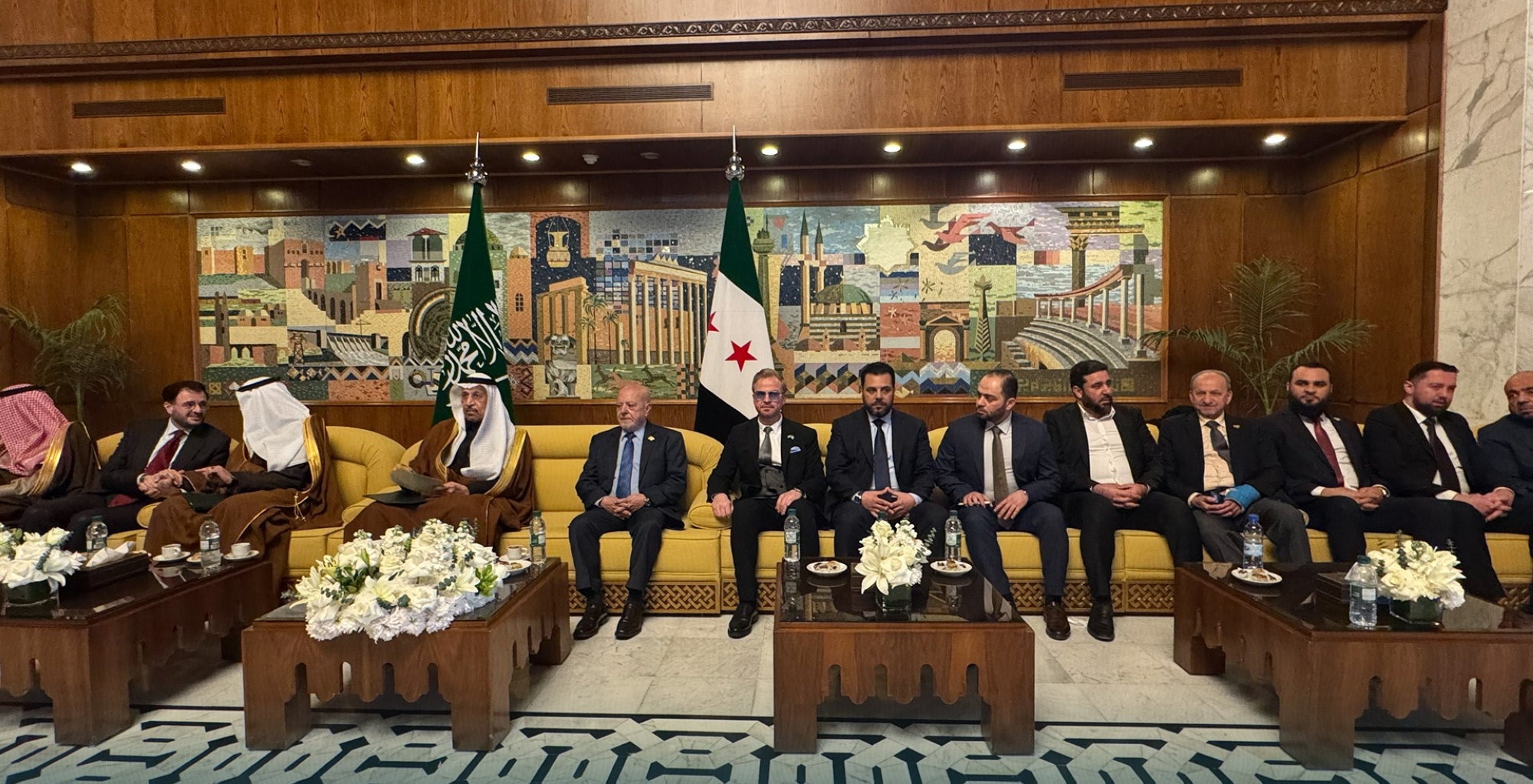
In a move reflecting the accelerating pace of economic cooperation between the Kingdom of Saudi Arabia and the Syrian Arab Republic, a high-level Saudi delegation, headed by Minister of Investment Khalid Al-Falih, arrived in Damascus on Saturday morning. This official visit marks the beginning of a new phase of practical partnership, aiming to translate bilateral understandings from discussions into concrete implementation through the signing of a series of strategic contracts.
Quality contracts in vital sectors
The visit is expected to witness the announcement of a package of agreements and contracts between major Saudi companies and Syrian government entities. According to available information, these contracts will primarily focus on vital sectors that are central to the economy and development, most notably the civil aviation sector, the telecommunications and information technology sector, as well as infrastructure projects and development initiatives. These sectors are considered essential for creating a favorable investment climate and revitalizing the Syrian economy, thus opening up significant opportunities for the Saudi private sector to actively contribute to reconstruction and development projects.
Context of the visit: The fruits of resuming diplomatic relations
This visit cannot be viewed in isolation from the political and diplomatic context of the past two years. These economic moves are a direct result of the resumption of diplomatic relations between Riyadh and Damascus and Syria's return to its seat in the Arab League. Minister Al-Falih's visit builds upon a series of meetings and economic forums held last year, which paved the way for removing obstacles for investors and activating joint committees, thus underscoring the commitment of both sides to building sustainable strategic relations.
Economic and regional dimensions of joint cooperation
This visit carries significant economic implications both locally and regionally. For the Kingdom, this move aligns with the goals of Vision 2030, which seeks to boost foreign investment and diversify economic partnerships in the region. For Syria, attracting high-quality Saudi investments represents a lifeline for the local economy and a crucial step toward improving basic services and developing its dilapidated infrastructure.
The visit's agenda includes a series of closed and expanded meetings with senior Syrian officials to explore broader avenues for cooperation and discuss legislative and regulatory frameworks that guarantee investment protection and provide a stimulating business environment. These ongoing efforts underscore the strategic partnership between the two countries and their shared desire to achieve economic integration that benefits both nations and enhances regional stability and prosperity.
Politics
Peace Council meeting on Gaza in Washington: Details of the upcoming summit
The White House plans to hold the first meeting of the Peace Council on Gaza on February 19. Learn about the summit details, reconstruction plans, and the anticipated meeting between Trump and Netanyahu.
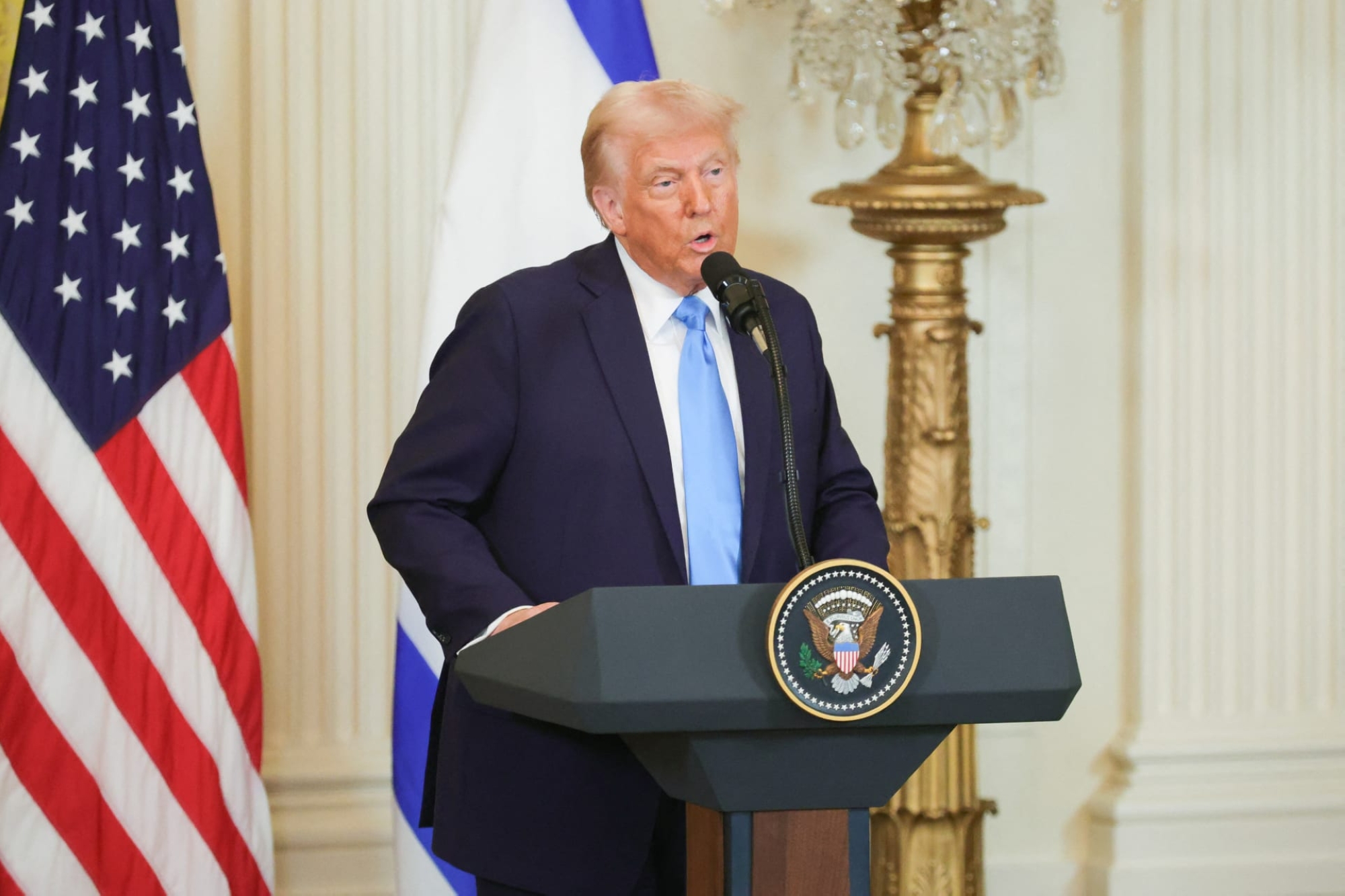
Diplomatic sources and US officials have revealed intensive efforts within the White House to convene the first high-level meeting of leaders of the "Peace Council," an international initiative launched by US President Donald Trump, to discuss the future of the Gaza Strip. Washington, D.C., is scheduled to host this important event on February 19, amid international anticipation of its outcomes.
Meeting agenda: Between interim governance and reconstruction
According to Axios, citing a US official and diplomats from four Security Council member states, the plans are still being finalized, but the primary objective of the meeting extends beyond political coordination to include transforming it into an international fundraising conference. This move aims to secure the necessary funding for the comprehensive reconstruction of Gaza, which has been devastated by the ongoing war since late 2013.
The meeting is scheduled to take place at the United States Institute of Peace in Washington. This summit is particularly significant as it comes on the heels of a planned meeting between US President Donald Trump and Israeli Prime Minister Benjamin Netanyahu at the White House on February 18, suggesting prior coordination of positions before meeting with the other members of the Security Council.
Context of the initiative and international controversy
These moves come in the context of President Trump's initiative, launched in late January, to establish a "Peace Council" under his leadership, with the stated goal of resolving global conflicts. This step has sparked widespread controversy in international political circles, with experts and observers expressing concern that this new entity could marginalize the role of the United Nations and undermine traditional international institutions.
On the diplomatic front, the invitation to join the council has been met with mixed reactions. While some of Washington’s allies in the Middle East have rushed to engage in the initiative, many Western countries and traditional US allies remain cautious and have not yet announced their participation, reflecting a state of anticipation regarding the nature of the role this council will play.
Human rights criticisms and the deteriorating situation on the ground
Under the vision Trump presented for Gaza late last year, the council is supposed to oversee the interim governance of the territory. This vision has faced sharp criticism from human rights experts, who described the supervision of a territory's affairs by an external council without representation for its people as resembling a "colonial structure," especially given the absence of any Palestinian representation within the council's composition.
On the ground, this meeting is taking place amidst a catastrophic humanitarian and security situation. The fragile ceasefire has been repeatedly violated, with more than 550 Palestinians and four Israeli soldiers killed since the truce began in October. Statistics indicate that the Israeli offensive, which began in late 2013, has killed more than 71,000 Palestinians, caused the complete displacement of the Gaza Strip's population, and created a severe hunger crisis, making reconstruction and relief efforts an existential challenge that cannot be postponed.
Politics
Al-Wasel: Vision 2030 promotes social empowerment and quality of life globally
Ambassador Abdulaziz Al-Wasil presented to the United Nations the Kingdom’s efforts through Vision 2030 in social development, youth empowerment, and initiatives to support families and those with limited income.
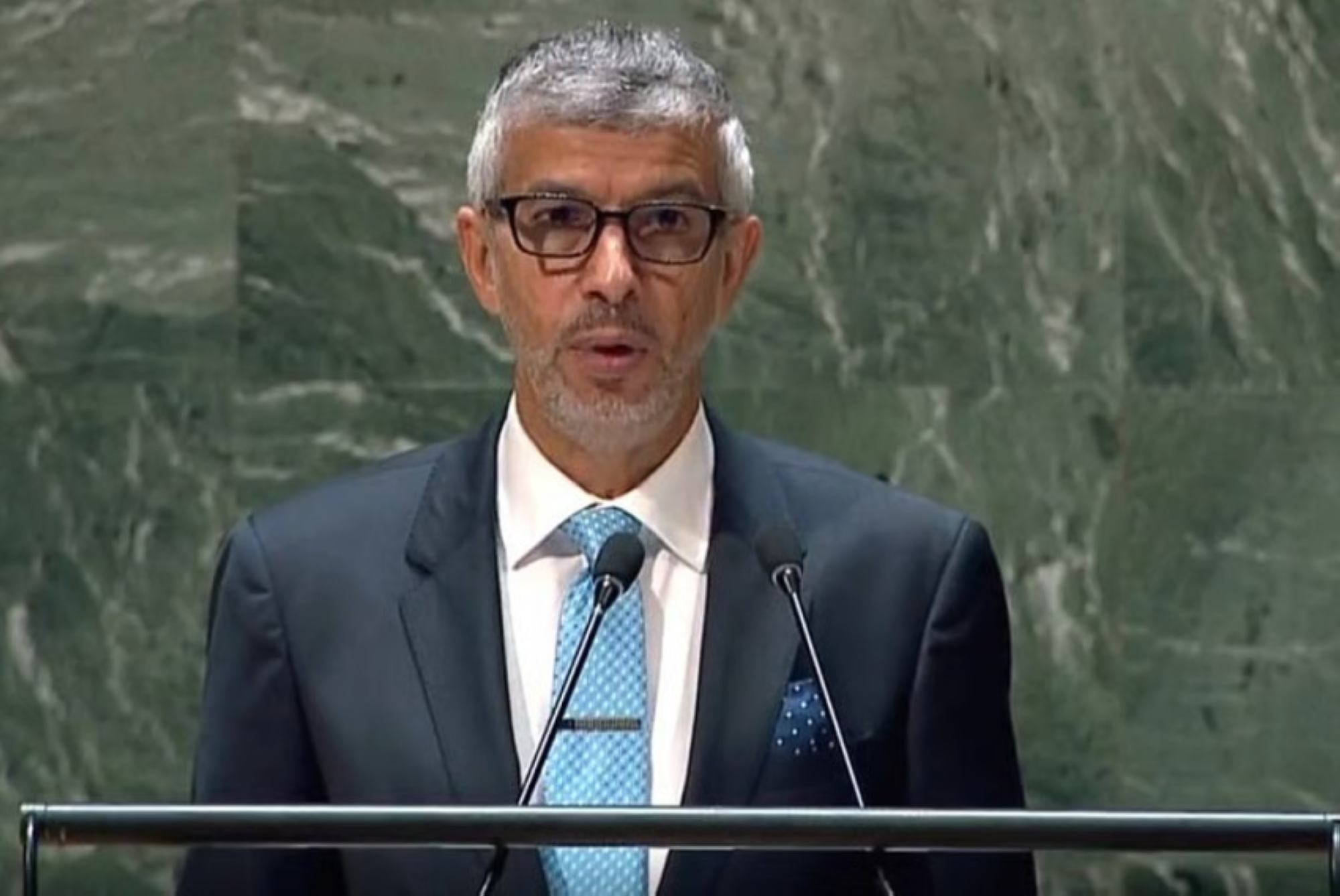
The Permanent Representative of the Kingdom of Saudi Arabia to the United Nations, Ambassador Dr. Abdulaziz Al-Wasil, affirmed that the Kingdom is moving steadily towards achieving a comprehensive social renaissance, stressing that the Kingdom’s Vision 2030 is not just an economic plan, but rather an integrated national framework that places the human being at the heart of development, and aims primarily to improve the quality of life and enshrine the principles of inclusion and empowerment for all segments of society.
International commitment and sustainable development
This came in the Kingdom's statement delivered by Ambassador Al-Wasil during the proceedings of the United Nations Commission for Social Development, where he explained that the Kingdom continues to align its national policies and legislation with the ambitious goals of its Vision 2030. He noted that this alignment aims to strengthen family ties, improve healthcare and social welfare systems, and support sustainable development initiatives, reflecting the Kingdom's firm commitment to actively participating in the implementation of the Commission's action plans and enhancing global cooperation to achieve social justice.
Context of national transformation and youth empowerment
In the context of the fundamental transformations taking place in the Kingdom, this speech reflects the qualitative shift since the launch of Vision 2030 in 2016, which moved the focus from traditional patronage to genuine empowerment. The Kingdom's representative emphasized his country's adoption of a participatory, evidence-based approach to youth policies. This is demonstrated by formulating public policy for youth development with broad participation from young people themselves, enhancing the effectiveness of these policies and ensuring their relevance to real needs, thus solidifying the role of youth as true partners in shaping the future and leading change.
Family and elderly care: a top priority
Al-Wasel reviewed the ongoing efforts to enhance family and elderly care, which included enacting specialized legislation and launching impactful initiatives such as the "Privilege Card" for senior citizens, and adopting a national family strategy. He also noted the development of precise standards for family counseling, reflecting the Kingdom's commitment to strengthening family cohesion, protecting the most vulnerable groups, and providing supportive environments that ensure the dignity and independence of senior citizens, in recognition of their status and role in society.
From Pastoral to Developmental: Empowerment Clinics
On a crucial socio-economic front, the Permanent Representative emphasized the importance of empowering low-income groups, noting the strategic shift in support programs through the training and employment of social security beneficiaries. He highlighted the establishment of the "Empowerment Clinics" , which aims to provide integrated social and economic interventions that contribute to raising the efficiency of beneficiaries and enhancing their self-reliance, thereby achieving economic and social stability for families and moving them from a state of need to one of productivity.
Al-Wasel concluded his speech by emphasizing the Kingdom’s continued support for international efforts related to social development, strengthening partnerships and exchanging experiences, in order to achieve the Committee’s goals and enhance the paths of social justice and sustainable development at the global level.
-

 Local news one week ago
Ramadan 2026 discounts in Saudi Arabia: Offers valid for 54 days
-
Culture and Art, 1 week ago
The death of artist Huda Shaarawi “Umm Zaki” and her funeral in Damascus
-
Technology one week ago
ICAN 2026 Conference Conclusion: Initiatives to Enhance Saudi Arabia's Leadership in Artificial Intelligence
-
Local News 3 days ago
Launch of the city's shuttle bus service in Ramadan 1447 AH: Routes and stations
-
Culture and Art, 1 week ago
Huda Shaarawi: Farewell to “Umm Zaki,” the icon of Syrian drama
-
Culture and Art, 1 week ago
The murder of Huda Shaarawi, "Umm Zaki": Details of the crime and its impact
-
Local News 5 days ago
Rabigh inaugurates the world's largest water innovation oasis and enters the Guinness World Records
-
Culture and Art 4 days ago
The series "Rouh OFF" was permanently canceled by a decision of the Actors' Syndicate


