
Politics
Obama attacks Trump over monkey video: Shameless
Obama criticized the lack of political decency after Trump's account posted a video depicting him and his wife as monkeys, calling the behavior disturbing and warning of its impact on the midterm elections.

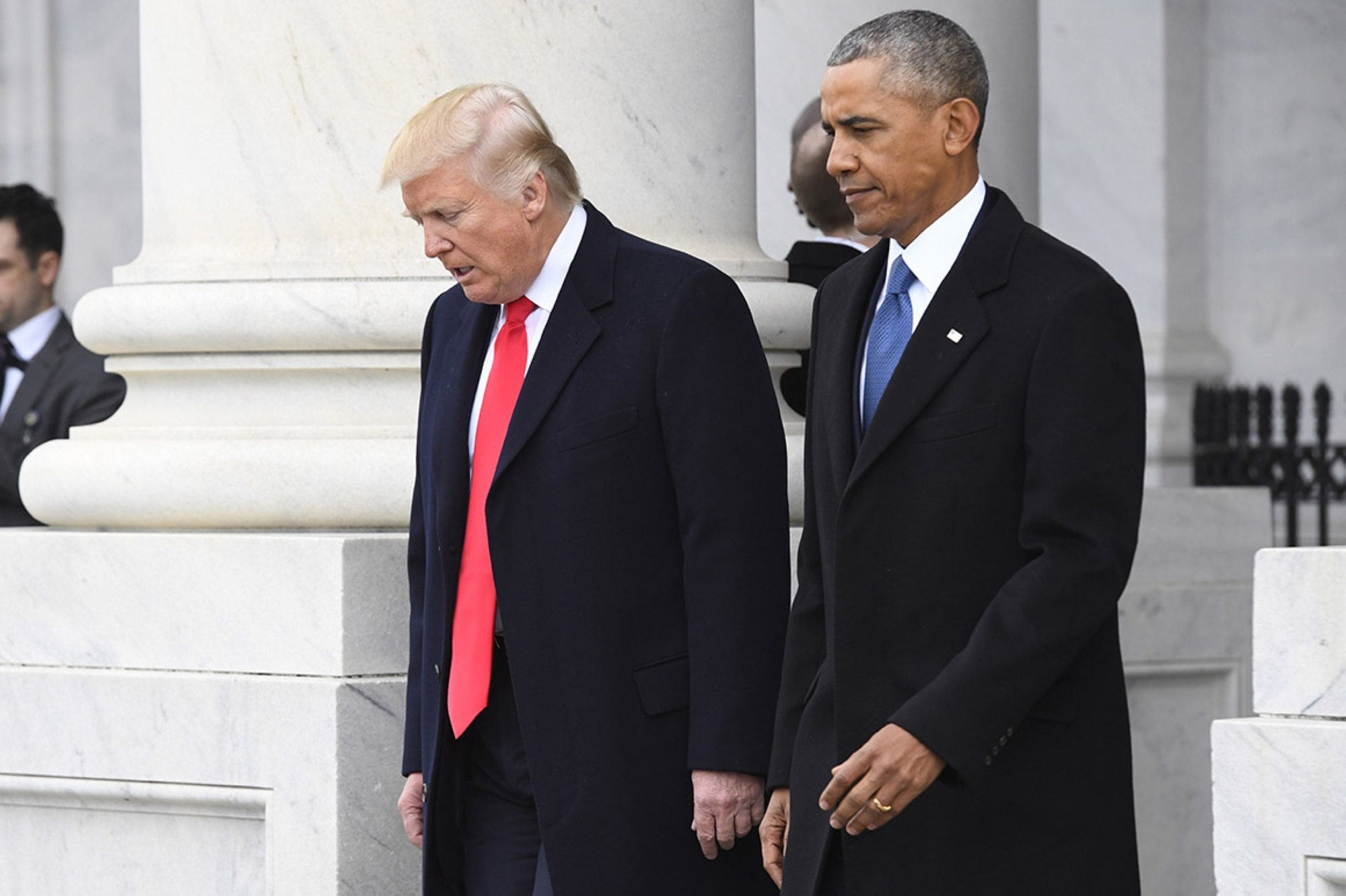
In his first direct comment on the controversial incident, former US President Barack Obama launched a scathing attack on what he described as the "lack of decency and decorum" in current US political discourse. This came in response to a video posted on former President Donald Trump's Truth Social account, which included offensive images depicting Obama and his wife Michelle as monkeys, sparking widespread outrage.
The decline of political discourse and the absence of responsibility
In an exclusive interview with left-leaning political commentator Brian Tyler Cohen, Obama expressed his deep dismay at the current state of political discourse. "There's a farce going on right now on social media and on television," Obama stated bluntly. The former president added, referring to the erosion of traditional political values, "The truth is, there doesn't seem to be any shame about it among people who used to feel that you had to show a certain amount of decency, taste, and respect for public office," lamenting that these values "have been lost.".
Context of the attack and its impact on the elections
This attack comes in a politically charged context, as the video in question promoted baseless conspiracy theories about Trump's loss in the 2020 election to Joe Biden. At the end of the clip, Barack and Michelle Obama's faces were superimposed onto the bodies of monkeys for approximately one second. This comparison carries offensive historical and racial connotations, especially given that Obama was the first Black president in US history, and Michelle was the first Black first lady, thus elevating the incident beyond mere political squabbles to touch a raw nerve regarding racism.
In analyzing the impact of such posts, Obama explained that this behavior could backfire on the Republican Party, noting that most Americans "consider this behavior deeply troubling." He predicted that these actions would harm the Republicans' chances in the midterm elections, expressing his confidence that "the final response will come from the American people," who refuse to be drawn into this level of low-level rhetoric.
Criticism of Minnesota's immigration policies
Obama's remarks weren't limited to the offensive video; he also addressed other policy issues related to immigration. He likened the actions of those conducting anti-immigrant campaigns in Minnesota to "dictatorships," criticizing the methods used by Immigration and Customs Enforcement (ICE) officers and warning against the dangers of adopting repressive practices that contradict American democratic values.
Reactions and justifications from the Trump campaign
It is worth noting that the video, which was posted a few days ago, sparked a storm of criticism from members of both the Democratic and Republican parties due to its blatantly racist nature. In an attempt to mitigate the situation, Trump's team later deleted the clip, and the White House (referring to Trump's former team or those managing his account) blamed an employee who they claimed posted the video "by mistake." However, the incident left a negative impact and reignited the debate about the boundaries of acceptable speech in the digital and political spheres.




Politics
The Syrian army takes over the al-Shaddadi base from US forces after al-Tanf
The Syrian army has taken control of the al-Shaddadi base in al-Hasakah from US forces following the al-Tanf operation. A detailed report on the strategic and economic significance of this development in Syria.
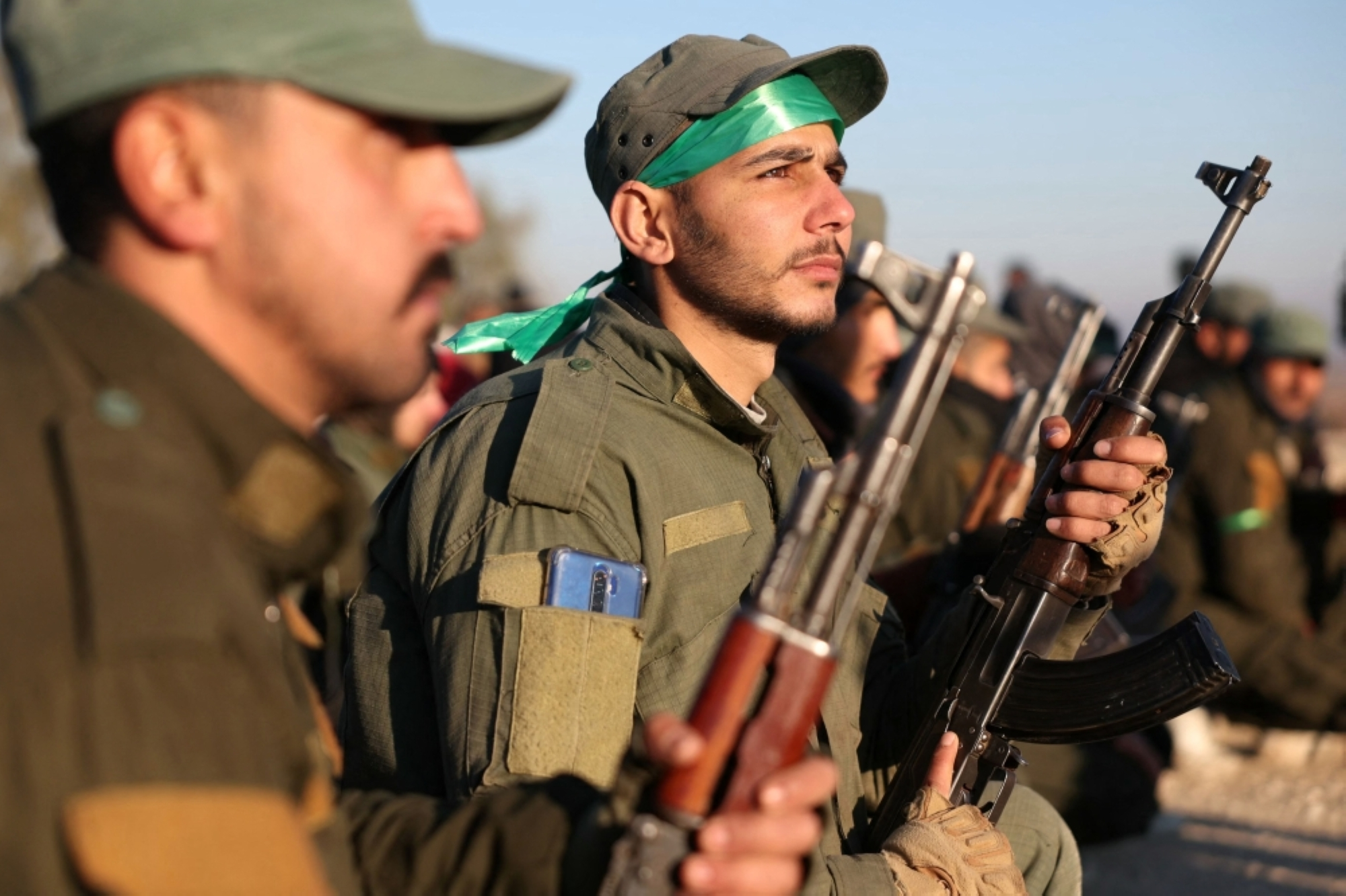
In a significant field and strategic development that reshapes the map of control and influence in eastern Syria, the Syrian Army officially took control of the vital al-Shaddadi base in the southern Hasakah countryside from US forces. This rapid and pivotal step follows a similar event—the recapture of the al-Tanf area and base—clearly indicating fundamental shifts in the nature of the foreign military presence on Syrian soil and the beginning of a new phase aimed at extending state sovereignty over all of its national territory.
The strategic and geographical importance of Al-Shaddadi
The city of al-Shaddadi and its military base hold paramount strategic importance, no less than that of the al-Tanf base. Located in the heart of al-Hasakah Governorate, it serves as a vital land transportation hub connecting al-Hasakah in the north with Deir ez-Zor in the south, in addition to its relative proximity to the Iraqi border. This area has long been a key staging point for US and international coalition forces due to its commanding geographical position, its commanding view of vast areas of the Syrian desert, and its control over major logistical supply routes that traverse the eastern region.
Economic dimension and energy resources
Economically, this event holds significant and promising implications for the Syrian economy, as the al-Shaddadi region is located near strategic oil and gas fields, most notably the al-Jabsah oil and gas fields. The return of this region to Syrian state control means regaining direct control over vital energy resources that have been outside the central government's control for years. This could effectively contribute to alleviating the economic crisis and providing the energy resources necessary for reconstruction and the operation of power plants that rely on gas extracted from these areas.
Geopolitical and security transformations
On the political and security front, the withdrawal of US forces from al-Shaddadi and its handover to the Syrian army—which followed the al-Tanf move—represents a strong indication of changing regional and international dynamics surrounding the Syrian conflict. Observers and political analysts believe this successive withdrawal may be part of broader international understandings or a strategic repositioning of US forces in the Middle East, while the Syrian side considers it a political and military victory for the state's will to regain control of all its territory without fragmentation.
Future prospects and stability
The presence of the Syrian army at these advanced positions significantly enhances its ability to maintain security and combat remnants of terrorist organizations that were active in the adjacent desert areas, exploiting security vacuums in certain pockets. Furthermore, taking control of the al-Shaddadi base is not merely a change in military control, but a preliminary step towards reactivating state service and administrative institutions in those areas and securing commercial and civilian routes between the eastern provinces and the rest of Syria. This opens the door to new scenarios for the future of the eastern region and strengthens the prospects for lasting stability.
Politics
Europe confirms: Navalny died from poisoning by the substance Ipatidine
Five European countries have revealed that Russian opposition leader Alexei Navalny was killed in prison using toxin (epatidine). Learn more about the investigation and the background of his conflict with the Kremlin.
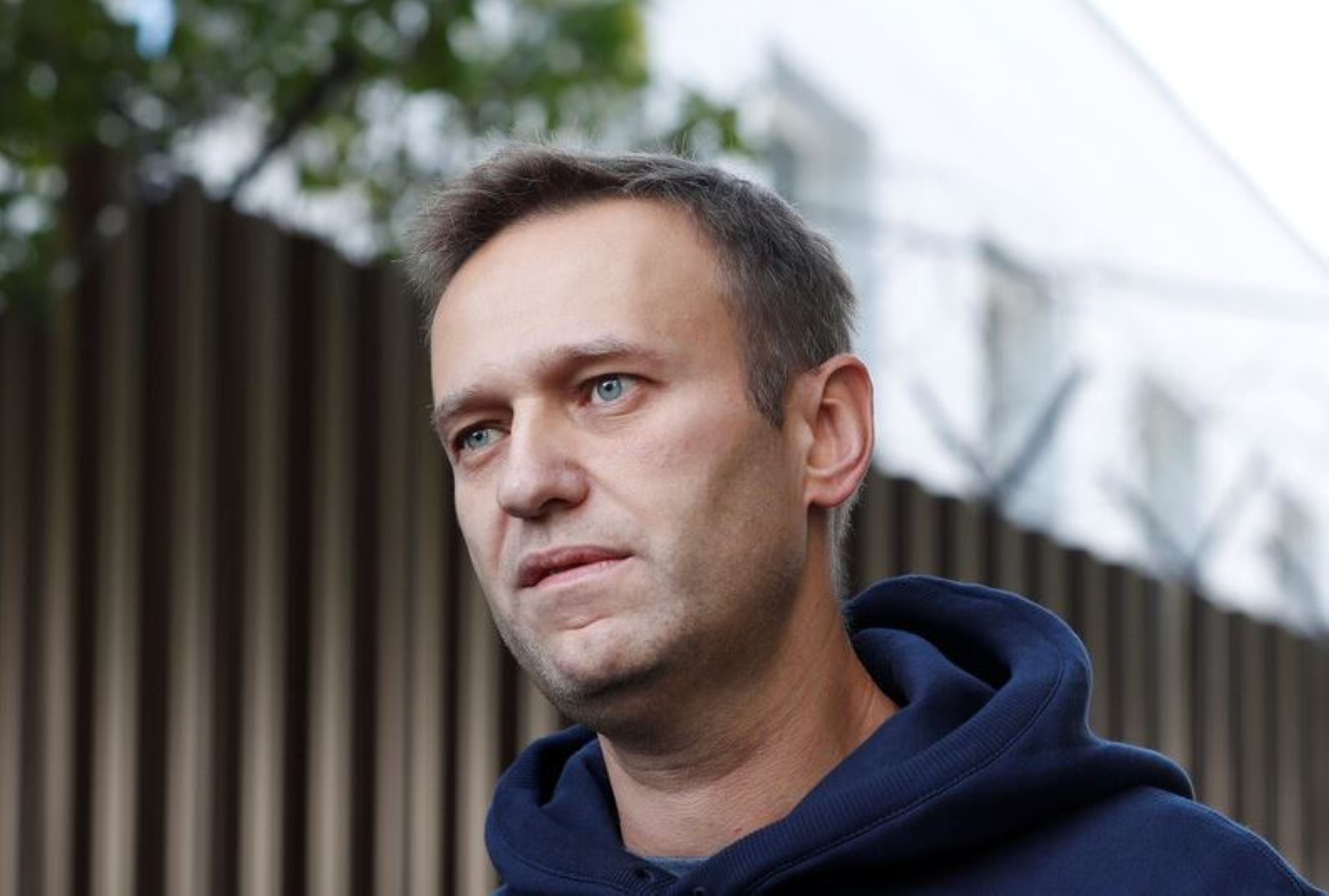
In a remarkable development that brings renewed attention to the case of Russian dissidents, five European countries – Britain, France, Germany, Sweden, and the Netherlands – issued a joint statement confirming that the late Russian dissident Alexei Navalny did not die a natural death, but was poisoned with a rare and deadly biological substance inside his prison cell two years ago.
Laboratory analysis results: frog poison
The five countries explained in their report that their findings were based on meticulous investigations and analysis of biological samples from Navalny's remains. The analysis conclusively confirmed the presence of epibatidine, a highly toxic substance typically extracted from the skin of poison dart frogs native to the forests of South America. The report indicated that this substance does not occur naturally in the Russian environment, thus supporting the theory of a premeditated assassination using a rare, imported biological weapon, and refuting previous official accounts of the cause of death.
Historical context: Navalny and his conflict with the Kremlin
Alexei Navalny, who died in an Arctic prison in February 2024, was the most prominent figure in the Russian opposition of the last decade. He was known for his tireless activism in exposing corruption and his direct challenge to President Vladimir Putin. His death in prison was not the first attempt on Navalny's life; he miraculously survived an attempt to assassinate him in August 2020 when he was poisoned with the nerve agent Novichok in Siberia. He was subsequently transferred to Germany for treatment before deciding to return to Moscow in January 2021, where he was arrested upon arrival.
Circumstances of death in “Arctic Wolf”
Navalny was serving a lengthy prison sentence on extremism-related charges. In his later years, he was transferred to a remote penal colony known as "Arctic Wolf" in the Yamalo-Nenets Autonomous Okrug in the Arctic. This colony is notorious for its harsh climate and brutal treatment of prisoners. His death in February 2024 sparked international condemnation and raised serious questions about the true circumstances surrounding his sudden passing at the age of 47.
A recurring pattern of assassinations
For its part, Britain stressed that the poisoning of Navalny with the nerve agent Ipatidine demonstrates a worrying pattern of using toxic substances against dissidents and opposition figures. London recalled its investigation into the poisoning of former Russian double agent Sergei Skripal and his daughter in the British city of Salisbury in 2018, where British investigations last year pointed the finger at the Russian leadership and the use of the nerve agent Novichok, reinforcing the European conviction that there is a systematic approach to eliminating political opponents.
Politics
Britain deploys aircraft carrier to the Arctic to deter Russia
Britain announces the deployment of the aircraft carrier HMS Prince of Wales to the Arctic and the Atlantic Ocean this year in cooperation with NATO to counter Russian threats.
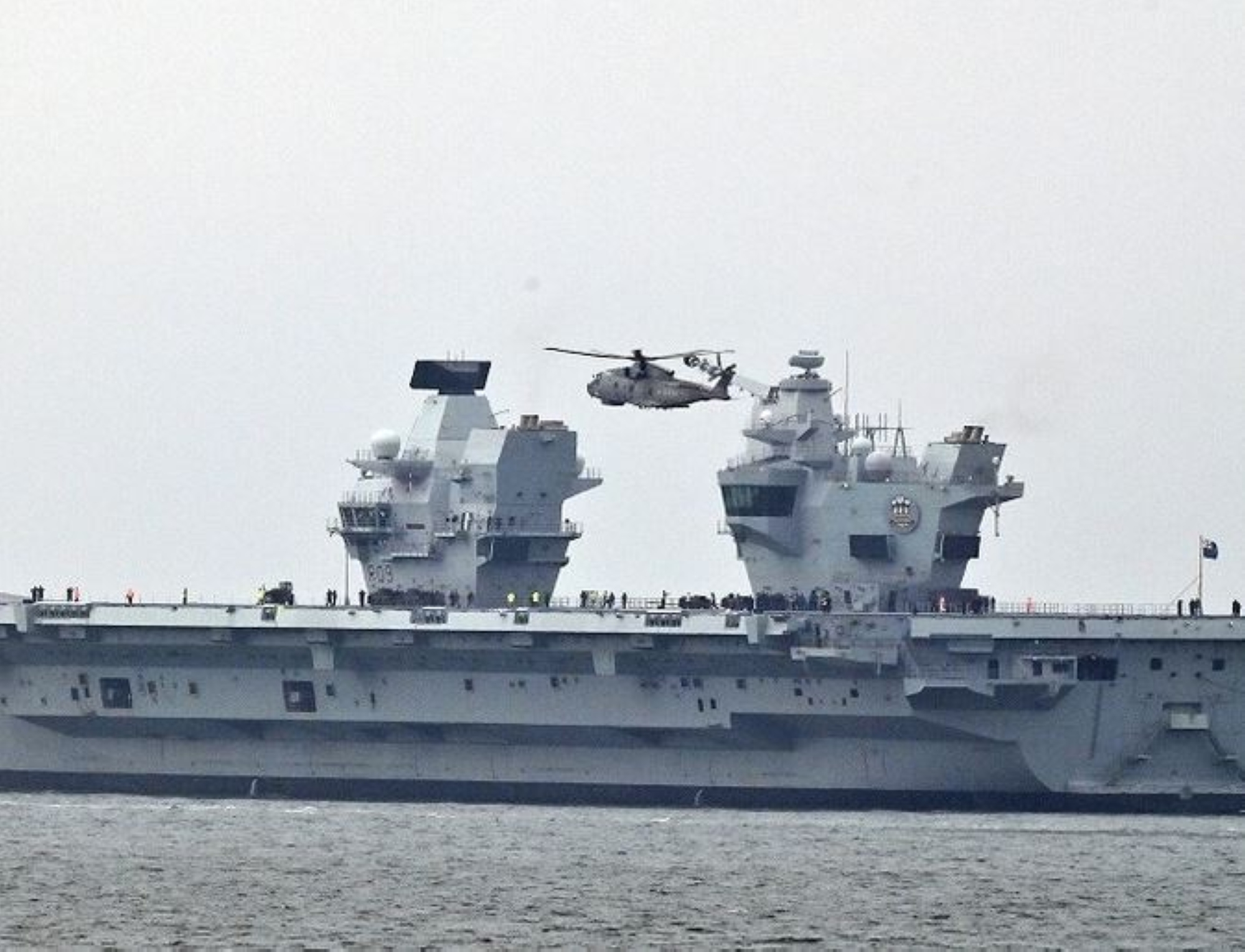
In a strategic move reflecting escalating geopolitical tensions in the far north, the United Kingdom announced plans to deploy a carrier strike group to the North Atlantic and Arctic Circle this year. This deployment serves as a direct deterrent against growing Russian threats in this vital region and underscores the Royal Navy's readiness to protect European and transatlantic interests.
Details of the British military mission
British Prime Minister Keir Starmer confirmed that his country is determined to deploy a carrier strike group led by the Royal Navy's largest ship, HMS Prince of Wales. This powerful naval force is scheduled to sail the North Atlantic to its northernmost reaches, on a mission designed to demonstrate its strength and ability to operate in harsh climatic environments.
Starmer noted that this mission would not be undertaken alone, but rather in close coordination and joint action with key allies, specifically the United States, Canada, and other NATO member states. He stated, "This is a strong demonstration of our commitment to Euro-Atlantic security," highlighting the importance of military alliances in addressing contemporary security challenges.
The strategic importance of the Arctic
This announcement takes on particular significance given the current international context; in recent years, the Arctic has transformed from a peaceful, icy region into an arena for international competition. With the melting of ice due to climate change, new shipping lanes have opened up and access to untapped natural resources has increased, prompting Russia to bolster its military presence there by reopening old Soviet bases and deploying advanced weaponry.
The British move comes as part of NATO’s strategy to strengthen its northern flank and ensure freedom of navigation in what is known as the “GIUK gap,” a vital sea corridor for submarine and warship operations between the Arctic and Atlantic Oceans.
HMS Prince of Wales capabilities
The aircraft carrier HMS Prince of Wales is the crown jewel of the Royal Navy and one of two Queen Elizabeth-class carriers. The ship is capable of carrying dozens of fighter jets and helicopters, and it is expected to carry American aircraft on this mission, reinforcing the concept of interoperability between British and American forces and sending a strong message of unity in the face of any potential threats to international security.
-

 Local news one week ago
Agreement to regulate and empower street vendors in Jeddah: Details and objectives
-
Local news one week ago
The Spears of Victory 2026 military exercises concluded in Saudi Arabia with international participation
-
Culture and Art 4 days ago
The "Between and Between" exhibition in Jeddah: 5 artists reshape Saudi memory
-
Culture and Art, 1 week ago
Ahmed Dawood in Ramadan 2026 with the series "Baba and Mama Jiran"
-
Culture and Art 5 days ago
Shakira's concert in Jeddah: Details of the international star's first concert in Saudi Arabia
-
Culture and Art 7 days ago
The truth about Nancy Ajram's video and Epstein Island, and her legal response
-
Culture and Art, 1 week ago
Sarah Al-Wadaani without a hijab ignites social media and tops the trending list
-
Culture and Art, 1 week ago
Rawan Bin Hussain's first appearance after her imprisonment and deportation from Dubai


