
Politics
Northern Borders: Five people arrested for promoting hashish and controlled prescription pills
The General Directorate of Drug Control arrested (5) citizens in the Northern Borders region for promoting hashish and pills

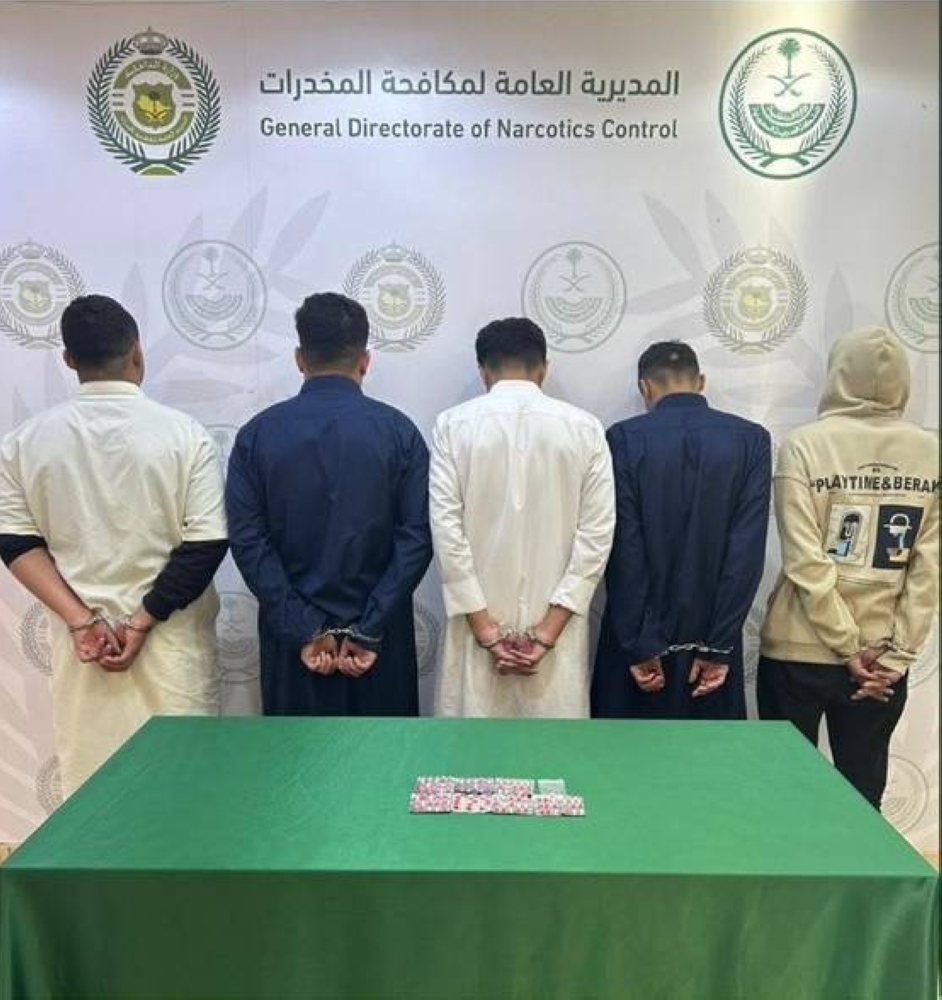
The General Directorate of Drug Control arrested (5) citizens in the Northern Borders region for promoting the narcotic substance hashish and pills subject to medical circulation regulation. They were detained, legal procedures were taken against them, and they were referred to the Public Prosecution.
The security authorities urge citizens and residents to report any information they may have about any activities related to smuggling or promoting drugs, by calling the numbers (911) in the regions of Makkah, Riyadh and the Eastern Province, and (999) in the rest of the regions of the Kingdom, and the number of the General Directorate of Drug Control for reporting (995), and via email 995@gdnc.gov.sa. All reports will be treated with complete confidentiality.



Politics
Xi and Trump's 2026 phone call: Discussions on relations and a potential visit to China
Details of the call between Xi Jinping and Donald Trump on strengthening relations in 2026, discussing trade, Taiwan, Ukraine, and oil, with the announcement of a Trump visit in April.
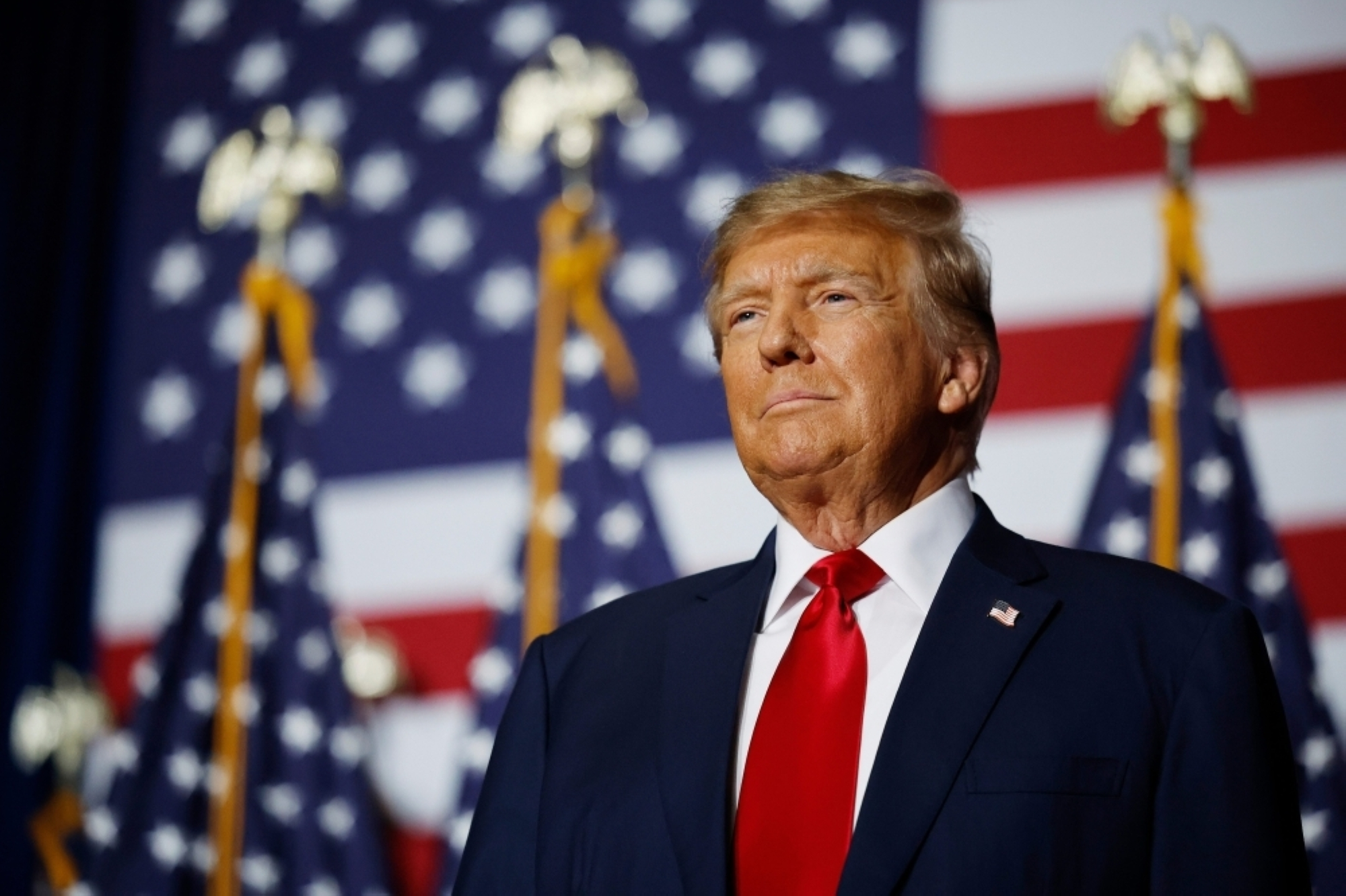
In a significant diplomatic move aimed at reshaping relations between the world's two largest economies, Chinese President Xi Jinping held a strategic phone call with his US counterpart Donald Trump on Wednesday. The talks focused on the need to resolve outstanding issues between the two countries in an atmosphere of mutual respect, reflecting a shared desire to ease geopolitical and economic tensions.
China's vision for 2026: Building trust and peaceful coexistence
During the call, the Chinese president emphasized the importance of a step-by-step approach to resolving differences, stating that "by addressing issues one by one and continuing to build mutual trust, we can find the right path for harmony between our two countries." Xi expressed his hope that 2026 would be a pivotal year in which China and the United States, as two major powers, move forward in promoting mutual respect, peaceful coexistence, and mutually beneficial cooperation, rather than conflict and zero-sum competition.
Trump praises the call and sets a date for his visit to China
For his part, US President Donald Trump described the call as "excellent," emphasizing that the US relationship with China, and his personal relationship with his Chinese counterpart, are excellent. Trump revealed that they discussed several sensitive and important topics during the call, including trade and defense, and announced a planned visit to China in April, a strong indication of the two sides' commitment to strengthening direct dialogue.
Controversial issues on the research table
The call went beyond mere diplomatic pleasantries, delving into complex global issues. The two leaders discussed the situation in Taiwan, developments in the war between Russia and Ukraine, and the situation in Iran. In the context of economic and energy cooperation, they addressed China's potential purchase of oil and gas from the United States, a move that could help reduce the trade deficit and strengthen shared economic interests.
The context of relationships and the importance of timing
This call comes at a time of major global shifts, as international markets and the global community look to the stability of US-China relations as a cornerstone of global stability. Historically, relations between Washington and Beijing have been characterized by periods of both progress and setbacks, particularly concerning trade wars and security issues in the Pacific. Therefore, the talk of "mutual respect" and "peaceful coexistence" in 2026 represents a positive development that could spare the world the repercussions of great power conflicts.
The agreement to discuss issues as significant as the Russian-Ukrainian war and the Iranian nuclear program indicates that both sides recognize their international responsibilities and that sustainable solutions to global crises require a minimum level of coordination between Washington and Beijing. Political circles are awaiting the planned April visit to translate these telephone understandings into concrete agreements on the ground.
Politics
Saudi Defense Minister discusses regional developments with the Emir of Qatar
Following directives from the leadership, Defense Minister Prince Khalid bin Salman met with the Emir of Qatar in Doha. The two sides discussed bilateral relations and regional developments to enhance security and stability.
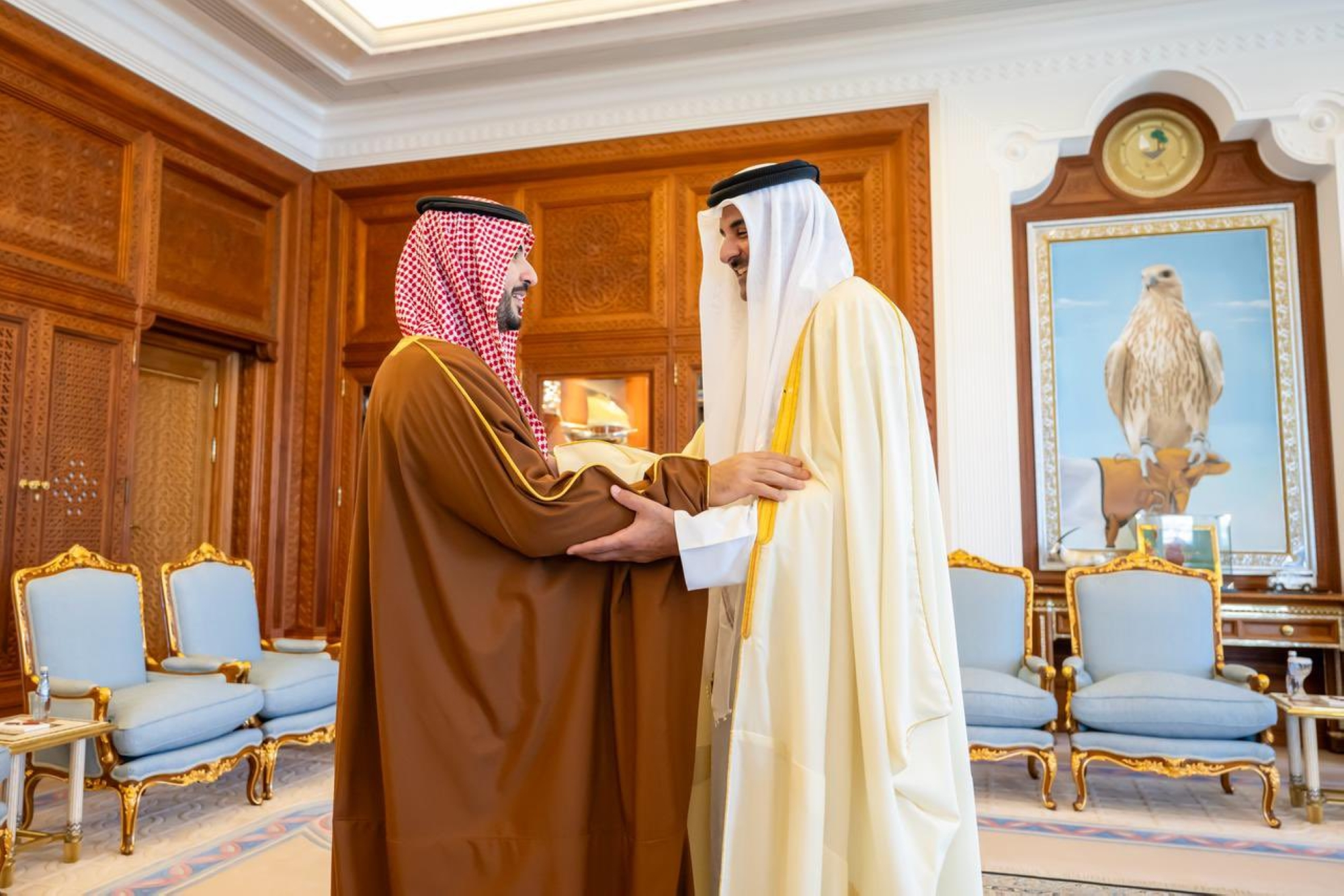
With the generous guidance of the Custodian of the Two Holy Mosques, King Salman bin Abdulaziz Al Saud, and His Royal Highness Prince Mohammed bin Salman bin Abdulaziz, Crown Prince and Prime Minister - may God protect them - His Royal Highness Prince Khalid bin Salman bin Abdulaziz, Minister of Defense, arrived today (Wednesday) in the Qatari capital, Doha, where he met with His Highness Sheikh Tamim bin Hamad Al Thani, Emir of the State of Qatar.
Conveying greetings from the Saudi leadership
The Minister of Defense began the meeting by conveying the greetings of the Custodian of the Two Holy Mosques, King Salman bin Abdulaziz, and His Royal Highness Crown Prince Mohammed bin Salman, to their brother, His Highness the Emir of the State of Qatar, and their wishes for continued progress and prosperity for the brotherly State of Qatar, its government, and its people. For his part, Sheikh Tamim bin Hamad Al Thani asked Prince Khalid bin Salman to convey his greetings and appreciation to the Saudi leadership, emphasizing the deep ties that bind the two countries.
Review of fraternal relations and defense cooperation
During the meeting, the strong fraternal relations between the Kingdom of Saudi Arabia and the State of Qatar were reviewed, relations which are based on a long history of neighborliness and shared destiny. The two sides discussed ways to enhance bilateral cooperation in various fields, particularly in defense and military affairs, in a manner that serves the interests of both brotherly countries and strengthens the joint Gulf security system.
Discussion of regional and international developments
The meeting addressed at length current regional and international developments, with both sides discussing efforts to address several pressing issues in the region. This meeting comes at a sensitive time, as the Middle East region faces rapidly escalating geopolitical challenges, necessitating enhanced coordination and ongoing consultation among the Gulf Cooperation Council (GCC) states to ensure security and stability.
The importance of Saudi-Qatari coordination
The visit of Saudi Defense Minister Prince Khalid bin Salman to Doha is of particular importance, reflecting the advanced level of Saudi-Qatari coordination achieved recently. These meetings are an extension of the outcomes of the Saudi-Qatari Coordination Council, which aims to institutionalize and expand cooperation to encompass all political, security, and economic spheres. Observers emphasize that the convergence of visions between Riyadh and Doha is a fundamental pillar for regional stability, especially given the pressing need to unify Gulf and Arab positions on critical issues and matters of common interest.
Politics
US-Iran nuclear talks in Oman: Details of Friday's round
US-Iranian nuclear talks kicked off in Oman on Friday after the Trump administration agreed to move them from Türkiye, amid reports of Arab countries participating in the anticipated negotiations.
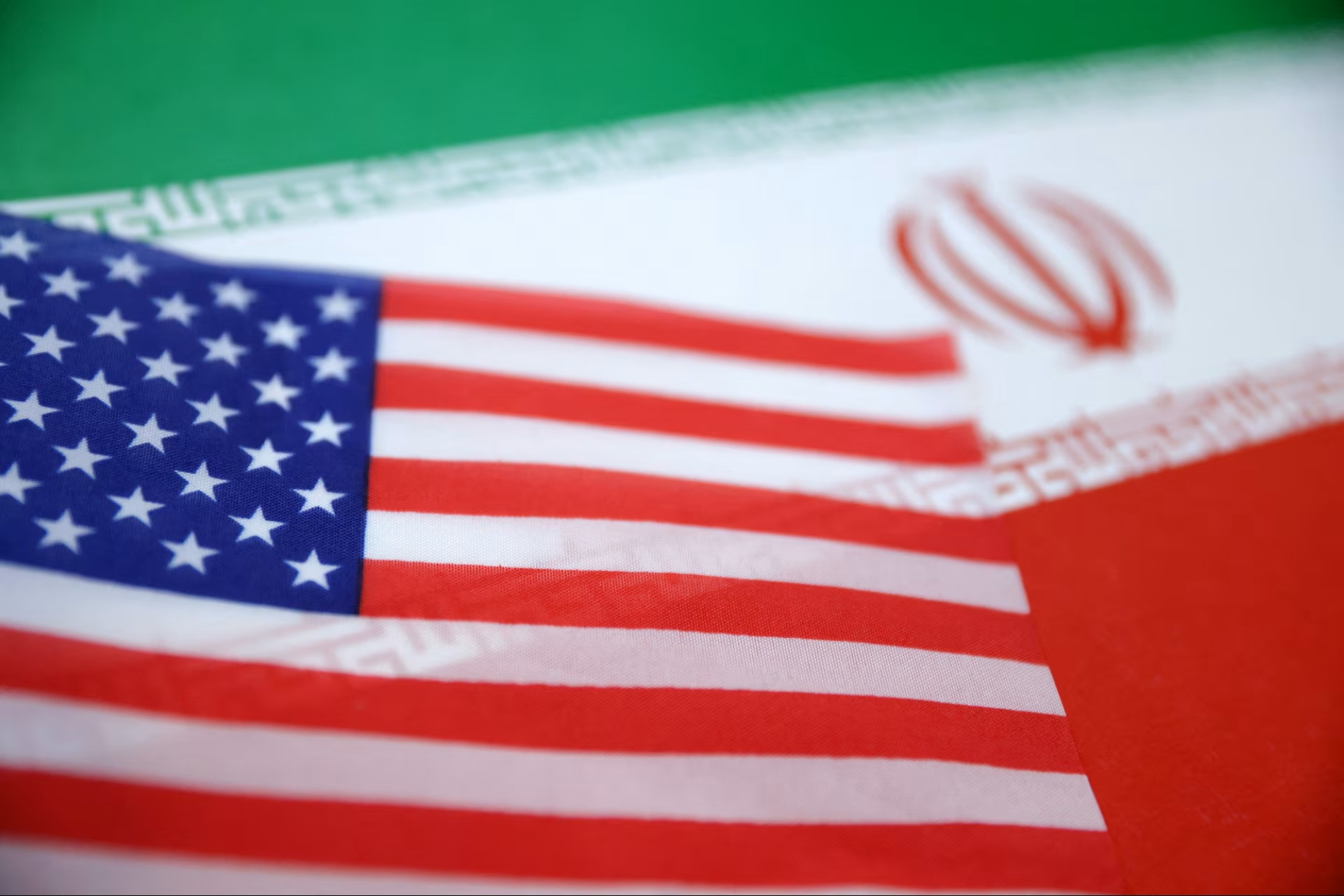
American media reports have revealed significant developments in the Iranian nuclear file. The Axios website, citing a well-informed Arab source, reported that a new round of nuclear talks between the United States and Iran will be held in the Omani capital, Muscat, next Friday. This move comes after the Trump administration agreed to Tehran's request to change the venue from Turkey to Oman, reflecting a shift in the logistical and political arrangements surrounding this complex issue.
Details of the transfer and potential Arab participation
The source indicated that the shift to Muscat was not merely a procedural step, but rather stemmed from an Iranian desire and American approval, highlighting the mutual trust in Omani mediation. In a related context, discussions are still ongoing behind the scenes regarding the possibility of expanding participation to include Arab and Islamic countries in this round, a demand long advocated by countries in the region to ensure their security concerns are taken into account, although the names of the countries considered for participation have not yet been officially disclosed.
The Sultanate of Oman: A history of mediation and positive neutrality
The choice of Oman to host these talks comes as no surprise to observers, as Muscat has a long and distinguished history of playing the role of "honest broker" in the Middle East. The Sultanate served as the back channel that hosted the secret talks between Washington and Tehran, paving the way for the landmark 2015 nuclear agreement (the Joint Comprehensive Plan of Action). Omani foreign policy is characterized by positive neutrality and the ability to maintain balanced relations with all conflicting parties, making it the most acceptable venue for bridging differences in complex crises.
Strategic importance and timing of the talks
This round of talks is of paramount importance given the sensitive timing in the Middle East. With regional tensions escalating, the international community views the Iranian nuclear issue as a key to regional stability. The return to the negotiating table, specifically in Muscat, indicates a desire among the parties to de-escalate tensions and avoid military escalation. Furthermore, the discussion of involving Arab states reflects a growing understanding that any lasting agreement must have broad regional acceptance to ensure the security of navigation in the Gulf and the Strait of Hormuz, and to comprehensively address the issues of nuclear proliferation and ballistic missiles.
All eyes will remain on Muscat on Friday, to see what this round of talks will bring, and whether Omani diplomacy will once again succeed in breaking through the wall of the ongoing crisis between Washington and Tehran, especially in light of an American administration whose decisions are characterized by surprise and decisiveness.
-

 Culture and Art, 1 week ago
Haifa Wehbe's absence in Riyadh: A photo crisis or a strained relationship with the media?
-

 Culture and Art, 1 week ago
City Kitchen series: A drama of conflict and the middle class during Ramadan
-

 Culture and Art, 1 week ago
The series "Kasra": Dawood Hussein in a moving social drama this Ramadan
-

 Local news one week ago
Applying for the 1447 Opportunities Program for Teachers via the Fares System
-
 Local news one week ago
Ramadan 2026 discounts in Saudi Arabia: Offers valid for 54 days
-
 Culture and Art 6 days ago
The death of artist Huda Shaarawi “Umm Zaki” and her funeral in Damascus
-

 Technology 6 days ago
ICAN 2026 Conference Conclusion: Initiatives to Enhance Saudi Arabia's Leadership in Artificial Intelligence
-

 Local news one week ago
Saudi Arabia halts perennial fodder cultivation to conserve groundwater