
Politics
New procedures for "governance" of data sharing in the public, private, and individual sectors
The Saudi Data and Artificial Intelligence Authority (SDAIA) has revealed a set of requirements for the secondary use of data in Saudi Arabia;


The Saudi Data and Artificial Intelligence Authority (SDAIA) has revealed a set of requirements for the secondary use of data in Saudi Arabia, with the aim of controlling and governing its operations, and ensuring that it does not exceed its intended purpose. In addition, it sets controls and procedures that regulate the request to share data for secondary use purposes, in an effort to encourage government agencies to share data to support research, development and innovation, and to achieve the public interest by improving the efficiency of government agencies’ work and activities, and using data to support decision-making, in addition to supporting the implementation of national strategies and objectives by enabling agencies to obtain data for secondary use purposes.
According to this regulation (under study), before any data sharing process takes place, the applicant must commit to having a legitimate purpose for sharing the data, so that this purpose can be adapted under the scope of achieving the public interest or developing research, development and innovation, while verifying that it is not related to profit purposes, and that the content of the data requested is limited to the minimum necessary to achieve the purpose of the sharing request.
It is also required that the data sharing request be submitted to the source entity, as originally intended, or that proof of the source entity’s approval be provided if the request is submitted to an entity other than the source entity, or the authorized entity.
She said: If the data sharing request is submitted between government entities, the steps stipulated in the policy are completed. If the data sharing request is submitted between government entities, and the request is related to conducting analyses and issuing reports, and does not require obtaining the data in its raw form, then what is stated in the rules of governance of data analysis laboratories is applied. If the data sharing request is submitted from a private entity to a government entity, the applicant and the entity from which the data sharing is requested obtain a usage license from the entity from which the data sharing is requested, and the applicant must commit to using the data in accordance with what is stated in the usage license.
She added that if the applicant is an individual and a member of a research or academic institution, the request should be submitted through their affiliated institution or the entity sponsoring the research that requires data sharing. The applicant must also provide proof of written approval from their academic supervisor before submitting the request for secondary data sharing. Furthermore, the applicant must clearly state the content of the request when submitting it to avoid any incomplete or missing information that could lead to rejection, according to a form prepared by the office for this purpose.
The draft confirmed that the entity required to share data must include conditions related to intellectual property and trade secrets in the usage license, if required, and that the entity required to share data must evaluate the data sharing request in accordance with the requirements stipulated by law.
Controls and requirements
She added that the steps outlined in item (VI) of the policy are based on data sharing steps for secondary use within a procedural framework for government agencies, private entities, and individuals, including those involved in research, development, and innovation, as well as researchers and entrepreneurs. These steps enable compliance with all necessary controls and requirements according to these rules and other relevant regulatory documents, as follows:
If a data sharing request for the purposes stipulated in paragraph (1) of section (a) of these rules is submitted between two government entities, the request shall be submitted through the Data Marketplace platform, in accordance with the steps stipulated in section (VI) of the policy, including the timeframes thereof. If a data sharing request for the purposes stipulated in paragraph (1) of section (a) of these rules is submitted from a government entity to a private entity or from a private entity to a government entity, and the data is required through an automated means, the parties to the sharing process shall propose a data sharing method and obtain the Office's approval thereof. If a data sharing request for the purposes stipulated in paragraph (1) of section (a) of these rules is submitted from a government entity to a private entity or from a private entity to a government entity, and the data is required through a non-automated means, the parties to the data sharing process shall share the data through a secure and reliable means, in accordance with the regulations issued by the competent authorities.
The draft added that the entity required to share data should take into account the urgent nature of data sharing requests for the purposes of achieving the public interest, when evaluating the data sharing requests submitted to it, and give them priority in processing.
The assessment of the connection between obtaining the data required to be shared and the public interest is subject to the discretion of the requesting government entity, in accordance with the regulatory texts relating to its exercise of its powers and performance of its duties, and the entity required to share the data must evaluate the request in light of that.
Any party to a data-sharing process based on these rules may submit a request to the National Data Management Office for a statutory opinion on any dispute arising from the application of these rules.
These rules apply to requests for data sharing between government and private entities for the purpose of secondary data use.
Related News


Politics
US-Iranian talks in Geneva under Omani auspices
Switzerland announces that Geneva will host US-Iranian talks next week, hosted by the Sultanate of Oman, amid Swiss support for efforts to facilitate dialogue and reduce escalation.
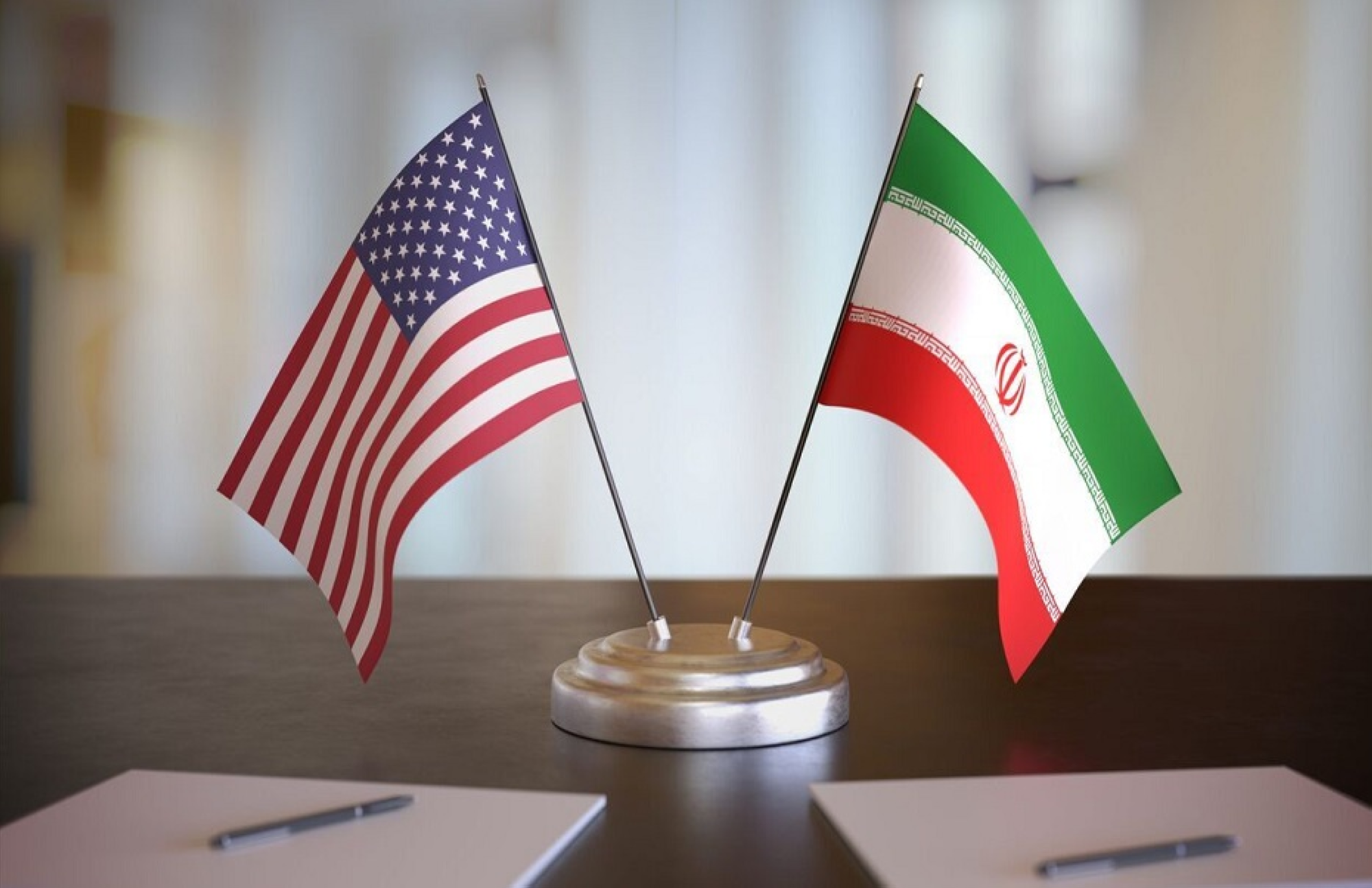
Swiss authorities officially announced on Saturday that Geneva will host a new and crucial round of negotiations between the United States and the Islamic Republic of Iran, scheduled for next week. This significant diplomatic step is being hosted and organized by the Sultanate of Oman, which continues its pivotal role in bridging the gap between the two sides, following up on the first round hosted by Muscat earlier this month.
In a statement reflecting Switzerland's longstanding commitment to neutrality, a spokesperson for the Swiss Foreign Ministry confirmed that the country welcomes and fully supports these talks, emphasizing that Switzerland stands ready at any time to exert every diplomatic and logistical effort to facilitate constructive dialogue between Washington and Tehran. The spokesperson clarified that the talks will be hosted by Oman on Swiss soil, reflecting the high level of coordination among international mediators to ensure a conducive negotiating environment.
The Omani and Swiss roles: Mediation diplomacy
These talks are of particular importance given the parties involved in facilitating them. On the one hand, the Sultanate of Oman plays a historic role as a trusted "post office" and impartial mediator between the West and Iran, where quiet Omani diplomacy has previously succeeded in defusing numerous crises and paving the way for major agreements, including the 2015 nuclear deal. Moving the talks to Geneva, hosted by Oman, underscores Muscat's continued leadership in regional de-escalation efforts.
On the other hand, Switzerland has a long history of representing US interests in Iran since the two countries severed diplomatic relations in 1980. Geneva is a global center for multilateral diplomacy, lending an air of seriousness and impartiality to this round of negotiations. Combining Omani expertise in mediation with Switzerland's neutral umbrella provides a solid foundation for attempting to break the deadlock on the outstanding issues.
The context of tensions and the importance of dialogue
These talks come at a sensitive time, as the Middle East and the world face complex geopolitical challenges. While the precise agenda has not been disclosed, observers anticipate that the discussions will address thorny issues related to de-escalation in the region, the fate of economic sanctions, and the long-standing nuclear issue, which has been a major point of contention. The resumption of dialogue, even indirectly or through intermediaries, is a positive sign of both sides' desire to avoid open confrontation and to seek diplomatic solutions to the accumulated crises.
Politics
Faisal bin Farhan engages in dialogue with leaders of Munich Youth 2026 regarding international crises
The Saudi Foreign Minister participated in a dialogue session with Munich Youth Leaders as part of the Munich Security Conference 2026, reviewing the Kingdom’s positions on crises and the importance of constructive dialogue.
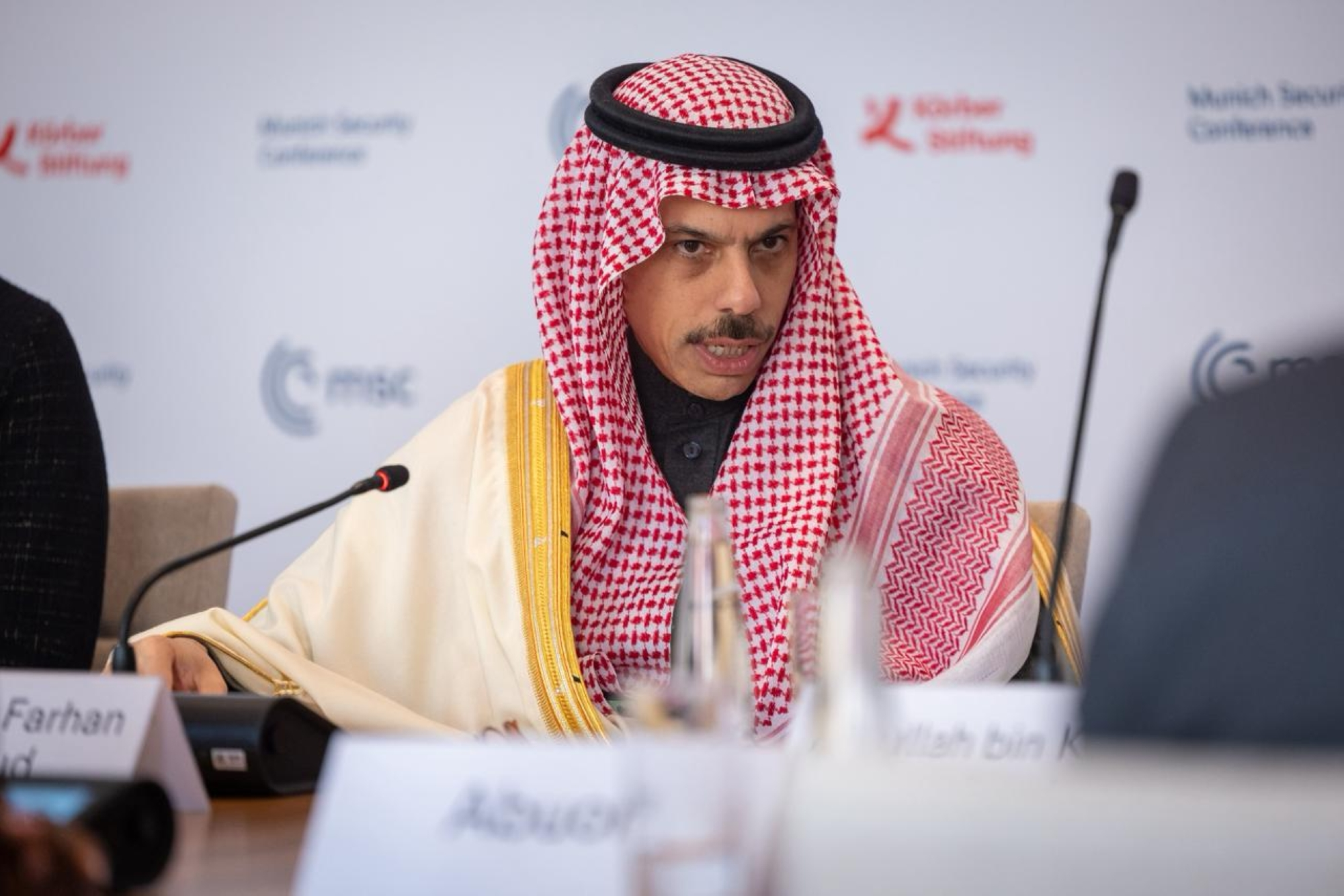
As part of the Kingdom of Saudi Arabia’s active diplomatic efforts on the international stage, His Highness Prince Faisal bin Farhan bin Abdullah, Minister of Foreign Affairs, participated today (Saturday) in a strategic dialogue session with the “Munich Young Leaders” group, jointly organized by the Körber Foundation and the Munich Security Conference, on the sidelines of the Munich Security Conference 2026.
The Kingdom's vision towards global challenges
The dialogue session highlighted the Kingdom of Saudi Arabia's firm stances on various current regional and international crises. During the discussion, His Highness the Minister of Foreign Affairs reviewed the Saudi vision, which prioritizes dialogue and diplomacy in resolving conflicts, emphasizing the importance of intensifying "sincere and constructive dialogue" as the only way to overcome the common challenges facing the international community, from geopolitical tensions to issues of global security and stability.
The importance of the Munich Security Conference and the Kingdom's leading role
The Kingdom's participation in the Munich Security Conference is of paramount strategic importance, as this conference is the world's foremost platform for discussing international security policies. Prince Faisal bin Farhan's participation underscores Riyadh's pivotal role as a peacemaker and a reliable partner in maintaining regional and international security and stability. Through its ambitious Vision 2030, the Kingdom is working to build bridges of communication with all stakeholders, affirming that economic development and prosperity cannot be achieved in isolation from security and political stability.
Investing in future leaders
The dialogue with the “Munich Youth Leaders” is a significant forward-looking step, as this program brings together a select group of young minds and future decision-makers from around the world. The Foreign Minister’s keenness to meet with this group reflects the Kingdom’s belief in the importance of engaging rising generations in formulating innovative solutions to complex crises and conveying the Saudi perspective transparently to future leaders in global political and security circles.
High-level diplomatic presence
The session witnessed a notable Saudi diplomatic presence, with the participation of His Royal Highness Prince Dr. Abdullah bin Khalid bin Saud Al Kabeer, Director General of the General Directorate of Policy Planning, reflecting the depth of the political discourse presented. Also present was Mr. Nawaf bin Khalid Al-Issa, a member of the Munich Youth Leaders 2026, highlighting the active Saudi presence not only at the leadership level but also among qualified young professionals in international forums.
The Kingdom of Saudi Arabia continues its balanced diplomatic approach, seeking through these international platforms to enhance multilateral cooperation and advance efforts to de-escalate tensions in various hotspots around the world.
Politics
The Foreign Minister highlights the Kingdom's positions at the Munich Conference 2026
Foreign Minister Prince Faisal bin Farhan participated in a session with the leaders of Munich Youth 2026, reviewing the Kingdom's positions on crises and the importance of constructive dialogue to enhance international security.
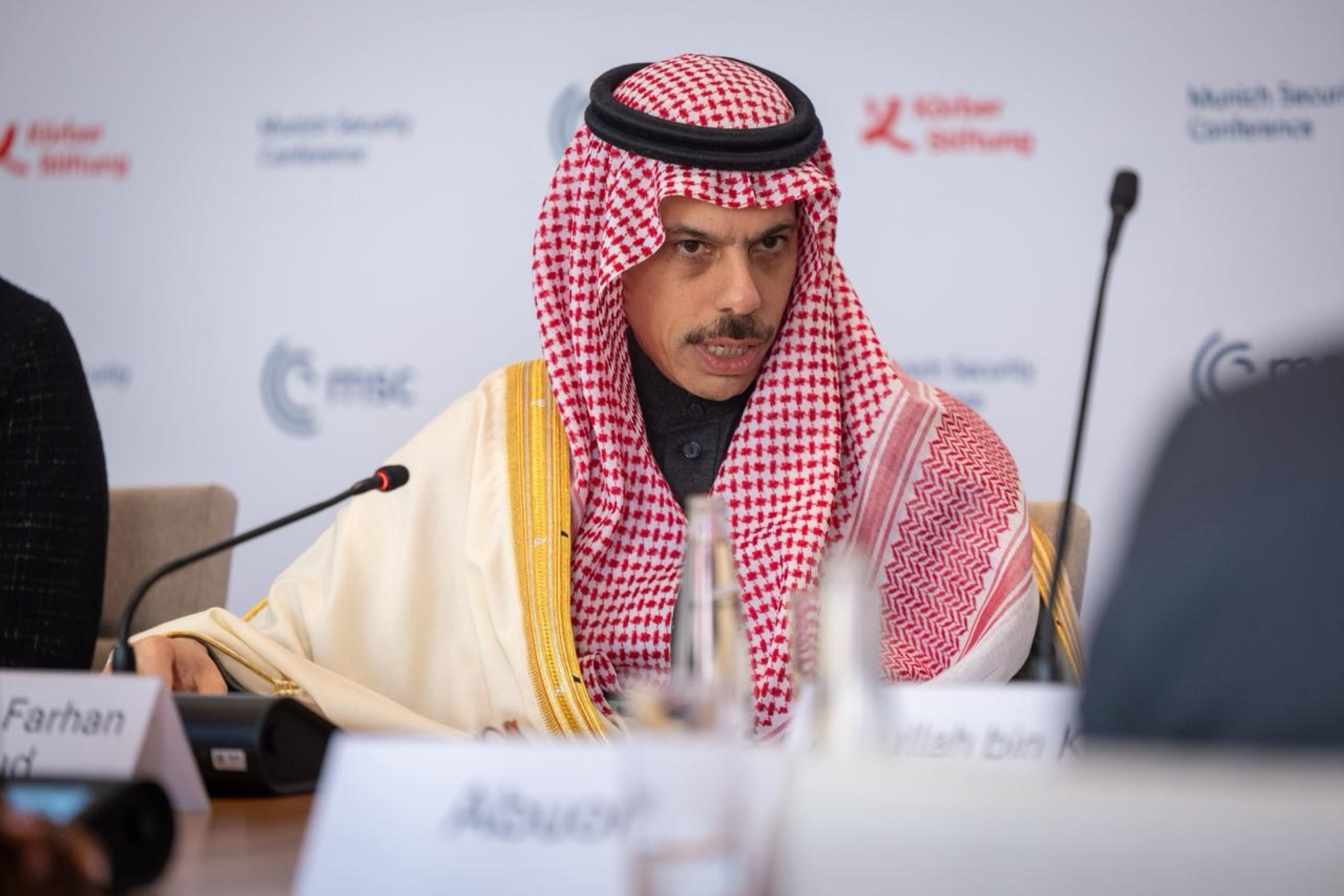
His Highness Prince Faisal bin Farhan bin Abdullah, Minister of Foreign Affairs, participated today (Saturday) in a strategic dialogue session with the “Munich Young Leaders” group, which was organized by the Körber Foundation in cooperation with the Munich Security Conference, on the sidelines of the Munich Security Conference in its 2026 edition.
The session featured extensive and in-depth discussions on the most prominent challenges facing the international system today. His Highness the Minister of Foreign Affairs reviewed the Kingdom of Saudi Arabia's firm and unwavering positions on various regional and international crises. During his remarks, His Highness emphasized the Saudi vision, which prioritizes sincere, transparent, and constructive dialogue as a cornerstone for overcoming the complex geopolitical obstacles facing the world, stressing that diplomatic solutions remain the optimal choice for ensuring global security and stability.
This participation is of particular importance given the Munich Security Conference's status as the world's leading forum for security policy, where decision-makers, heads of state, and ministers convene to discuss current and future threats. The Kingdom's active participation in this international forum reflects its pivotal and growing role as a regional and international force for peace, consistently striving to bridge divides and support efforts to defuse crises in the Middle East and the world.
In a related context, the Kingdom's engagement with the "Munich Youth Leaders" underscores Saudi diplomacy's belief in the importance of investing in future generations of global decision-makers. This platform provides a unique opportunity to explain the Saudi perspective on complex issues and to highlight the Kingdom's initiatives based on the principles of good neighborliness, respect for national sovereignty, and collective action to address shared challenges such as climate change, energy security, and combating terrorism.
This important meeting was attended by His Highness the Minister, the Director General of the General Administration for Policy Planning, His Highness Prince Dr. Abdullah bin Khalid bin Saud Al Kabeer, and a member of the Munich Youth Leaders for 2026, Professor Nawaf bin Khalid Al-Issa, reflecting the intensive and qualitative Saudi presence in all the conference activities to ensure that the Kingdom’s voice and its ambitious vision for the future are conveyed.
-

 Culture and Art, 1 week ago
Yasser Galal and Radwa El Sherbiny: Details of a new artistic project that brings them together
-
Local news one week ago
Mohammed Al-Rasasmeh appointed as official spokesperson for the Ministry of Municipalities and Housing
-
Culture and Art, 1 week ago
Poster for the series "Two Others": Asser Yassin and Dina El Sherbiny in Ramadan
-
Politics, one week ago
German Chancellor Friedrich Merz departs Riyadh after an official visit
-
Local news one week ago
Saudi Arabia weather today: Thunderstorms and dust in 5 regions
-
Politics, one week ago
Faisal bin Farhan and Araqchi discuss regional security and developments
-
Politics, one week ago
The Crown Prince receives German Chancellor Friedrich Merz in Riyadh
-
Culture and Art, 1 week ago
Ask Your Soul series, Ramadan 2025: Story, cast, and broadcasting channels


