Politics
Moscow does not rule out a summit between Putin and Trump: Will dialogue resume?
A Russian official confirms that anything is possible regarding a summit between Putin and Trump. An analysis of the statement's implications, the historical background of the relationship, and the potential impact on the war in Ukraine.

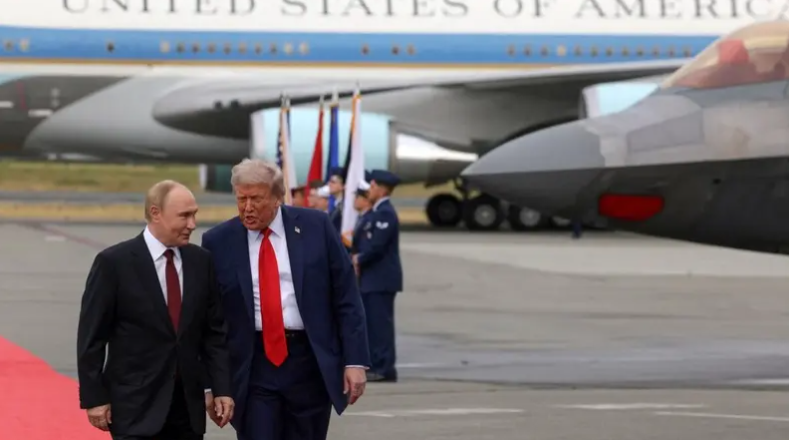
In a significant development on the international political scene, a high-ranking Russian official hinted at the possibility of a summit between Russian President Vladimir Putin and US President Donald Trump, stating that "anything is possible" in the world of politics and diplomacy. This statement comes at a time of unprecedented tension in Russian-American relations, lending particular importance to any talk of opening direct channels of communication between the Kremlin and the White House.
Implications of the statement at this time
This Russian statement reflects an implicit desire or openness on Moscow's part to changing the course of its deteriorating relations with Washington. The phrase "anything is possible" in Russian diplomatic parlance is not uttered lightly; rather, it usually indicates the existence of potential ground for dialogue, provided the appropriate conditions and mutual interests are present. The relationship between Putin and Trump has always been characterized by a distinct personal dynamic, unlike the one between the Russian president and his current counterpart, Joe Biden. Trump has repeatedly stated his ability to end the conflict in Ukraine and reach an understanding with the Russian leadership.
Historical background: Between Helsinki and the new reality
Looking back, one cannot discuss a potential summit without recalling the 2018 Helsinki summit, a pivotal event that sparked considerable controversy within the United States, yet also underscored the special rapport between the two men. However, the context today is radically different from what it was years ago; the war in Ukraine, unprecedented Western sanctions against Russia, and NATO expansion are all thorny issues that make any future meeting a complex event far more than a routine protocol encounter.
Expected impacts: locally, regionally, and internationally
Internationally, the mere announcement of an intention to hold such a summit would send shockwaves through global markets and diplomatic circles. The world, and especially the European NATO members, are watching with great caution any potential rapprochement between Russia and the United States that might come at the expense of support for Kyiv. On the other hand, Washington's allies in the Middle East and Asia might see this rapprochement as an opportunity to ease geopolitical tensions that have cast a shadow over the global economy and energy security.
Domestically in Russia, any dialogue with Washington is being marketed from a position of strength as proof of the failure of Western isolation policies and as confirmation of Russia's status as an indispensable power in the global order. For the United States, however, such a move would be fodder for internal political conflict, especially given the sharp division over the merits of continuing open support for Ukraine versus pursuing realistic diplomatic solutions.
In conclusion, the Russian statement remains a trial balloon to gauge reactions, and a coded message indicating that Moscow is ready to dance the tango if Washington decides to return to the arena of realistic dialogue away from the language of dictates, which opens the door to multiple scenarios for the next stage.




Politics
Pakistan launches airstrikes on Afghanistan and declares open war
A dangerous escalation between Pakistan and the Taliban includes airstrikes and border clashes. The Pakistani defense minister declares open war and provides a comprehensive comparison of the two sides' military capabilities.
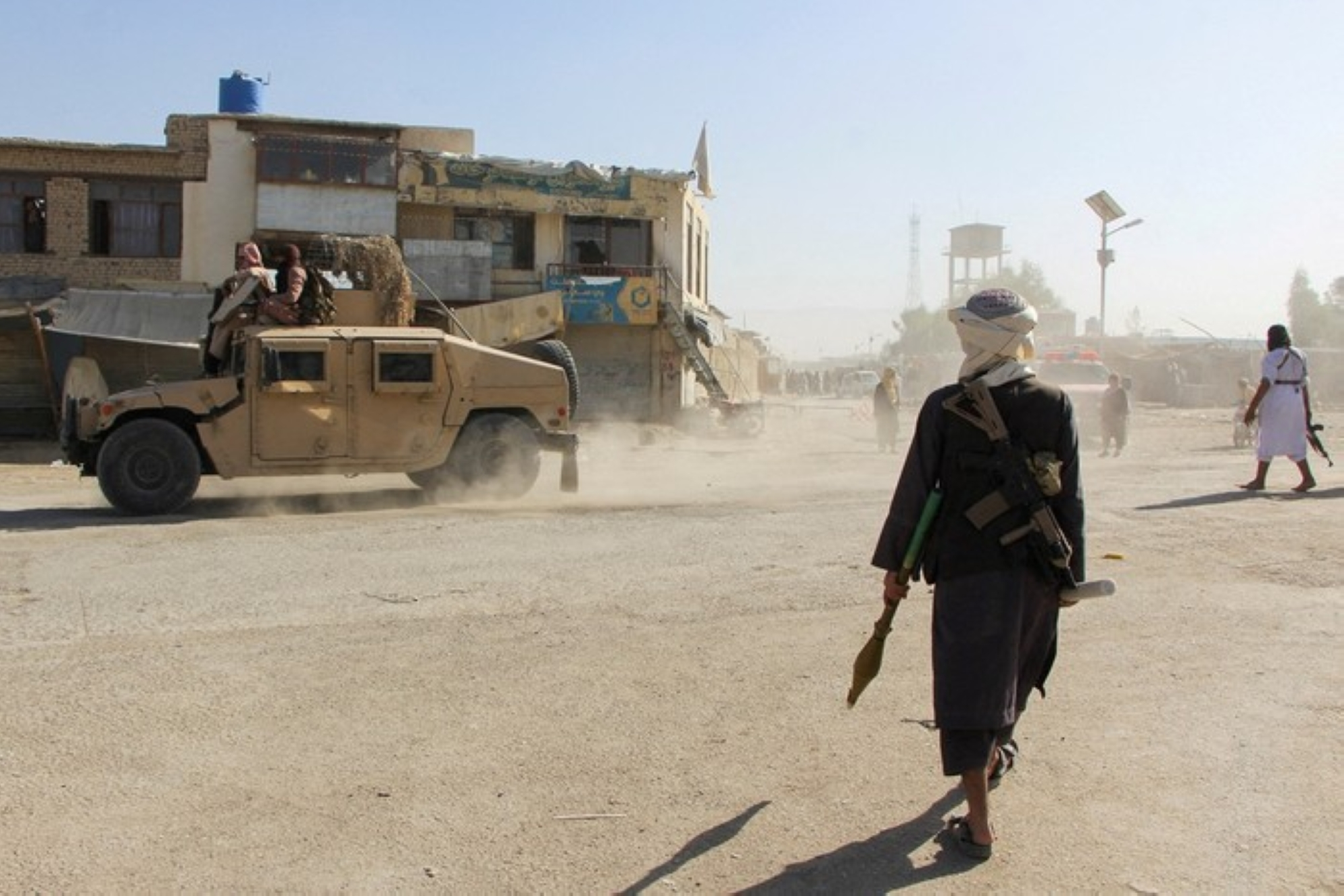
In a dangerous development that threatens to alter the security landscape in South Asia, the Pakistani-Afghan border has witnessed an unprecedented military escalation. Officials in Islamabad announced nighttime airstrikes targeting Taliban government positions in major Afghan cities, including Kabul, Kandahar, and Paktia. Pakistani forces employed precision air-to-surface missiles in their offensive, coinciding with fierce ground clashes along several sections of the nearly 2,600-kilometer border, historically known as the Durand Line.
Details of the confrontation and the declaration of "open war"
The escalation did not stop at the usual skirmishes, but took on a sharply official character, with Pakistani Defense Minister Khawaja Muhammad Asif declaring that his country was now in a state of "open war" with neighboring Afghanistan. Asif asserted that Islamabad's patience had "run out" with what he described as the continued cross-border attacks, accusing Kabul of failing to maintain security and prevent its territory from being used as a launching pad for attacks inside Pakistan. In response, the Taliban described these strikes as "blatant aggression," confirming that they had immediately retaliated by targeting Pakistani military installations, amidst conflicting reports regarding the final death toll and number of wounded on both sides.
Background to the tension: From tacit alliance to direct confrontation
To understand the depth of this escalation, one must consider the historical and political context of the relationship between the two sides. Since the Taliban's return to power in August 2021, relations have deteriorated dramatically, contrary to previous expectations. Islamabad accuses the Taliban government of providing safe havens for militants (implicitly referring to the Pakistani Taliban) who launch deadly attacks within Pakistani territory. Despite the Taliban's continued denial of these accusations and its characterization of Pakistani security problems as an "internal matter," the pace of clashes has increased, particularly after the events of last October, which necessitated regional mediation efforts to de-escalate the situation—efforts that appear to have collapsed in the face of the current escalation.
Comparing the military balance of power: technological superiority versus guerrilla warfare
According to data from the International Institute for Strategic Studies in London, Pakistan overwhelmingly holds the advantage in a conventional war. The Pakistani military has approximately 660,000 active personnel (560,000 in the army, 70,000 in the air force, and 30,000 in the navy), supported by a formidable arsenal that includes more than 6,000 armored fighting vehicles and 4,600 artillery pieces. Crucially, Pakistan enjoys absolute air superiority with 465 fighter jets and more than 260 helicopters, in addition to possessing approximately 170 nuclear warheads, giving it significant strategic deterrence.
On the other hand, the Taliban forces are estimated at around 172,000 fighters, with ambitions to increase that number to 200,000. The movement relies on equipment inherited from the former army, including Soviet tanks, armored personnel carriers, and helicopters of limited operational readiness. However, military experts believe that the Taliban's strength lies not in conventional warfare, but in its extensive experience in guerrilla warfare, gained during two decades of fighting against international forces. This makes any potential Pakistani ground incursion likely to devolve into a protracted and costly war of attrition.
Regional and international repercussions
This clash is raising concerns within the international community and among neighboring countries, as a slide into full-blown war between the two nations could lead to new waves of displacement and destabilize the entire region. Diplomatic efforts are currently underway to contain the situation, amid urgent calls for an immediate ceasefire and a return to dialogue, fearing that the escalation could create a security vacuum that other extremist groups might exploit to expand their influence in the region.
Politics
The Saudi foreign minister discusses de-escalation with his counterparts in four countries
The Saudi Foreign Minister held telephone talks with his counterparts in Egypt, Turkey, Oman and Pakistan, focusing on regional developments and ways to reduce tension and preserve the security of the region.
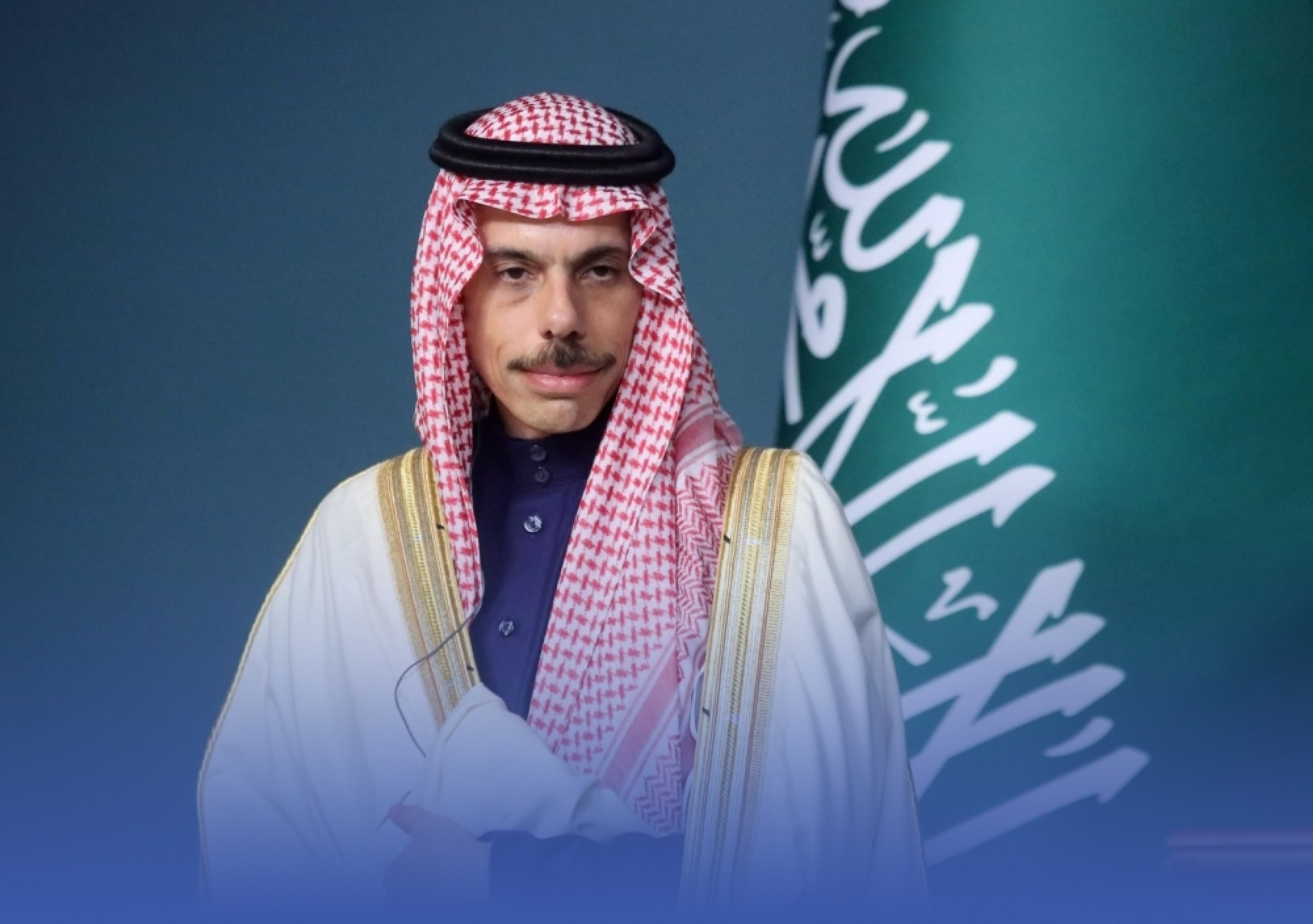
As part of the ongoing diplomatic efforts led by the Kingdom of Saudi Arabia to promote stability in the Middle East, His Highness Prince Faisal bin Farhan bin Abdullah, Minister of Foreign Affairs, today received a series of telephone calls from his counterparts in four key countries, including the Arab Republic of Egypt, the Sultanate of Oman, the Republic of Turkey, and the Islamic Republic of Pakistan.
His Highness the Foreign Minister began his diplomatic activities by receiving a telephone call from the Minister of Foreign Affairs, Immigration, and Egyptian Expatriates Affairs, Dr. Badr Abdel-Aty. The call focused on reviewing the deep-rooted fraternal relations between the two brotherly countries, which are a cornerstone of Arab national security. The two sides also discussed the latest developments in the region, in light of the ongoing coordination between Riyadh and Cairo on critical issues of concern to the Arab nation.
In a related development, Prince Faisal bin Farhan discussed regional developments and efforts to address them during a telephone call with the Omani Foreign Minister, Mr. Badr bin Hamad Al Busaidi. This call underscores the depth of Gulf relations and the shared destiny of the GCC states, as well as the importance of ongoing coordination to confront the growing challenges in the region.
His Highness also received a telephone call from the Turkish Foreign Minister, Mr. Hakan Fidan, during which they discussed regional developments and international efforts to contain them. These talks reflect the remarkable progress in Saudi-Turkish relations and the two countries' commitment to ongoing consultations to ensure regional security and prevent further conflicts.
Regarding relations with major Islamic countries, the Foreign Minister discussed the rapidly evolving situation in the region during a telephone call with the Deputy Prime Minister and Foreign Minister of Pakistan, Mr. Muhammad Ishaq Dar. The two sides discussed ways to de-escalate tensions in order to preserve regional security and stability, building upon the historical and strategic relationship between the Kingdom and Pakistan.
These contacts are of paramount importance at this time, given the geopolitical turmoil in the region, which necessitates concerted international and regional efforts. These intensive discussions underscore the leading role played by the Kingdom of Saudi Arabia in pursuing de-escalation, prioritizing dialogue, and working diligently with regional and international partners to defuse crises and achieve international peace and security.
Politics
The Organization of Islamic Cooperation rejects annexation and affirms the unity of Palestinian territories
The Organization of Islamic Cooperation's statement from Jeddah affirms the centrality of the Palestinian cause, rejects settlement activity and Israeli decisions, and calls for a ceasefire in Gaza and the protection of UNRWA.
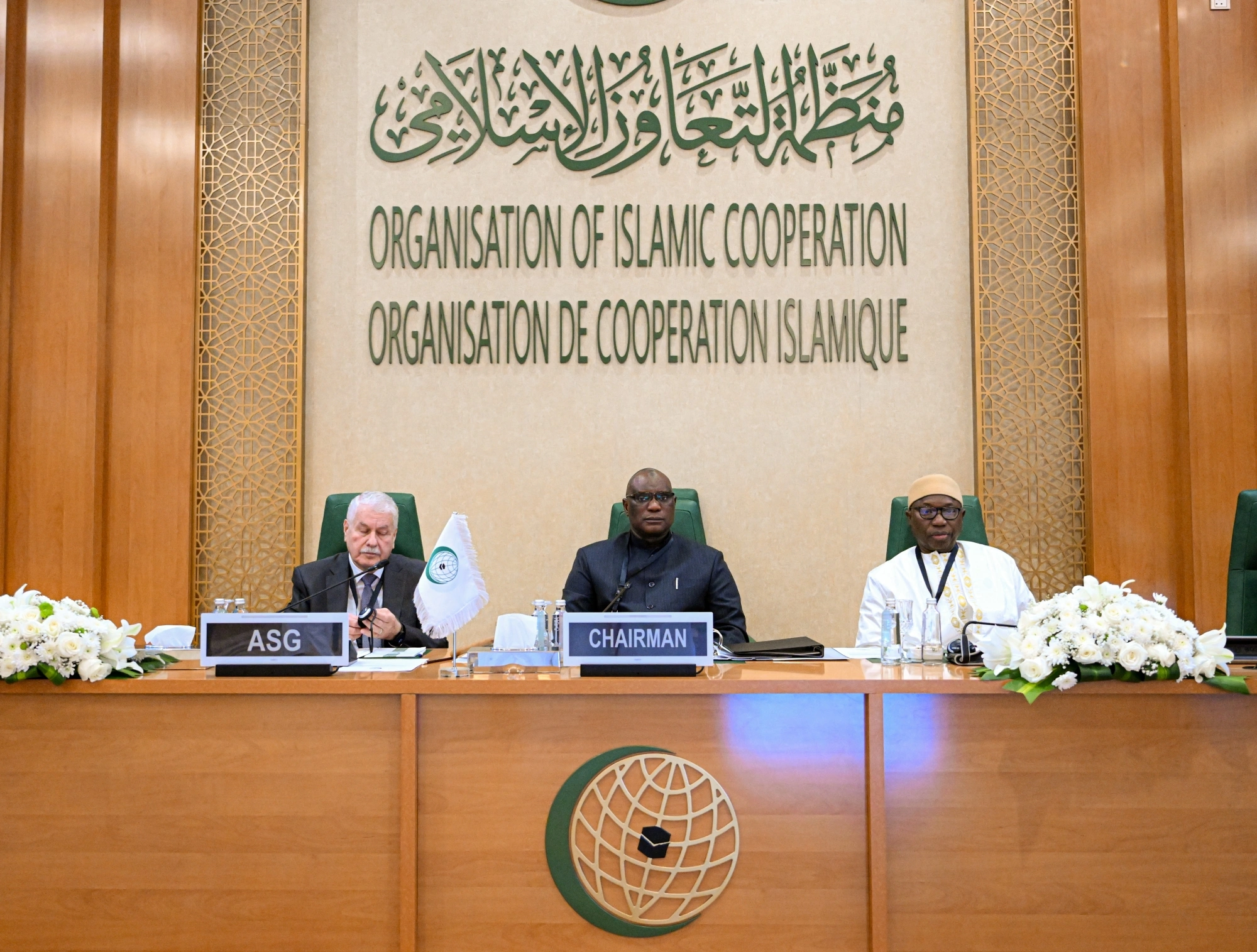
At the conclusion of its extraordinary meeting of foreign ministers held in Jeddah, the Organization of Islamic Cooperation (OIC) reaffirmed the firm and unwavering position of its member states regarding the centrality of the Palestinian cause, stressing its categorical rejection of all Israeli measures aimed at changing the legal and historical status of the occupied territories, including attempts to strengthen settlement activity and impose alleged sovereignty over the West Bank and Jerusalem.
The centrality of the issue and historical responsibility
This meeting comes at a highly sensitive time for the region, serving as a reminder of the foundational role of the organization, which was established primarily to defend Jerusalem. The ministers reaffirmed the political, legal, and moral responsibility of the Islamic world to stand in full solidarity with the Palestinian people, guided by the principles of the UN Charter, which criminalizes the acquisition of territory by force.
The final statement stressed that Palestinian rights are inalienable, foremost among them the right to self-determination, the right of return, and the realization of the independence of a sovereign State of Palestine on the borders of June 4, 1967, with East Jerusalem as its capital, as the fundamental pillar of any just and comprehensive peace in the region.
Rejection of unilateral actions and provocative statements
The meeting condemned in the strongest terms the escalating steps taken by Israel, the occupying power, to impose a new colonial reality through settlement expansion and the deepening of its policies of Judaization and land confiscation. The organization deemed these measures “null and void” under international law and considered them war crimes that threaten international peace and security.
In a related context, the organization condemned recent statements by the US Ambassador to Israel, Mike Huckabee, and the steps taken to provide consular services to settlers in the West Bank. The statement emphasized that such actions constitute a violation of the Vienna Convention on Consular Relations and a direct endorsement of the illegal settlement project, stressing that they will not alter the legal status of the occupied territory.
Palestinian land unity and support for Gaza
The organization unequivocally affirmed the unity of the Palestinian territory as a single, indivisible geopolitical entity, encompassing the Gaza Strip, the West Bank, and Jerusalem. The meeting called for an immediate and comprehensive ceasefire in the Gaza Strip, a complete Israeli withdrawal, and the facilitation of unhindered humanitarian access, declaring the organization's full support for the State of Palestine in its recovery and reconstruction plans.
The participants also renewed their support for the United Nations Relief and Works Agency for Palestine Refugees (UNRWA), condemning the Israeli attacks and measures against it, and calling on the international community to provide the necessary financial and political support for the continuation of its vital work.
Regional and international dimensions
The meeting did not overlook the escalating tensions in the Middle East, with ministers expressing grave concern over the rhetoric of confrontation and threats of force, including those related to Iran. The statement emphasized that dialogue and diplomacy are the only path to achieving lasting security, warning that any military escalation would have disastrous consequences for the global economy and energy security.
In conclusion, the organization welcomed the diplomatic efforts aimed at reducing the escalation, appreciating the role of mediating countries such as the Kingdom of Saudi Arabia, the Sultanate of Oman, Qatar, Egypt, and Turkey, and affirming its determination to take all legal and political measures in international forums, including the Security Council and the International Court of Justice, to hold the occupation accountable and end the era of colonialism.
-
Local news one week ago
Human Resources sets the date for the 2026 Founding Day holiday for both sectors
-
Sports one week ago
Al-Shabab crushes Hadramout Solidarity 13-0 and qualifies for the Gulf Cup semi-finals
-

 Culture and Art, 1 week ago
The ban on the Hamdiya series in Iraq: Reasons and official response
-
Local News 4 days ago
The Ministry of Interior begins procedures for a royal pardon for common law prisoners
-
Culture and Art, 1 week ago
Ramez Level the Monster promo: Prank details and list of victims this Ramadan
-
Culture and Art, 1 week ago
The series "Taht El Ard" (Underground) has been postponed and will not air during Ramadan 2026
-
Reports one week ago
King Salman Relief Center's Ramadan aid includes 9 countries
-
Local news one week ago
Completion of the first phase of transferring terminals at King Khalid International Airport