Politics
Lavrov comments on the revised proposal regarding Ukraine: details of the Russian position
Learn the details of Sergey Lavrov's statements regarding the revised proposal for the Ukrainian crisis. A comprehensive analysis of the Russian position, the historical background of the conflict, and expectations for the course of negotiations.


In the latest development in the complex diplomatic landscape of the Russian-Ukrainian crisis, Russian Foreign Minister Sergey Lavrov commented on the recently circulated "revised proposal" for a settlement in Ukraine. These remarks come at a time of intense international political activity aimed at finding a way out of the protracted crisis, amidst significant differences of opinion between Moscow, Kyiv, and their Western allies.
Russia's consistent stance on Western initiatives
In his remarks, Lavrov emphasized that Moscow is treating with extreme caution any proposals that take the form of "ultimatums" or fail to consider "the new realities on the ground." The Russian minister indicated that any revised proposal that does not address the true roots of the conflict—namely, Russia's security concerns and NATO's eastward expansion—is doomed to failure. He stressed that Russia remains open to serious negotiations that guarantee its national security interests, but rejects formulas aimed solely at buying time or allowing the other side to regroup militarily.
Historical context and roots of the crisis
To understand the implications of Lavrov's statements, it is necessary to return to the historical context of the conflict. Since the collapse of the Soviet Union, Russia has viewed NATO expansion as an existential threat. This situation intensified after the events of 2014 in Ukraine, culminating in the military operation in February 2022. Russian diplomacy has consistently cited the Istanbul negotiations in the early weeks of the war as a missed opportunity, accusing Western powers of obstructing an agreement that was then imminent. Consequently, any "revised proposal" today is measured by Russia against those missed opportunities and the geopolitical shifts that have occurred since then.
Regional and international dimensions of current proposals
The significance of the Russian Foreign Minister's remarks extends beyond the bilateral relationship between Moscow and Kyiv, encompassing the entire international system. The current proposals are emerging amidst sharp global polarization, with developing nations vying to play a mediating role, while the West insists on the peace formula put forward by Ukrainian President Volodymyr Zelensky. Lavrov believes that ignoring Russia's interests in any proposal will perpetuate instability in Europe, negatively impacting global energy security and food supply chains—issues that are increasingly plaguing the global economy.
The future of negotiations in light of current circumstances
In conclusion, Lavrov's statements clearly indicate that the path to a political settlement remains long and arduous. Russian approval of any revised proposal hinges on its realism and its recognition of the current military and political balance. Observers believe that a diplomatic solution requires painful concessions and mutual security guarantees that the parties may not be prepared to offer at present. This makes Lavrov's remarks a reminder that lasting peace requires addressing the root causes of the conflict, not just its symptoms.




Politics
The foreign minister and his Afghan counterpart discuss de-escalating regional tensions
Foreign Minister Prince Faisal bin Farhan received a call from his Afghan counterpart, Amir Khan Muttaqi, during which they discussed regional developments and efforts to reduce escalation and achieve security and stability.
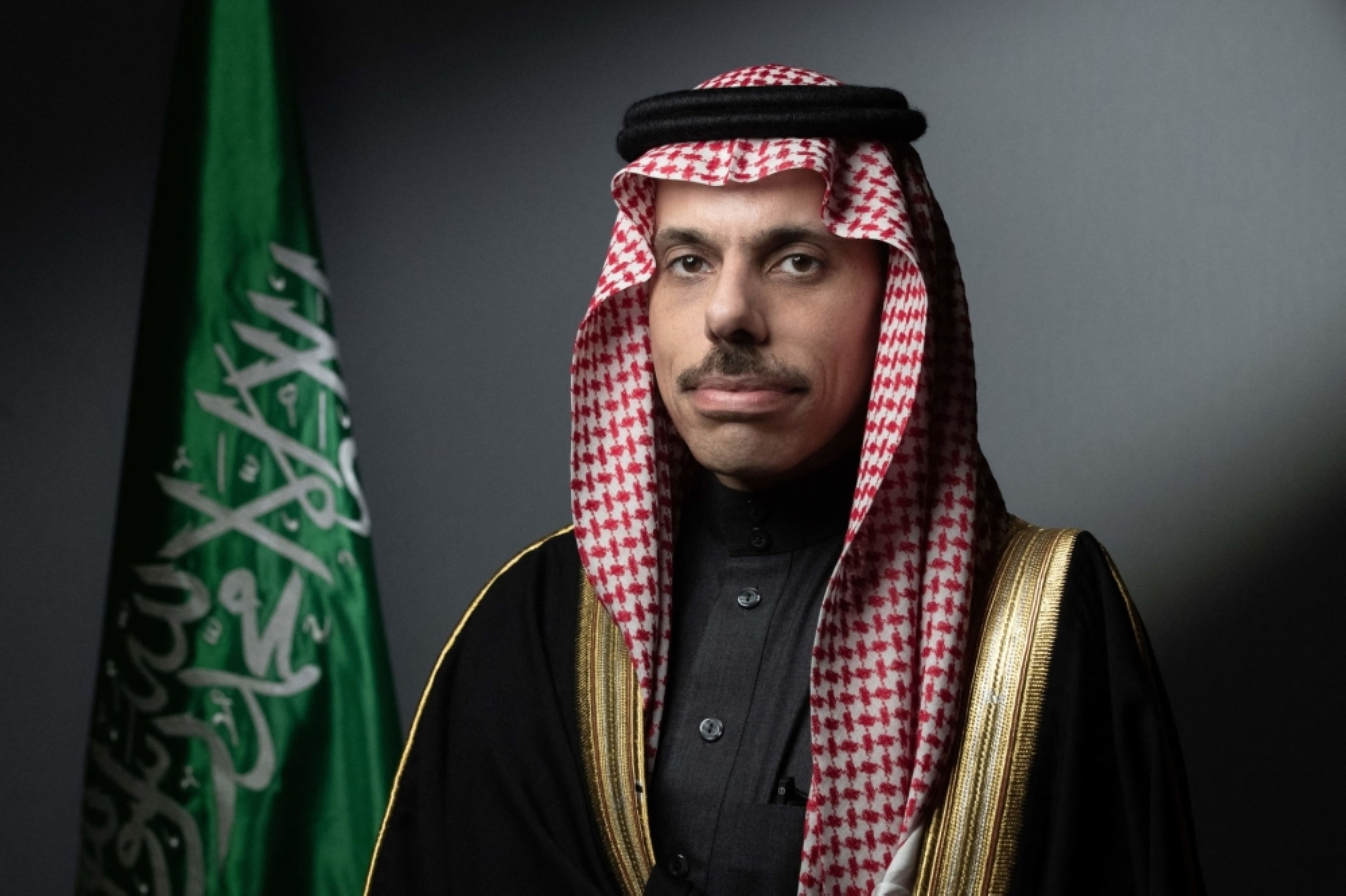
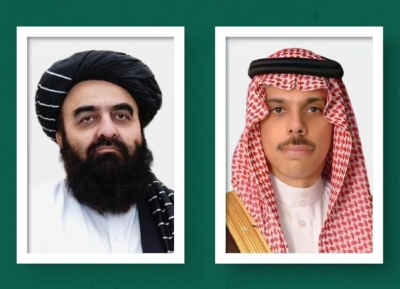
His Royal Highness Prince Faisal bin Farhan bin Abdullah, the Saudi Minister of Foreign Affairs, received a telephone call yesterday, Friday, from His Excellency Amir Khan Muttaqi, the Afghan Minister of Foreign Affairs. This call comes within the framework of ongoing consultations between the Kingdom of Saudi Arabia and Islamic and regional countries to strengthen frameworks for joint cooperation and discuss issues of common interest.
During the call, a comprehensive review of current regional and international developments took place. The two sides focused primarily on discussing diplomatic and political efforts to de-escalate tensions and the necessity of joint action to prevent further escalation that could negatively impact international peace and security. They agreed on the importance of continued coordination to contribute to achieving security and stability for all the peoples of the region.
The Kingdom's leading role in promoting regional stability
These talks reaffirm the pivotal role played by the Kingdom of Saudi Arabia, under the leadership of the Custodian of the Two Holy Mosques and His Royal Highness the Crown Prince, in spearheading diplomatic efforts to achieve peace. Saudi diplomacy consistently prioritizes dialogue and political solutions in addressing crises, as the Kingdom is a cornerstone of regional security and works tirelessly with all relevant actors to ensure stability in the Middle East and Central Asia.
The importance of joint coordination in light of current challenges
This contact is of particular importance given the delicate circumstances the region is experiencing, as current security and political challenges necessitate a high level of coordination and consultation among Islamic countries. The Afghan issue and stability in Afghanistan are integral to broader regional security, and the Kingdom consistently supports efforts that serve the interests of the brotherly Afghan people and help them achieve their aspirations for development and prosperity, free from conflict.
At the end of the call, both sides stressed the need to intensify diplomatic efforts to contain any emerging crises, emphasizing that constructive dialogue is the best way to overcome obstacles and achieve the aspirations of peoples to live in lasting safety and stability.
Politics
Trump rejects uranium enrichment in Iran after Geneva negotiations
Trump, speaking from Texas, reiterated his firm opposition to any uranium enrichment in Iran, describing the current levels as uncivilized, thus complicating the latest nuclear negotiations in Geneva.
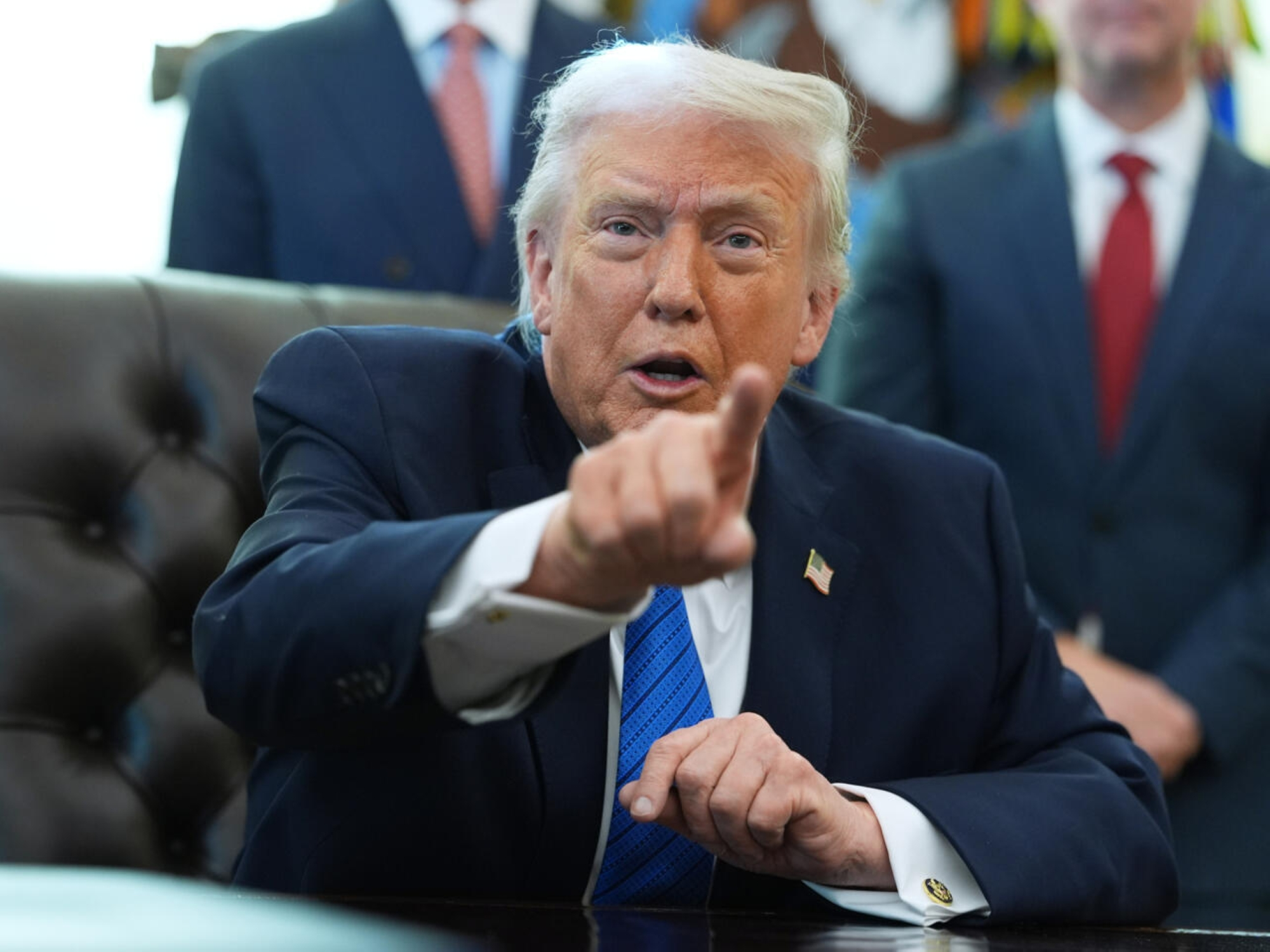
In a new escalation of the US stance on the Iranian nuclear issue, US President Donald Trump reiterated on Friday his categorical and absolute rejection of any level of uranium enrichment within Iranian territory, even under the guise of civilian or peaceful purposes. These fiery remarks came less than 24 hours after the conclusion of the third round of direct negotiations between delegations from Washington and Tehran in Geneva, Switzerland, casting doubt on the viability of the current diplomatic track.
Speaking to reporters in Corpus Christi, Texas, Trump explained that available information indicates Iran is seeking to reach enrichment levels between 20% and 30%. The US president asserted that these levels cannot be classified as civilian energy uses, stating unequivocally, "This level is not civilian." Trump expressed his dissatisfaction with the pace and outcome of the recent talks, summarizing the US position with a decisive statement: "I say no to enrichment." This represents a return to the "zero enrichment" principle long advocated by hawks in successive US administrations.
These statements come at a highly sensitive time, as Geneva has witnessed intense diplomatic activity in recent days aimed at finding common ground to revive nuclear understandings. Discussions have focused primarily on key points of contention, most notably the permissible limit for uranium enrichment and the monitoring mechanisms to be enforced by the International Atomic Energy Agency—issues that form the crux of any potential agreement.
From a technical and political standpoint, Trump's talk of 20% and 30% enrichment levels carries serious implications. Uranium intended for civilian power reactors typically does not require enrichment exceeding 3.67% to 5%. Reaching the 20% threshold, however, is considered by nuclear experts to be a significant technological leap that would shorten the time needed to reach the 90% enrichment required for a nuclear weapon. Therefore, Washington's insistence on a complete ban on enrichment stems from fears that any civilian enrichment infrastructure could be quickly diverted into a clandestine military program.
This hardline stance brings to mind the complexities of the international landscape surrounding the Iranian nuclear issue for many years. The United States believes that allowing Tehran to possess a complete nuclear fuel cycle threatens regional and international security, while Iran insists that enrichment is its sovereign right under the Nuclear Non-Proliferation Treaty. Trump's recent statements are expected to complicate the task of international mediators and may push Tehran to adopt even more hardline positions in future rounds of talks, leaving the entire region facing open-ended scenarios ranging from diplomatic stalemate to military escalation.
Politics
Iraq denies firing from Kuwait and affirms border stability
The Iraqi Ministry of Interior officially denies reports of gunfire from the Kuwaiti side on the Basra border, confirms the stability of the security situation, and warns those spreading rumors of legal accountability.
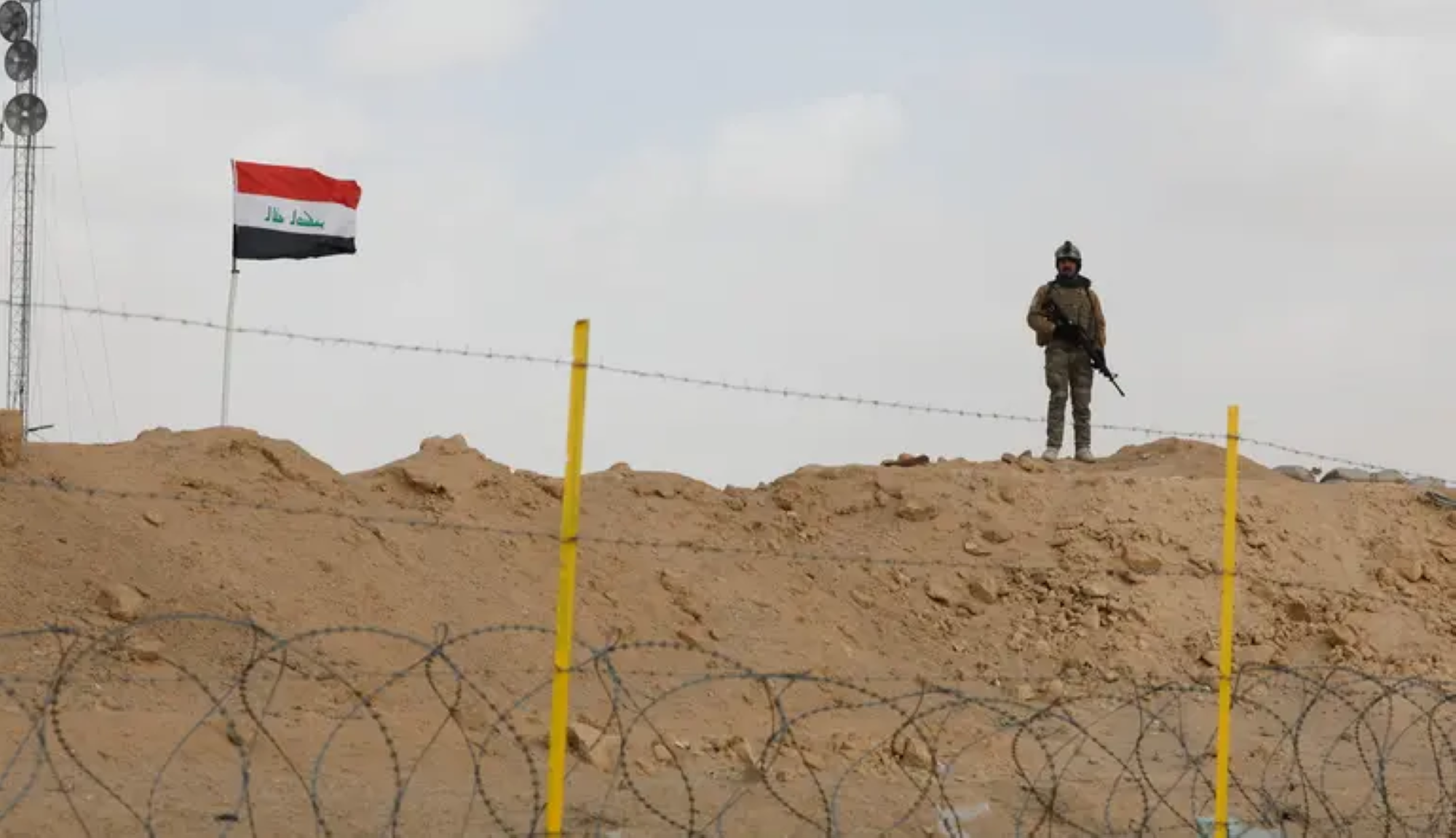
The Iraqi Ministry of Interior, in an official statement issued this evening (Friday), categorically denied the validity of the news circulated by some social media platforms and media outlets, which claimed that gunfire had occurred from the Kuwaiti side towards one of the border points belonging to Basra Governorate in southern Iraq.
The ministry explained in its statement that this information is completely false, stressing that no security breach or incident of this kind has been recorded in the area of responsibility, and that the movement and security situation along the border strip between the two countries is proceeding in a very normal and stable manner, amid mutual security coordination to control the borders and prevent any violations.
The importance of stability on the Iraqi-Kuwaiti border
The Iraqi-Kuwaiti border holds immense strategic and security importance for both countries. Relations between Baghdad and Kuwait have witnessed remarkable development and a qualitative leap in recent years, overcoming the tensions of the 1990s. The stability of the border regions, particularly in Basra Governorate, Iraq's economic heartland, is a cornerstone of national security for both sides, in addition to serving as a vital corridor for trade and passenger traffic through official border crossings such as the Safwan-Abdali crossing.
Security cooperation and combating rumors
In a related context, the Ministry of Interior called on all media outlets and bloggers to exercise accuracy and credibility, and to rely solely on official and authorized sources when disseminating sensitive security information. The Ministry warned against being swayed by malicious rumors intended to sow confusion and anxiety among citizens, or those that attempt to disrupt the growing fraternal relations and established diplomatic ties between the peoples and leaderships of Iraq and Kuwait.
The ministry also stressed that it will not tolerate any violation of the law, affirming its full legal right to pursue and hold accountable those who spread false news that affects civil peace, security and stability, and to take all necessary legal measures against them to ensure that such claims that harm the country’s higher interests are not repeated.
This swift and decisive denial comes to block any attempts to escalate the situation in the media, and to confirm the strength of the ongoing security coordination between the border guard forces in both countries to prevent any illegal activities, thus ensuring the continuation of calm and stability in this sensitive regional area.
-

 Culture and Art, 1 week ago
The ban on the Hamdiya series in Iraq: Reasons and official response
-
Local News 5 days ago
The Ministry of Interior begins procedures for a royal pardon for common law prisoners
-
Culture and Art, 1 week ago
The series "Taht El Ard" (Underground) has been postponed and will not air during Ramadan 2026
-
Local news two days ago
Saudi Arabia approves regulations for the continued presence of Gulf vehicles: duration and penalties
-
Reports one week ago
King Salman Relief Center's Ramadan aid includes 9 countries
-
Local news one week ago
19 requirements to reduce dust from projects in Riyadh and fines for violators
-
Sports one week ago
Dates for the Al-Nassr vs. Al-Wasl match in the 2026 AFC Champions League quarter-finals
-
Culture and Art, 1 week ago
Details of the first episode of the series "Al-Maddah 6: The Legend of the End"