
Politics
Kuwait: Defense and Interior Ministers Resign
In protest against what they described as the arbitrary use of the interpellation tool by members of the Kuwaiti National Assembly (parliament), the Deputy Speaker of the Assembly submitted a motion

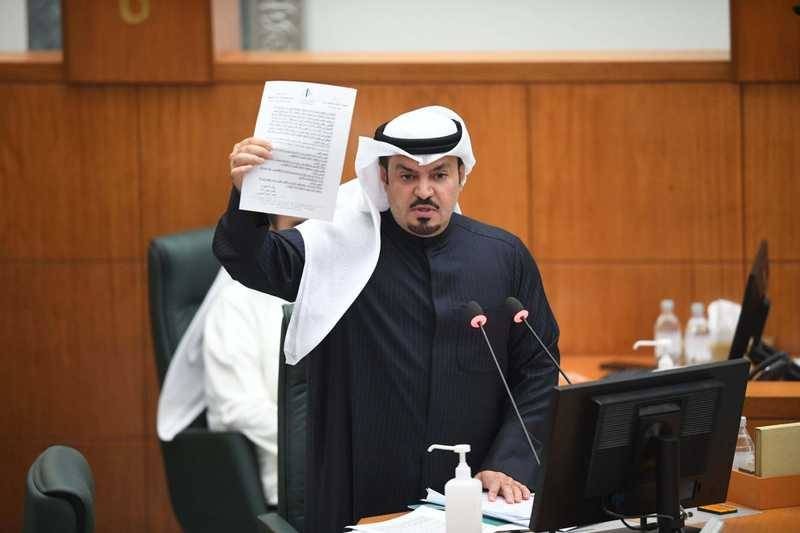
In protest against what they described as the arbitrary use of the interpellation tool by members of the Kuwaiti National Assembly (parliament), Deputy Prime Minister and Minister of Defense Sheikh Hamad Jaber Al-Ali and Deputy Prime Minister and Minister of Interior Sheikh Ahmed Al-Mansour submitted their resignations to Prime Minister Sheikh Sabah Al-Khaled.
The Kuwaiti newspaper Al-Qabas reported that Al-Ali expressed his deep regret over the state of affairs in the country, due to the arbitrary use of constitutional tools, “which prompted us to take this step by submitting our resignations to the Prime Minister.”.
He said, “We swore to protect public funds and we took reform and legal steps, but we cannot accomplish anything in this atmosphere as if failure is required and not achievement.” He added, “Interpellations are a constitutional right, but I and the other ministers found ourselves unable to fulfill the aspirations of the Kuwaiti people who expect a lot from us, and this is their right. However, parliamentary practices are hindering us from fulfilling the aspirations of the loyal Kuwaiti people who trusted us and hoped to achieve their demands.”.
He concluded by saying, "Therefore, I decided to resign because I came to accomplish things and work, and I have a reform plan, but it cannot be implemented under these circumstances.".
The National Assembly renewed its confidence in the Minister of Foreign Affairs and Minister of State for Cabinet Affairs, Sheikh Dr. Ahmed Al-Nasser, during its session today (Wednesday), after 23 MPs rejected the motion of no confidence, while 21 MPs supported the motion.
The council held a special public session to vote on the request submitted by 10 MPs to withdraw confidence from the Minister of Foreign Affairs. In its session held on February 8, it discussed the interpellation submitted by MP Shuaib Al-Muwaizri to the Minister of Foreign Affairs, which consisted of four axes, and concluded with 10 MPs submitting a request to withdraw confidence from the Minister.


Politics
Saudi Investment Minister arrives in Damascus to sign strategic contracts
Saudi Investment Minister Khalid al-Falih arrives in Damascus at the head of a high-level delegation to sign contracts in aviation, communications and infrastructure, to strengthen economic cooperation between Saudi Arabia and Syria.
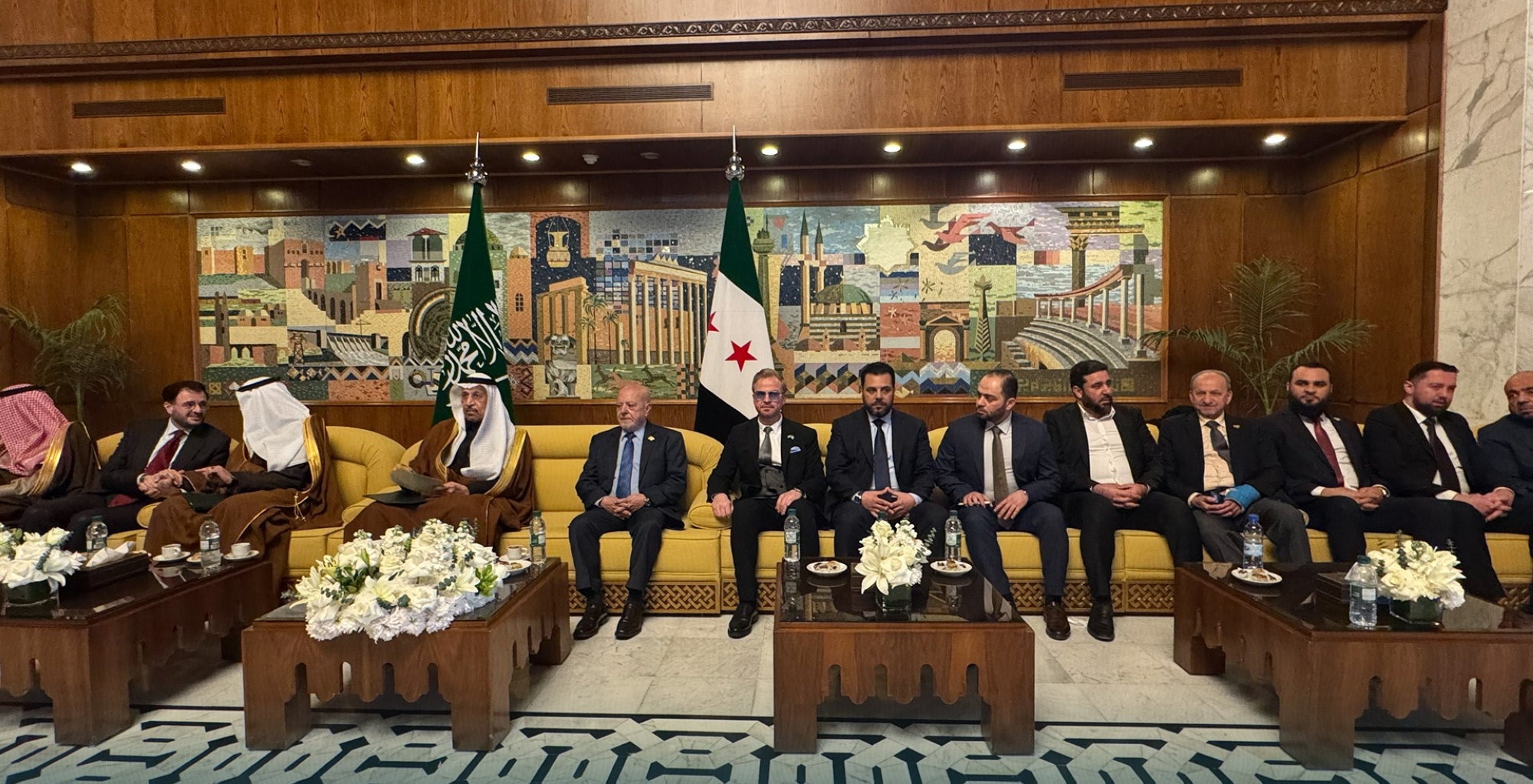
In a move reflecting the accelerating pace of economic cooperation between the Kingdom of Saudi Arabia and the Syrian Arab Republic, a high-level Saudi delegation, headed by Minister of Investment Khalid Al-Falih, arrived in Damascus on Saturday morning. This official visit marks the beginning of a new phase of practical partnership, aiming to translate bilateral understandings from discussions into concrete implementation through the signing of a series of strategic contracts.
Quality contracts in vital sectors
The visit is expected to witness the announcement of a package of agreements and contracts between major Saudi companies and Syrian government entities. According to available information, these contracts will primarily focus on vital sectors that are central to the economy and development, most notably the civil aviation sector, the telecommunications and information technology sector, as well as infrastructure projects and development initiatives. These sectors are considered essential for creating a favorable investment climate and revitalizing the Syrian economy, thus opening up significant opportunities for the Saudi private sector to actively contribute to reconstruction and development projects.
Context of the visit: The fruits of resuming diplomatic relations
This visit cannot be viewed in isolation from the political and diplomatic context of the past two years. These economic moves are a direct result of the resumption of diplomatic relations between Riyadh and Damascus and Syria's return to its seat in the Arab League. Minister Al-Falih's visit builds upon a series of meetings and economic forums held last year, which paved the way for removing obstacles for investors and activating joint committees, thus underscoring the commitment of both sides to building sustainable strategic relations.
Economic and regional dimensions of joint cooperation
This visit carries significant economic implications both locally and regionally. For the Kingdom, this move aligns with the goals of Vision 2030, which seeks to boost foreign investment and diversify economic partnerships in the region. For Syria, attracting high-quality Saudi investments represents a lifeline for the local economy and a crucial step toward improving basic services and developing its dilapidated infrastructure.
The visit's agenda includes a series of closed and expanded meetings with senior Syrian officials to explore broader avenues for cooperation and discuss legislative and regulatory frameworks that guarantee investment protection and provide a stimulating business environment. These ongoing efforts underscore the strategic partnership between the two countries and their shared desire to achieve economic integration that benefits both nations and enhances regional stability and prosperity.
Politics
Peace Council meeting on Gaza in Washington: Details of the upcoming summit
The White House plans to hold the first meeting of the Peace Council on Gaza on February 19. Learn about the summit details, reconstruction plans, and the anticipated meeting between Trump and Netanyahu.
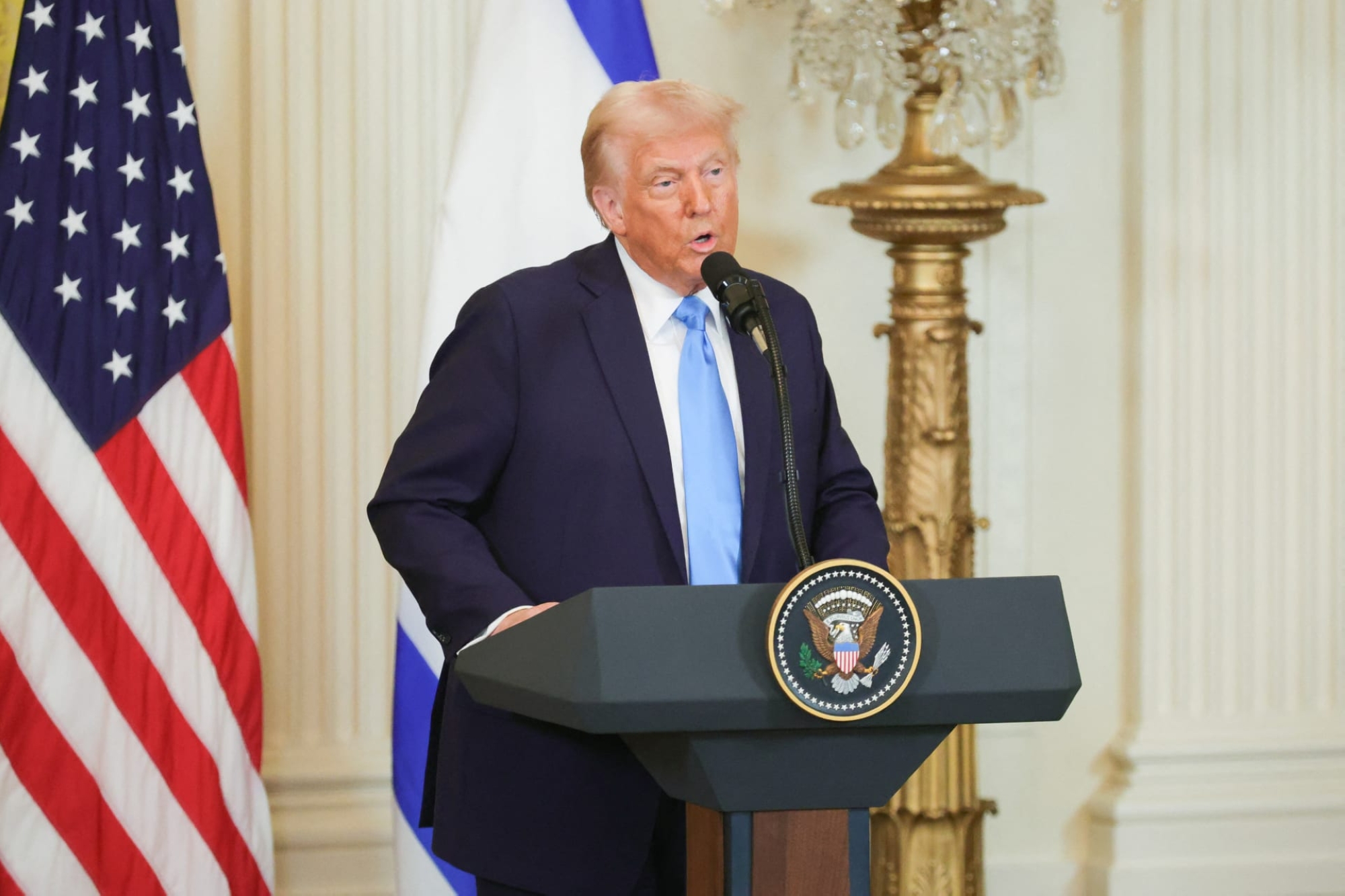
Diplomatic sources and US officials have revealed intensive efforts within the White House to convene the first high-level meeting of leaders of the "Peace Council," an international initiative launched by US President Donald Trump, to discuss the future of the Gaza Strip. Washington, D.C., is scheduled to host this important event on February 19, amid international anticipation of its outcomes.
Meeting agenda: Between interim governance and reconstruction
According to Axios, citing a US official and diplomats from four Security Council member states, the plans are still being finalized, but the primary objective of the meeting extends beyond political coordination to include transforming it into an international fundraising conference. This move aims to secure the necessary funding for the comprehensive reconstruction of Gaza, which has been devastated by the ongoing war since late 2013.
The meeting is scheduled to take place at the United States Institute of Peace in Washington. This summit is particularly significant as it comes on the heels of a planned meeting between US President Donald Trump and Israeli Prime Minister Benjamin Netanyahu at the White House on February 18, suggesting prior coordination of positions before meeting with the other members of the Security Council.
Context of the initiative and international controversy
These moves come in the context of President Trump's initiative, launched in late January, to establish a "Peace Council" under his leadership, with the stated goal of resolving global conflicts. This step has sparked widespread controversy in international political circles, with experts and observers expressing concern that this new entity could marginalize the role of the United Nations and undermine traditional international institutions.
On the diplomatic front, the invitation to join the council has been met with mixed reactions. While some of Washington’s allies in the Middle East have rushed to engage in the initiative, many Western countries and traditional US allies remain cautious and have not yet announced their participation, reflecting a state of anticipation regarding the nature of the role this council will play.
Human rights criticisms and the deteriorating situation on the ground
Under the vision Trump presented for Gaza late last year, the council is supposed to oversee the interim governance of the territory. This vision has faced sharp criticism from human rights experts, who described the supervision of a territory's affairs by an external council without representation for its people as resembling a "colonial structure," especially given the absence of any Palestinian representation within the council's composition.
On the ground, this meeting is taking place amidst a catastrophic humanitarian and security situation. The fragile ceasefire has been repeatedly violated, with more than 550 Palestinians and four Israeli soldiers killed since the truce began in October. Statistics indicate that the Israeli offensive, which began in late 2013, has killed more than 71,000 Palestinians, caused the complete displacement of the Gaza Strip's population, and created a severe hunger crisis, making reconstruction and relief efforts an existential challenge that cannot be postponed.
Politics
Al-Wasel: Vision 2030 promotes social empowerment and quality of life globally
Ambassador Abdulaziz Al-Wasil presented to the United Nations the Kingdom’s efforts through Vision 2030 in social development, youth empowerment, and initiatives to support families and those with limited income.
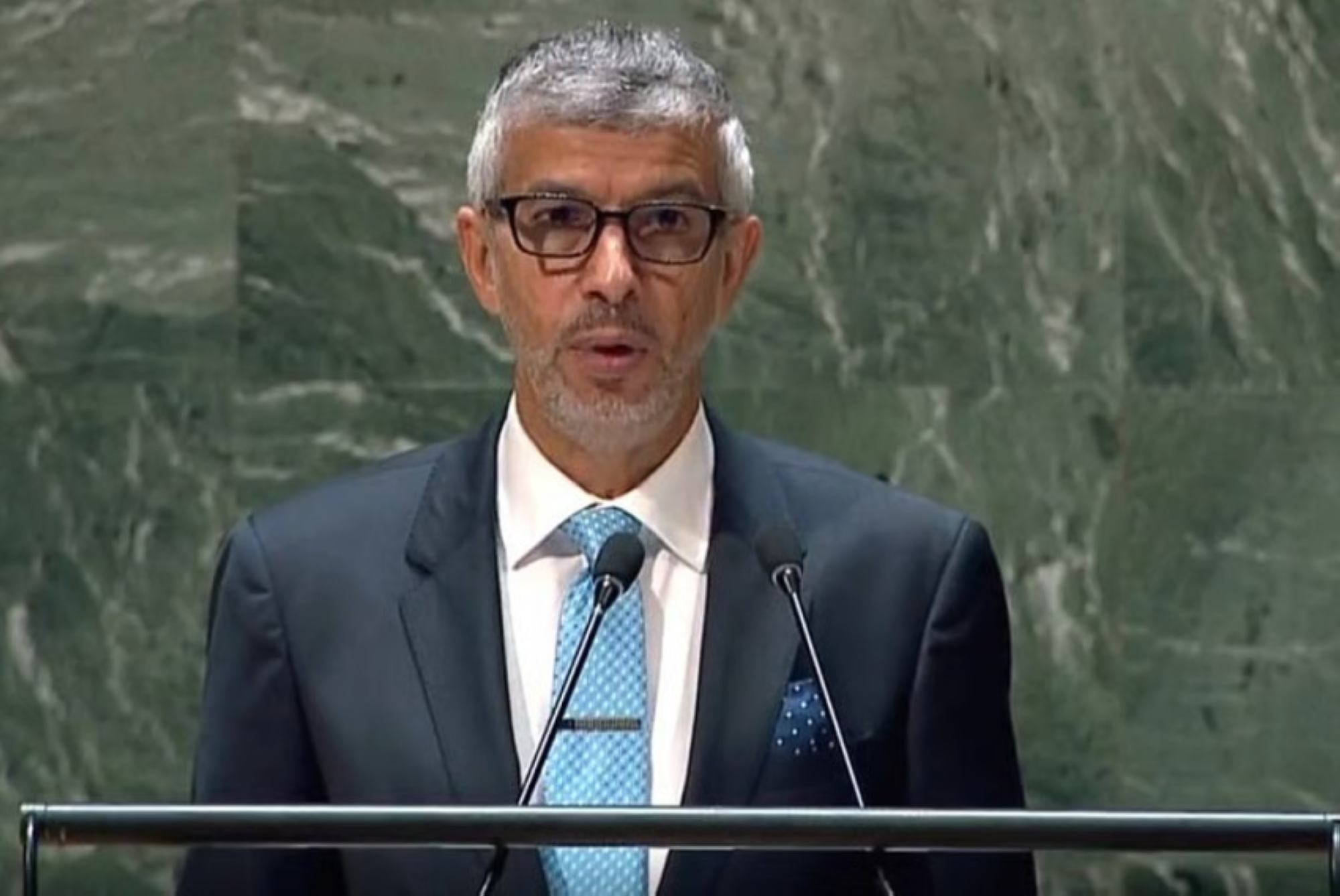
The Permanent Representative of the Kingdom of Saudi Arabia to the United Nations, Ambassador Dr. Abdulaziz Al-Wasil, affirmed that the Kingdom is moving steadily towards achieving a comprehensive social renaissance, stressing that the Kingdom’s Vision 2030 is not just an economic plan, but rather an integrated national framework that places the human being at the heart of development, and aims primarily to improve the quality of life and enshrine the principles of inclusion and empowerment for all segments of society.
International commitment and sustainable development
This came in the Kingdom's statement delivered by Ambassador Al-Wasil during the proceedings of the United Nations Commission for Social Development, where he explained that the Kingdom continues to align its national policies and legislation with the ambitious goals of its Vision 2030. He noted that this alignment aims to strengthen family ties, improve healthcare and social welfare systems, and support sustainable development initiatives, reflecting the Kingdom's firm commitment to actively participating in the implementation of the Commission's action plans and enhancing global cooperation to achieve social justice.
Context of national transformation and youth empowerment
In the context of the fundamental transformations taking place in the Kingdom, this speech reflects the qualitative shift since the launch of Vision 2030 in 2016, which moved the focus from traditional patronage to genuine empowerment. The Kingdom's representative emphasized his country's adoption of a participatory, evidence-based approach to youth policies. This is demonstrated by formulating public policy for youth development with broad participation from young people themselves, enhancing the effectiveness of these policies and ensuring their relevance to real needs, thus solidifying the role of youth as true partners in shaping the future and leading change.
Family and elderly care: a top priority
Al-Wasel reviewed the ongoing efforts to enhance family and elderly care, which included enacting specialized legislation and launching impactful initiatives such as the "Privilege Card" for senior citizens, and adopting a national family strategy. He also noted the development of precise standards for family counseling, reflecting the Kingdom's commitment to strengthening family cohesion, protecting the most vulnerable groups, and providing supportive environments that ensure the dignity and independence of senior citizens, in recognition of their status and role in society.
From Pastoral to Developmental: Empowerment Clinics
On a crucial socio-economic front, the Permanent Representative emphasized the importance of empowering low-income groups, noting the strategic shift in support programs through the training and employment of social security beneficiaries. He highlighted the establishment of the "Empowerment Clinics" , which aims to provide integrated social and economic interventions that contribute to raising the efficiency of beneficiaries and enhancing their self-reliance, thereby achieving economic and social stability for families and moving them from a state of need to one of productivity.
Al-Wasel concluded his speech by emphasizing the Kingdom’s continued support for international efforts related to social development, strengthening partnerships and exchanging experiences, in order to achieve the Committee’s goals and enhance the paths of social justice and sustainable development at the global level.
-

 Local news one week ago
Ramadan 2026 discounts in Saudi Arabia: Offers valid for 54 days
-
Culture and Art, 1 week ago
The death of artist Huda Shaarawi “Umm Zaki” and her funeral in Damascus
-
Technology one week ago
ICAN 2026 Conference Conclusion: Initiatives to Enhance Saudi Arabia's Leadership in Artificial Intelligence
-
Local News 3 days ago
Launch of the city's shuttle bus service in Ramadan 1447 AH: Routes and stations
-
Culture and Art, 1 week ago
Huda Shaarawi: Farewell to “Umm Zaki,” the icon of Syrian drama
-
Culture and Art, 1 week ago
The murder of Huda Shaarawi, "Umm Zaki": Details of the crime and its impact
-
Local News 5 days ago
Rabigh inaugurates the world's largest water innovation oasis and enters the Guinness World Records
-
Culture and Art 4 days ago
The series "Rouh OFF" was permanently canceled by a decision of the Actors' Syndicate


