
Politics
Sending Tomahawk missiles to Ukraine: A Russian warning of dire consequences
Russia warns of dire consequences after supplying Tomahawk missiles to Ukraine, amid escalating tensions between Moscow and Washington and significant geopolitical implications.

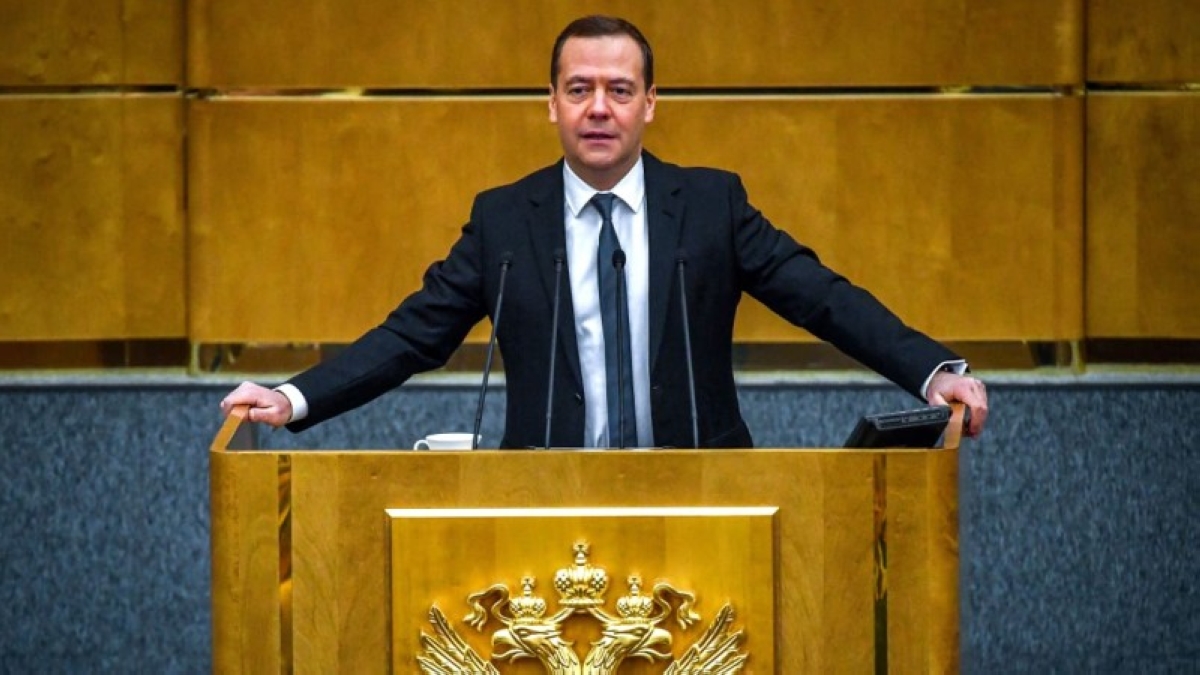
Tensions are escalating between Moscow and Washington over Tomahawk missiles
Amid escalating international tensions, former Russian President Dmitry Medvedev warned that the US supply of Tomahawk missiles to Ukraine could have dire consequences for everyone, specifically mentioning the impact on former US President Donald Trump. These remarks come against a backdrop of increasing geopolitical complexities among the world's major powers.
Russian warnings and American statements
Medvedev explained that distinguishing between conventional Tomahawk missiles and those equipped with nuclear warheads is impossible once launched, raising concerns about how Russia would respond to such a development. He hinted at the possibility of a Russian response of a nuclear nature, reflecting the gravity of the current situation.
For his part, Trump warned that he might send long-range Tomahawk missiles to Ukraine if Moscow did not end the war there soon. He emphasized that he might be prepared to increase pressure on Russian President Vladimir Putin using a substantial weapons system, stressing the power and impact of these offensive missiles.
Talks with Zelensky
Trump's remarks came after a phone call with Ukrainian President Volodymyr Zelensky, during which they discussed strengthening Ukraine's air defenses and long-range capabilities. Zelensky described the call as "very productive," indicating a convergence of views on the importance of bolstering Ukraine's defense capabilities.
International reactions and strategic analysis
Russian President Vladimir Putin has previously warned that the United States supplying Ukraine with long-range missiles would seriously damage relations between Moscow and Washington. This warning reflects Russia's deep concern about any escalatory steps that could worsen the security situation in the region.
Saudi Arabia and its diplomatic role
Amid these escalating tensions, Saudi Arabia is playing a crucial diplomatic role in attempting to de-escalate the situation and promote regional and international stability. Riyadh is relying on its diplomatic strength and strategic balance to achieve peace and stability in the region and the world.
Conclusion and analysis of the international situation
The situation between Russia and the United States remains sensitive and complex, requiring wisdom and diplomacy to avoid any escalation that could lead to disastrous consequences. Continued dialogue and mutual understanding are the best way to resolve conflicts and ensure global security and peace.


Politics
Eritrean President receives graduates to strengthen relations and discuss regional issues
Eritrean President Isaias Afwerki received Saudi Deputy Foreign Minister Waleed Al-Khuraiji in Asmara. The two sides discussed strengthening bilateral cooperation and regional and international developments.
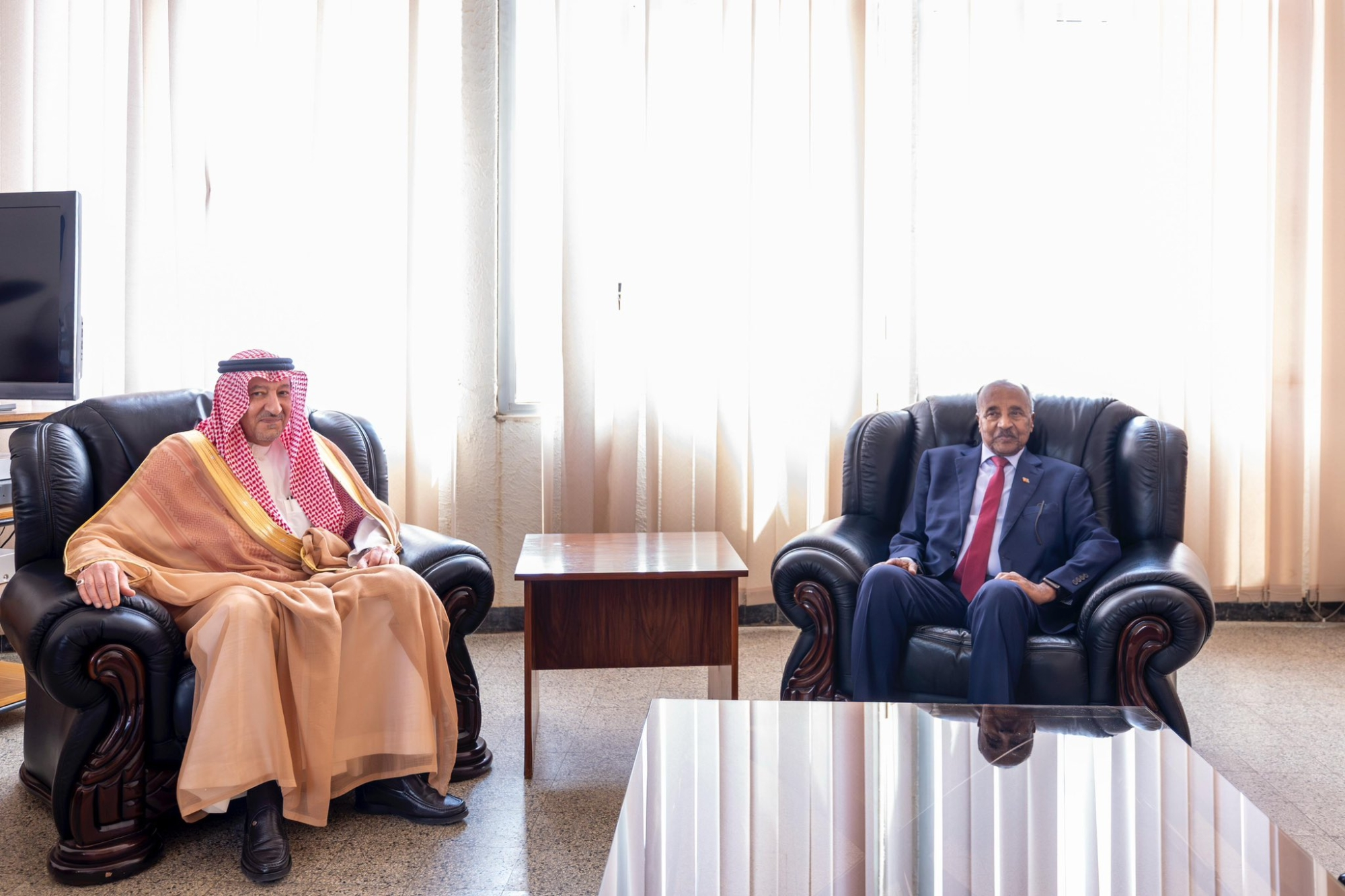
As part of ongoing diplomatic efforts to enhance cooperation between the Kingdom of Saudi Arabia and the countries of the Horn of Africa, His Excellency President Isaias Afwerki of Eritrea received today in the capital Asmara His Excellency Deputy Minister of Foreign Affairs, Engineer Waleed bin Abdulkarim Al-Khuraiji, who is on an official visit aimed at strengthening bilateral relations between the two brotherly countries.
Exchange of messages and confirmation of the depth of relations
The meeting began with His Excellency Engineer Waleed Al-Khuraiji conveying the greetings and appreciation of the Custodian of the Two Holy Mosques, King Salman bin Abdulaziz Al Saud, and His Royal Highness Crown Prince Mohammed bin Salman bin Abdulaziz, Prime Minister – may God protect them – and their wishes for further progress and prosperity for the government and people of Eritrea. For his part, the Eritrean President asked His Excellency to convey his greetings and appreciation to the wise leadership of the Kingdom, expressing his wishes for the Kingdom's continued development and well-being.
During the meeting, a comprehensive review of bilateral relations and ways to strengthen and develop them across various political and economic fields was conducted, in order to serve mutual interests. The two sides also discussed the latest regional and international developments and efforts to enhance security and stability in the region.
Strategic importance and regional dimensions
This visit is of particular importance given Eritrea's strategic location on the Red Sea coast, which aligns with Saudi Arabia's interest in the security and stability of this vital waterway. These discussions are a continuation of the Kingdom's leading role in strengthening security in the Red Sea and Gulf of Aden region, where Eritrea is an active member of the Council of Arab and African States Bordering the Red Sea and the Gulf of Aden, established in Riyadh.
The visit also reflects the Saudi leadership’s keenness to sustain stability in the Horn of Africa region, based on the Kingdom’s great diplomatic legacy, which was previously crowned by sponsoring the historic peace agreement between Ethiopia and Eritrea in Jeddah in 2018, which confirms the depth of ties and mutual trust between Riyadh and Asmara.
Bilateral talks with the Eritrean Foreign Minister
In a related development, Deputy Foreign Minister Waleed Al-Khuraiji held a bilateral meeting with Eritrean Foreign Minister Osman Saleh. The meeting addressed mechanisms for developing bilateral relations in several vital sectors, as well as discussing issues of common interest.
The two meetings were attended by the Ambassador of the Custodian of the Two Holy Mosques to Eritrea, Meshal bin Sanjar Al-Ruqi, reflecting the high-level diplomatic interest in the outcomes of this visit and its expected positive impact on the course of relations between the two countries.
Politics
Faisal bin Farhan and Lavrov discuss Saudi-Russian relations
Foreign Minister Prince Faisal bin Farhan received a call from his Russian counterpart Sergey Lavrov, during which they discussed strengthening bilateral relations, regional and international issues, and energy security.
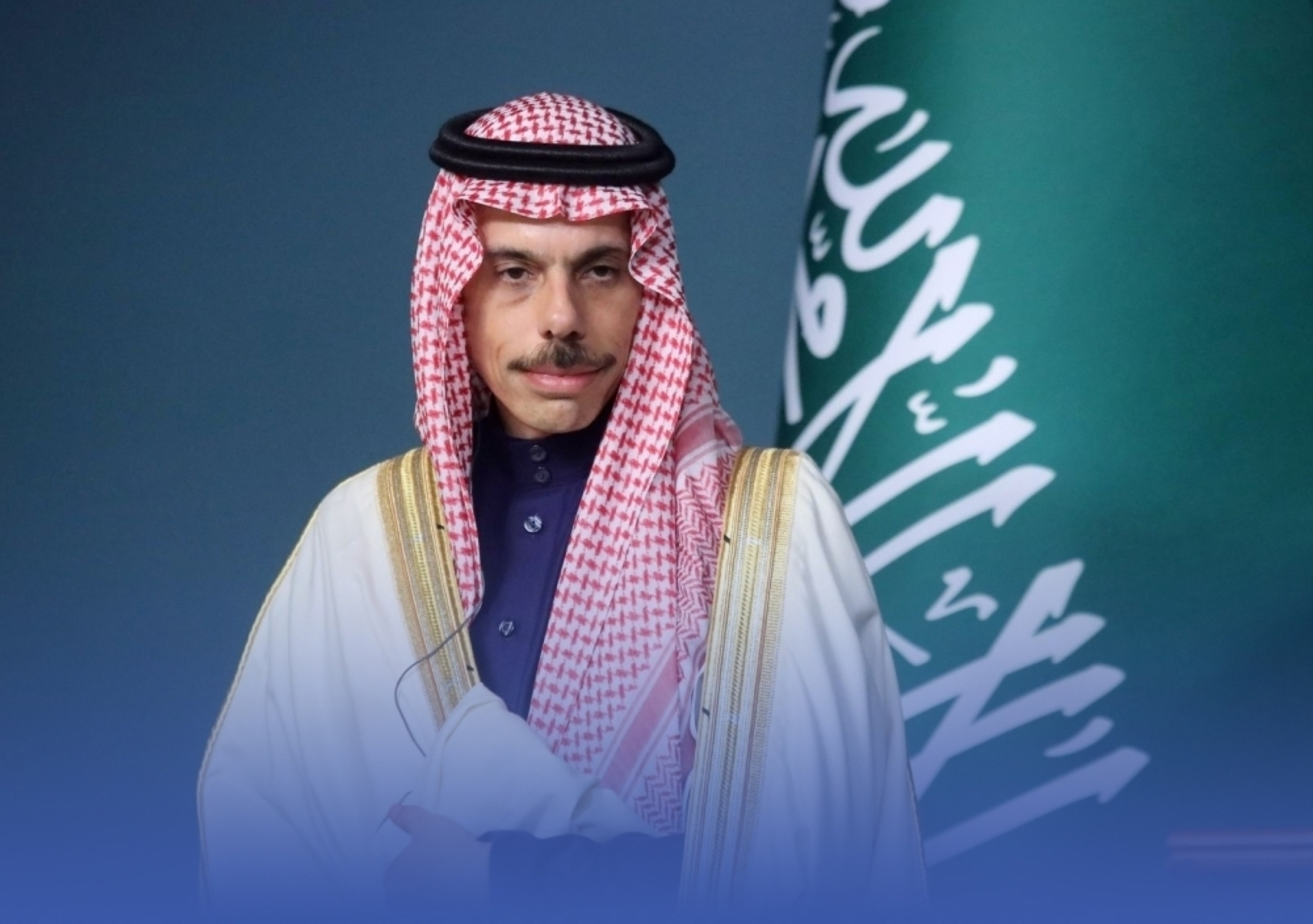
His Highness Prince Faisal bin Farhan bin Abdullah, the Saudi Minister of Foreign Affairs, received a telephone call today, Friday, from His Excellency Sergey Lavrov, the Minister of Foreign Affairs of the Russian Federation. This call comes within the framework of ongoing consultations between the two friendly countries to enhance joint coordination on various issues.
Strengthening joint cooperation
During the call, the two sides discussed the full spectrum of bilateral relations between the Kingdom of Saudi Arabia and the Russian Federation, exploring ways to develop and enhance them across various fields to serve the interests of both countries and their friendly peoples. The ministers emphasized the importance of continued joint efforts to propel relations toward broader horizons, particularly in light of the strategic partnerships that unite Riyadh and Moscow.
Coordinating positions on regional and international issues
The call addressed a number of topics and issues of mutual interest at both the regional and international levels. These discussions are of particular importance given the pivotal role both countries play in dealing with pressing issues in the Middle East region, and their efforts to promote international peace and security.
In a related context, Saudi-Russian relations are seen as a key pillar in the stability of global energy markets, as the two countries lead the OPEC+ alliance, which aims to maintain market balance and ensure energy supplies, reflecting the depth of economic and strategic cooperation between them.
The importance of timing and political context
This contact comes at a time of rapid geopolitical shifts in the region and the world, necessitating intensified consultations among influential global powers. These discussions underscore the Kingdom of Saudi Arabia's diplomatic approach, which is based on diversifying international partnerships and engaging with all relevant actors, thereby strengthening its position as a peacemaker and a reliable partner in addressing international crises.
The call also reflects the Russian side’s keenness to coordinate with the Kingdom on sensitive issues, given the Kingdom’s political, religious and economic weight, and its ability to lead initiatives that contribute to reducing escalation and resolving conflicts peacefully in the region.
Politics
Trump unveils Gaza reconstruction plan and international stabilization force
Details of Trump's plan to rebuild Gaza with billions of dollars and form an international stabilization force with the participation of Arab and Islamic countries, and the date of the Peace Council meeting in Washington.
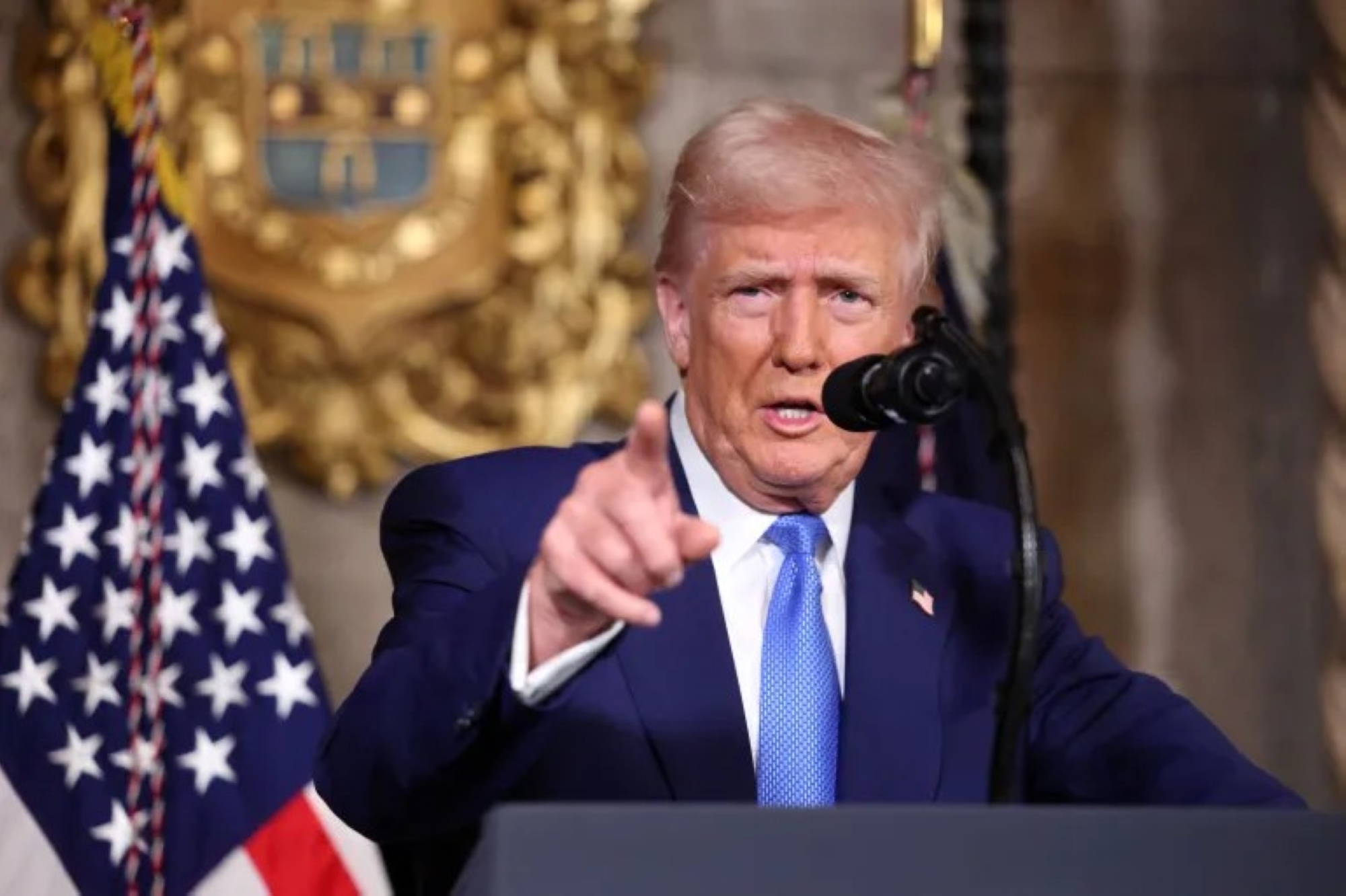
Next week, all eyes will be on Washington, D.C., as U.S. President Donald Trump prepares to announce a comprehensive initiative aimed at reshaping the landscape in the Gaza Strip, through an ambitious multi-billion dollar reconstruction plan, coinciding with the deployment of an international stabilization force with a UN mandate.
Details of the upcoming meeting in Washington
Two senior US officials have stated that President Trump will unveil details of this plan during the inaugural meeting of the "Peace Council," scheduled for February 19. This major diplomatic event is expected to draw high-level delegations from more than 20 countries, reflecting the international momentum the US administration is attempting to build on this complex issue.
This move culminates previous efforts, as Trump signed the council's founding documents at the Davos Forum and secured approval from the UN Security Council to support his plan. Key regional states have announced their participation in the council, most notably Saudi Arabia, Egypt, Turkey, and Qatar, in addition to major Islamic powers like Indonesia. Meanwhile, Western powers remain cautious and watchful regarding the details of the initiative.
A huge financial fund and a stabilizing force
The plan centers on establishing a massive financial fund dedicated to rebuilding the sector's devastated infrastructure, with a US official describing the expected contributions from member states as "generous." Alongside the economic component, Trump will unveil security arrangements that include the willingness of several countries to send thousands of troops to participate in a "stabilization force" planned for deployment in Gaza in the coming months to ensure security and facilitate reconstruction efforts.
Dealing with Hamas and the security situation
Regarding the complex internal situation, Trump's plan includes sensitive political and security provisions, such as granting amnesty to Hamas members who agree to disarmament and accept the principle of peaceful coexistence. The plan also stipulates securing safe passage for those wishing to leave the Gaza Strip. The meeting will also address reports from the "National Committee for the Administration of Gaza," discuss mechanisms for distributing urgent humanitarian aid, and restructure the police force to maintain internal security.
Context of the crisis and scale of destruction
This initiative comes at a time when the Gaza Strip is suffering unprecedented devastation affecting all aspects of life. Ongoing military operations have led to widespread destruction of infrastructure, including hospitals, schools, and water and electricity networks. Reconstruction remains the greatest challenge facing the international community, given the enormous costs and the logistical and security complexities that have thus far prevented the effective commencement of field operations.
Regional and international dimensions of the plan
The involvement of influential regional powers such as Saudi Arabia, Egypt, and Turkey in the "Peace Council" carries significant political implications, indicating the desire of these countries to play a direct role in shaping the future of the sector to ensure regional stability and prevent a resurgence of conflict. Their participation is a crucial guarantee for the success of any international effort, given their political weight and their extensive relationships with various parties. Conversely, the success of this plan represents a true test of the current US administration's ability to impose its vision for peace in the Middle East through unconventional economic and security mechanisms.
-
 Local news one week ago
Launch of the city's shuttle bus service in Ramadan 1447 AH: Routes and stations
-

 Culture and Art, 1 week ago
The series "Rouh OFF" was permanently canceled by a decision of the Actors' Syndicate
-

 Culture and Art, 1 week ago
Yasser Galal and Radwa El Sherbiny: Details of a new artistic project that brings them together
-
 Local news one week ago
The Ministry of Education revokes the licenses of 74 private schools due to safety and quality violations
-
 Local news one week ago
Mohammed Al-Rasasmeh appointed as official spokesperson for the Ministry of Municipalities and Housing
-

 Culture and Art, 1 week ago
Poster for the series "Two Others": Asser Yassin and Dina El Sherbiny in Ramadan
-
 Politics, one week ago
German Chancellor Friedrich Merz departs Riyadh after an official visit
-
 Local news one week ago
Saudi Arabia weather today: Thunderstorms and dust in 5 regions