Politics
Iraq denies firing from Kuwait and affirms border stability
The Iraqi Ministry of Interior officially denies reports of gunfire from the Kuwaiti side on the Basra border, confirms the stability of the security situation, and warns those spreading rumors of legal accountability.

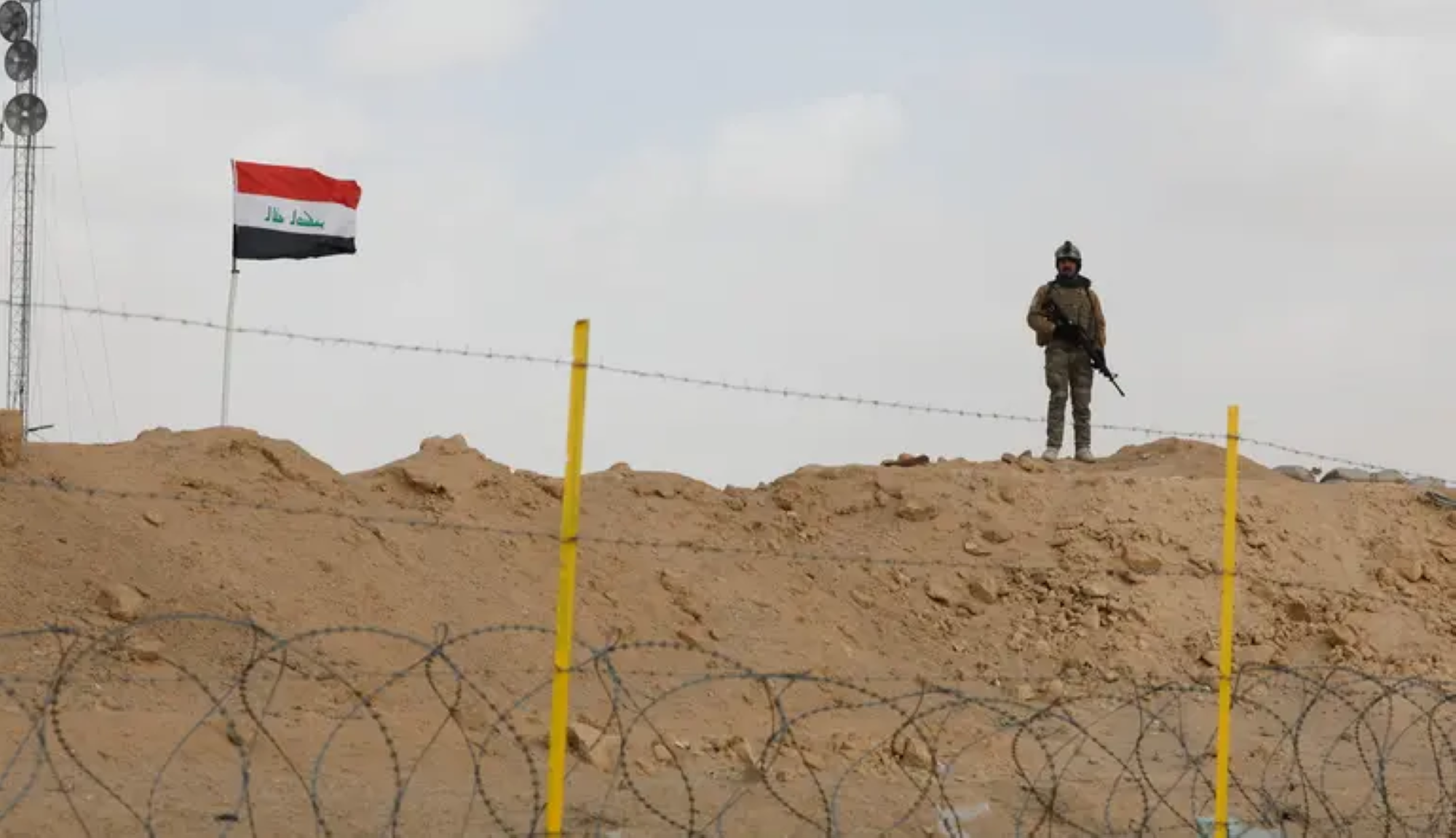
The Iraqi Ministry of Interior, in an official statement issued this evening (Friday), categorically denied the validity of the news circulated by some social media platforms and media outlets, which claimed that gunfire had occurred from the Kuwaiti side towards one of the border points belonging to Basra Governorate in southern Iraq.
The ministry explained in its statement that this information is completely false, stressing that no security breach or incident of this kind has been recorded in the area of responsibility, and that the movement and security situation along the border strip between the two countries is proceeding in a very normal and stable manner, amid mutual security coordination to control the borders and prevent any violations.
The importance of stability on the Iraqi-Kuwaiti border
The Iraqi-Kuwaiti border holds immense strategic and security importance for both countries. Relations between Baghdad and Kuwait have witnessed remarkable development and a qualitative leap in recent years, overcoming the tensions of the 1990s. The stability of the border regions, particularly in Basra Governorate, Iraq's economic heartland, is a cornerstone of national security for both sides, in addition to serving as a vital corridor for trade and passenger traffic through official border crossings such as the Safwan-Abdali crossing.
Security cooperation and combating rumors
In a related context, the Ministry of Interior called on all media outlets and bloggers to exercise accuracy and credibility, and to rely solely on official and authorized sources when disseminating sensitive security information. The Ministry warned against being swayed by malicious rumors intended to sow confusion and anxiety among citizens, or those that attempt to disrupt the growing fraternal relations and established diplomatic ties between the peoples and leaderships of Iraq and Kuwait.
The ministry also stressed that it will not tolerate any violation of the law, affirming its full legal right to pursue and hold accountable those who spread false news that affects civil peace, security and stability, and to take all necessary legal measures against them to ensure that such claims that harm the country’s higher interests are not repeated.
This swift and decisive denial comes to block any attempts to escalate the situation in the media, and to confirm the strength of the ongoing security coordination between the border guard forces in both countries to prevent any illegal activities, thus ensuring the continuation of calm and stability in this sensitive regional area.


Politics
Washington seizes 1.8 million barrels of oil from a Venezuelan tanker
Details of the US seizure of the oil tanker Skipper and 1.8 million barrels of Venezuelan crude, as part of a strategy of sanctions and pressure on the Maduro regime.
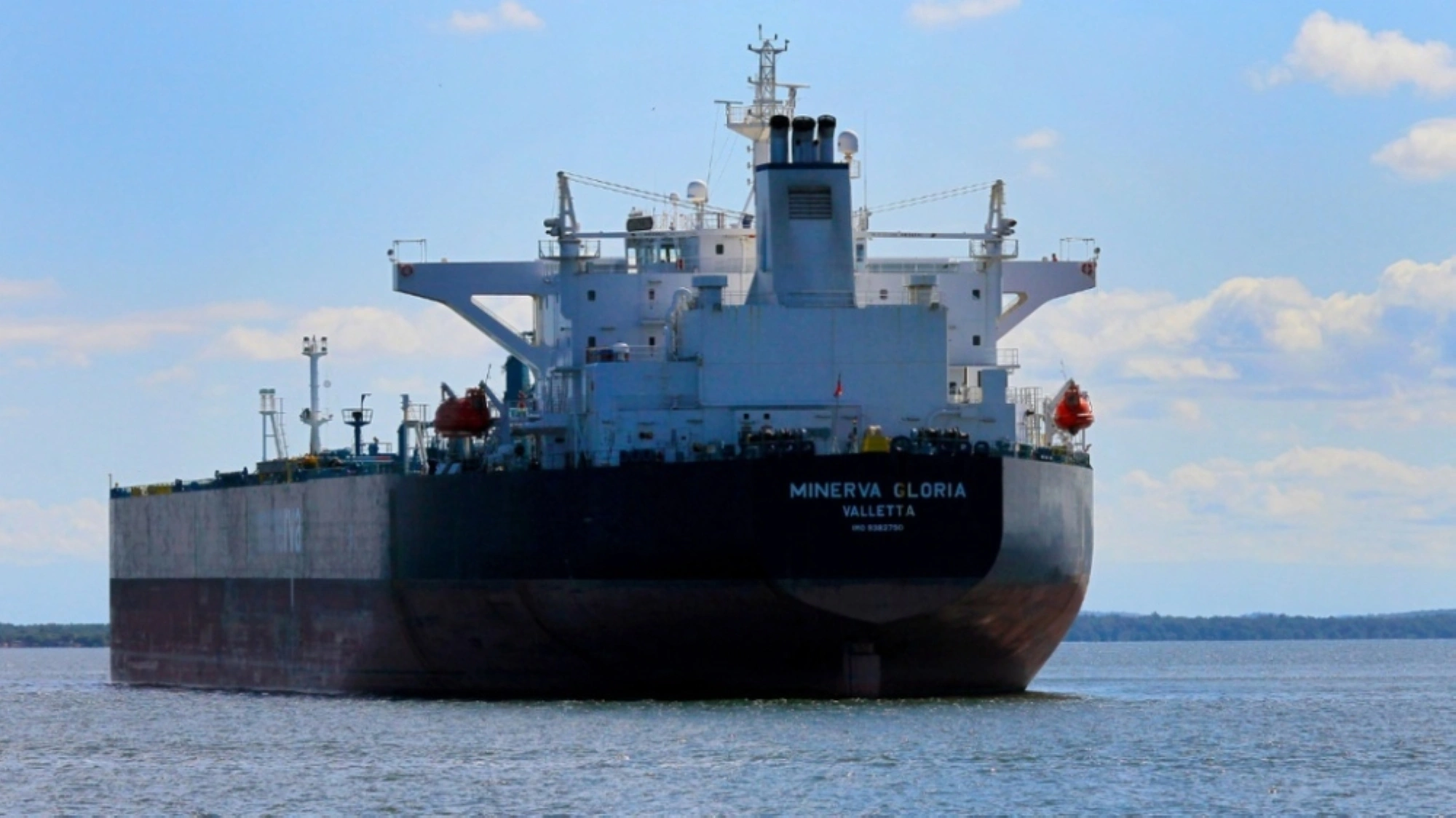
In a new escalation of international sanctions, the US Department of Justice announced its formal action to seize the supertanker "Motor Tanker Skipper," along with a massive cargo of approximately 1.8 million barrels of crude oil. This operation is part of ongoing efforts to tighten the noose on illicit financing networks linked to Venezuela's state-owned oil company, Petróleos de Venezuela (PDVSA).
Maritime evasion and camouflage techniques
US investigations revealed that the tanker "Skipper" was not operating normally, but rather engaged in a series of complex operations to evade sanctions. According to the Department of Justice, the tanker transported massive quantities of crude oil from both Iran and Venezuela, using sophisticated techniques to conceal its identity and route. These methods included falsifying its AIS (Automatic Identification System) data and illegally flying the flags of various countries to disguise its true destinations, a blatant violation of international maritime law and the US sanctions regime.
The temporal and political context of the operation
This seizure is particularly significant given its timing and the surrounding political context. The tanker was detained off the Venezuelan coast last December, a move that paved the way for subsequent dramatic developments. These actions are part of Washington's maximum pressure strategy against ousted President Nicolás Maduro, which culminated in the US military operation and his capture in early January 2016, according to the timeline of events.
The post-Maduro era: Cooperation with the interim administration
With the radical political changes in Caracas, officials in the Trump administration are currently pushing for a new chapter with the interim government in Venezuela. These moves aim to allow American companies to resume operations and access Venezuela's vast oil reserves, provided that comprehensive structural reforms are initiated. Through this approach, Washington is asserting that the era of covert funding for regimes it considers a threat to US national security is over, and that the current focus is on rebuilding economic relations on terms that guarantee transparency and compliance with international law.
Economic and strategic dimensions
The seizure of 1.8 million barrels is a significant blow to smuggling networks, as this quantity represents a substantial financial value that would have been used to support regimes under severe sanctions. Through this operation, the United States sends a clear message to all players in the maritime energy transport market that attempts to circumvent sanctions by changing flags or manipulating navigation data will not go unpunished, and that the long arm of the American justice system is capable of accessing and seizing these assets.
Politics
Britain temporarily withdraws its staff from Iran following Trump's threats
Britain is temporarily withdrawing its staff from Iran and suspending consular services due to the deteriorating security situation, amid Trump's statements about nuclear weapons and the possibility of military escalation.
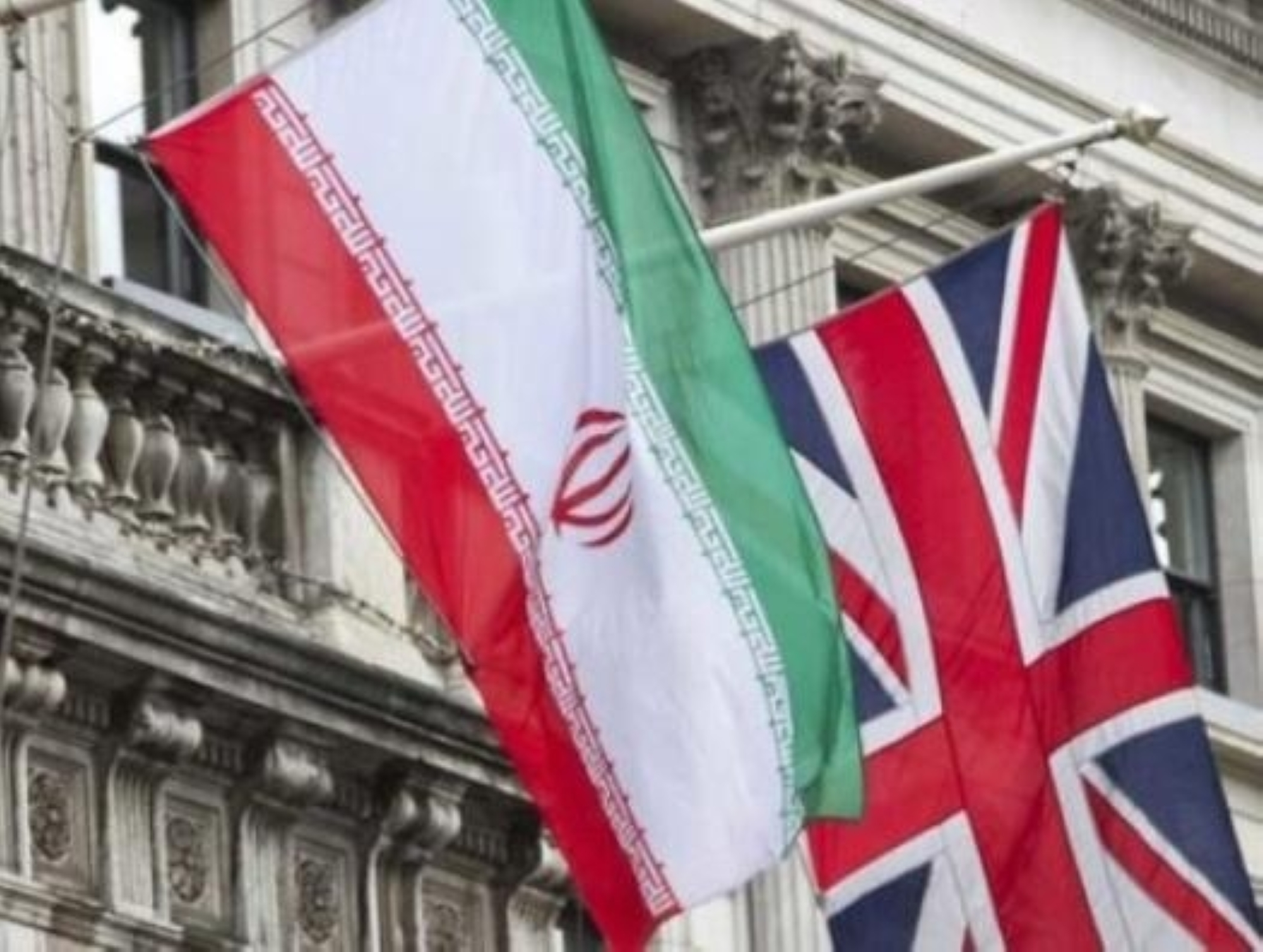
The British government announced today (Friday) the temporary withdrawal of its staff from Iran, a move reflecting deep international concern over the deteriorating security situation in the Middle East. London confirmed that this decision is part of a series of stringent precautionary measures primarily aimed at ensuring the safety and security of its diplomatic mission personnel in Tehran, given the volatile regional environment.
Suspension of consular services and remote work
In detailing the new measures, the British Foreign Office clarified that the embassy in Tehran will not close permanently but will continue to operate remotely. However, the Foreign Office explicitly advised its citizens that it is not currently providing any direct consular services, even in what might be considered emergencies. The Foreign Office also noted that its ability to assist British nationals in Iran has become extremely limited, urging them to exercise the utmost caution.
Trump and the nuclear issue: an escalation in rhetoric
The British decision comes amid escalating geopolitical tensions, particularly following fiery remarks by US President Donald Trump. During his State of the Union address on Tuesday, Trump briefly outlined the justifications for a potential US attack on Iran. While he reiterated his preference for a diplomatic solution to the crisis, the language of threats was strongly present.
In his speech, the US president emphasized a red line that cannot be crossed, asserting that he will not allow Tehran to acquire a nuclear weapon under any circumstances. These statements reflect the continuation of the maximum pressure policy, both political and military, that Washington and its allies are exerting on Iran, amid growing international concerns that any miscalculation could lead to a wider conflict in the region.
Background of the tension and its potential effects
To understand the implications of the British move, it is essential to consider the historical context of diplomatic relations between the West and Iran, which have long been characterized by extreme sensitivity. Western countries often resort to reducing their diplomatic missions when intelligence reports indicate a heightened threat level, whether due to internal unrest or fears of retaliatory attacks targeting diplomatic premises, as has occurred in the past.
The withdrawal of staff carries political implications that extend beyond the administrative measure; it signals a diminishing chance of immediate de-escalation and reduces direct communication channels that play a vital role in defusing crises before they escalate. This decision also casts a shadow over the regional landscape, potentially prompting other countries to take similar steps, thus increasing Tehran's diplomatic isolation and placing the region's maritime and energy security under close international scrutiny.
Politics
Pakistan launches airstrikes on Afghanistan and declares open war
A dangerous escalation between Pakistan and the Taliban includes airstrikes and border clashes. The Pakistani defense minister declares open war and provides a comprehensive comparison of the two sides' military capabilities.
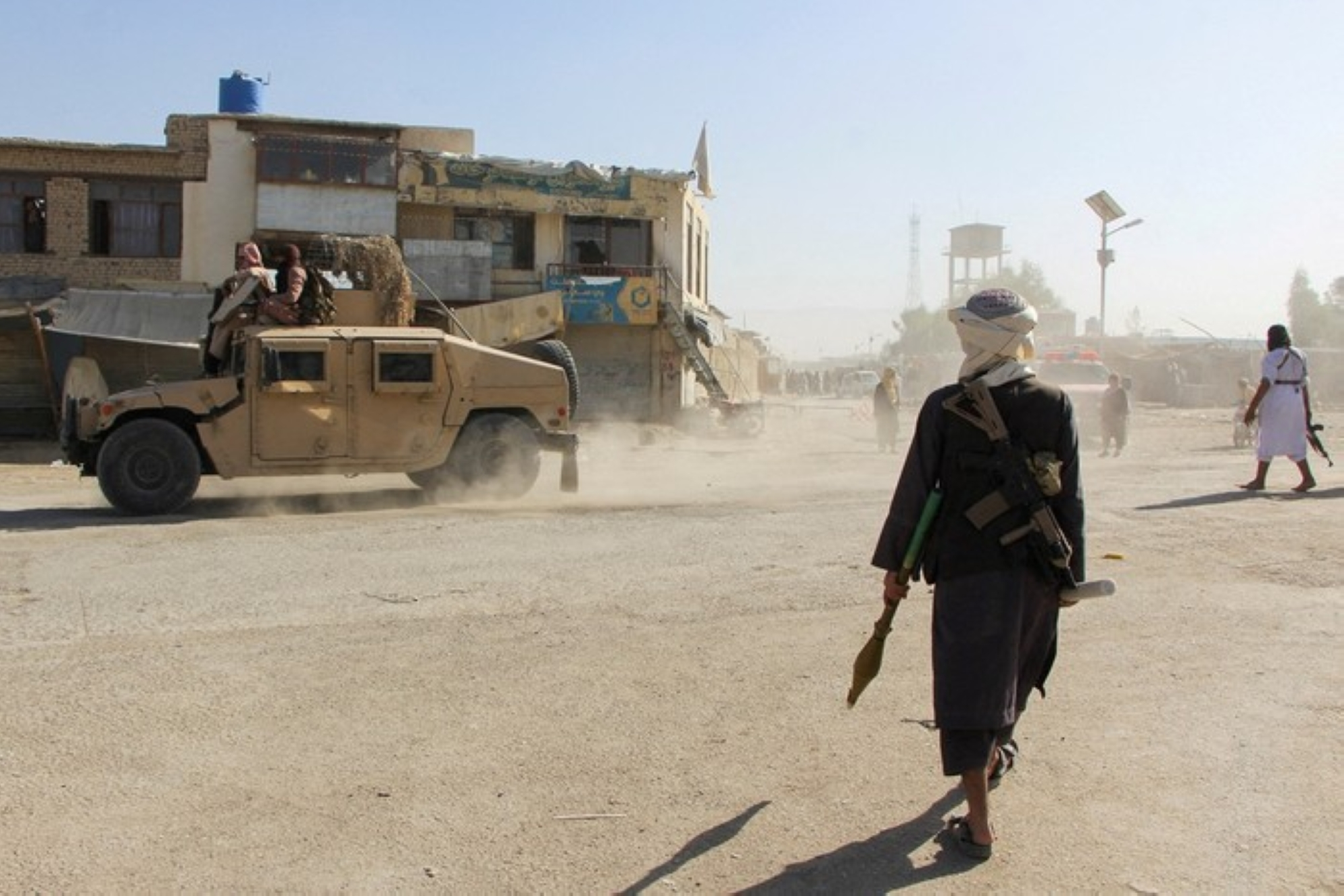
In a dangerous development that threatens to alter the security landscape in South Asia, the Pakistani-Afghan border has witnessed an unprecedented military escalation. Officials in Islamabad announced nighttime airstrikes targeting Taliban government positions in major Afghan cities, including Kabul, Kandahar, and Paktia. Pakistani forces employed precision air-to-surface missiles in their offensive, coinciding with fierce ground clashes along several sections of the nearly 2,600-kilometer border, historically known as the Durand Line.
Details of the confrontation and the declaration of "open war"
The escalation did not stop at the usual skirmishes, but took on a sharply official character, with Pakistani Defense Minister Khawaja Muhammad Asif declaring that his country was now in a state of "open war" with neighboring Afghanistan. Asif asserted that Islamabad's patience had "run out" with what he described as the continued cross-border attacks, accusing Kabul of failing to maintain security and prevent its territory from being used as a launching pad for attacks inside Pakistan. In response, the Taliban described these strikes as "blatant aggression," confirming that they had immediately retaliated by targeting Pakistani military installations, amidst conflicting reports regarding the final death toll and number of wounded on both sides.
Background to the tension: From tacit alliance to direct confrontation
To understand the depth of this escalation, one must consider the historical and political context of the relationship between the two sides. Since the Taliban's return to power in August 2021, relations have deteriorated dramatically, contrary to previous expectations. Islamabad accuses the Taliban government of providing safe havens for militants (implicitly referring to the Pakistani Taliban) who launch deadly attacks within Pakistani territory. Despite the Taliban's continued denial of these accusations and its characterization of Pakistani security problems as an "internal matter," the pace of clashes has increased, particularly after the events of last October, which necessitated regional mediation efforts to de-escalate the situation—efforts that appear to have collapsed in the face of the current escalation.
Comparing the military balance of power: technological superiority versus guerrilla warfare
According to data from the International Institute for Strategic Studies in London, Pakistan overwhelmingly holds the advantage in a conventional war. The Pakistani military has approximately 660,000 active personnel (560,000 in the army, 70,000 in the air force, and 30,000 in the navy), supported by a formidable arsenal that includes more than 6,000 armored fighting vehicles and 4,600 artillery pieces. Crucially, Pakistan enjoys absolute air superiority with 465 fighter jets and more than 260 helicopters, in addition to possessing approximately 170 nuclear warheads, giving it significant strategic deterrence.
On the other hand, the Taliban forces are estimated at around 172,000 fighters, with ambitions to increase that number to 200,000. The movement relies on equipment inherited from the former army, including Soviet tanks, armored personnel carriers, and helicopters of limited operational readiness. However, military experts believe that the Taliban's strength lies not in conventional warfare, but in its extensive experience in guerrilla warfare, gained during two decades of fighting against international forces. This makes any potential Pakistani ground incursion likely to devolve into a protracted and costly war of attrition.
Regional and international repercussions
This clash is raising concerns within the international community and among neighboring countries, as a slide into full-blown war between the two nations could lead to new waves of displacement and destabilize the entire region. Diplomatic efforts are currently underway to contain the situation, amid urgent calls for an immediate ceasefire and a return to dialogue, fearing that the escalation could create a security vacuum that other extremist groups might exploit to expand their influence in the region.
-

 Culture and Art, 1 week ago
The ban on the Hamdiya series in Iraq: Reasons and official response
-
Local News 5 days ago
The Ministry of Interior begins procedures for a royal pardon for common law prisoners
-
Culture and Art, 1 week ago
The series "Taht El Ard" (Underground) has been postponed and will not air during Ramadan 2026
-
Culture and Art, 1 week ago
Ramez Level the Monster promo: Prank details and list of victims this Ramadan
-
Reports one week ago
King Salman Relief Center's Ramadan aid includes 9 countries
-
Local news one day ago
Saudi Arabia approves regulations for the continued presence of Gulf vehicles: duration and penalties
-
Local news one week ago
19 requirements to reduce dust from projects in Riyadh and fines for violators
-
Local news one week ago
Completion of the first phase of transferring terminals at King Khalid International Airport